
What is flashing?
Also: window flashing, head flashing, sill pan, step flashing, kick-out flashing, drip edge, flashing tape
The pieces of metal, membrane or tape that turn water away at the places it gets in: around windows and doors, where roofs meet walls, at roof edges and at a deck ledger.
What it means on the job
Step flashing is small overlapping pieces where a sloped roof meets a wall, woven in with the shingles. Kick-out flashing, at the bottom of that roof-to-wall line, turns water away from the wall.
Watch out
Caulk is not flashing. To flash a job, follow the maker's instructions or ask your dealer.
Ask this
“Are there kick-outs on the plan, and who installs the window flashing?”
Connected to this word
The people, companies, lessons and episodes on Grit Guide that use it.
People


-
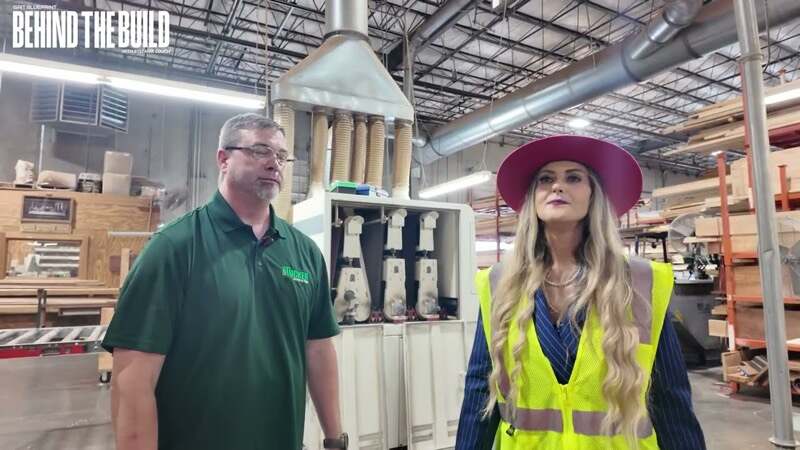
Bob Magbee Magbee Contractors Supply Grit Guide Contributor Watch their Behind the Build with Bob Magbee
-
Greg Rowland Owner and General Manager; Co-owner of HarLand Windows & Doors, GR Exteriors, SAM LLC, HarLand Windows & Doors Grit Guide Contributor Watch their episode with Greg Rowland
-
Jeff Martin Building envelope consultant, Fortress Building Envelope Consultants Grit Guide Contributor Watch their episode with Jeff Martin
-
Mark Stewart Building envelope consultant, Fortress Building Envelope Consultants Grit Guide Contributor Watch their episode with Mark Stewart
-
Chuck Lencheck Senior Vice President, Channel Development, Service Partners Grit Guide Contributor Watch their episode with Chuck Lencheck
Companies








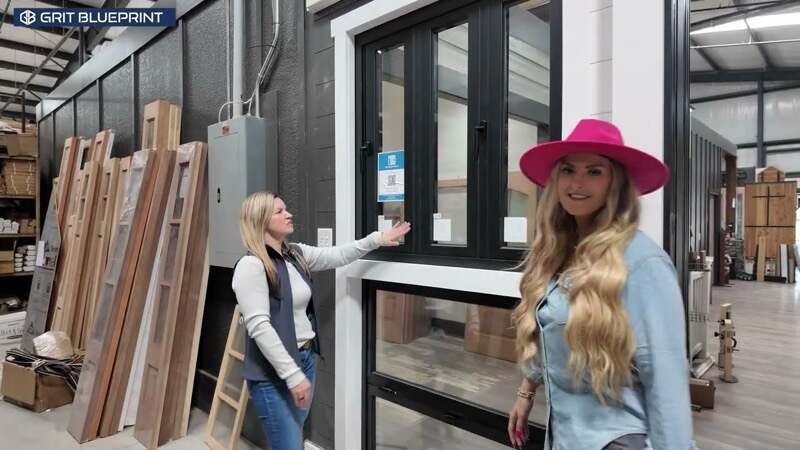


Sources
- Grit Guide lesson: House Wrap, Flashing and Insulation: The Layers Behind the Siding (its own sources are listed on it)
- PNNL Building America Solution Center, Step and Kick-Out Flashing at Roof-Wall Intersections (opens in a new tab)
- PNNL Building America Solution Center, Windows and Doors Are Fully Flashed (opens in a new tab)
Also built on Grit Guide’s shared glossary. Makers and codes word things differently, and rules change by edition and by state. When a size, rating or rule decides an order, use the manufacturer’s current documents and the code your jurisdiction has adopted.