
Windows
Choosing a window, ordering one, or fixing one you have: start here. Pick who you are and this page puts the right lessons first.
Windows in plain English
A window has a few main parts. The frame is the outer box that is fastened into the wall and stays put. The sash is the framework that holds the glass. On a window that opens, the sash is the part that moves. The trade word for the glass is glazing.
A window's type is named for how it opens. A double-hung has two sashes that both slide up and down. A casement is hinged on one side and swings out like a door. The type says nothing about energy, strength, or weather ratings. Those come from the ratings for the exact product.
Most window mistakes start with a size. One window has a rough opening, which is the framed hole in the wall, a unit size, and a glass size. A size with no label on it is not ready to order.
See it your way
Pick who you are. The page puts what you need first and remembers your choice on every product page.
For homeowners
Start with how you want the window to open and what is right outside it. Then let your dealer turn that into an order.
-
Pick the type by how it opens
A casement or an awning window swings out, so it needs clear space outside. A slider has nothing that sticks out, inside or outside. A fixed window gives light and a view but no fresh air. Of the two hung types, only a double-hung opens at the top.
-
The frame material is a separate choice
You will hear vinyl, wood, clad wood, fiberglass, aluminum, and composite. None of these words tells you how a window performs. That comes from the ratings for the exact product.
-
Read the label
Most windows carry an energy label from the NFRC, the nonprofit that certifies window ratings. A lower U-factor keeps more heat in on a cold night. A lower solar heat gain number lets in less afternoon sun. The label reports. It does not judge.
The Window Label Has Several Numbers. Which One Answers the Question?
-
Replacing an old window
There are three ways to do it. A new-construction window goes into an open wall. An insert replacement goes inside the old frame. A full-frame replacement takes everything out. The installer looks at the old frame and decides.
They just want to know is it gonna look good? And is it gonna perform?
What to ask your dealer
- Is this a new opening, or am I replacing a window that is there now?
- Is the old frame staying or coming out?
- Who will measure, and is that number the rough opening or the window itself?
- Which ratings does my job need, and who says so?
- When will it arrive, and how long would a remake take if something is wrong?
For pros and builders
Label every size, and write down who measured.
-
Three sizes, one window
The rough opening is the framed hole in the wall. The unit size is the outside of the window, measured the way its maker measures it. The visible glass is the glass you can see. The maker's size chart says which unit fits which opening.
-
Plumb, level, and square
Plumb means straight up and down. Level means flat from side to side. Square means the corners are true 90 degrees. If the opening is out, the installer and the builder decide what to do, and it may change the size you order.
-
Wall thickness is the third number
The finished wall thickness sets the jamb depth, which is the width of the frame measured through the wall.
-
Lead times and remakes
Custom windows are made to order. At the Tucker Door & Trim plant in Monroe, Georgia, a mistake on a custom order means a remake. A remake can take weeks. Check the date you need it on site against the supplier's lead time, which is how long the order takes to arrive.
It starts with the rough opening. If you get the rough opening right and then get the door or the window installed right, you’re never gonna have a callback.
What goes wrong on the job
- A size goes on the order with no label. Then nobody knows if it was the opening or the unit.
- Plans change and nobody tells the supplier. On one custom home, fifty-some windows showed up and none fit the openings.
- Nobody confirms which side a casement is hinged on against the maker's diagram.
For dealers
Build the quote one opening at a time, ask where each window is going, and have a second person check it before it goes out.
-
Ask what the price is for
A budget, a comparison, and an order you are ready to place are different jobs. A budget can carry open choices. An order-ready quote cannot. Write which one it is at the top.
-
One line per opening
Give each window a mark, like W-1 kitchen. Each line names the type, the size with its label, the glass, the grilles, the finish inside and out, the hardware, and the screens.
-
Compare on equal terms
When a customer is torn between two windows, price both in the same product line with the same size, glass, color, and options. Write an unknown as an unknown. Let the quote show the difference.
-
Train the counter
Have a new person walk the showroom or the yard and find one of each type. Open and close each one. Then point to every part: the head, the jambs, the sill, the sash, the meeting rail, the lock, and the weep holes.
Most of the issues we have generally are we didn't ask: where's this door, this window going?
What buyers ask, and the number that answers
- Will it keep the heat in on a cold night? Look at the U-factor. Lower insulates better.
- Will this room bake in the afternoon sun? Look at the solar heat gain coefficient. Lower lets in less heat.
- Will the glass look dark? Look at visible transmittance. Higher lets in more light.
- Will it feel drafty? Look at air leakage. Lower leaks less.
- Will the window sweat in winter? Look at the condensation rating. Higher resists more.
For manufacturers
Dealers and pros talk about windows in labeled sizes, hinge sides, and lead times. They need your charts, your labels, and a fast answer when an order goes wrong.
-
Your size chart is the source
Dealers order from your size chart. Or they ask the supplier to confirm the unit size in writing. Make your charts and measuring guides easy to find.
-
Your diagram is the one that counts
Makers sometimes use their own names for parts, so for ordering a part, the maker's own diagram is the one that counts. Dealers send customers to your current documents for part numbers, ratings, lead times, and warranty.
-
Send the instructions with the quote
The person who paints or finishes a unit is rarely the person who ordered it. Tucker Door & Trim now puts the finishing instructions and the warranty right into the quote.
-
Run to the fire
When an order goes wrong, say you will find the answer, then call back fast. A customer who watched a supplier fix its own mistake has a good reason to send the next order to the same place.
Hey, what hands? What are these jambs, width, sills, everything. And a lot of that does not get asked.
What dealers need from you
- Current size charts and measuring guides for every line.
- Hinge-side diagrams, so a casement can be confirmed on paper before it is ordered.
- Certified ratings for the whole window, so two look-alike windows can be compared fairly.
- A real lead time, and a straight answer on how long a remake takes.
- A rep who calls back when they say they will.
Lessons
Short lessons in plain words, each one built from the people who make, sell, and install it.
-
Windows 101: Parts, Types, Sizes and What to Ask
The first lesson on windows: the parts, how each type opens, the three sizes and the questions that turn “I need a window” into a clear order.
Lesson · 12 min read
-
The Window Label Has Several Numbers. Which One Answers the Question?
Two labels, about eight numbers, and each one answers a different question a customer might ask.
Lesson · 8 min read
-
Rough Opening vs. Unit Size: Which Measurement Do You Need?
A size is not ready to order until you know what was measured, who measured it and who confirms it.
Lesson · 9 min read
-
Impact Windows and Doors: What the Words Mean
Impact glass is only one part. The rating belongs to a tested unit, its size, its parts and how it is installed.
Lesson · 8 min read
-
How to Read a Window and Door Order, Line by Line
Every short code on a window and door order is a decision, so read it one line at a time.
Lesson · 8 min read
-
How a Window and Door Quote Is Built and Checked
Build it one opening at a time, name what is not included, and make sure the customer approves the version you order from.
Lesson · 8 min read
Read and watch
Plant tours, interviews, and stories from the people who make and sell it.


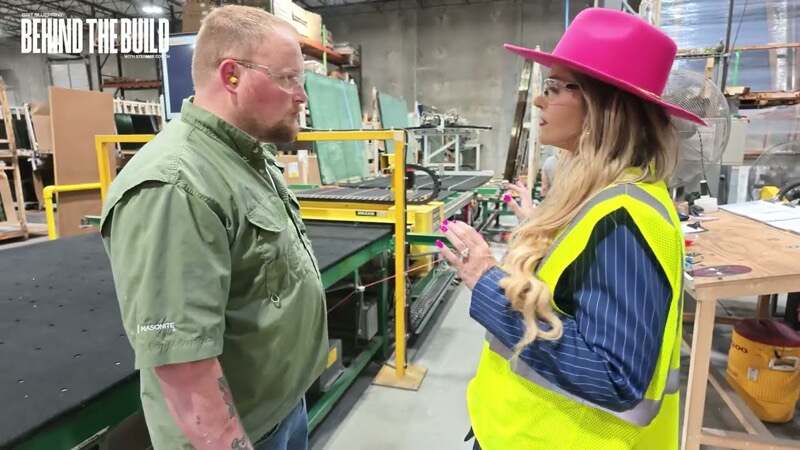
How Windows Are Made: Glass, Vinyl, PVC, and Wood | Behind The Build at Tucker Door & Trim, Part 2
With Barry Williams and Chris Kotlowski · Tucker Door and Trim
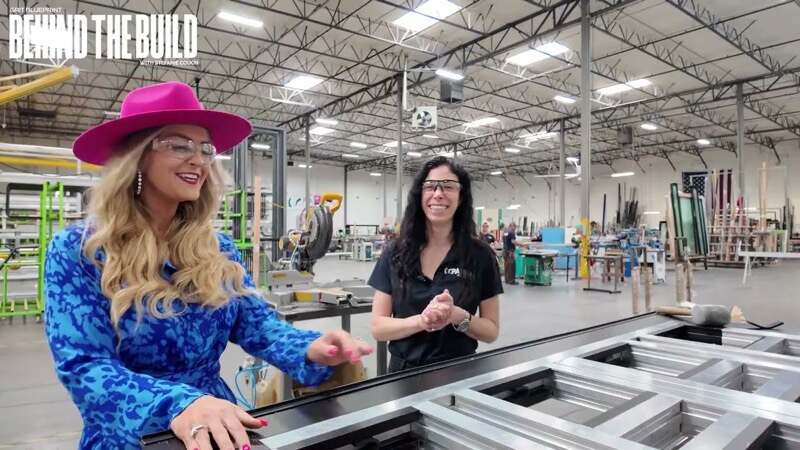
- What Happens to a Custom Window Order on the Shop FloorArticle · Nov 5, 2026
- What Is a Hybrid Window? Vinyl, Wood and Aluminum in One FrameArticle · Nov 2, 2026
- Window and Door Order Checklist: What to Confirm Before You Place ItLesson · Feb 16, 2026
- How High-Performance Window Spacers Are Made & Why They Matter: GED Intercept Extreme at GlassBuildBehind the Build · Jan 15, 2026
- Beyond the Glass: Innovations and Hurricane-Proof Engineering with Jack Redden of ES WindowsGrit Blueprint Podcast · Sep 23, 2025
- Beyond the Glass: Innovations and Hurricane-Proof EngineeringClip · Sep 23, 2025
Words to know
What people say at the counter and on the job, in plain words.
- Air leakage A window rating for how much air passes through the unit under test conditions: lower is better.
- Casement window A window with a sash hinged on one side that swings open like a door, usually with a crank.
- Condensation resistance An NFRC rating of how well a window resists condensation on the room side: higher is better.
- Design pressure A window or door rating for the wind load it was tested to handle, in pounds per square foot.
- Double-hung window A window with two sashes that both slide up and down.
- ENERGY STAR The U.S. EPA program whose label marks windows, doors and skylights that meet its energy criteria for a climate zone.
- Florida Product Approval Florida's statewide approval for building products such as windows and doors, listed by an FL number with limits of use.
- Impact-rated A window or door system tested and approved to withstand windborne debris and the wind pressures that come with a hurricane.
- Installation flange The thin strip around the outside of many new-construction windows that is fastened to the wall framing.
- Jamb The pieces that form the frame of a door or window: two side jambs and a head jamb across the top.
- Laminated glass Two or more layers of glass bonded together with a plastic layer between them, called an interlayer.
- NAFS The performance standard windows, doors and skylights are tested to for structural, air, water and other ratings.
- NFRC The independent nonprofit that certifies and labels the energy performance of windows, doors and skylights.
- NFRC label The label on a window, door or skylight that lists its certified energy ratings: U-factor, SHGC, VT and often air leakage and condensation.
- NOA Miami-Dade County's product approval document that names an accepted product and the conditions it is approved for.
- Performance Grade A window or door rating the unit earned by passing every test in the standard at a given pressure: structural, air, water and the rest.
- Rough opening The framed hole in the wall where a window or door goes.
- Sash The part of a window that holds the glass, set inside the frame. The sash can move or stay fixed.
Who makes it
Manufacturers in the Grit Guide directory whose own record says they make it. The ones on our shows come first.
-
 Panda Windows & Doors
-
 Marvin
-
 Faour Glass Technologies
-
 Kolbe Windows & Doors
-
 Sierra Pacific Windows
-
 Cardinal Glass
-
 Woodgrain
-
 ES Windows
-
 Andersen Windows & Doors
-
 Quaker Windows & Doors
-
 GED Integrated Solutions
-
 Pella
-
 ProVia
-
 Harvey Windows + Doors
-
 Lincoln Windows
-
 Oz Machine USA
-
 Windowcrafters
-
 Alpen High Performance Products
Rooms
Where it goes in a house, with the projects, lessons, and episodes for each room.
Windows throughout
32 pieces
Real projects
Homes where it was part of the story, told by the people who did the work.

A Cliffside Custom Home on Lake Burton, Georgia
Let the terrain draw the house.
- Builder CK Builders
- Builder Ramey Builders
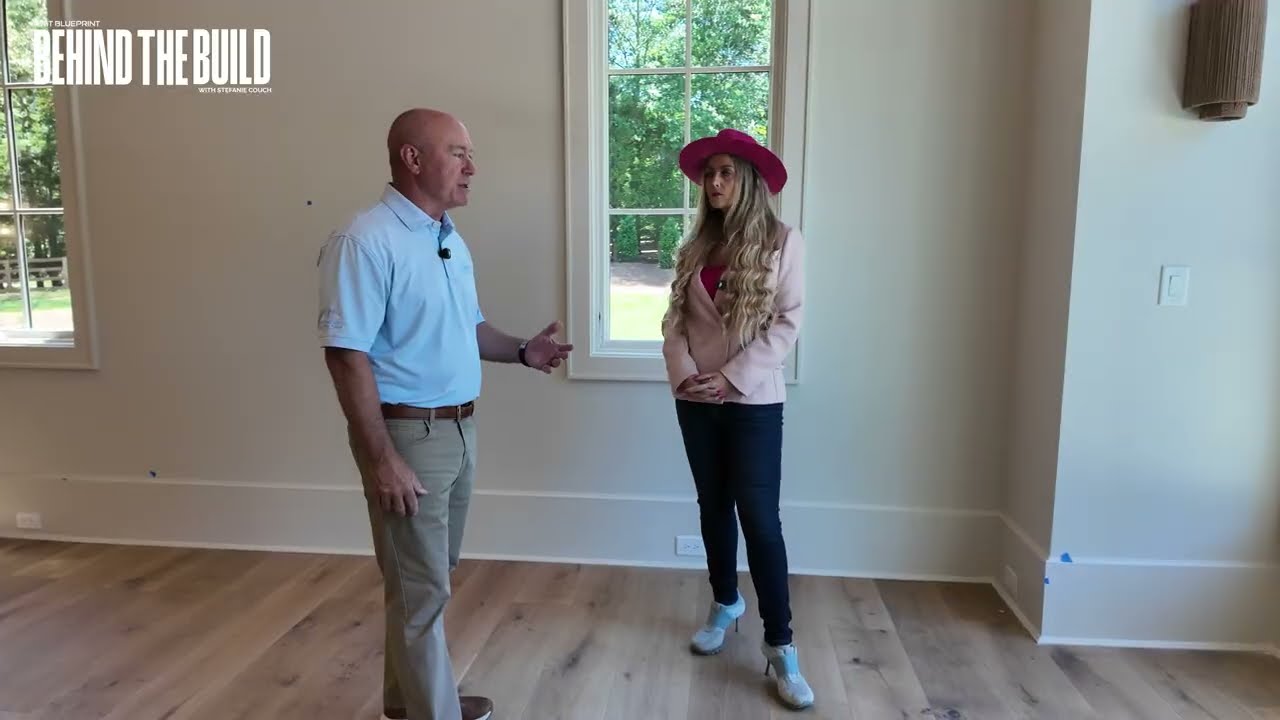
A Crownline Homes Custom Build in Alpharetta, Georgia
The plan said 12 feet. The room got about 18.
- Builder Crownline Homes
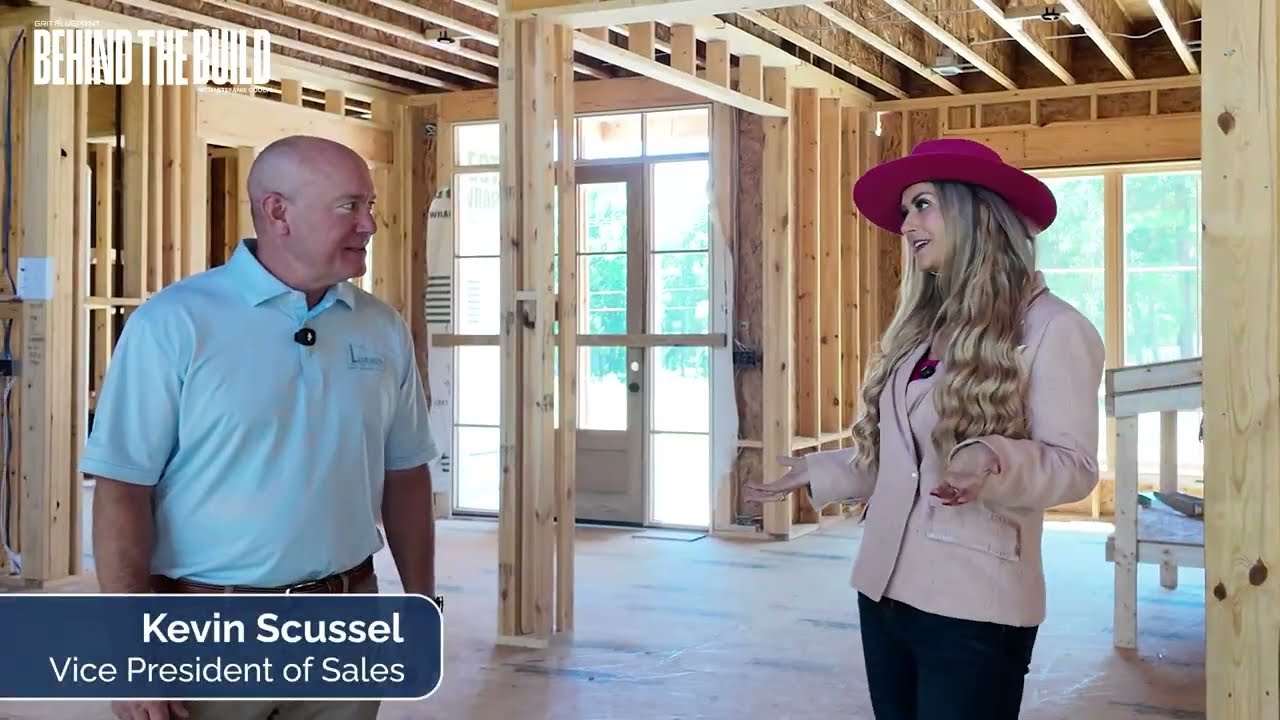
An ECraft Model Home in Cumming, Georgia
The door and the windows had to line up. Exactly.
- Builder ECraft
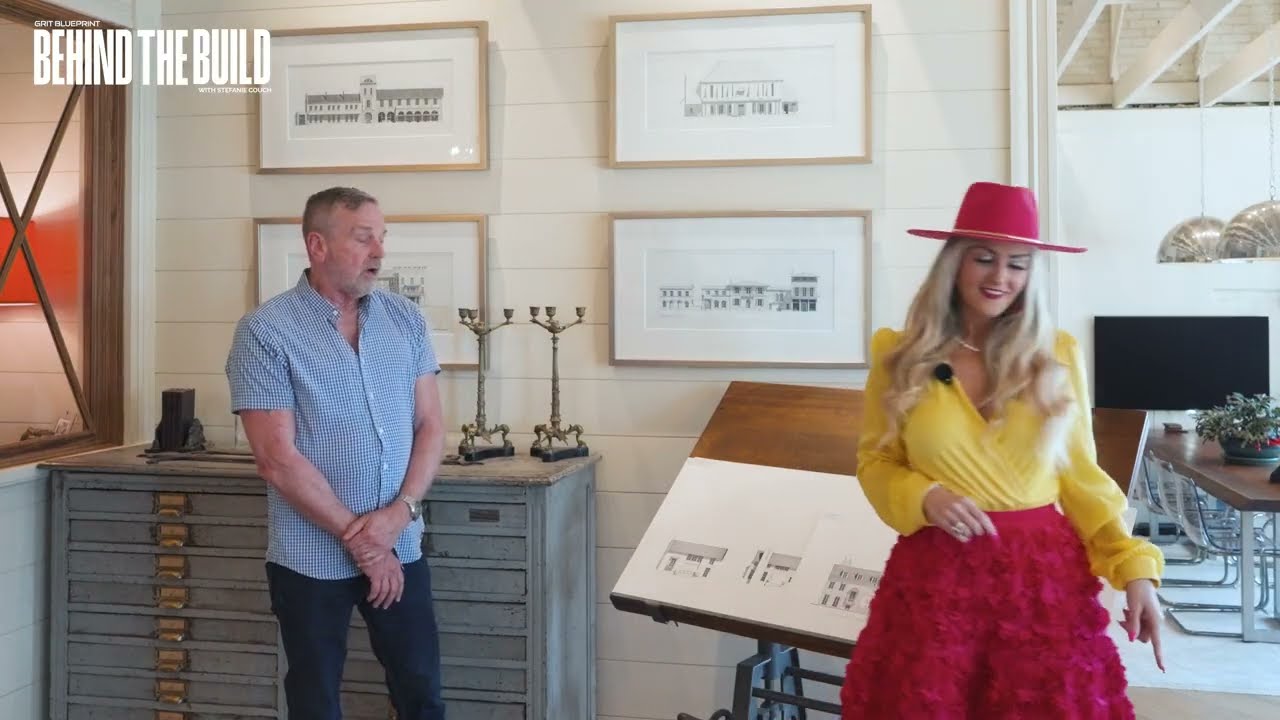
Lew Oliver’s Office Rebuild in Clarkesville, Georgia
Gut it to the slab, then let the building talk.
- Designer Lew Oliver Inc.
- Builder Austin Treadwell
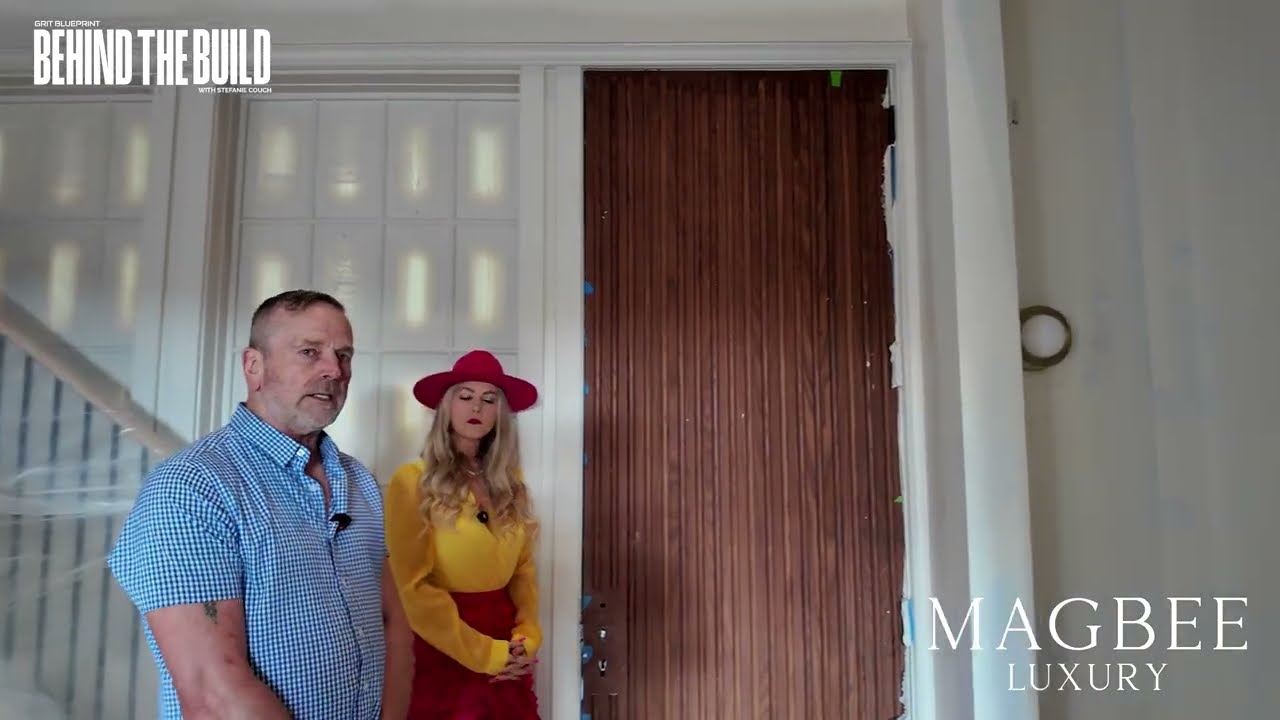
Two Show Homes at Burton on Lake Burton, Georgia
The trim on the market was too small, so they drew their own.
- Designer Lew Oliver Inc.
- Builder McKinney Builders
Questions people ask
The questions people ask most about this, answered by the people who know. The rest are on our list.
- Fogged window: new glass, a new sash, or a new window Read
- How to measure windows for replacement Read
- Standard window sizes and the size codes dealers quote Read
- What windows cost, line by line Read
- Casement, double-hung, awning, or single-hung: which to choose Read
- Double pane or triple pane: when triple pays Read
- Egress windows: the size a bedroom window must be Read
- New construction or replacement windows: insert or full-frame Read
- Marvin, Pella, or Andersen: which line fits the job Read
GritConnected
The people, companies and topics that come up most here on Grit Guide.
Top people
-
 Expert card Tap to open
Dori Shoshan Innovation and Business Development, Panda Windows & Doors Grit Guide Expert Watch their Behind the Build with Dori Shoshan
-
Expert card Tap to open
Barry Williams Window Division Manager, Tucker Door and Trim Grit Guide Expert Watch their episode with Barry Williams
-
Expert card Tap to open
-
Expert card Tap to open
Chip Gentry Chief Legal Officer, Quaker Windows & Doors Grit Guide Expert Watch their episode with Chip Gentry




-
Noya Shoshan Director of Operations, Panda Windows & Doors Grit Guide Contributor Watch their Behind the Build with Noya Shoshan
-
Chris Kotlowski Runs production for the window department, Tucker Door and Trim Grit Guide Contributor Watch their Behind the Build with Chris Kotlowski
-
Kevin Scussel VP of Sales, Lummus Supply Grit Guide Contributor Watch their Behind the Build with Kevin Scussel
Top companies








Also named on this page
People and companies mentioned above, each with a page on Grit Guide.