
Inside a 290,000 Square Foot Custom Door Shop | Behind The Build with Tucker Door & Trim
With Albert Davis and Bryan Broadnax · Tucker Door and Trim
Get useful ideas, expert advice, and stories from across the building industry. Learn something new. Put it to work.
What a door order really means, what the parts are called, and how to get the swing and the size right. Pick who you are and this page puts what you need first.
A customer who asks for a door can mean three different things. A slab is the door by itself, with no frame. A prehung door is a slab already hung on its hinges in a frame. An entry system is a full outside door unit sold as a package, and it can include glass beside or above the door.
An interior door separates rooms. An exterior door is part of the outside wall, so it also needs a sill at the bottom, weatherstripping around the frame, and a seal on the bottom of the door. Words like wood, steel, and fiberglass usually name the face of the door. They do not tell you what is inside it.
Most door mistakes start with left and right. Handing is which side the hinges are on and which way the door swings, and left and right change with where you stand. On an exterior door, always read it from outside the home looking in. Then match it to the maker's own diagram.
Pick who you are. The page puts what you need first and remembers your choice on every product page.
Start with what you are keeping. Is the old frame staying, and is the door inside the house or on an outside wall?
A slab goes into the frame you already have, but only if that frame is sound and the new door lines up with it. If the frame is rotted or there is no frame, you are likely looking at a prehung door. Glass beside or above the door makes it an entry system. Ask the installer to look at the frame before anything is ordered.
Two doors can look the same and be built in very different ways. A woodgrain fiberglass face is not wood. Solid core means the center is filled. It does not make a door quiet or fire rated unless its label says so.
Interior vs. Exterior Doors: What Is Inside the Door You Are Selling?
A pocket door slides into the wall. A barn door hangs in front of the opening on a track and leaves a gap at the floor. A bifold folds to the side of a closet. Tell your dealer what the old door hits or blocks.
Barn Door, Pocket Door or Bifold? Compare More Than the Look
On an outside door, the sill, the sweep, and the weatherstripping do the sealing. The sill is the base of the frame. The sweep is the seal on the bottom edge of the door.
What Makes Up a Weather-Resistant Entry Door? Sills, Thresholds and Seals
there's a lot of things that they do that allow you to change the makeup or the flow of a house because you're not having to accommodate for the swing.
Label every size, write the handing in words, and check the opening before anyone blames the door.
A 3/0 x 6/8 door is 3 feet wide by 6 feet 8 inches tall. That is the slab. The prehung unit is bigger, and the rough opening, the framed hole in the wall, is bigger again. Take the difference from the maker's size chart, never from memory.
The jamb is the frame. Its width, measured through the wall, has to match the finished wall. One maker's guide lists 4-9/16 inches for a 2x4 wall and 6-9/16 inches for a 2x6 wall. Plaster, paneling, or extra drywall changes the number.
A Door Style Is Chosen. Is the Interior Door Order Complete?
On an exterior door, stand outside the home and look in. Write which side the hinges are on and which way the door swings. Draw it from above with an X where you stood. Then find the matching picture on the maker's diagram and have the customer confirm it in writing.
When a door will not close, the cause is often the opening. Level means flat from side to side. Plumb means straight up and down. Shims are the thin wedges that hold a frame straight.
If your wall is plumb and my door’s hung properly, we’re not gonna have a problem.
Ask where the door is going, fill every line of the order, and send the finishing instructions with the quote.
At Tucker Door & Trim, most claims start with a question nobody asked: where is this unit going? Ask your dealer which door fits where it is going.
The style is one line. The door shop also needs the unit type, the size, the core, the jamb width, flat or split jamb, the handing, the bore, the hinges, the casing, and the finish. The bore is the hole drilled for the lock, and the casing is the trim around the door. Miss one and the shop calls you back or guesses.
A Door Style Is Chosen. Is the Interior Door Order Complete?
Pocket door frames come knocked down, a box of parts put together on the job, or built up, already framed. A built-up frame is ordered one per opening and takes far more room in the warehouse. Markets lean hard one way. Ask your manager which way yours buys.
Barn Door, Pocket Door or Bifold? Compare More Than the Look
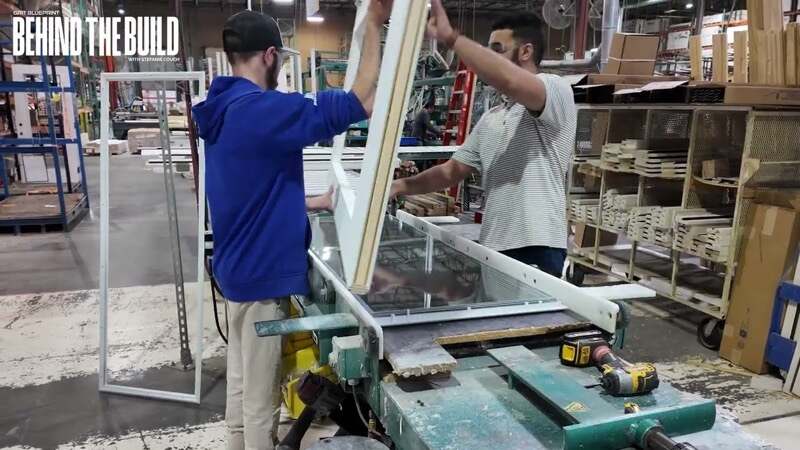
The fastest way to write better door orders is to watch a unit get built. Follow one interior unit and one exterior unit from the order sheet to the staging area. Write down every place someone reads the paperwork. At Tucker, new hires go into the plant to learn why the details matter.
How a Prehung Door Is Built, and What It Means for Your Order
Dealers and door shops talk in handing codes, jamb widths, and size charts. They need your diagrams, your charts, and your finishing rules before the order goes in.
Makers do not all use the same names for handing. Exterior handing is read from outside the home looking in. Dealers are taught to describe the door in words and then find it on your diagram. Make the diagram for each line easy to find, and say which side it is drawn from.
One company's prehung unit is another company's entry system. Dealers go down a list on every quote: frame, hinges, sill, weatherstripping, lock holes, lockset, trim, glass, and finish. Each line is yes, no, or supplied by someone else. Put that list in your papers in plain words.
The person who paints a door is rarely the person who ordered it. Ron Herrin, VP of Sales at Tucker Door & Trim, sees raw wood doors coated with a water-based primer and then called defective. Tucker now puts the finishing instructions and the warranty right into the quote.
Panda Windows & Doors is in Las Vegas, Nevada. It puts each door together on a test wall in its plant. It checks the sizes, the locks, and the latches before the door ships. Dealers are told to ask every maker what it checks before shipping and what the installer gets.
A Patio Door That Slides, Swings, Folds or Pivots: Questions to Ask First
We recommend installers. We have our installation manuals.
Short lessons in plain words, each one built from the people who make, sell, and install it.
“I need a door” can mean three different orders, so learn the parts and the questions first.
Lesson · 11 min read
Two doors can look the same and be built in very different ways, so learn to read the layers.
Lesson · 8 min read
The shop buys the slab. Everything that makes it a door unit happens on the line, from the order.
Lesson · 9 min read
Left and right change with where you stand, so describe the door first and let the diagram name it.
Lesson · 8 min read
The style is one line. The door shop needs about ten more before it can build the unit.
Lesson · 9 min read
All three save the space a swinging door needs. Each one asks something different of the wall.
Lesson · 8 min read
Where the panels go when the door is open decides the product, the track, the floor and the order.
Lesson · 9 min read
The slab is the part people see. The sill, the sweep, the weatherstrip and the pads are the parts that keep the rain out.
Lesson · 9 min read
Glass beside or above the door turns one door into an assembly, with a new size, a new code and new questions.
Lesson · 9 min read
Plant tours, interviews, and stories from the people who make and sell it.
With Albert Davis and Bryan Broadnax · Tucker Door and Trim
With Michael Tull
What people say at the counter and on the job, in plain words.
Manufacturers in the Grit Guide directory whose own record says they make it. The ones on our shows come first.
Where it goes in a house, with the projects, lessons, and episodes for each room.
24 pieces
10 pieces
29 pieces
4 pieces
Homes where it was part of the story, told by the people who did the work.

Let the terrain draw the house.
The plan said 12 feet. The room got about 18.
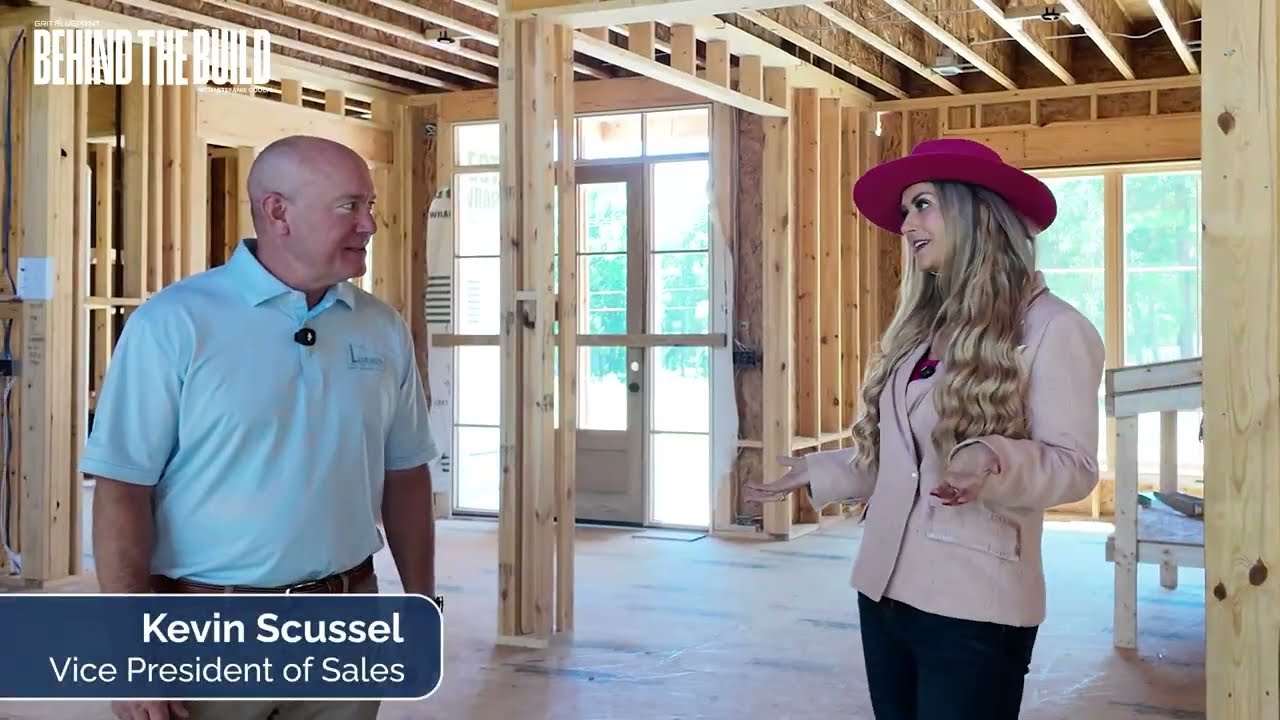
The door and the windows had to line up. Exactly.
Gut it to the slab, then let the building talk.
The trim on the market was too small, so they drew their own.
Build the foundation for the wind, not the weight.
The questions people ask most about this, answered by the people who know. The rest are on our list.
The people, companies and topics that come up most here on Grit Guide.
 Expert card Tap to open
Expert card Tap to open
Expert card Tap to open
People and companies mentioned above, each with a page on Grit Guide.