Click any timestamp to jump to that moment in the video.
Why RESCUE! Won't Launch a Pest Control Product Until It Works
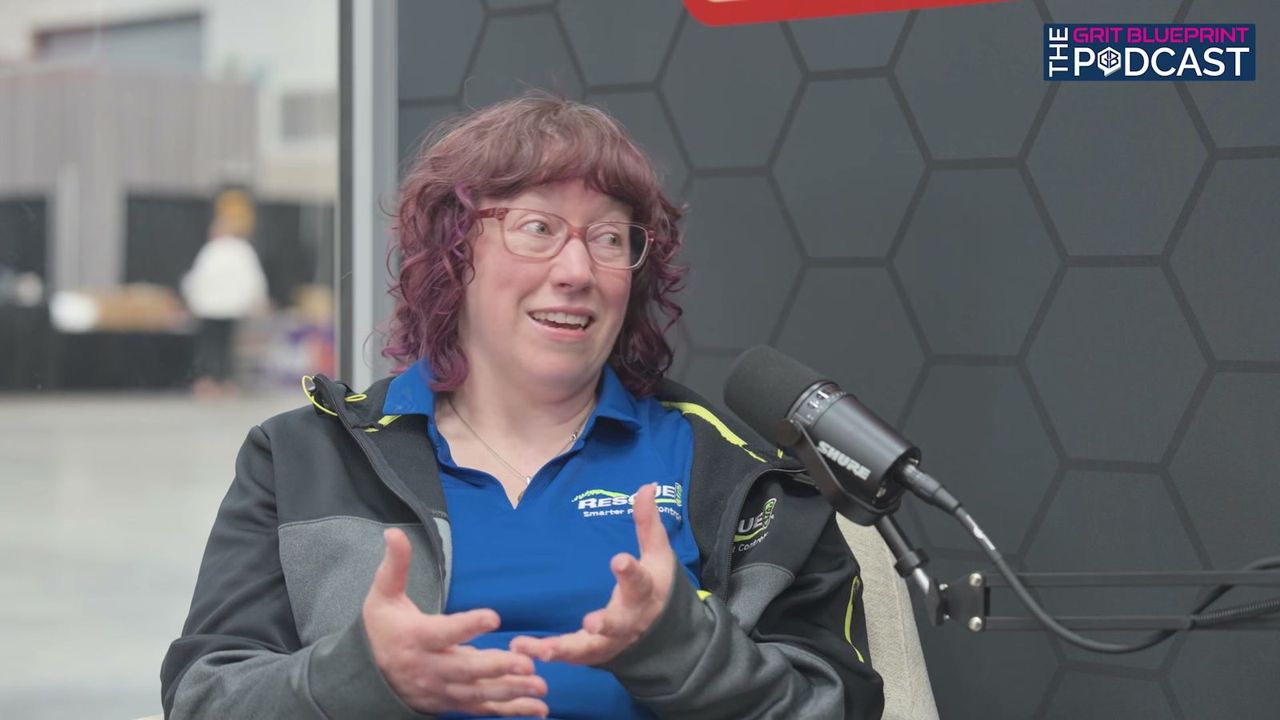
0:01 Alyssa Ando: When we're looking at going into a certain insect, one we research the heck out of it. We're going to make sure that we know it works both in our lab and in the field. But also, what does the packaging look like? Is it intuitive to use, is it easy to use and is it easy to have success with the product?
0:17 Stefanie Couch: You guys have so much technology in this. It seems simple, but it's not at all. It's only simple to use because you've done so much R&D on the front end to make sure it works.
0:26 Alyssa Ando: Yes. There is all that science behind it because it works. And that's what our brand is about. And people just know that from a RESCUE! product that you're going to have the science. It's going to sell itself on the shelf for you. We don't bring something to market unless it flat works.
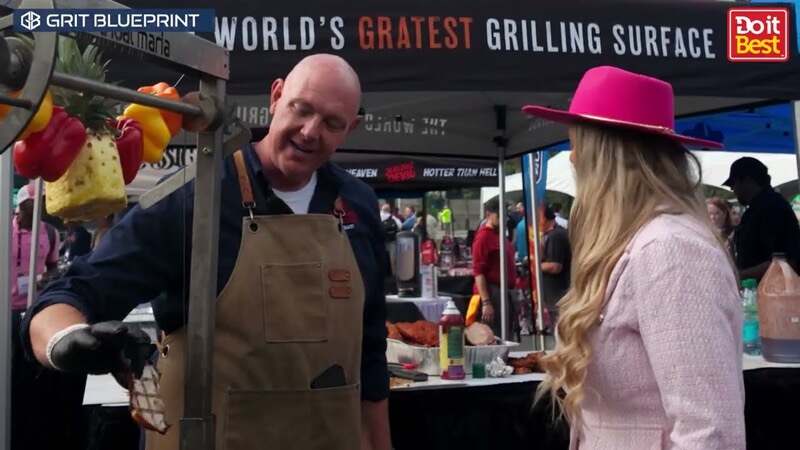
0:44 Stefanie Couch: Welcome to the Grit Blueprint Podcast. I'm your host, Stefanie Couch, and today I'm coming to you live from the Do it Best market. And I'm here with my friend Alyssa. Welcome to the show.
0:53 Alyssa Ando: Thank you so much for having me.
0:55 Stefanie Couch: And you are here with your amazing, beautiful hair. I love your hair. It matches my dress today.
1:00 Alyssa Ando: Oh, perfect. I'll just stand next to you all day.
1:02 Stefanie Couch: It'll work. You are here with RESCUE! and it is a product that I actually have a lot of love for because I use it a lot in my studio and I've used it firsthand recently. But we have been talking about a lot of these cool products that you're showing here at market. So I wanted to bring you in today to chat about some of this. But I want to start with your story because you have actually been working for 21 years making bugs sexy is what you said and that seems like maybe a hard thing to do. So tell me how you make that happen.
21 Years Marketing Bugs and the Fly Trap That Started RESCUE!
1:31 Alyssa Ando: I know, right? How do you make bugs sexy? That's what I've been spending 21 years doing. You're right. It's a family-run company, same owner-operator for 45 years. And so they take good care of us. And so when I found this role, it made perfect sense. I was looking for a marketing role. And so through the years you just learn more and more and the amount of like insect knowledge become like just a real hit at parties. And yeah, it's a lot of fun. You don't realize that you're going to be getting into these areas where you have no idea about the item. And then you really, you learn a lot. You act as translator and there's just. It's a lot of fun. 21 years is a long time to be doing that.
2:12 Stefanie Couch: It is. And tell me a little bit about your role there at RESCUE! and a little more about the company.
2:17 Alyssa Ando: Yeah, absolutely. Well, it was founded in 1982 by a graduate from Washington State University. So he wanted to on the farm, figure out a way to control flies around the animals without using pesticides. And so he developed and invented the fly trap.
2:35 Stefanie Couch: Wow.
2:35 Alyssa Ando: And then went. It went from there. And so same owner today, still looking after us. And that's why. Yeah, my story there. I'm the marketing director and they take such good care of us. And so anyway, that's why I've been there for 21 years. And it's a lot of fun. It's different all the time. We're always looking for new products, but we're developing them ourselves.
2:53 Stefanie Couch: Yes.
2:53 Alyssa Ando: And that's huge. And so it's different all the time because you're learning about something new from our R&D department. They are finding new things out about insects and it's a lot of fun.
Made in the USA: RESCUE! R&D and Manufacturing in Spokane
3:04 Stefanie Couch: I love that you guys are made in the USA. So tell me a little bit about your manufacturing.
3:08 Alyssa Ando: Well, it's all. All of us are all together under one factory and it's all in Washington State. And we handle all of our own engineering, our own product development, we have our own industrial designer. We have our own R&D department with organic chemists, Ph.D. organic chemists, a Ph.D. entomologist, with a team of field scientists and biologists. And so you have all of this expertise in the engineering side, the product development side, and the research and development side. And that's where everything starts. And then from there we manufacture and produce and ship everything from Spokane, Washington.
3:44 Stefanie Couch: That vertical integration is so great because you control everything and it gives you guys such a better outcome because of that control. I want to talk a little bit really quickly before we get into the deep dive on the R&D and all those things. We got a lot of cool gadgets and things here, including real bugs, which I love. We don't play with fake bugs. We got real bugs here at RESCUE! Tell me about this product, because this is actually a new product. This is the BugStik. So tell me about the BugStik and what it does because I actually can't wait to try this out in my studio.
BugStik: Catch Bugs Without Leaving Guts on the Wall
4:17 Alyssa Ando: It is a little bit different than our other products because we are an insect trap company. We have insect traps and then baits for ants. And so when we were looking at this item. This is more of an active role for the consumer. Usually someone sets up the trap. It's doing its job in the background. You don't have to think about it now. It's, oh, my gosh, there's that gross bug in the corner. Something flying around my window that's driving me crazy. Maybe it's a yellowjacket or a wasp at your window that you need to take care of. And everyone grabs either a tissue, shoe, the vacuum cleaner. A lot of people will grab, like, their Swiffer, and they'll do that. And you often get guts left everywhere, or a sticky mess or smushing up...
4:57 Stefanie Couch: Against that white wall, and it's there for the rest of your life.
4:59 Alyssa Ando: Or climbing up there and not getting the thing and then it's falling down into your bed. There's just all kinds of nightmares that you can have with them. So we found that if we had glue in just the grooves and so you have on the surface, I can touch it and not get glue on it. But that means that you have grooves for the guts of the insect to get on there. So when you're squishing the bug, it's not necessarily a glamorous job, right? Not sexy. But you can squish it and then not have any guts on your window, your ceiling, your wall, your carpet, you can use on carpet. And so you do all of that. The guts are inside of there. That is the sexy part.
Testing the Indoor Fly TrapStik and Fruit Fly Trap in My Studio
5:36 Stefanie Couch: But because of the ribs having the glue inside of this, the actual insect sticks in there. But it can go on carpet because it's not sticking sticky on the outside rib here. So I'm touching this and it's not sticky in my hands. I love this product. This is really cool. I'm gonna test this out in the studio because we do have a little bit of a bug deal going on in there. We had a fruit fly invasion a few weeks ago, and I went and bought one of these bad boys, the Indoor Fly TrapStik. And it just caught like a million of those things. And I also bought the fruit fly traps, so we have those as well. I have your brand on both of these. And I don't have a fruit fly problem anymore because they're all on this thing. And actually, one of the things I like about this, everybody that knows me well knows that I'm all about the looks. I want things to look nice. I also want them to work well. One without, the other doesn't work. But this thing, I'm going to try not to touch it because it's so sticky. It actually has this cool design on it which matches your shoes. You're so on brand. Look at you crushing it. This doesn't show the little black flies near as much as that white fly trap would. So when people come in the studio, I don't have to hide this because I'm embarrassed because we have flies. So I can just leave it up on top of a cabinet, which is where it is. And you really can't even see them from afar. And you have this little pixelation design that makes it really easy to hide that. So I love. I really have tested in real life and it works. So I love this. Tell me a little bit more about some of the products that you have for the members here at Do it Best and True Value that maybe they might be interested in today.
How an Insect Retina Scan Shaped the TrapStik Pattern
7:13 Alyssa Ando: Just to talk about the TrapStik that you had in your hand a minute ago. That one. It is a nice camouflage for the insect. But what we actually did in our R&D department is we scanned the retina of the insect.
7:25 Stefanie Couch: Oh. And so this is really not just camo. It's for real because the insect likes it.
7:30 Alyssa Ando: Yes.
7:31 Stefanie Couch: Wow.
7:31 Alyssa Ando: Yes. And so we determined which colors and patterns they found attractive and then put them underneath the glue so that they would end up going right forward. So it's a visual lure. Amazing that we used with that one.
7:40 Stefanie Couch: So I did not even realize that.
7:42 Alyssa Ando: So it's camouflage and attractive to the flies.
7:45 Stefanie Couch: You guys have so much technology in this. It seems simple, but it's not at all. It's only simple to use because you've done so much R&D on the front end to make sure it works. Same thing with these other products as well.
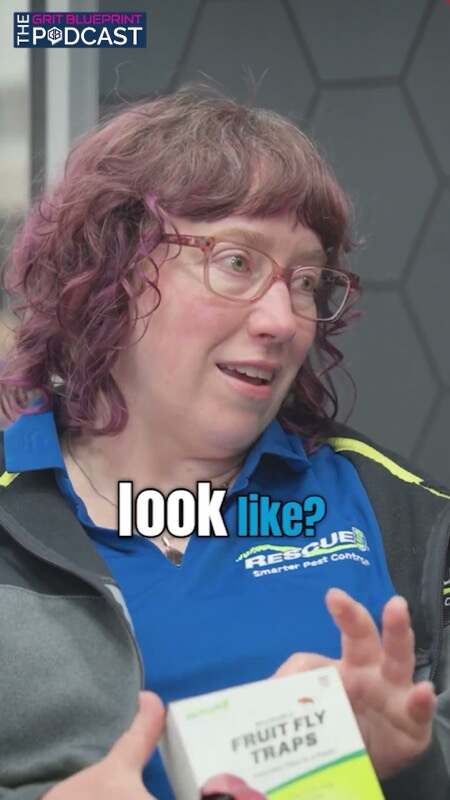
7:57 Alyssa Ando: Yeah, yeah. So you have say, like fruit fly traps. What we did with this one is we made sure it was reusable. Made in USA, of course, but a reusable item that you can empty and refill very easily. A no tip design. All of those things. So we look at. When we're looking at going into a certain insect, one, we research the heck out of it. We're gonna make sure that we know it works both in our lab and in the field.
Ant Baits and Packaging That Sells Itself on the Shelf
8:22 Stefanie Couch: Yes.
8:23 Alyssa Ando: And make sure of that. But also, what does the packaging look like? Is it going to be what the consumer needs to see so that they know what item they want and what they're going to pick up? And so there's a lot that goes into all those pieces. So that's one of them. Ant Baits was another one. We actually were trying to figure out what people really wanted to know for ants in particular when we got into that, because it was our R&D was really excited about all of the features that we had with it. It was both a lure for protein and a carbohydrate which a lot didn't have. And they had, oh, it's this dual bait and it's the texture of it and all that. Well, that's a lot of science. And the consumer just wants the ants dead. Yes, they just, they just want them dead. And so that's a lot of really good information for our members here. Sure, they need that information. But on the packaging, what does the consumer want and what do their customers want? They want them dead. They don't want a mess. They don't want children being able to get into it. No dogs. Right, right. So you have, you have a child-resistant packaging, you have no mess. And yes, there is all that science behind it because it works and that's what our brand is about. And people just know that from a RESCUE! product that you're going to have the science and that it's going to flat work for you. But on the outside of the package, they just want them dead.
9:35 Stefanie Couch: And they're in these packets so they stay good until you actually open them. There's four of these in a packet. It's all just right here on the packaging. So it does have the active ingredients and tells you exactly what you need to know if you want to know it.
How RESCUE! R&D, Marketing, and Engineering Develop Products
9:47 Alyssa Ando: Right.
9:48 Stefanie Couch: But it's really easy right here to tell. So when people are selling this in their store, if you don't have someone that can come and explain this, they can sell themselves right here with this solution. I like that. Tell me a little bit more about this R&D, because I feel like that is really the selling point. You talked a little bit about the coloring, you talked about the attractant. What all are you thinking about when you're really researching these products? Because there's a lot that goes into this.
10:12 Alyssa Ando: And we have a multifunctional team where we have members from R&D, our top brass, and marketing is in there, and the manufacturing side is also in there because we're thinking so much about what my job is in all those meetings is is it intuitive to use, is it easy to use and is it easy to have success with the product? Yes, that's important. And I'm the only one thinking about that, just as R&D is the only one thinking about is it going to work and perform and is it designed for the insect they're thinking about the insect and then you have engineering trying to figure out, well, can we make this?
10:47 Stefanie Couch: Yes. Because even if it's easy to draw on a sketch, sometimes for mass production, it's not easy to make. Yeah, I can see that.
10:55 Alyssa Ando: Yeah.
10:55 Stefanie Couch: Tell me about a product that maybe you guys made that maybe it's this new BugStik that you had. Customers complaining about certain things or thinking about a problem that you solve. How do you start to think about that in the market? Do you listen to customer feedback or how are you doing that R&D in the field of what people need?
The BugStik Origin Story: A Spider, a Window, and a Painter Pole
11:12 Alyssa Ando: A lot of times we'll hear feedback even from here at the show or from members. We'll hear, hey, our customers are coming in for this item. That, and think, okay, so we, yeah, that's, that's a bug we hadn't thought about or R&D has come across. Hey, wait, this is a, this is a problem in this area. We, we think we have a solution for it. Let's, let's, let's test it. Let's try this, this one in particular that you're holding. Our owner-operator, company president, he had flies going around his window and he was trying to figure out how to. Because we had a FlyPad in the similar shape. And he said, oh gosh, I could passively leave it there, but it's flying around, I can see it right now. And so he turned it over and just pressed it against the window. And then he tried it because his wife found a spider, does not like them. She wants the spider dead, wants it gone, he has to come do it. So he thought, you know, I bet this would work. And he went and he pressed it against there and he realized that there was no guts or anything. And he said, I've safely got it right here and I don't have to do anything else with it. And now I can just throw it out. But his wife was like, I am not putting my hand on that. Are you kidding me? Yeah, my hand. That's way too close. Not putting my hand. That's way too close. So she helped him understand that, oh wait, if you had a wand or a way for you to hold it and then that actually threads on a broom handle or, or a painter pole. It's got a three-quarter-inch thread on there. So you can then extend it up for the ceiling.
12:31 Stefanie Couch: Okay.
12:32 Alyssa Ando: So again, if you wouldn't touch something with a ten-foot pole, you can take the BugStik, put it on that 10-foot pole and get it.
Pest Control Products for Lumberyards and Job Sites
12:38 Stefanie Couch: That's amazing. I love this so much. We were talking a little bit about how members can sell these products in their store. Even something like a lumberyard might want to have these types of products in their store. Especially, I know when I was growing up and my dad's lumber and hardware store, you know, you're on the job, or maybe you're in your truck or you're wherever and you have all these things that are happening with insects and especially ants and things like that. If they get into a job site that's maybe not gotten the CO. You gotta get those things out of there before they really take over. What could a person that's selling those products to someone be starting with. With RESCUE!? Maybe they don't have a huge section, but they want to do an end cap or something like that. What can a member look at?
13:19 Alyssa Ando: At. And you're talking more on the lumber side.
13:20 Stefanie Couch: Yeah, yeah.
13:21 Alyssa Ando: Well, we have a Carpenter Bee TrapStik.
13:24 Stefanie Couch: Okay.
13:24 Alyssa Ando: And that one is a big one because carpenter bees burrow.
13:27 Stefanie Couch: Yes.
13:27 Alyssa Ando: Into wood. A lot of wood. Siding, fences, decks, all of those. You have those. So if you are either on a remodel job or you're seeing them go, you know, starting to bore into the wood that you're actually working with on the. On the job site. That's. That's an important one. Ants are always great. Like you said, if you're working on the interior of a project and all of a sudden you've got an ant problem, you got to get them out of there before you get everything closed up.
13:51 Stefanie Couch: One or two crumbs from a bag of chips or a sandwich and you're out of. You're done.
13:54 Alyssa Ando: Yeah, absolutely. Also, I mean, flies in general, they want in, they want out. They're going to be. And you have. When you're working, you've got, say, a lot of doors open, maybe in your shop, that sort of thing. Yeah, yeah. Flies. If you hang a fly trap outside to handle that fly population, if there's a lot of them around and then they're starting to get inside and get all over everything, and no one. No one likes those around.
14:16 Stefanie Couch: No, it's. It's not what you want to do when you go in, inside and you're working.
Fly Bucket Top: The Customer Idea for Backyard Chickens
14:21 Alyssa Ando: Yeah.
14:21 Stefanie Couch: Well, what's something that's coming next from RESCUE! besides the BugStik? Any other new products or things that you're showing this time that you've heard great feedback from?
14:30 Alyssa Ando: You know, last year we launched the Fly Bucket Top, which was fun because you have a lot more people in using. They have backyard chickens, a lot more people have chickens in their backyards. And so we have with our fly trap. Everyone kept asking us, and this was another one with a fun product development. Everyone kept saying, gosh, is there a way for me to feed the flies in the fly trap to the chickens? And we're like, well, it's kind of gross in, like, the fly trap. It's wet, it's gooey, and it's mixed with the attractant. There are no poisons inside of. There are no harsh chemicals. But still, you want to, like, empty that out and feed that to your chickens. That feels a little interesting. But we thought, okay, people want to do that. Is there a way we can capture the flies without putting them inside the wet, gooey, gross trap and have it so you could feed them to your chickens also? And the other thing that we got from consumers for the longest time was they keep asking us, do you have a bigger fly trap? We keep making larger ones and we've, you know, expanded the jar fly trap line with larger ones. And they kept saying, no, you really ought to do something with a five-gallon bucket.
15:28 Stefanie Couch: Oh, it's a lot of flies.
15:29 Alyssa Ando: Okay, sure. You know, hadn't occurred to us that you would want something that large.
15:33 Stefanie Couch: Wow.
15:33 Alyssa Ando: And so we found that if we did a. A bucket top that fits our fly trap, but in the bottom of the bucket, the only thing that's there are flies. So one, you're. You've got a nice big vehicle to collect flies.
15:45 Stefanie Couch: Yeah.
15:46 Alyssa Ando: Also, you can feed those flies to your chickens because there's nothing in the bottom of the bucket but the flies.
15:50 Stefanie Couch: I love it when customers give you the best solution that you would have never thought of. I would have never have thought of that. But I don't have chickens, so I, I guess that wouldn't have been a solution I would have come to.
16:01 Alyssa Ando: My Instagram feed is also messed up now because it's just nothing but chickens. I'm learning way more about chickens. You know, I know way too much about bugs. You know, I'm a real hit at parties with that now. It's like my knowledge on chickens. Broody hens, you have it. Like, I now know all about it.
16:12 Stefanie Couch: Girl, you're gonna be unstoppable. Party talk. If you need some great conversation at a party, you should just invite this girl.
16:20 Alyssa Ando: She's your girl.
16:21 Stefanie Couch: I love that.
16:22 Alyssa Ando: Parties.
16:23 Stefanie Couch: So with the. The bucket, they just provide their own bucket. You just sell the. So they bring their own bucket. BYOB with the fly trap. Right?
16:31 Alyssa Ando: Exactly. Or, you know, for the members here. I mean, everybody stocks a bucket.
16:34 Stefanie Couch: Exactly.
16:34 Alyssa Ando: Yeah.
16:35 Stefanie Couch: So you could sell the bucket and the fly trap and then you've got double sales on this thing. Okay.
16:39 Alyssa Ando: That was when we launched last year that we've had really great feedback with. People love it. It's really cool having a good time with it. So.
One Message for Dealers: Products That Flat Work
16:44 Stefanie Couch: Okay.
16:44 Alyssa Ando: Yeah.
16:44 Stefanie Couch: Well, what is one thing that you would say from today's conversation that if, if someone only remembers one thing from this that they should do in their store or try in their yard?
16:55 Alyssa Ando: Well, I would say we don't bring something to market unless it flat works. We are made in the US with, we have full control over the entire from the inception of the product to when it ships out our doors. And so we have our own quality control. We're testing every batch. We're doing everything to make sure that what we have on the shelf flat works.
17:16 Stefanie Couch: Yeah.
17:16 Alyssa Ando: And it's also going to fly off the shelf because we're putting the right research into what the consumer needs to know on that package.
17:24 Stefanie Couch: And the marketing is all dialed in.
17:27 Alyssa Ando: Right. So really, when you're, when you're bringing us in one, it's going to, it's going to sell itself on the shelf for you, but it also, you can feel good because you know it's going to work and it's made in the U.S. Those are U.S. jobs.
17:36 Stefanie Couch: That's great. Yeah. Well, thank you so much for coming on the podcast. And if you are looking to bring this into your store, you guys should contact Alyssa. Tell them where they can find you online. rescue.com. rescue.com. Very simple. I love a six-letter domain name. Easy to remember and easy to find. Thank you so much for coming on the show and we will see you on the next episode of the Grit Blueprint.
17:58 Alyssa Ando: Thanks for having me.
18:00 Stefanie Couch: Thank you for listening to the Grit Blueprint Podcast. If this episode helped you think a little differently about how to show up, share it with someone in your building world who needs it. If you're ready to turn visibility into growth, then head to gritblueprint.com to learn more and book a call to talk to us about your growth strategy. Until next time, stay unmistakable.