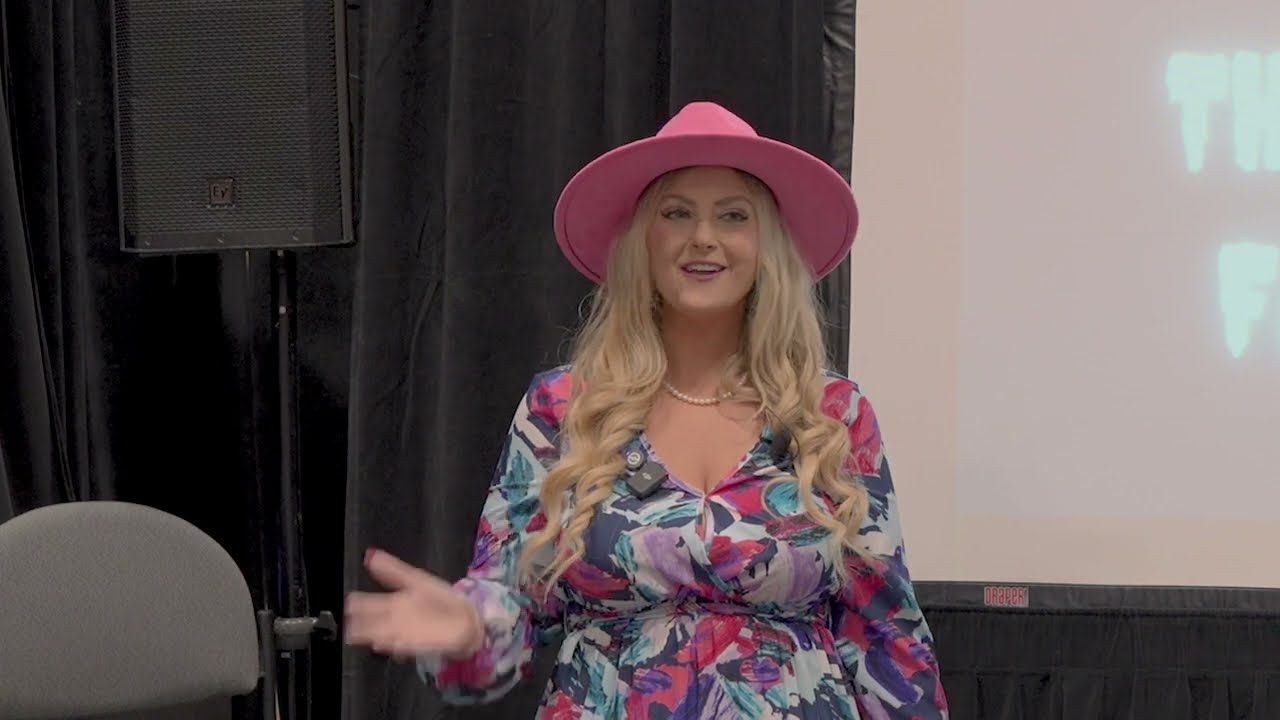
Click any timestamp to jump to that moment in the video.
Why LinkedIn is a big opportunity for B2B
0:00 Stefanie Couch: Why is LinkedIn such a big opportunity for especially B2B business?
0:04 Melanie Borden: It is one of the most efficient strategies that a CEO can use to bring in talent for their team. When multiple people from the same company start posting, it creates a wave of visibility, because your networks are connected, your industries are connected, your jobs are connected, and so what it does is, all of a sudden, everybody on the platform is talking about your company, saying wait, I'm seeing you everywhere.
0:34 Melanie Borden: What are you doing? People are seeing it and they're noticing. Everyone feels a little funny sometimes about promoting themselves and sharing their offer, but if you don't share your offer, no one is going to know that you are available and that you are of service to them.
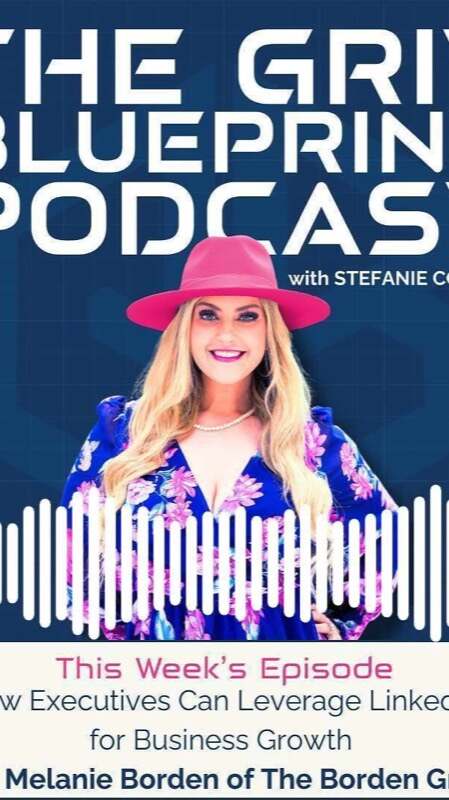
0:43 Stefanie Couch: What's the worst that could happen is you try it and it doesn't work. But what if it does? Welcome to the Grit Blueprint podcast, the show for bold builders, brand leaders and legacy makers in the construction and building industry. I'm your host, Stefanie Couch, and I've been in this industry my entire life. Whether we're breaking down what's working in sales and marketing, new advances in AI and automation, or interviewing top industry leaders, you're going to get real-world strategies to grow your business, build your brand and lead your team.
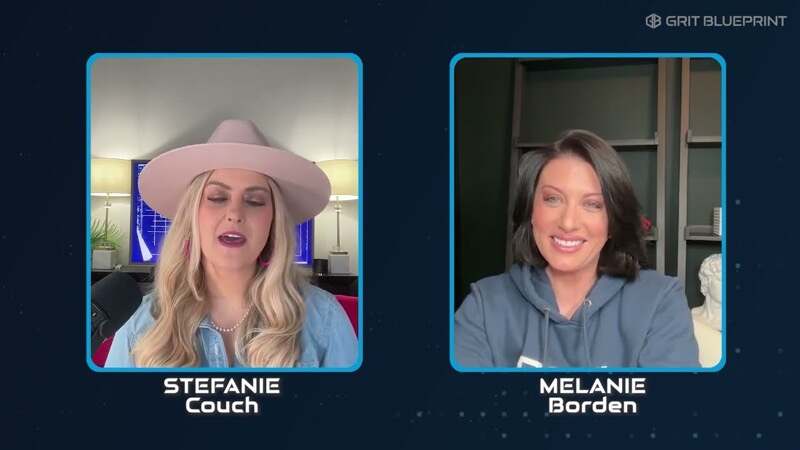
1:23 Stefanie Couch: Let's get to work. Build your brand and lead your team. Let's get to work. I'm your host, Stefanie Couch, and today my guests and I are diving into one of my favorite topics and one of the most misunderstood topics, in my opinion, and that is building your personal brand as an executive on LinkedIn, and my guest today is Melanie Borden. She is the founder of the Borden Group, which is a branding and marketing agency that really specializes in helping executives build influence, establish thought leadership and also drive business success through LinkedIn.
1:55 Stefanie Couch: And we actually met on LinkedIn. You have over 180,000 followers. You are a LinkedIn celebrity in every sense of the word, but we've also met in person a few years ago in Dallas, and I'm really excited to have you on the podcast today. Melanie, Thank you for joining me.
2:09 Melanie Borden: Thank you so much for having me. Stefanie and I wanted to say I remember when we met a couple years ago we were in Dallas when we met right At a breakfast, I was living there at that time.
2:21 Stefanie Couch: I was in Texas at that time and you were. I think you were there for an automotive, maybe industry conference.
2:26 Melanie Borden: Yes, I was there for a conference and it was just very early on when you had just kind of started on LinkedIn and it's been so awesome to see all of your growth and to see how much you've grown and I love your newsletter and your content is so good.
2:43 Stefanie Couch: Thank you, I really appreciate it. That means a lot coming from you and it's been fun. And LinkedIn's a weird place. You never know what's going to happen. What works today may be totally not working tomorrow, which is fun and exciting and annoying at the same time, but I appreciate that so much. It's been a really fun journey from corporate life as an executive to entrepreneurship and trying to figure out LinkedIn in between.
3:09 Melanie Borden: Yeah, it's a journey to get there. I think everyone has a similar path when they're trying to figure it out. Yeah, for sure Seeing the before and after and all of the growth that you have just as a person, as a human, during the process is also fun.
3:26 Stefanie Couch: Maybe not so much fun when you're in it. It has been interesting. My husband and I joke a little bit because he's in the business with me full time, you know. So we're both in it all day together, we work together, we're married, all those things, and it's like winning and losing all at the same time some days, and like winning and losing all at the same time some days, and it's like, you know, it's really interesting. But it's been really fun and also watching him grow through it has been even more fun.
3:53 Stefanie Couch: I'm trying to get him to go on LinkedIn We'll see if that ever happens but he's trying to do a million other things, so I'll let him keep doing stuff. That's his thing for now.
4:03 Melanie Borden: I love that you guys are partners in your business together. That's so nice.
4:07 Stefanie Couch: Yeah, thankfully we'd been married 16 years before we started in business together, so we had a pretty solid foundation because it has been an interesting ride. But I would never want to do it without him. I can't imagine that, and we have very different strengths, so his strengths are my weaknesses and vice versa, so it's been really awesome to have that. It's been a blessing so most of the time, and I'm pretty sure he would say that, given the question. But yeah.
4:35 Melanie Borden: And does he post a lot on LinkedIn also. He doesn't at all right now.
4:40 Stefanie Couch: He likes to post these long like verbose. He's a three hour podcast guy, so but he has recorded some podcasts with me that we're going to be releasing soon. So I'm really I'll send you the first one. I think you'll like it. So he's better in that format. But we could always take that and make it into a LinkedIn post. You know crawl.
4:58 Melanie Borden: Yeah, absolutely, and then you can repurpose it and repurpose it, and repurpose it.
5:02 Stefanie Couch: Yes, for sure, which is something I want to talk about today because I think it's a really good opportunity. Well, we're going to kick this conversation off with why is LinkedIn such a big opportunity for, especially B2B business, which is what I really focus on? I've spent my career in B2B with the building industry and I would love to hear your take on exactly how executives can really overcome that fear of what do people think if I post and try to look like an influencer. I hear that a lot in my day to day when talking to people about LinkedIn.
5:34 Stefanie Couch: And then why does building a brand actually really help with business growth and not just visibility for you as a person or maybe as a company? So my first question for you, melanie, is why LinkedIn? Why did you choose LinkedIn? What do you love about the platform? What drew you in to that as kind of your primary platform when you started building your brand?
5:55 Melanie Borden: So I first really started playing around I'll call it on LinkedIn back in 2019, where I wasn't really sure what I was doing and if anyone is bored and they feel like going into a deep dive into my posts, you will see the progression from 2019 to 2025. But I just started seeing, at the end of 2019, different women and men posting on LinkedIn, the same way that I would see people posting on Instagram and men posting on LinkedIn the same way that I would see people posting on Instagram.
6:31 Melanie Borden: And I personally am not, and when I say this, everyone does a big gasp and they can't believe it. I'm not the biggest fan of social media and I really never have been. I've always been the person behind the scenes because I've been working in sales and marketing and so I've really been in the work and I never really focused a lot. I wanted to want to love it, but I never did. But then I saw this opportunity because I've always been very career minded and I've always networked and I've always gone to events and I have a lot of contacts in my area and in the industries that I've worked in, and I just really started looking at LinkedIn and saying something is happening, and so I pitched it when I was working in an in-house agency that I built for the company that I was working for.
7:16 Melanie Borden: I went to the CEO and said look, I have this idea. I really think that we have a way to leverage all the money that we're spending in social, that we have a way to leverage all the money that we're spending in social, but we can shift it to LinkedIn and we can train all the salespeople how to go to market, how to create a personal brand online, because it goes beyond just LinkedIn. But I thought let's just try this. There were about 70 to 80 forward-facing brands, if you will, to be trained, and that was around early 2020.
7:47 Melanie Borden: And then I started posting a little bit, but I wasn't really comfortable because I thought what am I supposed to say? What am I supposed to do? I hate this. I feel so awkward. I don't know if I'm doing the right thing. Who is seeing this, what are they saying? And I just would pose like once a month. And then the pandemic happened and I said you know what? I have no rainy day fund, right In terms of my career. I don't know what's going to happen to the industry.
8:16 Melanie Borden: I don't know what's going to happen to the world. I don't know what's going to happen. I have two small children at the home At the time, they were four and five single parent, thinking to myself how am I going to figure this out? And I said you know what? I just trained all these people on how to use LinkedIn. So I'm going to start doing exactly what I trained them on. So in March of 2020 is when I became active, where I just said I'm just doing it, I'm going all in.
8:39 Melanie Borden: And I did go all in and I started posting every single day and I started documenting what I was experiencing working in automotive retail. At the time, I was working as a VP of marketing for a Highline, which is luxury auto group, and I was overseeing all the other businesses marketing. There was a real estate development company, there was a coffee shop startup, the CEO had a radio show, and there were other events and things that we were doing that I was also involved with. And I said you know what?
Melanie's journey from corporate to 180k followers
9:07 Melanie Borden: I'm going to start talking about, what I'm doing, and I'm going to start sharing things that make me happy and make me inspired, because at the time, a lot of people knew that and what happened was. There was a big shift where people that were going into an office started going on to LinkedIn, and so that's really when things started changing and evolving. And then, over time, I chose LinkedIn because I felt how do I find everyone in my industry? How does everyone find me? How do I make contacts?
9:41 Melanie Borden: I'm based out of New Jersey and I was working in New York City and New Jersey, so how do I go outside of the tri-state area? Where else can I go? Because on Instagram, on X and on TikTok, on these other platforms, you can't get access to decision makers the same way that you can on LinkedIn, and I want people to see me and I want them to know my name. And so I just was using any single growth strategy that I could possibly think of and I just leaned in.
10:09 Melanie Borden: I leaned in very hard into it, and I joke around and say I was like United Nations because I was accepting everyone, although I don't necessarily want to be associated with the UN. However, I personally was just trying to grow my influence as much as I possibly could, and so what I wasn't prepared for was the following All of a sudden, publications in my industry started reaching out to me. They wanted to feature me, they wanted me to write for them. I started getting asked to go on podcasts.
10:39 Melanie Borden: I started asked to speak at digital conferences, which then turned into in-person conferences. I started getting job offers. I started getting opportunities to consult, to do coaching, and ultimately I ended up finding another job opportunity, which didn't last too long, because my network kept growing and I started seeing this massive opportunity that I kept saying no to, because in the tech space it's very restrictive to have a side hustle and so most of the time you can't necessarily do that, and so I just said you know what I quit my job and I started the boarding group, which, at the time, has evolved as well since.
11:18 Melanie Borden: But I look back and if I could change anything, I wouldn't, because it was the best decision I ever made, because now what I've been able to do is really create not only a business for myself, but I've been able to create a life for myself in the process that I'm not only super proud of, but now that I can help others do the same exact thing.
11:40 Stefanie Couch: Well, I would say mission accomplished on people knowing your name, and you're definitely just crushing it far through other industries now that you weren't involved with at the time. I'm sure it's really interesting and I had a very similar experience. I don't have 180,000 followers yet, but I have gotten speaking engagements at big companies and industry events of my own, gotten speaking engagements at big companies and industry events of my own, and then also just a lot of people that I feel like I've been able to make an impact with.
12:09 Stefanie Couch: And those messages you get like, hey, I really needed that post today. I was ready to quit and give up and that just spurred me to keep going another day towards this mission. I'm on or in my business or whatever they're doing. Those just fuel you and I didn't expect that at all. From when I started building my brand. I mean, I knew why I was doing it, because I got fired from my job and I needed to pay my bills. I mean, similar to you, I got to get out there and figure out, like how do I make something translate from what I had in my corporate life?
12:41 Stefanie Couch: Like people in my company knew who I was. They knew I did great work. They knew I had a lot of hustle and I was like really good at what I did. But I realized when I left that job I left the first job on my own volition and I went to this new place in Florida and I realized very quickly that that didn't quite translate right Because it was within the four walls and also companies sometimes do a job of keeping that. And it's something I want to ask you about is like how do you balance bragging and getting poached versus you know your talent, your top talent, building a brand and making your company look good?
13:16 Stefanie Couch: I'm curious to see your opinion on that, because it is something I hear a lot from these executives that are like well, I don't want my great sales members to build a brand because they'll probably get poached instead of they're thinking about well, they could make you an extra $20 million a year in sales because they posted on LinkedIn. What's your answer to that?
13:33 Melanie Borden: I mean? The answer is this If you have a team of people who work for you, and you all work for the same company and you all work in the same industry and you all are working together for the same goal, which, ultimately, every single person in the organization is doing, what happens on LinkedIn is the following, and you know this, Stefanie when multiple people from the same company start posting, it creates a wave of visibility because your networks are connected, your industries are connected, your jobs are connected, and so what it does is, all of a sudden, everybody on the platform is talking about your company, saying wait, I'm seeing you everywhere, what are you doing, what's going on and what's happening?
14:17 Melanie Borden: So and it's also listen. There are ways that you can, as an employer, a have some guidelines around what they're doing, without making it totally restrictive, where someone would say forget it, I don't want to do this and also doing it in a way that's completely supportive, because if someone in your company does want to do this, this is a positive thing and there is always a return, always a return, and especially if you're setting smart goals that are associated with the campaigns that you're running, ie, if you're putting effort into LinkedIn as a company.
14:50 Melanie Borden: People follow people and this goes back to your earlier question. People don't follow companies. People follow people. They want to be inspired by people. They want to learn from others. They want to find out what works, what doesn't work. They want to imagine themselves in the shoes of someone else what works, what doesn't work. They want to imagine themselves in the shoes of someone else and you're not going to do that from a company lens. I mean, there are ways that you can communicate your company voice and there's ways that you can tell your story, but at the end of the day, people want to know what's happening with the people.
15:17 Melanie Borden: They want to follow people and I agree.
15:20 Stefanie Couch: I think it's hard for a company that is very traditional to understand that value that could be there. But even from an employer branding perspective, like in my industry, I saw a statistic this week in the construction industry in 2025. So this year we need almost 500,000 more employees in our industry to just be up to like, where we can complete the work that needs to be done, which is crazy because a lot of other people are having layoffs and all these other things. So if you need a job like maybe you should check out the construction industry.
15:56 Stefanie Couch: But, that being said, is, how do you attract the talent to something that may seem boring from the outside in but is a really great opportunity for people to grow a career, to have your lifestyle that you want, to make amazing money, to have the type of things that you want in your life with your career goals? Well, if 50 people in that company are saying this is an awesome place to work every day, somebody's going to see that and think, wow, if 50 people say it and it's not the company logo page, it probably is valid.
16:27 Stefanie Couch: I'm going to check that out. It matters. It's a great, I mean, and it's free, Like yeah, you might pay somebody like you or me to tell you the strategy, and maybe you pay someone for your CEO to actually post for them sometimes, or whatever copyright it. But most of the time your employees can just go on there and hit post and it's a done deal.
16:47 Melanie Borden: Well, using LinkedIn as an executive for employee acquisition and employee retention is probably one of the most savvy and smartest ways that you can attract talent, specifically in the trades industry, and I think that there's this very large misconception that if you're working in any sort of construction industry, in any of the labor trades, that they're not there. Oh, they're there. They might not be posting, but they're what we call lurkers.
17:18 Stefanie Couch: So they are there.
17:20 Melanie Borden: They are there, they are seeing what you are doing, they were following what you are doing and it is a way and it's a super smart way for an executive team or a CEO who wants to bring in talent to start talking about his company, to start talking about what it was like starting the company, what it's like in their day-to-day, what it's like you know what the people are like in the company, and to really promote the people, because also what it does is it creates camaraderie amongst the people who are working for that executive and it also shows the human side of them.
17:55 Melanie Borden: It makes them relatable. It is one of the most efficient strategies that a CEO can use to bring in talent for their team, and that goes for an HR executive, that goes for any sort of person who's working in talent acquisition. It would be a super smart strategy to follow, to have a campaign like that.
18:18 Stefanie Couch: Absolutely. And I'm working with some companies right now that are starting to see that Some of these companies, they're huge companies and they say well, we have a LinkedIn strategy. You know, we post our company page two times a month. And then I laugh out loud, I'm like okay, because we both know like company pages are, unless you're sponsoring posts and you're paying, which is what LinkedIn wants you to do, understandably, so they're a business. No one's ever going to see that. And then you go look at what they posted and it's here's this person's 30 year anniversary, it's a picture of them and it tells like one line and you're like what is this gonna do?
18:53 Stefanie Couch: I mean, it makes that person, I guess, feel good and it's fine, but it's not gonna drive anyone towards the company and these CEOs, I think, are just afraid to lean into that. But what would happen if you did lean in and it did work? And then this thing that you've been really upset about not being able to get great talent. What if that one thing that's basically free was the thing that changed everything? And for my industry, I tell people that a lot Like well, what's the worst that could happen is you try it and it doesn't work.
19:21 Stefanie Couch: But what if it does? I mean, what if this is really the catalyst for you recruiting the best talent you've ever had and then, in five years, these talent that you've got on LinkedIn are running your whole company for you?
19:32 Melanie Borden: You know it's interesting In 2022,. There was an executive team that we worked with. One of the fortes that we do is we go to market building strategies and executing for teams, and there was this one team that we were working with. And there's a few things that happen when you start posting on LinkedIn, and this kind of goes back to some of the questions that you had earlier, which is what's going to happen. I don't want to be an influencer blah, blah, blah. So there's a few things that happen along the way.
20:01 Melanie Borden: That happens every time, and I usually talk to my clients about this and I talk to friends who are interested in it. So, number one, people in your industry who haven't connected with, or people who you've known for 20 years or 15 years or however length of time, will reach out to you and say I love what you're doing. Tell me more about it. How can I support you? Then you have the people who will support you and might not necessarily say anything. Then you have the people who will comment and say anything that's positive.
How LinkedIn creates business visibility
20:33 Melanie Borden: So you have the real positive people. Then you have the people that will message you and say how could you do this? It's not going to turn into anything. It's a waste of your time, kind of like what I call the trolls of LinkedIn and, just in general, the trolls in your career or if it's in the office or wherever else they're coming to you from. But at the end of the day, out of those different sets of people who are on the platform, it will create so much visibility for whatever initiative you're working towards and it also creates what everyone likes to say thought leadership.
21:08 Melanie Borden: But it makes you visible when people are trying to figure out and they're paying agencies and they're spending money on advertising dollars and I believe in spending money on advertising. However, organic and paid work very well together.
21:24 Stefanie Couch: So if someone is doing a paid advertising campaign on LinkedIn, they should also have their CEO be actively posting, or their executive team or their head of sales or their VP of sales or whomever is involved in the organization, because the truth is, you will get the visibility and money follows attention and people don't understand how much attention it has they have out there in LinkedIn to push One of the first things that I, when I kind of and I know you've been doing this, I'm sure this happens to you all the time but when people start to recognize you, so you know, at industry events, it's kind of like look, I'm a keynote speaker, I wear a pink hat, like they're probably going to maybe know who I am because they've seen me on the emails and stuff.
22:08 Stefanie Couch: But the first time that it happened, my husband and I were flying somewhere from Atlanta, where we live, to like Vegas or something for a conference and I got on the plane and I was had my hat because I, you know, take it off and usually put it in the storage above and someone messaged me on LinkedIn while we were in flight and said oh my God, I think you're on my plane. Well, it would have been weird enough if, like for me, like holy cow, this is kind of weird.
22:36 Stefanie Couch: But they knew who I was, but I didn't know who this person was and I'd never seen them comment and I'd never seen the message and I'd never seen a post of theirs. I had no idea who this person was. He was in a different industry than me too, it was not in the lumber building industry and I thought, holy crap, like this is working. And it didn't cost me. It cost me time, which is valuable, but it didn't cost me a dollar. I've never spent one, paid dollar to get my business going.
23:05 Stefanie Couch: I've still never run an ad which is funny because I sell ads to businesses but I just haven't had to do it yet. I will, but I haven't yet. And I thought, holy smokes, this is working. And then, you know, I went to another conference not long after that and people were stopping me same thing and I did not know who they were because I'd never. You know, if Melanie posts on my comments and I see you every day I'm going to at least recognize your name, that kind of thing, when you comment.
23:31 Stefanie Couch: But I did not recognize these people because they've never commented. They're lurkers, like you said. So that's one thing I tell people is, just because you don't get like a thousand likes and 700 comments within 10 minutes of posting, don't think people aren't seeing it, because people are seeing it and they're noticing and it's probably working. And especially if you post about something that maybe is a little more controversial or something you know in your industry that maybe everyone wouldn't want to post their comments on.
24:00 Stefanie Couch: They're still thinking about it and they're ruminating on it and it's working. So that's something I like to tell people, because I have, for a long time, was like I'm shouting into the dark abyss and no one hears me. I'm a tree falling in the forest, but it is not true. You are getting, even if you only get two likes, it's still two people that are seeing you every single day that hopefully are in your target audience. Maybe not, but you can do work to get that to happen.
24:27 Melanie Borden: So you know, I think that having a lot of followers is completely overrated no-transcript. And so what I've learned along the way is that when you're speaking directly to that one person and you know what their challenges are, how you can help serve them and what keeps them up at night, if you will, it's going to resonate with them and it's better to speak to that one person than to have a megaphone speaking to a hundred thousand people. I mean, that's my philosophy about it.
25:29 Stefanie Couch: I agree totally. I think I heard someone it might've been Alex Ramosi say that I would rather have like a hundred raving fans than 10,000 people who know my name but don't really care and don't pay attention. Because if you're selling, especially like for me, I'm selling a very high ticket. You know very niche thing that I work with people in the building materials and building industry pretty much predominantly. I have no other clients. I don't want, you know, to get out of that industry right now.
25:58 Stefanie Couch: And I mean, if you don't sell building materials, what does it matter? If I can tell you how to scale your business selling doors from 10 million to 30 million? You don't sell doors, so it doesn't really matter, you know. But if you sell doors and you've been stuck at 10 million for five years and you're like, oh my gosh, she is literally talking to me, it that resonates. So, like you said, I mean niches, riches, the whole, all the the phrases that we like to say it works.
26:26 Stefanie Couch: And I know it's hard not to chase those vanity metrics, it is hard to post into the abyss and think no one's seeing it. But what if one client sees you and comes and gives you a $100,000 contract that you wouldn't have gotten because you posted and that happens every single day to people all the time A hundred percent.
26:45 Melanie Borden: It absolutely does. It is totally worth it, and you just never know. I will tell you that in the clients that we've worked with over the years, most of them have never engaged with any of my content. You were talking about someone who saw you on a flight. It's the same kind of situation. They don't necessarily engage, they see the post, so obviously the algorithm is continuing to serve your content to them because they're reading it, and a lot of times for me anyways, they're not coming to me through LinkedIn, they're leaving the platform and they're coming to me through my website.
27:20 Stefanie Couch: Yeah, it's great. It's great to have that kind of option, though, to take them off platform. Then you sort of own the audience, hopefully, or maybe they sign up for your newsletter or whatever. I think people also underestimate the amount of times that people need to see things and get comfortable with you or an offer or you know what it's. If you think you're going to post on LinkedIn once and someone's going to buy, there might be 1% of people that are those people or like their pain is just so serious that they're like that's your solution, but it's.
27:47 Stefanie Couch: It's not always going to be that way. So you know hitting that multiple times. Well, with that being said, I do have a question about tactical LinkedIn. So the platform, the algorithm, is a mistress that I don't understand many days. I think all of us are always trying to figure out what's going to work best and we evolve and, hopefully, figure it out, but what types of content do you tell your executive clients to really think about? Posting, like you know, every, and is it every week a few times?
28:17 Stefanie Couch: What do you tell people starting out? So, for someone that you know just wants to play around and see how this works, what would you tell them to do? So?
28:25 Melanie Borden: what I'm going to tell you is something that most people don't like to hear. When I tell them because I try to not focus on the algorithm it's usually the last thing that I think about, because it's constantly changing. There's multiple of them. No one knows for sure, except for the people who are at LinkedIn actually behind the scenes engineering. It know exactly what it's doing. So what I tell people is if you are just starting out and you feel comfortable and I work as a coach and I also work as an agency, so I see things through different lenses based on who I'm talking to but for most of the time, if someone doesn't have, let's say, for example, an audience on Instagram because a lot of people from Instagram are trying to come onto LinkedIn, or people from TikTok are coming to LinkedIn so if they're not used to being in this mindset of posting content and creating content, what I tell them is what can you sustain for six months?
Content strategy that actually works
29:25 Melanie Borden: How many times per week can you post? How much time during the day can you commit to? And then you have to write it down, because if you don't write it down or if you don't block it in your calendar, it's not going to happen 100%. You have to follow it up with action. Yeah, absolutely. That's the first thing that I tell them. The second thing is there's essentially a few types of content that I've seen perform well over the years. That doesn't really change, regardless of what the current trends are.
29:56 Melanie Borden: Everyone feels a little funny sometimes about promoting themselves and sharing their offer. But if you don't share your offer, no one is going to know that you are available and that you are of service to them. That doesn't mean in every single post you need a call to action saying sign up for my X, y and Z or do this or do that. But what it does mean is that you can explain what you do, who you do it for and the results that you get.
30:25 Melanie Borden: So that might be you posting some client testimonials and letting people know about those testimonials, because who trusts you and who works with you is showing other people just that, so they'll trust you and they'll want to work with you too. Or talking about the services that you provide. So that's one type of content that I always tell people and I always held back from doing it because I felt so awkward and cringe or whatever posting about hire me. Yes, I want you to hire me.
30:59 Melanie Borden: I'm going to post that because that's how I feed my family, so I want to tell you about the services that I provide. The second type of content that I strongly recommend talking about is educational content, and that's really when you're leaning in to your network, into speaking to that one person who you know you can help, and telling a story and sharing something that will help them. The biggest mistake that I made early on with not getting what I wanted when I started my business in terms of conversion into revenue was sharing.
31:35 Melanie Borden: That first piece that I mentioned was the promotional piece, but all I did was share educational content, and I also shared personal content, and so those are really pillars to me, and when I say personal, it could be your personal take on something that's happening in current events, it could be something that's happening in your industry, or it could be you going out with your dog I mean, I know it sounds ridiculous.
32:02 Stefanie Couch: Every time you put your dog on the top, I post. We both have cute dogs. Why not use it? Marketing?
32:08 Melanie Borden: Yes, exactly, it's a part of our life and it's something that you share. And when you share a little bit about yourself, all of a sudden, people that you don't know, you can develop relationships with, you have common interests with, then you become interesting and not only are you sharing content that's helpful to them, but you're also relatable. Now, is sharing pictures of your dog going to help people hire you? No, probably not, but it's just showing, I mean, part of social. When it was originally, you know, came out, it wasn't to share our offers.
32:41 Melanie Borden: It wasn't necessarily to share, you know, and to have a call to action at the end of every single post. It was really to share a story from that person who has a unique lens and a perspective on something in particular, and so sharing the journey and building in public, if you will, is something that is very powerful and it's very impactful. And for the people who do it like yourself, Stefanie, and who stick with it, it's not necessarily that you have to be a marketer, because you don't.
33:12 Melanie Borden: You don't have to be a brand strategist to do it. You just have to have the will to do it and the endurance to work through it. And like anything, there's ups and downs and that's why, when people talk about things like, oh, impressions are down or you know, video views are down and the life is terrible, it's just keep posting. Just keep posting through it, it'll come back on top.
33:39 Stefanie Couch: It will, it always does. My dad always used to say in the lumber business you know, commodities in lumber are very volatile Some days. You know it's riding high and you might ride high for a season and then just wait because the bottom's coming and like that's just how lumber the lumber market is, and I think I think anything in life is like that. And so if we expect that you can post on LinkedIn and get you know the exact same results over a long horizon of time and never see variances, like that's crazy to think about with anything in your life.
34:10 Stefanie Couch: And I think for me it's been figuring out. How, like you said, do you balance that If you posted 18 times a week for one week versus 18 times over three months? I'll take the three months because if they don't see you that first week and then you flake out, then who cares? It doesn't matter over a time horizon. And so that six months, I think, is a good timeframe. I like that number. I use that a lot with my clients because it really needs to be at least that long to even see anybody care about it.
34:43 Stefanie Couch: You know, and I think if you're not willing to give at least six months to something that's not a very long. I mean January is already over this month, like it's already February 1st tomorrow. So six months goes by pretty quickly in the span of time. So you've got to be able to commit to yourself, but maybe that's two posts a week or even one post a week just to get started. And another thing I see people do is, unfortunately, wait until they need the brand, like, for instance, people that need to change jobs or need to go and recruit talent or need to grow their business, like really it's going to close if you don't have something coming in.
35:18 Stefanie Couch: They wait too late. So I would say you know, if you have time right now, six months, 12 months, that you know maybe next year you might want to get a promotion, even in the same job that you're in in the same company, don't stop, don't wait, because you don't need to wait until one minute before you want that promotion to say go look at my LinkedIn.
35:43 Melanie Borden: Yeah, the best time to start working on your LinkedIn is when you have a job. Yeah, exactly, you never know. And that was a big lesson that I learned was I don't want to wait until something happens that forces me to do something, where a lot of people, when they lose their jobs, they're like, oh crap, I really should have.
36:01 Melanie Borden: I listened to that webinar and I never did anything. I really should have done something at the time. And there are things that you can do that are tactical. If you're nervous about losing your job from updating your profile, a lot of companies offer marketing support for their employees where they have banners, they have featured items, they have other things that can help you really support the company brand as well.
36:29 Stefanie Couch: I think that's a great idea for companies that are listening to this. You know, if you're not sure how to even get started with having your employees have a presence, with using that kind of employer branding, where personal brands are helping you and your company brand grow, that's a really good place to start is having assets for them in a shared drive somewhere like here's three or four banners you can use. That way, you don't have to use the one that LinkedIn provides or either leave it blank.
36:55 Stefanie Couch: You know, here's let's take headshots, like we'll do a headshot day where our corporate photographer comes in and does everyone's headshot so you don't look like you're from 1992. You know, I think that's important, especially if you're networking, like especially in a sales position where you're outward facing. You know, I see people at these conferences I'm sure you do too and you meet them and, like you've seen them on LinkedIn and sometimes they'll message and say like hey, let's connect at IBS, I want to see you know, whatever.
37:24 Stefanie Couch: And then you meet the person you're like looking at their LinkedIn and looking at this and they're like this is not this person's 62. And this person on LinkedIn is 42. What is going on? I don't even know who they are and it's because their profile's not updated. So like be the person you are today, not the person that you wish you still were from 1992. And and that can be helped by companies helping update you know their employees and, I think, from a sales perspective, if you have a salesperson that posts about their products and shows you know in our industry we're furnishing beautiful homes, all these amazing products that we have, and I love seeing those finished.
38:04 Stefanie Couch: You know projects like hey, look at this job of windows we just furnished on this home. Look at this amazing lake view from, you know, from the back deck of this house that we furnished. Love that, like you don't always have to post thought leadership content. It can be something that's very tactical for your business. If you don't want to be the next Tony Robbins like that's cool, you don't have to be that.
38:26 Melanie Borden: Yeah, absolutely. And what you said also before about not matching. You know, the worst thing that I run into is I meet people all the time and I've met some very sophisticated, very successful individuals happens all the time because they were creating success without social, they were creating success without online and they still have the success. But then when I go to their LinkedIn, it's so disappointing because it doesn't reflect the success that they've had and it should, and that doesn't mean and this is another hard truth you don't have to post.
39:12 Melanie Borden: There are other ways and other tactics that you can lean into, and one of those is just having your profile up to date and just reflecting your company. I mean, especially if there's a company in your industry that's positioning themselves to be sold or they're looking to acquire another company, to create attention, yeah, and to have it buttoned up.
39:33 Stefanie Couch: That's a great point and in my industry right now we have so much consolidation, there's a lot of private equity coming in and I actually have a client that's a CEO and they believe they'll you know, they'll be selling to another private equity firm. That's just kind of the nature of those beasts and I mentioned. I'm like, hey, you should start posting on LinkedIn because if this happens then you'll have more of a presence and you'll be associated with this company in a good way and hopefully it helps you in the future with the next move.
Balancing promotion and value in posts
40:04 Stefanie Couch: Whatever ends up happening and I think that it's again most people don't think about that until a month before the sale happens and it's too late at that point for most people. They want to do it beforehand. So if you're a leader and executive that thinks, well, maybe I don't have time to do this, what would you say to people who they are busy I mean, everyone is usually very much running at full speed how would you tell people that maybe don't have the bandwidth or think they don't have the bandwidth to go about building a brand on LinkedIn?
40:36 Stefanie Couch: I?
40:37 Melanie Borden: think one of the first things that you really need to understand is having a goal or a purpose and really attaching it to that, because if you don't have a purpose or a reason for being, then it doesn't really make sense to put in all the effort, because there's no way that you can quantify your efforts and what you're doing. So my first piece of advice would be have a goal and a reason, because then it's going to force you to show up and to be present and to take the next step of allocating that time.
41:13 Melanie Borden: And it could be, you know, in the morning, while you're having coffee, sitting at your desk, ready to start your day, taking 15 minutes and reaching out to 10 different people in your network who are all going to be going to an event that's going to be in six months and just starting the conversation.
41:29 Stefanie Couch: Yeah, absolutely that's a great tip, I think, the DMs and the connections. Like you said, if there are some people that are just never going to post content on LinkedIn and we both know that and that's fine and some of them just don't have time. But, like you said, if you update your profile and you kind of have where, when you send a message to someone, what they come back to and look at looks really buttoned up and professional and shows kind of the caliber of caliber of where you are and all those things, that is a big step.
41:58 Stefanie Couch: And then you can just do messaging, like, like you mentioned, reaching out to people that maybe you haven't seen in a while or you aren't networking with every day, but you want to remind them that you're there and that you're an option. And I think most people spend more time on LinkedIn than probably they would like to admit. If they're in the business world, I know a lot of executives that spend a lot of time. When they're, like you know, they have some downtime on a plane or, you know, in a conference, when it's a break they're on LinkedIn scrolling.
42:28 Stefanie Couch: They're never posting, they're never commenting, they're never liking things, but they're on it. So just remember that, like you can message people and have that platform where they get 700 emails. They would ignore yours but they might message you on your DMs. So I think that's a good platform to use.
42:44 Melanie Borden: People are so focused on posting content on LinkedIn and they're not really focused as much on their profile and the outreach, and those are really the two accelerators for someone who's really looking to monetize and take advantage of having a presence on the platform.
43:05 Stefanie Couch: Yeah, that's a really good point Can you give me some top tips for someone that is trying to monetize? Let's just take the posting off the table. What would your tips be? Are you using Sales Navigator? Are you just DMing? How do you tell people to go about that?
43:22 Melanie Borden: So I don't currently use Sales Navigator. I have used it in the past. I've been very fortunate, Stefanie, that a very significant percentage of my business comes from inbound, so I've been very lucky that I haven't had to focus only on that outreach portion. But I have used Sales Navigator. I think it is definitely a worthwhile tool, especially for sales teams.
43:46 Stefanie Couch: I think it is excellent because it gives you deeper insights than just being a member on the platform will give you, yeah, and easy to segment things like really great targeting for different industries and different levels of people and, yeah, it's awesome, absolutely.
44:01 Melanie Borden: And then the one thing that I think that it's talked about but it's not as talked about is really looking at your profile as a marketing funnel and understanding that you have all these micro moments of opportunity for conversion, from the time someone sees your photo in a comment on a post to the time they click on you in your banner, to your headline, your featured section, your about section, your work history. They're all moments of conversion. It just really depends on what phase the person is within that funnel, because when you're out there, it's everybody who is able to see you regardless, because you don't necessarily know, because it's not necessarily a campaign where you're focusing on one portion of where they are within the funnel.
44:56 Melanie Borden: But, thinking that way, there was a study that Microsoft did last year, in 2024, that said the average American has an attention span of eight seconds and the average goldfish has an attention span of eight seconds and the average goldfish has an attention span of nine seconds.
45:12 Melanie Borden: So that means that you and I have a shorter attention span, Stefanie, than a goldfish.
45:19 Stefanie Couch: I believe it. I mean, I think it's definitely hard to grab and keep attention for sure.
45:25 Melanie Borden: So if you have eight seconds, what kind of impression are you going to make in eight seconds? What does your profile say? What story does it tell? And that's the other thing it should tell a story about who you are, who you work with, the results you get, where you've been, where you are, where you're going. Instead of talking at people in third person, which I personally do not like. I like it when someone is talking in first person because I feel like they're talking to me, I feel like they're sharing a part of themselves with me and again Just a conversation between two people, right?
46:02 Melanie Borden: Yeah, right, exactly, and that's what makes it so unique also, this LinkedIn platform, and that's why it's so much more than just a resume, it's so much more than just a job searching platform. It's really an opportunity to showcase yourself. And, by the way, google indexes LinkedIn profiles and LinkedIn posts.
46:24 Stefanie Couch: Yeah, if you Google most people in the world that are uber successful I mean especially like in my industry or something that's a little more considered boring industry, where you're not getting all this press and you're, there's not 700, you know John Does with your name. But if you Google Stefanie Couch and you spell it the right way, you see my LinkedIn very high. I mean it's very high, even if I'm paying to do searches and everything else. And so when you think about that and then you think that if that's the only thing you're doing on the internet, so maybe you don't have a personal website, you don't have a.
47:12 Stefanie Couch: You know all these other PR campaigns going on out there that's your one shot to be seen as the way you want to be branded and seen. And if your LinkedIn sucks like that's what people get from you and they might not give you another shot Like if they think that you don't have it buttoned up, then they may not go to your website, your company website, they may not go to the next step book a call. They may never give you a chance because they think, oh well, they, I thought they were pretty good, but guess not, and so it's.
47:46 Stefanie Couch: It's a one shot a lot of times and I think that's important to the Google search is something people don't know. And then the other thing is when you actually search in the top of the LinkedIn I think that's another thing that people don't talk about a lot is if you go in and type in the word doors, you know, without sales navigator, without paying all the extra, like 3 million people come up that have doors somewhere in their headline or in their job title. So if I want to find people in that industry, I have a literal goldmine right there for no extra fee.
48:17 Stefanie Couch: I don't have to pay extra to do all that. With Sales Navigator it's just searching, so it's figuring out what are people going to find you under, and your profile should have those things that you want to be known for in your profile, so in a very findable place in the headline or something like that. So I love that. That's a great tip. Well, last question for you what is on the horizon for you in the next year, half a year, because I know you have a lot of exciting projects going on, and what are you most excited about that you're working on?
48:46 Melanie Borden: Oh my gosh, so much, I'm so excited. So I wrote a book last year, so that is coming out this fall end of summer, early fall.
49:00 Stefanie Couch: Thank you, is it available?
49:01 Melanie Borden: for pre-order yet? Not yet. The pre-order is coming soon, in Q2, it'll be for pre-order. I can't wait. It's called Theater of the Mind and it is all about what you experience when you go to market and the mindset shifts that you can really train yourself on, and it has been a wild ride for me the last five years and it really is a living and breathing documentation of that. I love it I can't wait to read it. Thank you, yes, I'm super excited about that.
Executive brand-building with limited time
49:37 Melanie Borden: We also are most likely relaunching a podcast. I had a podcast in 2022. So that is something that has been on the horizon as well. There are a lot of work. Yes, we just launched what I'm calling the creator store. We have a new website coming out next week, so by the time you air this, it'll be available. But the biggest thing that has come up for me whenever I get any sort of inbound leads is the cost of working with me and the agency, and not everybody can work with us, but they want to.
50:13 Melanie Borden: So the concept that I had was how do I make myself available to everybody, regardless of their budget? So we did a soft launch of what we call a creator store two weeks ago, where we have templates, systems and processes, both free and paid, including eBooks, that are available on our website. That's so awesome. Yes, and I started a publishing company in December. I haven't made the formal announcement yet, but I'm assuming by the time this comes out it will be announced.
50:46 Stefanie Couch: Yeah, that's so incredible you are doing so much. It's amazing, I mean, when you sit back. I think as entrepreneurs we often are worried more about what's ahead. I know that's just how I'm geared in it. You're obviously geared that way, since you just named 26 projects that are coming out. But you know how cool to sit back and just give yourself a moment to amazingly think about what you've accomplished in five years. I mean it's incredible, like congratulations. You're an incredible entrepreneur and what you're doing is also impacting and helping a lot of other people do what they want to do with their lives.
51:23 Stefanie Couch: So I think that's the best type of impact that any of us. You feed your family and then you hopefully help a lot of other families get fed and prosper too. So great job. I mean you're amazing. I'm proud to know you and to be able to just talk to you about it. I can't wait to see how all this stuff the book and the store and all the things I mean it's going to. I'm sure it's going to do like everything else and just flourish.
51:53 Melanie Borden: Yeah, we also have a um a weekly bootcamp for executives. I partnered with another industry leader, heather Monahan, and we actually lead a bootcamp together once a week and it's been a lot of fun.
52:00 Stefanie Couch: Is that just on LinkedIn, or is it just on building your brand? No, it's on building your brand.
52:04 Melanie Borden: Actually, linkedin is probably the smallest part of it, but it's how to elevate your brand. It's called. It's called elevate your influence, and we've been doing it for about two years and it has been a ton of fun and it's been great to network with all different types of executives all over the world, which has also been very exciting too. But, yeah, it's, I mean, listen, it's limitless. Whatever you want to create for yourself, you can. If you believe that you can and you put in the work that you can to get there and have faith and just believe in the process, it will happen.
52:40 Stefanie Couch: Yeah, and you got to keep going when cause it's gonna you're going to hit those roadblocks Like you can't. Every day is a challenge in some way, but if it was easy, it would already be done a million times. You know, I think that's the biggest thing is it's not going to be easy. And I asked myself that a lot like well, did you think this was going to be easy to build this business empire and do this thing that you really set out to do with this very large number that you want to hit in 10 years?
53:05 Stefanie Couch: And the answer is heck, no, I didn't think it would be easy. I hoped it would, but I knew it wouldn't be. And so when it's like really hard and me and my husband look at each other like oh my gosh, how did this happen? Again, you know, or why did this happen? You're like well, we knew it was going to be really hard, like climbing Mount Everest. Better have your climbing gear on if you're ready to climb the mountain, right?
Future projects and entrepreneurial growth
53:25 Melanie Borden: Yeah, absolutely, and, yeah, absolutely, and it all is shaping for what's next.
53:28 Stefanie Couch: Yeah, that's right. Yeah, and the thing that you learn from today's challenges will help you understand the next step for sure. Well, congratulations on all your success. I am so glad to know you and I would love to do something together in the future some kind of collaboration. I think it would be really fun and I really appreciate you coming on the Grit Blueprint and giving us all this amazing information. You coming on the Grit Blueprint and giving us all this amazing information, and if someone wants to connect with you, we're going to put all your links in the information and we'll put all your new amazing stuff that's coming out in there.
53:57 Stefanie Couch: So I'm really excited. I can't wait to go check out the new website to see all the amazing assets you have on there. So, thank you. Thank you so much, Melanie. That's it for this episode of the Grit Blueprint podcast. For more tools, training and industry content, make sure to subscribe here and follow me on LinkedIn and other social media platforms To find out more about how Grit Blueprint can help you grow your business. Check us out at our website, gritblueprintcom.