Social Proof: Why Buyers Check Your Reviews Before They Call
When people are unsure, they do what people like them do. For a dealer that means the reviews, photos and stories a buyer finds before calling. The closer the proof is to the buyer, the harder it works.
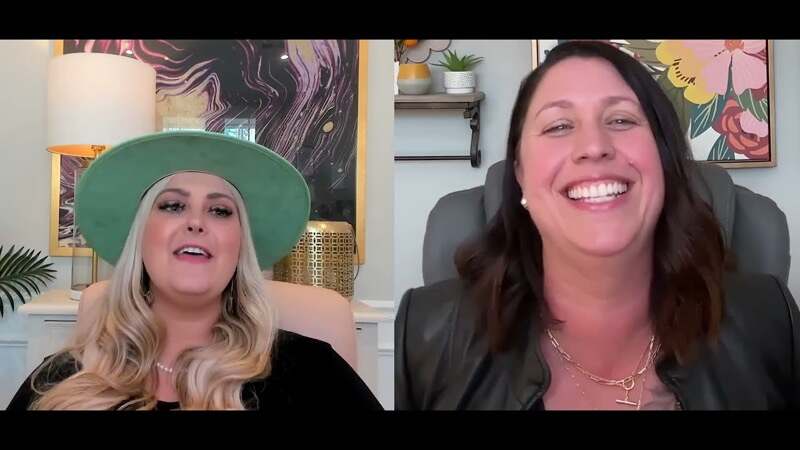
Social proof is our habit of doing what people like us do, especially when we are unsure. In building materials it works before the first call. A homeowner reads your Google reviews. A builder asks who else in town buys from you. A remodeler looks for photos of a job like his. The closer the proof is to the buyer, the harder it works.
Abby Cornelius is a homebuilding leader. She rose from sales intern to general manager of land acquisition at national home builders. Now she coaches women in the industry. She put the homeowner’s side bluntly on the Grit Blueprint Podcast:
my husband won’t even let us buy it if it doesn’t have X amount of Google reviews.
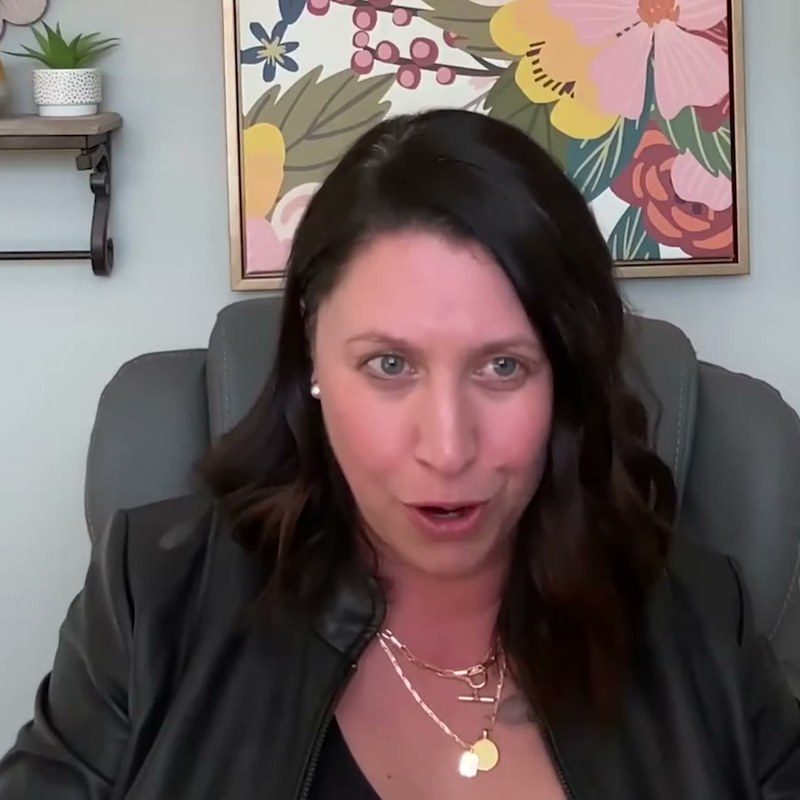 Abby CorneliusHomebuilding leader and career coachFrom our interview, 29:41
Missing proof counts against you too. “if I come across a website, I’m like, oh, this is sus.” she says (29:45).
What is social proof?
It is the shortcut we take when we do not know the right answer: look at what other people did. A homeowner buying windows for the first time cannot judge a frame or a spacer. She can judge whether a lot of her neighbors were happy.
A Google Business Profile full of recent, specific reviews is social proof. So is a builder’s name on your truck schedule, a photo of a finished kitchen in the next subdivision, and a testimonial on your quote.
What did the hotel towel study find?
Noah Goldstein, Robert Cialdini and Vladas Griskevicius tested the cards that ask hotel guests to reuse towels. They ran the test in a major hotel chain (Journal of Consumer Research, 2008). One card asked guests to help save the environment. Another told them most guests reuse their towels. The second card raised participation from 35.1 percent to 44.1 percent.
Then they got more specific. A second study used a sign about guests who had stayed in that specific room. It said 75 percent of them reused their towels, and that boosted reuse further still.
Our take: same room beats same hotel. For a dealer, the same town, the same subdivision and the same kind of job beat a general five-star average.
Why does a testimonial work better than a claim?
Because the buyer hears it from someone in her position. Melanie Borden, founder of The Borden Group, tells executives to post client testimonials on LinkedIn, because
who trusts you and who works with you is showing other people just that, so they’ll trust you and they’ll want to work with you too.
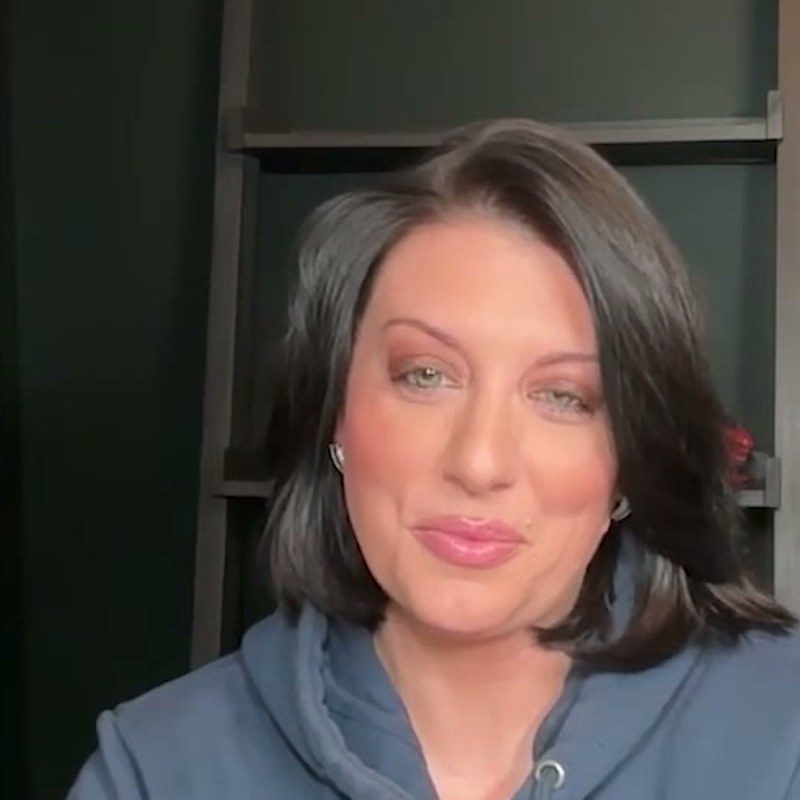 Melanie BordenFounder, The Borden GroupFrom our interview, 30:43
A line about how long you have been in business asks the buyer to trust you. A testimonial lets someone she already believes do the talking.
What kind of testimonial actually sells?
One that tells the buyer’s problem, not your history. Beth Carr, founder of Fortified Branding and a StoryBrand guide, uses a plumber as the example. She does not care how long the company has been around. “What I need to hear is we are 24-7. You have an emergency. We are there, we’re going to fix it.” she says (32:31).
Her model testimonial is a family standing in water after a toddler flushed a toy fire truck, saying “acme plumbing came to save us at three in the morning” (33:36). For a yard, the same story might be the builder whose window package was complete the morning the framers needed it, told in his words. Collect those stories. Do not write them for him.
What should you do about a bad review?
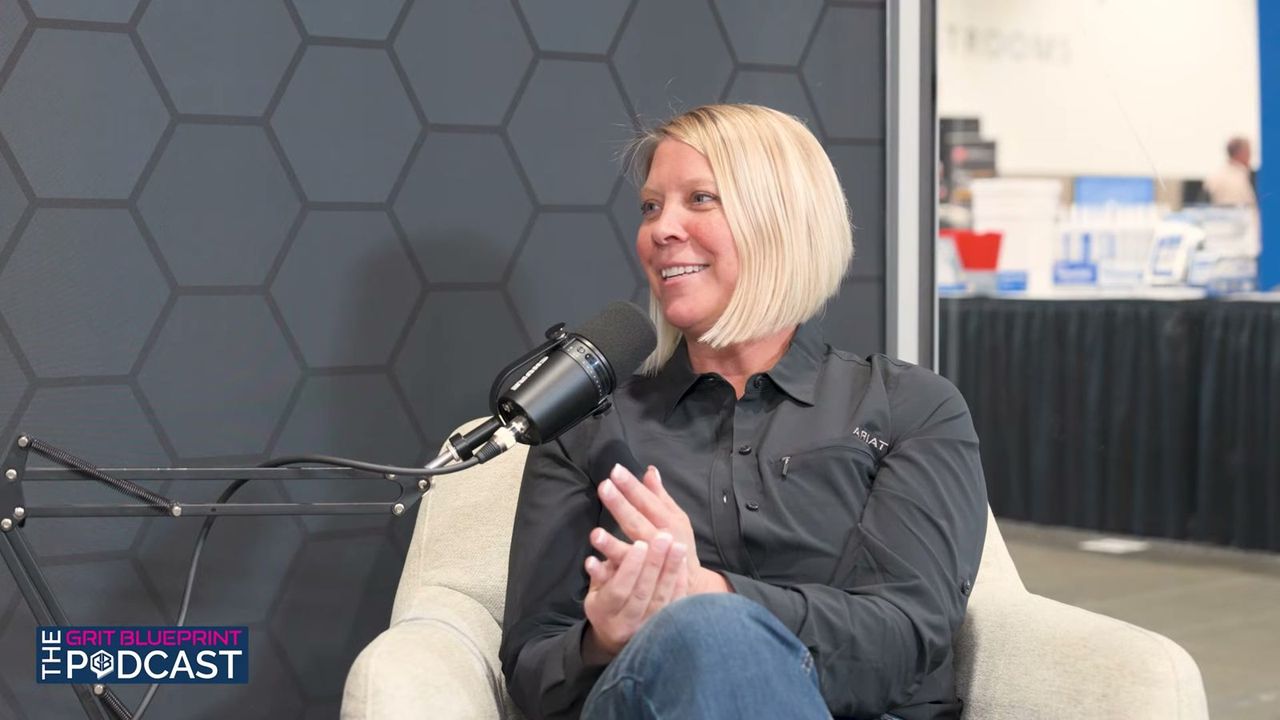
Find out what happened before you answer it. Sharona Eiserer, co-owner and president of Wood Shed Lumber & Hardware, says a negative review stings because the business is personal. Her first move is to dig in:
When it comes across my email and tells me we’ve got one, I’m immediately calling the store trying to figure out what did we do.
 Sharona EisererCo-owner and President, Wood Shed Lumber & HardwareFrom our interview, 19:32
Then answer in public, plainly, with what you did about it. Buyers read the replies as closely as the reviews. Grit Guide covered how Wood Shed became a household name in How Wood Shed Lumber Uses Live Radio to Become a Household Name.
Is it legal to pay for reviews?
Not the way most people mean it. In August 2024 the Federal Trade Commission announced a final rule that bans fake reviews and testimonials, including AI-generated ones; rewards conditioned on a positive or negative review; and certain reviews by company insiders who do not clearly disclose their connection. The agency can seek civil penalties against knowing violators. Ask real customers, ask all of them, and let the reviews be what they are.
Three moves for dealers, manufacturers and reps
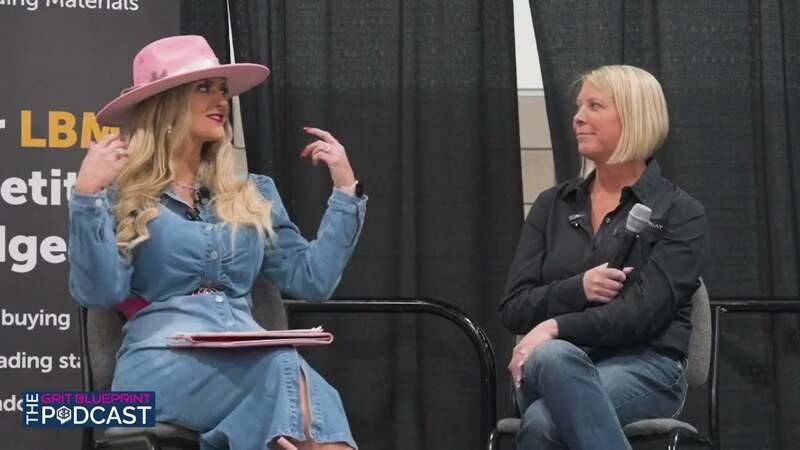
- Ask at the moment it went right. At a Do it Best Spring Market panel, Stefanie Couch reminded dealers not to skip the easy step: “could you give me a review on Google? Scan this QR code.” (29:17). Put the code on the delivery ticket, the counter and the invoice.
- Make the proof local. The towel study’s lesson. Label project photos and testimonials by town, subdivision and job type. A manufacturer can show dealers which installed jobs are near them; a rep can bring a photo from a jobsite the builder drives past.
- Collect the problem story. Ask happy customers what was going wrong before they called you and what changed. Record it in their words, with permission. Use it on the website, the quote and the showroom wall.

Our take: your proof already exists. Make it visible
Plenty of yards, shops and manufacturers are better than they look online. The proof is there. You have builders who have bought from you for twenty years. You have finished jobs and the delivery driver everyone asks for by name. Nobody outside the business can see it.
Ask your best customers why they stay and what they would miss if you disappeared. Then put those answers where buyers look before they call: reviews, the website, the quote, the showroom. Find the questions buyers ask and give them the evidence they need.
What to do next
- Search your business name on Google and read it the way a first-time buyer would. Count the reviews from the last 12 months.
- Print a review QR code on delivery tickets and invoices this week.
- Answer every review from the last 90 days, good and bad. First find out what happened.
- Ask three long-time customers what they would miss if you closed. Use their exact words, with permission.
- Check what buyers want to find before they call: What Window and Door Buyers Expect to Find Before They Call.
Part of Grit Guide’s series on why buyers do what they do. Also read regret aversion and choice overload, and see how Lumber King borrowed the proof of brands its customers follow in Stock the Brands Your Customers Already Follow, Then Say So.
Ask the next happy builder for a review before he gets back in his truck. Once that door shuts, he belongs to the jobsite.
Questions people ask
What is social proof?
It is the habit of looking at what other people do when we are not sure what to do ourselves. Reviews, testimonials, project photos and the names of customers who already buy from you are all social proof.
What did the hotel towel study find?
Goldstein, Cialdini and Griskevicius (2008) found that a card saying most guests reuse their towels raised reuse from 35.1 percent to 44.1 percent compared with an environmental appeal. A sign about guests who had stayed in the same room pushed reuse further.
How should a dealer ask for reviews?
Ask at the moment the job went right, ask every customer rather than only the happy ones, and make it one step, such as a QR code on the delivery ticket or the counter. Do not pay for or reward reviews that must be positive.
Can employees or owners write reviews for their own business?
The FTC’s 2024 rule on fake reviews prohibits certain reviews by company insiders that do not clearly disclose their connection to the business, along with fake reviews and incentives tied to positive or negative sentiment. Ask customers instead.
Watch the full interviews
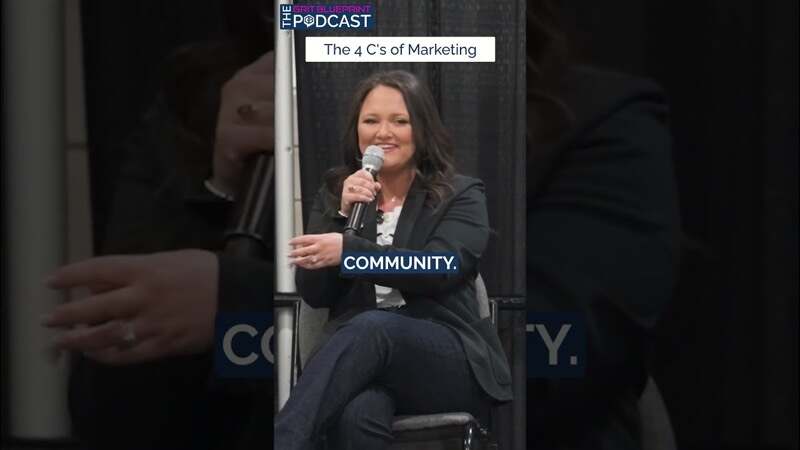
Rise and Lead Boldly with Abby Cornelius, LinkedIn for executives with Melanie Borden, Unleash Your Brand’s Story with Beth Carr, How To Build A Local Brand with Sharona Eiserer, and the Do it Best Spring Market marketing panel. Times in parentheses mark where each quote sits in the audio episode.
Abby Cornelius went from sales intern to general manager of land acquisition at national home builders. Then she started coaching women in the industry. She explains what gets people promoted, how to lead across generations, and what male allies can do.
A Grit Guide original. This piece is built from our own interview.
Episodes in this piece
- Simple Marketing Strategies You Can Implement That Drive Revenue For Independent Businesses
With Sharona Eiserer, Ashley Guest and Kerry Hasselbach
- How To Build A Local Brand: Small Town Retail Marketing That Works with Sharona Eiserer
With Sharona Eiserer
- How Executives Can Leverage LinkedIn for Business Growth with Melanie Borden
With Melanie Borden
- Unleash Your Brand's Story: Marketing for Building Industry Success with Beth Carr
With Beth Carr
Sources
- A Room with a Viewpoint: Using Social Norms to Motivate Environmental Conservation in Hotels (Noah J. Goldstein, Robert B. Cialdini, Vladas Griskevicius), Journal of Consumer Research 35(3), 472-482, 2008 EconPapers record
- A Room With A Viewpoint: Conservation Messages And Motivation (35.1 to 44.1 percent; 75 percent same-room sign) ScienceDaily, August 2008
- Federal Trade Commission Announces Final Rule Banning Fake Reviews and Testimonials (August 14, 2024) Federal Trade Commission
- Rise And Lead Boldly: Abby Cornelius, Leadership Coaching for Women (Grit Blueprint Podcast; quotes at 29:41, 29:45) (April 2024) Grit Guide, Grit Blueprint Podcast
- How Executives Can Leverage LinkedIn for Business Growth with Melanie Borden (Grit Blueprint Podcast; quotes at 30:43) (June 2025) Grit Guide, Grit Blueprint Podcast
- Unleash Your Brand's Story: Marketing for Building Industry Success with Beth Carr (Grit Blueprint Podcast; quotes at 32:31, 33:36) (May 2025) Grit Guide, Grit Blueprint Podcast
- How To Build A Local Brand: Small Town Retail Marketing That Works with Sharona Eiserer (Grit Blueprint Podcast; quotes at 19:32) Grit Guide, Grit Blueprint Podcast
- Simple Marketing Strategies You Can Implement That Drive Revenue For Independent Businesses (Do it Best Spring Market panel) (Grit Blueprint Podcast; quotes at 29:17) Grit Guide, Grit Blueprint Podcast
Sponsorship Two of these interviews (Sharona Eiserer, and the Do it Best Spring Market marketing panel) were recorded for episodes sponsored by Do it Best.