Click any timestamp to jump to that moment in the video.
Why Dealers Should Rethink the Insulation They Sell
1:03 Chuck Lencheck: We're a one-stop shop, really, for the dealers on any insulation products, whether it's fiberglass, cellulose, mineral wool, rigid board, or foam. When you're big and you have scope, that's fun. But we also have 80 distribution centers and 150 salespeople. So I like to think, yeah, we're big, but we're local. Working with Do it Best, we get to talk to a lot of the dealers, and I'll very often ask the question, why do you sell what you sell today?
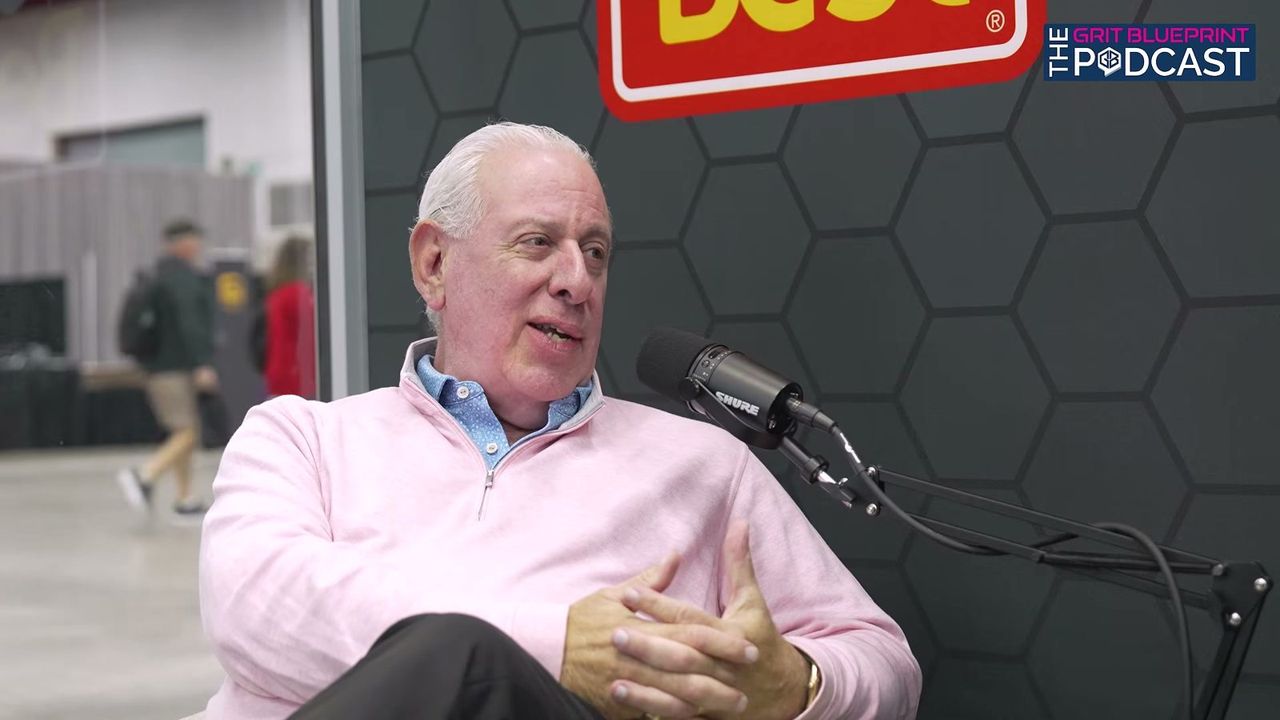
Meet Chuck Lencheck of Service Partners
1:29 Stefanie Couch: Yeah.
1:30 Chuck Lencheck: And very often the answer is, well, I don't know. That's what we've always sold. It's kind of nice to step back every once in a while and see: do we have the right products? Who are the customers that we're chasing? Are we chasing the do-it-yourselfer? Are we chasing the pro? Are we chasing both? Are we chasing anybody who wears pink? Because those are important people to chase.
Who Is Service Partners? The Largest Insulation Distributor in the US
1:50 Stefanie Couch: That's an easy sell if you just sell pink insulation.
1:53 Chuck Lencheck: I'm just saying, I'm a pretty easy target to hit, you know what I mean?
1:55 Stefanie Couch: Welcome to the Grit Blueprint Podcast. I'm your host, Stefanie Couch, and today I'm joined by the man in pink himself. Welcome to the show, Chuck.
2:11 Chuck Lencheck: Thank you.
2:12 Stefanie Couch: You are with Service Partners, and many times over the last few years, we have been really close to each other at the booth. You're always looking very dapper, and you're usually wearing a pink shirt at least one day, always. So I said, there's nothing we can do but get you on the podcast.
Insulation Options Dealers Should Know About Today
2:29 Chuck Lencheck: I have wanted to be on this podcast forever.
2:33 Stefanie Couch: Well, thank you for joining me on the show. I want you to tell me a little bit about who you are, what you do, and who Service Partners is.
2:40 Chuck Lencheck: I am the vice president of sales for Service Partners. Many of the dealers don't know who Service Partners is. So who we are: we are the single largest distributor of insulation in the US. But more than that, we're a one-stop shop, really, for the dealers on any insulation products, whether it's fiberglass, cellulose, mineral wool, rigid board, or foam. We really do it all. And the nice thing is, when you're big and you have scope, that's fun. But we also have 80 distribution centers and 150 salespeople. So I like to think, yeah, we're big, but we're local. We're really your local one-stop shop for insulation.
Why Do You Sell What You Sell? Questions Every Dealer Should Ask
3:25 Stefanie Couch: Anything with R-value, you said, right?
3:27 Chuck Lencheck: Anything with R-value.
3:28 Stefanie Couch: There are so many different types of insulation now. When I was growing up and selling it, there was really one type.
3:33 Chuck Lencheck: Yeah.
3:34 Stefanie Couch: And we talked a little bit about that. Like, hey, you may know that your grandpa or your dad was selling this type of insulation, but there are a lot of options you should be thinking about. So when you say that to people, what does that mean?
3:47 Chuck Lencheck: Well, it's funny. Working with Do it Best, we get to talk to a lot of the dealers, and I'll very often ask the question, hey, why do you sell what you sell today? And very often the answer is, well, I don't know. That's what we've always sold. It's kind of nice to step back every once in a while and see: do we have the right products? Who are the customers that we're chasing? Are we chasing the do-it-yourselfer? Are we chasing the pro? Are we chasing both? Are we chasing anybody who wears pink? Because those are important people to chase.
How to Sell Insulation to Pros vs DIY Customers
4:23 Stefanie Couch: That's an easy sell if you just sell pink insulation.
4:26 Chuck Lencheck: I'm just saying, I'm a pretty easy target to hit. You know what I mean? But there are a lot of choices in the insulation world that dealers can avail themselves of. And the nice thing is, whether they stock those things or whether they're chasing project work where it might not be something they stock but it's something they want to sell as a dealer, Service Partners can help facilitate both of those things.
4:51 Stefanie Couch: So your first question to a dealer is, who do you serve? Are you chasing the pro, are you chasing the DIYer, or are you chasing both? Let's say someone's chasing the pro. What changes between that and DIY-centered messaging or product offering? What's different?
How 80 Distribution Centers Save Dealers Warehouse Space
5:08 Chuck Lencheck: Well, Stefanie, I think it is different for the pro. First of all, time is money, and it's important to have access to either stocking job lot quantities or having access to someone who can supply you in job lot quantities. A pro may have different needs in terms of product. They may need product that's more commercially oriented than residential. Maybe it's a metal stud building that's going up as opposed to wood stud. Their projects are larger in scope. They may want job site delivery.
5:45 Stefanie Couch: Sure.
5:46 Chuck Lencheck: And there are some dealers who may not have a large yard or a lot of holding power.
What DIY Customers Want: Fiberglass Batts vs Rolls
5:54 Stefanie Couch: It does take up a lot of room.
5:55 Chuck Lencheck: Look, insulation is big. It's bulky. That's why we have very big warehouses.
6:00 Stefanie Couch: I was going to say, I bet you have a lot of warehouses. And you said you had 80 distribution centers.
6:04 Chuck Lencheck: We have 80 distribution centers.
6:06 Stefanie Couch: That is incredible. That type of coverage over the US. When you think about that, there are 50 states and you have 80 distribution centers. So that's going to save space in a dealer's warehouse, because they can get things from you when they need them and let you do all the hard work of storing it.
6:22 Chuck Lencheck: Absolutely. The way I look at it, our warehouses are our dealers' warehouses. The whole point is being close and local, whether we're delivering to a dealer or a dealer wants to come by and pick up from us. Yes, they can do that. They can will-call and come pick up. The fact that we have big warehouses full of insulation means a dealer can buy what they need and increase their turns. If they need us to deliver to a job site, we'll do it for them. We're their local warehouse, so they can put other things in their own warehouse.
Attic Insulation Top-Offs and Why Hot Climates Need Insulation Too
6:57 Stefanie Couch: Yeah, absolutely. So what if I'm a DIYer? What am I looking for? What do I care about with insulation?
7:04 Chuck Lencheck: You're looking for things that are Chuck Lencheck-approved. Those are important things to have. You're looking for things that you can install easily. I'll give you a good case in point. Dealers historically used to buy rolls of fiberglass. And if you ask them why they have rolls of fiberglass today, again, the answer is very often, I don't know. I've always had rolls.
7:26 Stefanie Couch: Sure.
7:27 Chuck Lencheck: If you look at the market, most of what's sold today is fiberglass batts. A fiberglass batt is much easier to install for a do-it-yourselfer because it's precut, so they don't have to measure it, hope they measured it right, hope they didn't cut it too short or too long. So again, it's about having the right mix of products. We also sell a lot of blow-in insulation. The market for attic top-offs in the US is huge.
Fiberglass vs Cellulose vs Mineral Wool: Thermal and Acoustic Insulation
7:56 Stefanie Couch: Yeah.
7:57 Chuck Lencheck: Very often an attic should have this much insulation and has this much insulation.
8:02 Stefanie Couch: Especially in really hot or really cold places.
8:06 Chuck Lencheck: Well, that's a funny point, and you're absolutely right. Very often people think of insulation as a northern thing. I've got to defend against the cold.
8:15 Stefanie Couch: Absolutely.
8:16 Chuck Lencheck: If you live in the South and you're in Arizona and it's 118 degrees, even if it's dry heat...
8:23 Stefanie Couch: It's still hot.
8:24 Chuck Lencheck: It's still hot. So you want to keep your air conditioning in the house. Insulation is just as important in the South as it is in the North.
CleanFiber: Cellulose Insulation Made From Recycled Cardboard
8:33 Stefanie Couch: Yeah, that's such a great point. I think people think a lot about the traditional problems you hear about. So for someone who knows there are a lot of options out there, different types of insulation, you mentioned fiberglass, cellulose, rigid, mineral wool, what are some of the pros and cons of the different types? And what innovation are you seeing in some of the new products on the market that you offer?
9:03 Chuck Lencheck: All those products are good thermal barriers. Some are better acoustical insulators than others. Mineral wool tends to be a very good acoustical insulation. Cellulose tends to be a very good acoustical insulation. Sometimes we look at the thermal part and forget about the acoustical part. I know in my house, if I hear running water in the walls, it makes me a little crazy. And that's something you can solve pretty easily with good insulation around those pipes.
Does Cellulose Insulate Better Than Fiberglass? R-Value Explained
9:31 Stefanie Couch: Yeah.
9:32 Chuck Lencheck: When you look at innovations in the insulation world, the one that pops into my mind is a new cellulose on the market called CleanFiber. It's a very cool product. It's made from 100% cardboard.
Greenfiber Supreme Plus: Insulation That Keeps Pests Out of the Attic
9:47 Stefanie Couch: Oh, wow.
9:48 Chuck Lencheck: Pre-consumer cardboard. So not an Amazon box that's been shredded.
9:51 Stefanie Couch: But still, no tape and all those things. Okay.
9:54 Chuck Lencheck: We like that product a lot. I like that product because it's not sold at the box stores.
9:58 Stefanie Couch: Okay.
10:00 Chuck Lencheck: And it's a very clean product. It's well branded because it doesn't gunk up the blowing machine that you use to put it in the attic.
10:07 Stefanie Couch: Oh, nice. So pros can use that product and it's kind of an upgrade. What are some of the other benefits, other than it being eco-friendly or sustainable? Is it better as a certain type of insulation?
10:22 Chuck Lencheck: I would say it's as good as. When you look at the way insulation works, they all have little pockets of air that trap energy. R30 is R30 is R30. Would an R30 of cellulose insulate better than fiberglass? No, it's really kind of the same.
10:39 Stefanie Couch: Okay.
10:41 Chuck Lencheck: Is it a little greener than fiberglass? Probably. So it just depends on what you're looking for.
10:49 Stefanie Couch: When we talked before, you mentioned a product that has some sort of pest control quality in the insulation.
10:56 Chuck Lencheck: One of the products Service Partners sells is called Greenfiber Supreme Plus. That's a very unique product. It's a cellulose product with an EPA-registered insecticide in the cellulose. So a dealer can actually sell it and make pesticidal claims. The cool thing is you don't have to be a licensed pest control operator to install it.
Mineral Wool Shortage: What Dealers Should Do During Allocation
11:23 Stefanie Couch: Okay.
11:24 Chuck Lencheck: A homeowner can install it, a remodeler can install it, and it actually prevents insects from living in your attic.
11:33 Stefanie Couch: Wow.
11:33 Chuck Lencheck: Which is kind of cool.
11:35 Stefanie Couch: That is really cool. I'd never heard of this until you told me. We have a lot of wasps and things like that that get in through gable vents and other ways. That's pretty interesting to think about. I'd never even considered that option. And if it's already built in, it's not something you have to worry about once you put it in. Why not?
11:52 Chuck Lencheck: It's just there. And if you have a self-grooming insect like a cockroach or silverfish, they just can't exist in that insulation.
12:01 Stefanie Couch: I love that idea. There's been a lot of talk in the market about mineral wool and how hard it is to get. On this podcast, we address the fun things and the hard things. It's always hard when you can't get a product you want to sell. What would you tell dealers about that allocation?
12:19 Chuck Lencheck: I would tell them to buy it from Service Partners. Chuck's got you covered.
Three Questions to Ask Customers Before Choosing Insulation
12:24 Stefanie Couch: Chuck's got you covered. That is a great answer, if it's true and you can say that. But you have seen the problems in the industry. They've been hard to get.
12:33 Chuck Lencheck: To give you a better answer, mineral wool is on allocation right now. We're taping this at the end of September. It'll probably be on allocation for the next four to six months, at a guess. So if you don't have an order in for mineral wool now and it's something you stock, you should.
12:54 Stefanie Couch: Okay.
12:56 Chuck Lencheck: If you're chasing a commercial job, because that's where a lot of mineral wool goes, I think as the dealer you want to make sure you're not overpromising delivery and getting caught short. Where we excel is that there are three manufacturers of mineral wool: ROCKWOOL, Thermafiber, and Johns Manville. And we sell all three.
13:17 Stefanie Couch: So you have options.
13:18 Chuck Lencheck: So we have options, and maybe a better chance of helping a dealer find the product.
13:22 Stefanie Couch: Okay, very cool. So just call Chuck. He'll solve all your problems.
13:25 Chuck Lencheck: Ask for Chuck.
13:27 Stefanie Couch: When we prepped for this, I asked you what dealers should ask customers, especially a homeowner, but even a pro who's dealing with a project and doesn't know which insulation to pick. You gave me three questions. So let's say I don't know anything about insulation. Today's my first day on the job, someone comes in, and they ask me what insulation they should get for this project. What does Chuck say to do?
How Service Partners Goes the Extra Mile for Dealers
14:00 Chuck Lencheck: Now I have to try to remember my three answers. I think the first thing you want to qualify is what kind of project it is. Is it residential or commercial? Second, what kind of construction is it? Is it wood construction? Is it steel beam construction?
14:17 Stefanie Couch: Okay.
14:17 Chuck Lencheck: Third, what are your goals? Are you more concerned about thermal barrier? Are you as concerned about acoustical insulation? As you winnow down those answers, they guide you toward product selection.
14:31 Stefanie Couch: Absolutely. If you're listening and you don't know much about insulation, write those three tips down, because that's what you should be asking to hopefully make lots of sales. I love stories, and we have a lot of great stories in our industry. I could probably talk to you for a few days and not get through all of yours. But tell me how your local team serves people, and maybe share a story about how they make a difference locally. You are a big company with a lot of people in the field. 150 salespeople is a lot of coverage. So tell me how your people make a difference.
15:05 Chuck Lencheck: I'll tell you two good stories.
15:07 Stefanie Couch: Okay.
15:08 Chuck Lencheck: We're taping this in Indianapolis, Indiana, and our local branch has a great story they told me. We had a dealer who needed product. We normally deliver to that dealer on Wednesdays, I think. He needed to get some product in for one of his customers so that customer could complete a job, and he couldn't afford to wait for our truck to come the next week. One of the things I love, and I think this is very typical of a Service Partners associate: our branch manager knew what the dealer needed, had the product in stock, and put it in his truck.
15:47 Stefanie Couch: Wow.
15:48 Chuck Lencheck: He drove it to the dealer so the dealer could get the product and give it to his customer, and the customer could complete the job. The customer got paid. The dealer got paid. I like to think we're that kind of company that will go the extra mile to help the dealer grow their business.
16:10 Chuck Lencheck: The other story: we had a dealer down in Louisiana who had a customer doing a job in Pennsylvania. One of the advantages of being a national company in all these markets is that our local salesperson in Louisiana worked with the dealer and helped the dealer get the product in Pennsylvania from our Pennsylvania branch. But instead of just passing him off to the Pennsylvania branch, my salesperson shepherded the project with the dealer. He made sure the dealer knew who he was talking to in the Pennsylvania branch, where the product was supposed to go, and when it was supposed to be there. So the local salesperson really took ownership of helping the dealer all the way through the process, until the delivery happened on time. The dealer's customer, although remote, got the job done. It would have been very easy for my salesperson to say, our people in Pennsylvania are great, they'll take good care of you. Instead, they hand-walked the dealer through the process.
Why Customer Handoffs Make or Break Great Service
17:19 Stefanie Couch: What a great sales tip for anyone. You mentioned going the extra mile. But the handoff is a lot of times where things get fumbled, right? If you watch college football, bad things happen when somebody hands off a little too quick, or one person goes left and the other goes right. We do that a lot in business. We assume the handoff will be, here you go, I emailed it to you. And then you make people re-explain the thing they already explained. I know about it at one branch, but then I hand it off to Chuck, and Chuck doesn't know any details. So you have to ask that customer 50 questions again.
How Dealers Can Add Gutters as a New Revenue Stream
18:00 Chuck Lencheck: Right.
18:00 Stefanie Couch: And it's an inconvenience for your customer. I think exceptional, unreasonable, great service starts with you taking that on internally and figuring out how to go the extra mile so they don't have to repeat any of that.
Gutter Leaf Protection: A High-Margin Product for Dealers
18:15 Chuck Lencheck: I think it's about owning the relationship with the dealer. I really do.
18:20 Stefanie Couch: It's so important. And I think that's what makes people stay when maybe you're a little more expensive, or maybe they have to wait a little bit on something, or whatever the case is. If you have that service and go the extra mile, it makes all the difference.
18:33 Stefanie Couch: I want to shift from insulation to another topic that you like and you sell, which is gutters.
18:40 Chuck Lencheck: Yes.
18:41 Stefanie Couch: Now, I've got to tell you, when I was at my dad's lumberyard, gutters were not on our radar at all. We did not sell gutters and didn't think about gutters. When we were talking, I said, wow, that could have been a really great complementary product for our offering, and we just didn't know anything about it or how to do it. So for a dealer who's selling a lot of other products today, but gutters aren't in their lineup, what would you tell them about how much profit could be in it? How does the operation work, and what do they actually need to sell?
19:11 Chuck Lencheck: When you look at a dealer who may not be in the gutter business today but is looking for a new revenue stream, Service Partners can help you get into it. We are a full-service gutter distributor, everything from copper coil to gutter equipment to rigs. You can start as simply as, I'm going to sell leaf protection. Gutter leaf protection is incredibly profitable for the dealer. It really is. It's a product that a remodeler or a pro can install. But I've installed gutter protection, and if I can install gutter protection, any do-it-yourselfer can install gutter protection. It's a pretty low bar.
Gutter Guards With an ASTM Fire Rating for Wildfire Areas
20:02 Stefanie Couch: My bar is pretty low too, so we'll have to test it with mine as well. When you say leaf protection, tell me what that is for somebody who's wondering what you're talking about.
20:13 Chuck Lencheck: Think about your gutters. You want to put some kind of screen on top of them that will keep leaves and pine needles out and keep the water flowing. If you're in the North, you want to make sure your gutters aren't getting clogged up and freezing.
20:33 Chuck Lencheck: Service Partners sells a number of different brands. We have one I really like. It's a stainless steel product, and if you're a western dealer who's concerned about forest fires, believe it or not, this product actually has an ASTM fire rating. It will keep embers out of your gutters.
How to Start a Materials-Only Gutter Program for Pros
20:51 Stefanie Couch: Incredible.
20:52 Chuck Lencheck: Right. If you think about all the stuff that collects in your gutters, it's a little bit of a tinderbox.
20:57 Stefanie Couch: It is. I'd never thought about it until you said it. I'm thinking pine needles, all the little things that fall in there over the year.
21:03 Chuck Lencheck: All the things you use to start a fire.
21:05 Stefanie Couch: Yes. They're in your gutters.
21:06 Chuck Lencheck: They're in your gutters. And this product will help keep that stuff out of your gutters.
21:10 Stefanie Couch: What product is that?
21:11 Chuck Lencheck: It's called E-Z Gutter. One is called Destroyer. One is called Eliminator. Sold by Service Partners.
21:16 Stefanie Couch: I like the super aggressive naming there.
21:18 Chuck Lencheck: Destroyer. Eliminator. We must eliminate you.
21:23 Stefanie Couch: But the forest fire thing is very serious. Even in Georgia and North Carolina, we have those a fair amount. I've had several years where it's like, oh no, I hope that doesn't happen. You'll have ash falling and things. It gets pretty close. It's a big thing to think about.
21:39 Chuck Lencheck: It is. And it's a very tangible selling point for the dealer. So again, a dealer can start very simply with something like leaf protection. If they wanted to get more into the gutter side, they could do a gutter install program or even just a materials program. Think about the pros who shop at a Do it Best store. They have remodelers, siding guys, window guys, door guys, all of whom could install gutters but don't have the equipment.
Selling Gutters as an Add-On to Siding and Remodeling Jobs
22:12 Stefanie Couch: Right.
22:14 Chuck Lencheck: So we've got some dealers who very simply bring the gutter materials to the job site. They run the continuous guttering, drop it off at the job site with the downspouts and the elbows, and they're done. They're not doing the install. It's for those guys who can install but don't, because they don't have the equipment. So you can just do materials only.
How to Get Set Up With Service Partners
22:39 Stefanie Couch: And then the installer picks up from there, right on the job.
22:42 Chuck Lencheck: And again, it's people they're already selling to, who are already in their stores every day.
22:47 Stefanie Couch: I always love those. It's a little extra on top. You're thinking about projects where you're already at the home, already doing the work. An exterior siding project, a window repair, whatever you're remodeling. Hey, we could also do your gutters while we're here.
What Equipment You Need to Start a Gutter Program
23:05 Chuck Lencheck: Especially siding. If they're putting up new siding, they're probably putting up new gutters.
23:10 Stefanie Couch: Absolutely. And you can get that whole job instead of letting somebody else come in and get parts of it.
23:14 Chuck Lencheck: Yes.
23:14 Stefanie Couch: It's also a good margin category.
23:16 Chuck Lencheck: Great margin category.
23:17 Stefanie Couch: It's not just a commodity. You can make really great money off this.
23:22 Chuck Lencheck: Yes.
23:22 Stefanie Couch: So maybe you're thinking, hey, I'm not in that business, but now I'm interested. How does that work to get someone set up with Service Partners?
23:30 Chuck Lencheck: Other than please call Chuck?
23:34 Stefanie Couch: It's pretty simple, guys. 1-800-CALL-CHUCK.
23:36 Chuck Lencheck: Call Chuck.
23:37 Stefanie Couch: I think that's too many digits.
23:39 Chuck Lencheck: Probably. Where I would start is the Service Partners website, service-partners.com. There's a locator, Find My Store.
23:53 Stefanie Couch: Okay.
23:53 Chuck Lencheck: You can very easily call your local Service Partners branch. They'll have a Service Partners salesperson contact you, and he or she will guide you down that road.
24:03 Stefanie Couch: Okay. And if you're a Do it Best member or a True Value member, that's still the path you would take?
24:08 Chuck Lencheck: Yeah.
24:08 Stefanie Couch: Okay. So if you need this, just call your local Service Partners branch. Or you could call Chuck directly. He loves calls, especially late at night or early in the morning when you've got to wake him up. But what equipment would a dealer actually need to start this program? Let's say they decide, hey, I don't really want to install, but I want to take the materials to the job, drop them off, and make everything easy for the contractor. What kind of equipment do they need?
Why Dealers Need to Know Local Insulation Building Codes
24:31 Chuck Lencheck: They would need a gutter machine, one that does five- and six-inch gutters. They would need some gutter coil, and they would need a trailer to put it in.
24:40 Stefanie Couch: Okay.
24:41 Chuck Lencheck: Then the Service Partners branch would be able to supply them with the downspouts, the elbows, and all the accessories. So it's not a horribly complicated business to get into. Trailer, equipment, coil.
24:54 Stefanie Couch: Pretty simple. I love that. Seriously, this is a category a lot of people should look at. I don't see it at very many yards I go to.
25:02 Chuck Lencheck: Right.
25:02 Stefanie Couch: And I think it's a missed opportunity for a really quick add-on. Especially, like you said, if you're doing siding, you've got to be doing this.
25:12 Stefanie Couch: All right, last question for you.
25:12 Chuck Lencheck: Last question.
25:13 Stefanie Couch: What is the first thing a dealer should do if they really want to increase their sales on insulation or gutters, besides call Chuck?
25:23 Chuck Lencheck: Darn it, that was going to be my answer. Whether you do it with us or whether you do it locally, if you haven't looked at how codes are changing today, one of the first things I would do is get familiar with the building codes for your market. One of the things we're seeing change rapidly is code requirements on insulation. I'll give you a good case in point. Here in Indianapolis, we were at R49 in the attic.
Become the Insulation Expert Your Customers Trust
25:56 Stefanie Couch: Okay.
25:56 Chuck Lencheck: We just recently moved to R60 in the attic.
25:59 Stefanie Couch: Wow. That's a big jump.
26:01 Chuck Lencheck: It's a big jump. So if you're the dealer and you don't know what your codes are...
Pink Hat Promo: 5% Off Service Partners Orders Through October 2026
26:07 Stefanie Couch: You're setting somebody up for failure.
26:08 Chuck Lencheck: Well, more than that, are you stocking the right products? Do you have something to blow into the attic to get to that R60? Or maybe you always sold R11 and R13, because that's what you always sold and it's inexpensive. Should you have R30? Should you have R38? Should you have a high-density R21?
26:31 Stefanie Couch: Yeah.
26:31 Chuck Lencheck: If you're looking to increase your profitability, I would make sure you're stocking the right products to meet the needs of your local market. That's probably where I'd start, first and foremost.
26:45 Stefanie Couch: That's a great tip, because like you said, if you know the codes, you become the expert.
26:51 Chuck Lencheck: Right.
26:51 Stefanie Couch: And then people come to you for expert advice. I always believe that in the companies we run, we are trusted to be the experts. So we'd better be able to live up to that.
27:01 Chuck Lencheck: Absolutely.
27:02 Stefanie Couch: Or else what are we doing?
27:04 Chuck Lencheck: Absolutely.
27:05 Stefanie Couch: That's a great tip. I love that. All right, we do have a very special offer today because of the Grit Blueprint Podcast and Chuck's partnership with Service Partners. We're running a special if you call in and order something by the end of October.
27:22 Chuck Lencheck: Yes.
27:23 Stefanie Couch: And you use the code Pink Hat. The code is Pink Hat. Now tell them what the special is going to be.
27:30 Chuck Lencheck: Tell them what they're playing for.
27:32 Stefanie Couch: Go ahead. You tell them.
27:33 Chuck Lencheck: All right. I have no idea where we came up with the name Pink Hat.
27:37 Stefanie Couch: It just seemed like the right thing.
27:39 Chuck Lencheck: It's just inspirational. It seemed right. We will take an extra 5% off their order.
Thanks for Joining the Grit Blueprint Podcast
27:44 Stefanie Couch: Love that.
27:45 Chuck Lencheck: Whatever they're ordering. Any material, doesn't matter. We will take an extra 5% off because of the Pink Hat promo.
27:51 Stefanie Couch: I love that. Everybody loves a great promo. You can get 5% off any insulation or any other product you buy until the end of October.
28:01 Chuck Lencheck: End of October.
28:02 Stefanie Couch: October 2026. Until the end of October 2026.
28:07 Chuck Lencheck: That's right.
28:08 Stefanie Couch: Yeah. It could have been any October.
28:10 Chuck Lencheck: Could have been any October.
28:11 Stefanie Couch: All right, let me say that again. Any product Service Partners offers, if you're running it through Do it Best or True Value by the end of October 2026, it's 5% off. But you do have to remember that the code is Pink Hat.
28:24 Chuck Lencheck: Pink Hat. And we'll do it one time.
28:27 Stefanie Couch: One time. One-time offer. All right, I think we got all the stipulations in there.
28:31 Chuck Lencheck: I think so.
28:31 Stefanie Couch: And you probably have to be wearing pink when you order it. No, that's not really a stipulation. But you should be, because it's a great choice.
28:36 Chuck Lencheck: It helps.
28:37 Stefanie Couch: It really is a great choice.
28:38 Chuck Lencheck: It's a fashion statement.
28:39 Stefanie Couch: It is. And did you know that pink is the highest converting color in advertising?
28:43 Chuck Lencheck: Really?
28:43 Stefanie Couch: It is. That is actually a true fact.
28:45 Chuck Lencheck: So we're living the dream.
28:46 Stefanie Couch: We are living the dream, Chuck. Thank you so much for joining me on the Grit Blueprint Podcast. You're going to have to come back, because this was a lot of fun.
28:54 Chuck Lencheck: I enjoyed it. Thanks for having me.
28:56 Stefanie Couch: And we will see you on our next episode. Thank you for listening to the Grit Blueprint Podcast. If this episode helped you think a little differently about how to show up, share it with someone in your building world who needs it. If you're ready to turn visibility into growth, head to gritblueprint.com to learn more and book a call to talk to us about your growth strategy. Until next time, stay unmistakable. gritblueprint.com