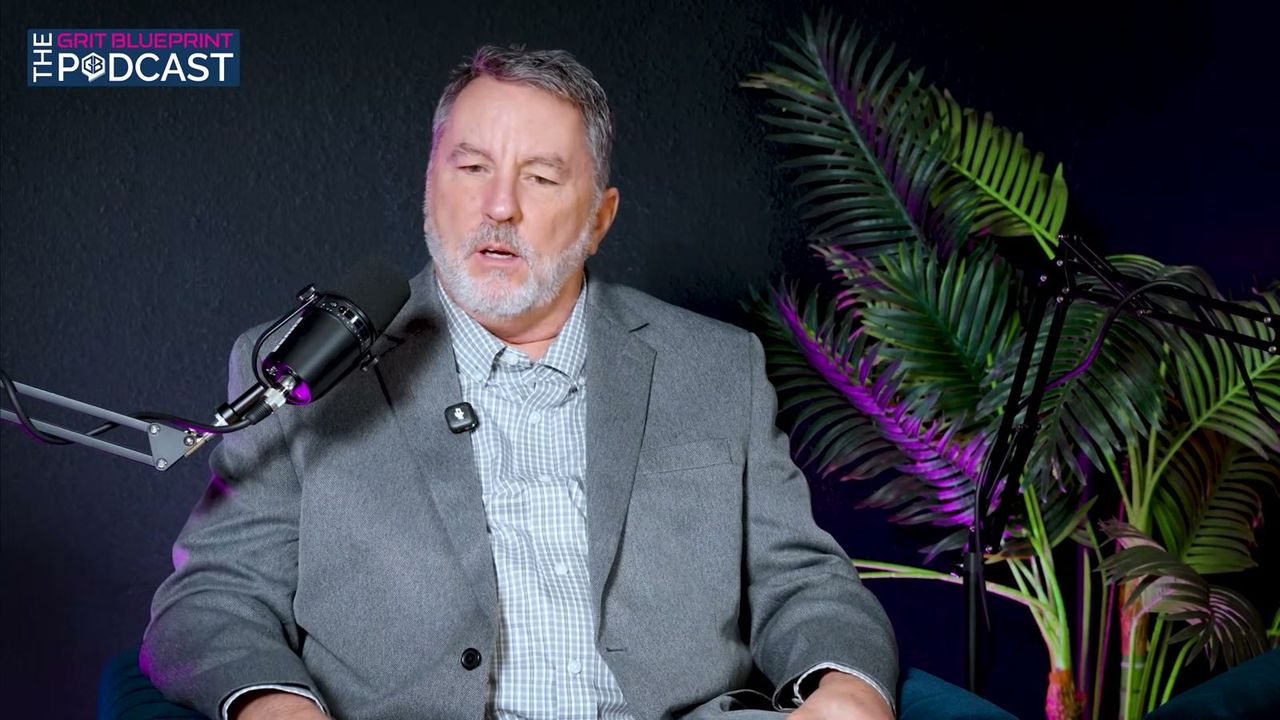
Why Russ Kathrein Bills a Special Order the Day It Lands
The Do it Best lumber executive has four rules for special orders, returns and dead stock. Each one moves a problem from the back of the yard to the front.
Client: Do it Best is a Grit Blueprint client.
For educational purposes only: general information, not legal, tax, financial or safety advice. Check your local codes and talk to a qualified professional before you act. Disclaimer

A lumberyard gets billed for a special order when it arrives. So Russ Kathrein bills the customer the same day. A special order is product bought for one customer’s job. The yard does not keep it in stock.
Kathrein is vice president of lumber and building materials at Do it Best Group. He has four rules for special orders, returns and dead stock. Bill on arrival. Take returned specials back at zero cost. Make idle stock cost the yard something. Handle returns fast and out front.
His question for any yard with a rack of special orders waiting to be picked up:
“If you think about it, your customer said, go out and order me a $10,000 window package. It’s in, it’s ready to go. You’re getting billed, so why not bill the customer?” (3:44).
Kathrein has run yards from a family business up to a chain with multiple locations. He does not claim to have invented these rules. He picked them up managing yards, taking yards over and talking with other dealers.
Why do special orders hurt a lumberyard’s cash flow?
Because the yard pays for them before the customer does. Cash is what runs out first. A few terms first. The profit and loss statement, or P&L, shows sales minus costs for a period. Kathrein calls it a report card. The balance sheet lists what the business owns and what it owes on a given day. That means cash, inventory, money customers owe and debts. Inventory plus the money customers owe is what he calls working capital.
“Your balance sheet is really the indicator of your overall performance of where you’re at,” he says (29:54). A yard can sell plenty and still run out of money, he says. That happens when too much is invested in inventory or customers are not paying. Cash flow is the money actually coming in and going out. Every rule below is meant to free some of it.
Rule 1: Bill special orders when they arrive
Bill the order the day it comes in. If the yard bills on monthly statements, put it on the statement at the end of that month. Kathrein lists what that does.
- It helps cash flow a little.
- It puts the order on the customer’s radar. It is on the bill, so the customer knows it is there and has to be used.
- It settles dead special orders. Customers say they will use it eventually. Kathrein’s reply: “That’s fine, you’ll use it. You pay for it” (4:23).
He tells a story from one of his yards. A job foreman ordered a special column and then decided not to use it. The salesman let it sit. Four or five months later the yard finally billed it. The owner of the company asked what it was. If he had known about the column, the owner said, he would have found a job to put it in. The yard thought it had been doing him a favor.
Rule 2: Take returned special orders back at zero cost
Everyone says special orders cannot be returned, and everyone takes them back anyway, Kathrein says. Here is his method. Give the customer whatever credit you decide on, full or half. Then bring the item into inventory at a cost of zero. The yard takes the whole loss that day.
He calls it rule number one: “your first loss is your best loss” (5:58). “Take the loss then and there,” he says (6:23).
After that the item starts working for the yard. Gross margin is the part of the selling price left after the cost of the product. At a cost of zero, the whole sale is margin. Salespeople paid on gross margin make more on that item, so they have a reason to find it a home. If it ends up going to salvage, the loss is already taken. Nobody has to argue about a hit to the P&L.
Rule 3: Make dead stock cost something
“Most lumber yard managers and owners are pack rats,” Kathrein says (7:34). They keep dead inventory, and old racks and shelving with it.
At a company he took over, with multiple locations, each yard paid a corporate charge. It covered the head office and was a percent of sales. He changed it to a percent of each yard’s working capital. That means its inventory plus its receivables. He remembers the rate as about 14%.
Now a manager looking at stock that never moved had a number to weigh it against. In Kathrein’s telling the manager says, “I could keep that, but I’m financing at 14% a year, or I could get rid of it” (8:02). “It was amazing how quickly our managers cleaned up their inventory,” he says (8:28). The yards looked better and used their space better.
Rule 4: Put returns where everyone has to look
Ordinary returns get the same treatment. Do them fast and out in the open.
- Drivers ask at every delivery. Kathrein has drivers ask whether anything needs to come back. The truck is already there, and the material is still fresh and clean. A week later it may be gone. Before this, he had a truck out all day Saturday driving from job to job picking up returns.
- Two clocks. His policy was pickup within 24 hours of the request and a credit within 48 hours.
- A yellow box. He saw this at a lumberyard in New Hampshire. The yard had a big yellow box painted on the pavement in front of the dispatch office. Every return goes there. The goal is to have them put away by the end of the day. Any manager walking out can see how many are waiting.
When he visited his own yards, Kathrein says, he drove to the back first. That is where people like to hide their problems. His instruction: “bring the problems right out front, deal with them right away” (21:11). Nothing aggravates a customer more, he adds, than returning material and still waiting on the credit three or four weeks later.
How do you keep stock from going dead?
Ask why you carry it before you order it again. Chuck Lencheck is vice president of sales at Service Partners, an insulation distributor. He puts a question to the dealers he meets. “I’ll very often ask the question, hey, why do you sell what you sell today? And very often the answer is, well, I don’t know. That’s what we’ve always sold” (2:44). His example is fiberglass insulation in rolls, stocked because the yard has always stocked rolls.
Lencheck also talks about turns. Inventory turns are the number of times a year a yard sells through an item’s stock and buys it again. The more often stock turns, the less cash sits on the shelf. Insulation is bulky. He says a distributor’s warehouse nearby means a dealer “can buy what they need and increase their turns” (5:19).

Send someone new to the back of the yard
Each of Kathrein’s rules drags a problem into view while it is still small and cheap. People get used to what they walk past. Stefanie Couch, host of the Grit Blueprint Podcast, made the same point on the episode. She compared it to being nose blind in your own house: “we get blind to things” (8:40).
Returns are where it costs most. A return nobody picks up for five weeks becomes a forked board and an argument about the credit. Winning that argument can cost more than the order was worth. Someone new walking in sees what the crew stopped seeing. So send a new hire or a manager from another store to the back of the yard with Lencheck’s question.
What to do next
- List every special order in your building that has arrived and has not been billed. Decide whether you will bill on arrival or at month end. Tell customers before they order.
- Set returned special orders to zero cost the day they come back, and tell the sales team they are there.
- Mark a returns spot in front of dispatch and set two clocks. Kathrein’s were 24 hours to pick up and 48 hours to credit.
- Have drivers ask at every delivery whether anything needs to come back.
- Drive to the back of your own yard. For each pile that has not moved, ask Lencheck’s question.
For the call that gets those bills paid, read The Five-Day Call That Gets a Lumberyard Paid First. Kathrein’s yard crews also took truck turnaround from 52 minutes to 12: here is how.
Questions people ask
What is a special order at a lumberyard?
A special order is product bought for one customer’s job, such as a window package or a column, rather than something the yard keeps in stock. The yard usually pays its supplier for it when it arrives, whether or not the customer has picked it up.
When should a lumberyard bill a special order?
Russ Kathrein of Do it Best bills it the day it arrives, or on that month’s statement if the yard bills monthly. That helps cash flow, puts the order on the customer’s radar and settles specials that would otherwise sit for months. Tell customers the policy before they order.
How should a yard handle a special order the customer returns?
Give the customer the credit you decide on, then bring the item into inventory at zero cost so the yard takes the whole loss that day. After that, any sale of the item is all margin, which gives salespeople a reason to find it a home.
Why does dead stock cost a lumberyard money?
Inventory ties up working capital, the cash the business has in stock and in money customers owe. Kathrein changed a head-office charge to a percent of each yard’s working capital, and he says managers cleared out idle stock quickly once it carried a cost.
How fast should a lumberyard pick up and credit a return?
Kathrein’s policy was pickup within 24 hours of the request and a credit within 48 hours. His drivers also ask at every delivery whether anything needs to come back, while the material is still clean and the truck is already there.
Watch the full interviews
Simple Ways to Create Cashflow in Your Business with Russ Kathrein, and How Service Partners Helps Dealers Stock Smarter & Grow Sales with Chuck Lencheck. Time stamps are from the podcast audio.
Russ Kathrein, VP of LBM at Do it Best, shares operating habits he learned running lumberyards. He bills special orders on receipt and cuts truck turnaround. He treats drivers as salespeople. He makes a friendly call five days after a bill is due.
A Grit Guide original. This piece is built from our own interview.