Click any timestamp to jump to that moment in the video.
How to sell by solving your customers' real problem
0:01 Sarah Campbell: I would never allow myself the opportunity to create a solution or give somebody a solution unless I knew what the problem was. How am I supposed to even consider myself a sales professional? If I'm asking you, Stefanie, to invest in this door, I better know why. It's crucial to understand your product, how to speak about it, more importantly, the people you're gonna be sitting in front of, anticipating what their needs and wants are going to be, taking myself to a job site, and watching them install these products.
0:34 Sarah Campbell: That way, when I'm speaking about them, it seems it's easy for me because I understand kind of the nitty-gritty of it all.
0:40 Stefanie Couch: And I think you, as a person selling it, should be educated on what to tell them if they have questions. And if you haven't ever been on a job site, that's impossible to do.
0:49 Sarah Campbell: If you don't get out on the job site and get your shoes muddy, you're never gonna learn.
How to reinvent your career and start over
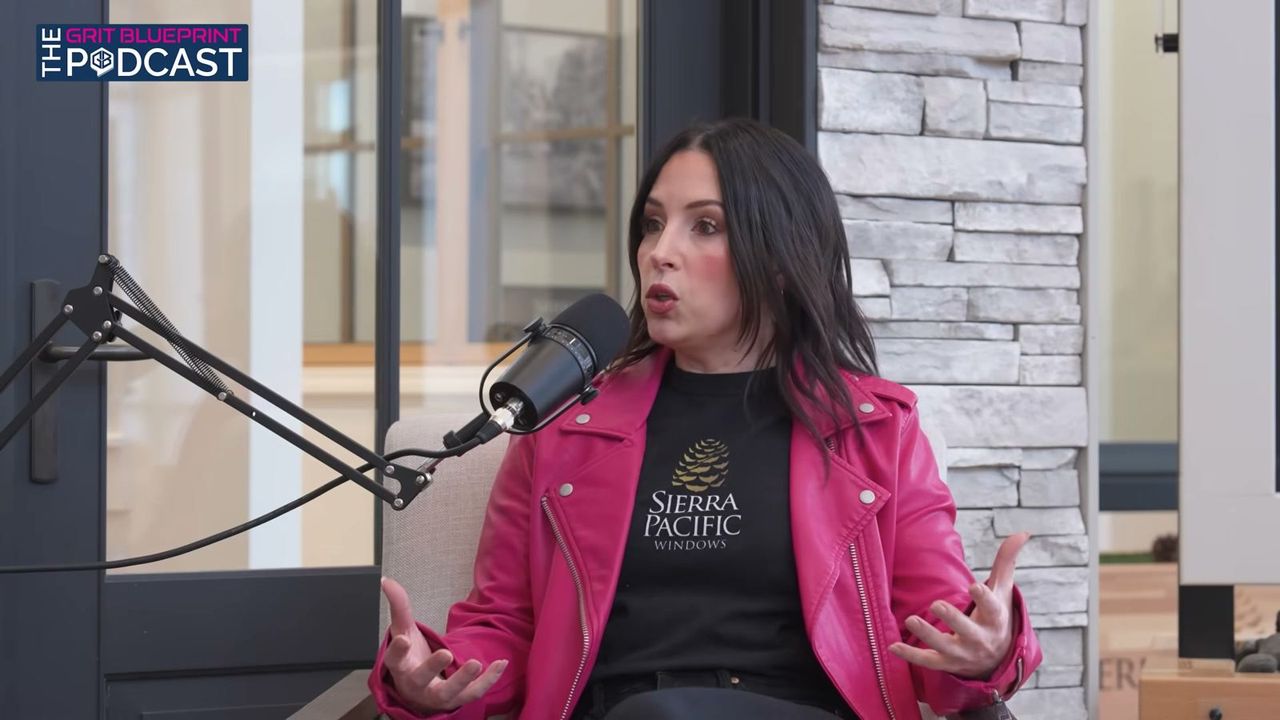
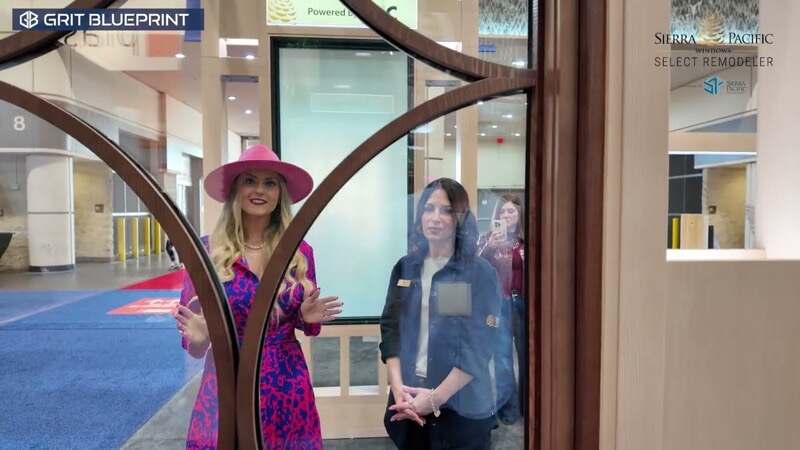
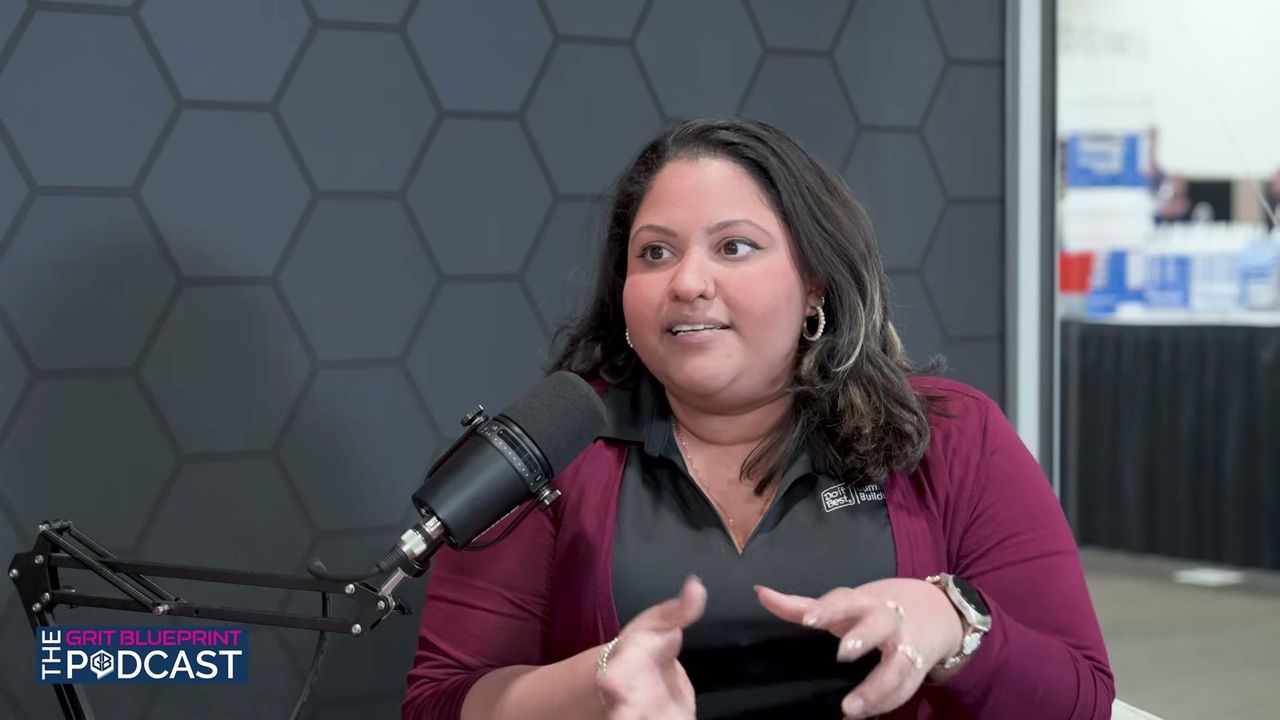
0:56 Stefanie Couch: Welcome to the Grant Blueprint Podcast. I'm your host, Stefanie Couch. This is a spot where leaders talk about the stories, strategies, and systems that win in the building industry. We unpack how leaders and brands build their reputations and become unmistakable. Welcome to the Grit Blueprint Podcast. I'm your host, Stefanie Couch, and today I'm actually coming to you live on scene at the Sierra Pacific Windows Showroom in Denver, Colorado. And I'm really excited because I recently was introduced to someone who was an instant friend, Sarah Campbell from Sierra Pacific Windows.
1:36 Stefanie Couch: Welcome to the show. Stefanie, I'm so excited to be here.
1:39 Sarah Campbell: And I must say, completely inspired by your brand to be dressed the way I am today. Nailed it. I love it.
1:47 Stefanie Couch: And even added your flair with the black underneath. So it's not pink on pink on pink. And I love it. You look great. Thank you very much.
1:53 Sarah Campbell: You look great as always.
1:54 Stefanie Couch: Thank you. You're welcome. I am so pumped about this conversation because it's not very often that I meet someone and instantly feel like I just felt like that's my girl when I met you. Also, you're a window and door nerd like me. Uh, you're an architectural consultant at Sierra Pacific Windows. You've been in the window business a long time, but you didn't start there. So I think your story is one of the most um amazing journeys because you've really embraced starting over and just trying new things.
2:21 Stefanie Couch: And so I'm really excited to dig in today and talk a little bit about your history. But I do want to give a little intro. You started in exercise physiology. So 17 years in that space on the East Coast. So East Coast girl. What part of the East Coast?
2:35 Sarah Campbell: Um, just outside of Boston. Okay. I was born in Buffalo, New York, moved my way over to Massachusetts when I was in second grade. So yeah.
2:42 Stefanie Couch: Awesome. So from lobster rolls, you decided time for me to go to the West Coast. Yep. And you not only gave up what you were doing for 17 years to do something totally new, but moved to a new place to do it. So that takes a lot of guts. Yeah. You started from scratch in high pressure window sales, that one close window sale where it's like, hey, one and done, you got to close this deal. And you had no experience in that. So I want to hit on that.
3:06 Stefanie Couch: Taught yourself everything from the trade all the way from the ground up on the job site and learned your way around. And not only are you a dynamic voice in this industry, but you also are a musician and you are a drummer in a band called Nightcry. That's correct. So is there anything you can't do? Is really the question we all want to answer.
3:24 Sarah Campbell: There's plenty I can't do, but with my personality, if I can't do it and I want to do it, I'm going to figure it out somehow. Absolutely.
3:33 Stefanie Couch: I love that. Well, let's get started with the questions. Welcome to the show and thank you for joining me. Thank you. I want to talk about this change from exercise physiology to what you actually ended up moving here for. You moved clear across the country, kind of reinvented yourself. First of all, I mean, what started that idea of I'm going to leave everything and basically blow up your world? You kind of hit the reset button. I've done that many times myself. There's something in our personalities that make us want to do that.
4:03 Stefanie Couch: You land out here and you actually live in the Seattle area. Yes. You land in Seattle and you want to start over. What made that happen?
How to embrace a big career change
4:12 Sarah Campbell: It's an interesting journey. I look sitting here today and knowing that the journey had some bumps along the way and some sad times, I would not have changed it for the world. To be sitting here with you and telling my story and it being compelling enough and inspiring enough to have somebody want to talk to me about it and for you guys to be listening to it. Again, knowing what I had to go through to get here, I wouldn't have changed it. So I've been in Seattle for almost 10 years now.
4:42 Sarah Campbell: I moved out here with a relationship. We're still very good friends today. And big part of it was I knew in my heart of hearts, as much as I loved my career exercise physiology and doing what I was doing, I was really spinning my wheels. And there was something inside of me that I knew needed to get out. I needed to grow. I needed to expand. And what better way than to leave your family, leave your job that you went to school for, leave all of your friends, drive across the country with somebody that you were with, and then have to completely start over again.
5:20 Stefanie Couch: Yeah. Big, big challenge in life that you chose. Yes. When you were driving across the country, tell me what you were feeling. Ooh.
5:30 Sarah Campbell: Um there was a level of excitement. I don't think at any point I was like, what the heck am I doing? That never, and still even to this day, I've never sat back and said, Oh my gosh, what am I doing? It was I am excited for this challenge, and I know it's gonna be hard and scary, but it was just about embracing this big change and knowing that I had the ability to be able to completely start fresh the way that I wanted to do it, which was exciting, and I I think it it removed a lot of the hurdles I think that we slowly start to put in front of ourselves as we go through life.
6:08 Stefanie Couch: Yeah, absolutely. You got here and or got to Seattle and you ended up meeting someone you told me about. Yes. And she was an interesting person and you are a curious person, uh, which I think is a really big deal to be curious. In fact, I actually think most successful people I've ever met are wildly curious. It's a huge hallmark of success. But you started asking questions. Tell me about this woman and and what she did and the questions you were asking.
6:37 Sarah Campbell: Yeah, so her name's Bridget, still one of my best friends today. Um, she's an extremely talented real estate agent, and she's got a real good it factor to her. She was working for a window and door company in home sales. And I met her out one night. She was like one of the first friends that I made and just started asking her, What do you do for work? And she was telling me she was, you know, getting her leads for the next day. I'm like, what does that mean?
How to get into window and door sales
7:02 Sarah Campbell: Leads. Like I did, I had no idea, no sales speak whatsoever. Leads. And she says, Well, I sell windows. And I thought she meant like the application for the computer because we were in Seattle. Yeah. And I was like, Windows? And she's like, Yeah, the ones you open and close. And I was like, huh, that's actually a job. And she goes, Yeah, it's actually a really good job. So I finally stopped myself and said, This is your night off. You probably don't want to be talking about what you do for work, but she was okay letting me know about kind of the day in and day out.
7:32 Sarah Campbell: And to be honest, the money. I mean, it's good money. If you can get into commission sales and be sharp at it and be curious, you will do really well for yourself. Yeah. And this aha moment came over me where I had left a job that, you know, I was doing well, but I knew I could be earning more. And how can I make more money? And it to say that out loud, you know, in this in this world is I think you have to own the fact that you want to excel financially.
8:02 Sarah Campbell: Yeah. And how do you do that? Well, be extraordinary at what you do, right? And it will follow. So, long story short, I was working for Estee Lauder, the makeup company, and I was like, I gotta get out of this job.
8:14 Stefanie Couch: Yeah.
8:14 Sarah Campbell: As much as I loved the brand and I loved my customers and the people, um, it wasn't for me. So she got me an interview, and they pretty much said, You've got the job. You just have to get through the training. And I was like, What does that mean? Six weeks later, I learned everything I needed to know about motivating customers to feel confident with a high-end purchase. More importantly, why? Why they should be going with us, going with myself. And there's a lot of lessons, as much as I don't work for that company or in that aspect of windows and doors, it taught me a lot about myself and how to stand tall in front of a homeowner, a perfect stranger, and in two hours motivate them to make a big decision about their home.
How to train new sales reps better
9:03 Stefanie Couch: How important do you think in training in general for sales, whether it's window and door sales or not, is that first 90 days and the training or lack thereof? Yes, because a lot of times there is very little training. How important is that to the success of the rep long term?
9:22 Sarah Campbell: I think personally for me, training, I've because I'm I'm formerly a trainer. You know, my my exercise physiology job was training people. So having that knowledge of a trainer now being trained in the importance of that, I think within the first 30 days, 60 days, 90 days, it's it's crucial to understand your product, the process, how to speak about it, more importantly, the people you're gonna be sitting in front of, anticipating what their needs and wants are going to be, creating questions surrounding those needs and wants.
10:01 Sarah Campbell: You can tell yourself all day long you're gonna practice, you're gonna stand in front of the mirror, you're gonna do your company store, you're gonna know your products inside and out. It's so different when you get into the field on that day. What the training does in practicing and being in it is it it's something that is running in your background, you know, and we can equate this to our background in music. We're both musicians. So knowing your music and having it memorized is much like your sales process.
10:35 Sarah Campbell: Yeah. So then when you step onto the stage, you can perform. Right. You're not thinking about the technical aspects. Exactly. The technical aspects are there and it takes time. So I would say it's it's crucial to have a strong training program. And if you're out there in the field of construction and maybe the manufacturers that you're representing or the companies that you're working for, they have a decent training program. Take it a next step and take it upon yourself to maybe ask the questions like, what more can I learn, or what do I want to get out of this training?
11:07 Sarah Campbell: And bring it to your peers, bring it to your supervisors.
11:10 Stefanie Couch: Yeah, absolutely. And I think that as things continue to grow with different types of products and these doors are getting bigger, and there's so many questions that are very technical. But you said something earlier, um, and and your whole background really it goes back to that curiosity. Yes. It's about knowing how to ask the right questions to that consumer or even the contractor if you're doing B2B sales. Uh, maybe it's an architect, like you talk to all the time. Those people have questions and you need to understand how to sell to them.
11:44 Stefanie Couch: Tell me how do you get that out of people because a lot of times they come in thinking, I need this because my door's rotten, I need this because my windows are leaking. But a lot of times the solution includes a lot of things that are more deep than that. Let's talk about that a little bit.
How to ask better sales questions
12:00 Sarah Campbell: Yeah, I think that's a really good way to put it. You know, I would always frame it in my past window life to my present window life, which are both very different things. But I would never allow myself the opportunity to create a solution or give somebody a solution unless I knew what the problem was. Right? How am I supposed to earn any sort of trust? Or how am I supposed to even consider myself a sales professional? If I'm asking you, Stefanie, to invest in this door, well, I better know why.
12:35 Sarah Campbell: Yeah. You know, is it because you're a big entertainer and you need this door to open up completely? How do you want the door to open? Do you want it to hide? Do you want it to pocket? Do you have pets? Do you have children? What's the daily use of this product? Right. And even those are digging a little bit deeper into what your needs and wants are from your customer. But then again, you would even have people that are like, I can't stand this door.
12:59 Sarah Campbell: What can't you stand about? I just I hate this door. What do you hate about it? When you start to really spend time with it's like, I'm cold. My kids are always sick. This is where we do our homework at the table, and I can feel drafts, and I just hate this door. Well, you're never gonna find out that it has something to do with the performance of the door unless you're asking.
13:21 Stefanie Couch: Yeah.
13:22 Sarah Campbell: When we're working with contractors and we're working with architects, a lot of the time it's for architects. I like to motivate them to really take their their designs up to the next level. If there's something that you're wanting or needing, ask me to know that this is customizable. We can get these products on your projects.
13:46 Stefanie Couch: Yeah, that's one of the things about Sierra Pacific windows that really blew me away when we started working together with them. Uh 50 colors, not custom colors, 50 colors. And then you can do anything, you know, custom, but just a lot of different options. And so you can really, even with the doors, like we said, go larger than you would ever imagine and taller than you would ever imagine, and eight panels on some of these doors. It's it's insane what's available there. So really giving people what they want.
14:15 Stefanie Couch: You told me um when we were talking before this about a story about a lady um and she was worried about something with her security. And we kind of talked a little bit about this. How we all feel like we're really logical purchasers. We want to tell ourselves that. Um, I know I'm not a logical purchaser because I'm an easy, I'm an easy sell, especially when it's something I like. If it's pink, I'm obviously, I'm obviously done. Sure. If it's uh dog related, like today I got an email from Bark Box for the fifth time this week, and I'm like, I feel like my dog needs this upgrade on her bark box.
14:51 Stefanie Couch: Well, that I've already upgraded the bark box. Like, what is wrong with me? I'm an emotional buyer because I'm connected to the dog. I think everyone is. Data shows that. Talk to me a little bit about that. How do you sell less features and benefits? Because they are important, but they're not the only thing, and more of that emotional connection solving those things that maybe aren't so logical.
How emotional buying shapes sales
15:11 Sarah Campbell: Yeah, that's actually, I just kind of had like a spark of genius when we were when you were explaining it, where I haven't actually slowed down to think about this. You know, when when I got started in Windows and Door sales, we didn't have a lot of Instagram targeted ads. Like it was out there, but it was more just for fun pictures and picture sharing.
15:28 Stefanie Couch: Yeah.
15:29 Sarah Campbell: Now on a daily basis, we're getting bombarded with things that we think that we need. And if we don't have it, then we're gonna miss out on something. Um, I think that's a really good reminder when we're working with architects, builders, even our homeowners, whatever aspect you know, our listeners out there are working in, slow down enough. Don't think about, oh, this window is big or this op window opens like this. In the instance we had shared together, um, I had a homeowner that lived alone.
16:01 Sarah Campbell: She was highly concerned with security, but more importantly, if she was in a situation where she needed to get out, how would she do that? Well, I didn't, I all of a sudden it would like hit me like a ton of bricks. This woman doesn't care about this window, other than how she's gonna get out in the case of a fire or something that may or may never happen. I said, Well, this slider, when you open it and you push the sash in and you pull it down, that sash is gonna come out and it's gonna create a nice big opening for you to get out.
16:35 Sarah Campbell: And you could just see her body relax. She knew I am going to be safe with this window. And she purchased.
16:43 Stefanie Couch: Yeah. And you never know, like maybe her house burned down when she was a little girl, maybe she's watched too many uh 911 shows. You know, you don't know. Yeah, you don't know. It's something intrinsic that's driving that, but you would have never have assumed that probably would have even been a risk that she's thinking of, but it was her number one factor. Yes. So we always have to solve. And I I like to think about it as almost like a doctor. And you said this a minute ago.
17:07 Stefanie Couch: You wouldn't want a doctor to walk in and look at you and be like, hmm, looks like you have high blood pressure. Here's a prescription. Yeah. You want them to at least take some measurements, right? To look at things, to ask some questions, to talk to you about what you've tried and what you haven't tried. And it much, much like that trainer, you don't want to just prescribe without asking. So I think that's the best sales advice I've ever been given is don't be the person who walks in with a prescription pad without ever asking the right questions to know what really needs to be diagnosed.
How to stop prescribing too early
17:36 Sarah Campbell: Yeah, I think that's a great reminder and a great way to look at it too is you know, just be humble, you know, assume nothing. Yeah, that's so true.
17:44 Stefanie Couch: And be curious. Just when I think I've got it figured out, I'm reminded that I don't. Same, same girl. Or the game changes, you know. Yep. Um, especially with the products and stuff, it's always changing. Well, one of the things that you told me I thought were really great ideas for a younger salesperson that has no sales experience and also no technical experience in a highly technical process. So windows and doors can be screwed up in about a million different ways. If you're not sure, uh, you you can start asking the questions and you can write write down how many questions you have to ask.
18:17 Stefanie Couch: And if you just get one of those wrong, the window package or the door package is not gonna fit or it's not gonna be correct. So you had a way to solve that problem to really get good at the technical aspect and you started going to job sites. Oh, yeah. So when you started in your sales job, you had that six-week training, and then after that, you said on your slow days where you didn't have as much of uh call sales calls and stuff, you would go out.
18:40 Stefanie Couch: So tell me a little bit about your experience there.
How job sites make you better at sales
18:42 Sarah Campbell: Yeah, thanks for that reminder. It's actually I I was just talking about that today um with a couple people that we have, you know, here in Denver and we're doing some training with. And yeah, there were some slower sales days, and I live in Seattle. It's rainy, it's cold, it's not the nicest to be on job sites. It didn't matter. I bundled up, I took pizza to the job site or snacks, and I just asked the installers, I said, I'm gonna stay out of your way.
19:06 Sarah Campbell: I may take some videos, I might ask some questions. But really, what I wanted to understand was the install process. I came from a replacement background, and it it was like if I'm if I'm gonna prescribe a specific window and talk about a window, well, I would like to know how to install a window. So I learned everything about, you know, what's behind the scenes? You know, is there is there rotting on this window? Has that carried into the walls? How's the framing looking? Is the framing, you know, plum level?
19:36 Sarah Campbell: Is that window needed to be shimmed? How are we waterproofing it? What's the operation? Even things that went a little bit sideways on a job site where maybe a window wasn't fitting correctly, things that they needed to do on that job site to make these windows work. So it was really that was like the the cool moment for me. It's like I love the design and I love people's homes and I love different window configurations and they look beautiful. But all of a sudden I took a lot of pride in understanding the construction aspect of it.
20:09 Sarah Campbell: Now, today, doing what I do, working with contractors and architects, walking those job sites is really, really enlightening too because this is where I learn even more about our products at Sierra Pacific Windows, how they get installed, what the tracking system looks like, how they need to be shimmed in. I mean, we've got gorgeous timber curtain walls. That is next level when it comes to install. But taking myself to a job site and watching them install these products. That way, when I'm speaking about them, it's just it's seamless.
20:45 Sarah Campbell: It's easy for me because I understand kind of the nitty-gritty of it all.
20:49 Stefanie Couch: Yeah. And I grew up in this industry because my dad had a lumber yard. And we, you know, we sold high-end aluminum clad windows to some places, but these doors that are being installed now did not exist back then. Right. So a lot of what you thought was, hey, just a pretty easy install job now, it strikes fear into the heart of contractors if they don't know what they're doing. And I think you as a person selling it should be educated on what to tell them if they have questions.
21:17 Stefanie Couch: And if you haven't ever been on a job site, that's impossible to do.
21:21 Sarah Campbell: It is. And I know that Sierra Pacific Windows, we take a lot of pride in understanding the entire process, but a majority of who we're working with are high-end contractors, very skilled, sure, talented, reliable contractors, as well as our architects. They have a really strong understanding of building science, what to prescribe in these openings. So that's where we come back to kind of full circles being curious, right? You know, I don't have to stand with a contractor and pretend that I know it all. It's like, hey, can you explain that to me?
21:50 Sarah Campbell: Or how did you guys get that, you know, to work in the way that it did? Or I was just on a really high end um job site and was all of our structural mowing. Really tight tolerances. And there's some frustration when it comes to installing those products. Yeah. And just curious, like, how did this go? What could we have looked out for for you maybe differently for next time? Yeah. Um, and those are things that if you don't get out on the job site and get your, you know, your shoes muddy, you're never gonna learn.
22:21 Sarah Campbell: So true. You're gonna learn enough to be able to promote a good product, absolutely, and and yourself and connect. But just think about if you can take it just a little bit deeper, and plus it's fun. Yeah. You get to see how the sauce is made, right?
22:34 Stefanie Couch: You know, it's so beautiful to go walk these big jobs when they're finished too, and you get to see some exquisite things that, you know, maybe I'll have a house like that one day, maybe not. But um, I definitely have walked through some that just as a window door nerd, take my breath away. It's like, man, this is so beautiful. I just love this. And it's on on a lake or on a mountain, or they're always somewhere beautiful, usually. Yeah. Well, I really have keyed in on something from you that I love the most is that you're not afraid to do things that you don't know how to do.
23:05 Stefanie Couch: Yeah. And that always usually includes probably failing. I don't know your story so deeply to say like how many failures you've had, but anytime you're doing something, I like to call it out in the blue ocean by yourself where you've never done it before. There's a lot of failure that can happen and a lot of you know, judgment and embarrassment, all those things that come. But you know, how do you overcome that for someone maybe that's listening that's saying, Well, I want to go do these things, I want to do the extra, I want to ask the questions, I want to be curious, but I don't want to look stupid, tell somebody maybe they've been in the role for a long time and they should be the one that can be the expert already, but they're not.
23:42 Stefanie Couch: How do you tell someone to go out there and just do it?
How to grow confidence in sales
23:47 Sarah Campbell: You know, I think that's that's within you. Um, there's some people that are gonna be extreme risk takers. I wouldn't consider myself an extreme risk taker. You know, it's like put it all on black, right? And don't look back. There's I wish I could do that, but there's a level of I have to protect myself too to not go too bold out there in the world. But you know, it I think it's in you. I think it's something that can be taught. Um aligning yourself with people that are like-minded and finding those people, I think is is imperative to your success.
24:23 Sarah Campbell: They will catch your blind spots. Yeah, they're going to help you to uh remove those hurdles. And I will say, um, you know, my time at Sierra Pacific Windows, I have that available to me. Um, I'm very, very fortunate that my leadership and my peers give me that. So it's created a pretty smooth runway for me in my career. Now, is that something that our listeners are going to get? Maybe, maybe not. If you're not getting that and you're not feeling that, then you might have to step up to your own plate and take a good hard look at yourself and do whatever you need to do to remove your own hurdles.
25:06 Stefanie Couch: Yeah, and there are so many resources out there now. You know, I as an entrepreneur, obviously, um I grew up in an entrepreneurial household, but I was I was in a corporate job for a long time. Yeah. And then when I set out to be an entrepreneur, I needed to learn from other entrepreneurs. Yet, you know, I'm working and doing all this. So YouTube and podcast and uh going to conferences and and just and generally just talking to people that have done things that I'm trying to do.
25:32 Sarah Campbell: Yes.
25:32 Stefanie Couch: And that's something I think is important. You know, you you said Bridget was the one that kind of inspired you that you can do this with sales. Find the people that you want to emulate and just be around them and ask them anything they'll answer. And then I don't try to ask questions from people that don't know how or haven't done what I'm trying to do if in that certain situation, you know? Yeah. And it's it's also true.
25:55 Sarah Campbell: I just you just kind of sparked something in me where, you know, I I tend to be a very positive person. So I you would find that like my friend groups are are pretty creative. You know, when you put a lot of creative people together, it can get a little, you know, a little prickly or a little, you know, tumultuous, but all in all, it's for the greater good of some sort of like art form or creative outlet. And I think that is evident in windows and doors too.
26:21 Sarah Campbell: So we can easily kind of align ourselves with maybe like negative talk or frustration. And we all have that on day-to-day. Like this isn't picture perfect. This is construction, this is wood, and this is people. Yeah. And those three three things sometimes don't align in the same day, and they can create some friction. Um but take yourself out of it when you're feeling kind of heavy and a little negative. Maybe ask yourself, like, what have my conversations been like this week or today, or who have I been aligning with or going out for lunch with or spending time with?
26:52 Sarah Campbell: Maybe kind of break that cycle just for a little bit, bring it back to the positive aspects and in your in your tribe, right? We all have our tribe at work. Just align yourself with them. It's gonna completely change your mindset, especially when it comes to your selling practices.
How purpose improves your sales mindset
27:08 Stefanie Couch: We talked a little bit on the phone earlier about purpose and how important that is. And you talked about having a purpose. And one of the things you said that I thought was really a great point that sometimes we forget is when I think about purpose, I think most people they think about this big thing that's like this giant save the world, cure cancer, you know, I save all the puppies, whatever it is. And that that's great. And I have purpose in my business, and and a lot of people have purpose in their careers.
27:38 Stefanie Couch: But you also mentioned the small having purpose in the small things. Yeah. And you said actually that some days you would have a purpose, like especially during hard times, of just getting out and you're gonna take a walk today. That's my purpose for today. Yes. What uh spurs that in you and what does purpose really mean to you? What do you think about when you think about your purpose?
27:59 Sarah Campbell: You know, I just got chills and I get uh I'm a very empathetic person, so I get a little emotional talking about this. But um for me, it's I I've had this beautiful big life and I've been able to share, you know, a lot of great moments with people. Even like I said, sitting here today, we met two weeks ago and instantly connected. There's just there's always a an energy between myself and other people. And you know, for me, my purpose is when I wake up in the morning and you can take this however you want, it's like how do I want to show up for others today?
28:31 Sarah Campbell: Do I want to be inspiring? Do I want to be helpful? Do I want to be the shoulder they can cry on? And you have to ask yourself these things when you're showing up for your customers as well. You know, do I want to be an advocate for my contractor today? Do I want to be a creative for my designer today? Do I want to be tough for my customer today? And those things all can kind of weave in and out of your day. But for me, when I wake up in the morning, I'm like, how do I want to show up in this world today?
29:06 Sarah Campbell: Most of the time, I'm not saying I want to be a jerk or I want to be angry. It's I want to be happy, I want to be light, and I want to be curious.
29:15 Stefanie Couch: Yeah. And you see that very much in your day-to-day when you're operating. I mean, I've been with you twice now on two weeks, once at the International Builder Show. And then today here with the team at Sierra Pacific doing some training. That shows, and I think that's something that you can't really fake. And when you have a purpose, I think even on hard days, it's easier for you to continue. You can endure a lot if you're doing it for your purpose. And passion may wane, but if you're doing it for the purpose, even if it's something like what you just said, where it's intrinsically just about one day, yes, it's worthwhile.
29:50 Stefanie Couch: Yes. I love that. Yeah, thank you. Well, I want to ask you about Sierra Pacific because this is a great company. I actually got acquainted with Sierra Pacific industries back when I was at my two-step distribution job. We bought a lot of lumber from there. And I went to the plant and we toured in, I think it was in 2022, okay. The small and large log plant. Yes. We got to hear the forester talk about the spotted owls and all the things. I'm like, why are there no animals here for this presentation?
Sierra Pacific Windows' Story And Sustainability
30:23 Stefanie Couch: Uh I was like, can we go to the forest, please? Get a spotted owl like on our shoulder somehow. Um, and then we also toured uh the millwork facility. I did not get to go in the window plant, so I still need to do that. Okay, we can make that happen. It was an amazing experience. Probably one of my favorite things I've ever done in my career. And I remember standing next to a tree that was 60 inches wide, and I took a picture. And Sierra Pacific has a lot of land in the U.S.
30:50 Stefanie Couch: Yes. So they are the largest private forest landowner in the U.S. Correct. Is it it's over 2 million acres, right? 2.4 million acres. 2.4 million acres. The company was formed in 1949. Correct. And it has been family owned ever since. Yes. So the Emerson family still owns and operates. Uh, I remember they have their own software chipmaking area in the plant. They have a mechanic shop that I mean, it was I was blown away when I saw this place. Really amazing. And just the vibe with the people, you could tell they care about their employees, they care about their the forest.
31:25 Stefanie Couch: Yes. Um, so tell me a little bit about Sierra Pacific. Just your experience. I know you have a lot of sustainability stuff, which is almost unheard of in manufacturing today. So they have lumber, they have a lot of lumber. Yes. And they also have windows and doors. So tell me about the company and just what it's been like working with them.
Why Sierra Pacific Windows stands out
31:45 Sarah Campbell: Yeah, I think, you know, we go out there and we tell the company story, our version of it. And for you, I mean, you just told a beautiful company story because you had the experience of being there, boots on the ground, with our industries in that tour. Um, so I couldn't have told it better myself. I think the sustainability is it's a hot topic. It can be a little, you know, controversial if for lack of better terms, with what people consider sustainability. Just know that the bottom line is that our consumers, our users of our products really appreciate knowing where their products are coming from.
32:22 Sarah Campbell: We have that vertical integration built into our business plan that really allows people to understand like the windows on my job site or that are going into our customers' homes are coming from our forest land.
32:34 Stefanie Couch: So, someone that doesn't know what vertical integration means in this context, it actually is from the seed to the window. Correct. Sierra Pacific is touching and maintaining and doing all of the work there. And this is a really cool fact that I love. Every single time you guys cut down a tree, because I remember when I was a little girl, I would hear people say, like, well, you sell lumber and you cut down trees and kill trees for a living, like like we were the Lorax or something.
33:02 Stefanie Couch: Yeah. No, it's it's true. We were not the Lorax, we were the bad guy in the Lorax. Yeah, yeah. Um, so that's not true. No. Uh, and you are actually sustaining the forest by cutting down trees in a responsible way. Yes. But you plant three tree seedlings for every one, usually. So we're around that.
33:21 Sarah Campbell: About that, yeah. It'll vary depending on where we are on the forest floor. But we we decided to create our own state-of-the-art nursery where we're now we're actually making the seedlings. We're we're growing the seedlings, we're not making them, we're growing the seedlings. So we got to get this on the books. So that's something that was a kind of a missing puzzle piece for our company and having that vertical integration, owning the process from beginning to end, it was one of those things. It's like we need to create our own nursery.
33:47 Sarah Campbell: So then we're in we're at in control of our Doug fur and our Ponderosa pine. So making the healthiest species that we possibly can.
33:55 Stefanie Couch: Yeah, it's amazing. Yes. Well, I hope that the company is around for a very long time. And I know they are planning it for the least a hundred years. They have a hundred-year plan. Yep. I love that. And I am excited to see what the next 15 or 20 years does with these products because they're still just really coming. It's the fastest growing window company in the US. Yep.
34:16 Sarah Campbell: Because of that vertical integration, the integrity of being family-owned, fourth generation, the people that they bring on, our leadership, um, the sophistication of our engineering, the beauty of our products. I mean, it all starts to add up to a completely different experience when it comes to your windows and doors.
34:35 Stefanie Couch: Yeah, and only 3% of businesses ever get to the fourth generation. And to get to fifth, it's 1% chance.
34:41 Sarah Campbell: Wow, that's a stat I did not know.
34:43 Stefanie Couch: Yeah, pretty epic. So it's great that they're doing it. And like I said, I would love to come see these plants in the nursery and hopefully a spotted owl or any other animal that you will show me.
34:53 Sarah Campbell: I'm picturing you with like a beautiful spotted owl on your shoulder, and you've got these seedlings in your hand. Like this is a whole moment.
34:59 Stefanie Couch: Basically, Mother Nature wearing a pink hat. I love it. Well, I want to ask you lightning round questions. Okay. We haven't talked about your music. Ah. So you are a drummer. Correct. I love it. We we introeded it a little bit. What is your favorite song to just absolutely hammer out on the drums?
35:16 Sarah Campbell: Ooh, um Iron Maiden. Ooh. The Trooper. Okay. Yes, I'm a metal rock girl by heart.
Sarah Campbell's Lightning Round
35:25 Stefanie Couch: So you want to hear a fun fact that may blow your mind about me? Tell me. When I put on my glitter eyeshadow in the morning, a lot of times I'll listen to Rage Against the Machine. Hell yeah. Let's go. Let's go. I actually really love killing in the name, and it's my favorite. So you know, don't let this glitter eyeshadow fool you. These girls, we like it. We're fierce. All right. Next question. Um, fill in the blank. Grit is like incredible.
35:53 Stefanie Couch: I love that. All right. If you weren't in windows and doors selling or helping people, what would you be doing right now? I would be rock it out. I'd be on stage. Okay. Yeah. As a drummer. As a drummer. I love it. And then last question for you tell me something that no one else in this building could say about themselves, about you.
36:22 Sarah Campbell: Well, I mean, I'd have to say the music. Yeah. No one in this building plays the drums. I don't think so. Is a girl drummer, which is kind of fascinating.
36:37 Stefanie Couch: And I looked up your band and it's an alt-rock band. Yes. And you have a new album coming out soon. March 20th. Hello. And you're you have concerts. You guys have videos. Y'all are like legit. I was. We're we were we were checking it out. And you have four girls in the band.
36:53 Sarah Campbell: So there's it's an all-girl band, and then we have a male singer. So there's no other outfit out there that follows that.
37:00 Stefanie Couch: You took it and reversed it. We reversed it. Yeah. You you took Stevie and just said, heck with that, we're going the opposite way. Yeah. I love it. Thank you. Well, if you ever want to stand in a female singer.
37:11 Sarah Campbell: Girl, I already got you in mind for another project because if one or two music projects aren't enough, you add a third one.
37:18 Stefanie Couch: I mean, why not? That is the problem with creatives. You you mentioned it could get a little crazy. Uh, there's nothing like a bunch of people that are musical trying to get in a room and figure out what to do. I love it. I love it. Well, you have really blown my mind the last two weeks. And I just am so grateful that I don't know. I walked up to you at IBS and was like, hey, who are you? Can you film these videos? I love it.
37:39 Stefanie Couch: And that was That's how friendship started.
37:42 Sarah Campbell: It's like, hey, who are you? I want to know. Let's talk about birds. Hey, who are you? I want to know how you sell windows. And here we are today. Like, it's just wild how things get you on a path. And then you're sitting here, like, how did this happen?
37:54 Stefanie Couch: And how a person and their energy can attract that's so important, I think, in life. And you have such a great energy. So do you. Well, I wish you all the success in the world. I feel like this is the beginning of a conversation, not the end, but this is the end of this episode of the Grit Blueprint Podcast. So thank you so much for joining me. Thank you, Stefanie. And we will see you on our next episode. Thank you for listening to the Grit Blueprint podcast.
38:16 Stefanie Couch: If this episode helped you think a little differently about how to show up, share it with someone in your building world who needs it. If you're ready to turn visibility into growth, then head to gritblueprint.com to learn more and book a call to talk to us about your growth strategy. Until next time, stay unmistakable.