Consultative Selling: Ask Why Before You Show the Product
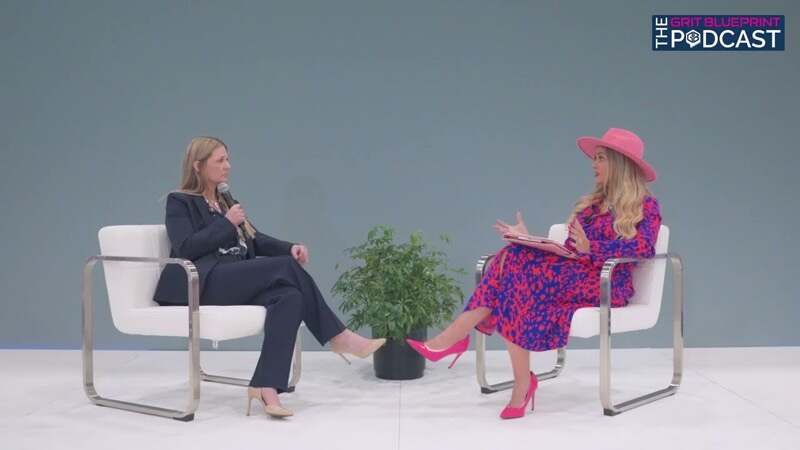
Three people who sell and buy for a living talk about the question that comes before any product. What is the customer trying to fix?
Client: Do it Best is a Grit Blueprint client.

Ask why first, because the product a customer names is rarely the problem they need fixed. That is the core of consultative selling, and three people who sell and buy for a living say the same thing: Abeer Saeed, a merchandise manager at Do it Best; Sarah Campbell, an architectural consultant at Sierra Pacific Windows; and Eric Knox, director of LBM sales at Do it Best. Find the real problem, and the person who decides, before you show anything.
A homeowner walks into a showroom and says she wants new cabinets. Most salespeople know what happens next. Abeer Saeed acts it out, then grades it: “You want cabinets? All right, cool, come look at the cabinets that I have. You failed right there, right then and there” (16:55).
At Do it Best, Saeed’s category covers cabinets, interior products and flooring. She trained as an interior designer and worked in retail before that. Her fix is one question. “I think the first thing you need to know is why do you want a new kitchen? Understand the issue first and then try to fix that.” Walk straight to the product, she says, and “you’re not fixing anything.”
The request is not the problem
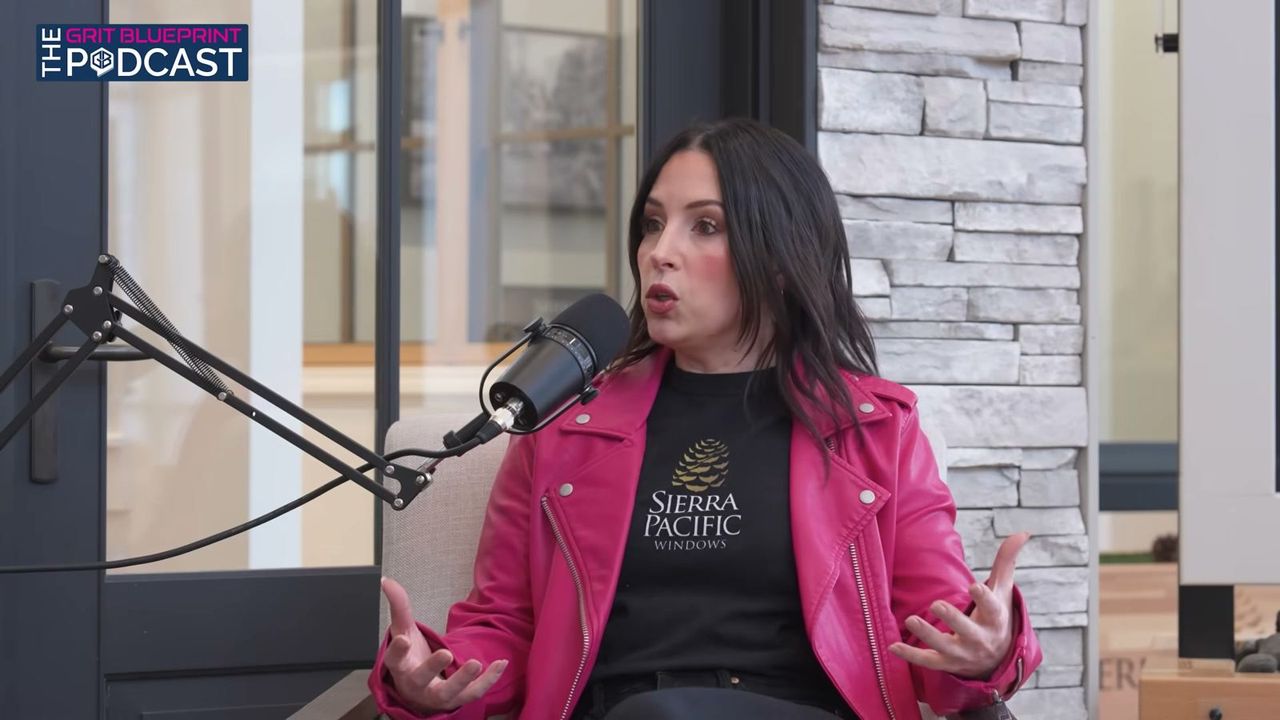
Sarah Campbell sells windows and doors, and she holds herself to the same rule. Campbell started out selling replacement windows to homeowners in their houses.
I would never allow myself the opportunity to create a solution or give somebody a solution unless I knew what the problem was.
 Sarah CampbellArchitectural Consultant, Sierra Pacific WindowsFrom our interview, 12:18
Her example is a customer who says she hates her door. Campbell asks what she hates about it. At first the customer just says it again. Campbell keeps asking, and the real thing comes out: “I’m cold. My kids are always sick. This is where we do our homework at the table, and I can feel drafts” (13:17).
Now the conversation is about a draft at the table where the kids do homework. A new door style will not fix that. Campbell says “you’re never gonna find out that it has something to do with the performance of the door unless you’re asking.”
Sometimes the reason is one you would never guess
Campbell tells a story about a homeowner who lived alone. The woman was worried about security. More than that, she wanted to know how she would get out of the house in an emergency. Campbell says it hit her “like a ton of bricks” (16:19). “This woman doesn’t care about this window, other than how she’s gonna get out in the case of a fire or something that may or may never happen.”
So Campbell showed her the way out. On that sliding window, the sash (the framed panel that holds the glass) comes out and leaves a large opening. “And you could just see her body relax. She knew I am going to be safe with this window. And she purchased” (16:53).
No list of features would have found that. Campbell’s advice for getting there is short: “be humble, you know, assume nothing” (17:54).
What are good consultative selling questions?
Good ones ask about the person’s life with the product before they ask about the product. Both women work that way. These questions are theirs, word for word, from the two interviews:
- “Why do you want a new kitchen?” (Saeed)
- “What do you want your home to feel like?” (Saeed)
- “What do you hate about it?” (Campbell)
- “How do you want the door to open?” (Campbell)
- “Do you have pets? Do you have children?” (Campbell)
- “What’s the daily use of this product?” (Campbell)
Saeed calls her version “sell the vibe, not the product” (7:52). Product specs are noise to most homeowners. She asks “what does 20-mil wear layer mean to a normal person?” A wear layer is the clear top coat on vinyl flooring, and a mil is a thousandth of an inch.
If the customer says she wants the room to feel warm and inviting, Saeed turns that into product: warm tones, a wood look and more grain.
The upsell arrives on its own
An upsell is a sale of something better, or something extra, beyond what the customer first asked for. Saeed says you do not have to push for it when you start with the problem (16:55). A customer who loves to entertain and has no room for it may want a bar area. A customer with a lot of pots and pans may want drawers or a pullout. “And right there, you’ve already upsold.”
Stefanie Couch, who hosted the interviews, summed up the method: “Consultative selling is the only way to give people exactly what they want with it being their idea” (17:47).
Who else is making the decision?
Often someone who is not at the counter. Knox sells for a living (LBM is short for lumber and building materials). When he sat for a Grit Blueprint Podcast interview published in February 2026, he was in the middle of a remodel and addition on his own house, which put him on the customer’s side of the counter. His biggest complaint was about who people talked to.
The design choices on the job belonged to his wife. He says that “at the end of the day, she’s the decision maker on this” (40:16). But at times people on the project sent the conversation through him. His answer to them: “talk to her, not me” (40:43).
Where she felt at ease, the couple spent more. “She felt comfortable there. We spent more there because she felt comfortable” (41:28).
So add one more question to the list: who else is deciding this with you? Then make sure that person is in the room, on the email and on the text thread.

Get curious before you get convincing
A customer’s first request tells you part of what they need. The first explanation is a starting point, not the answer. Campbell’s customer said she hated her door before she ever said her kids were cold.
So keep the order. Ask what the customer is trying to accomplish, what has gone wrong before and what would make the decision easier. Connect your recommendation to those answers, in their words. Then agree on the next step out loud: a sample going home, a measure, or a second visit with the person who decides.
The salesperson who pitches too soon answers the product question without understanding the job. Asking first is how the customer ends up with the right window and the feeling that choosing it was their idea.
What to do next
- The next time a customer names a product, ask one why-question. Do it before you move toward the display.
- Keep asking until you hear a problem in the customer’s own words. Write it down the way they said it.
- Ask who else is deciding, and include that person in every message.
- Show the product last, and tie each option to the problem it fixes.
- Send a sample home. Saeed says store lighting is harsher than the light in a house, so a color can look different once it is in the room (13:58).
Selling to a builder instead of a homeowner? The same habit applies to a price request. See How to Stop Quoting Blind: Seven Questions to Ask Before You Price a Job.
For a question method you can practice, read Ask Before You Pitch: The Four Questions in SPIN Selling. When the answer comes back to price, see What to Say When Two Products Look the Same and Yours Costs More.
The Abeer Saeed interview was recorded for an episode sponsored by Do it Best Group.
Questions people ask
What is consultative selling?
It is selling that starts with questions about the customer’s problem and life with the product, then recommends what fixes that problem. The salesperson acts more like an adviser than a demonstrator. Upsells often follow because the customer can see why the better option fits.
What should a showroom salesperson ask before recommending cabinets?
Ask why the customer wants a new kitchen before walking to the cabinets. Abeer Saeed of Do it Best says the answer, such as needing room to entertain or nowhere to store pots and pans, points to different solutions. Recommendations still have to fit the customer’s budget.
Why send a finish or flooring sample home with the customer?
Store lighting is usually harsher than the light in a house, so a color can look different in the room where it will live. Saeed suggests customers look at samples at home in different light before they choose.
How do you upsell without being pushy?
Start with the problem. When a customer explains what is not working, a better or extra product often answers it on its own, like a pullout for a crowded cabinet or a bar area for someone who entertains.
Who should a salesperson talk to on a home project?
The person making the decision, who may not be the one at the counter. Eric Knox of Do it Best says his wife made the design choices on their remodel, and they spent more where she felt comfortable. Ask who else is deciding and include them.
Watch the full interviews
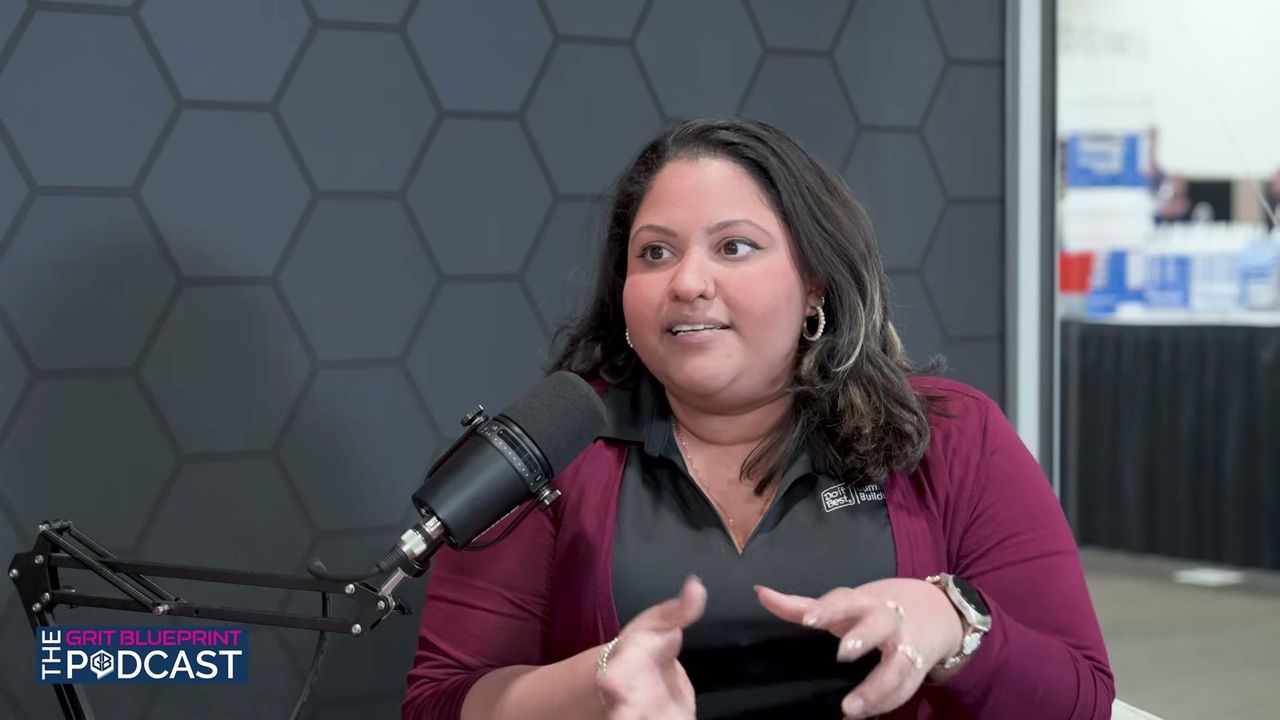
Consultative Selling Tactics That Customers Actually Love with Abeer Saeed, How to Improve Your Sales Results and Earn Customers’ Trust with Sarah Campbell, and How To Win in 2026: Sales Data, AI, And LinkedIn with Eric Knox. Times in parentheses mark where each quote sits in the audio episode.
Abeer Saeed, Merchandise Manager at Do it Best, explains how to sell cabinets, millwork and flooring by asking what the customer's problem is first, and which small showroom fixes help products sell.
A Grit Guide original. This piece is built from our own interview.
Episodes in this piece
Sources
- Consultative Selling Tactics That Customers Actually Love (interview with Abeer Saeed, Merchandise Manager, Do it Best; quotes at 7:52, 16:55 and 17:47) Grit Guide, Grit Blueprint Podcast
- How to Improve Your Sales Results and Earn Customers' Trust (interview with Sarah Campbell, Architectural Consultant, Sierra Pacific Windows; quotes at 12:18, 12:52, 13:17, 16:19, 16:53 and 17:54) Grit Guide, Grit Blueprint Podcast
- How To Win in 2026: Sales Data, AI, And LinkedIn (interview with Eric Knox, Director of LBM Sales, Do it Best; quotes at 40:16, 40:43 and 41:28) Grit Guide, Grit Blueprint Podcast