
About This Video
The Liquidators Company, TLC for short, started almost 15 years ago as a small business liquidating building products. Bridget Roland, one of its three owners, says the liquidation side is pretty much gone. The 14-person company in Dawsonville, Georgia now sells new doors, windows, siding, trim, composite decking and cabinets to homeowners and contractors, and builds custom doors in its own shop.
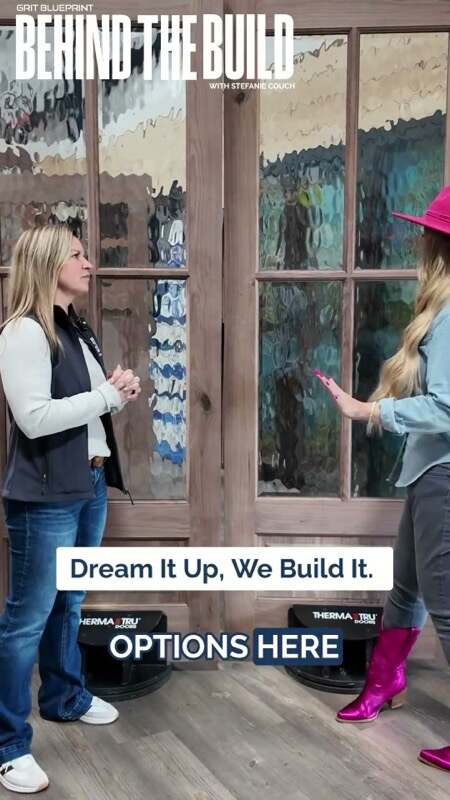
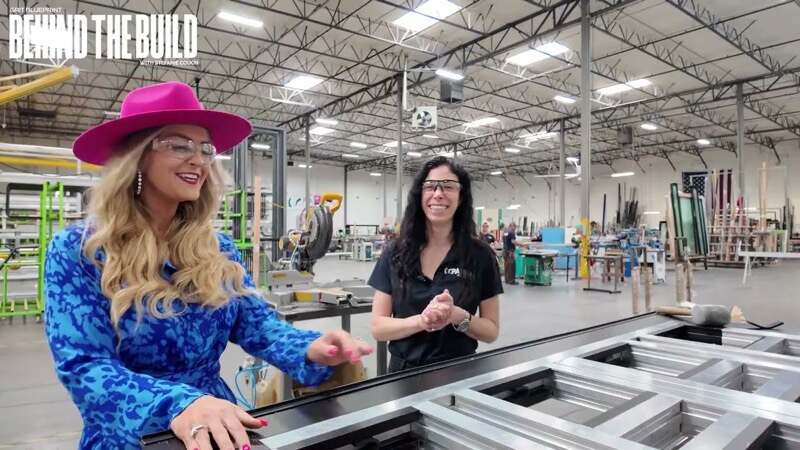
In the showroom, Bridget explains when a wood door is the right call. It needs a good overhang, or the owner will be refinishing it a lot, so her team asks first about sun and cover. Customers should come in with a style and their measurements. TLC stocks thousands of doors and can turn a custom order in three to four business days. She also shows the TLC Elite Collection, with black aluminum bi-fold and slide-up windows made for a kitchen sink or a pass-through bar.
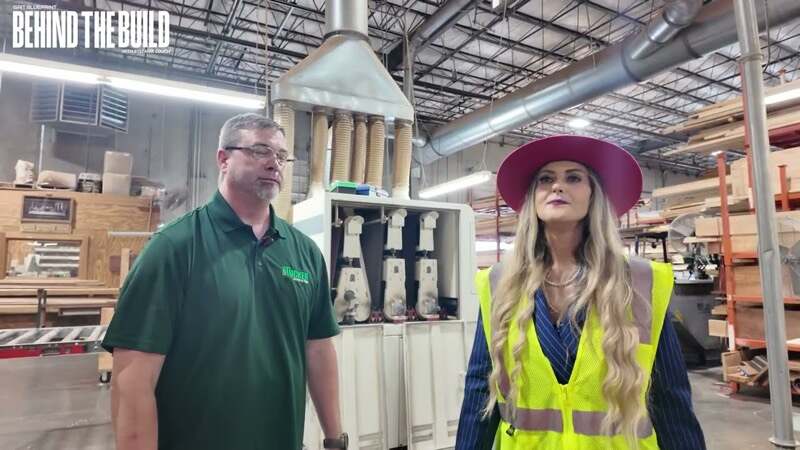
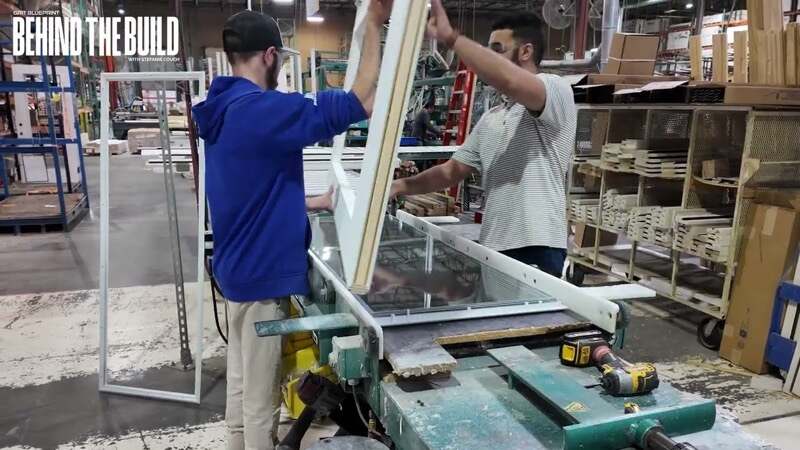
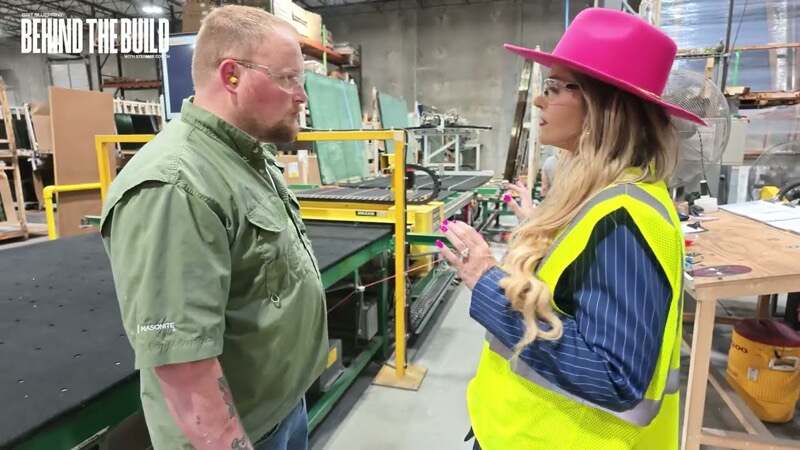
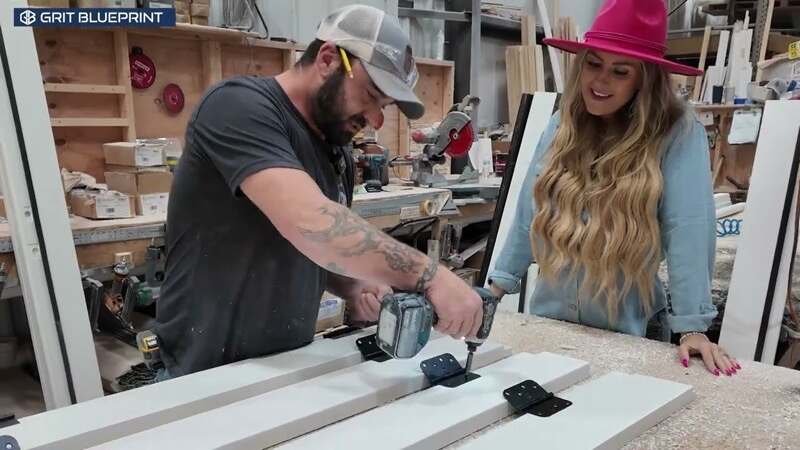
On the shop floor, Nick builds exterior fiberglass doors and shows Stefanie Couch a custom barn door and a black walnut double door. Josiah builds insulated attic access doors in any size. The tour also covers how to read door hand, an interior door and trim package ready for delivery, and fiber cement siding.
From liquidation deals to a new product dealer
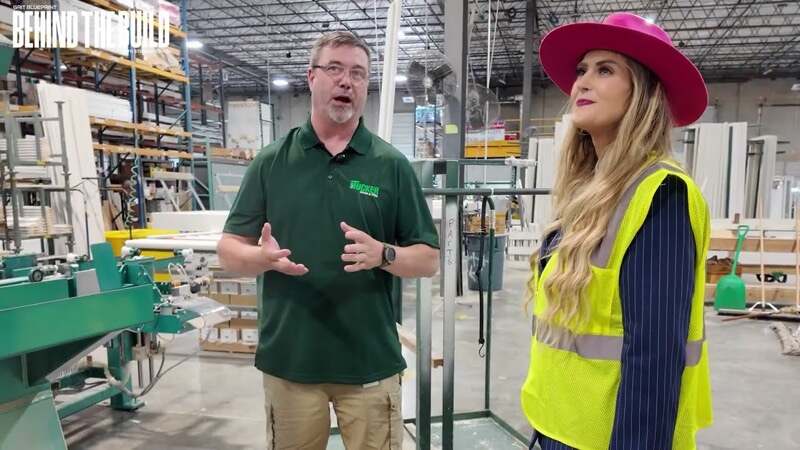
The tour starts in the showroom at 501 Carlisle Road in Dawsonville, Georgia. The Liquidators Company, or TLC, has been at this spot for three and a half years. Dawsonville has grown fast around it.
Bridget Roland is one of the three owners. She explains that the company began by liquidating building products. That means buying surplus or closeout stock and selling it at a discount. Buyers loved the deals, and the business kept growing. Today a surplus deal shows up only now and then.
That shift is a model for any small yard or showroom. TLC kept the customers the deals brought in, then added vendors so it could sell them new product every day. Homeowners and contractor crews shop the same floor.
The showroom holds black walnut, mahogany, and alder doors, plus deco glass, which is decorative glass set into a door. A buyer can pick a door off the floor or have one sized to the opening.
Windows that fold or slide out of the way
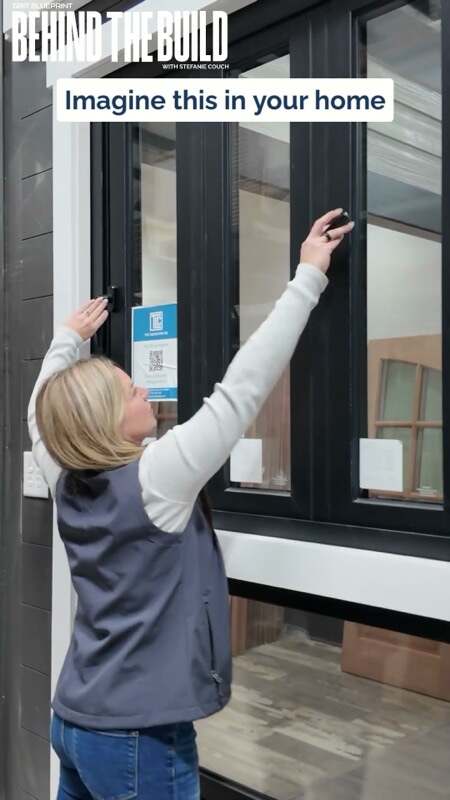
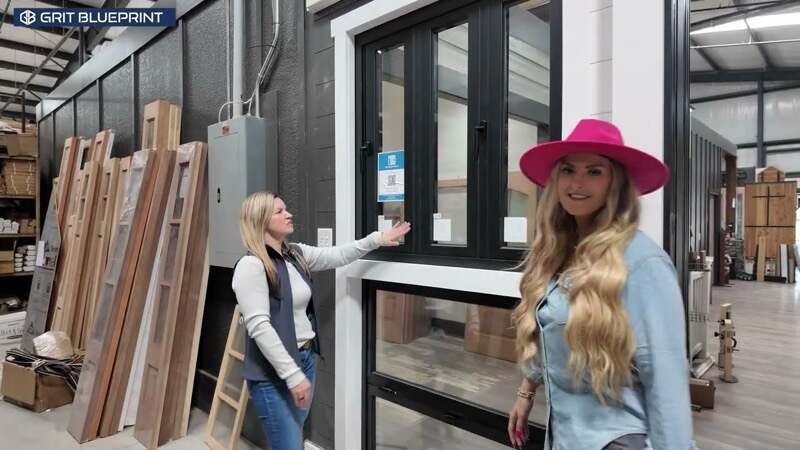
Next is the TLC Elite Collection, the company’s own line. Bridget shows an aluminum bi-fold window over a spot where a kitchen sink or a bar would go. Below it is a slide-up window that does the same job but opens upward. Both come in black from the factory, so there is no paint to fade later. They come in several sizes with Low-E glass, which has a thin coating that cuts down the heat passing through. TLC sells screens for them too.
The reason they are on the floor is simple. Customers kept asking for them.
How a work ticket becomes a door
Back in the shop, Nick is building fiberglass exterior doors, both singles and doubles. His day starts with a stack of work orders. One ticket calls for a five-oh by six-nine fiberglass door. In shop talk, that is five feet wide and six feet nine inches tall.
The ticket also lists the jamb and the swing. The jamb is the frame the door hangs in. This one is PVC, a plastic that will not rot. At the bottom is a composite sill with an inswing threshold. The sweep on the door seals against it to block water and air.
The door itself arrives as a slab. The crew cuts it, cuts pockets for the hinges, hangs it, and frames it. A transom, the glass panel above a door, goes on when the customer orders one.
Attic doors, a barn door, and a walnut double door
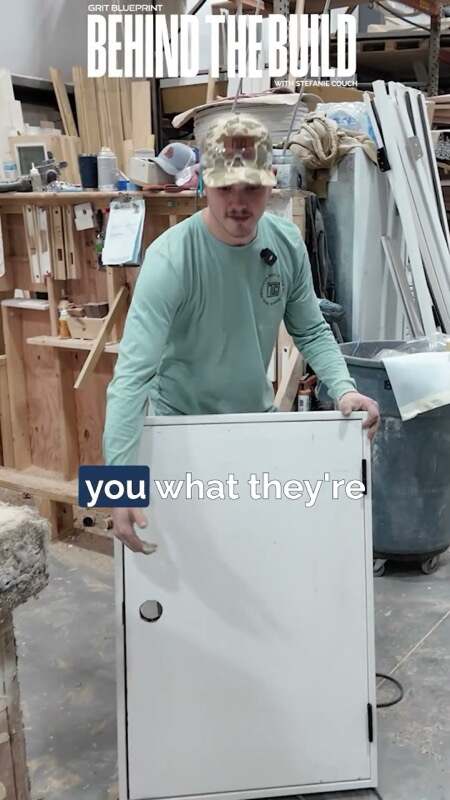
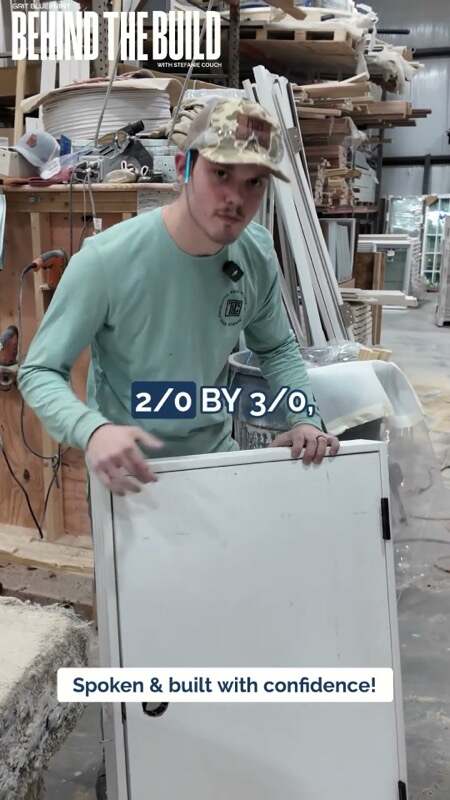
Josiah builds attic access doors. Each one is cut to the size on the order. Georgia homes often need odd sizes, like a two-oh by five-oh or a two-oh by five-four. He adds weather strip so the door seals, and he can build singles or doubles that hinge right or left.
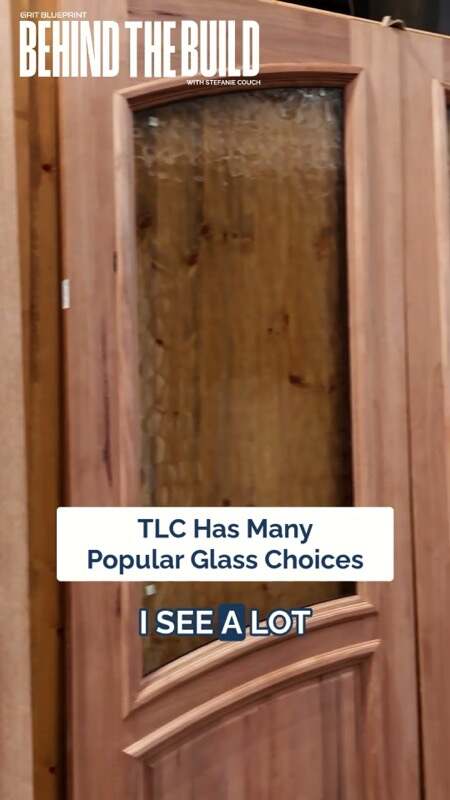
Nick then shows a custom pine barn door for inside a house. It has a shaker panel, a flat panel with a plain square frame around it, at the bottom. The top panel was cut out in the shop and replaced with Flemish glass, a wavy textured glass. The grid on the glass is an SDL pattern. SDL stands for simulated divided lite: bars on the glass that make it look like many small panes. Rain glass is another option.
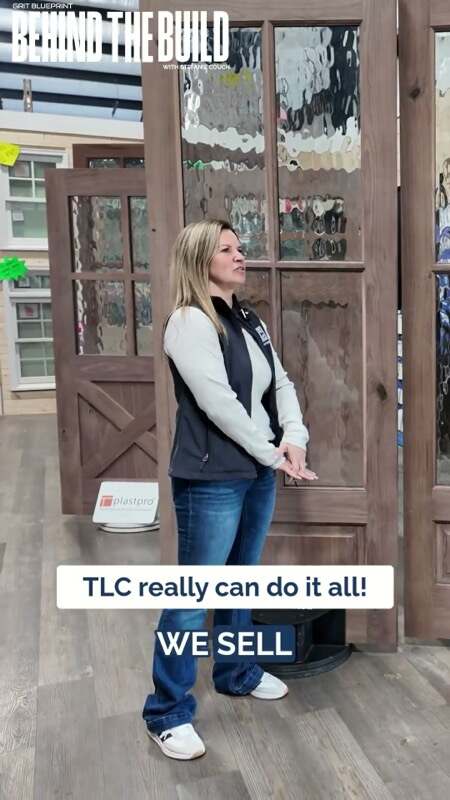
The last door is a black walnut double door with archlight glass, two curved glass tops that meet in the middle. The panels have raised molding for a more traditional look. One side is held by a head bolt and a foot bolt, so both doors can open wide.
What goes out on the truck
The tour ends on the loading dock. A trim package is set to leave first thing in the morning. It holds three-panel craftsman doors, attic access doors, and one-by-six and one-by-four trim. The doors have a flat panel with shaker sticking, the plain square edge around the panel, for a clean look. This is a common upgrade in a standard house.
Out in the yard, TLC stocks fiber cement siding, soffit, and trim. Soffit is the panel under the roof overhang. The siding includes the eight-and-a-quarter cedar mill board, made to look like real cedar.
What To Do With This
Ask about sun and overhang first
Before you recommend a wood door, ask what the sun is like on the front of the house and how much overhang covers the entry. That is one of the first questions Bridget Roland's team asks.
Practice reading door hand
From outside the home, stand with your back to the hinges on a few inswing doors and note which hand swings each one in. Repeat it until left-hand and right-hand inswing come without stopping to think.
Learn the size shorthand
Say door sizes the way the shop does. Two-oh is 24 inches and three-oh is 36 inches, so a two-oh by three-oh door is 24 by 36.
Get style and measurements up front
Ask every customer for the style they want and the measurements of the opening before you go further. Bridget says that is what lets her team guide the rest of the order.
Write down what customers ask for
Keep a list of requests you cannot fill from stock. TLC brought in bi-fold and slide-up windows after hearing from people who wanted something different than a horizontal slider.
Plain English
- left-hand inswing
- A door that swings into the house and that your left hand swings in when you stand with your back to the hinges.
- two-oh by three-oh
- Shop shorthand for a door 24 inches wide by 36 inches tall.
- slab
- The door itself as it arrives at the shop, before it is cut, mortised, hinged and framed.
- bi-fold window
- A window that folds open to the side so the whole opening is clear, used over a sink or at a bar area.
- slide-up window
- A window with the same pass-through use as a bi-fold that goes up instead of to the side.
- attic access door
- A small door into the attic, built here to any size and insulated so the attic does not let cold or heat into the house.
- cedar mill siding
- Fiber cement siding made to look like a cedar board, commonly sold in an eight-and-a-quarter width.
Questions this video answers
How fast can a local dealer build a custom door?
The Liquidators Company has a door shop on site and stocks thousands of doors. Bridget Roland says that lets the team turn a custom door in three to four business days.
What do I need before I order a custom door?
Bring the style you want and the measurements of the opening. The TLC team guides you from there on swing, jamb, glass, and finish.
What does two-oh by three-oh mean on a door order?
It is shop shorthand for a door 24 inches wide by 36 inches tall. Josiah uses it to describe an attic access door he builds to order. The same shorthand works for odd sizes like two-oh by five-four.
Where would I use a bi-fold or slide-up window?
Over a kitchen sink or at a bar where you want to open the wall to the outside. The bi-fold folds to the side and the slide-up opens upward. TLC carries both in black aluminum with Low-E glass and sells screens for them.
Can a dealer add glass to a door that did not come with it?
Yes. On a custom pine barn door, Nick and the shop crew cut out the top panel and set Flemish glass in it. Customers can also choose rain glass and other patterns.