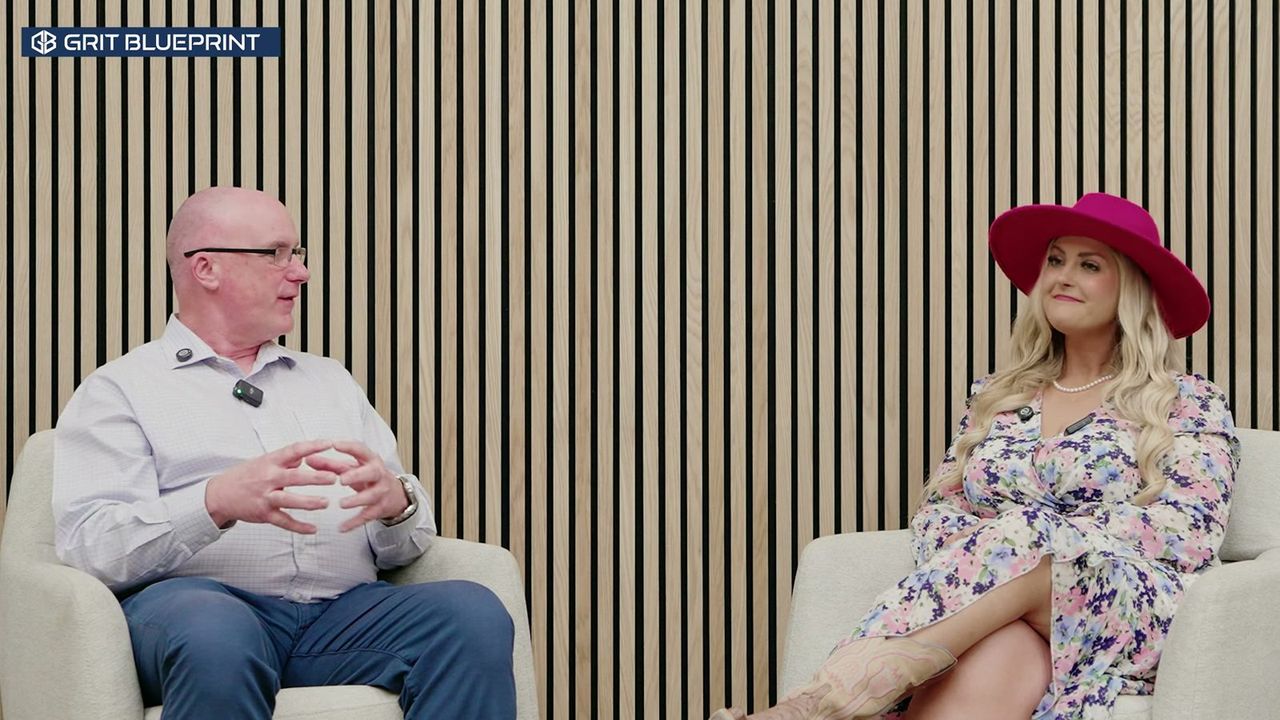
Click any timestamp to jump to that moment in the video.
Personal Brand in the AI Era
0:00 Stefanie Couch: The most important thing that you can do as a personal brand is build one that stands out, because if AI levels the playing field, your only competitive advantage now is your company brand and your personal brand.
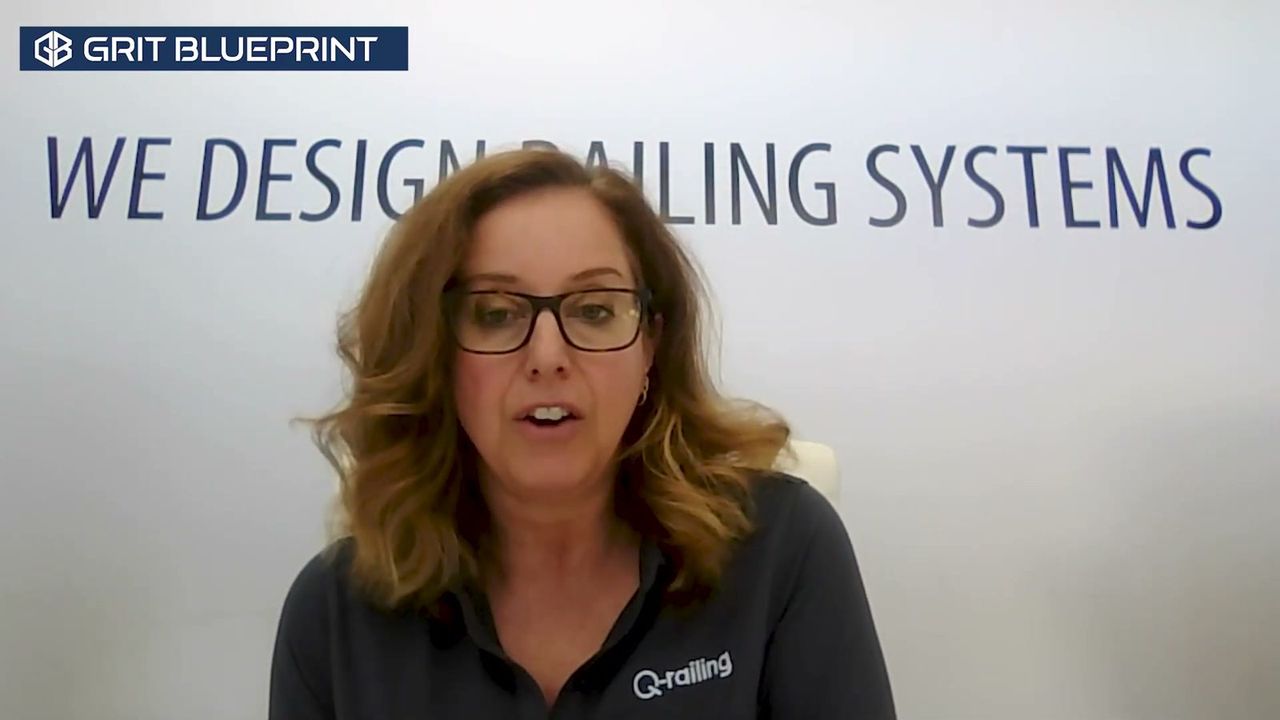
0:14 Syndi Sim: AI. I think is one of the best uses in the marketing realm is the follow-up, whether it's follow-up for emails, mass email, follow-up on personal emails, follow-up on texts. What is so crucial is the consistency in the follow-up.
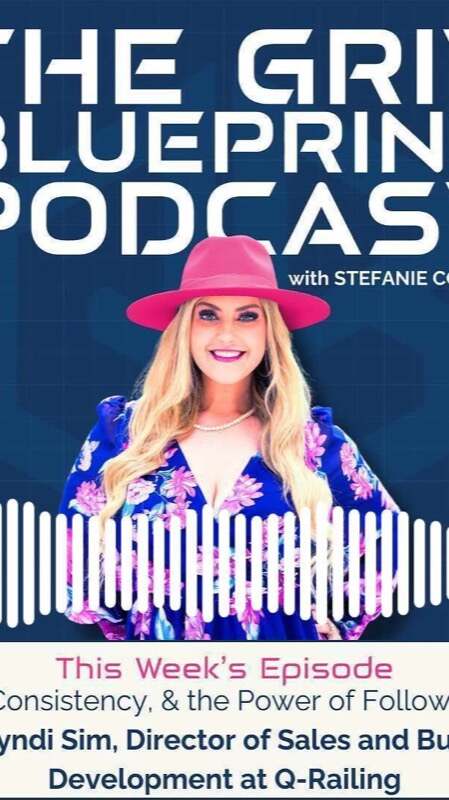
0:38 Stefanie Couch: There is an in-between where we can use humans and use AI, and the humans that make AI products or that use them every day will be the ones that rule in five to 10 years in the market. The ones that rule in five to 10 years in the market. Welcome to the Grit Blueprint Podcast, the show for bold builders, brand leaders and legacy makers in the construction and building industry. I'm your host, Stefanie Couch, and I've been in this industry my entire life. Whether we're breaking down what's working in sales and marketing, new advances in AI and automation, or interviewing top industry leaders, you're going to get real-world strategies to grow your business, build your brand and lead your team.
1:18 Stefanie Couch: Let's get to work. Welcome to the Grit Blueprint podcast. I'm Stefanie Couch. I'm the founder of Grit Blueprint. I'm an AI strategist and a marketing leader in the building industry. I've spent the last 30 years of my business really growing in my dad's lumberyard and then in a Fortune 500 company, and now I get to help other companies leverage things like AI and marketing to build their brands. And today I'm super excited because I'm talking to one of my favorites,
Introduction to Grit Blueprint Podcast
1:48 Syndi Sim: Syndi
1:48 Stefanie Couch: Sim, and we're going to intro you in just a few minutes, Syndi, thank you for joining me on the show. This show is exciting to me because it's one of my favorite topics sales which I've loved my whole life and I know you have too, so this is going to be a really good one.
2:01 Syndi Sim: Thank you so much, Stefanie. It's an absolute pleasure to be here with you today.
2:05 Stefanie Couch: I'm really excited Me too. If you work in the building materials industry, the glass industry or the construction world, this podcast is really for you. We're going to be talking about real strategies that you can implement today to sell more, to grow your business and your career and stand out in an industry that often is pretty hard to stand out in. So we're going to get started with some no fluff advice that really works and, as I said, today we're talking about sales and business development specifically in the glass and building industry, which, if you don't know, is a field that is over 1.5 trillion in the US alone.
2:43 Stefanie Couch: It is a big space. There is a lot of money, a lot of people play in this space and it's also a very old school industry, as we know, and a lot of times, deals come down to a lot more than just price. It's about trust, it's about relationships, and you've got to be really smart to handle things like objections and really stay top of mind, and that is why today I invited my guest, Syndi Sim, who is an amazing sales leader. She is the director of sales and business development at Q-Railing, which is a company known for their top quality railing systems.
3:16 Stefanie Couch: We actually have met at multiple events through the NGA and you are a board member there and you are not only selling products and really building the future, but you're helping shape the future of the industry through the NGA and a lot of your work that you're doing. And as if that wasn't enough, Syndi is also a confidence coach for women and she helps other professionals grow in their lives and their careers. So welcome to the show. You know how to build sales strategies and I'm excited to talk to you about all of these topics today.
Building Trust Through Consistency
3:45 Syndi Sim: Thank you so much. Wow. Thank you, Stefanie. I'm thrilled to be here and I echo your sentiment. I've had such the opportunity. I'm grateful to have met you through the industry events and it is bringing women together, showing the industry what we can accomplish, how we go about it and really just setting the path for the future. So again, thank you for having me Absolutely.
4:09 Stefanie Couch: In this industry we talk a lot about relationship building and there's a lot of books, there's a lot of podcasts. Everyone talks about relationship building and sales and it is important. I personally like the solutions selling base, where you're actually helping customers and decision makers and businesses really trust you through the solutions you're selling. I really want to know what are some of the most effective strategies that you have found throughout your career for really building and establishing trust in these real trustworthy sectors where people they get a vendor, they stick with a vendor until you mess up.
4:44 Stefanie Couch: How do you break into these relationships with people? And you're a hallmark relationship builder, so I can't wait to hear what you have to say here.
4:51 Syndi Sim: Well, thank you again. I think, honestly, one of the most important, really, the key is doing what you say you're going to do. It's as simple as that. I know that sounds cliche, but let me expand. If you do what you say you're going to do, by virtue of being consistent in your follow-up, being genuine to who you are, showing that you're trustworthy, it does come around to a solid foundation of a successful partnership and relationship. And when you do what you say you're going to do, it is far more than most people do.
5:35 Syndi Sim: Okay. So I know that sounds like wow, you know it's as simple as that, but it is. You know, and you'll hear me talk more, probably throughout the podcast, about the importance of consistency. But consistency in life, and especially consistency in business there is nothing more important. And when you show up for your customers, your clients, your you know your suppliers, your colleagues, when you show up consistently with a positive attitude, genuine to you, who you are, the relationships will come and then the sales will come.
6:13 Syndi Sim: If you don't start out with a foundation of trust and doing what you say you're going to do, the sales will not come. It's as simple as that. Be consistent in what you say you're going to do and follow up and you'll see. The proof is in the pudding.
6:27 Stefanie Couch: Yeah, I couldn't love that more, because my word of the year is consistency.
6:32 Syndi Sim: I'm a pretty consistent person.
6:34 Stefanie Couch: You know I always try to do what I say I'm going to do, but as an entrepreneur and a person who's doing a lot of different things and going a lot of different places, we're all busy Things. Busy Things really do sometimes just slip through the cracks, and it's about figuring out what can I say yes to that I really need to say yes to for myself, for my clients, for the people that I care about building relationships and business with, and how do I make sure that I say no to things that I don't need to be saying yes to because they distract from my mission of that focus point, right?
7:07 Stefanie Couch: So it's like focus plus consistency is the hallmark of everything being successful throughout your life, personal or professionally, and I think most people are really, really bad at consistency. You know New Year's resolutions are usually done by January 17th, and so it's. How do you pick a small amount of things that you're going to, like you said, actually show up and do so? I love that. I think it is so important, and one thing that I'll say is I like to be thinking about my client's business.
7:36 Stefanie Couch: When they're not knowing that I'm thinking about it, how can I solve something for them or be thinking about a thing. I see a product, even if it doesn't have something to do with what I sell. There might be a solution that has literally nothing to do with me. One example is like an ERP software. I don't sell ERPs, I don't want to sell ERPs, but I know a lot about them because I've been in the game for so long and dealt with a lot of different ones.
8:01 Stefanie Couch: Along and dealt with a lot of different ones, and if I know there's somebody that I can say hey, you might want to go check this software out and let me help do an intro for you. It's thinking about solutions for them that will help make their business better, or for their clients to have a better experience when they don't pay you to do it. That's how you really build trust and you're not just doing it to build trust. You're doing it because you want to help them make their business better.
8:25 Stefanie Couch: It's a symbiotic relationship, a hundred percent.
8:29 Syndi Sim: You know, I think one of the things that you just hit upon is that a lot of people reach out to me to say hey, you know people in the industry, I'm looking to hire a salesperson or I'm looking to hire an ops manager. So I a hundred percent agree that this is the finest sense of being a networker and using your resources and building these foundations in the industry. And then I have people coming to me and saying gosh, I'm looking for work. And if I know them and if I'm willing to risk my reputation to send the resume, you know it speaks volume.
9:04 Syndi Sim: So I always willing to help out somebody else in the industry. Most recently I had a phenomenal company and a phenomenal person reach out to me to say I'm selling equipment and I can you help me? Just put the word out in the industry. And you know what a wonderful thing for me to be that, that liaison, and it has taken a long time.
9:28 Stefanie Couch: None of this happens overnight, you know 11 years in the industry.
9:32 Syndi Sim: But it is about building those relationships and helping one another. You know, and what can we do to help one another in this industry? We're all in it to win but also helping each other along the way.
9:45 Stefanie Couch: So you said it well and knowing that, like everything is not going to be transactional and it shouldn't be, because if every single time your phone is calling my phone and I'm like, oh, here's Syndi to hassle me for whatever she wants again, eventually I'm going to stop answering the phone, or vice versa. So it's figuring out how do you add enough value? I always like there's no 50-50 or you know whatever, but how do I always give more than I'm taking from a client, from a friend, from an acquaintance, from a speaking engagement, no matter where I am, I would love to say I'm giving 10x what they paid for.
10:22 Stefanie Couch: You know, that's always what my goal is. It's like that's hard to do, right? I mean, if you charge a $10,000 for something, they better get $100,000 with the value out of it, because in the end, that's how you continue to get people, that's leverage, that's compounding interest, which you know Warren Buffett says the most valuable thing we can have. And there is a lot of leverage that can be gained in relationships by making sure that you're always on the short end of the stick. And I know that sounds crazy, but at the end of the day it will come out in the wash and it will probably be in your favor and if not, then maybe that's not a relationship you want to continue in any way.
11:00 Stefanie Couch: If you don't ever get anything out of it, if it really is one sided on their end, then maybe it's not the best fit for you. You don't have to sell everyone. I think that might be like the biggest lesson. Yeah, I agree. Well, the next thing I want to talk about is really price, and so I hate commodity products because I just don't like selling them. I like selling custom stuff, high end stuff. That's what my business is built around. My dad's business was built around it.
Competing Beyond Price with Solutions
11:27 Stefanie Couch: But there are a lot of products out there that are very commodity driven in our industry, lumber's one of them. There's a lot of different things. It's like, hey, this is the price and you go a whole lot higher. It's really tough, and I was listening to something the other day, actually an audio book, and it was talking about there's really no advantage to being the second cheapest person or even the person that's in the mid market. You either got to be the cheapest and run on that, or you should try to be a premium product, which is kind of a weird psychology, right, but the lowest bid often does win in this industry and if you're always competing on price, margin starts to erode.
12:05 Stefanie Couch: Problems start to happen. If you have one little slip up, you have nothing left in the project to take care of that. But most of the top salespeople that I know, and I'm sure that you would agree, they have some way to compete on something other than price. So how do you do that? How do you go out in a commodity driven industry, oftentimes where a few pennies could get the yes or no, and you fight for more and you get more margin for your value.
12:34 Syndi Sim: Well, I think one of the most important things and you actually said it is do not sell on price and you have to have a differentiator and you have to believe in your differentiation to the market. And with Q-Railing and I'm incredibly proud of this our differentiation is that we offer product-based solutions. Okay, so a really a cradle to grave approach. And I think what's important as that is, we come in as the glass railing expert, we come in with shot drawings, engineering, prefab and glass.
13:10 Syndi Sim: There's not a lot of you know railing specialists that come in with glass. So we come in, we handhold the glazer, we handhold them through the process, through the codes and the regulations, and we do a cradle to grave approach. And you would not believe, when you come to the table solving their pain point, you give them the entire project solution all in one package.
13:38 Syndi Sim: It's a done deal because and I don't want to simplify it as much as we're not selling on price, we're selling on value. I believe in the value-based selling approach. That has to also do with relationships. So you're providing a value. It's not on price, because, I do agree, if you're talking about price, it's going to possibly devalue your brand. But when you come to the table with a solution, and let me tell you you probably know this more than a lot of people the industry is craving a full project solution, specifically the railing industry.
14:14 Syndi Sim: The folks are desperate for education, they are desperate to have a partner in railing to help them get over the hurdles, the humps, and once they see that we can provide the glass, it's a game changer. And so, having now been at Q-Railing almost seven months, I believe that it is all about selling the full project solutions, and when you show them what we are capable of, they're like oh, my goodness, we've been looking for this, we've been looking for a single, like a single supplier.
14:49 Syndi Sim: We can do it all in one fell swoop. And so that is what I believe in selling and doesn't necessarily, at that point, matter. On price yeah, price is very important, but when you're selling them a completed solution packet and these people are so grateful, yeah, so grateful, absolutely, you know.
15:10 Stefanie Couch: I want to unpack that a little bit. Yes, please, because here's a few things that I heard from you that I love. So the first thing is you are saving people time in a myriad of ways, really. Number one, by not having to search for does this fit that and work with this? And if I do this thing, does this void the warranty on this? And then all these things that happen when you start to mix and match products right that are not made to go together by the same manufacturer.
15:35 Stefanie Couch: So, number one, you're saving them time on that and probably money, because it's a one size fits all kit. And then, secondarily, if you haven't ever had the pain of ordering something and it's wrong because this thing was supposed to be compatible with this other thing and then it didn't work, yeah, that's not fun, and I sold windows and doors and millwork for a long time. I still have a ton of clients in that space. And if you order the wrong thing and it delays a job by a week, three weeks, five weeks, it doesn't matter the cost, the time is what kills you.
16:11 Stefanie Couch: I mean time is money. So there's so much savings there. And then you mentioned education. So I want to just really hit on that, because I believe the two biggest problems in our industry right now are education, the lack thereof, and also innovation, and so I think really combining those two is the solution with the innovation on the product side, for you guys having a one shop stop, and then also you're educating people and then using things like AI or videos. We need to educate people the way we want to learn.
16:47 Stefanie Couch: Nobody's going to read a 15 page, front and back 12 point font pamphlet that you made in 1993 about how to install your thing. They're just not going to do it. I'm sorry, but I'm not going to either. So how do we make something people will actually watch, learn?
17:03 Syndi Sim: from. Well, it's funny you say that, because one of the things that I found, by coming here to Q-Railing as well, is we go out into the field a lot. I have an amazing sales team and I call them our boots on the ground and it's so important to go in front of the customers and do a demonstration and when we do this Bay Shoe demonstration it is like you should see these folks. They're so wide eyed, they're so excited. You know, these women and these guys love touching the product.
17:34 Syndi Sim: They like to see and feel the product. They like to feel the weight of the base shoe, of the standoffs, they like to see the entire installation process. When you are in front of a prospect, a large glazer showing them how easy it is to install our product, and they can touch and feel and we have the videos and we have everything they need to be successful. And, Stefanie, going back to your point about saving time and money, I have to quickly tell you that just last week we were at an industry event and a very important, very large glazer came up to me and said, Syndi, I was a bit skeptical of you and your new product.
18:19 Syndi Sim: And I said, really. And he said but our installer said it was the best they've ever seen. It was a game changer. And he said you saved me time and money in the field. Yeah, and it's exactly what you said. When you show the customer the benefit back to them, you show the easy installation, you're face to face with them. You're building the foundation of a partnership, you're building the foundation of trust.
19:03 Syndi Sim: You're building the foundation of trust, you're showing them that we can work together to be successful, all the while educating them. Have a differentiation, because we go in and we do the whole you know, dog and pony show to make them feel confident, make them feel that we have their back and we will solve their pain points. And that point you know. We're educating them along the way and we're going to have a win-win ratio at the end of the project. So, again, it is about educating the industry about railing projects and railing products, because I know there is a huge architectural trend with railing.
19:42 Syndi Sim: Glass railing is being specced everywhere and so it's only going to increase. So why not educate our customers?
19:49 Stefanie Couch: along the way. Absolutely, and you know, I think more people should be thinking about the turnkey model. I talk to my clients all the time that are. I have a lot of window and door distribution clients that are selling to either homeowners or selling to contractors and builders, or selling to contractors and builders. But even with these really high-end window and door products that like bi-folding doors and all of these pivot doors and these crazy things that the average installer may have never used, they may have never seen, they may have never wanted to touch because they are hard, if you can allow them to hang this single you know exterior back door and maybe allow them to do the interiors and the trim and all that, but you come in and handle that 20 foot sliding you know bi-folding door on the very back patio.
20:39 Stefanie Couch: That could be something that's a competitive differentiator because they don't want to mess with it. Or second option is you find contractors that you can trust, help educate them the right way and then they are a partner for you as a distributor. But a lot of what we're hearing is from a homeowner perspective and I totally agree and understand this. They don't want to have to go find a place to buy the door. They find the right door, and then they got to stop and try to find a person to install it that they can trust, that isn't going to show up and take them to the cleaners or mess something up that's going to leak or whatever it is, and then they probably have to find a prefinisher to paint it, stain it, whatever.
21:15 Stefanie Couch: So now you've got like four or five people involved in this process. If you can take away the friction and say you know what, we'll prefinish that in the factory so you don't have to touch it. We will install it with our crew or our contractors that are, you know, installers for us that we know are great and they're going to be a great, reasonable price and all those things, and we will do all of that and make sure it's good. How could the homeowner say oh well, you're $5 too high, you're $20 higher, you're $500 higher, you've taken all that friction away.
21:47 Stefanie Couch: So I mean, I have this written on my computer how do I reduce friction every single day for my customers? And that trickles down to their customers. And if you're not asking yourself that, if you're not saying how can I make this process less painful for them? That's right. You're missing the whole point of sales, and it's got to continue to innovate, because what you fix now will be a different problem in six months, 18 months, with AI, it might be a different problem. That's right.
22:14 Syndi Sim: We don't know. That's right. It's so interesting and I know I don't want to keep going on this, but historically the industry has you buy your glass here and you buy your hardware here, and that's historically how the industry has been. Well, exactly to your point, you can get it all from us and I am telling you, Stefanie, it has made a world of difference. People don't want to do that anymore, and so you're starting to see the slow change. But we are a turnkey solution and it is incredible.
22:48 Syndi Sim: When we tell people this, they're like oh, my goodness, you just solved so many of my problems. So absolutely turnkey is the future.
22:56 Stefanie Couch: I agree, couldn't agree more, and I even think the more manufacturers can figure out how to. I'm always saying, like thread the channel all the way down with one common thread. You may not be the one doing the installation, but you have partners and all these things that loyalty programs and that are sticky. It makes people want to keep coming back and the products are great and the service is great and you're handling it all. Why would they go look anywhere else? You know, if I have a favorite thing, a favorite brand, and we are so brand loyal as humans we don't like change really, and so if we are so brand loyal, then if you can get a solution, that's awesome and your customer service and all that experience is powerful.
23:38 Stefanie Couch: Good luck getting them to leave Like you are gonna have a sticky product and a sticky solution and that is the best thing in sales. I love that. Yep. Well, I'm gonna pivot a little bit from that hands-on customer service-based thing that is still so important in our industry to artificial intelligence. So AI is one of my favorite topics. I speak it. I've spoken at Glassfield about it, spoken at BEC, done a lot of things in the industry and other places about AI, because everybody is kind of scared of it and also intrigued and curious by it.
AI's Role in Sales Follow-Up
24:10 Stefanie Couch: Right, it's kind of the animal that's in the cage that you don't know if you should like let out and cuddle with or keep in the cage because it might eat you, right? And I'm still not 100% sure if the answer is one or the other, but what I do know is it's here and the companies that are embracing it. The people that are embracing it are going to have a strong competitive edge in the next year to five years. Before the other people decide to start playing with it, they're going to be already in the weeds with experts making their customer experience and their quality better with these tools and their quality better with these tools.
24:52 Stefanie Couch: It can do so much, and I spend a lot of my time in my business helping people automate sales follow-ups things. Truthfully, that our industry, but almost all other salespeople, they're not doing. So I like to hear this because it kind of makes me chuckle a little bit. They're like well, but this is going to take people's jobs. I'm like, however, every single time that I tell you I can get you so a little bit. They're like well, but this is going to take people's jobs.
25:11 Stefanie Couch: I'm like, however, every single time that I tell you I can get you so many more leads, you're like, well, who's going to handle those leads? Because your salespeople aren't going to do it. So you know that, I know it, they know it and that's okay. Let them go do the thing that only they can do, that only a human can do Shaking hands, talking to the people, doing all those things like you talked about in person. Those are so important to our business and will continue to be.
25:35 Stefanie Couch: Let the humans do that. Let the AI send that automated email or text sequence saying, hey, how was this product? Can you give me a review? Or haven't heard from you in a few weeks what's going on and I love what's coming with AI. I'm also scared by a little bit, but I'm in it, like I'm going to be the one that is on the forefront and I mean, you know, I don't know where you stand on it. So what role do you see AI playing in the future of, specifically, sales and biz dev in our industry?
26:06 Stefanie Couch: Because obviously that's both of our real expertise.
26:10 Syndi Sim: Absolutely so. I'm a huge fan of it and I think you know, one of the most important aspects that you know, we've we've talked about, you know, throughout this podcast so far, is the follow-up and our sales team. Their number one job is to be out in the field seeing customers and I ask them of that, you know, three to four days a week. Be in front of the sales, in front of the customers, that is your job. Therefore, ai what it can do while they are out in the field is the follow up, is the marketing.
26:45 Syndi Sim: Emails is the. You know, can I do anything for you Because I always look at marketing and AI, I think is one of the best uses in the marketing realm is the follow-up, whether it's follow-up for emails, follow-up on personal like a mass email, follow-up on personal emails, follow-up on texts. You know, what is so crucial is the consistency in the follow up, and what happens is you go to a face to face meeting and you're busy out there. You're busy chasing business, you're busy doing a million things that you don't have the time to follow up.
27:24 Syndi Sim: And when you can use AI in the marketing aspect to follow up on all your prospects and your current customers, there is nothing better. And this is where I say let AI do the work for you while you are in the field. Generally, as you said, salespeople are individuals. They can't do it all. Okay. So when you set up an AI platform to go out there and do the follow-up and also making sure the current customers are satisfied, there's nothing better, and you and I both know keeping current customers happy is the most important thing, while also, at the same time, getting new business.
28:06 Syndi Sim: How do you manage that? So that's where AI can come in, and so I think AI has a huge benefit to the industry if people are willing to look at all that it could do, especially to me in the sales and marketing realm, specifically under the follow-up category, because if you don't follow up like I was talking about this event we went to last week. We had so many great contacts, so many great business cards, but it's all for naught if we don't follow up. Yeah, yeah, absolutely, and I can't say it enough times to the sales team follow up, follow up, follow up and the consistency and that's where AI, I think, can absolutely be used to such a benefit for our industry.
28:53 Stefanie Couch: Also in the training. I see it being huge and that's where we're going all in on that part of it. I mean really helping people with the AI stuff from the marketing, sales perspective, but also that training of you. Know you get I tell this story a lot 20 year old Stefanie wasn't in the lumber business her whole life and she somehow decides to apply for a job selling doors and she doesn't know anything about sales or doors and she certainly doesn't know how to handle the industry with all these technical jargons.
29:25 Stefanie Couch: You know someone calls it this, someone else calls it that. It's really the same thing. How do you know how to hand a door? All these crazy things that take years to accomplish. All this knowledge being built up in your mind droves out of our industry that do know all that knowledge. Even if they're still here, they're out on the road selling, like you just said. They don't have time to sit with Stefanie for 20 hours a week for six weeks to train her. So let's build some courses that are engaging, that are like YouTube and TikTok videos, which is where our entire generation and Gen Z learns everything, and then let's build a companion bot that helps when you have questions to say, hey, I want to learn about this railing and I know this, but I'm not sure what to tell the customer about that.
30:20 Stefanie Couch: And then you've programmed in the answers you want it to give and as QRailings bot it says hey, here's the answer to that, and I don't have to wait until the customer I'll call them back. I don't have to call you or someone else and bother you to ask. There are some things that won't ever be easy like that, but there are a lot of things we can automate training on. And then the first six weeks somebody comes in. They've got this plan. Because what happens with Gen Z and millennials is they come in and they're excited and they want to crush it.
30:51 Stefanie Couch: And then they sit beside someone and have to learn by osmosis because there's no training program. That's right, and it's hard. And they're like I'm never going to get all this, like how do you know this? Well, the answer is I know it because I've been doing it for 30 years. That's right. That's right.
31:32 Stefanie Couch: No-transcript. Now there is somebody out there using that fax machine and that carbon copy paper, like my dad used to use in 1992. Somebody's out there doing it, but they're not growing their business exponentially. And so if you get the right team and the right innovation, it's huge. And I want to give you this statistic. This is one of my favorite stats. So this is about follow-up, which we just talked about. It blows my mind every time I say it. So 44% of salespeople give up after only one follow-up.
32:08 Stefanie Couch: So they meet someone at a conference, they get the business card. I mean honestly, I think it might be more than that that don't even do anything with the business card. I've been guilty. I mean, you get a thousand people's names off a list somewhere and it's hard to follow up if you don't have a personal process. Less than 8% of salespeople follow up six times or more. So 92% don't do that at all times, or more. So 92% don't do that at all. But studies show that 80% of sales require at least six times to get the sale.
32:41 Syndi Sim: So 80% are in it when the actual close is most likely to happen.
32:45 Stefanie Couch: The rest have all gone to lunch or whatever they're doing on with their next thing in the day. That is insane to me and also what I hear when I hear that is, if I can just keep going and figure out a process to do this, I will win by default. I don't even have to be that damn exceptional, I can just keep going, and I think that might be the secret to life truly Just keep trying when everybody else quit. But it is a delicate balance.
33:12 Stefanie Couch: When you follow up, are you too aggressive? Do you call too much? Do you not call enough? You know what follow-up strategies would you give maybe a young 20-year-old Stefanie salesperson of being persistent without being overbearing? And how do you make sure you are doing those follow-ups, those engagements afterwards?
33:33 Syndi Sim: sure you are doing those follow-ups, those engagements afterwards. Well, you know so I have heard that stat before and I 100% agree with it. And so what I like to teach or talk about, I call it like the seven touches of sales and marketing. And so seven touches of sales and marketing can be anything from a face-to-face meeting, an email, a phone call, a LinkedIn post about them, a walk-in with Starbucks coffee, you know, and it is those types of touches. That is again going back to setting the foundation of trust and doing what you say you're going to do, because you are correct.
34:10 Syndi Sim: So many people don't do the follow-up, or they do one and two time follow-up, but that's not going to close a deal. You know, if you're really lucky, maybe, but I believe the long-term relationships come out of how much you put into it.
34:26 Stefanie Couch: Especially big deals Like we're not talking about you know a happy meal here. Some of these contracts are millions of dollars, and also I'm glad people don't switch those over so easily, because once I get them I'd like to keep them, and so if so, if I know most people aren't going to go in eight to 10 times to try to steal that business, I'm not quite as worried about it.
34:46 Syndi Sim: If I know I'm still doing what I'm supposed to be doing, that's right and, like I said in the previous question, is you have to keep your current customers happy. So a current customer in my mind is the same thing. You bring them Starbucks every once in a while. You take them to lunch every once in a while. You bring stuff to their team. You let them know how appreciative you are. You also, you know, help them any way you can. It is no different with a prospect, but you have to touch them in different ways.
35:20 Syndi Sim: I always say five to seven times and that is showing them what you are capable of and you are not going to give up until you have the sale. I know how hard it is to close some deals. I know that it could take years. Some of these big deals take years. That means you are following up once a month and doing something different and as salespeople we always want something new. We always need a reason to walk in the front door. So, whether you have a new product or a, you know something new.
35:59 Syndi Sim: Like you know, it's a certain time of the season, like I'll take in different type of Starbucks or different kind of cookies, depending on the season, just to have a reason to walk in the door. But it is consistency, it is not giving up, it is showing what you are capable of. And again it goes back to setting the foundation for doing what you say you're going to do. And if salespeople, if they're asked to be in the field that entire day, it is relatively simple in my mind to stop off and pick up something and just drop by.
36:34 Syndi Sim: You know and I was teaching the the newer salespeople if you want to get a thing of, you know the crumble cookies or the cupcakes, but you know, tape your business card onto it. You know, and just you know, bring it. Or have lunch delivered. You know, I'm a big fan of lunch and learns, you know. And you just have to keep showing up. And to go back to your statistic, you know, it's like that in life. You said you just don't give up, you believe in yourself, you don't give up, and then the good will come without a doubt.
37:08 Stefanie Couch: All the time, things happen in our markets that we don't know about. And what if, on that 10th time, that person just got messed up on a job by somebody else and, like you, happen to walk in or call or whatever, really for no reason except just to show up, like you said, and be that person that, hey, when you're ready, I'm here.
37:32 Stefanie Couch: Hey, when you're ready, I'm here. Here's the solution that I'm offering and that one day might be the time they say yes. And so I've always said no just means not yet to me, and you have to believe that to be a good salesperson. If you don't, my husband loves and hates that about me and maybe one of his favorite bittersweet qualities, because I believe that in our relationship also.
37:51 Stefanie Couch: But it's true, I mean I might suck at something, and if I keep showing up and I keep working to get better at it, or if I keep trying to figure out the angle to say, how does this person find this valuable? Because we can't sell every single person the same. You know, I'm a CliftonStrengths coach and they have four leading domains. So if you're trying to sell someone who leads with executing, which is a get it done person, versus someone who leads with strategic thinking, who's a numbers and analytics person.
38:20 Stefanie Couch: You're not going to show up with a spreadsheet for the executing person and say, like can I go over this 20 page thing and tell you why our product data is so much better? But if you did that for the person that leads the strategic thinking, it'd be like handing them a cake or something, so they love it. So you've got to figure out a little bit how your customer wants you to show up as a salesperson and understand that that's not always your natural inclination and it may not really be how you your love language.
38:48 Stefanie Couch: I think there's actually a lot of correlation in sales between personal relationships with love languages. You know, if someone loves gifts and you don't really love giving gifts, does that mean you don't give them a gift if that's the thing that makes them the most happy? The truth is, you should love them the way they want to be loved, and I think customers are the exact same way. Right, it's no different 100%, just a little less romantic, that's right. Right, it's no different 100%, just a little less romantic, that's right.
39:19 Stefanie Couch: More money involved, less romance involved it's basically the same.
39:20 Syndi Sim: But the psychology of humans does not change.
39:21 Stefanie Couch: That's right and that's also what I love so much about things is people think sales is so logical and that it's so about price and all these things and most buying decisions from a project manager standpoint, product manager standpoint or the thing you buy at the grocery store. They have some sort of emotional correlation and sometimes it's totally emotional Even when a B2B decision seems more logical from the front end. So it might be that they love that you come in and you have a great attitude and you're always willing to help, and the other person that comes in selling this similar thing is kind of grumpy and just isn't really fun to be around.
39:56 Stefanie Couch: That could be the deciding factor. That's not really logical, but it is enough to make someone buy from you. So you got to remember that when you're selling. Yeah, I love it, love it. All right, let's talk personal branding. I am a guru for anything personal branding because I didn't even think this was a thing a few years ago and it has literally changed my life, changed my business. I started posting on LinkedIn when I was at my corporate job and then I really went all in when I started my business and it has really changed everything for me, and one of the biggest things about doing that is that it is actually a great sales tool.
LinkedIn as a Sales Growth Tool
40:35 Stefanie Couch: Even if you don't want to be an influencer which you know, we both post on LinkedIn. Pretty often we might could be said that we are trying to influence people to do things. I always say you may not want to be an influencer, but I sure as hell want influence because that is what makes the world go around. That's right. People often ignore LinkedIn because they think that it's really only for just when you want a job or it's your online resume.
40:59 Syndi Sim: How do you think that sales and biz dev people, especially in our industry, can utilize and leverage LinkedIn and their personal brands to open new opportunities that otherwise wouldn't be open to them. Well, you know I love this topic and you know I am I'm a huge, huge advocate of LinkedIn. I think it is a very underrated tool, to your point, that our industry especially hadn't utilized in so many years. I do think the industry is getting much better, though, but I think they're very slow to change.
41:33 Syndi Sim: I can tell you that I have been doing LinkedIn consistently, for goodness, since 07, when it was first launched, but it wasn't until COVID, to be honest with you, that I really found it to be such a wonderful sales tool, and it was something that would allow me to show my personal brand, my personal side, my personality, as well as my sales and my business development skills. So I thought, gosh, something I enjoy, something that can benefit the company. I was with, something that can benefit me and it's a win-win for everybody.
42:17 Syndi Sim: So over the course of COVID, I really just kind of did a ton of research. I read a lot of books. I read, you know, how to maximize LinkedIn and, from educating myself, and you know having a lot of fails, I believe in fails because it only gives me more ammunition to be more successful. So, having a lot of fails on LinkedIn, I saw what works and what doesn't work. I am a huge believer in the sales person using LinkedIn to get more sales. I am convinced I'm convinced that people love to have their name in the spotlight, whether they use LinkedIn or not.
43:00 Syndi Sim: So when I go out in the field and I say can I take a picture of this customer or prospect, 99.9% of the time people are like, yeah, let's get everybody in it. You know they're so excited and so people may not use it themselves, but they like the engagement. They sure as heck like to see their company up there.
43:22 Stefanie Couch: So I get a lot of owners saying yeah, take a picture, you know.
43:26 Syndi Sim: And so it is not only great for your personal brand, which I think is very important it is up to you to sell yourself in the industry because nobody is going to do it for you. At the same time, when you represent a company, you utilize this business tool. It is such an awesome tool for business, tool for business, and I am convinced that I was able to get on the NGA board by virtue of my LinkedIn profile and my LinkedIn usage that I was able to close a lot of business To this day.
44:05 Syndi Sim: I get customers and prospects reaching out to me hey, I saw this post, you have this product, you offer this service. It happens all the time. If I can just convince people to take a little time out of their day post or even have somebody else do it for you, it will make a difference. I mean, Stefanie, you and I are here. We're proof of it. We are proof that you use this tool and good will come and you use it consistently and you need to be authentic, and I think that's really important.
44:44 Syndi Sim: I also use the 80-20 rule and I tell this to my team all the time 80% business, 20% personal, and I encourage all of our sales team to go out into the field to post pictures, to post product information, because the more the merrier, the more opportunity for Q railing North America, the more viral opportunities. But the 80-20 rule, and I will tell you, when you post personal information, it does resonate with people. It really does. And a lot of people say I don't use this for personal, but when you post that, people know that you're human and there's something beautiful about that human connection.
45:31 Syndi Sim: And we are all human after all. We all want the same thing, we all are going through the same struggles, we all have ups and downs in life and we're all out there trying to do well for ourself and our family. And when you can come across as a thoughtful, genuine person on LinkedIn, it only enhances your opportunities, not only for yourself but for your business. So why not use LinkedIn for your you know, just to better your company and yourself?
46:06 Stefanie Couch: Yes, and it's also a wide, open platform still for growth, like Instagram is so hard to grow on, that's right. You almost have to pay to play now on Facebook and Instagram to really get much traction. The organic reach on Instagram is like 4% right now and it's trending down all the time. But with LinkedIn, a few things that I love about it. There's over a billion people on LinkedIn, but only around 5% posts Like that's within a year, 5% posts one time. So the people that are posting like us every few days, every day, it's very rare.
46:41 Stefanie Couch: So you already are standing out in a really small category. That's Blue Ocean. And then the second thing that I love is that people are on LinkedIn in a business mindset. They're not looking at TikTok videos. They're not looking at. You know, whatever clothing they want to buy, whatever it is on Instagram, they're watching. They're on there thinking about business. And one thing that I like to tell people the most is you are probably going to feel a little bit uncomfortable the first you post and it's probably going to suck.
47:07 Stefanie Couch: Honestly, you're going to be terrible. The copywriting is going to be horrible. You're not going to know what picture to post. You're not going to know what to say. Keep showing up, because no one's seeing that anyway. If you have no followers, no connections, if you're not showing it to very many people, you're just testing for free. And so start trying something and keep consistency, like you said, is the key, because if you posted one time every day for a month and then never posted again, you've done nothing.
47:33 Stefanie Couch: You've got to show up. So if you can only show up twice a week for a year and you can commit that, I'm going to post two times a week per year you can schedule those out in advance. So maybe you write eight posts on the first part of the month and you schedule them out. If you can do that for a year, it will change your business. The second thing I'll say out and about sometimes on planes, sometimes at shows, I have no idea who these people are.
48:05 Stefanie Couch: I really never seen these people before. Because you have the little LinkedIn face on the picture, you know their name. I'll look at their name tag. I've never remembered and I have a pretty good memory. If I'd seen that person liking my post or commenting, I would probably know that right, and they'll come up to me and say I've been following you for years now. I love your content. I really liked that post, you know, last week or last month or whatever and you're like this person is a silent lurker.
48:34 Stefanie Couch: They do not like things, they do not post, they don't comment, but they see it and they remember it and it's gaining and garnering attention, which is valuable. It is the most valuable currency that we have in our world today. It used to be oil, it used to be other things like technology. Right now it is attention, and most of that is through social media or things like networking events where you're speaking and things like that. So if you are undervaluing that attention which I think is LinkedIn you're losing and with AI coming to the forefront, the most important thing that you can do as a personal brand is build one that stands out, because if AI levels the playing field on things that you used to be competitively advantaged with, your only competitive advantage now is your company brand and your personal brand, and most companies and personal people spend very little time thinking about that, yet it is the most important value asset of any company 100%.
49:41 Syndi Sim: I couldn't agree more, without a doubt.
49:44 Stefanie Couch: Well, I'm going to keep posting, and so are you, and if you want to see us every day, just show up on LinkedIn and we'll probably be there or at one of the NGA events. All right, last question for you, and that is what are some of the emerging trends, strategies, mindsets that you have that you believe have the best effect on your sales career, that you would give advice to someone out there, even if they're not in sales, to really impact their field and their performance?
50:16 Syndi Sim: Well, one of the things I really believe is you have, first and foremost, you have to have belief in yourself. When you have a true belief in yourself and your skills and what you bring to the table and your worth, you're already ahead of the game. And when you show up confident in what you bring to the table you you know it goes back to almost your statistic and your LinkedIn quote you're already ahead of the game. So to me it's very simple, although most people don't do it, okay Belief in yourself consistently, be learning in life consistently, be working on yourself via whether it's podcasts or books or exercise or diet.
Belief in Yourself and Continuous Learning
51:06 Syndi Sim: You have to be evolving, you have to be learning. If you are taking an opportunity to read business books, attend industry events, attend conferences, maybe outside of your comfort zone, to learn and to garner more information, you're going to be ahead of the curve. It is up to you as an individual to take this life by the you know, bow by the horns, because if you don't do it again, nobody else is going to do it for you. So when you believe in yourself and you make a concerted effort to be consistently evolving, to growing and wanting to learn and open to change, good will come.
51:57 Syndi Sim: I know in this industry in particular I was very fortunate. I had a lot of great mentors from the beginning. I've now been in the industry gosh a little almost 11 years. So during that time people have been so kind to me, so open with their time, with their education, with their mentorship, that I feel like now it's my duty and my obligation to pass that on. And when you have that sense of confidence, sense of self, sense of belief in yourself, you pass that on to the next generation and you will see that that will be a win not only for you but for the generations to come and the industry.
52:42 Syndi Sim: When you help somebody else in the industry, then you will then be elevating and evolving yourself. So again, I think ultimately the most important is believing in yourself, believing you know what you bring to the table and knowing your worth and you will be set.
53:02 Stefanie Couch: Absolutely love that and you hit the nail on the head with the fact that it starts with you and you're your own best advocate. If you're waiting for someone else to come save you or help you or do the thing, you may be disappointed. And even if they do come help you, what happens when you take charge of your destiny is that you're going after things you want with a lot of vigor and you just can't be stopped. And I think the biggest thing I would tell people and I've learned this a lot in the last two and a half years as I've sat down on my own to start a business with my husband, you know we went all in.
53:37 Stefanie Couch: I got let go from a job he had already quit his job to start our businesses on the side, and we were like you know what? We're just gonna do this because if we fail, we can always go back to the thing that we were doing before, which is a job that we weren't happy in. But if we want to do this, now's the time and I think, failure being an option, people are like oh, failure is not an option. Failure is definitely an option. It is an option that will come to you and hit you in the face.
54:07 Stefanie Couch: Often, if you're really doing hard things, what can't be an option is quitting. That's right. Failure is definitely an option. That will happen to you if you do enough hard things in life. Every day that I have my own business, I'm reminded of that beautiful little lesson. But the truth is that volume negates luck, and when you do things that are hard, you gain confidence by courageously doing it over and over and over until it's no longer as hard. It doesn't get easier, it's just you get better.
54:38 Stefanie Couch: And so the thing that was like impossible two and a half years ago for me when I started my business, I was like I don't know how we're ever going to do this. Now it's like I'm doing that by 8.02 in the morning and I don't even think about it. It's a subconscious effort, but the thing that is impossible to me today in five years will be a laughing point because I will continue to push. And so that's the thing If you keep pushing yourself to get better, we are built as humans to do that, to go after things, and I think when we get complacent, that's when we die.
55:10 Stefanie Couch: Whether it's physically I mean, I actually think there's a lot of science around that. But even mentally, if you're just like I'm good, like what? What do you mean? You're good, we're made to work, we're made to challenge ourselves and I think if you don't have that mentality, you can't be elite. In whatever it is you're doing, whether that's singing opera or selling railing or collecting gold retrievers you got to be able to do whatever it is to the best of your ability by challenging yourself.
55:39 Stefanie Couch: Yep, I love it. I love it A hundred percent. Well, this has been an incredible conversation. I'm not surprised, because I love you dearly. You're an amazing bright light. I don't know how else to explain that. That's just who you are, and it was very obvious the first time I met you, and your insights on sales really are helpful for a lot of people I know, and you are really making a difference in the glass industry. So thank you for all that you do and if you know you want to connect with Syndi, like we already said, she is on LinkedIn.
56:08 Stefanie Couch: She also has a website, Synidsim. com, and you can see all of that in the link in the podcast bio here and for everyone listening. If you got value from this episode, I hope that you'll do me a favor and share it with someone else in the industry. Maybe share it on your LinkedIn and, if you haven't already done so, subscribe and like our podcast so that you can get every week's insights and expert opinions. This is the Grit Blueprint Podcast and I will talk to you in the next episode.
56:37 Syndi Sim: Thank, you very much, Stefanie. I really appreciated your time the next episode.
56:43 Stefanie Couch: Thank you very much, Stefanie. I really appreciated your time. That's it for this episode of the Grit Blueprint podcast. For more tools, training and industry content, make sure to subscribe here and follow me on LinkedIn and other social media platforms To find out more about how Grit Blueprint can help you grow your business. Check us out at our website, gritblueprint. com.