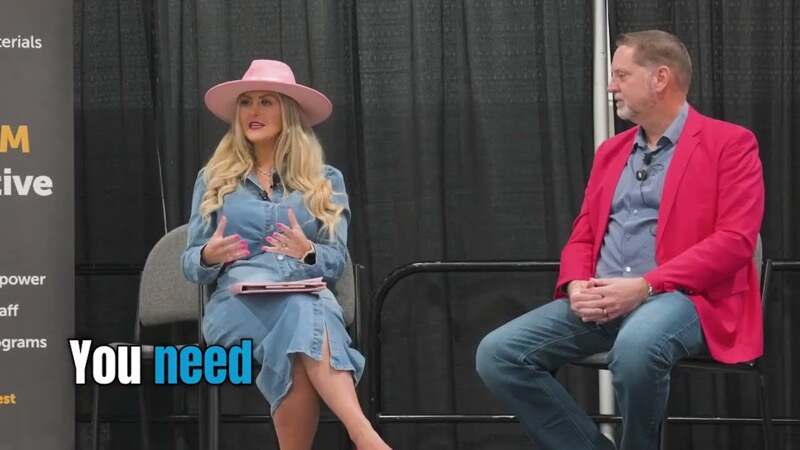
Let AI Send the Follow-Up While Your Reps Are in the Field
Syndi Sim of Q-Railing, Marianne Thompson of Do it Best and Bryan Scott of Southern Tool Supply on follow-up that goes out because a system remembered.
Client: Do it Best is a Grit Blueprint client.

The best use of AI for sales follow-up is the work reps never get to. That means the email after a trade show and the check-in with a current customer. It also means the reminder that a customer’s next order is due. Syndi Sim runs sales at the railing maker Q-Railing. She keeps her reps in the field and lets AI do that follow-up while they are out. Stores can do the same with what customers already bought, from furnace filters to a contractor’s yearly order of water coolers.
Why does follow-up slip?
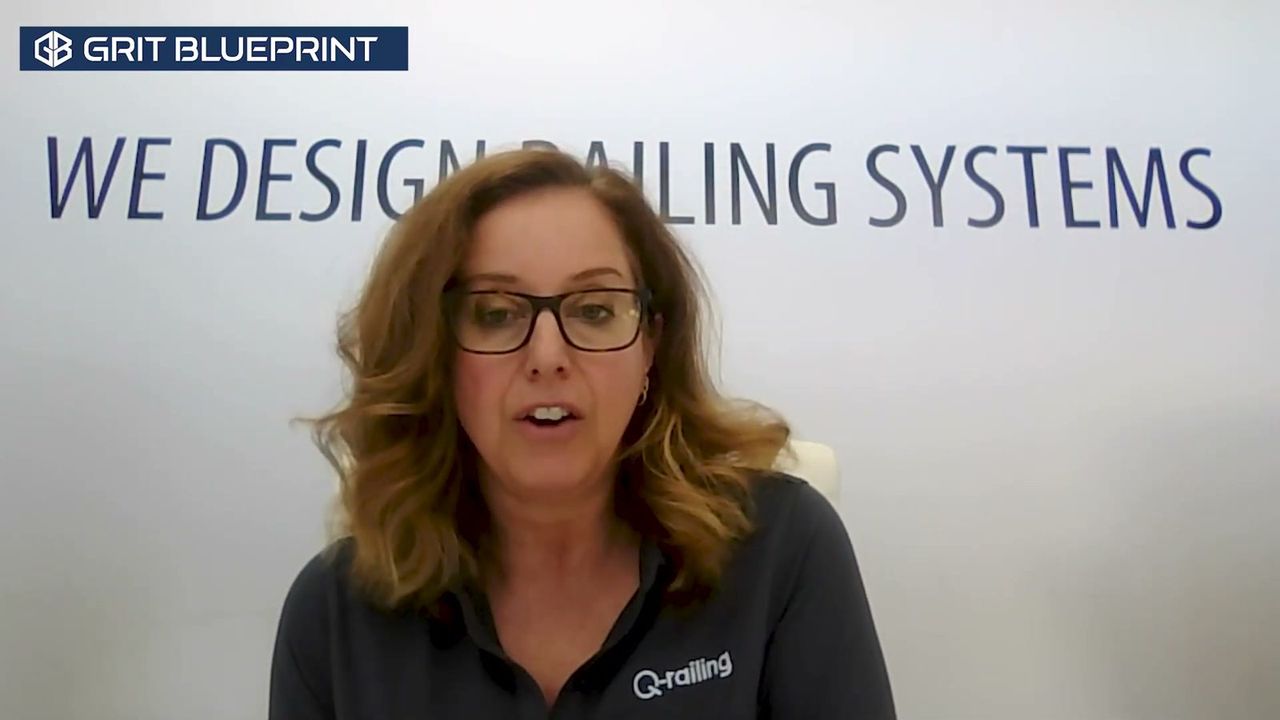
Because the people who should send it are busy selling. Syndi Sim is Director of Sales and Business Development at Q-Railing. The company makes railing systems including glass railing. She also sits on the board of the National Glass Association. She asks her sales team to be with customers three to four days a week. “Their number one job is to be out in the field seeing customers,” she said on the Grit Blueprint Podcast (26:28).
Her example came from a trade show the week before the interview.
We had so many great contacts, so many great business cards, but it’s all for naught if we don’t follow up.
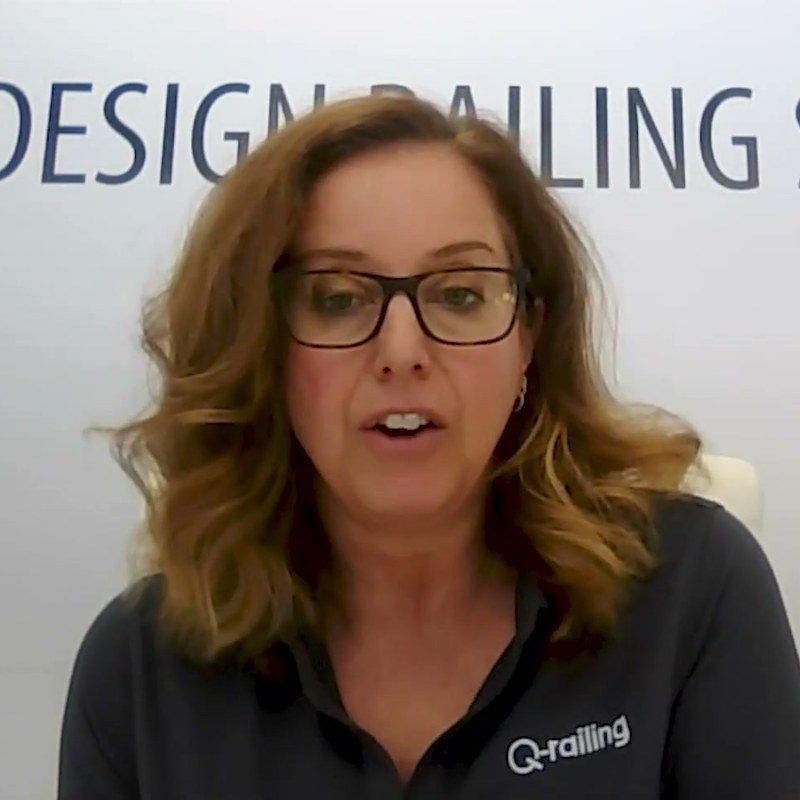 Syndi SimDirector of Sales and Business Development, Q-Railing (28:23)
For Sim, follow-up is where trust starts. “The key is doing what you say you’re going to do,” she said (4:51). With a prospect she plans on five to seven touches, and she calls her version “the seven touches of sales and marketing” (33:51). A touch “can be anything from a face-to-face meeting, an email, a phone call, a LinkedIn post about them, a walk-in with Starbucks coffee” (33:51). Big deals can take years. That means following up about once a month, and doing something different each time.
How can a rep use AI for sales follow-up?
AI takes the steady touches so the rep can take the visits. “Let AI do the work for you while you are in the field,” Sim said (27:41). She gives it follow-up on mass emails and follow-up on personal emails and texts. She also has it check that current customers are satisfied, because keeping them happy matters as much as finding new ones.
The visits stay with the rep. That means the product demonstration, the lunch-and-learn and the box of cupcakes with a business card taped on. AI cannot carry those in the door.
How does a store use AI for follow-up?
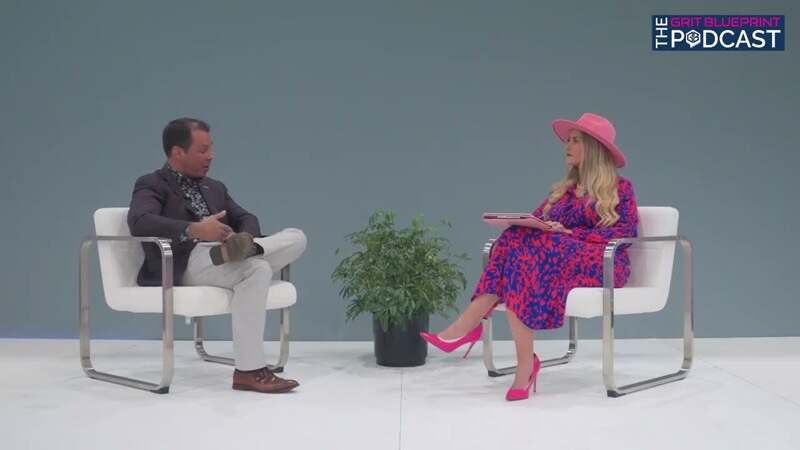
Start with what the customer already bought. Marianne Thompson is Executive Vice President of Transformation and Integration at Do it Best, the co-op. She started at a lumberyard in 1987. Her example is one every counter knows.
Anticipating they were in and bought furnace filters. Oh, you know what, we’re gonna send now six months later an update reminding them they need to change their furnace filters again.
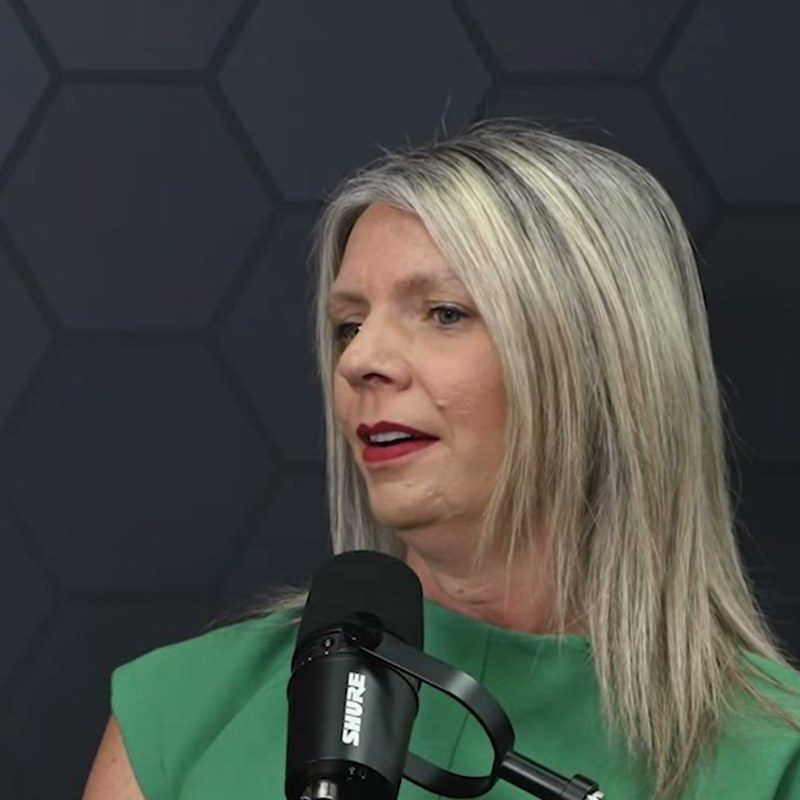 Marianne ThompsonExecutive Vice President of Transformation and Integration, Do it Best (12:10)
Stefanie Couch, who hosted that interview, used to work a busy lumberyard counter. Nobody there had time to remember who bought filters six months ago. “But AI doesn’t forget,” she said (12:59).
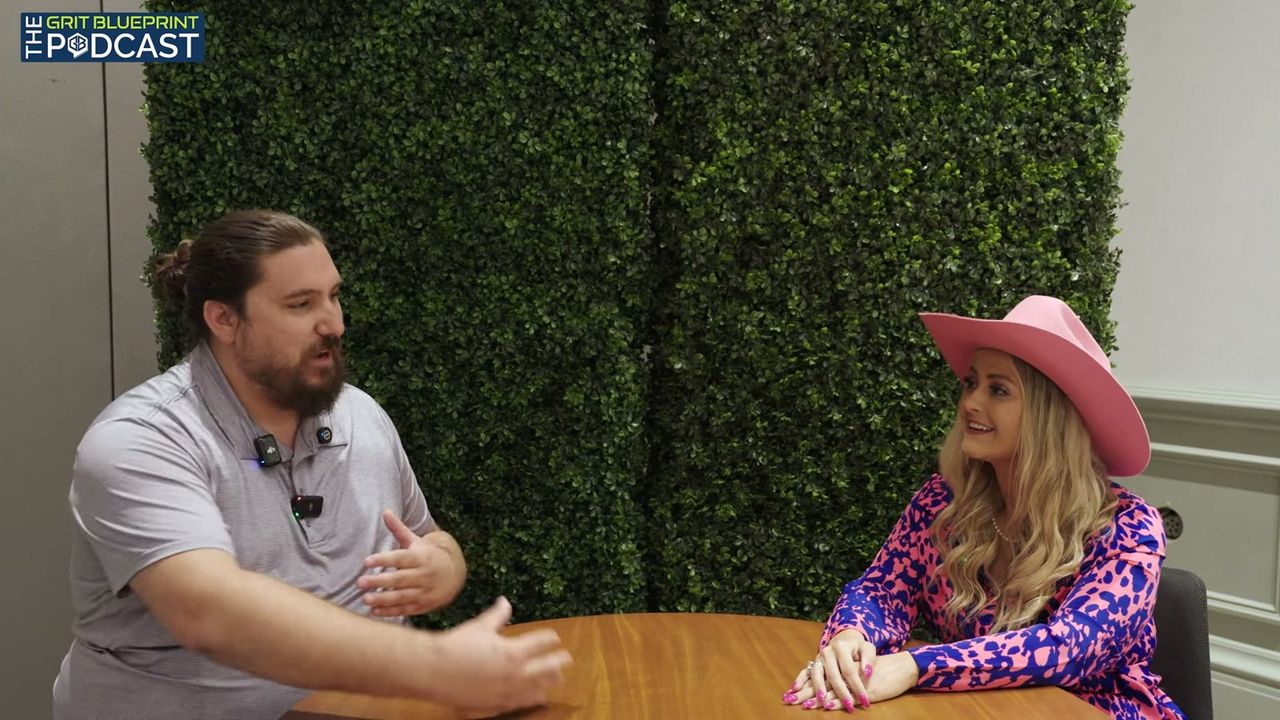
Bryan Scott does the contractor version at Southern Tool Supply, the single store he manages. He exports a customer’s purchase history into ChatGPT. Then he asks what that customer is likely to buy in the next 30 days. The answer tells him what to order in and which accounts the outside sales rep should call. The call can be this simple:
You know that in past years you’ve ordered 30 water coolers. Is that something you’re looking to do?
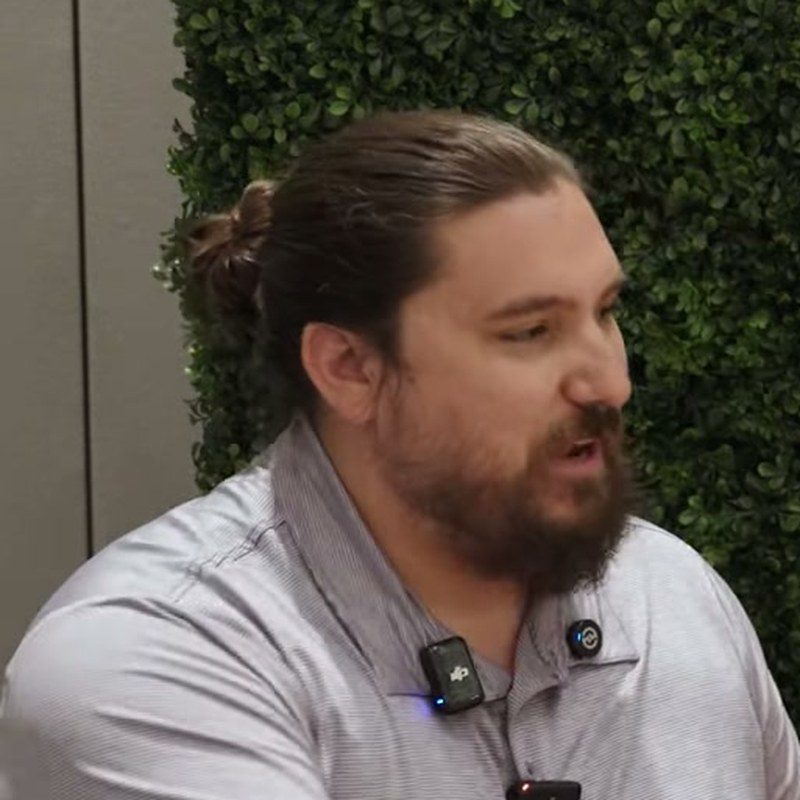 Bryan ScottStore manager, Southern Tool Supply (12:52)
That question “might jolt the customer’s memory,” Scott said (12:52). Purchasing then gets the stock in before the customer asks. Purchase history is customer information. Put it only into a paid tool with its data settings checked. See the 85/15 rule for checking AI for how Moore Lumber handles that.

Don’t make the rep remember the follow-up
The CRM is customer relationship management software, where accounts, notes and follow-up dates live. Ask most sales teams about it and you hear about an extra job that nobody has time for. More reminders to type notes will not fix that. Take the typing away instead.
Ask the customer if you can record the meeting, and keep the recorder where they can see it. Then let AI pull out what matters: the decisions, the objections, the next step and the date.
The rep checks that summary and it goes into the CRM. Over a few months those notes hold what customers said in their own words. The notes even show what customers keep telling you they do not need. That is worth having when you plan the next product push.
Do the same with the inbox. An assistant connected to a rep’s email can flag a customer message that has sat unanswered for three days. It can also offer a draft reply. The rep sets the priorities: some senders interrupt right away, the rest wait for a daily summary. And the rep reads every draft before it goes.
Any follow-up that depends on one person remembering should have a system behind it. The relationship still belongs to the rep.
What to do next
- List every moment a follow-up should happen: after a quote, after a show, after a delivery, after a first order, after a problem.
- Pick one product that runs out on a schedule, such as filters, seed or a contractor’s yearly order. Set the reminder in your email or point-of-sale system.
- After your next trade show, have AI draft a first follow-up to every card within a day. The rep edits each one and sends it.
- Plan five to seven touches for every open prospect, and mix in visits. Use these follow-up scripts and the prompt that turns site visit notes into a follow-up email to start.
- Try recording one customer meeting, with permission, and see what AI pulls out. Check your state’s rules on recording first.
The Marianne Thompson and Southern Tool Supply interviews were recorded for episodes sponsored by Do it Best.
Questions people ask
How can AI help with sales follow-up?
It can draft and send the steady touches a busy rep never gets to: emails after a trade show, check-ins with current customers, and texts. Syndi Sim of Q-Railing keeps her reps in the field three to four days a week and lets AI handle that follow-up while they are out.
What follow-up should a rep still do in person?
Visits, demonstrations and the small personal touches. Sim’s list of touches includes face-to-face meetings, phone calls, a LinkedIn post about the customer and walking in with coffee. AI drafts the emails; the rep reads every draft before it goes.
Can a hardware store send replenishment reminders with AI?
Marianne Thompson of Do it Best gives the example of a customer who bought furnace filters getting a reminder six months later to change them. Start with products that run out on a predictable schedule.
Is it OK to record customer meetings for AI notes?
Ask the customer first, every time, and keep the recorder where they can see it. Rules on recording differ by state, so check with whoever handles your legal questions before you make it a team habit.
Watch the full interviews
AI, Consistency, and the Power of Follow-Up with Syndi Sim, Tech, Service, and the Co-op Edge with Marianne Thompson and Embracing AI in Small Business: Southern Tool Supply.
Syndi Sim, then Director of Sales and Business Development at Q-Railing, on earning trust by doing what you say, selling a full project solution instead of a price, and following up with seven different touches.
A Grit Guide original. This piece is built from our own interview.