Click any timestamp to jump to that moment in the video.
From a Tech Layoff to a Hardware Store
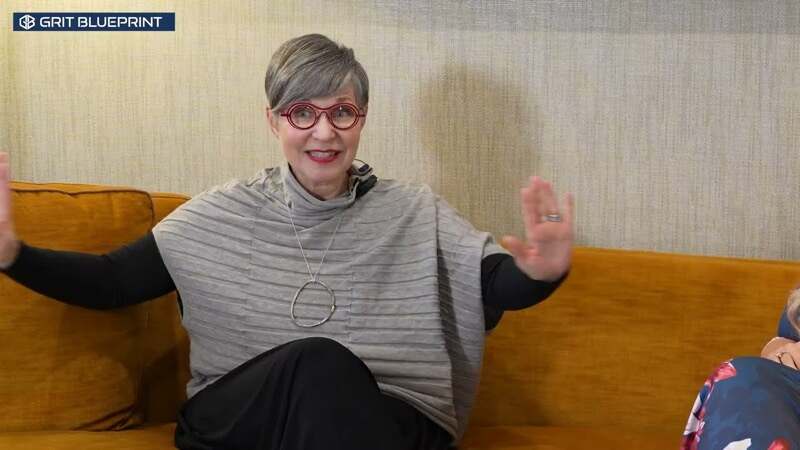
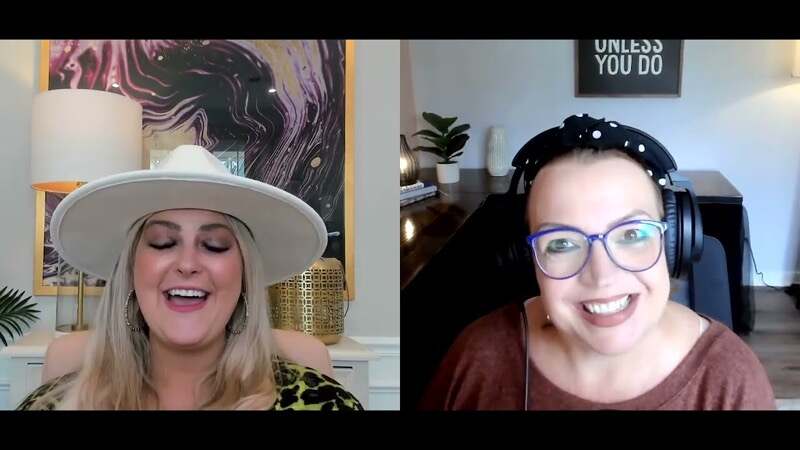
0:00 Stefanie Couch: Welcome to the Grit Lou Grip Podcast. This podcast is about branding, building, and business. We also highlight the grit that it takes to be successful in business and in life. Let's get started. Welcome to the Grit Blueprint Podcast with Stefanie Couch. I am so excited today to have my guest, Gina. Welcome to the podcast. Thank you so much for joining me. Thanks, Stefanie. We met at a conference that I was speaking at, I guess, in 2022. It's been a little while now. And you are well known throughout the industry.
0:45 Stefanie Couch: You have such an amazing story. And I just can't wait to learn a little bit more about you and let the audience get to know you more. Tell me a little bit about you and how you got into the business. I know you're on the hardware side of the construction industry, which I actually love because I grew up with my dad owning a hardware store in Lumberyard. So a lot of times stock and shelves and Calvin screws and the screw out for inventory. But tell me a little bit about your background as an owner of one hardware store and then it went to lots of hardware stores.
1:16 Stefanie Couch: Tell me how that happened.
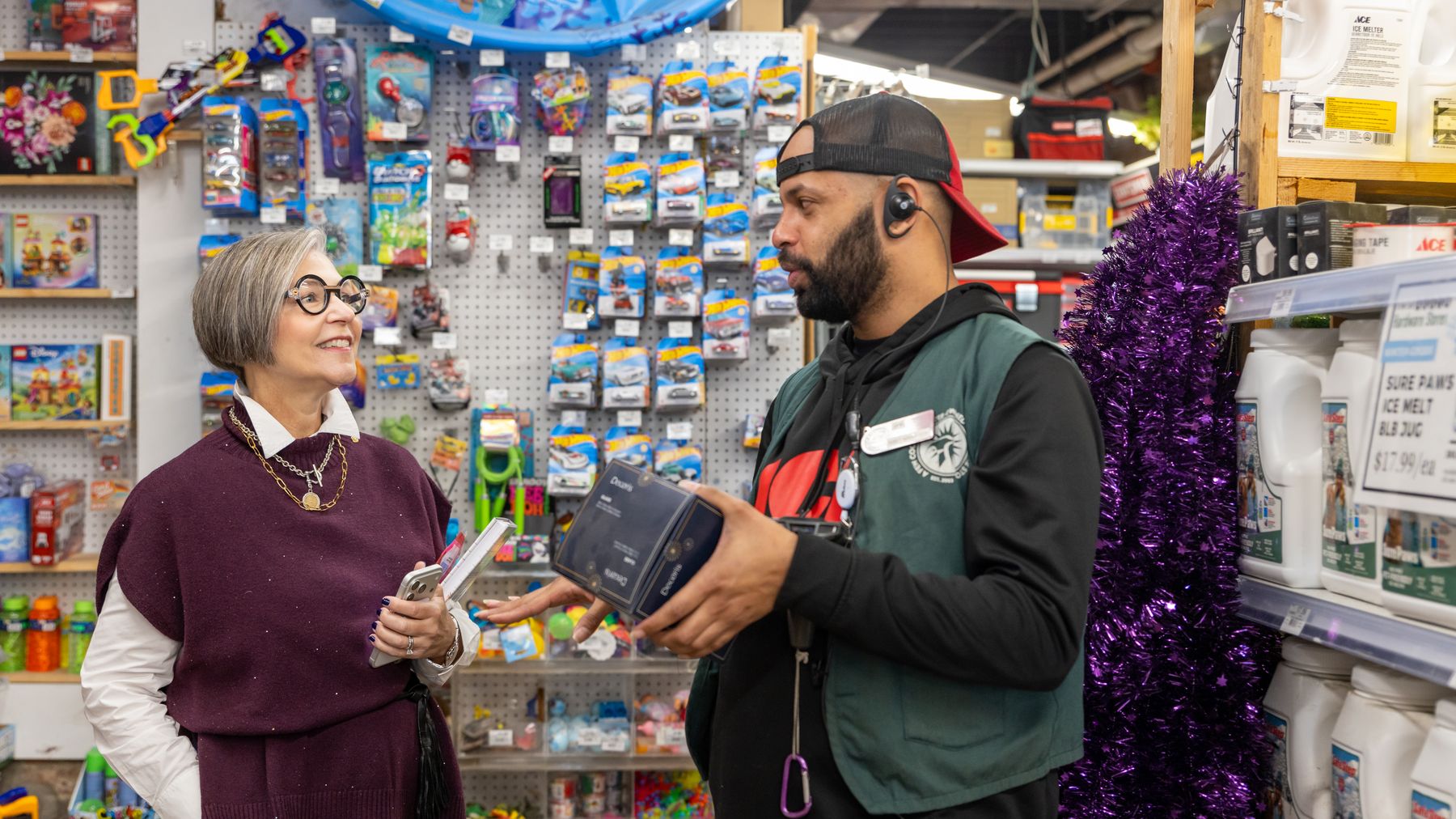
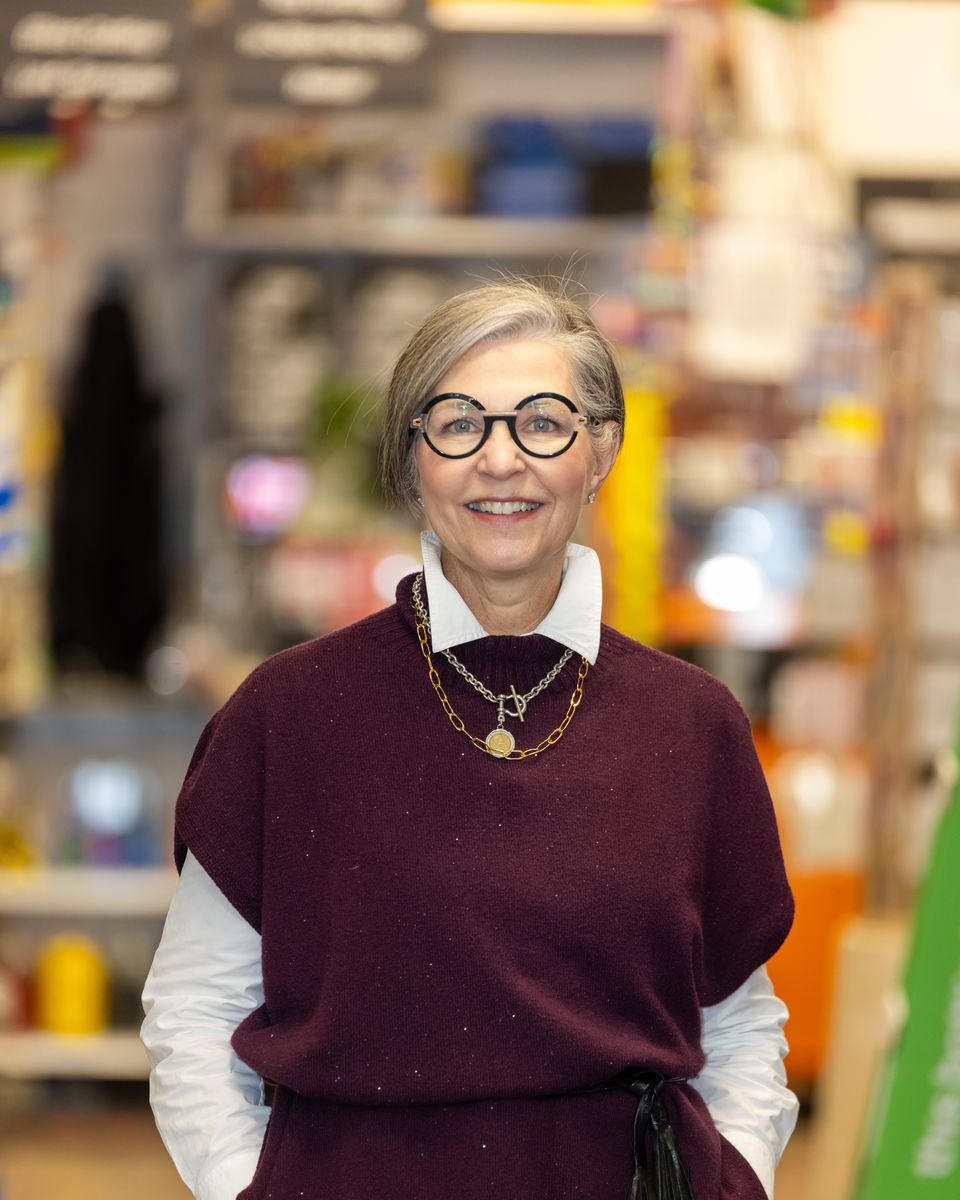
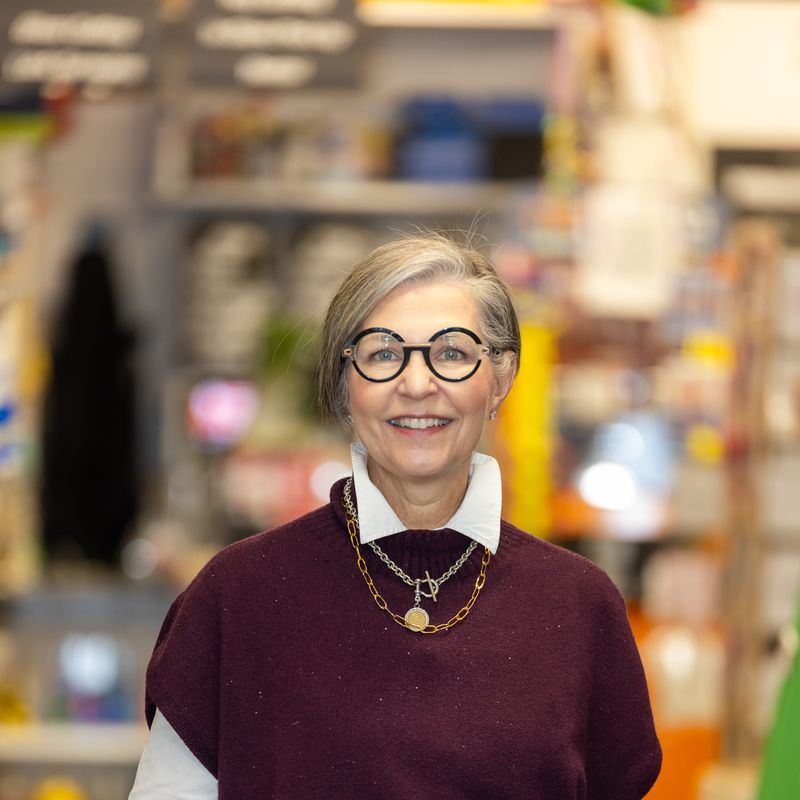
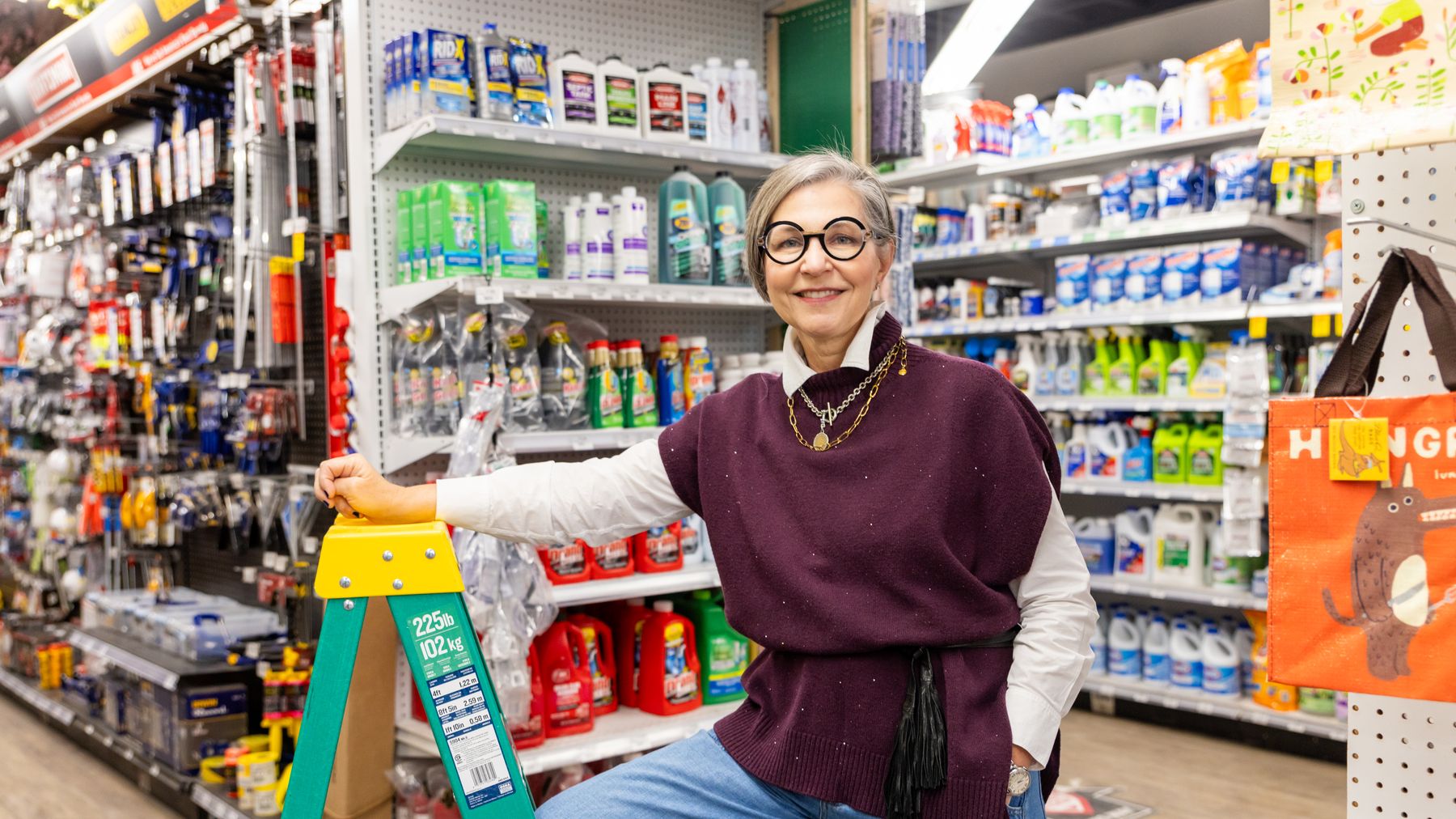
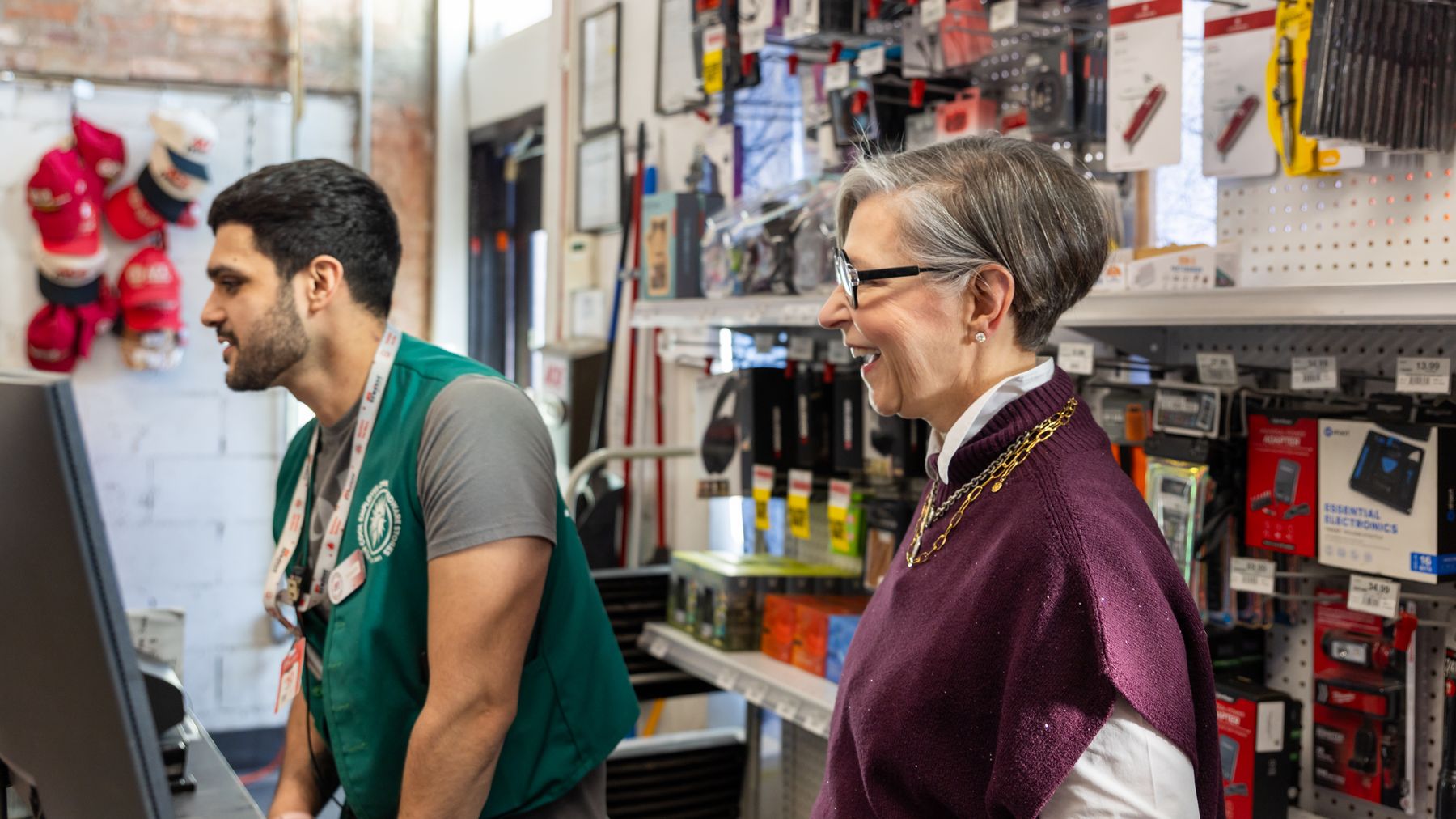
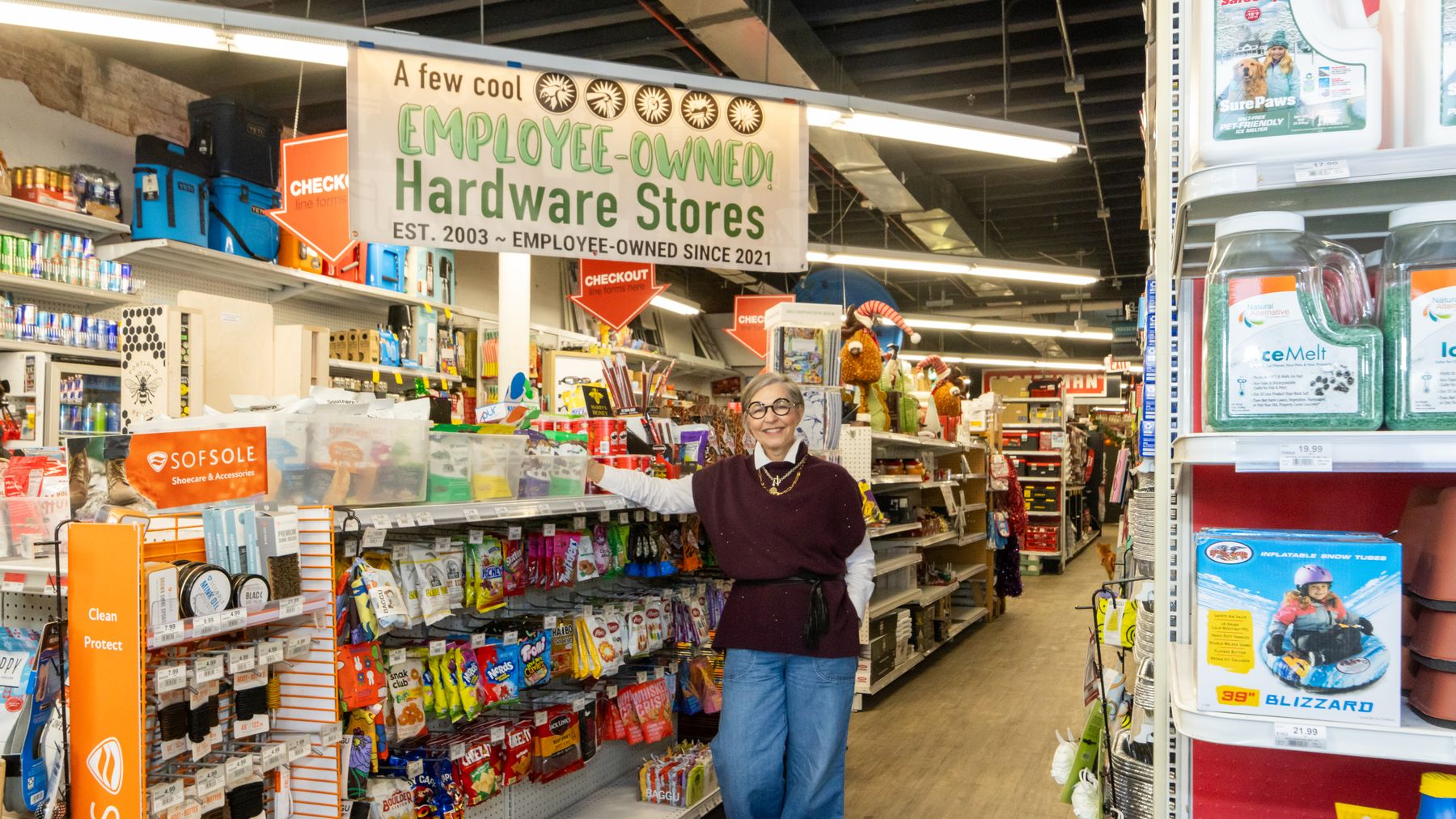
1:17 Gina Schaefer: Yeah. So I love it because people, you know, hardware, the hardware business is very multi-generational. And so people always assume that I inherited it from my dad or my grandfather. Um, but no, I lived in a neighbor, I moved to a neighborhood in Washington, DC that was revitalizing. And I got laid off from my tech job and the community members, I was very involved in the community. The community members were always talking about the fact that we needed a hardware store. And so the very long story short is that when I got laid off, I thought I could open a hardware store.
1:46 Gina Schaefer: Um, and it's really kind of funny in hindsight. I mean, I didn't have retail experience. I didn't grow up in a hardware store. I didn't have, I was very crafty, but I was never um hands-on when it came to building or tools or anything like that. And so it was a it was a pretty big leap of faith now. I at the time I didn't think about it that way, but now I know. Now I know it was.
2:06 Stefanie Couch: It's funny to think about how all the things that we wouldn't probably do if we hadn't known what we know now, which is good, right? Exactly right. And especially in entrepreneurship, it seems that's definitely the journey is like, oh, if we knew, I've heard a lot of CEOs saying that. If I knew what it was gonna take to get to this point, I probably would have never started. But it's awesome that you did that. And and you were starting in an area, I'm sure, that needed that.
2:30 Stefanie Couch: So, what how did that journey go once you started it? How did the community support you? And then how did you go from having one store to what you ended up?
A Community That Asked for More Stores
2:37 Gina Schaefer: You know, I I mean, I'm shaking my head because the community was so important to my starting story. We were, like I said, in a neighborhood that was revitalizing, entire blocks were still boarded up. People were moving into this community because it was inexpensive. Um, there was amazing housing stock that had been neglected for almost 30 years. And so um, I was in the right place for people who really needed hardware. And then on top of it, just had this wonderful community that really wanted to shop local.
3:06 Gina Schaefer: And so they were very supportive from the beginning. We wanted to cultivate um local, independent stores in our main street. We didn't want it to be an influx of big boxes and national chains when we were starting out. Um, and so for that part, I you know, I'm really grateful for the community involvement, especially because I didn't know much. So they were very forgiving, thank goodness. Um, so that was exciting. And then about a year or so into being open, people started coming in from around the city asking us if we would open in their neighborhood.
3:38 Gina Schaefer: So at the time, Washington, DC had um maybe 650,000 people, and there were three or four little independent hardware stores, true values of hardware stores. There were no big boxes and there were no Ace hardware stores, which is the other, you know, national cooperative. And so um, people really, if they were in a neighborhood that was far from one of those existing stores, they wanted one on their own little main street. And so I had phone call campaigns, snail mail, like letter writing campaigns. Um, this was in 2004, roughly.
4:08 Gina Schaefer: And so that was really exciting. It was overwhelming, you know, thinking about the possibilities, but also really exciting to know that the Washington, D.C. community at large was really supporting um homegrowing local retail.
4:22 Stefanie Couch: How funny that Washington, D.C. was lobbying for hardware stores. It's not a campaign we're used to, right? But it it translated to the next thing. That's pretty good.
4:32 Gina Schaefer: That's funny. No one said that to me at all of the times I've been interviewed, and I love that analogy. That's perfect. Yeah.
4:37 Stefanie Couch: Yeah. Um, it's interesting how the people in the market often tell us what they need and what they want. And I think in business, sometimes, especially now that, you know, you said you were from the tech world, and I don't know what exactly you were doing there, but sometimes we get caught up in these like sexy new businesses that kind of like reinvent the wheel and they, you know, they're Elon type businesses where they go to the Mars or Moon or whatever. But most of the time, boring businesses that you maybe wouldn't think are like super awesome and sexy to go in are the ones that people want, and it feels a need in a community or a market that is hungry for it.
5:15 Stefanie Couch: And I think when people are hungry customers, nothing else matters as much as the fact that they want the product,
5:23 Gina Schaefer: correct?
5:24 Stefanie Couch: Which is great for you. So you ended up doing something really cool throughout your journey. And I know now you went to an Aesop model where your employees are owning the stock. Tell me how that happened and what that journey was like for you.
Selling the Business to Employees With an ESOP
5:38 Gina Schaefer: Yeah. So the best part about that story for me, Stefanie, is that when I opened uh the first location, I told you that it was a revitalizing neighborhood. That neighborhood but had been destroyed when Martin Luther King was assassinated. And so it sat dormant after the riots for a long time. Now, if you fast forward to the um 2021, roughly, uh, there were a lot of protests in Washington, not to the dramatic extent of what had happened um in the 60s, but it was a little bit of a full circle moment.
6:07 Gina Schaefer: And my main store where my office was happened to overlook the street where a lot of those protests occurred. And so um early on after opening that first location, my husband joined me. And so we were, we were the the two uh business owners until we started selling it to the ESAP. And we wanted to think about succession. Those um protests started happening, and we thought, what can we do to be a solution for what everyone is protesting about? And many of the protests were about gender inequality, race inequality, uh um salary inequalities.
6:42 Gina Schaefer: I mean, all of the things that were wrong with business and society and you know, the people were frustrated about, and the one small thing that we thought we could do as a business, a small business, was to make sure that our employees owned the business. Um
6:56 Gina Schaefer: when
6:56 Gina Schaefer: you think about struggles with generational equity and ownership in general, like it's just challenging for whole populations of people. And so we we had discovered the ESOP model that started the the protests started happening right outside of our front door. And we just married the two and had this. I mean, it's a beautiful result, not with a lot of cost and hard work. And so I don't want to um belittle that because I often oversimplify everything, but well worth it in my in my mind. And so it was nice for me, really in a full circle moment, to go from starting in a community that really needed help that supported the heck out of me, to then selling it back to the people who helped me build it.
7:37 Stefanie Couch: I love that story. It's really cool how you didn't just watch something happen and say, like we should, or the play everyone should. You said I will, and then you did something about it. And you and your husband obviously took a big leap to do that. And I'm like you said, it was probably a lot of work and a lot of time and money and effort spent to make that happen, and probably not the easiest option for you, and maybe not even the most fiscally advantaged option, but it was the right thing for you to do, which is really cool when business is something that's more than just about dollars and cents.
8:10 Stefanie Couch: It's more about people and it's more about impact. And I'm finding, and especially in my podcasting, that more and more people, especially women, because that's mostly who I've interviewed so far, when I ask them what success looks like to them, the word impact is usually what they say. They want to make an impact on the world, the community, their people they love and their life and their business. And I think the more we can reframe things to be that instead of the bottom line on the PL, it kind of happens most of the time where the PL takes care of itself if you're doing the right thing.
8:45 Stefanie Couch: And that's not always true. But it if you're setting it up the right way and you're also really smart about how you do it, that can happen, which is exactly what you did. It sounds like and kudos to you, amazing work.
8:56 Gina Schaefer: Thank you.
8:57 Stefanie Couch: You do some other really cool things, which I want to talk about. You wrote a book, you're an author, you're a speaker, and you talk on some topics that are really dear to my heart. But your book actually sheds light on how you did all these amazing things for your company and some of the lessons that you learned from individuals that are in a certain community, the recovery community. So tell me a little bit about that and some of the lessons you learned from that community and how you even got involved there.
9:24 Gina Schaefer: So uh you alluded to something when you mentioned the Aesop that uh really spoke to me that I decided that I would do something. And there's a quote at the very beginning of my book that goes something like this I always wondered when somebody would do something about that, and then I realized I was somebody. So I oftentimes want my speaking, my what I say, I want that to be portrayed to the audience. Like you, Stefanie, are somebody. And it doesn't matter what you think you can do or how small you might think it is, it can and will make an impact if you do it.
9:55 Gina Schaefer: And oftentimes we forget, you know, we think we need to cure cancer or we need to, you know, fix homelessness or really big societal challenges. Sometimes it takes one little thing for someone to do something that makes a really big impact. Yeah.
10:09 Stefanie Couch: Such a good point because I I do think that especially when we have these big ideas that like for me, I want to redesign the blueprint of construction. Well, damn, that's a big task.
10:19 Gina Schaefer: Yeah. And
10:19 Stefanie Couch: I know I won't do that alone, especially for women and all of these things that are gonna happen. But if I do nothing, then the chance of me actually getting to that far goal is zero. And so I have to take, you know, James Clear talks about in his book Atomic Habits, which is one of my favorites. He talks about that 1% per day is 37% per year. But if you just take little chunks out of it, and so for me, maybe it's helping it started in my career at corporate helping one woman.
10:49 Gina Schaefer: Yep.
10:49 Stefanie Couch: And then, you know, like right now, our Billboard Network has a hundred members, and then it will be more and more and more. And eventually, because you do every little small thing, it does usually, if you go long enough, it adds up to be and it's a big impact. But how many of us don't ever start because we don't know how to get to this? It's the same thing in sales. I have people all the time like, I want to make a million dollars. Well, how about we sell like 10 cents first?
11:19 Stefanie Couch: Let's just make a sell, make a dollar, and then we'll get on to that one million dollar goal. Yeah, right. Because you'll you'll crush yourself and your self-doubt and your your self-belief will be so crushed that you can't ever get to that spot because you never make the small win. So I love that. That's such a good point. And I think especially in the recovery community or in the mental health community where people are struggling with things, it can seem insurmountable. Like they aren't worthy of recovery, of love, of success, of all of these things.
11:52 Stefanie Couch: So talk to me a little bit about how you've ingrained that into your book and your community and your work of having that spirit of recovering people are worthy of love and jobs and all those things.
Hiring People in Recovery and Banning the Box
12:05 Gina Schaefer: Well, first of all, I I I feel like I need to admit that it was a little accidental. Now, this is not that service and some sort of, you know, being a good business wasn't always in my DNA, but we were fortunate enough to be across the street or near one of the only um institutions in that community, business or otherwise, that had survived the riots and was still there. And this was the Whitman Walker Health Clinic, um, which was
12:28 Gina Schaefer: um
12:28 Gina Schaefer: the clinic was built in the 80s primarily as a health clinic for um gay men with AIDS. And so there was a you know huge stigma. There was a lot of uh trauma in that community. And the Whitman Walker Clinic was funded a little bit by Elizabeth Taylor, but it was meant to be a safe space where where people could get well or at least get what the help that they needed. And then out of that um grew their recovery services program. And so, fast forward to when I opened in 2003, there was a um one of my dear friends now, his name is Shane.
13:00 Gina Schaefer: He came to me and he said, uh, I'm uh I'm attending the clinic down the street for uh drug addiction and I need a job. And I gave him a job. And he left. You'll have to read the book to hear the whole story, but he ended up leaving about 10 months later and he referred somebody, who then referred somebody, who then referred somebody. And all of a sudden, I had this amazing group of people working for me who all happened to be dealing with some sort of substance use disorder.
13:26 Gina Schaefer: Um, because we didn't discriminate, we didn't ask, we didn't care. I mean, we cared if you were going to be a good employee. We didn't care if that was part of your life's journey, you know, was to get through crystal meth or alcohol or heroin or, you
13:39 Stefanie Couch: know,
13:39 Gina Schaefer: whatever it happened to be. Um at the same time, it was still legal in DC and it might still be legal in some states, but there's a felony box on applications. And we did not think that that was fair. Um now that might have been that might have that might seem naive. I mean, I've been called all sorts of names for thinking that this should not be a thing, but we banned the box before we legally had to ban the box. So, unbeknownst to me, my second or third employee had been in prison for 17 years.
14:10 Gina Schaefer: And I didn't know that because I didn't ask him if he was a felon.
14:13 Stefanie Couch: And
14:14 Gina Schaefer: he ended up working with us for 10 years. He was amazing. He was such a great part of our team that would have never been introduced to me had I allowed him to check that box and then discriminated based on the fact that he checked that box, which happens across this country all the time. People think that you're gonna check that box, you are not worthy of working at my company. Well, this is what happens people need a purpose. And I believe a job is a purpose.
14:38 Stefanie Couch: Absolutely.
14:38 Gina Schaefer: And if you give someone a job, no, they have to put in the work. I'm not saying just I didn't just hand out jobs for free. We have accountability, we have you know tracking mechanisms, we certainly terminate if we have to. Um, but if you give someone a job and they have children, those children are more likely to get fed. If you give someone a job and they have a spouse, their spouse is more likely to have a safe, comfortable place to live,
15:02 Stefanie Couch: et
15:02 Gina Schaefer: cetera, and so on. And so once we realized that we were creating this safe space, we also started to realize the broader community impact we were making without really not really doing it on purpose. Um I think I had been in business probably five or six years before a woman called me and she said, Um, you employed someone from a nonprofit that I run, and this nonprofit helps people get back on their feet from a variety of issues. Um, would you be on our board? And so I ended up going on the corporate advisory board for an organization called Jubilee Jobs.
15:36 Gina Schaefer: Unbeknownst to me, we had hired a couple of folks from Duke Jubilee Jobs, a couple of which still work with us 15 years later. Um and that was just a whole introduction to another layer of teammate who, whatever, you know, for whatever reason in their past had dropped out of the workforce. Sometimes it was a single mom who just
15:39 Gina Schaefer: had to
15:39 Gina Schaefer: drop out to take care of their kids and then really had a hard time coming back. Um so I'm kind of babbling, but that was the the the beginning. And Shane and I, that and first that first teammate that I mentioned to you, um, we have the best time talking about it. I mean, he's been clean for 21 years now. His story is incredible. And we've shared podcasts together when he said, you know, I was so fragile. I couldn't think, I couldn't think straight most days, but Gina gave me a place to go and be and have a purpose.
16:08 Gina Schaefer: And I did not do that on purpose, but man, am I happy that it worked out that way.
16:30 Stefanie Couch: Yeah, that's really cool. And sometimes the universe gives you what you need when you don't know it.
16:35 Gina Schaefer: And
16:35 Stefanie Couch: like that placement of where that was, and those people just happen to walk in, and you never know what life's gonna bring. And I think the other thing is that we are never too far gone to go back and build the thing that we want. You're never too old, you're never too far
16:50 Gina Schaefer: you know,
16:50 Stefanie Couch: there are certain things that are very tough to come back from, but it doesn't mean it's impossible. And I think that's the spirit of really like grit, which is why I named this concept the grit blueprint, because if you don't have grit in your heart and in your soul and that resilience, then it's gonna be really hard for you to be successful because life is not always easy. And
17:11 Gina Schaefer: right
17:11 Stefanie Couch: from the other side of the coin where we often get very judgy, I mean, even you know, I think all of us, it's very easy to judge others where if it was us or our daughter, our son, or our mother or father, we probably would have a different perspective. And I think to be able to take yourself and put yourself in those shoes and say, I ask myself this a lot. If I lived in that home when I was eight, if I had this upbringing or lived here or couldn't eat a warm, you know, breakfast, lunch, and dinner every day, have warm clothes, I never had the electricity cut off.
17:46 Stefanie Couch: If all of these things were reversed, would I be who I am right now? And I hope the answer is yes, but I know unequivocally the answer is probably I might be, but it would be a hell of a lot harder for me a two there. And so I think that's the thing is when you put yourself in those shoes, it's pretty easy to hopefully feel some grace and empathy for those people and then know that maybe one day you are going to be the person that needs the help.
18:09 Stefanie Couch: And I know I've had a lot of people give me, you know, a helping hand and pull me up as they rise. So it's always really cool to hear stories like yours. And even if you didn't, you know, intentionally go out and set forth that plan, you ended up doing it and then doubled down on it once you kind of realized how successful it can be for both parties involved.
Baggage Is Luggage
18:27 Gina Schaefer: Do you know the um the expression she's got a lot of baggage or he has a lot of baggage? I started thinking about this. I was writing a speech recently and I started thinking about it, and I was like, damn it, baggage is luggage. And if you pick up a suitcase, it takes you on an adventure.
18:40 Stefanie Couch: Yeah.
18:41 Gina Schaefer: And everybody's life is an adventure. And it doesn't mean that it was easy or pretty um or always healthy, but to me, it's not baggage, it's experience that someone's lived. And what can you learn? I mean, one of my one of my teammates that I talk about in the book uh was living on a park bench before he came to work with us. And it it the his story is just amazing to me and really hit me over the head with what people struggle with and what uh just a job can do to change somebody's life.
19:11 Gina Schaefer: Um, so I mean, I his name's Mike. I talk about Mike all the time because he he just he really changed his life. And it was great that did it, but he he couldn't have done it by himself. He had to put in the hard work. And if if people weren't willing to give him that opportunity to put in that hard work, his story would have been very different.
19:29 Stefanie Couch: Yeah, absolutely. And and for him to you think about how far he came and then probably how many people he's paid that forward to. Like it is something that is a symbiotically good thing for everyone. So really cool story. I love that.
19:45 Gina Schaefer: And
19:45 Stefanie Couch: it leads also to the gender stuff that we talk about so much. So we're obviously both women in a very male-dominated industry. I remember when I was a little girl and I was in that hardware store. Um, I used to work there when I was like real little, like insist on working there. My dad was would just take me during the summers and stuff. And I would go like back to the plumbing aisle and try to figure out like how to make this 90-degree, like, okay, I need to go from here to here to here, and these C PVC and like, you know, this is like me at 12, you know, trying to figure out these things.
20:15 Stefanie Couch: And I remember a lot of the people that were in there, you know, they were almost all male customers, and some of them I knew and some of I didn't, but generally they were pretty darn inviting to me. Like, sure, I'll go to IL 13th if you can figure this out because I don't know if they're anger either. And I think that that's the cool thing about my upbringing is I never really knew being a girl was weird to be in this business until I got to corporate at 25.
20:41 Stefanie Couch: Um, then I started to figure out that there was some kind of like stigma that like maybe some people couldn't do certain things because they were a certain age or, you know, certain gender. I I really was totally clueless. Like I walked in thinking, I mean, I'm just Stefanie, and that's all that there is. And so I know there's probably been lots of situations for you. You know, you said you've been called plenty of names and all those things, and that may not be because you're a woman, it's because of the path that you've chosen with your business or whatever it is.
21:08 Stefanie Couch: But talk to me about how do you stay resilient and and stay true to who you are, to Gina and what you believe in when the world or the majority of people in the industry maybe don't see it that way or wouldn't make that decision. And then you have the guise of being a woman on top of it. So maybe if you were a man, they'd think you're a mad genius like Elon. You know, instead, you're just a crazy woman. And sometimes I feel that that's been the speculation about me is like, well, she's young and crazy and disrupt her and all these things.
21:41 Gina Schaefer: Right. You
21:42 Stefanie Couch: know, you start to use words like disrupt her, and people get really uncomfortable. Right.
21:46 Gina Schaefer: If they're not
21:47 Stefanie Couch: disrupted,
21:47 Gina Schaefer: especially if it's an old fashioned industry, right?
21:50 Stefanie Couch: They're like, like, what does that mean? And what are you gonna do? You know. So how does that work for you where you're balancing that and what challenges have you seen around that? And how do you get to
Community as the Guiding Principle
22:01 Gina Schaefer: So you know, I've always been very vocal. So I think the thread throughout my life, the through the through line has been not being afraid to say something, whether I sound dumb or bold or whatever. Um, but when I started the business, I had one goal in mind, and that was to support the community. And then community became my guiding focus. And I think that's what made me bolder and bolder because uh hardware store is four walls 20 years ago for sure, four walls. There wasn't much e-commerce going on then.
22:30 Gina Schaefer: And so I focused on a brick and mortar on a main street in the middle of a community that needed me. That community happened to be in a larger city. Well, once I had the available, the once I was able to get outside of those four walls, I could use my voice and build a bigger community. And so I got involved on some other levels, lending my voice to some things that were happening in the district. Some of those things were like banning the box or fundraising for recovery uh programs or that jobs program that I talked about.
22:59 Gina Schaefer: And then I had a chance to take it national. First, I got to do that as a member of the ACE Hardware Cooperative, starting the women in retail um movement at ACE, um, making sure that everybody was being seen and that there were more diverse voices being added to the hardware world. And then beyond ACE on a national level, through a national think tank that I'm involved with and some other causes. Um, so I think that gets to your answer. Like my guiding principle started with community on a tiny level and then grew into community as in not quite worldwide yet.
23:32 Gina Schaefer: Um, but making impacts in bigger and bigger ways that still go back to that common thread of community, which to me, you know, meant making people stronger, healthier, creating more jobs, um, making a happier, healthier workplace. Um, and I we probably only get it right 50% of the time, but darn it, I'm gonna die trying.
23:51 Stefanie Couch: Yeah. Well, and no one gets it right all the time. But like you said, the more you try, the more experience you get to then figure it out so you can pivot later and get it more right. And I think that's really that's the thing, is I don't I don't know all the answers, and neither do you, and no, no one does. No
24:07 Gina Schaefer: one does. And
24:08 Stefanie Couch: I think there's a certain amount of grace that has to be given, especially, you know, I feel like sometimes women that are wanting change, like I can speak for myself. Sometimes it seems like, well, we don't like men or whatever. I love men. I'm married to a man that I love very much. My dad was an amazing supportive man. I have so many male allies and supporters in my career, even today, that have made me really be able to do what I'm doing right now. I also have some people who haven't supported me, men and women.
24:36 Stefanie Couch: So that's not a gender thing, but we need men to help us change the industry for women because if we could do it by ourselves, we would have already checked
24:43 Gina Schaefer: out. We would have already done it. Amen.
24:45 Stefanie Couch: Like we want to fix it, and and we can't fix it by ourselves. So, how do we find those people that do align? And I I feel like generally generationally, the next generation of leaders, Gen X, and then even down into millennials, it will be very different. For women, I already see it starting to happen. Um, whereas like some of these older people are starting to retire, the next wave of leaders that are now starting to run things, they are much more into the fact that they know they need women in the room, they need diverse people of color, they need all these different diversity of thought, all these things.
25:20 Stefanie Couch: It's important because it does give you a better perspective, it helps your business. And just as the very baseline is like, we need physical people bodies working here.
25:30 Gina Schaefer: Right. And 50% of us are chicks.
25:32 Stefanie Couch: That's right. And so if you eliminate that, and then you if you say, Well, we're not gonna hire female millennials, well, then you're really out because 75% of the workforce next year is gonna be millennials. So you've taken a huge chunk of people out that we have to start recruiting. So I I have you know lots of thoughts on that. I'm working on a training university that's gonna hopefully help the next generation figure out how to learn and grow in these technical trades. You know, like for me, it was selling doors.
26:00 Stefanie Couch: Well, how do you know the difference between a hollow corridor and a solid corridor if you've never sold doors before and you you literally don't have any idea what that word even means?
26:08 Gina Schaefer: Yep.
26:09 Stefanie Couch: You know, and there's no training. It's like sit at this desk and watch this person work for a few weeks and hopefully you get it through like osmosis or some weird thing. That's not how millennials and Gen Z want to learn. They need actual development programs. So we have to keep doing that, you know. And there's this digital age thing with AI, all these amazing technologies that are coming out. So that's really changed the business a lot. How do you think that your hardware store, any other business can really stay competitive in this change of technology and with the industry changing to a different generation being in there from consumer and a professional standpoint?
26:49 Stefanie Couch: What does that look like for you? And how do you become a leader in your industry from that standpoint?
Keeping an Old-Fashioned Business Relevant
26:55 Gina Schaefer: That's a really hard question. With a lot of moving parts.
26:59 Stefanie Couch: I was hoping you have the answer.
27:01 Gina Schaefer: I'm gonna solve the world's problems. You and I are gonna solve the world's problems right now.
27:05 Stefanie Couch: We are together.
27:05 Gina Schaefer: Uh well, so I don't know the answer, but I do think there's a couple things that I think we have to keep in mind. Going back to the fact that it's a multi-generational, a little bit of an old-fashioned business in some regard. We have to keep trying to figure out what's happening outside of our four walls that we can bring in to make us more relevant, um, more of the times, more technology technologically savvy. Um, and we can't bury our heads and pretend that that doesn't also affect the construction industry, the building industry, the hardware stores, et cetera.
27:34 Gina Schaefer: Um, and but even me just saying that makes that feel old-fashioned to me because my stores are not run that way. As soon as there's a new technology, there's somebody, probably a young person on my team, who's read about it, is wants to try it, who thinks it's hip. Um,
27:49 Stefanie Couch: you know,
27:49 Gina Schaefer: I serve on the board of a national flooring cooperative that I just love so much. And we've had a lot of conversations about how do we bring young people into the flooring industry when it's kind of like hardware stores. It's, you know, a little bit of an old family business. And I said, we have to make sure everybody understands what the sexiness of it is, not because it needs to be sexy, but because it's relevant to community. It's a money generator, it's something that it's something that the big boxes, for example, aren't necessarily doing well now.
28:21 Gina Schaefer: It's not something that can be done online. Um, but we have to be looking for those moments where things like that are still required in society that might need modernization, might need that new school of thought, might need the young people saying, What if we do it this way? And that I see that that's happening in a really cool way at the flooring co-op because they're bringing in technology, you know, electric, electronic price tags, for example. Um just things that we hadn't thought about in the business before that are making it a really fun proposition for people younger than me to buy into and open and and build.
28:56 Gina Schaefer: Yeah. So I don't think I answered your question, but I think
28:59 Stefanie Couch: No, that's it. That's definitely a great example. I mean, just pushing that question of should we explore this? What would this look like? I don't think it's that you have to change everything, like, okay, wipe the board clean and act like nothing we knew for the last hundred years matters anymore, because that would be also very ignorant of us. Yes. But how do we take what we know and what is coming out and find a bridge between that to make it work better for our business?
29:25 Stefanie Couch: Much like when we went from fax machines and manual writing out tickets to an ERP system and interview orders online and all these things that now, you know, e-com e-com in our hardware industry and the lumber industry still is not really like 100% broad. Some people are doing it, some people are not. I know certain hardware companies, like I spoke at uh a co-op a few months ago and they were rolling out this big, you know, e-com thing. And it still was at the table. People were talking, they're like, I'm not gonna do that.
29:55 Gina Schaefer: Yeah. Oh, yeah.
29:56 Stefanie Couch: I mean, they're not interested. Now, in five years, they probably won't have a choice because
30:01 Gina Schaefer: right
30:02 Stefanie Couch: again, my generation and the generation behind me, what do we do when we want to know something? We Google it.
30:08 Gina Schaefer: We Google it.
30:08 Stefanie Couch: It takes us to wherever we go and we buy it there. If I can buy something and have it to my door in two days or one day, and I don't need it until five days, I am not leaving the house to go buy it. I can just tell you it. That's how I operate. Now, if I need it tomorrow and I have to have it, yes, I'll drive to the place. But if the free shipping is gonna be to my door in two days, I'm gonna order it that way.
30:29 Stefanie Couch: Now, would I rather order it from you than from the big person that is Amazon? Absolutely. I'd rather give it to the small person. But if you don't have that option, I'm probably not gonna go just to your place just because of that.
Main Streets and Co-op E-Commerce
30:41 Gina Schaefer: So can I just, I'm just gonna be the devil's advocate for a second. That's probably not the right phrase. I feel like, so there's a lot of conversations that have happened for the last five years about this, the younger generations really wanting to know who they're shopping from, have them be good companies, um, and have them be local. First of all, I'd call BS on that because I don't think the data shows that small stores are growing anywhere nearly as large as the online behemoths. But I think as consumers, this is my hope, that we have to remember that main streets go away when we don't support them, or we have to be visionary enough to figure out what that looks like on a main street when we're all gone.
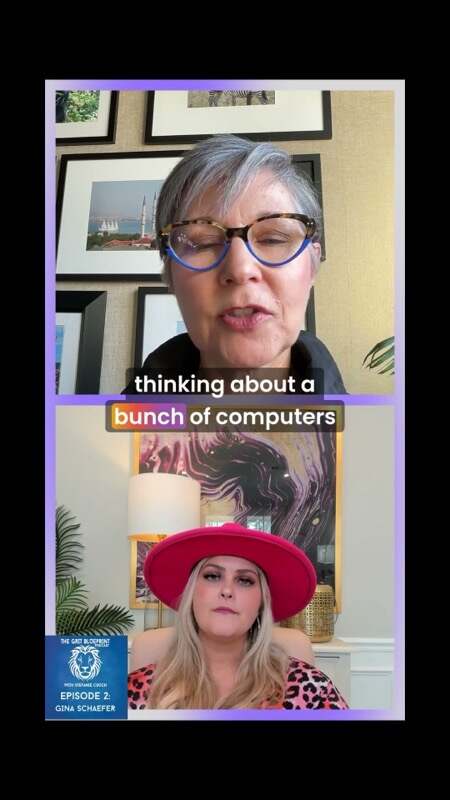
31:17 Gina Schaefer: And I can't envision that. Like when you I ask my audiences to close their eyes and think about a main street that means something to them, they're not thinking about a bunch of computers where you order online, right? They're thinking about the local bookstore and the local ice cream shop and
31:32 Stefanie Couch: the local hardware store.
31:35 Gina Schaefer: Yeah, yeah, yeah. And so I I grapple with this a lot because I can't figure out what that looks like if the consumer doesn't remember. Like, I'm trying to think of something I needed recently. I went out to buy something and I live in a town of 800,000 people and I couldn't flipping find it.
31:51 Stefanie Couch: Yeah, that's the frustrating part is when you want to like I've done that. Like I want to go to the local Ace hardware or whatever down the street, but I need something that they don't have.
32:03 Gina Schaefer: It's a self-fulfilling prophecy. That's right, you know,
32:05 Stefanie Couch: and stores don't carry it anymore. You can't have every single item. Like you can't have $40 million worth of inventory sitting in a little mom and pop hardware store down the street from my house, you know? And so it is hard, it's a balance.
32:19 Gina Schaefer: The the nice thing about being a member of the Ace Cooperative is that our on our e-commerce program is run by the co-op itself.
32:25 Stefanie Couch: Yeah.
32:25 Gina Schaefer: So I have about 25,000 SKUs in my stores, and the e-commerce site probably has 90,000.
32:31 Stefanie Couch: Right.
32:31 Gina Schaefer: Um so consumers who do find us, which still isn't enough, once they find us, they realize that the inventory that we have in our online presence really is massively bigger than in the store. Um, and the beauty of our that co-op is that we get the profit from any of the online sales, whatever the closest store is. And so,
32:51 Stefanie Couch: you
32:52 Gina Schaefer: know, the American Booksellers Association has done this through bookshop.org so that you can order from your local bookshop online and they get the credit.
32:59 Stefanie Couch: Yeah.
33:00 Gina Schaefer: The problem is the consumers have to think of those options or have heard about them. Um, because none of us
33:06 Stefanie Couch: number one on Google, which is really hard when you're fighting against Amazon.
33:10 Gina Schaefer: Correct. Correct. Yeah. I will tell you though, I've never given Amazon a dime and I'm still alive. My life hasn't ended, my house is standing, my kitchen is stuck.
33:19 Stefanie Couch: You have to be one of a very small minority in the in the America that has can say that. But kudos to you.
33:26 Gina Schaefer: Thank you.
33:26 Stefanie Couch: I cannot say that. It's
33:28 Gina Schaefer: yeah,
33:28 Stefanie Couch: yeah. But again, if there were somewhere right beside me that was convenient that I could buy from, I would much rather give a local business owner, especially since I grew up in that, my money. And and of course, with lumber and doors and things like that that are a little more tough to order online. That is something that most people are still going to go physically to the store and so I think there's a lot of products that still have that, you know, we need to go talk to someone who knows something.
33:58 Stefanie Couch: And there's a lot of places that sell those things that you still can't find anybody that knows something.
34:03 Gina Schaefer: Yeah, well, that's
34:03 Stefanie Couch: what I'm saying. But there's a lot of a lot of those places out there. So at the end of the day, there's still a lot of value in that. And I think as we continue, the next generation, maybe Gen Z will revive that. I know when I think of Main Street, it's going into places like you said, coffee shops, bookstores, bakeries, hardware stores, whatever it is. And I love going in a hardware store. Like for me, it's like going home.
34:28 Gina Schaefer: That
34:28 Stefanie Couch: nostalgia of like walking in, they have all the little things that you can buy, and you know, then they have the actual hardware stuff, and maybe they have a local like section with local candy and different things they sell. It's really cool to have that. So I think that the more people that have that option on Main Street, the better off. But a lot of these places are being revived. And I like we have a lot near me in Georgia that have these cool restaurants, they have cool coffee shops, amazing bookstores, things like that.
34:54 Stefanie Couch: But I still struggle to find out how these people stay open because when you drive by them, a lot of times they are empty. And it's so sad because these people put their entire life savings and all of this work into this business, and then we go by the book. Nobody
35:08 Gina Schaefer: shops there. Yeah.
35:09 Stefanie Couch: Yeah. And it's and again, it's convenience. That's the problem, is that everything in our life is fast. It's the TikTok generation of like seven-second video, and maybe you only watch three seconds of it. And it's the same thing, instant gratification. And I think if we could solve that problem, we'd be like billionaires. How do you get people to not need that anymore or not value that over everything else?
35:31 Gina Schaefer: Yeah. We that we could go down a rabbit hole. I have so many opinions. I'll leave them to keep them to keep them to myself. We'll do that on another podcast. Um, yeah,
35:39 Stefanie Couch: if I had to learn glass of water because I wanted
35:41 Gina Schaefer: Yeah. If I told my customers I wanted to charge them a fee, an annual fee, so that they could shop in my store, they would never come back. But somehow we've given a massive retailer with government regulations on their side a bunch of our money every year so that we can shop there. And I I just I don't get it.
35:57 Stefanie Couch: Yeah, it's really interesting, and I think it happened very quickly. Um, and that also is another lesson of like how things can happen so quickly and just change in in an instant. Um they'll eventually figure out the lumber industry too, which is really terrifying to me.
36:12 Gina Schaefer: Yeah.
36:12 Stefanie Couch: Um, so let's move on to one other thing that I think really is is what I want to know from my perspective. And this wasn't something we kind of talked through exactly, but there's so many women out there. We we've already discussed 50% of the population. There's not a lot of women still, I hear 10 to 14 percent in the industry, but a lot of those jobs are more office type jobs, not in the trades, these different things. How do you think that we can get more women to actually come into this industry and then stay and thrive in the industry long term, like career type years?
36:45 Stefanie Couch: How do how do you think we can make that actually happen in the next year? So
Tools and Safety Gear Not Built for Women
36:49 Gina Schaefer: this is a great question because I just finished reading a book called Invisible Women.
36:53 Stefanie Couch: And
36:53 Gina Schaefer: Invisible Women was written by Carolyn Criato, I think is her name. And she talks about how the data industry has essentially left women out of any kind of data capture forever.
37:06 Stefanie Couch: Yeah.
37:07 Gina Schaefer: It's kind of a gross generalization, but true. And what she does is she goes through her chapters talking about industries that have not counted or taken into consideration women in any of their um development. And it and it's so perfect for this conversation because the tool industry has designed all of the tools for the average weight, hand span, and and strength of a man.
37:32 Stefanie Couch: Yeah.
37:33 Gina Schaefer: Um, and as much as we'd like to think we can do the same amount of things, that we can be as strong as we want to, that is not the case. And so one of the things that really I think has to happen is the tool industry in particular has to start designing things that fit. If women are going to go into the trades, I don't think there's anything wrong with us not doing it or running the business versus doing the hands-on, but that's that's not what we want.
37:59 Gina Schaefer: I mean, we want everyone to have the breadth of the options, right? Um we need the tool industries to realize that things have to be designed. Safety equipment, for example, safety glasses, safety vests. Um, it's been documented over and over again that they're designed for men's bodies. Well, what does that cause? It causes uh health issues. So women historically have had more health issues when it comes to using the safety equipment, uh, being injured more because it doesn't fit properly. Um
38:30 Stefanie Couch: the stiltoe boots are made just in a man's size.
38:33 Gina Schaefer: I
38:33 Stefanie Couch: have a good friend, she runs a thing called the safety rack. Um, and it's it's a nonprofit for women safety gear, basically. She doesn't make it, she highlights other people, a lot of women companies. And the boots thing is something I never even really thought about. But if you think about how a woman's foot is usually different, the arch, all these things, if you put on a pair of stilto boots that are just a man's size, you know, three sizes smaller and wear them all day on a concrete floor, like what happens to your feet?
39:00 Stefanie Couch: It's not good. Like it's horrible. And that alone can make a woman be like, I'm not doing this job anymore. Like this is ridiculous. You know, just little things like that that I think we can, I think is a great point. The tool industry is an interesting one because think about the amount of changes that will have to happen for that to every dye, every schematic. Um, do you make two options now? Do you, you know, I hope the option is not just make everything pink because as much as I love the color.
39:27 Stefanie Couch: Well,
39:27 Gina Schaefer: that's just dye two. Yeah.
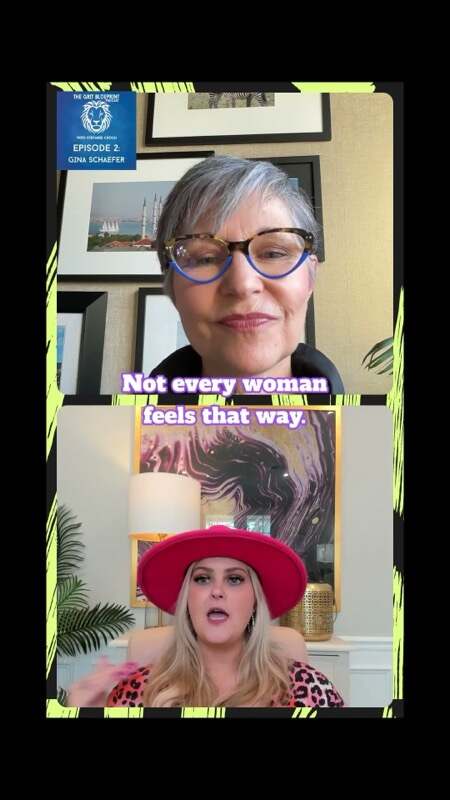
39:28 Stefanie Couch: Right. As much as I love the color pink, I choose to love it. Not every woman feels that way. And if, you know, safety equipment and all that, it should not only be pink, it should be yellow or whatever color in a woman's size. It's so much more than just the color of it. And
39:42 Gina Schaefer: yes,
39:43 Stefanie Couch: I think there's the huge conversation there. But again, the the need has to be there for the person to say, I'm gonna go spend 20 million dollars to re-dicast all of these tools in this size, or or do we go do the research to figure out is there something in between that works for both? I mean, how do you
40:03 Gina Schaefer: this is so let what here's a couple examples that wouldn't cost millions of dollars. So, well, I don't know if this is fair. One of them is a cell phone company that has designed its cell phone for the average hand span of a man, which is about seven and a half inches for a man. And so, women, it's been documented finally when people started talking about it and researching it, we're getting carpal tunnels more often, hand injuries more often, dropping the phones more often, because it was not built for the average female's hand, even though 50% of the cell phone company's customers are clearly women.
40:38 Stefanie Couch: Um,
40:39 Gina Schaefer: I think it so they have the money. It it makes sense for them to afford to do it. I think there are hand tool companies, same thing. Customers coming in to buy hammers from my store are 50% women. They don't need a hammer they can't lift or that has a grip that that's not formulated for our hands. 50% of the customers are buying them, but we are, you know, 5% of the budget that that company would use to develop to develop new tools. And so um, yeah, I think some of it's a reality with budgeting, some of it is an excuse.
41:11 Gina Schaefer: Um, but I think the awareness is really what this book drove home for me. Just knowing that
41:17 Stefanie Couch: actually this pisses you off when you read that book.
41:19 Gina Schaefer: I would, you know, have you read it? Honestly, I thought
41:23 Stefanie Couch: while I've been doing research, actually bought like the summary version of it to get the statistics out of it. Yeah, angry, real angry after that
41:32 Gina Schaefer: book. So I it was my book club's last book, and I I started it and I emailed the gals. It was it's an all-female book club, and I emailed them and I said, I'm so mad at this book that I'm not gonna finish it. And then I was like, shit, I gotta finish it. Excuse my French. And so I I didn't get all the way to the end.
41:48 Stefanie Couch: Yeah,
41:48 Gina Schaefer: but I got to the book club conversation and I said, ladies, I didn't finish what I'm going to, because I assume that she ends on a silver lining. And the gal sitting next to me was like, Oh no, it still sucked at the end. You're still mad when it's finished. So I'm like, What?
42:02 Stefanie Couch: Yeah, and when you go down like the medical research that's not done, and
42:06 Gina Schaefer: oh
42:06 Stefanie Couch: it's just yeah,
42:08 Gina Schaefer: people
42:08 Stefanie Couch: that's a whole nother podcast episode. Like we said, it's it's really, but there has to be again, we have we cannot solve, we can't boil boil the whole ocean. We have to solve some problems. What affects the most women that could be the biggest grab to get people to actually come in the industry to work here, to to thrive here. For me, I think a lot of it is that um development side. How do you teach people in a way that allows them to grow and thrive without burning them out of the industry?
42:39 Stefanie Couch: Like it's such a big hill to climb to learn those things that are real industry specifics. And that's not just a female problem, that's a generational thing, all of those. I think that's the biggest hindrance to me is when you come in and you have such a big thing that you have to do as far as the learning and the development of these skills, and there's no real way to get them without time, but you don't have time.
43:02 Gina Schaefer: Right. Right.
43:03 Stefanie Couch: What do you do? So you to me, it's like you have to squish the time and make it more um advantageous for somebody to say, here's this training program. But it's just really hard because I I've got asked that a lot. Well, how do you know what you know? Well, God, I started doing it when I was five years old.
43:19 Gina Schaefer: Right. I
43:19 Stefanie Couch: mean, but do you
43:20 Gina Schaefer: do you think that that's I mean, all industries have require skills that might take a long time to learn. I mean, to become an HR, uh an HR expert, to become a marketing, to understand social media and its ramifications, like plenty of women go into those industries and there are nuances and education requirements and technical aspects.
43:41 Stefanie Couch: I think the information's a little bit easier to find in certain. I'm not saying it's easy to find, but like there, I guess you can YouTube some of this stuff, but there's just not like if you wanted to go to any executive education program or any college program in the world, you could learn about HR or whatever at some extent, and then some of it's on the Job training, and we all know that that's more valuable than anything else.
44:02 Gina Schaefer: Right.
44:03 Stefanie Couch: But like some of this nuanced stuff in the industry, like there is really nothing. And so, how do you you can't YouTube like, okay, how do I be the most successful inside salesperson indoors in the Atlanta market? I mean, I don't know what would come outside Google Bap. It's probably something maybe, but is it going to be valuable information? And then what if it's actually wrong and then you learn the whole wrong way? And
44:23 Gina Schaefer: that's part
44:23 Stefanie Couch: of the problem that we had before. It's mystery.
Competing in a Male-Dominated Industry
44:26 Gina Schaefer: I think we just we need to make sure that we don't fall into the trap that we think that the industry is so special or so specific that we're putting up new roadblocks or some sort of invisible roadblock, particularly for women, to break in. Because so I'm often asked how I've competed in a male-dominated industry. And my answer is they're all male-dominated. They either historically were or they still are. So stop trying to like, how did I compete? I put my boots on and I went to work every slipping day and I worked my ass off.
44:55 Gina Schaefer: And I think
44:56 Stefanie Couch: you didn't quit.
44:57 Gina Schaefer: We didn't quit. That's it. We didn't quit. And we had lots of allies, both male and female, who answered the questions. But I also had the strength to put up with the people who were jerks. The men who walked into the store that said, Is there a man I can talk to?
45:08 Stefanie Couch: Yeah.
45:09 Gina Schaefer: The the leaders in the industry who said, I mean, I literally remember some industry professionals patting me on the freaking head. Like, I'm not a tall woman. You would never do that to a man no matter what his height was. And I was like those kinds of attitudes, I think, stop women who are less less strong, maybe. I mean, I'm just I'm just like gutsy. I don't know. I'm not saying that I'm any more special than anybody else, but we need to eliminate that attitude and those stereotypes.
45:41 Stefanie Couch: I think it's whether it's worth it or not for most women. Like for women that like a challenge, they're like, I will do this. No matter if they pat me on the head, I'm gonna just do this more. Like this because they patted me on the head. There's some women that are built with that. And then there's some, and this is not just a woman thing. There's some men that are built like that, and some men and women that are not. They're like, you know, I'm not fighting this hard for something that does for a place that doesn't want me.
46:06 Gina Schaefer: Right.
46:06 Stefanie Couch: And so and even the strongest people sometimes have that moment of like, why in the hell am I fighting so hard to be in a place that I'm so not
46:17 Gina Schaefer: wanting? It's exhausting.
46:18 Stefanie Couch: It is,
46:19 Gina Schaefer: yeah,
46:20 Stefanie Couch: yeah. And but then every time I feel that way, every time I felt that way, I remind myself that because I did some other woman can. And that's literally why I started building women, is because I said I don't ever want another female to come into a place like this and feel the way that I felt.
46:39 Gina Schaefer: Yep.
46:40 Stefanie Couch: And if I can for some one woman, two women, a thousand women, a million women make a difference in that, and then hopefully make a difference in the whole of how the men are are perceived perceiving that. And it's worth it to me. For one woman, it's worth it. And if I can do it on a broader scale with other amazing women like you and men that are gonna have to help, then it's really worth it. But
47:05 Gina Schaefer: yes,
47:06 Stefanie Couch: it's not easy, and but nothing in life really is easy. Like, and that's the thing is, you know, it's not just this is I don't want to get so into like a woman issue. Like any business is hard, just like you said, any career to be exceptional, world class at something is freaking hard. You have to dig deep to do it, but you cannot have the start of things be so hard for some generations, especially the ones coming in. If it's so hard the first 20 to 50 days or whatever that they quit,
47:36 Gina Schaefer: they'll go somewhere else.
47:37 Stefanie Couch: Exactly. And they'll go somewhere that is less hard to get to that like year mark. Um, because it can't be like a war every day at your employer and you want to keep going back.
June, the Chip on Her Shoulder
47:49 Gina Schaefer: Well, and unfortunately, I mean, I like to think that a lot of places aren't like this anymore, but all it takes is one person who's in a company who's saying something negative or who's derogatory or stereotypes. Um, you know, my folks in recovery heard this all the time. You're not worthy of a job. Why are you here? No one should hire you. Um, and I mean, that pissed me off too. Like, I didn't want people to be treated that way.
48:13 Stefanie Couch: Sure.
48:14 Gina Schaefer: Um or myself. Like I was giving I this is an aside, but I had the best engagement with an audience last year. It was a group of female auto body mechanics. And talk about, I mean, I think what they told me at this conference is that 3% of the population of auto body mechanics in our country are women. So it is a special group of ladies. Um, and I one of the things that I really think fueled me for so many years was a chip on my shoulder because nobody thought I could, not nobody, but there were there was a group that really didn't think I should run hardware stores.
48:45 Gina Schaefer: And so, you know, everybody names their cars. And so I thought this is gonna resonate with these this audience. I named the chip on my shoulder, and I had the best time in my brain, was like therapy for me, like thinking about
48:58 Stefanie Couch: I
48:58 Gina Schaefer: named her June. I don't know why, but I decided to name her
49:01 Stefanie Couch: June.
49:02 Gina Schaefer: Um, I don't know why. I don't know. Anyway, yeah, I love them. Um, I love the movie Benny and June, Benny and June and June. But I gave her a personality and I talked about
49:12 Stefanie Couch: ego. Yeah,
49:13 Gina Schaefer: yeah. And it resonated so much with this audience, I think because they name their cars, their customer names their cars,
49:20 Gina Schaefer: their
49:21 Gina Schaefer: customers talk about their cars' names, and I was like, this is June, and this is how the hell I have managed to build all these hardware stores and put up with the naysayers. And it's probably, I probably should say this. I mean, when I opened my first store, I had like a, I don't know, $500,000 loan. I had to be vocal and strong because I was gonna lose everything, including my house,
49:43 Stefanie Couch: yeah,
49:44 Gina Schaefer: if I wasn't a success. And so if that's not, you know, a good kick in the pants to be successful.
49:49 Stefanie Couch: I think when you have it all on the line, like you want to talk about grit. Um,
49:54 Gina Schaefer: yes, you
49:54 Stefanie Couch: know, that's pretty much what happened to me when I decided to go out on my own. Like I lost a job that I really hated, like it just wasn't gonna fit, had left another job, and I was tired, tired of the environment. I moved on, did not fit the next job. And I was like, I'm either gonna lose, I burned the boats. Like me and my husband both, we said we're burning the effing boats. Like,
50:14 Gina Schaefer: yep,
50:15 Stefanie Couch: it we're either gonna go all the way or we're gonna go all the way down. It's because if we go half in, we're gonna go down either way.
50:22 Gina Schaefer: Yeah. Yeah.
50:23 Stefanie Couch: To say that and then to do it and to live it is really freaking hard. And that's what entrepreneurship is to me, is it's you don't know if it's gonna work, and you're not sure if you can, but you're damn well gonna prove that you're gonna try every ounce that you have in you to make it work and to get to where we want to go. And it won't be easy, but it probably will be worth it, but you're still not 100% sure. And that's what entrepreneurship is every single day until like you have a massive exit, hopefully.
50:53 Stefanie Couch: And then you're like, oh wow, that did work, you know,
50:56 Gina Schaefer: worked out just twice.
50:57 Stefanie Couch: That's right. But that's like a long way out for most people. And I think it's it's really hard. People ask me a lot, they're like, Oh my god, I bet you just love having your own business. Like, you know, you get to do whatever you want to do. I'm like, I work seven days a week, like when you're
51:11 Gina Schaefer: all the time.
51:11 Stefanie Couch: Yeah, when you're like out watching your kids do whatever. I mean, I don't have kids, so that makes it a little easier for me to like be able to give everything to that. But when you're out watching the football game on a Saturday afternoon, I'm writing LinkedIn posts, or like when you're doing this, I'm doing that. You know, I'm meeting with a customer on a Sunday afternoon because it's the only time that he had free or whatever.
51:32 Gina Schaefer: Yeah,
51:32 Stefanie Couch: that's entrepreneurship. And I love it, and it's hard at the same time. So, for those of you who think you want to start your own business, my advice to you would be if you're really serious, like you really want to build something, do it. If you are doing it to get time freedom or to have more money, but not have to spend a lot of time or whatever that four-hour work week Tim Ferris book has told everybody that's read it. It's really good luck. Because that's some big BS for real.
52:02 Stefanie Couch: It could happen in its wildest dreams. You could also go scratch off a lottery ticket and win $10 million tomorrow, but it's
Bigger Is Not Easier, and Stepping Down as CEO
52:09 Gina Schaefer: exactly very unlikely. I remember I had a I had an entrepreneur, uh, he's a business owner in Michigan that I really respect. And he said to me one day, he's like, you know, the bigger you get, it doesn't get it doesn't get any easier.
52:20 Stefanie Couch: Yeah,
52:21 Gina Schaefer: I don't know if I ever thought that. I don't remember what he and I were talking was he and I were talking about, but you know, people think, oh, you get to five stores, you it's easier because I'm like, no, every problem is just times five.
52:32 Stefanie Couch: Like
52:33 Gina Schaefer: the the the strength, the my success was because I could handle that. But if you can't handle it times five, it doesn't get easier. With
52:42 Stefanie Couch: yeah, you
52:42 Gina Schaefer: know, I have 300 teammates now. It never got easier the more hundreds of teammates we had. And that's
52:48 Stefanie Couch: stronger yourself, and you get you're able to, it doesn't feel it's like lifting weights, you know. Like the five pounds used to feel heavy, but now the 10 pounds feel heavy.
52:56 Gina Schaefer: Yes,
52:56 Stefanie Couch: it's like what are you carrying? The load is heavier, but you're stronger, so you can push it easier.
53:01 Gina Schaefer: You've had practice,
53:02 Stefanie Couch: the load is still heavy,
53:04 Gina Schaefer: yes, yeah,
53:05 Stefanie Couch: it's still hard, you know. And
53:07 Gina Schaefer: yeah,
53:07 Stefanie Couch: especially like you said, the people aspect of it is tough because you you magnify everything and it just it's a lot on any person. So
53:16 Gina Schaefer: and
53:16 Stefanie Couch: then that's where the aspect of having a team underneath you, and then you know, a leadership team that's amazing that becomes so important. I think it's impossible to build a big business unless it's some weird off-the-wall SaaS model or something where you can just scale infinitely without people. But most businesses are exceptionally run. It's because of the people that are under the CEO and the leadership team making the magic happen
53:40 Gina Schaefer: and
53:40 Stefanie Couch: they're making the real business operate, and then that leader is able to go do the visionary stuff and the big picture stuff. But
53:46 Gina Schaefer: yeah,
53:46 Stefanie Couch: it's really hard to get to that level. And
53:48 Gina Schaefer: yeah,
53:48 Stefanie Couch: I'm living that I'm living it right now. So
53:51 Gina Schaefer: it's exciting.
53:52 Stefanie Couch: I'm in the trenches every day, and it's cool because we are building a team, but you know, it's it's hard. And I think that that's the thing is choose your hard. So, but again, if you're in a corporate environment and you think that you want to do something different, weigh entrepreneurship as an option, but also weigh other jobs because there are a lot of amazing companies out there where you can be kind of an intrapreneur, have that entrepreneurial spirit, but also have a W-2 paycheck that shows up no matter if you sell something tomorrow or not.
54:20 Gina Schaefer: Exactly. Yeah, it's a little, it's a little more. I have a friend who works at Target in a job like that, and he loves his job and he talks about it all the time because he gets to he gets to create and develop inside a larger corporation. Um, and it's people at your point is valid. You have to explore the options and you have to figure out why one option is better. And I think you have to remember that one option doesn't have to be forever.
54:43 Stefanie Couch: Sure.
54:43 Gina Schaefer: People, you know, I technically retired in in July. Um, so I'm still the majority sharehunter uh shareholder, but I am no longer the CEO of our company. And people have said to me, Oh my gosh, that's your baby. How did you, how did you give it up? Well, no one raises their kids for 50 years. I mean, that's not true. Some people do, but meaning, I feel like I I feel like it was time for a handoff. I didn't sign up for a life sentence just because I started a business that was successful.
55:11 Gina Schaefer: Does that mean I miss it? Or don't don't miss it. Yeah, no, I miss it every day. I miss the people, I miss the, I miss having an office to go to. Um, but that doesn't mean that it needs to be the rest of my life.
55:21 Stefanie Couch: Well, and you also have now opportunities to go do things like speaking and you know, leadership development for other people and helping other industry leaders and being on all these boards where you're having a wider impact than that 300 people and those walls and then those communities that they're serving. And that's huge, right? You that can't be that for the next generation, that's actually a way bigger impact for you, which is probably easier in some ways than managing day to day and also more difficult, I'm sure.
55:49 Gina Schaefer: Yeah,
55:50 Stefanie Couch: different.
55:50 Gina Schaefer: Yeah, it's um I'm still figuring it out. I mean, I um it's just been since July, which seems like forever, actually, at this point, but yeah, figuring out time management. I mean, it's been a whole different, um, a whole different journey for me, which has been really fun to try and figure out like how I manage my time better. And
56:08 Stefanie Couch: you know,
56:08 Gina Schaefer: I had a lot of structure in place as CEO meetings that were, you know, same thing every day, every week, every month. And all of that went away. I had an assistant that went away. I had someone in marketing who would do the LinkedIn post. And now it's me, and like, oh my god, I gotta do it all. Um
56:23 Stefanie Couch: when I left corporate, that was the biggest difference. It was like that CapEx budget that we had, where it's like, hey, we need this or that, or let's hire this person. It's like, oh, I need this. I guess I gotta figure out a way to either make more money to hire that person or I'll gotta do it.
56:36 Gina Schaefer: Do it. Oh my god, I'm trying to figure out how to do accounting. No, no, I've got some really lame spreadsheet that I'm trying to do accounting on and uh for the same reason.
56:48 Stefanie Couch: Just get QuickBooks.
56:50 Gina Schaefer: Oh my gosh. It's pretty my husband is our CFO, and he's like, You're gonna figure this out because this is, you know. Anyway, it's pretty funny.
56:57 Stefanie Couch: The first thing we did when we started our business, like, and we could afford it, was outsource bookkeeping and accounting because and tax stuff because it's like, if I'm gonna mess something up, it will not be taxed.
57:05 Gina Schaefer: It will not be taxed up. You do not want to mess that up.
57:10 Stefanie Couch: That was my number one priority is how do we make enough money to hire a bookkeeper? Yes,
57:14 Gina Schaefer: you're a very smart woman, Stefanie.
57:16 Stefanie Couch: Which is good because then I just told my husband, you're the CFO, they're the bookkeeper, keep me out of it like as much as possible. It's not my family's genius. I don't want to mess with that. So that's your your thing is like, how do you get to that low to the next thing where you just can outsource whatever? It's that's my as an entrepreneur, is how do I do that every day?
57:36 Gina Schaefer: Very smart.
57:37 Stefanie Couch: Yes. Well, the last question, I've loved this discussion so much. Um, I think we could talk for like 10 hours. So we need to do this in person, it would be even more fun.
57:45 Gina Schaefer: That would be fun.
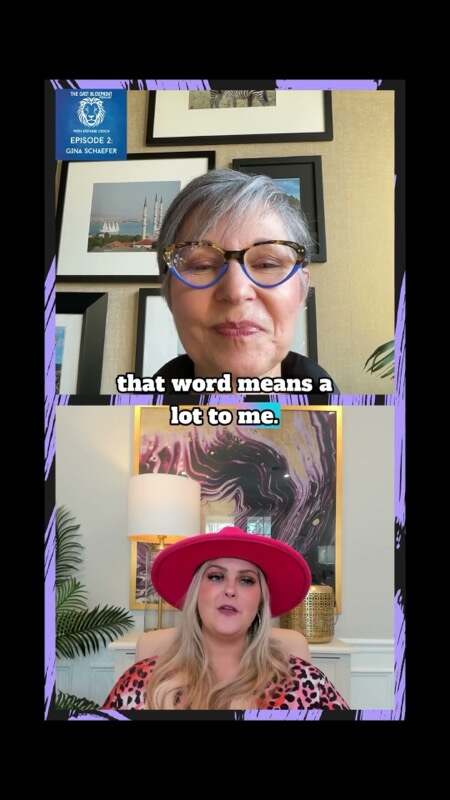
57:46 Stefanie Couch: The last question I ask everyone is what is grit to you? This is called the grit blueprint, and that word means a lot to me. We talked a little bit about it, but in your life, how have you used grit to be successful?
58:00 Gina Schaefer: I mean, if I haven't already given a million examples, right? And starting a hardware business in an urban area in a neighborhood that was boarded up was the beginning of, I didn't call it grit at the time, but in in the sense that you're asking, I think that's probably the best example. And then figuring out how to duplicate it, uh, not just being in one location for the rest of my career, but how to take what we were building to other neighborhoods so that we could provide more jobs, that we could have a bigger voice
58:26 Gina Schaefer: um
58:26 Gina Schaefer: and make a bigger, big, bigger impact. Um it
58:29 Stefanie Couch: feels like grit is June. Like June is
58:32 Gina Schaefer: she's right here. Can you see her?
58:34 Stefanie Couch: Yeah, you know, Beyonce has Sasha Fearis, you have June. It's very much the same thing. And I have I have the same type of thing. And it's funny, my husband actually we call him uh we call him Dan because people accidentally, his name is Ben. For some reason, when he says like in a drive-thru, my name is Ben, they'll put Dan on there. But we actually name that as his new ultra ego. So when he's like getting his entrepreneur, like, I'm not gonna take BS from people, which is not his normal personality.
59:01 Stefanie Couch: We just say Dan's here today. And I love Dan, except when Dan's used to kiss me, and then Dan's. I'm like, where's my husband? But that's it, you have to do that, right? You gotta dig deep and you gotta find the thing that makes you be able to keep going, especially when tough. So
59:18 Gina Schaefer: yeah,
59:18 Stefanie Couch: I love this discussion. I can't wait to talk to you again. Thank you so much for joining me on the grit blueprint and check out our next episode. Gina, if you are not connected with Gina on LinkedIn, she is on LinkedIn all the time, and I know she has speaking uh opportunities. So if you'd like her to speak, please reach out to her. She's obviously an amazing woman in the industry. So thank you so much. I really appreciate you being on today.
59:40 Gina Schaefer: Thank you for having me.