Click any timestamp to jump to that moment in the video.
Can a First-Timer Really Build a Hardware Store Empire?
0:00 Gina Schaefer: I was working 18 hours a day. I didn't have a day off for months. I never thought it wasn't going to work. I used to say I was too dumb to think I could fail, and now I realize that wasn't being fair to myself. We had a community that was so excited to have anything. The neighborhood desperately needed it.
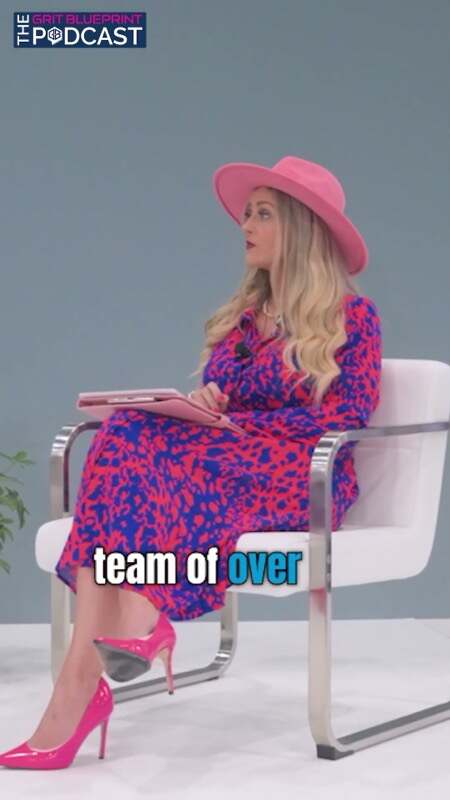
0:17 Stefanie Couch: When people think about Gina Schaefer, they think about your book, Recovery Hardware. You built a team of over 300 teammates, and a lot of them came from the recovery community.
0:27 Gina Schaefer: My very first teammate had been in prison for 17 years. This was before I could afford to have a big team, and they just kept showing up and showing me what it was like to be a hard worker. If you can excel in any company, you can run your own business using the skills you learned. People ask, how can you be a woman in the hardware industry? I was a woman in the tech industry, and I learned skills that I transferred to hardware. We can do whatever we want in any industry. Think about the skills you've learned elsewhere that you can take to the next role.
Welcome to the Grit Blueprint Podcast
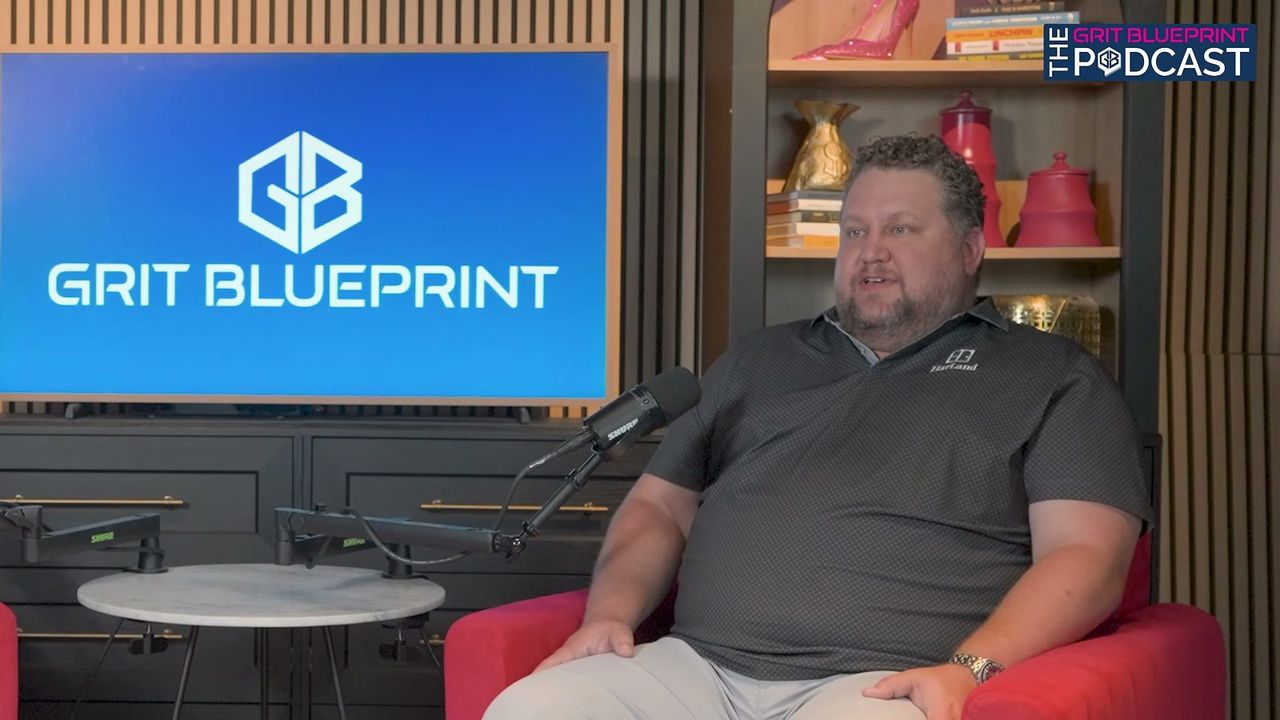
0:57 Stefanie Couch: Welcome to the Grit Blueprint Podcast. I'm your host, Stefanie Couch. This is a spot where leaders talk about the stories, strategies, and systems that win in the building industry. We unpack how leaders and brands build their reputations and become unmistakable. Welcome to the stage, Gina Schaefer.
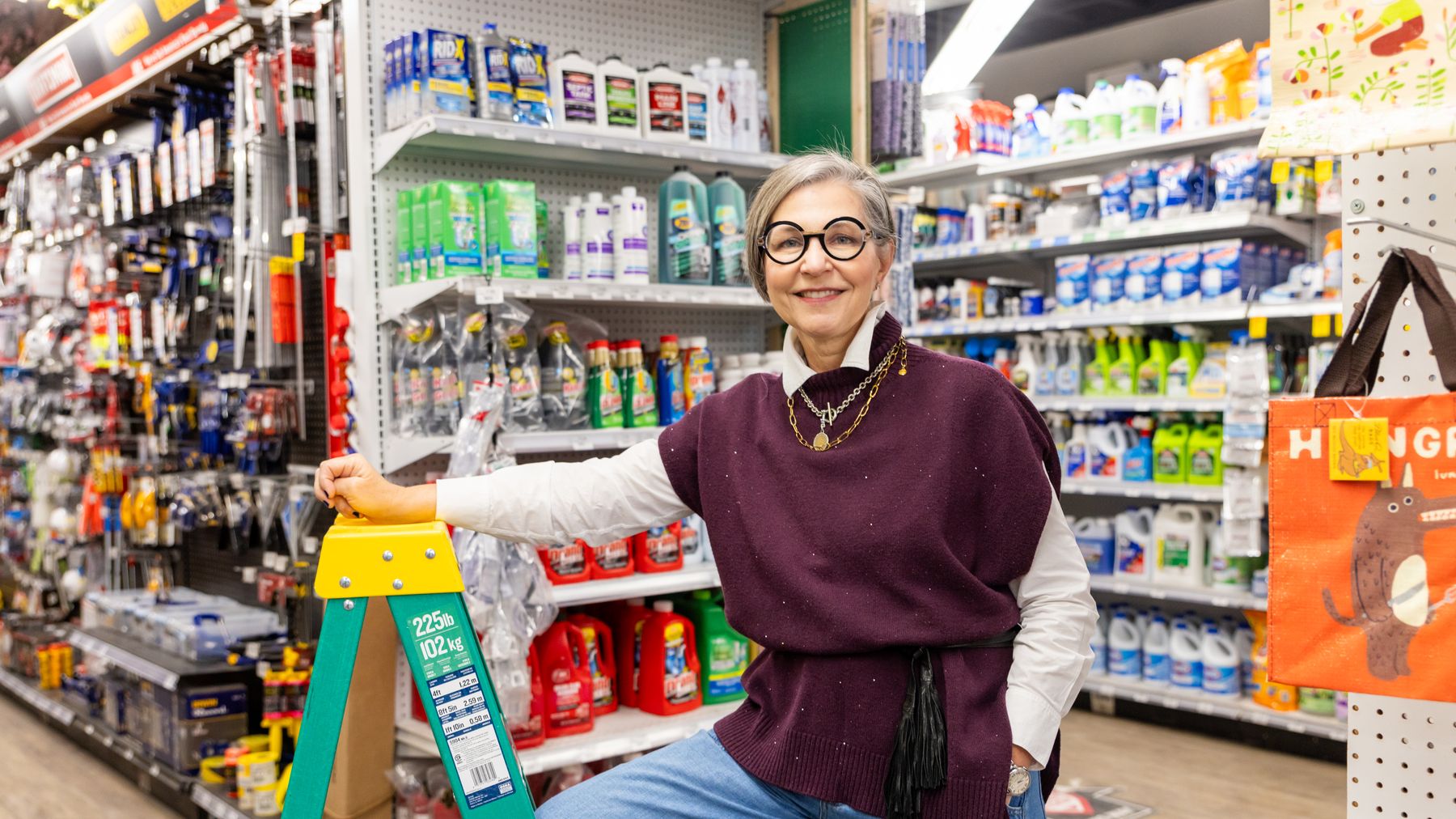
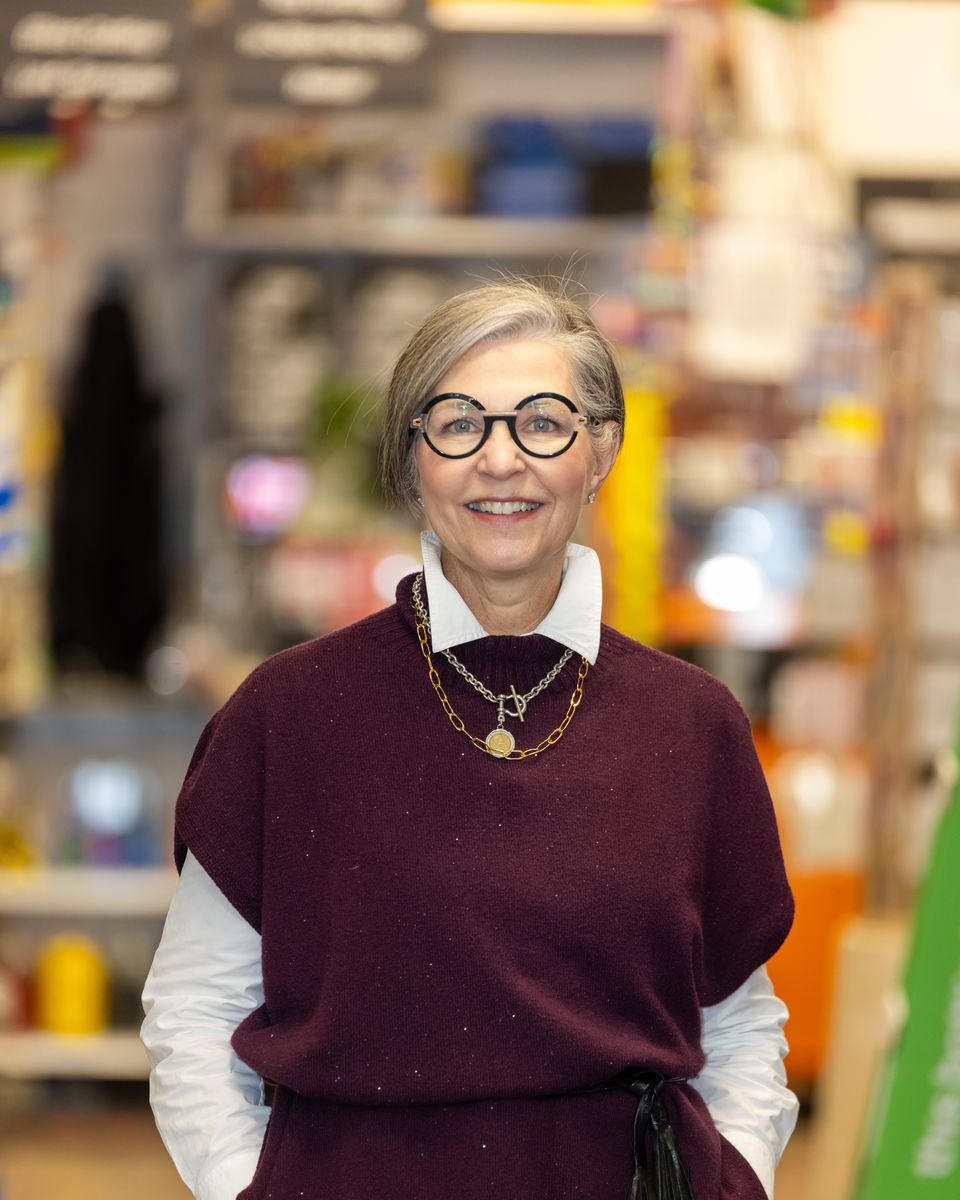
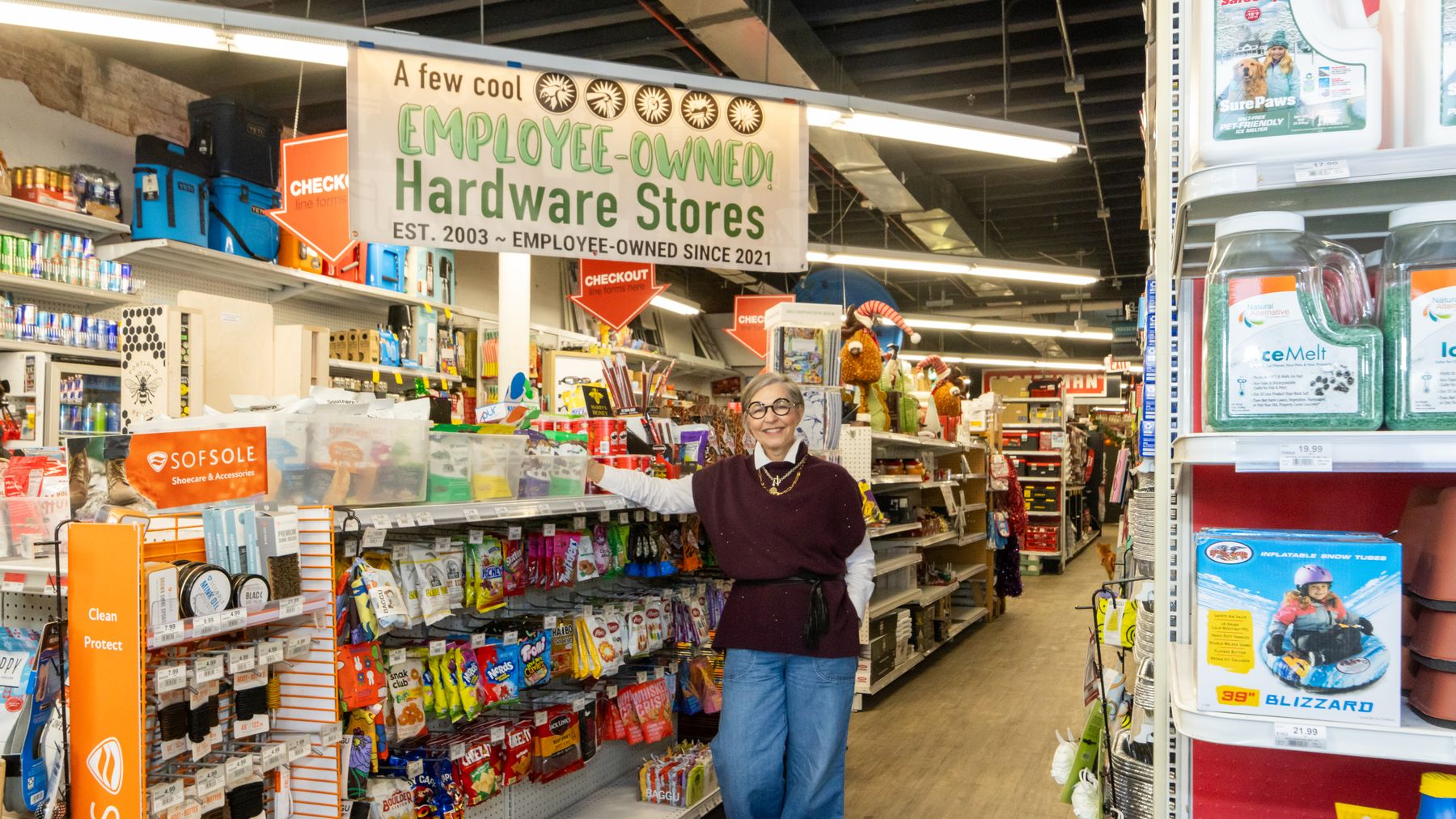
1:20 Stefanie Couch: I think you may be one of the more interesting women I've ever met, and I'm not just saying that because we're on stage. You started in 2003 after getting laid off three times in four years. You walked into a neighborhood in Washington, D.C. that no one believed in, a pretty rundown place, and you decided it would be the perfect place to open a hardware store. No one in the neighborhood, or even the company that eventually gave you the store, thought you could run it, but you proved them wrong. Two decades later, you have 14 hardware stores, about to be 15 by the end of the year, across DC, Baltimore, and Northern Virginia. It's a $55 million business, which is basically unheard of, and especially special for a woman who had no experience in hardware.
2:10 Stefanie Couch: You also created a remarkable environment for your employees. You sold the business to them a few years ago as an ESOP, and 130 of them own it. You're an author, a speaker, a world traveler, and an amazing friend, and she did not pay me to say any of this. This is my friend Gina Schaefer. I've interviewed you a few times, and I always try to ask things I don't think you've been asked before. You came into this with no experience. You didn't know one 16-ounce hammer from another. You had a brand new husband who is now your business partner. And Ace Hardware said, on record, they didn't think you could do this. We do love Ace, and this was a long time ago. Most people would have decided, well, I guess I'll go do something else. What made you so certain that you were right and they were wrong?
Why She Knew She Could Open a Hardware Store With No Experience
3:18 Gina Schaefer: We need to throw in the fact that I also adopted a 175-pound dog, which is exactly what you need when you have a new husband and a new hardware store. Let's make it as hard as possible. The neighborhood had boarded-up houses and trash in the streets. I didn't want to get laid off again. I was in the tech industry, and I wasn't really suited for it. I had moved to a community in the middle of Washington, D.C. that had been destroyed by the riots when Martin Luther King was assassinated. That neighborhood fell apart, and for over 25 years it was dormant. The houses became boarded up, and it was full of beautiful Victorians built in the mid-1800s that screamed out for you to take the boards off and paint the walls. We might have postage-stamp yards, but they're beautiful. I moved there because it was the only place I could afford. What made me really think I could do it was that the neighborhood desperately needed it, and I needed a hardware store. A lot of us didn't have cars, and I like to joke that no one carries a gallon of paint for a mile. The closest hardware store was a mile away, and cabs wouldn't pick us up because the neighborhood was considered too rough.
4:40 Gina Schaefer: Was there ever a moment after you opened when I thought maybe they were right? I always tell the story that the day we opened, there was a line around the block and the cash register wouldn't stop humming. My husband says, you are so full of it. We did $750,000 that first year. There was no line out the door, and I was working 18 hours a day with no day off for months. But I never thought it wasn't going to work. Never. I used to say I was too dumb to think I could fail, and now I realize that wasn't fair to myself. We had a community that was so excited to have anything, and they were patient with our questions. Contractors would come in, and I'd say, you can't leave until you tell me what this does. YouTube started in 2006. I started my first business in 2003. I couldn't dial up a handyman to help me. No, I did not think I was going to fail.
Making Imperfect Urban Retail Spaces Work
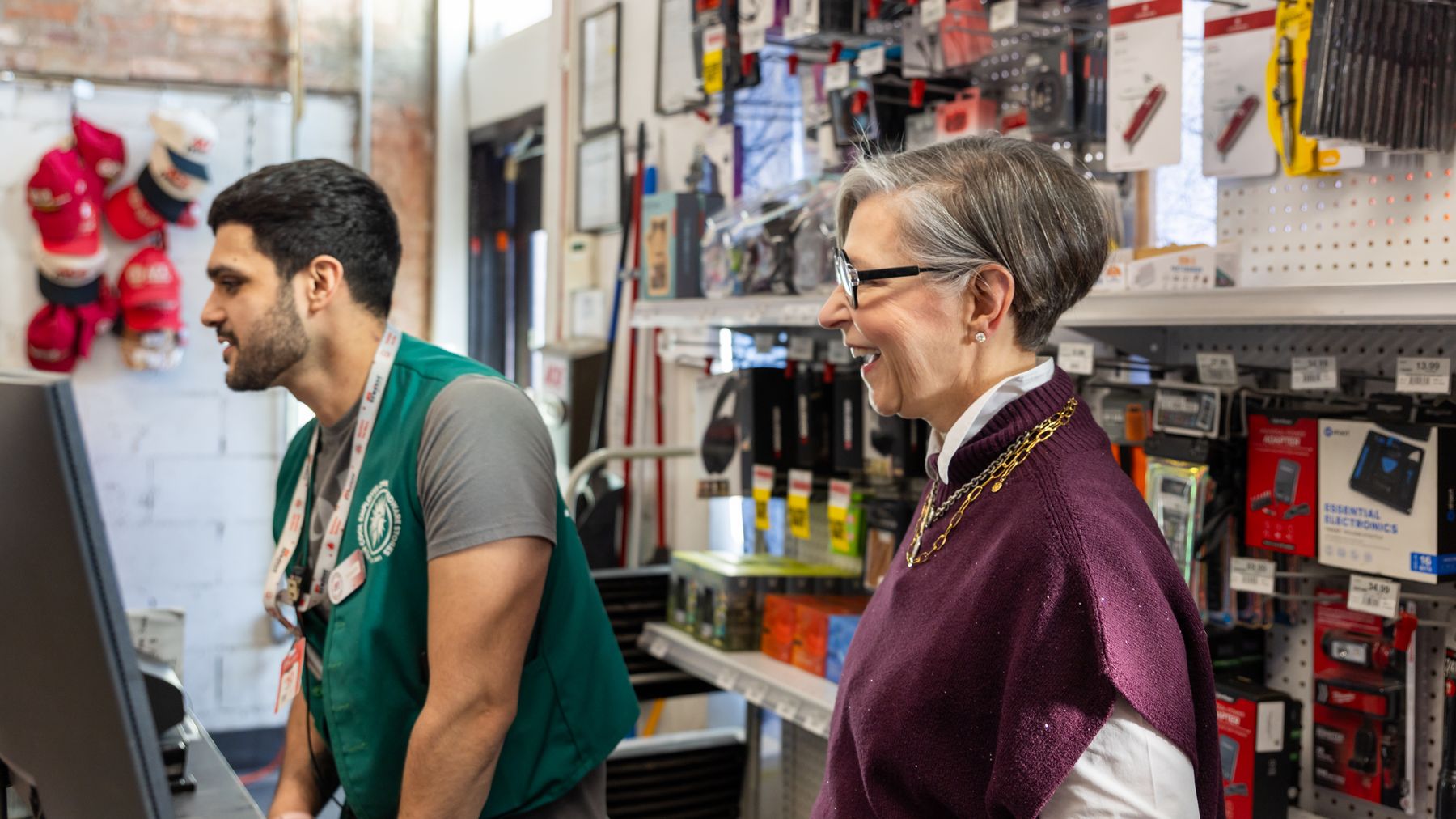
5:33 Stefanie Couch: She needed your channel when she opened. I love that. I went to your Logan Circle store in DC, and it's not like any traditional store I've been in. I'm just a girl from Georgia in a rural area, so an urban hardware store is a different experience. It was Christmas time, filled with people, with a really cool setup of Christmas trees. You have made constraints and imperfect spaces work. You've got a Christmas tree lot upstairs in the back that comes down the elevator. I'd never seen anything like it, and I even got to ring some people up, which was so much fun. Tell me about making imperfect places and imperfect spaces work for these stores.
How an Independent Hardware Store Adapts to Tight City Locations
6:32 Gina Schaefer: I didn't know any better when I opened that first location. The original Logan Hardware, which we've since moved, was 20 feet wide and 100 feet deep. We had no elevator, no storage, and no parking. When Ace doubted that was the place to open a store, they were right. It was the oddest location for a hardware store. We sold chain from the second floor and had to carry 50-gallon buckets. I remember dropping a bucket of chain on my foot once, and that was the day we decided you had to wear closed-toed shoes. It was ridiculous what we didn't know. But in urban settings, the main streets tend to be very old. The storefronts often look like houses, and they have to be adapted if you want that main street to stay a place where people want to live and build community. We've gone into multi-level buildings. I have two locations that are completely underground, and the 15th will be partially underground. They're really unique spaces. I was speaking to a group in Texas recently, and every retailer in the room had a parking lot. That's a luxury. We had to figure out how to adapt to meet our customers. Our trade area is about a quarter of a mile. If we could really take care of the customers within a quarter of a mile, it didn't matter if the building looked a little weird.
The Surprising Best-Selling Item in Her Hardware Stores
8:03 Stefanie Couch: You've made the niches work for the market you're in. When I first met you, I asked what your best-selling item was, and you told me. I use this story a lot because it's so unique. Your best-selling item is the SodaStream filter, the canisters for sparkling water. You sell about a million dollars of it a year. My dad's hardware store wouldn't even know what that was, but you're selling more of that than anything else. It's about finding the thing your customers want and giving it to them, and you've gone far and wide to find that. I want to talk about the pottery in Amsterdam. You decided you couldn't find what you wanted for your store, so you went and found it. Tell me about that journey and what you were looking for.
How to Source Products Your Customers Actually Want
9:05 Gina Schaefer: It started at the original location. A lot of the houses were Victorian and were being renovated to the Victorian era, and people wanted very specific decor, including pottery and patio furniture, which we weren't sourcing well. The complete opposite of that were the big, fancy, modern condos being built. They also wanted a very specific kind of outdoor decor and pottery. We were having a hard time sourcing it, so one year my buyers and I made it a mission to find two to four sources. Oddly enough, there's a pottery business in Pottstown, Pennsylvania that we fell in love with, and they've changed their entire business model to serve our pottery needs, which is really cool.
The Amsterdam Trip That Built a Pottery Business
9:51 Gina Schaefer: They store the things for us and ship us four times a year instead of once or twice. Then I had a vendor from Amsterdam, and I love to travel. This vendor said, we'll fly you to Amsterdam if you'll come look at our showroom. I said, sign me up, and I was on a plane two weeks later. Last year I think we bought about a half a million dollars of pottery from them. So we built a three or four million dollar pottery business in urban stores where our yards are postage stamps. People think, oh, you must not sell much pottery. Oh, we do.
Buyer Instincts on the Trade Show Floor
10:26 Stefanie Couch: That's amazing. You do a lot of cool things with Christmas decor as well. It's about finding things that are unique. When you're on a trade show floor looking at products, what are your instincts? What's catching your eye? What are you looking for, and what are you asking people?
Why She Runs a General Store, Not Just a Hardware Store
10:44 Gina Schaefer: We think of ourselves more as a general store now than a hardware store. We probably sell more candles and greeting cards than power tools, because that's what our market is looking for. We rent more power tools, because nobody wants to store a bunch of power tools in a small condo. So what we first look for are things that are fashion-forward, house-decor related, and trendy to some extent, and then after that the beefier hardware.
Building a Culture That Keeps Employees
11:18 Stefanie Couch: I spent a lot of money when I came in there last time, and it was not a good thing for me. She sends me things sometimes, usually hot pink because I love it so much: really cool planters and stickers. It's making it a place where everyone feels like they can go and buy something they love, and that's important. It may not just be tools and hardware; it's a different model. Talking about shifting from the norm, you've done that with your culture too. When people think about Gina Schaefer, if they know you, they think about your book, Recovery Hardware. You built a team of over 300 teammates, and a lot of them came from the recovery community. You now have 130 people who own part of the business. How do you build a culture that stands, that keeps employees, and what kind of leader do you have to be to do that?
Second Chance Hiring and the Story Behind Recovery Hardware
12:13 Gina Schaefer: My very first teammate had been in prison for 17 years, and I never asked him about it because I didn't think it was any of my business. My second teammate, who told me without being asked, was six weeks clean from a crystal meth addiction, so like a baby in the recovery community. Those two gentlemen showed up every single day and helped me build that first store. This was before my husband joined the business and before I could afford a big team. They kept showing up and showing me what it was like to be a hard worker. That started creating the core values that were useful no matter what your history or background was. We leveled the playing field from the very beginning, partially because we didn't know any better and partially because I had these two amazing first teachers. The book is called Recovery Hardware because people from the community started calling us that. They knew how many people in the store were in some sort of drug or alcohol recovery program. When we got that nickname, I realized it was a perfect name for a book and a perfect way to encapsulate the culture we were building: learning from non-traditional teachers, folks who might have needed another chance or never had a first chance. It was really important to me to build more stores and employ more people like that.
Being a Woman in the Hardware Industry
13:39 Stefanie Couch: This talk is about women in the industry, and we're both women in the industry who have been through a lot in our careers. You've mentioned that people walked into the store and asked for the man in charge. I'm sure that went over really well.
13:56 Gina Schaefer: Very well. My husband starts to sweat if someone asks him to do anything DIY related, so he's like, oh my goodness, don't ask for the man. Where's Gina?
14:07 Stefanie Couch: What did you do when people said that? You were constantly being overlooked and underestimated in that role, but you proved everyone wrong. It's still a very male-dominated space. What do you do with that as a woman in a space that maybe wasn't built for you?
How to Lead When You Are Underestimated
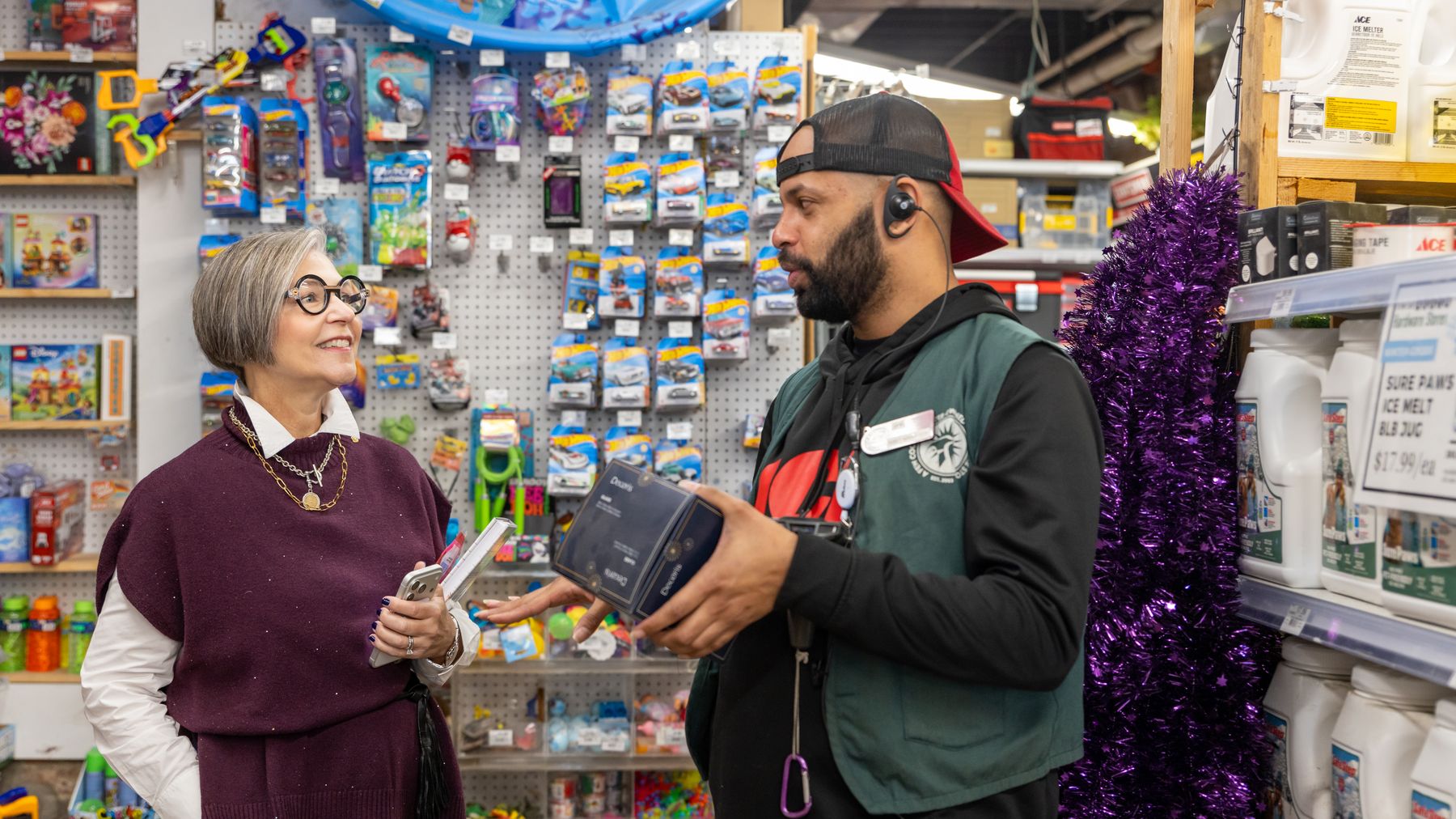
14:31 Gina Schaefer: First of all, I just never backed down, and most of us do. I'm sure I did when I was younger, but I had a lot of money on the line when I opened this business, and then I started hiring people whose livelihoods depended on it. I had a community that was excited about us being there. So me going home and crying because somebody wanted to talk to the guy in the plumbing aisle wasn't going to do any of us any good. The other thing that worked is that because we were hiring people who didn't have DIY or construction skills, we all had to learn together. The playing field was very level. Whether you were a kid coming out of high school, a woman changing careers, or me as a tech reject, we all learned together, which gave us the confidence to say, we know how to do this and we're going to show you, or we're going to find the answer.
What She Wishes She Knew When She Started
15:18 Stefanie Couch: When you think back to young Gina doing this, is there something you wish she had known that she didn't? There are probably a million things. What's one, the day you were signing on the dotted line in that little hardware store that wasn't supposed to work, when the building wasn't perfect, the timing wasn't perfect, and the neighborhood wasn't perfect? What would you wish that she had known?
15:43 Gina Schaefer: I would have said, good for you.
Why You Do Not Need All the Answers to Begin
15:46 Gina Schaefer: I think we learn things, and people think they need to be perfect or have all the answers when they get started. We never will. If you can just push through it, eventually the answers come, or you fail and have to try 14 times. My husband calls me a hurricane; you just push right through. I was 31 when I opened the first store, which isn't super young, but I think I learned things at the time I was meant to learn them. I didn't get overwhelmed. I can think back to a lot of things we did that I allowed to happen.
16:18 Stefanie Couch: But we lived, and I'm still here to tell the tale.
Surviving the Messy Middle of Business Growth
16:22 Stefanie Couch: You asked earlier about the messy middle. I feel like I'm in the messy middle, where there's success and there are failures. Every day you're on a high and then a low, sometimes within a minute of each other. What would you say about that?
16:42 Gina Schaefer: I say smooth sounds good for peanut butter, but not so much for business development. The messy middle was all of the growth. We opened the first store in 2003, the second in 2005, and then one a year for 10 years. A teammate once asked me, do you keep opening stores to fix your mistakes from the last time? Yes, I do. All of that middle part was trying to figure out how to make everything standard: how to create the policies and procedures and define the culture that you could take from one store to the next. My second store manager started as a part-time cashier and hadn't been in retail. My third store manager had been on house arrest for dealing drugs. How was I going to take these different people with varied backgrounds and have them help build this business? A lot of it was standardization. The messy middle for us was getting everything documented, following the documentation, and trying not to recreate the wheel every single day.
How to Systematize and Scale Across Many Locations
17:47 Stefanie Couch: Tell me about the tactics of systemization, because I've never asked you about that. How do you take 300 people and get a system into that many locations and make it work? And how important is technology in that?
18:03 Gina Schaefer: Let me give you an example from a cultural standpoint. The very first business coach we hired helped us define our core culture and core values. Then we systematized hiring, training, firing, and counseling based on those core values. That became a strong procedural part of the business. The cashier who went on to manage the second store lived those values. She understood what they meant. She could interview using them and counsel using them. We would try things out at the first location, get them documented, and then send them to the second. That doesn't mean they didn't have different iterations over the years, but we took the components. We also rely heavily on Ace. As our co-op partner, Ace has made scaling much easier.
How the Ace Hardware Co-op Helps Independents Scale
18:55 Stefanie Couch: Tell me what you mean by that.
18:58 Gina Schaefer: Some of it is financial incentives for opening new stores and inventory incentives for opening new stores. They run the back end of our e-commerce platform. I don't have the talent, the money, or the time to create those training programs or e-commerce platforms, and they do all of that for us.
Using Industry Resources Like NHPA to Train Your Team
19:19 Stefanie Couch: It's nice to have partners that have already tested and tried things, and resources like NHPA and other educational platforms that can help with training you just don't have time to do. There's so much you could be training on, and you don't have time to put together 17 different training programs for all of your stores. Use the resources around you; it's a big deal. Now, closing question. You've proved a lot of people wrong in a lot of ways and proven yourself to be an incredible woman. What would you say to the next woman who wants to do things similar to Gina Schaefer? What would you tell her today?
Advice for the Next Woman in the Building Industry
19:59 Gina Schaefer: Here's what I believe. If you can excel in any company, you can run your own business using the skills you learned, or grow in the business you're in using those skills. Being in the hardware industry has nothing to do with it. When people ask, how can you be a woman in the hardware industry, I say I was a woman in the tech industry and I learned skills that transferred, or I worked in nonprofits and those skills translated. We can do whatever we want in any industry. Think about the skills you've learned elsewhere that you can take to the next role.
20:44 Stefanie Couch: I love that.
20:45 Stefanie Couch: Thank you for joining me today. Y'all give Gina a round of applause. Thank you for listening to the Grit Blueprint Podcast. If this episode helped you think a little differently about how to show up, share it with someone in your building world who needs it. If you're ready to turn visibility into growth, head to gritblueprint.com to learn more and book a call to talk to us about your growth strategy. Until next time, stay unmistakable. gritblueprint.com