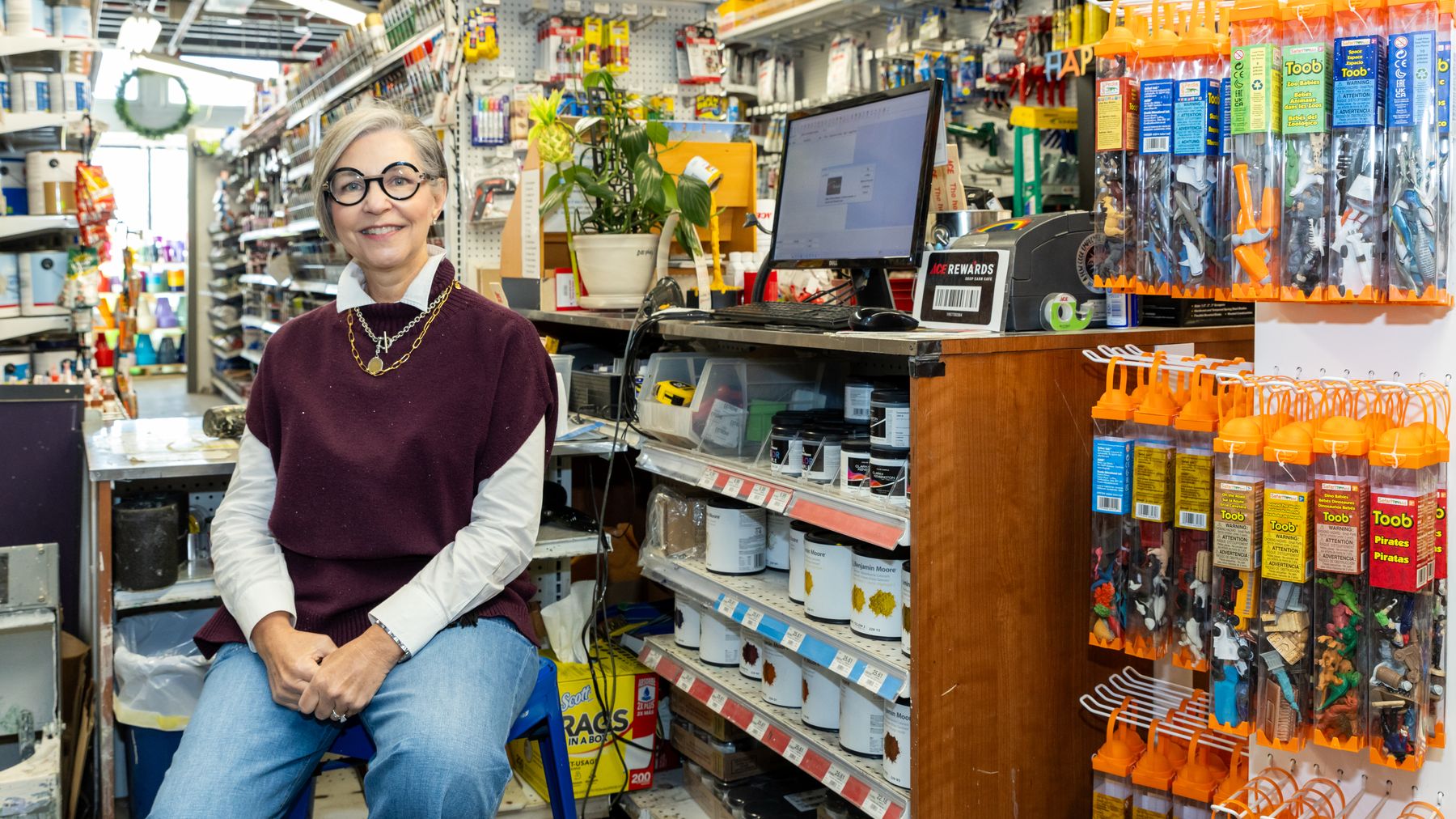
How an ESOP Works: One Hardware Owner Sold to Her Employees
Gina Schaefer built a group of hardware stores. Then she sold the company to the people who work in them. Here is how the sale worked, in her words, and what she says to do years before you sell.
For educational purposes only: general information, not legal, tax, financial or safety advice. Check your local codes and talk to a qualified professional before you act. Disclaimer
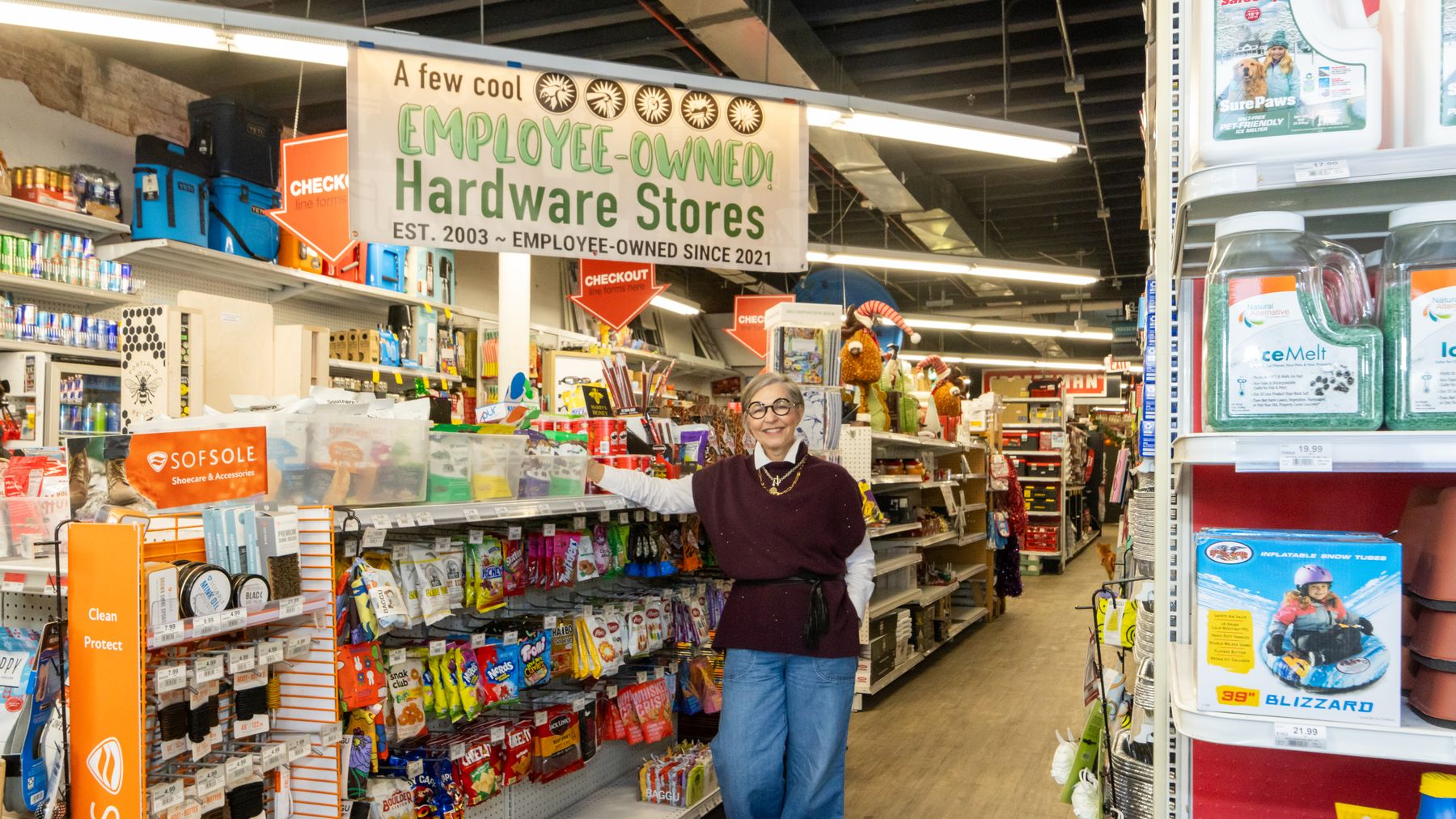
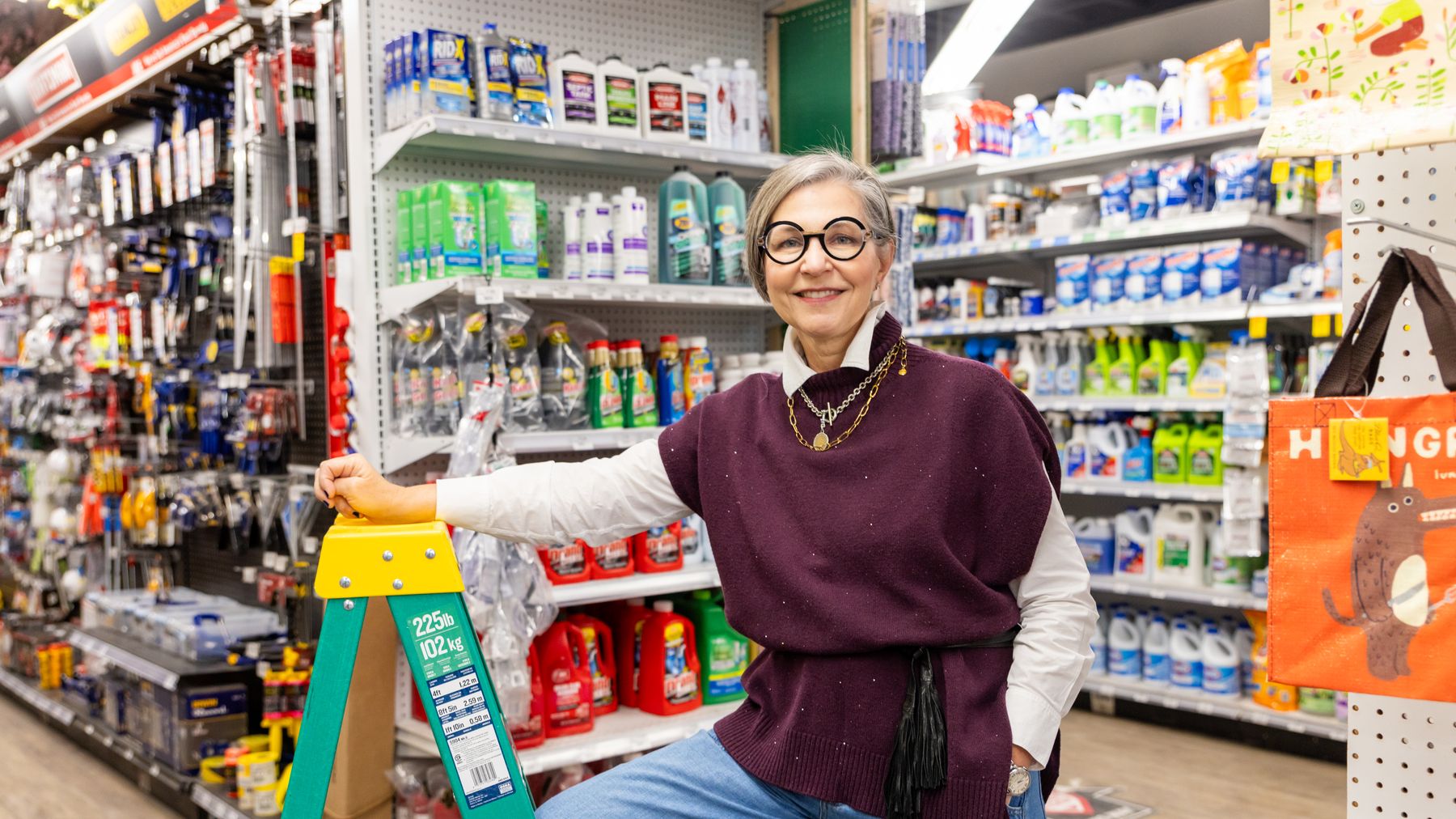
Gina Schaefer, founder and former CEO of A Few Cool Hardware Stores, sold the company to its employees. She did it through an ESOP, an employee stock ownership plan. In her account, a bank loan let the company buy 30% of the owners’ shares to start. She says the employees put in no money of their own.
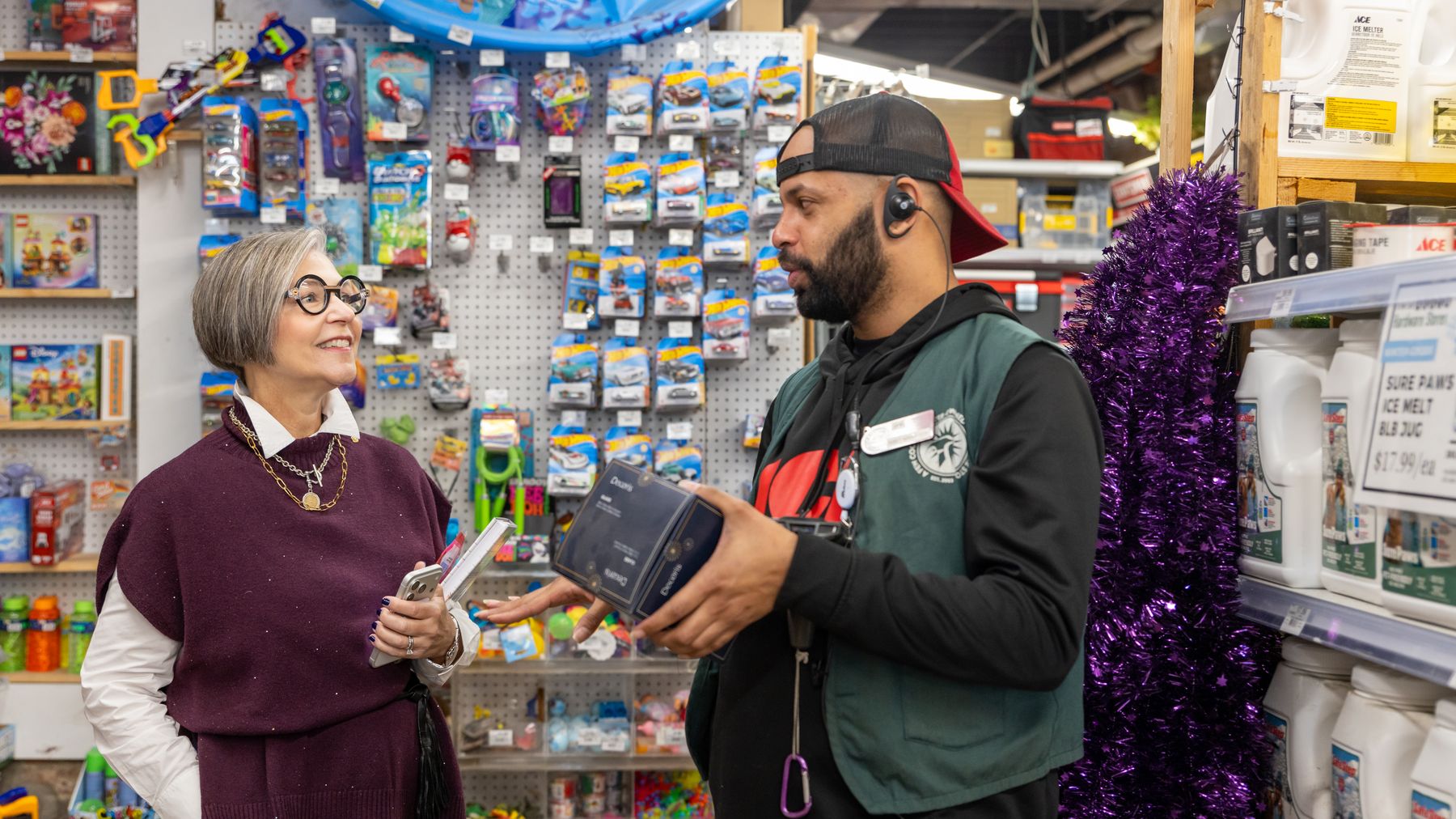
Schaefer opened one hardware store in the Logan Circle neighborhood of Washington, D.C., in 2003. Over the next two decades her company bought five stores, built 11 from scratch and closed two. She says it has about 300 teammates and about $55 million in revenue.
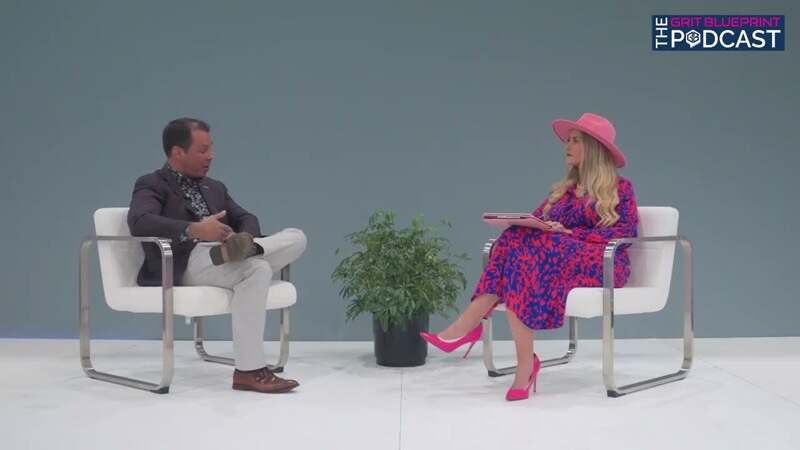
Schaefer explained how her ESOP works on the Grit Blueprint Podcast. That episode was recorded at the Do it Best and True Value market in Denver. What follows is one owner’s account of her own sale. It is not legal, tax or financial advice. Another company’s plan may work differently.
What is an employee stock ownership plan?
An ESOP is a way for employees to become owners of the company they work for. In Schaefer’s description, the company sets up a trust. A trust is a legal arrangement that holds something for someone else. The trust owns the business on behalf of the employees. She compares it to a 401(k), the retirement account many employers offer.
The idea reached her on a brewery tour in Fort Collins, Colorado. The young tour guide kept telling the group that she owned the brewery. Schaefer later called a man she had met on a panel. He had long experience with ESOPs. She asked him how a tour guide could own the brewery. “And the very first thing he said was, employees don’t put in any money,” she says (15:48). That, she says, settled it.
How does an ESOP pay the owner?
With borrowed money that the company pays back. If the employees put in no money, the seller still has to be paid. Schaefer describes the answer as “a big circle” (16:39).
- The owners got a loan from a bank.
- They loaned that money to the company.
- The company used it to pay the owners for their shares.
- The company is paying the loan back.
In her words: “I went to the bank, the bank gave us a loan, which we then loaned to the business to pay us out.”
“We sold 30% to start because it would have been too big of a nut for the business to handle,” she says (16:39).
The lender was National Cooperative Bank. Schaefer says she first chose it because it understood co-ops, the member-owned buying groups many independent hardware stores belong to. She later learned the bank was glad to fund an ESOP sale too. Not every bank understands this kind of sale, she says.
Who becomes an owner in an ESOP?
Schaefer explains how ownership works at A Few Cool Hardware Stores. An employee becomes an owner after working there for a year and 1,000 hours. There is a minimum age of 21. It is automatic. A letter from the CEO arrives welcoming them to the ownership team.
What they own is the value of the shares in their account. “It doesn’t change their management status, it doesn’t change their day-to-day pay,” Schaefer says (17:48).
Once a year the company pays for a professional valuation. That is an outside estimate of what the business is worth. It sets the share value until the next one, and it can go up or down.
Someone who quits, retires or is let go cannot stay an owner. So the company buys that person out. Schaefer hopes the money goes into another retirement account. It can also be taken out with penalties, as with a 401(k). She says that in the first three and a half years, the company paid more than $3 million to teammates who left.
Why owners rarely hear about it
Many owners sell with help from a business broker. That is a person paid to find a buyer and put the deal together. Schaefer’s view is that an ESOP often never comes up in that conversation. “But a broker won’t make a commission on it. And so they might not tell you about it,” she says (19:54). She added that she was not criticizing brokers. An owner should look at every option, she said.
She found her own consultant and her trustee at a conference run by the National Center for Employee Ownership. A trustee is the party that looks after the trust. She also pointed owners to The ESOP Association and to the Employee Ownership Expansion Network. That network supports nonprofit state centers that teach owners about employee ownership.
She has been the buyer, too
Schaefer has also been the buyer. Five of her stores came from owners who were ready to stop. One was Frager’s Hardware on Capitol Hill. Years earlier she had mailed its owner a handwritten card on his anniversary in business. They had never met. When he decided to sell, he called her and said he still had the note. He wrote the Frager’s name into the contract, and she was glad to keep it.
“When you decide you’re going to sell your business, you have to find a buyer that aligns with what the business is,” she says (4:42).
She used the same test for the person who replaced her as CEO. She asked the owner of a single hardware store. He already called her HR manager when he needed advice. Her team already knew him. “He wasn’t this nameless, faceless coming from the outside,” she says (23:50).
What she tells owners to start now
Schaefer began talking about leaving 13 years in. She started planning seriously at 15. She names three things an owner can start early.
- Keep a lifeline list. Write down your attorney, accountant, banker, financial planner and a business broker. Ask whether each one has the skills to help sell a business, and whether you trust them. “You might have the best attorney in the world for a slip and fall, but they might not be able to help you sell a business,” she says (12:14). Look at the list once a year.
- Learn your options. Schaefer says she knew nothing when she started. She had to learn what private equity is, meaning investment firms that buy companies.
- Line up three things. She calls them “your numbers, your visuals, and your humans” (26:13). Numbers means books a buyer can trust. Visuals means the store itself, because skipped renovations, old inventory and outdated software all show. She asks a peer group of other retailers to walk her stores. “I needed an outside set of eyes to tell me where I sucked,” she says (27:08).
Her reason for fixing things before a sale: “Buyers don’t want to visualize, they don’t want to use their imagination” (27:57). When she bought Frager’s, the store was working out of a temporary location after a fire. She says the owner knew it would cost about a million dollars to move back. So, she says, he took a million dollars off his price.

Sell to someone who wants your people too
Schaefer’s fit test works for any partnership: work with people who want to work with you. Say a buyer or successor wants the stores but not the people. That person will change what made the stores worth buying. An ESOP is one way to sell to people who already chose the business every day they showed up.
A buyer does not want to imagine what the store could be. So show the work. Show books that hold up and a store that looks cared for. Show a team that can run it without you.
Get outside eyes on it early. On the episode, Stefanie Couch, host of the Grit Blueprint Podcast, put the reason plainly: owners are “in your little bubble, you miss things” (27:38). Finding a problem during the sale costs more, as the Frager’s price showed.
What to do next
- Start a lifeline list today. Next to each name, write whether that person has helped sell a business before.
- Ask your accountant whether your books would hold up if a buyer read them tomorrow.
- Ask two or three owners you trust to walk your store and tell you what a buyer would see.
- Read the free material on employee ownership from the three groups named above. Then take your questions to your own attorney and accountant.
- Pick the year you want to be done and count back. Schaefer started planning seriously about five years ahead.
Next, read Why a Family Business Handoff Takes Five Years and Work On the Business, Not Just In It.
This interview was recorded for an episode sponsored by Do it Best Group.
Questions people ask
What is an ESOP?
An ESOP, or employee stock ownership plan, is a way for employees to own the company they work for. In Gina Schaefer’s description, a trust holds the shares for the employees, and she compares each person’s account to a 401(k). This is one owner’s account, not legal or tax advice.
Do employees pay to become owners in an ESOP?
Not in Schaefer’s plan. Employees put in no money. At her company, someone becomes an owner automatically after a year and 1,000 hours of work, at age 21 or older, and their pay and role stay the same.
How does the seller get paid in an ESOP?
Schaefer describes a circle: the owners borrowed from a bank, loaned the money to the company, and the company used it to buy their shares and now repays the loan. Her company sold 30% to start so the debt stayed manageable.
What happens to an employee’s ESOP shares when they leave?
The company buys them out at the value set by the yearly professional valuation. Schaefer hopes that money goes into another retirement account; it can also be cashed out with penalties, as with a 401(k).
When should a business owner start planning an exit?
Years ahead. Schaefer started talking about leaving 13 years in and planned seriously at 15, about five years before the sale. Start with a list of advisers who have helped sell a business and with books and a store a buyer can trust.
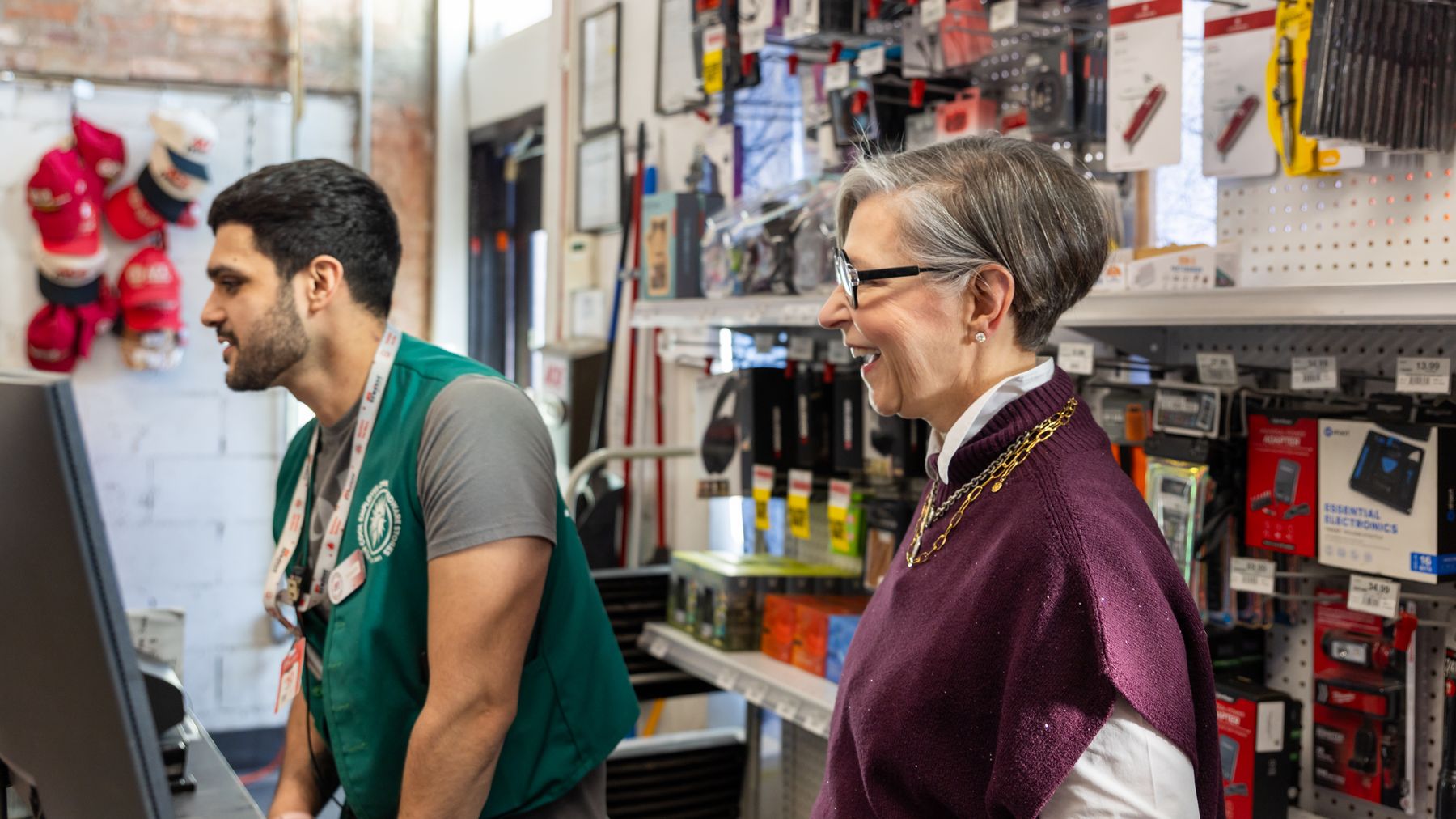
Watch the full interview
Exit Strategy Tips for Independent Retail Business Owners with Former Founder Gina Schaefer.
Gina Schaefer built a group of hardware stores to about $55 million in revenue. She sold it to her employees through an ESOP. She explains how that works and what an owner can do now to get ready to sell.
A Grit Guide original. This piece is built from our own interview.
Sources
- Exit Strategy Tips for Independent Retail Business Owners with Former Founder Gina Schaefer (Grit Blueprint Podcast interview with Gina Schaefer, founder and former CEO, A Few Cool Hardware Stores; quotes at 4:42, 12:14, 15:48, 16:39, 17:48, 19:54, 23:50, 26:13, 27:08 and 27:57 on the transcript clock) Grit Guide
- National Center for Employee Ownership
- The ESOP Association
- Employee Ownership Expansion Network (EOX)