Click any timestamp to jump to that moment in the video.
Opening: Grit And Relentless Mindset
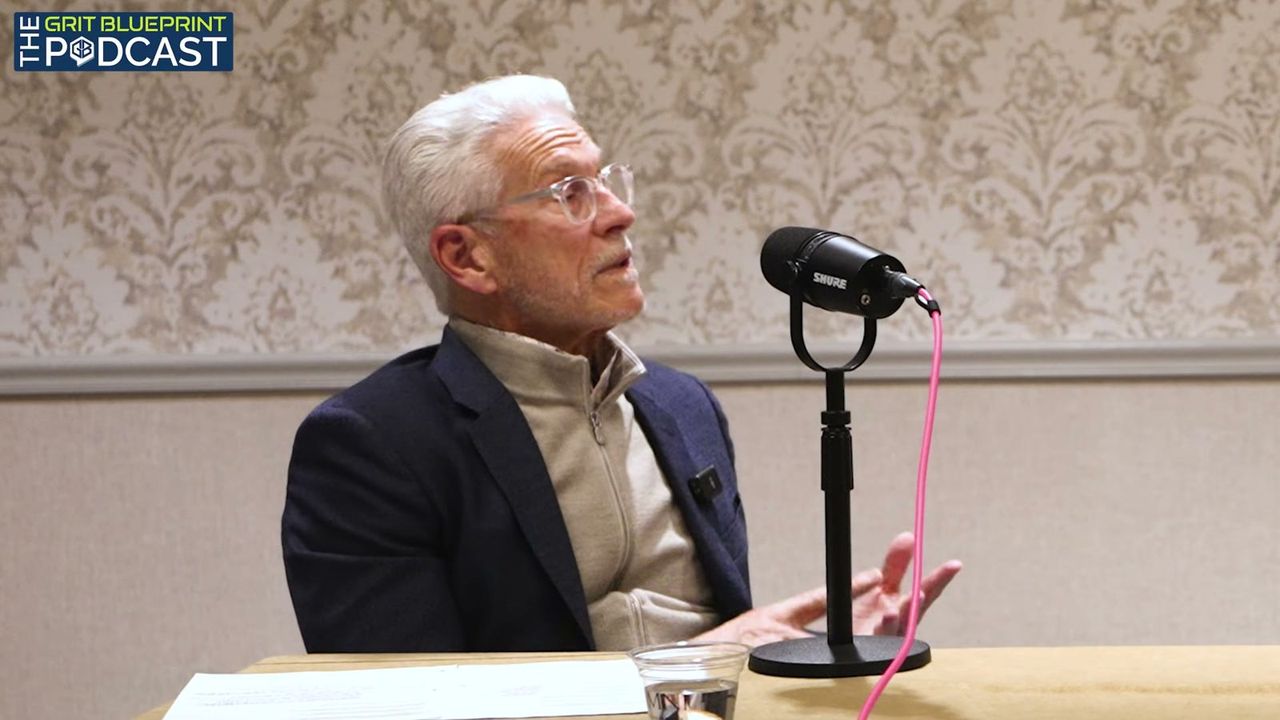
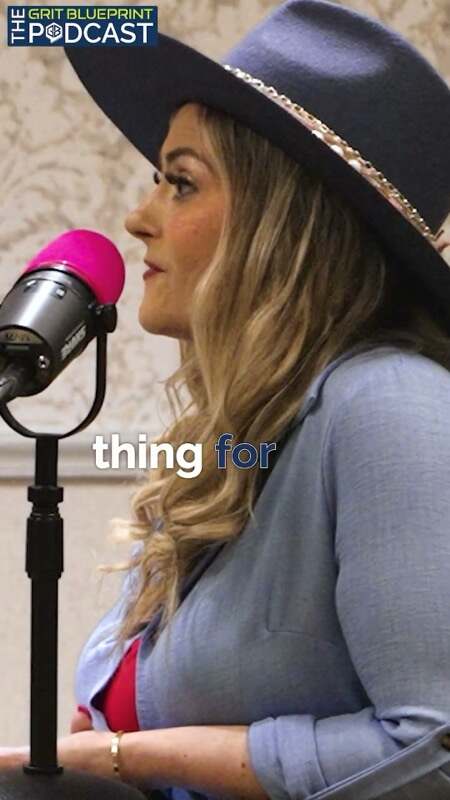
0:00 Stefanie Couch: If you refuse to quit, you know even if you fail short term that eventually you'll get there, that resilience that it takes. Those founders that are really successful, they have something inside of them that is relentless. And that is the thing that makes them be able to do the hard thing for the long amount of time.
0:00 Steve Tourek: I have gone into races where I thought, oh, please, just don't let us lose by a lot. And those were never good experiences. You have to go in there with the belief that you've done the training, you've done the disciplined work, you trust the people you're in the boat with, and it's not what other people think you can do, it's what you've prepared yourself to do and believe you can do. That's what truly meant.
0:08 Stefanie Couch: Welcome to the Grit Blueprint Podcast, the playbook for building unmistakable brands that grow, lead, and last in the built world. I'm Stephanie Couch, the founder of Grit Blueprint, and I'm a lifelong building industry insider. I was raised here, built my career here, and now my team and I help others win here. The truth is, you can be the best option in your space and still lose to someone else who simply shows up better and more consistently. Each week on the Grit Blueprint, I'm going to show you how to stand out, earn trust, and turn your brand into a competitive advantage that lasts.
0:51 Stefanie Couch: If you're ready to be seen, known, chosen, and become unmistakable, you're in the right place. Let's get started. Welcome to the Grit Blueprint Podcast. I'm your host, Stephanie Couch, and today I'm actually on site in Boston at the Window and Door Manufacturing Association conference. We're here and we are actually in the first day kicking it off. And I have a very special guest joining me today. We met in June at another conference. Steve, welcome to the show. You are a senior vice president at Marvin, and you have been there for a long time doing amazing things.
Show Intro And Guest Setup
1:30 Stefanie Couch: You're their general counsel and the secretary. You have a lot of jobs there.
1:34 Speaker 1: I do.
1:35 Stefanie Couch: And you are here at the board of directors meeting, and we we stole you away to come and interview with me. So thank you for spending some time and welcome to the show.
1:44 Steve Tourek: Well, thank you for rescuing me from uh a very long meeting.
1:48 Stefanie Couch: Well, you know. Sometimes you just want to come and do a podcast instead of a meeting, right?
1:52 Steve Tourek: Well, it's a first.
1:54 Stefanie Couch: Well, I met you and thought instantly your story was one of uh a very unique origin. I've talked to a lot of people in the window and door industry, and I know you have as well. But you actually started in a totally different career, and before that you had a very interesting beginning in college. So I want to tell me a little bit about the origin story of Steve.
2:16 Steve Tourek: It began a long time ago. Um, but I grew up in the I'm a early uh boomer, and I was born in 1948. So my dad played sports at Northwestern. That's where he met my mom. And so he got me into sports, and I was a football, basketball, baseball player. And like all kids my age, I aspired to a career in professional sport. Uh, managed to blow out my knee as a senior and rehabbed it. It was before ACL surgery, so I rehabbed it. I went to Dartmouth to play football.
Sports Injury And Discovering Rowing
2:59 Steve Tourek: I got recruited by Bob Blackman, uh, who was a very successful Ivy League coach with a very uh innovative offensive scheme. And I thought this would be great. And I re-injured my knee and I was in the hospital recovering, and I turned to the physician who was treating me. I said, I don't know what I'm gonna do. Uh sport has been an organizing principle in my life. Um and everything was either studying or practicing. And I said, I don't know what I'm gonna do. And he said, Have you ever heard about rowing?
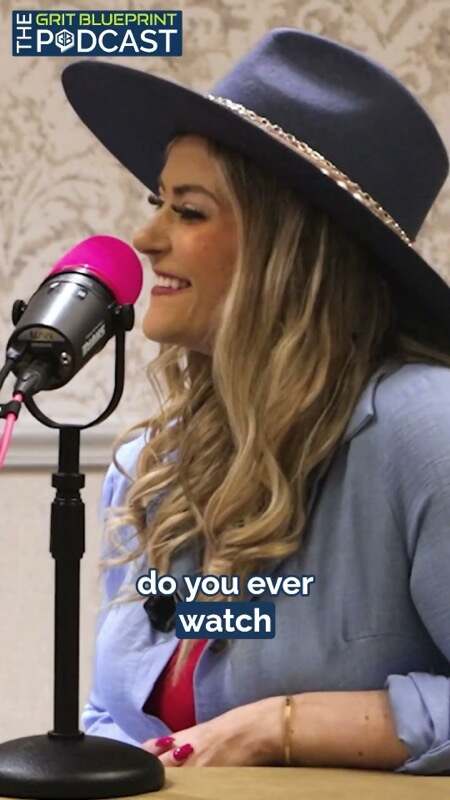
3:40 Steve Tourek: I said, What in the world is rowing? And he said, Well, do you ever watch the Olympics and you see the shells on the water with the long oars? And I said, Yeah, I think I've seen that. He said, You should go down. The coaches would love to talk to you because they're looking for athletes, and they generally cruise the basketball and football uh teams for people that either get cut or get injured, and then teach them how to roll because they have a competitive instinct and they'll take to it.
4:14 Stefanie Couch: I guess you don't really need your knees too much for that sport, huh?
4:18 Steve Tourek: No, you don't. You you need your thighs and your back and your arms, but you don't need your knees. And that was the start of something, and it was my first life lesson that in adversity there's opportunity.
4:34 Stefanie Couch: Also, I think a good point from that story is that you number one ask someone, and then you actually listen to what they said and took that advice and did something with it.
4:45 Steve Tourek: Actually, I now that you say it to me back back to me, um, I'm often accused of not being a good listener. So that if you ask my wife, she would tell you that that it's probably one of the few times I listened to someone else and actually acted on it.
5:02 Stefanie Couch: Yeah, that's really cool. So so you went, did you just like bebop down to the rowing coach and say, Here I am?
5:09 Steve Tourek: Yep. I walked through the woods down to the boathouse on the Connecticut River. Um, and they put me in a tank and said, This is how you row. And it was a very strange experience. And then they put us into clunker boats that were more stable and taught us to row together. And then they put us out in boats and they sort of tested us. And uh, long story short, I kind of navigated freshman heavyweight crew and captained that, and then went to the varsity as a sophomore and uh was there, and we lost every single race, and then we started winning, and we ended up uh doing well in the national championships.
6:00 Steve Tourek: Wow. If if anyone has seen Boys in the Boat, I've literally rode in that race where uh uh Washington and uh California were racing to determine who would go to the 1936 Olympics. Um and that race continues to this very day.
6:20 Stefanie Couch: That's really cool.
6:21 Steve Tourek: Yeah.
6:22 Stefanie Couch: You know, I I think there's something special about that competitive spirit that you're talking about. And, you know, Angela Druckworth talks about the higher achievers, I'll have this one trait of grit, which is happens to be why I name my business that, because I think it's the only way you can survive in business, is to have a lot of it, right? And resilience. But I've found in my life that athletes have this certain gear that a lot of people don't have, and we need that push.
6:50 Stefanie Couch: What do you learn in the times where you do stink, where you lose, where you don't come out champion and there's no victory song or trophy at the end?
From Losses To Excellence And Belief
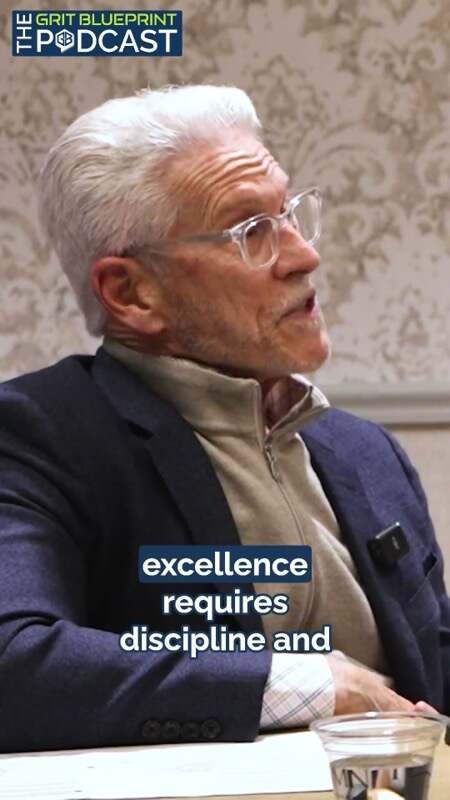
6:59 Steve Tourek: Um it hurts. Uh if you're truly competitive, you want to win. But what I gradually learned through lots of failure, um, I had a lot of athletic failure before I had athletic success. And I learned that if you focus on victory, it's the wrong goal. What you really want to focus on is excellence. And um, and generally, excellence requires discipline and hard work. And if you put that into it and you uh I love what Kobe Bryant said, trust the process, right? You've got to I'll go Ted Lasso on you, believe.
7:48 Steve Tourek: You have to believe in your team, you have to believe in yourself, you have to believe in the system that you're part of, and you have to believe that you will win. Right? I have gone into races where I thought, oh, please, just don't let us lose by a lot. And those were never good experiences. You have to go in there with the belief that you've done the training, you've done the disciplined work, you trust the people you're in the boat with.
8:22 Steve Tourek: And it's not what other people think you can do, it's what you've prepared yourself to do and believe you can do. That's what truly matters.
9:07 Stefanie Couch: Yeah. There's a saying I love and it keeps me going on a lot of the rough days. It's you can't fail if you won't quit. And I think that's the only thing that you know when you set out to do something that may seem impossible or or very difficult is that if you refuse to quit, you know, even if you fail short term that eventually you'll get there, that resilience that it takes. I'm sure that those many moments in that boat, I'm sure you reference back in your business world to those moments that um transfers pretty easily, I'm thinking.
9:40 Steve Tourek: Absolutely. Because it is leadership is about building teams and and teamwork. I can't think of a sport or an example uh more relevant to the concept of team than rolling. There is no you win a race or you lose a race as one, as a team. There's no individual standouts, um, there's no all-star team. Uh you are in it together, and you have to trust one another. Uh and you have to trust that you've done the training, you have the right strategy, and you're not going to quit.
10:30 Steve Tourek: You can't, because there's no halftime, there are no quarters. Once that race starts, you're in it for every single stroke as hard as you can.
10:38 Stefanie Couch: Technical question about rowing. Do you lead from the front or who's calling the shots, the front or the back?
10:44 Steve Tourek: Well, the bow is the direction that the boat is going. The stern, everyone is looking to the stern. So it's the only sport where you are seeing where you've been, but not where you're going. The only person, it is kind of crazy. The only person who sees is the coxswain who's steering the boat and giving the um signals. When I first started rowing, coxswains had little megaphones. By the time I was rowing in England and in international competition, uh the art or the science had advanced and they had microphones and we had little speakers underneath our seeds.
11:31 Steve Tourek: Um, but we would talk about um at various points in the race, you want to do a sprint, or you want to change your rhythm or your stroke, uh, or as you're powering through someone and overtaking them, um, you know, there's some gamesmanship that goes on as well.
Teamwork, Trust, And Rowing Strategy
11:53 Stefanie Couch: That's so cool. I now I need to go watch some rowing just to understand this a little more.
11:59 Steve Tourek: There's a lot of intricacies to it. It's the same way in the boat. When you said where does it start or who leads? Well, generally it's the two oarsmen in the stern of the boat because everyone who's sitting toward the bow behind them is watching their oar. And the whole point of rowing is to have everybody doing the right thing at the right moment together.
12:25 Stefanie Couch: All right. So you leave the U.S. and you go to a very prestigious place, which I believe rowing is a big, big deal there, right?
12:35 Steve Tourek: It is.
12:36 Stefanie Couch: So you went to Cambridge.
12:37 Steve Tourek: Yes.
12:38 Stefanie Couch: Tell me about your time there and some of the adventures you had while you were there.
12:42 Steve Tourek: Well, that was interesting. So I will say that anyone who rows, uh rowing in the boat race and competing in England is a bit of a a dream, right? When I was rowing for Dartmouth my senior year, uh, and actually my eldest son was born there, we competed in Henley Royal Regatta in the Grand Uh Challenge Cup. And so I spent two weeks in Henley on Thames uh training for the race and then running to find out if my son was going to be born or not.
13:23 Steve Tourek: Um so I got a taste for England, and I realized I was an ankle pile. I I love the country, I love the countryside. It's it's a wonderful place, and I learned that it's a wonderful place full of wonderful people. So fast forward to Cambridge, and I had gone to Yale Law School and took a year off and went to Dartmouth and was dean of the college, and then I decided it's time to get back to my legal career.
13:55 Steve Tourek: I uh applied to go to Cambridge and and uh was accepted there at Trinity College, and I showed up um and found out where the boathouse was and walked down and said I would like to try out for the crew. They have about 2,000 students will try out for the eight positions that row in the blue boat, which is the top boat against Oxford.
14:28 Steve Tourek: And I didn't know what was what I was really doing, other than I needed to try this. It was a dream of mine.
14:37 Stefanie Couch: Did you know the stakes? Did you know it was eight out of 2,000 when you heavens know?
14:42 Steve Tourek: And I was essentially a walk-on. I just showed up and said, uh, they said, Well, have you ever rode before? And I said, Yeah, at Dartmouth College. And then they went, Okay. And were you on the varsity or what? Yeah. And did you ever win race? Yes. You were second in the and then they started to look at me like I was a bit more interesting for their purposes. Um and then it is literally uh a season of rowing. You start training after a few college races, which I participated in and won.
15:30 Steve Tourek: And then you go into the blue boat competition to be selected, and that goes right through Christmas, and then you come back and they announce in the London Times the uh people who were selected to represent Cambridge, you get to go get your kit, right? Your blue, your Cambridge blue scarf and your sweater with your initials on it, and all the you know, the uh trappings of sport in England.
Cambridge Trials And The Boat Race
16:03 Stefanie Couch: Quite the fanfare. Uh was the queen there?
16:08 Steve Tourek: Uh I did not see her, but there were 300,000 of her citizens that watched us race.
16:15 Stefanie Couch: That's amazing.
16:16 Steve Tourek: Um, yeah, it was it's a four and a quarter mile course on the Thames. They call it the serpentine because it um it's like a snake. And uh which makes the race interesting because if you're on the inside of the bend, you have an advantage. In theory, there are multiple bends and they equal out, so it doesn't depend on which side you are. I would challenge that, but uh that would be ungracious of me, so I won't. But it was almost I would say my first experience doing it was a magical one.
16:54 Steve Tourek: Uh I didn't know what to expect. Everything was so foreign in in the best sense, like customs and traditions, and this is a race, this is the oldest collegiate sporting event in the world.
17:12 Stefanie Couch: Wow, it's so sacred.
17:14 Steve Tourek: Well, it is, and it's you can if you go through London at the time of the boat race, people will always pick Oxford or Cambridge, right? No one is indifferent to the outcome. Sure. It's like um Alabama and Georgia, okay?
17:30 Stefanie Couch: Or Alabama and Auburn's eight divorce. There are people that almost get divorced every year over that game in the state of Alabama.
17:37 Steve Tourek: Right.
17:38 Stefanie Couch: Yeah. You have to pick a side.
17:40 Steve Tourek: You have to pick a side. So that it's it is a sporting event for sure, but it's almost um an institution. It's almost achieved the status of a British institution. And that's why they can get 300,000 people will turn up in person to line the four and a quarter mile course to watch the race.
18:05 Stefanie Couch: There's so much power in tradition and history, and we all have this sense of nostalgia for certain things, uh, you know, a patriotism a lot of times. We're actually in the oldest hotel in the US, which I didn't realize until we checked in.
18:20 Steve Tourek: I believe it.
18:21 Stefanie Couch: And it is uh really interesting, though, to think about all the things that these streets in this hotel have seen. And it's the same thing with that race. Think about all the people that have sat in those boats and where they ended up and how their stories impacted the world and how many people watched those that it impacted their life. I just think it's interesting because history tells us so much about what has been, but also I think it does dictate a lot of our future.
18:46 Stefanie Couch: And uh those stories like that mean a lot to people and that history of the things you love growing up or your town loves. It's really a cool thing you were a part of.
18:57 Steve Tourek: I was really lucky, very fortunate.
19:00 Stefanie Couch: At the end, did you did you rise victoriously?
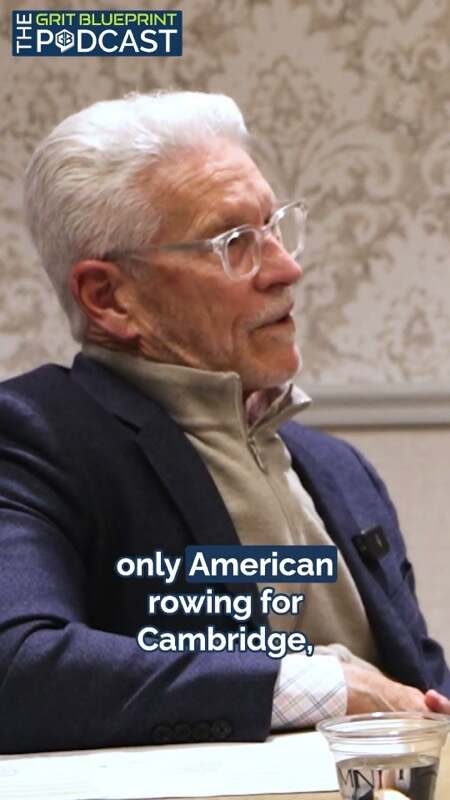
19:03 Steve Tourek: Yes, it was interesting. We were the underdog. Um, and there was an American rowing for Oxford, um, and I was the only American rowing for Cambridge. So the media made a deal out of that. And long story short, we won the race by 13 and three-quarter lengths, which is a thumpin'.
19:28 Speaker 1: Yeah.
19:28 Steve Tourek: Uh we had very severe weather, um, and we had a better strategy and did a better job of rowing under difficult conditions than they did, and managed to emerge victorious, and it was wonderful. Uh then I worked on a thesis the next year and didn't row competitively for Cambridge, but I did uh row with some Cambridge oarsmen and went back to Henley and actually won a race there.
19:59 Speaker 1: Wow.
20:00 Steve Tourek: The former prime minister awarded us medals at the end of it, so we had that experience, and then I was asked to be the captain or the president of uh the Cambridge Boat Club. I was the only American to ever have that honor. And it's uh it wasn't as magical as my first year because everything was new and a surprise.
20:29 Steve Tourek: Being president, you it's a combination of a player coach, a captain, a PR spokesperson, um a uh you pick the coaches, you pick the equipment, you're the front person, right? And it was just a lot of hard work, a lot of adversity. I had a second knee injury that happened off the water. So I had to have surgery and recover from it to get back into the boat that I was leading. Um, and we ended up we won again. Um this time it was a closer race, like three and a three-quarter lengths.
21:17 Steve Tourek: Um, still a pretty sound victory, but so I was two for two. And that was um that one felt like when I crossed the finish line, it felt more like a sense of relief than a sense of wonder.
21:33 Stefanie Couch: Yeah, yeah, it sounds like that first year was pure joy. You know, one thing that I I think is interesting about the whole story is just the fact that you took a chance on something. You're first of all, you were bold enough to just walk up to someone with a little bit of ignorance of not knowing it's eight out of 2,000, which may have worked in your favor of your boldness, but I don't think that would have changed your your decision or your ability to go do that.
Leadership Lessons From Winning And Adversity
21:59 Stefanie Couch: I don't think it would have. If you had known the odds, would you have still gone?
22:03 Steve Tourek: Yeah. Yeah. Because I had, I mean, it was a part of the reason that I chose to apply to Cambridge is to take that shot.
22:15 Stefanie Couch: Do you feel like you have a sense in your life of why not me, that you can do anything if you really work hard enough?
22:22 Steve Tourek: I do. I uh and I think I came out of my my formative years, you know. I think from the time you're born to the time you're early 20s, you are learning and preparing for life and developing a working philosophy of life. Uh I I'm not one of those people that is really big about goal setting or I'm gonna do this by the time I'm 25 and this by the time I'm 30, and everything is pushing in that way. I grew up in a home where I was taught that if you treat people well, um be kind and be gracious, uh, and work hard, always trying to achieve excellence, to be the best that you can be.
23:26 Steve Tourek: Um, good things will happen. And I've I've tried to live my life that way. And generally it's led me to have the experiences um and to develop the relationships that I have over that over that time. And I I don't know any better, and I couldn't imagine it doing it any other way.
23:48 Stefanie Couch: Yeah, I think it's definitely an intrinsic part of your your persona, is that you are just a very resilient person that will figure out how to do it, and that's such a great trait to have.
24:00 Steve Tourek: Later in life, I started reading some of the stoic philosophers, uh, especially during COVID. And I became addicted to the phrase the obstacle is the way.
24:12 Speaker 1: Oh, I love that one.
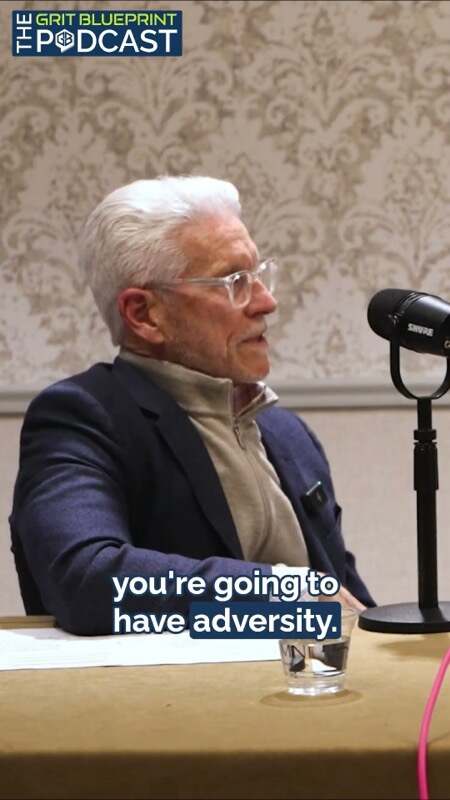
24:13 Steve Tourek: And I have mentored many students in law school where I do some teaching as an adjunct, and uh with my own team and my peers. Um and I I think in life, in life, in law, in business, in rowing, you're gonna have adversity. Uh I feel in some ways our society is seeking to avoid it and trying to insulate themselves from it. And in reality, being a human being is learning how to overcome and deal with adversity. It's you don't no one gets to escape it.
24:59 Steve Tourek: And it's a tremendous growth generator. I agree. You always grow more through adversity than through success.
25:08 Stefanie Couch: Yeah, the fire is really where you figure out how strong your iron is. And it is the work is the way is one of my favorite settings. You said the obstacle is the way, but I have that on my computer on a sticky note. And I believe that when you set out to do something, when I first started my business three years ago, um, I had had a successful career at corporate and I'd started my business. And I I knew it was going to be tough, you know.
25:32 Stefanie Couch: But I kept thinking, if we can just get it to this moment, or if we can just make this, or if we can just spend this account, it'll be X easier, it'll be better, it'll be and sure, sure, you know, maybe for a short season it was a little easier, but then you level up and try to do something more difficult, or increase your expertise or your skills, or the level of what you're you're doing, and it's just hard again. And so my husband and I have really started saying in the last two years, really, I finally it took me about a year to realize there was no, there was no uh valley that never went back to the the peak.
26:08 Stefanie Couch: But the peak is where the best view is. And the climb there is painful, and you probably get blisters and you're gonna be really tired at the top.
26:17 Steve Tourek: But I I think, well, actually, I'd really like to know what what caused you or what was your thinking when you decided to leave a successful career in corporate and strike out on your own.
26:32 Stefanie Couch: I think a lot of it had to do with the fact that my grandfather and my father, my uh um, uncles, my dad, everybody I knew my grand other grandfather, both sides, all had businesses. And so I had worked in that with them and I had fully intended to always be on my own. I started selling Girl Scout cookies when I was five, and I thought I had, you know, a million-dollar empire at that point. Um, if I could have gotten enough thin minutes, I might have been able to hit seven figures too.
Choosing Law And Building A Firm
26:59 Stefanie Couch: But I I just always knew that was gonna be something I wanted to do, but I needed to get the skills to be able to do it at the level that I wanted to be able to accomplish that at. And I knew that coming from a small business, my horizons weren't broad enough for me to be able to understand the context of business enough. You know, I didn't even know what the word even ob meant. Um, it was just wasn't something we used in my family business.
27:26 Stefanie Couch: It wasn't a metric that we measured by. And so I was able to kind of broaden and then go back to say, well, my goal was always this, but now I feel like I have the tools to hopefully go do it. And I still wasn't sure. There are a lot of days now. I'm still not sure, but I know that I won't quit. I I told myself I'll give it 10 years. I'll do this for a decade, I'll wait tables before I give up on it.
27:50 Stefanie Couch: And if in 10 years I can't do it, then I'll say, okay, I'll go back and get another job somewhere. But that was it for me. It was looking around, seeing other people that had done it before me, but a lot of mentors and people that helped me.
28:03 Steve Tourek: That's great.
28:04 Stefanie Couch: Yeah. Well, you started your own business also. So you've been in you've been in that world, you know that struggle. So you leave Cambridge, you have that that amazing experience, and you go and you do all the stuff to become an amazing attorney, and then you actually started your own firm. So tell me a little bit about that time in your life.
28:23 Steve Tourek: Again, that was doing something that I never visualized myself being a lawyer. I did not come from a family of lawyers. I did not uh I studied ethics um at Dartmouth, and I knew I had this strong sense of right and wrong. And this was pre-Watergate, which everyone got cynical about lawyers in Watergate. But my vision of becoming a lawyer was to kill a mockingbird, it was um you know, to help people and to achieve justice, and I had this sense of right and wrong, and um, and also serving, helping others.
29:12 Steve Tourek: Um I mean the whole concept of being a lawyer, at least at the start, is always you're an advocate for someone else's uh interest or justice, you're helping them um do something, ideally, something good or right. Then the the practice of law started shifting to being a business. Um I went into litigation because I studied law at Cambridge and hadn't had half the courses that you get tested on the bar exam. Yeah, so I had to do some amazing cramming over six weeks where I thought, well, this is that's not bad.
29:56 Steve Tourek: I've never studied six weeks for a test, so that's plenty of time. And then I started figuring out oh, I have to learn income tax in three days.
30:07 Stefanie Couch: Oh, wow.
30:08 Steve Tourek: I have to learn the UCC in three days, and it's like that those are full-year courses at a law school. Somehow I managed to pass it. I still think maybe they made a mistake, but um I'm sure your statute of limitations is up.
30:24 Stefanie Couch: So even if they did, you're good. I think you're okay.
30:27 Steve Tourek: Yeah, no one's gonna listen to this, right? Uh but I just again just tried to work hard, do the best I could. Turned out I was effective.
30:38 Stefanie Couch: Um what kind of law were you practicing?
30:41 Steve Tourek: Litigation. And and you know, initially doing research, then doing litigation. A couple of the more senior litigators uh took me under their wing. I actually my rowing story has probably opened more doors for me than uh I can count. And it just hit me now that they were all like, well, this guy used to roll at, you know, at Cambridge.
31:09 Steve Tourek: It just got me in the door. I was just a little bit different than most of the people, uh, which gave me an opportunity. It didn't do it for me, but it gave me an opportunity.
31:21 Stefanie Couch: Got you on the right floor and opened the door, and then you had to do the rest.
31:24 Steve Tourek: It did. And then I was just again thought, well, we could do this. Uh the firm was going through some growing pains, and there were a number of people that basically felt that being a good lawyer meant you needed to relate to your clients. You needed to understand their objectives, you needed to understand their struggles. Uh, you had to invest in understanding their business so that your advice, your legal advice, and your counsel will help them be successful in what is important to them. And there was another whole philosophy that law is a business and it's about making money, and we don't take these kind of clients and because they can't pay us enough.
Meeting Marvin And A Career-Defining Relationship
32:17 Steve Tourek: And I was in the the camp with some other like-minded uh folks, and we uh separated from the firm. We left as a group and started our own competing business, which I wasn't the youngest, but I was like 28, 29, and the most senior person that I left with was about 55, and that was a I didn't for me, it was easy. It was like if it doesn't work, I'll just start over. Right. But he had spent his whole career getting to be a senior partner in the law firm, and he was risking it all with a bunch of young pups.
33:05 Steve Tourek: Um, and he did, and he's a wonderful guy, and and clients loved us, including in 1971, I did my first bit of legal work for Bill Marvin and the Marvin family.
33:21 Stefanie Couch: And you talk about opening doors. There's moments in your life and people in your life that come in that sometimes maybe you feel like are just another person or just another client, and uh they turn out to be someone who changes your whole world or changes the trajectory of your path. And it sounds like that was that moment for you.
33:40 Steve Tourek: It was. Um, and it's hard for me to believe that I've been representing Marvin uh first as a lawyer in private practice and then as general counsel for close to 55 years now.
33:56 Stefanie Couch: Let's talk a little bit about the business because it is when we first met, I said, I think you have the best logo in all of the industry. It's my favorite. It's it stands out, it's a yellow rose, and it's very, I don't know, I can just see it in my mind when I think about it, which is a big deal for our industry because most of our industry logos nothing taking away from anyone that's done a great job on a logo, but they don't stand out.
34:20 Stefanie Couch: But Marvin has a lot of other things that make them stand out. And the company's been around a long time. So for someone who's listening who maybe has never heard of it or doesn't know a whole lot about the company, can you give me just a quick little history of who you who the company is, what you do, and how you do it?
34:37 Steve Tourek: Marvin is, we are now in the fifth generation of owners and leaders in this family business. This uh it, in my experience, and I serve as an independent director on some other family businesses around the country. Marvin is unique in the sense that there is a requirement in the uh shareholder agreement among all the owners that you have to work full-time in the business to keep your stock.
Marvin’s History, Culture, And The 1961 Fire
35:12 Stefanie Couch: Wow.
35:13 Steve Tourek: Bill Marvin's philosophy is I don't want absentee owners of my company second guessing the decisions I make, which are often difficult to make. Um I want people that are invested literally and figuratively in the success of our business. So that's a very unique um requirement, and and it's part of why Marvin has, I think, made some unique choices over the years about how to deal uh with adversity. And um, you talk about grit. Uh Marvin as a company and the Marvin family, I think have repeatedly demonstrated uh phenomenal grit and resilience.
36:04 Stefanie Couch: Well, as we were prepping for this, I did some research, and there's been a lot of things that have happened. A fire.
36:11 Steve Tourek: Yes.
36:12 Stefanie Couch: Tell me a little bit about that.
36:13 Steve Tourek: Well, Bill Marvin was the eighth employee uh of the business that his father uh had begun. And his father, George, was the classic uh rural entrepreneur that had the hardware store, the pulp mill, the grain elevator, uh did some farming, uh, you know, uh had his hands and everything. Bill came in and and Bill is a force. He actually shaped the window and door industry. He was one of the uh, I think one of the influences in in WDMA, uh where we are today. He was the the person that had the notion of we can make windows.
37:11 Steve Tourek: If I can buy a saw, we can make window frames um and sell them outside of worlds so that all of the the my high school buddies who are returning from the second world war can find work in the community where they were born and raised and grew up and not have to leave for the big city to find work. So we started down that path. We had about a hundred fifty thousand, two hundred thousand square foot facility, the only one.
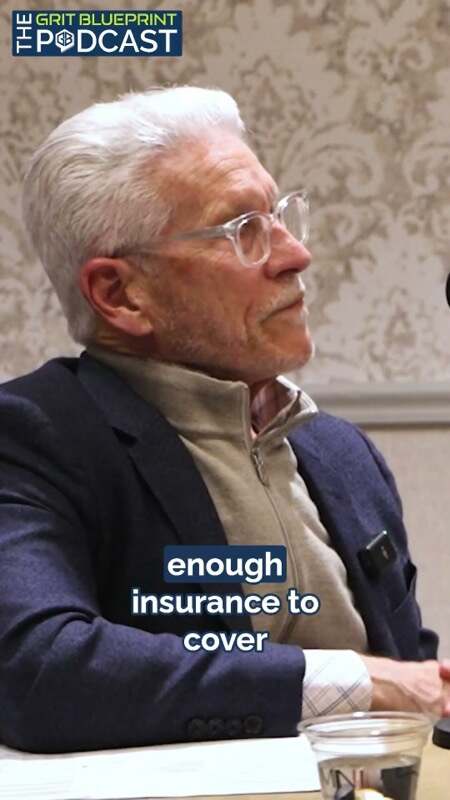
37:50 Steve Tourek: And in uh 1961, it burned down, burned to the ground. And there was only enough insurance to cover half the cost of rebuilding. Um Hubert Humphrey, who at that time was the uh governor of the state of Minnesota, made very uh was pitching Marvin to move its business to the Twin Cities. And there were a lot of financial incentives offered to do that. And Bill and the family said, no, we are from War Road, Minnesota, and this is where we're gonna stay. And he rebuilt and he did a couple of things that were this is a story about Marvin, but it's also a testament to the industry that all of the finished product in the facility burned to the ground.
38:40 Steve Tourek: He called his competitors and asked them to take the orders from his customers so that they could get windows and complete their homes and um not be inconvenienced by this. And they and they took them. He went to the general contractor and said, I want you to re-employ as many of my workers as you can as laborers and construction people. And one of the uh gentlemen, he's retired now, who reported to me when I first got here, was hired to rebuild to be the plant superintendent and rebuild the plant.
39:22 Steve Tourek: Um, and a year later, they were back in business, everyone was reemployed. Our competitors did not try to steal our customers, and they came back, and Marvin was back in business again.
39:36 Stefanie Couch: What year was this?
39:38 Steve Tourek: If my memory serves, it was 19, the fire was in 1961, and we were back in business in 1962.
39:45 Speaker 1: Wow.
39:46 Steve Tourek: And Bill had just been named president of the company. His father had given him that title, and the f one of the very first things that he has to address as a young executive. Is what do I do if my business burns to the ground?
40:03 Stefanie Couch: Yeah. Talk about uh being tested in the hard times. That's a that's a pretty big card to get played in year one.
40:11 Steve Tourek: I I I can't imagine it. And I still, uh if you go to the museum that we have up in War Road, there's a photograph of George Marvin looking at this uh huge ball of flame, and all I can see is it's like uh someone watching his life's work go up in flames.
40:36 Steve Tourek: Unbelievable. And the whole town, by the way, the whole town turned out with garden hoses and buckets to try to put the fire out because that's where they all worked.
40:47 Stefanie Couch: Yeah. Wow. But can you imagine the sense of loyalty? I know you can because you were you're involved, but I can't imagine the sense of loyalty that in 1963 when they came back with their lunch boxes and rang the bell the first day in that new factory that they felt. You can't buy that loyalty.
Loyalty, Long-Term Thinking, And Family Business
41:10 Steve Tourek: You're right. And and we have had moments in our history of that relationship. Um, and you're right, that loyalty goes both ways. Uh, you uh as a leader, you need to uh earn the loyalty or be be trustworthy and earn the loyalty of your employees. And when things get rough, like they did in COVID, for example, you need your employees to be loyal to you.
41:44 Speaker 1: Yeah.
41:45 Steve Tourek: Or when we went through some uh bet the company litigation in the early 90s to early 2000s, things were not looking good for the company, and people kept coming to work, and and uh our profit sharing didn't pay out, and they stayed. And then when we prevailed in the litigation, there was the company remembered that and honored that that loyalty, that commitment.
42:20 Stefanie Couch: The phrase that comes to mind is it's never a bad time to do the right thing, and you'll always be rewarded for that in the end, even though it's usually extremely hard to do in the moment.
42:30 Steve Tourek: Absolutely.
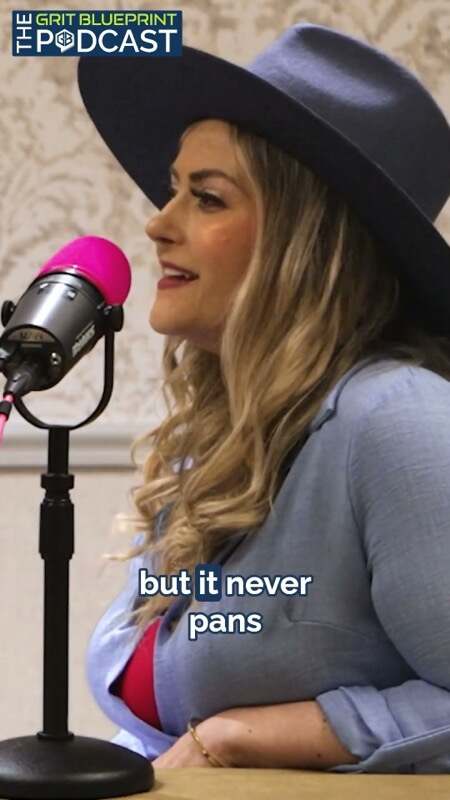
42:31 Stefanie Couch: My dad always talked about that in business, you know. Sometimes it seems like a shortcut or a corner cut would be the best moment right then, but it never pans out in the end to do that.
42:43 Steve Tourek: No, and it's one of the things I love about family business is that the owners get to define what success looks like. And in my experience, they take the long view.
42:58 Stefanie Couch: I agree.
42:59 Steve Tourek: And the long view makes for better decision making.
43:03 Stefanie Couch: Yeah, and I do agree fully that the founders that I've researched, I do a lot of reading and listen to a lot of podcasts about great historical founders, you know, going way back to Carnegie and Flagler and, you know, even people today. Um, and I was reading, listening recently to one about James Dyson, and uh he was talking about in his autobiography, he made over 5,000 prototypes of the Dyson vacuum before he actually made one that worked and was sellable. 5,000 failures. Talk about the long road.
43:38 Stefanie Couch: Um, 14 years. I when I think about that, and then I think about me and where I am and other entrepreneurs, like that is a long time to just get kicked down on the ground. But I feel like family businesses and independent businesses that are still doing that, those founders that are really successful, and it sounds like Bill certainly is that type of person, they have something inside of them that is relentless. And they just they will not relent. And that is the thing that makes them be able to do the hard thing for the long amount of time to get to where they go.
44:19 Stefanie Couch: What would you tell someone that's younger, that's looking maybe at the short term? It is easy, you know, to think about that short-term gain. You've been in a lot of roles, you've been very successful in your career. What do you tell young people that are looking for advice on how to be that type of leader, or maybe if they're starting their own business, that type of founder that can do the hard thing and end up winning in the big way?
44:44 Steve Tourek: I think you don't choose the hard way if it's just about you. And leadership to me is always about others. It's not about you. Uh, when I think about what motivated Bill in those trying times to hang in there, uh, I think it was his love of his community and the people that worked for him. And as driven as he was, and as passionate as he was, I think most of that passion came from his care and concern for his team, rather than any vision of creating personal wealth.
45:42 Steve Tourek: That was not his motive. Um and I think in the leaders that I've been around that I have felt were exceptional, this might sound kind of syrupy, but there is they love, there is love for their people, their customers. And uh when that is uh demonstrated, so love talked about is easily ignored, but love demonstrated is irresistible, I believe that. And when people uh see you act and sacrifice for them, um or you demonstrate you care about them as as people, not as widgets that produce things that fill your bank account, that makes all the difference in the world.
Purpose, Hope, And Leading For Others
46:42 Steve Tourek: And so I I tell people, uh my students, you know, I say, you really it's a meaningful life is not about you, it's about it's about uh others, whether it's other people or some grand design or something that's gonna make humanity better or life better or touch people. If you focus on that, um then I think good things happen. It's and I when I say purpose, I mean it's it's like how are you going to use the the unique gifting, the the the passions, the experiences, the the things that are God given and the things that are just unique to your circumstances and harness those to helping others in some way.
47:42 Steve Tourek: That makes for a meaningful life, that makes for great relationships, that makes and and and of the secret of it all is that it all comes back to you.
47:53 Stefanie Couch: Yeah, it truly is about purpose and that purpose-driven founder, I do believe, will endure so much more, or the per just the person that has that motive. I think about the prisoners of war and the stories that came back of people living through things, you know, they had a purpose and they believed truly that they would make it out, and that's really what they all say was the thing that kept them going. And I think a lot of times that is all you have. It's that purpose.
48:19 Steve Tourek: Well, that's that's true. Human beings are hope-fueled creatures. When you when people lose hope, really awful bad things happen. And I think one of the you know, the the things I've seen as I've dealt with in my own sphere of suicides, you know, when people lose hope, it's just heartbreaking. And uh we need it. And uh, I think, you know, was it Covey said that uh a promise made builds hope, a promise kept builds trust. And I think that's that's a pretty good formula.
49:04 Stefanie Couch: Absolutely. Well, you have a lot of great things that you've done at Marvin, but you also do amazing things in the community as well. And you were telling me earlier about one that's particularly dear to your heart. So tell me about the school that you're a part of.
49:19 Steve Tourek: I um am part of a school called Hope Academy, which is located in South Minneapolis, uh in the heart of the uh one of the poor areas in the city. Uh most of the students and the families that that we serve there are below the poverty level. It really is a a ministry that is designed to um give a remarkable education to students who are often written off by society as uh either undeserving or incapable because they live in very difficult family circumstances. We're a Christian school and and actually a classic Christian school that teaches oratory and uh logic and things like that, as well as uh the Bible.
Hope Academy: Education, Faith, And Outcomes
50:22 Steve Tourek: And um we have a whole family orientation, uh which is means that we require the parents and mostly their single parents to contribute to the education of their child, and that amount is determined on what they can afford. We raise 95% of the cost of educating the students through donors who support the mission uh of it, and the success rate is phenomenal. We graduate uh 99 plus percent of our students uh that go on to either some ministry work or go into military or go on to two or four-year colleges.
51:15 Speaker 1: Wow.
51:15 Steve Tourek: Our kids read above far above where the public school students in the uh inner city are. And uh we also uh require the parents volunteer at school. We do parent teacher conferences in the home of the students so we understand uh where uh their environment outside the classroom. And um the the the greatest experience of my life was as a board member we have parent uh conferences where we get to give away all the money we've raised and we sit with families and uh talk to them about the scholarship.
52:06 Steve Tourek: We frame it uh we frame that the part of tuition that we are paying for them is a scholarship. And to experience the the the gratefulness of these parents who are striving for their kids to have a better life. It's it's unbelievable. Unbelievable.
52:33 Stefanie Couch: I would love to hear a story about maybe what just one child that you've been seen go off and flourish. Like what are some of the things that they're doing now? I'm sure they're amazing stories.
52:45 Steve Tourek: Well, there are, and and also there's you know, back to what we were talking about, there are hard things. One of the things that we've noticed is that they they have this success and they go on, and then they will drop out of college because they feel they need to come back and take care of their parents or get a job to help support the family. Sure. Um, and actually, we spent a lot of time trying to think about setting up a special position in the school to stay connected with our graduates once they enter college.
53:30 Steve Tourek: Um because it's it's um it's a difficult issue, right? Yeah, and and sometimes people who come from inner city in very poor circumstances, they go to a predominantly white uh uh school. And people don't understand them. Don't understand what they what they've come through and what life for them was like.
53:58 Speaker 1: Sure.
53:58 Steve Tourek: Uh, and they feel like I don't know if I belong. I don't know if people get me as a person, right? And uh I think there's work for us to to do there. But the the stories are well, we have a couple of them and they're back teaching in the school. They've graduated, they went to college, got their teacher certificate, and decided they wanted to come back and give that experience to other students.
54:25 Stefanie Couch: It's really cool. Well, I love that story because I think that the next generation is something a lot of people are worried about and whether they should be or not. I I don't know the answer to that. But I think a lot about that in the context of our industry. So I would love to hear your thoughts on that. You know, I think there are incredible talent out there in our industry, especially in the window and door space. But also we have a lot of talent that's aging, that's the talent that's running our industry.
54:54 Stefanie Couch: Um, they are, you know, patriarchs and matriarchs of our industry for 20, 30, 40 years. And what happens when they leave? And I get asked that a lot. And what are the solutions around training? Our products are very technical. Uh, there's a lot to know. The business is not necessarily the most sexy thing that sometimes a person coming right out of high school might think about to come and work in. I think tech now it's kind of changing that to make it a little more illustrious.
55:24 Stefanie Couch: But what is your thoughts on what we can do to get the next generation into our industry and keep them here?
55:31 Steve Tourek: I don't have a magic bullet. I think it's going to require multiple things. I can speak to a couple of them that we are trying. One is that we partner with high school and do uh factory tours and uh support the high school robotics team and things like that to establish some connectivity to our manufacturing and what that is. And people often have an incorrect idea about what the opportunity is, how technical and skilled you have to be to operate the equipment and to service the equipment.
Next-Gen Talent: Skills, Tech, And Rural Reality
56:24 Steve Tourek: We've established a partnership with Northland Community College, uh, which is part of the Minnesota State Collegiate System, to do a course, and we donated the property to do it and all the equipment in mechatronics, which is a combination of mechanics and pneumatics and uh electrical programming.
56:52 Stefanie Couch: That's fantastic.
56:53 Steve Tourek: So that's so that students can learn skills that they can either take with them or they ideally they come to work for us and help service all of our certainly building that loyalty again, it's very smart.
57:09 Stefanie Couch: And also giving them a skill that even if they don't use it for you, that's a lifelong skill they can use in a lot of high-paying jobs, other places as well.
57:17 Steve Tourek: And and we have further challenges in that many of our manufacturing facilities are in smaller rural communities like War Road, where we employ 2,000 plus people in a town with a population of 1,700. Um so we have to attract that. And to further that, we also have to build housing to get people to move. Um, and we also need to uh provide child care uh because we have a lot of um families that work for us.
57:56 Stefanie Couch: Yeah, you're having to build a whole ecosystem almost to be able to support that in a rural town. That's something I think a lot of people don't think about when they uh think about distribution or opening places and hiring. If it's somewhere where you can't get people to come live, it doesn't matter how illustrious the job offer is.
58:12 Steve Tourek: Well, we just opened a brand new facility in Kansas City last week.
58:16 Stefanie Couch: We saw that last week on LinkedIn.
58:18 Steve Tourek: And one of our major um issues in determining where to site this next facility was where is there an accessible workforce?
58:32 Stefanie Couch: Certainly.
58:33 Steve Tourek: Um you have to build the plant where the people are.
58:35 Stefanie Couch: Did you put a chief's logo on the new plant somewhere just to try to attract all the people and you just play Taylor Swift nonstop in the factory?
58:44 Steve Tourek: Uh never. You can't get, you know, we're we have too much Viking Packer stuff going on to think about the Chiefs.
58:52 Stefanie Couch: You painted the whole inside of purple and just said you'll deal with it.
58:56 Steve Tourek: Right. You guys have had it, you've had it enough. Give it up to somebody else.
59:02 Stefanie Couch: Well, I want to ask you one last question about WDMA, and then I'm gonna ask you one closing lightning round question.
59:09 Steve Tourek: Okay.
59:10 Stefanie Couch: You've chaired WDMA multiple times. We're here today, and we're gonna be here all day tomorrow. And they really work to advocate for the window and door manufacturing industry and help with a lot of the legal stuff in in Washington and doing a lot of different advocacy work. What do you think the future of our industry is and what excites you the most about some of the work that they're doing here? And what are some of the challenges that you see them tackling in the future in the next few years?
59:36 Steve Tourek: Well, that's a great question because we just had a board meeting where we spent four plus hours talking about uh those issues. Number one, we are facing um a point of inflection that we have never had in this industry before, and that is the ascension. Or explosion is probably a better word, of regulations emanating from various state jurisdictions that are dictating materials that can be in our products, packaging of our products, performance of our products is installed.
New Plant, Workforce Access, And Culture
1:00:30 Steve Tourek: The I always felt that we were in a regulation light industry. I mean, probably other than building codes, Energy Star was the program that got the most attention, and that was a voluntary standard and pretty readily attainable. Now, with PFAS and EPR regulations and climate disclosures being required in California and it's happening as the federal government has pulled away from regulating, uh the states have rushed into it, and we're not only getting the regulation, but it's different in every state.
1:01:24 Stefanie Couch: Right. You don't even know what it's supposed to be overall.
1:01:28 Steve Tourek: And they're writing the rules. And we're at date X plus, and they're still writing the rules, so you don't even know what the compliance is. So needless to say, uh on behalf of the industry, we need to um I think adjust our advocacy. It was principally focused on the Hill in Washington, D.C. And as we all know too well today, the government is doing nothing. So all the activity is happening elsewhere, and it's very dispersed. And uh we're gonna have to uh adjust our approach to advocacy as well as the issues we advocate on uh to um meet that new reality.
1:02:33 Steve Tourek: It's definitely here, and it's definitely got everyone's attention. There are plenty of uh bright, young, motivated people in our industry. I think we could benefit from some diversity in our leadership ranks. It's uh as you might expect with construction, it's heavily um male-oriented. We've got some phenomenal women leaders that are on our board, but um I think if every one of us looked at our companies, we would benefit from uh a broader perspective. Um and um I I know that I appreciate that I have the privilege of leading a team of nine people and eight of them are women, and uh I learn a lot every day.
1:03:32 Stefanie Couch: Well, I think that's a great point. And I do believe we're in with the challenges on the compliance and all the things that are happening. It's gonna be really interesting to see how that happens because it is coming from so many different places. I'm not sure how you quite tackle that challenge when you're not sure what's gonna pop up in what state next.
1:03:52 Steve Tourek: I the challenge is resources. Um I will tell you what I told John when I was on the search committee for our new president. WDMA is one of those associations that punches well above its weight. Um we are not compared to uh NAHB or NAM or any of these other the chamber, uh, we are minuscule in terms of our dues revenue, but we have some very big brands that are part of it. And so um that enables us to uh gain audience uh and have the opportunity to advocate and to influence decisions made by our uh legislators when they're making them.
WDMA: Regulation Surge And Advocacy Shift
1:04:43 Steve Tourek: Uh you know, and it will be hard. I uh what I work worry about or I question is as the federal government withdraws from the the marketplace, are we going to have red and blue states and red and blue regulatory regimes that never merge, don't talk to each other, don't compromise, and don't understand that if you're shipping products to all 50 states, the only way to do that effectively and efficiently is to have some common ground rules.
1:05:33 Speaker 1: Yeah.
1:05:33 Steve Tourek: Um, and uh that is being lost in the silence.
1:05:40 Stefanie Couch: I'm gonna be watching with bated breath to figure out how this one lands. And I'm sure in the next six, 12 months there's gonna be a lot happening. Uh, like you said, they're still kind of rewriting the rules as we go, coloring as we draw, as we draw the picture, we're figuring out what it's gonna be. Well, the last question I want to ask you is a more personal one. You have had this incredible career. You started out in law, you've worked for a world-class manufacturing building products company for a long time.
1:06:09 Stefanie Couch: What excites you the most for you personally in this next chapter of your life as you're continuing with Marvin and doing all the amazing community work you're doing? What gets you up and gets you excited to go and do something different or something new every day?
1:06:23 Steve Tourek: Uh well, I think the fact that it's something new and something different every day. I, you know, I've learned in life. I I love where I'm at because um I was fortunate enough to receive a really good education. I've made a lot of mistakes, which means that I've gained a lot of wisdom in the years. And uh the fact that I can share that with people and and bring that to bear uh to benefit others so they don't have to repeat my mistakes um is really uh uh fulfilling and it's uh exciting, and I don't uh I I I love it.
1:07:12 Steve Tourek: I love what I do. Um and Marvin has been wonderful because I've not only had great people to work with, um and over the years I think I've earned the trust and the the respect of people so that they seek my my counsel even on operational issues or uh things that are hardly legal. They're kind of like life.
1:07:47 Steve Tourek: And um and I I'm allowed to teach at the law school, I'm allowed to serve on boards, I'm allowed to do uh a lot of things that for me make my purpose fulfilling, right?
1:08:05 Stefanie Couch: That's incredible. Well, I really appreciate our conversation. I think we probably could have talked for a few more hours, but I appreciate all the wisdom that you've shared. And uh I would love to continue to stay in touch because I'm sure I'll have questions, and you obviously know a lot about a lot of things in this industry. So I'm excited about tomorrow at WDMA and continue to learn more about all these amazing things and not so amazing things that are happening in our industry right now.
1:08:33 Stefanie Couch: But thank you for joining us on this episode of the Grit Blueprint Podcast, and we will see you on the next episode. Thank you for listening to the Grit Blueprint podcast. If this episode helped you think a little differently about how to show up, share it with someone in your building world who needs it. If you're ready to turn visibility into growth, then head to gritblueprint.com to learn more and book a call to talk to us about your growth strategy. Until next time, today unmistakable.