Loyalty Goes Both Ways: What Marvin Did When Its Plant Burned
When Marvin’s plant burned in 1961, the family stayed in town and asked its competitors to look after its customers. Decades later, its people stayed through a lawsuit with no profit sharing. Steve Tourek explains how loyalty is earned.
For educational purposes only: general information, not legal, tax, financial or safety advice. Check your local codes and talk to a qualified professional before you act. Disclaimer
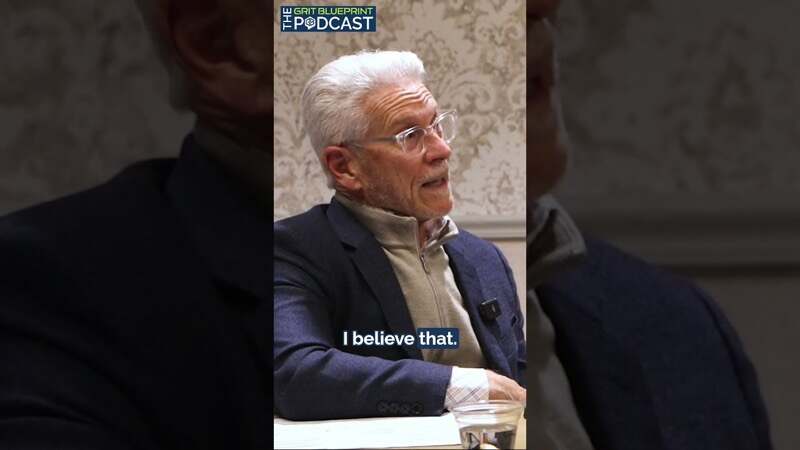
When Marvin’s only plant burned to the ground in Warroad, Minnesota, in 1961, the family turned down incentives to move, asked its competitors to take its customers’ orders and asked the contractor rebuilding the plant to hire its workers. Steve Tourek, senior vice president and general counsel at Marvin, the family-owned window and door manufacturer, tells that story when he explains how to build employee loyalty, and he puts the lesson in five words: “that loyalty goes both ways” (41:46). A leader earns it first by being trustworthy. The company keeps it by remembering who stayed. Marvin’s history has two clear tests of that: the fire, and a lawsuit that put the company at risk from the early 1990s into the early 2000s.
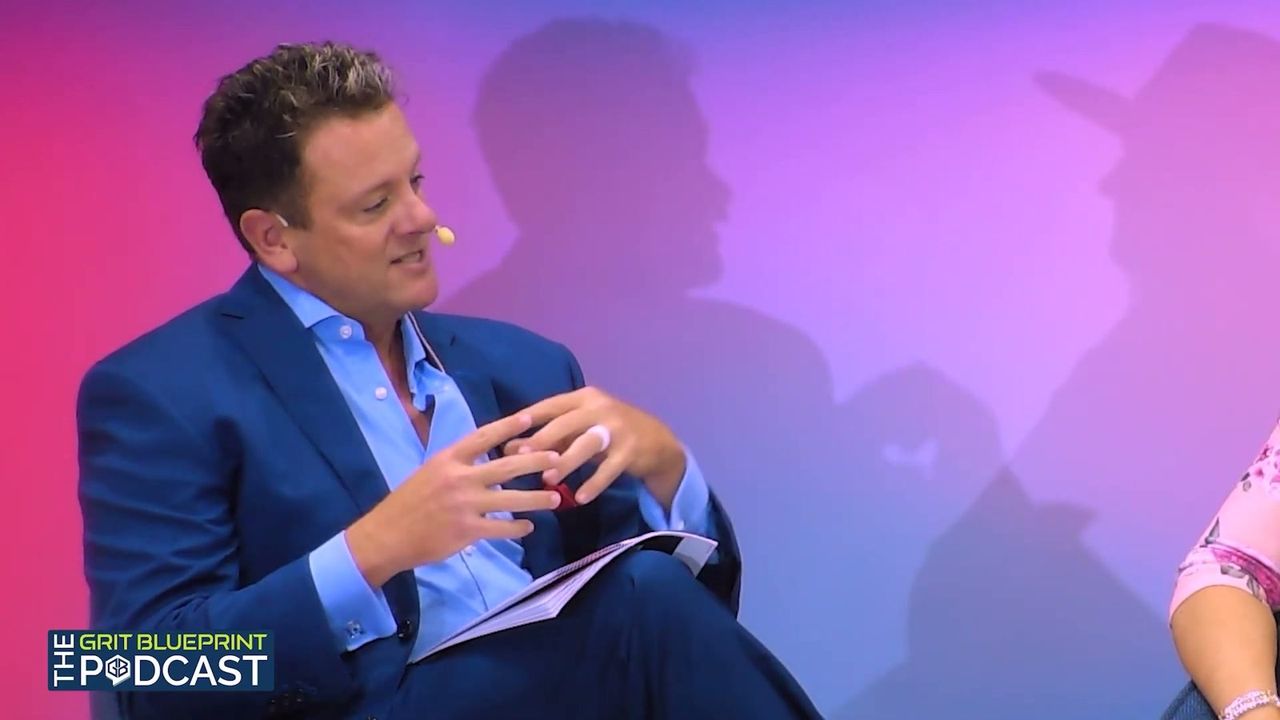
Tourek has worked for Marvin for close to 55 years, first as the family’s outside lawyer and then as its general counsel. He did his first legal work for Bill Marvin in 1971. We talked with him in Boston at the Window and Door Manufacturers Association conference. He was in town for the board meeting.
What did Marvin do when its plant burned?
It stayed in its town and asked its competitors to look after its customers. It found work for its people while it rebuilt.
Bill Marvin was the eighth employee of the business his father, George, started in Warroad, Minnesota. Tourek describes George as a rural entrepreneur with a hardware store, a pulp mill and a grain elevator. Bill’s idea was to make window frames, so the men coming home from the Second World War could find work in the town where they grew up.
In 1961 the plant burned to the ground, soon after Bill had been named president. “The whole town turned out with garden hoses and buckets to try to put the fire out because that’s where they all worked,” Tourek says (41:12).
Insurance covered about half the cost of rebuilding, he says. The family, he says, was offered financial incentives to move the business to the Twin Cities. It said no and rebuilt in Warroad.
Then Bill did two things Tourek still tells as a story about the whole industry. “He called his competitors and asked them to take the orders from his customers so that they could get windows and complete their homes,” Tourek says (39:16). And he asked the general contractor rebuilding the plant to hire as many Marvin workers as it could as laborers.
By 1962 Marvin was making windows again. “Everyone was reemployed. Our competitors did not try to steal our customers,” Tourek says (39:58).
What happens when a company asks people to stay through a hard stretch?
They find out whether you meant what you said. Marvin’s second test was what Tourek calls “bet the company litigation” (42:21), a lawsuit big enough to threaten the business. Things did not look good. Profit sharing, the part of the company’s profit paid out to employees, stopped. “Our profit sharing didn’t pay out, and they stayed,” he says.
When Marvin won the case, he says, the company remembered who had stayed and honored it. He sees the same need in any rough stretch, COVID included: a company needs its people to be loyal then, and that loyalty has to be earned before the rough stretch arrives.
Love talked about is easily ignored, but love demonstrated is irresistible.
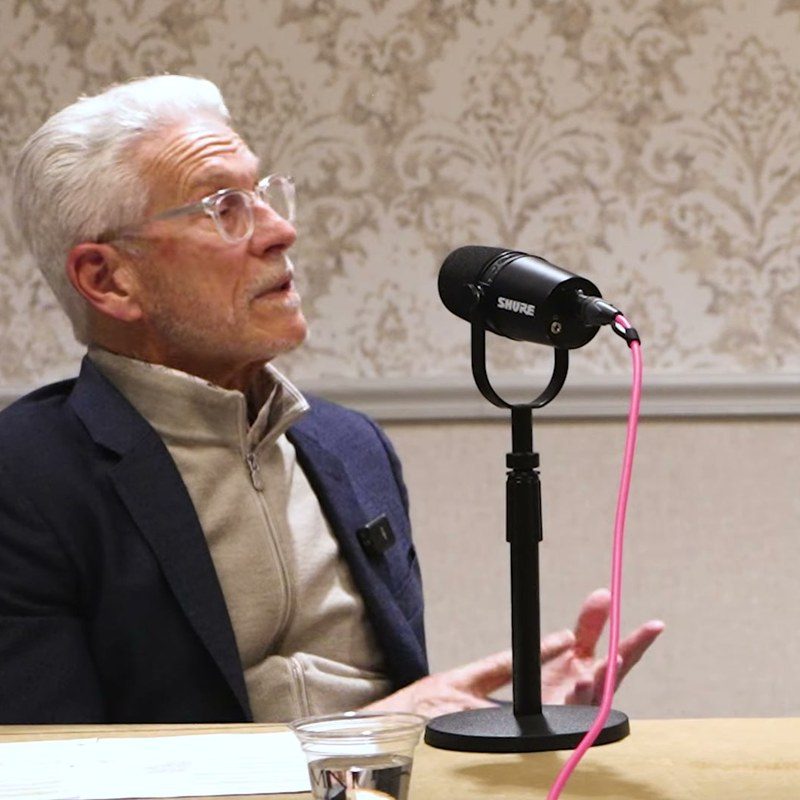 Steve TourekSenior vice president and general counsel, Marvin (46:18)
Why do owners who work in the business decide differently?
Because they live with the decision. Marvin is in its fifth generation of family owners and leaders. Tourek says the shareholder agreement requires every owner to work full time in the business to keep their stock. He has served as an independent director on other family companies and calls the rule unique.
It goes back to Bill Marvin, whose view Tourek sums up this way: “I don’t want absentee owners of my company second guessing the decisions I make” (35:49).
Tourek connects that rule to the choices Marvin made in hard times. “The owners get to define what success looks like. And in my experience, they take the long view,” he says (43:19). His next line: “the long view makes for better decision making.”
How to build employee loyalty that lasts: lead for others
Asked what he tells younger leaders, Tourek went back to Bill. He believes Bill held on through the hard years out of love for his community and the people who worked for him, more than any plan to get rich. “Leadership to me is always about others,” he says (45:20).
He also borrows a line he thinks came from Covey (“was it Covey said,” he asks): “a promise made builds hope, a promise kept builds trust” (48:55).
Keep the people coming, too
Loyalty keeps the people you have. Marvin also has to find new ones. Tourek says the company employs more than 2,000 people in Warroad, a town of about 1,700, so it has built housing to get people to move there and provides child care for working families.
When Marvin chose where to put its new Kansas City plant, one of the big questions was where it could find a workforce. We cover the rest of Marvin’s talent pipeline, from high school tours to a community college program, in How to Bring Young People Into the Trades.

Loyalty gets tested in the slow season
Leading people comes down to saying what matters and then doing it. Set the direction, make the standard clear, give people ownership and back them up. Then follow through. Most trouble starts when the expectations stay in the owner’s head until something goes wrong.
Marvin’s story is follow-through on both sides. In 1961 the family said the town mattered, and it stayed. Decades later, people kept coming to work through a lawsuit with no profit-sharing check, and the company says it remembered. Most owners will never face a fire. Every owner faces a slow season, a lost account or a bad quarter. That is when your people find out whether what you said in the good years was true.
What to do next
- Write down three things your team can count on from you when money is tight, such as how you will handle hours, pay and honest updates on the numbers. Share the list before you need it.
- If you pay profit sharing or bonuses, explain now what happens in a year with no profit. Also explain how you will treat the people who stay through it.
- Know who you would call to cover your customers if your yard, store or plant went down for a month. Bill Marvin called his competitors.
- Pick one thing you will do this month to show your people you care. Tourek’s test is whether care is demonstrated or only talked about.
- Read our lesson on owning the outcome as a leader.
Questions people ask
How do you build employee loyalty in a family business?
Steve Tourek of Marvin says loyalty goes both ways. A leader earns it by being trustworthy and by showing care through actions, and the company keeps it by remembering and rewarding the people who stay through hard times.
What did Marvin do after its 1961 fire?
Tourek says the family turned down incentives to move, rebuilt in Warroad, Minnesota, asked competitors to fill its customers’ orders and asked the contractor rebuilding the plant to hire its workers. Marvin was making windows again in 1962, with everyone rehired.
Does profit sharing make employees loyal?
It can help, but Marvin’s people stayed through years when profit sharing paid nothing. Tourek credits the trust built before the hard years and the company’s choice to honor that loyalty afterward.
Why do family-owned companies take the long view?
Tourek says family owners get to define what success looks like, and in his experience they think long term. At Marvin every owner must also work full time in the business to keep their stock.
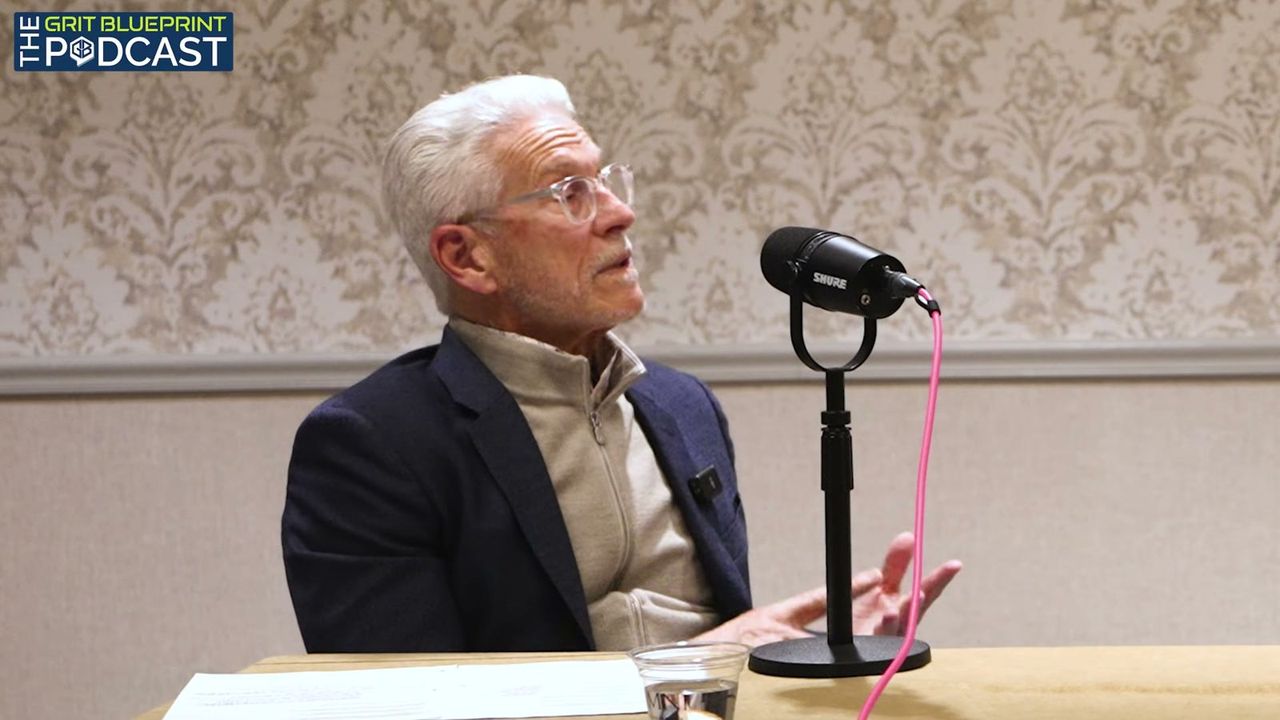
Watch the full interview
Steve Tourek, general counsel at Marvin, tells how the family rebuilt in its hometown after a 1961 fire and what that did for loyalty. He also covers teamwork lessons from rowing, hiring in rural towns and a surge of state regulations.
A Grit Guide original. This piece is built from our own interview.