Click any timestamp to jump to that moment in the video.
Cold Open and Introduction
0:01 Amy Roosa: No matter how much I push myself even when I fail, I just learn from it and I keep going. Stop spinning time worry about the things you can't do today that you can't control. And then the rest will probably take shape and you'll be able to do it to get things done.
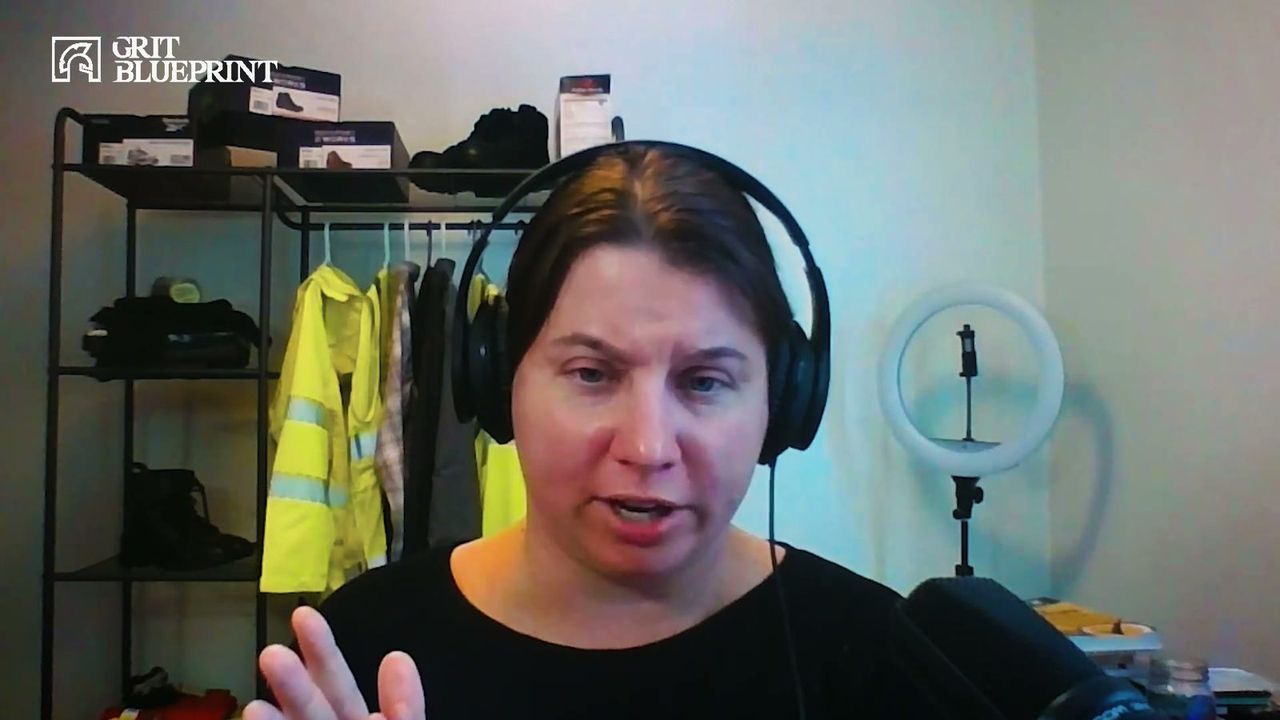
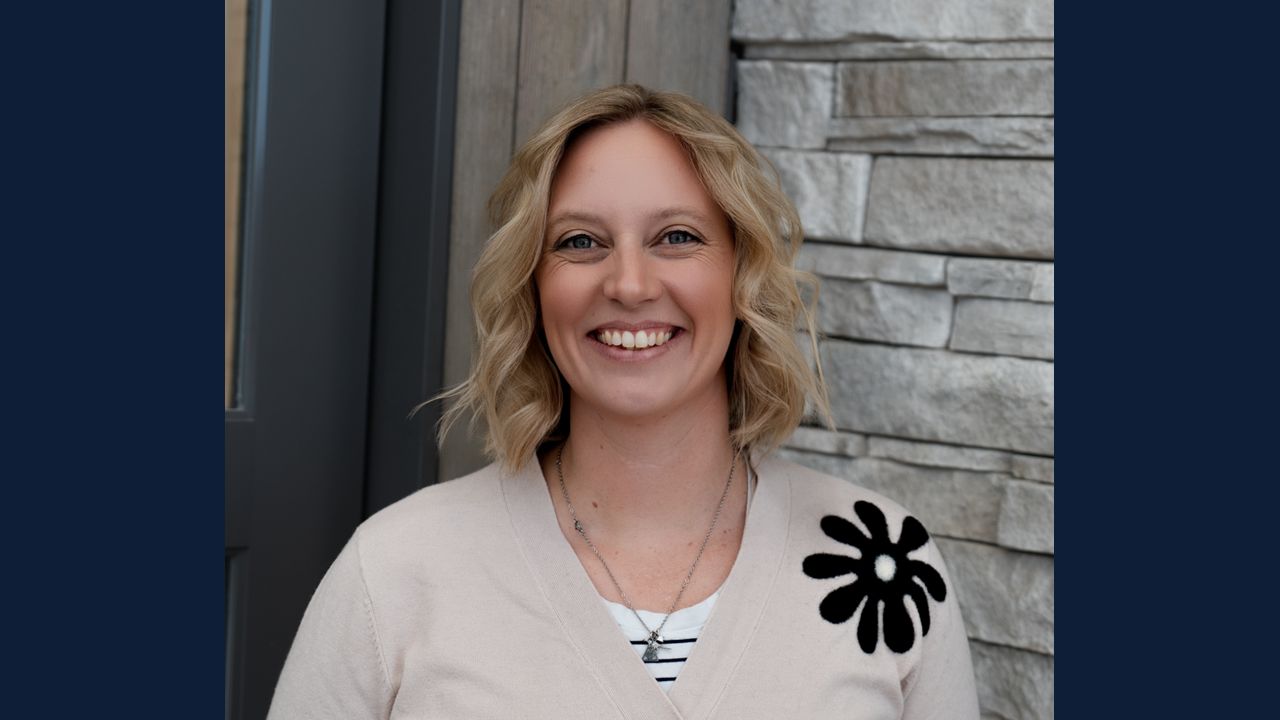
0:17 Speaker 1: Amy Russa is a seasoned safety professional with over 20 years of experience in construction and general industry. She's a leader at the National Safety Council of the SSD Iowa. Passionate about women's safety, she founded her safety raft to provide workwear for women in trade. She also co-founded the Midwest Women in Safety Conference to empower and educate women in the industry. A thought after her speaker, and he shares her expertise on training, leadership, and safety experts.
0:46 Amy Roosa: I understand what drives me. I understand what's working, and I've got a feeling that I have to get something done, and I'm going to pursue it no matter what.
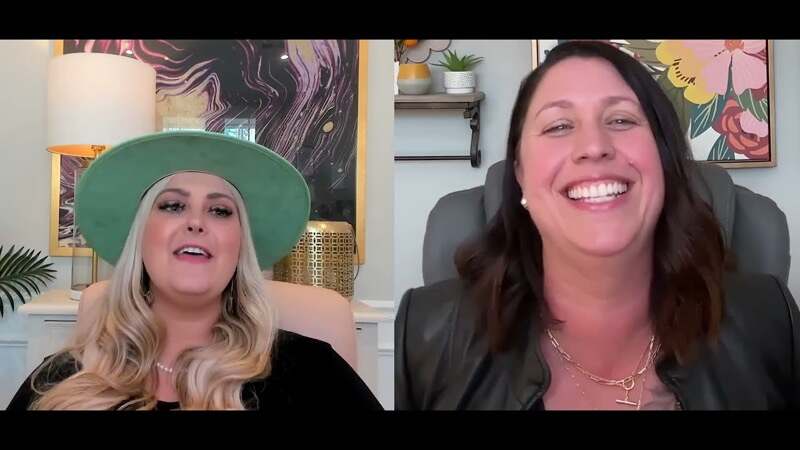
0:57 Stefanie Couch: Welcome to the Grit Blueprint Podcast. I'm your host, Stefanie Couch. This podcast is about branding, building, and business. It also highlights the grit that it takes to be successful in business and in life. Let's get started. Welcome to the Grit Blueprint Podcast with Stefanie Couch. Today I'm excited to have an amazing woman in the industry, my friend Amy. Welcome, Amy. Thank you for being here.
1:26 Amy Roosa: Thanks for having me.
1:28 Stefanie Couch: And I'm going to let her introduce herself a little bit, but we actually met on LinkedIn and she is help really helping women get safety gear that fits them and is made for them on job sites and all different industry needs. So that's a really great mission that I love. And you work with a lot of different women that design safety gear. So I'll let you share some of those stories about that. And you're doing a lot of amazing things. So tell me your story. How'd you get started?
1:54 Stefanie Couch: What do you do in the industry? And just a little bit about you.
Twenty Years in Safety
1:57 Amy Roosa: So I've been in safety now for I think this is like my 20th year. I started off kind of the way a lot of women or people do in safety. I got handed the safety committee book and started taking on different safety projects at the work that are at the company I was at. And it just kind of snowballed from there into leadership roles. And now uh 20 years later, I've done just about anything and everything. I've been in manufacturing, I've worked in government, I now work in national risk control, doing a lot of construction background.
2:30 Amy Roosa: But along the way, I saw a need, especially with women and safety, to build out some platforms. And so six years ago, I co-founded the Midwest Women and Safety Conference, which works to just provide a day of professional development and education to women around the country. And then two years ago, because of that conference, I founded the Safety Rack, which works to educate and advocate for women in industry having proper PPE because there's such a large equity gap there.
3:04 Stefanie Couch: Yeah. And I I think that's awesome that you're doing this because I think when I think of women's safety gear historically, it's just pink. Um, which I love pink, but not all women like pink, and that doesn't help it fit better. And I remember a lot of times, like when I was out in the warehouse or doing whatever I was doing, you know, uh the boots for women are men's boots that are just a smaller size. And then the even like the vest, you know, I'm I have assets that men don't have.
3:34 Stefanie Couch: And so like I couldn't get things a zip or YouTube. Yeah. So that's something that I've dealt with myself. And I didn't work in the field predominantly, but I did a lot of work in door shops and in manufacturing areas where I did have to wear PPE a lot. So that's great that you're doing that. Talk to me a little bit about the problems because some people, especially men, may not know what we mean when we say it doesn't fit, it's not made for us. It seems simple, but it's really not.
4:00 Stefanie Couch: What does that mean? And what problems are you actually solving in that world?
Why PPE Does Not Fit Women
4:04 Amy Roosa: Yeah, and I think you said it really, I like what you said earlier. It just because it's pink doesn't mean it's going to fit us. Um a lot of the designs of PPE are built on the specs of men. In the industry, it's male populated. So obviously, manufacturers are going to design with the male population in mind, and women have become the afterthought. And that afterthought is well, if they can't fit into the men's sizes, we'll create unisex. But unisex is still designed to predominantly fit men.
4:36 Amy Roosa: In fact, if I hold up a unisex safety vest to a men's, it's almost identical. There's a problem with that. Women are not small men. We have entirely different bodies, like you said earlier, right? Like a safety vest is gonna fit me differently than it's gonna fit my five, two buck 20 best friend out there. And so she's gonna need a different need than I do. So it has not been there, but yet women have been across all industries. And this is not an issue that's just in the construction industry or manufacturing industry.
5:11 Amy Roosa: Women in military are affected by it, women firefighters are protected or affected by it. Uh, women in the medical industry, especially now that COVID happened, we know are affected by it. So we know that this is out there, we know it's an issue, but nobody was talking about it. And nobody knew that a lot of these products existed that are out there or know that it's in development. So people, there are a lot of people and a lot of institutions like NIOSH and the CDC that are aware of the problem.
5:40 Amy Roosa: And on the back end are doing things right now, but people don't know about it. But then on the front end, through my research, I found all these great amazing companies that are stalking female PPE and they're going, we can't seem to sell it. Where is this gap? And so it's trying to identify the gap right now in the industry and also trying to create the awareness for it, which is part of what the platform does is bring awareness to the brands out there. I don't sell anything, I don't make money off of this.
6:10 Amy Roosa: I spend a lot of money to get stuff in and product test it to see how it does wear. Does it fit my body correctly? Because our shoulders are entirely different than men's, right? They're gonna be a little bit more narrow. Our hands, length, width, and circumference, vastly different. And then our feet obviously just don't shrink. There's a difference in the way of the heel strike when we walk versus a man and arch support, right? Vastly different. But these considerations for the longest time were never taken in.
6:42 Amy Roosa: They shrunk it, they pinked it, like you said, just because you pink it doesn't mean it's gonna fit and thought it would be okay. And we've all just tolerated it. And as a safety professional, I know I have a duty to protect my workers, right? But I also bought in for a very long time to the myth and the stereotype of that's just what's on the market, and we just have to make do. And it was the realization six years ago when I started down this road that we don't have to make do and we shouldn't be making do with what's given to us because it's not going to halt the industry.
7:19 Stefanie Couch: I think that's a great kind of segue into the whole conversation that women in construction are not just females that are like men in construction. It is different, right? We have different needs, we need different support systems in different ways. We also have different strengths, so we can do things that maybe men can't do in certain ways or that we're just better at in a lot of ways than men. Detail-oriented jobs. A lot of times women are crushing it at it. Um, and that's a different support system we need.
7:50 Stefanie Couch: So women in construction need to be treated like women in construction in some ways. Then with the with the big jobs come open, that it's like, but you're a woman, that's where we don't want to be treated different.
8:02 Amy Roosa: Yeah.
8:03 Stefanie Couch: So it's kind of confusing and also not confusing at the same time. Give me the opportunities and allow me to prove myself in the way that we need to function. And that's safety gear, that's um, you know, for mothers, nursing rooms, things like that that are really just should be pay-to-play. But because there's been so few women, we have been just dealing with it. Um, I know at one of my jobs that I had before, we had some women that were breastfeeding and there was no breastfeeding room.
8:31 Stefanie Couch: So they ended up in the storage closet with all the swag in a little like tiny little area, um, praying that nobody walked in to get a hat, you know, or whatever. And so, how do we make it where this is an inclusive place that is welcoming and not just like, well, we made a space for you? It's like, well, we made a space that is totally great and you're happy to go in there and do whatever or wear this thing. So I think it's important we have a lot of work to do, but people like you that are really forefront of this and showcasing these brands.
9:05 Stefanie Couch: And then also I would just say for any man out there that's listening to this, that's running a big company, like do a little research on this, connect with Amy on LinkedIn, ask what brands are the best, because how cool would it be for you to hire a female that comes in and you have a safety vest and a hard hat and boots that fit her perfectly that she loves to wear. How cool is that? And it might cost you a few extra bucks, some, you know, a hundred bucks more, whatever it is.
9:34 Stefanie Couch: Who cares if that employee stays and feels loved and thought of and really, really like you're going out and doing the thing that she needs, that's a big deal. I mean, it would be a big deal to me. So I think that's a huge win for your company to be able to do that before they even get there and ask for it. They shouldn't have to ask.
Pushing Back on Your Distributor
9:53 Amy Roosa: No, they shouldn't. Um, but unfortunately, you do have to ask. And you may also still get pushback by your distributor of, well, we only offer XYZ. We don't have anything else, there isn't anything else. I can promise you this whoever says that is now doing their homework because right behind me is proof that I can find almost anything. And if it's not out there, I can connect you to the manufacturer who can develop it.
10:17 Stefanie Couch: And
10:17 Amy Roosa: so it's still a disappointment that I'm hearing from people that are talking to their distributors that they're being told this. And some of it also is the distributor just doesn't have that product line in their inventory, but they're not going to get that product inventory until you start pushing back as the employer and saying, Yeah, I may have one female right now, but I'm hoping that a year from now I'm gonna have 20. So you need to make sure you are ready to support my business and those women.
10:46 Stefanie Couch: Sure. I love that you're highlighting women that are also making this happen for other women. I know there are some great companies that are women-owned safety gear manufacturing or sales companies. So I know you can't drop all of the names, but because I feel like we're talking about this and we want to give some resources, obviously, you can connect with Amy and get all those resources. But can you name just one or two that you feel like are really great companies that you would recommend?
11:11 Amy Roosa: Um, I want to kind of name them all. Uh can I do it by category?
Workwear Brands by Category
11:15 Stefanie Couch: Why?
11:15 Amy Roosa: Yeah, let's do um shoes. You got um Xena footwear, and you have Genoa Jones. Great uh brands of shoes, great fit, great style. Um
11:28 Stefanie Couch: LinkedIn.
11:28 Amy Roosa: Right. Um, in terms of FR, you have Ember, which is just completely different in terms of style. It gives you a more professional look while protecting you. Serafina by uh Kelly Franco is base layer bras and underwear for uh women that need FR protection. So whether you're a NASCAR race driver or a firefighter, she's got you covered. Um, really great fabric there. Who else? Oh goodness. Uh jeans, you can get Dawson workwear or dovetail. Um there's torque, which is a really great one for like female mechanics out there.
12:07 Amy Roosa: I personally like wearing it when I'm out on the farm because I got a lot of flexibility in that.
12:12 Stefanie Couch: Yeah.
12:12 Amy Roosa: Uh I'm sure I'm gonna forget something and somebody's gonna be like, ah, Amy, you forgot to mention me. Sorry ahead of time.
12:19 Stefanie Couch: There's a lot of amazing work. There absolutely are. And I see more every day. They're coming out every day. And a lot of these people are on LinkedIn. So, like, if you're looking for this, just go in and put in women's safety year on LinkedIn and it will come up. Um, but those that you just mentioned, like I've seen all of those out there, and I think that it's just great to continue. And I also love that women are making stuff for women and hopefully making they can end up making a lot of money off of it themselves and have a very profitable business.
12:46 Stefanie Couch: So it's kind of all good, right?
12:48 Amy Roosa: Yes.
12:48 Stefanie Couch: I love what you're doing. So let's talk a little bit about the fact that you are a woman in a male-dominated, male-populated, we all say different words, environment. I know you've done some different industries, so you're not just construction, but safety pretty much mostly is still men, um, from what I've seen. I think they're they're starting to have more of a trend, but especially in the construction industry, where are you seeing challenges or have you seen challenges in your professional career? And how have you overcome those?
13:19 Stefanie Couch: And what advice would you give to a young woman who is in that position, coming in as a young female in those industries to say, hey, here's what to watch for and here's how to overcome that?
Do Not Play Safety Cop
13:30 Amy Roosa: Um really great question. One that I don't really get asked on podcasts because I'm always talking about, you know, the PPE. Uh, couple of things early on in my career, I would say, don't be hotheaded. Don't, don't have a chip on your shoulder. When I finally got into leadership, I had that. And it was a very humbling experience, especially because 20 years ago, everybody kind of played the safety cop, right? Like, oh, you got into an accident or you're not doing something, I want to write you up.
13:59 Amy Roosa: Not the way to go. You are there in part of a partnership as a leader. You need to have empathy as a leader, and you need to focus on the goals of what the employees need from you. I got told years ago by my uh dad when I first got my first leadership position that you don't work or the employees don't work for you, you work for the employees. And I think that is really sound advice. And it really brings you down to that level of you are there for the employees, right?
14:29 Amy Roosa: You need to be that resource. They tell you what you need or they need to be safe, and you have to go provide it for them. Now, as somebody that's been doing this long enough, having gone through misogynistic workplaces, dealing with sexism out there, um, dealing with the pushback of being told you should smile more, which I don't. I am I have a resting face, I can't help that. Or um, I just do. I mean, you you sit on a construction site long enough, you kind of squint all day, so you have a face.
15:03 Amy Roosa: Um, or being told that wow, you did pretty good as a female during that safety training with all those men. Like I just there's a time and place when to address stuff, right? And that is something that I had to learn along the way. Younger me wanted to do it right away and get into that person's like, yeah, yeah, like I wanted to fight. And then as I got older, as I got the right mentors, as I learned leadership, because I I was in companies where the leaderships were not strong leaderships.
15:35 Amy Roosa: It was a fight to stay as a leader, and that was the mentality I adapted. But I also learned that that was not what I wanted to become. So I self-taught myself how to be a better leader and then aligned myself with better leadership is you gotta take your time to look at a situation and not quickly react to it, right? You got to be able to um just do it when you react to something and you put emotion into it, especially as like a woman, people are gonna just focus on that as a woman, how you reacted.
16:09 Amy Roosa: And so I learned over the last 20 years how not to emotionally react to something.
16:16 Stefanie Couch: Yeah, it's really hard not to do that, especially when you feel like someone's personally attacking you or the fact that you know you're you feel like you did a great job, period, and they're talking about great job as a woman, you know. But I also think sometimes they do not mean what they say. They don't even realize it's a cultural thing, it's just so ingrained in the in the whole, you know, organization that they don't think about it. So, you know, educate kindly, I think is something that I would say.
16:48 Stefanie Couch: And also, like you said, pick your battles and the timing and also where you have that conversation. And I think being really open with communication and saying, hey, I know you probably didn't mean it this way, but you know, when you said this, it kind of hurt my feelings a little bit and or maybe not hurt my feelings, but like I felt like that was a little bit of a slight. And I just wanted to let you know. So maybe next time, if you know someone else is in this position, it might not be the best way to phrase that.
17:15 Stefanie Couch: And usually they're gonna say, Oh crap, I didn't even realize that that's what I said. I didn't realize that was, you know, not okay. And then they probably will try not to do it again if they're, you know, uh have EQ at all. I mean emotional intelligence. And they may not. They may say, like, whatever, you're being too sensitive, but at least you approach it in a way that is a good conversation. It's it's a communication up front, but you probably don't want to do that in front of 50 people.
17:44 Stefanie Couch: You probably want to do that to the side with just a one-on-one, like, hey, Sam, when you said this, you know, could you maybe next time think about that what it meant when you said it? And so that's my best advice, especially for men. I do think I've been around a lot of men, work with a lot of men that are awesome,
18:03 Amy Roosa: right?
18:04 Stefanie Couch: That are awesome, and they don't they don't mean to say things, and then when you do say that, they actually feel really bad about it. I've been around a lot of men that don't care.
18:13 Amy Roosa: Yeah.
18:13 Stefanie Couch: Um, you know, so there's a little bit of both sides. I've been around women that don't care. They say stuff they shouldn't say to men all the time. So it's not just a woman problem. But what I would say is the way that we make change is to make known and then hopefully give grace so that they don't have to be so worried about saying things around you that they don't want you in the room.
18:36 Amy Roosa: Yes. And
18:37 Stefanie Couch: that's the thing that's kind of a balance, right? Is that you have to be able to have people around you and they're okay and comfortable being around you and trust you. If every time that they're in the room, they're like, oh God, I don't want to say something wrong, and then she like turn me in or do this thing, you know, call me out in front of 50 people. We have to have that respect, mutual respect, even if they say or do things you don't like.
19:01 Stefanie Couch: So I think, like you said, choosing your battles,
19:03 Amy Roosa: it's
19:03 Stefanie Couch: big.
19:03 Amy Roosa: I and I think you just hit it on the nail too. Everybody is different. Everybody comes from different backgrounds, they have different beliefs, and now they're in an environment where they're trying to figure this all out. And so you may have, like you just said, I I grew up around truckers and bikers. My dad had a toe shop. So I grew up in this environment where you could tell when somebody was being hardfelt and being a jerk, and also when somebody was oblivious to their unconscious bias.
19:33 Amy Roosa: And so taking that step back, not emotionally reacting to it and trying to understand where this person's intention is will help you react better to it and guide a conversation later down the road if you need it. But it also goes for females too, because same thing, I've seen that. And we just we live in a time now where people are nervous to even express a thought or opinion. And we need to come together to start focusing on
20:00 Stefanie Couch: real. Yeah. Well, especially when, you know, I think uh I was actually talking to another friend about this recently. If you want feedback from someone on your performance and you want true feedback, like give me the real truth from your manager, from your coworker, whatever it is, if they know that when they give you the real truth, you're gonna freak out and just go nuts on them, you're never gonna get real feedback. So there is a catalyst there that's like, hey, if you accept things and kind of take it in, think about it, and then maybe ask questions.
20:35 Stefanie Couch: Well, why, why do you say that? What made you say that? Like, what are what are the actions that you're seeing that made you feel that way? Even if you don't take the feedback and say, like, okay, I'm gonna change what I'm doing, if you don't agree with it, you can still say, I appreciate you letting me know that, and then move on with your life. You don't have to blow up at them every time because if you do, you'll never get feedback from them again that's on it.
20:57 Amy Roosa: Yes.
20:58 Stefanie Couch: And somewhere in between what they say and what you think is probably the truth of what really is happening. So I think valuing that feedback, especially from superiors and not reacting too emotionally is a big deal.
Raw, Honest Feedback
21:11 Amy Roosa: And I think in our industry, you have to be willing to hear raw, honest feedback. It has been some of the best feedback I've ever gotten in my life. It was extremely uncomfortable to hear at the time, especially when I was a young, arrogant leader. Um, but it was the best because it made me who I am today as a leader. And I will always appreciate those people that took me aside and had those conversations.
21:38 Stefanie Couch: Yeah. Feels like a punch in the face at the time, but then if it's from like, I guess, a nose job or something. I don't know. It's uh it's definitely hard to hear in the time, especially like you said, when you're young and you think everything you're doing is right, you know, you know everything. I've been there, done that. So um, all right. I want to talk about personal development next. So you have obviously done a lot of work. You're just talking about that, working on yourself and your development.
22:02 Stefanie Couch: How do you define success now in your professional life? What does success mean to you? And what does that look like? And how are you daily using your strengths to be successful?
Success and Taking Care of Yourself
22:13 Amy Roosa: Oh, geez. Um, how do I break that down? How do I define success? I think success to me and where I get the greatest value is knowing that I help somebody. I love what I do for the safety rec because it helps people. I love my Midwest Women and Safety conference because I have 115 women that show up year after year and feel valued at the end of the day. And I never had that early on in my career. So success to me is how can I take the years of experience I have, the knowledge that I have, and the passion and put it out there for others to use and feel valued at the end of the day.
23:01 Amy Roosa: That's important to me. Um, what was the second question part of that?
23:06 Stefanie Couch: How you use your strengths to make that happen.
23:08 Amy Roosa: Um, and
23:08 Stefanie Couch: I think you kind of just answered it, but helping others, I'm sure you lead with probably relationship building and some of those things.
23:13 Amy Roosa: It the strength is this is a very time-consuming thing that I do. I said this, I have a full-time job. I'm anywhere from 40 to 55 hours a week. Um, can be six days a week this weekend. I go and I train with somebody. Um, so keeping my energy up and making sure that I'm self-caring for me is very important. It's something I was not doing during COVID or prior to that when I was building my career, I was just so focused on gotta get it done, gotta get it done, gotta get it done.
23:46 Amy Roosa: And it left me so stressed that I actually had an incident where my boss had to take me to the ER because I was not self-caring. I had um, they called it a visual migraine without pain. I thought I was having a stroke. It was not good. I couldn't see. And that was the step back that I was depleting my energy sources. I was feeling burnt out and actually looking at not starting the safety rack and walking away from the conference. And I realized after having a conversation with my husband that the self-care part was missing because I was devoting all my time and energy to everybody else.
24:21 Amy Roosa: I wasn't devoting anything to me. And so I now have that stuff built in and I take care of me first before I take care of anybody else. That is not a selfish thing to say or to hear. Because if you do not take care of yourself first, you will not be there to take care of anybody else. And that's where I get my strength.
24:41 Stefanie Couch: I love that. I think a lot of women struggle with saying the word no. They're people pleasers, they want to help everyone. And and like you just said, helping people is like the best feeling in the world, but you can't pour from an empty cup.
24:54 Amy Roosa: Yes.
24:55 Stefanie Couch: You have to have something in you to give to someone else. So as you continue in your career, and especially as I think women have a lot going on. Most women have kids, they have a husband, they have a wife, they have they have something going on every day of the week. They have work, they have school, they have all these things that they're doing and community activities. Who knows about hobbies? If any women have time to have hobbies, I'm not sure. Um, most women probably don't, especially.
25:22 Amy Roosa: Yeah, I go to a friend's farm and I garden on the weekends with her, and that's that's my hobby. Yeah, yeah.
25:28 Stefanie Couch: I love
25:28 Amy Roosa: outside in nature, away from my phone, away from technology, and it's my time.
25:34 Stefanie Couch: And just saying no to those things that you feel like you should say yes to just out of obligation is a big thing to start practicing that muscle of thank you so much for the invitation. I really appreciate you thinking of me, but this time I'm gonna have to say no.
25:50 Amy Roosa: Yes.
25:50 Stefanie Couch: And knowing that no is a complete sentence, you don't have to say because of this, or have all these different excuses. I know a lot of women that literally lay in bed at night and toil over how do I tell this person no to this thing without hurting their feelings and what am I gonna use as the excuse? Half the time they say yes to something else they don't want to do just to say no to the other thing.
26:11 Amy Roosa: Just say no. And
26:12 Stefanie Couch: so it's like it's just no, and that's okay. And you don't have to have a reason that you share with people if you don't want to share it. I think that's a really big lesson that I I see younger women, especially, but also, I mean, women that have been in their careers for a long time that struggle still with that.
26:28 Amy Roosa: Oh, yeah.
26:29 Stefanie Couch: Awesome. Well, one thing that we are doing at Build Women that I'm really excited about is we are about to launch a program called the How Women Rise in Construction program. And this is based on a book that I love. It's called How Women Rise by Sally Helginson and Marshall Goldsmith. And it focuses on 12 habits that women do to ourselves to hold ourselves back. And I'm gonna go over today and ask some questions on just three of those with you. Uh, we don't have time for all 12.
26:58 Stefanie Couch: Most women don't struggle with all 12. I think as we go through our careers, sometimes we struggle with one or the other more. And then as we grow and develop through that, we get, you know, to another place and we maybe struggle something different. But one habit that I think a lot of people do struggle with that I see is when you're in a role and you have a job, you are so focused on that technical job, the day-to-day, that you don't spend much time thinking about the long-term career that probably should be at least in the in the focus there.
27:28 Stefanie Couch: It's way off in the distance. And so you don't spend any time thinking about that. So really putting your job before your career. How have you become comfortable with the idea of staying somewhere for a long time, but also still thinking about what's ahead and what factors really contribute to maybe getting too comfortable in your day-to-day, where then when it's time to go do something else, you haven't really thought of it or developed much towards that?
A Job Versus a Career
27:53 Amy Roosa: I think for me, I was at a job for 10 years, and that was my first job in safety. Um, and there was a lot of great aspects to that. But I got complacent, I got comfortable because I was actually made to feel like I could not achieve more. And in the back of my brain, I was like, but I want to go further. I know I can do more. And knowing that and being in that weird comfort zone, I had to make myself feel uncomfortable.
28:22 Amy Roosa: I had to get comfortable with being uncomfortable. And that's kind of how I moved that way. Um, it was difficult. It's not the easiest. I had a lot of people in my life going, well, why are you going to this job now? Why are you getting this other job? And it's like, because I wanted to move, because I identified that some jobs were not the place where I wanted to be for the next 20 years, right? I would love to where I'm at now. I absolutely love my job.
28:51 Amy Roosa: I would love to be here for the next 20, 30 years because I have so much fun doing what I'm doing. And you, but 10 years ago, when it was just a job, it was get up, go to work, get off, grab my kid, go to taekwondo. It was a set of steps I did every day. Now that I have this career, I get to plan now. I get to think, okay, well, this year, this is what I'm strategically going to focus on. But I have conversations with my leaders and my bosses, and they know where I want to go and they support that.
29:24 Amy Roosa: If you're not having those conversations with your bosses and all, you're in a job. If you're not having that conversation with yourself, you're in a job and not a career. And all the women I talk to seem like they want to have a career, right? So sit down and figure that out. Ask yourself over a glass of wine or at breakfast, what are the three things you want to achieve in your life in the next five years of your career or 30 years of career, however long you have left, and get it done.
29:53 Amy Roosa: It's gonna be extremely uncomfortable, but I don't know. I've been in this profession for 20 years. Everything's uncomfortable at some point in the day in my week.
30:03 Speaker 1: That's great.
30:03 Amy Roosa: So it's just part of the normal feeling at this point.
30:06 Stefanie Couch: I think that women often uh want to do such a good job and they're so loyal for people. Uh, loyalty for a lot of women is very high up in the ranks of importance. And I don't think men usually think that much about that. Not that men aren't loyal, but they want to do what they want to do for their career to be going forward and they speak up a lot about what they want and where that would need to be developed to get there. And so that way when you're talking about, hey, you know, I'm in this job, I'm doing everything I can, I'm trying to do this 100% perfect.
30:37 Stefanie Couch: And then the other guy is spending 70% and he's still doing a great job, but he's also spending 30% of his time developing to the next role or training someone else to take his role so that he can move to the next thing. I think women miss that a lot. I've seen that a ton. And listen, it's okay not to want to do something else. It's okay to be where you are and be happy where you are if that's what you want. The message I want women to hear is if you want more, if you want to do something different, if you think you could go to a different company and get a role that's a little step higher, or if you could stay at the same company and get a role that's higher, more money, more uh time off, whatever is important to you, because it's not driven always by money or titles for some people.
31:21 Stefanie Couch: Maybe they want Fridays off, or maybe they want to live somewhere where they can work remote and not have to go to the office. Whatever drives you to see that that's what you want, be thinking about the full picture of what that looks like. And I mean, I know five to 30 years is a long time. I try to do it a little more like one year, three years, because it's a little easier to map out. But a lot of women aren't even thinking about one year out.
31:45 Stefanie Couch: They're just like, like you said, you're going to taekwondo every day with your kid and then going back in the morning to the work and then back to taekwondo. And this cycle of just this is just what I do. And then that's where burnout happens. That's where like you just get so sad and complacent. Like, I'm doing this because I have to pay the bills. And that's not the way that you build a career. And yes, there will be hard days no matter how much you love your job, but you got to figure out what really drives you.
32:11 Stefanie Couch: So I think that's important to know that what success looks like to you. And it may not be the same for you versus me or anybody else, but you got to know what's driving you. So I think it's so important. I love that answer. And I know you're gonna continue to do amazing things in your career, and I just can't wait to see what's next for you. So um the next habit is called ruminating. And I think that uh we kind of should explain a little bit.
32:38 Stefanie Couch: To me, that means you're you're just dwelling, you're thinking about things, whether it's something that happened to you, something you messed up on, something that you didn't get that you wanted. And it's really that letting go of the past is a hard thing. You can't move forward. And especially with a negative experience, it is just dwelling on it and ruminating on it. Has that happened to you? And what advice would you give to women that struggle with that?
Ruminating and What You Can Control
33:06 Amy Roosa: I I am horrible um at ruminating uh because I've done it a lot. I've actually been a lot better at it over, I would say, the last three or four years. And that was because I had that shift after the incident with my health and I put me first. And that was I can't control anybody else's behavior or perspective of me. I can only control what I do at the end of the day. But that feeling of being up at night wondering, oh, did the did the email I send get interpreted right?
33:43 Amy Roosa: Is my boss really going to understand what I say when I come to him and talk to him about how Jake's whistling at me like I'm a dog to get my attention at work versus just saying my name? Is he gonna take that seriously? Or am I gonna look like a big troublemaker because I'm a one? Those things have been in my mind for a very long time. They are hard to get out of your mind. It takes work and practice. I think for me, it was um going back to school, starting to learn about human behavior, starting to learn about myself and who I wanted to be and where I wanted to go to understand that part.
34:18 Amy Roosa: And I'll repeat it again for those who are listening. You cannot control others' people's behaviors or perceptions about you. You could only control yourself. And so I have to sometimes, again, not have an emotional reaction, look at the situation and learn to be indifferent. It's still going to creep up from time to time. It is still gonna bother me. And when those moments happen, I let them come, I let them have their moment, and I let them go now. And I don't ruminate. And it's extremely hard to do when you first start.
34:49 Amy Roosa: But once you get going, man, the focus and drive you have afterwards is great.
34:55 Stefanie Couch: Yeah. Asking yourself, why is this bothering you so much is one way that I kind of why did that upset you so much or why can't you let this go? I find it's the hardest on me when I do something. Um, I've gotten a little better about this because my perfectionism tendencies have gone away because entrepreneurship. Good luck being a perfectionist with that. It's not gonna work. But I have had to let that go a lot. And so I would lay in bed and be like, God, why did I say that?
35:24 Stefanie Couch: You know, like that was so stupid. I can't believe I said that. Like, I should have said this instead. And it's like, bless you. The moment has passed, you know, we we have said the thing, we have done the thing. You gotta either apologize for it if it's the right meaning for it, or just let it go and move on and don't say it again, or you know, just not think about it as much because you can't turn back time. And just like you said, you can't control other people either.
35:49 Stefanie Couch: And that's it, that's a big one. And then the other thing is letting go of people's opinions about you because do you really care what that person thinks? Do you need to? Right. And and maybe it's someone you should care about their opinion. There are some people in life, I care about what they think about me. Like, did I do this right? Did I say this right? But then if I wouldn't take advice from that person, I don't care what they think. That's really where I've gotten to, which is really hard.
36:15 Stefanie Couch: It doesn't mean I never like think about it. But if some random person on LinkedIn leaves me some asshole comment, who cares? I don't even know what a company is.
36:26 Amy Roosa: He's trying to get under your skin.
36:29 Stefanie Couch: Exactly. And you and I
36:30 Amy Roosa: have seen both of this on LinkedIn. It is a problem when you start building your platform on LinkedIn.
36:35 Stefanie Couch: Yeah.
36:36 Amy Roosa: If I listen to everybody when I said, Hey, I was gonna start a conference, to hey, I'm gonna do the safety rack. You know how many people told me the safety rack was a bad idea?
36:45 Stefanie Couch: Yeah,
36:45 Amy Roosa: and the only person's opinion that mattered to me at the time was my husband because he's the one I have in a part or partnership with in life, you know.
36:52 Stefanie Couch: Absolutely. I feel the same way. My husband and I are business partners, so you know, I take a lot of what he says uh way higher than anyone else in the world. And I obviously am married to him too. So we have a double-edged, you know, I better listen type deal if it's a good advice. And he's also very wise and listens very well. So I think it's important to know who are you going to listen to in life. And then those are the people that you let those things affect you and you think about that.
37:17 Stefanie Couch: That's what you ruminate on. It's like, well, why was my spouse saying maybe we shouldn't do this or maybe we should do this differently? Take those and into opinions into account. But then the other people that are random people that don't care about, let it go, Elsa. Let it go.
37:30 Amy Roosa: Don't be asking them for their opinions on something when it's not gonna matter to you at the end of the day.
37:35 Stefanie Couch: Yeah, and a lot of people give opinions when you don't ask, but just be like, hmm, thanks for that. I'll consider it and move on and don't consider it. Yep. So I love that. Okay, last one is letting, and we sort of just talked about this a little bit. It kind of goes into this letting your radar distract you. So when you talk about the radar, I think about, you know, it's scanning everything around. That's what women kind of look at. Men seem to have more of a lasered-in approach.
38:04 Stefanie Couch: So, like, this is my goal, I'm gonna focus on just this, or this is my boss, I'm gonna care about what he or she says about this, instead of thinking like the whole world or the whole radius of that radar. How do you stay focused when there's so many distractions around that really affect your ability to say, like, I'm gonna go focus in, laser in on this? And you have a million things in your life. How do you stay focused and not get off the path?
38:31 Stefanie Couch: Especially when like you have a full-time job and this, you know, amazing thing you're doing with a safety rack that's pretty much like a full-time job too. How do you keep that and work-life balance and self-care all together without losing sight of what you're trying to do?
Planning the Day in 15 Minutes
38:46 Amy Roosa: Copious amounts of coffee. That's my secret to success. Now, um, I I have days where I'm not organized. I have days where I need to sit and plan. The biggest thing I do is at the end of every day, I have 15 minutes where I grab my notebook and I just plan out. A planner is like my godsend. It saves my life. Without it, um, I would be a hot mess. Uh, but outside of that, you know, I have personal stuff going on. I got family stuff going on.
39:19 Amy Roosa: Um I have a kid in the army, so I worry about that. And so it's easy for me to get distracted. And I think I accept that I'm going to get distracted, but I just make sure that I plan out what I need to do the next day. I don't look too far ahead on what I need to get done for the week. There are things on my calendar for that. I just look at the day and focus on the day, and that reduces the distraction.
39:44 Amy Roosa: Like you and I were talking the other day. I I'm doing a special project where it's it's gonna be a huge thing and that's taking a lot of planning and it can be very distracting during the day when I'm working. Doesn't matter. I'll make a note, get back to work, right? I'm not gonna think about the entire project. I'm just thinking about what I need to do today for that project.
40:03 Stefanie Couch: Sure. Yeah, it's very tough to because you do have to have strategy and a long-term plan on a lot of these things, especially that take a lot of time to get to that date of launch or campaign, whatever you're doing. It's important, like you said, to break it down. And I think what is critical, what is essential, what is just enhancing. So I use that kind of time management thought a lot. Critical is really something that you have to do. Like it's a car without gas.
40:28 Stefanie Couch: If it runs out of gas, you're stranded, you're on the side of the road, you're not moving forward. Essential is hey, we had a flat tire, we changed it, but we really need to go to the tire store and get a real tire put back on because the spare is probably going to eventually blow out. And then enhancing is like, we'd love to get a new stereo or tinted windows or whatever it is. If you can categorize your stuff into that and you knock out those critical things, you eat the frog first, and you get that thing that's the hardest thing to do out of the way in the morning, and then you're working on those critical things, then at least you don't get to the deadline point where you're like, oh my gosh, we had all these things and we're out of gas now, and we're just staying on the side of the road.
41:05 Stefanie Couch: And so that's a way that I found that I can categorize my task because the truth is the enhancing tasks, the ones that don't really have to be done, they're the ones that are really fun. They're like shiny and rainbow and awesome, and You want to do those. That's not what drives usually people forward business forward. It's the ugly crap that you don't want to do. The tasks that are like, ugh, rather do anything than this. Well, unfortunately, those are usually the critical ones that really drive change.
41:33 Stefanie Couch: So thinking about that and not letting that shiny object syndrome get us in the scope creep, is what I like to call it. That's a lean six sigma term that I think that's the best thing I took from that class was like, I am getting scope creep. We're in this meeting to talk about three essential critical items here. And here we are over here talking about this thing that's gonna happen in like five years, maybe. That doesn't matter today. Let's get back to the agenda. I have to do that with myself a lot, you know, because there's just so many things we could do or talk about.
42:04 Stefanie Couch: So I'm glad to know that you are just taking that every day and just thinking about today. And I think for a lot of people, especially women, that's it. Like, what can you do today? And going back to your last point, what can you actually control? Stop spending time worrying about the things you can't do today that you can't control today. And then the rest will probably take shape and you'll be able to do what you need to do to get things done.
42:30 Amy Roosa: Yeah, I'd love that. That's a good conclusion to this conversation. I think you
42:33 Stefanie Couch: yes, very
42:34 Amy Roosa: well done.
42:36 Stefanie Couch: Well, I am excited to just watch what's gonna happen with the safety rack. I know that Build Women's gonna be a part of some of these campaigns that you're working on that are the super secret campaigns we're working on. And I'm I'm really excited to see more women in safety gear that fits. And you know what? Maybe it's pink and maybe it's not. I love pink safety gear because I'm a pink girl. It looks, it looks good on me. I like pink. I have pink nails right now.
42:58 Stefanie Couch: But some women don't want that. You know, some women want safety gear that is just regular old safety gear or the fire retarding gear that's a certain color. There's a lot of options out there that people can find already being designed. And I know there's gonna be a lot more in the future, but voice like yours that's helping people see that and hear that and know how important it is, it's really resonating through the industry. So I'm appreciative for what you're doing and I love that.
43:24 Stefanie Couch: And in closing, I want to ask you one last question. This is called the grit blueprint, and I love the word grit, it's one of my favorite words. It means strength or resolve to me. What does grit mean to you and how have you used grit in your career to be successful?
What Grit Means and Where to Find Her
43:40 Amy Roosa: Grit means to me that no matter how much I push myself, even when I fail, I just learn from it and I keep going. That I understand what drives me. I understand my intuition and that gut feeling that I have to get something to done, and I'm going to pursue it no matter what. That's grit to me.
44:02 Stefanie Couch: I love that. And you definitely resonate that in your messaging and what you're doing. So keep doing exactly what you're doing. You're changing a lot of lives.
44:12 Amy Roosa: Thank you.
44:12 Stefanie Couch: And you're gonna be even more successful every year, I know. And if anyone has not connected with Amy on LinkedIn, we're gonna put all her details in the podcast notes here so you can check her out. And she is active on LinkedIn. Are you on any other platforms? The
44:27 Amy Roosa: Safety Rats on Instagram, and then there's the YouTube channel where I do the product reviews and the you know this one, the website's under construction right now.
44:36 Stefanie Couch: Yes. So the YouTube would be awesome to go and check these videos out because she is doing a lot of reviews on products. So check that out. And then if you're in the Midwest, go to that safety conference. When is that?
44:47 Amy Roosa: Uh, it will be oh, October 17th. It's like a Thursday. Yeah, there will be stuff on the LinkedIn account on it.
44:54 Stefanie Couch: In the fall. We'll be looking for that in the fall. Thank you so much, Amy. We cannot wait to keep seeing all the amazing work you're doing.
45:00 Amy Roosa: Thank you for having me on, Stefanie.
45:03 Stefanie Couch: Thank you for joining me on the Grit Blueprint podcast. If today's episode fires you up and inspires you, subscribe, leave a review, and share it with someone who's ready to level up. So here's the real question: are you ready to take bold action and build something extraordinary? Action don't just create strategies, action create results. Whether it's building your personal brain, optimizing your optimal and strategy, or building the test or stay waiting. Working on extra and we need away. Don't wait. visit gritblueprint.com to book a consultation and start making your moves today.
45:45 Stefanie Couch: Remember, success doesn't just happen by chance, it happens by grit. Keep building and I'll see you next time on the Grit Blueprint podcast.