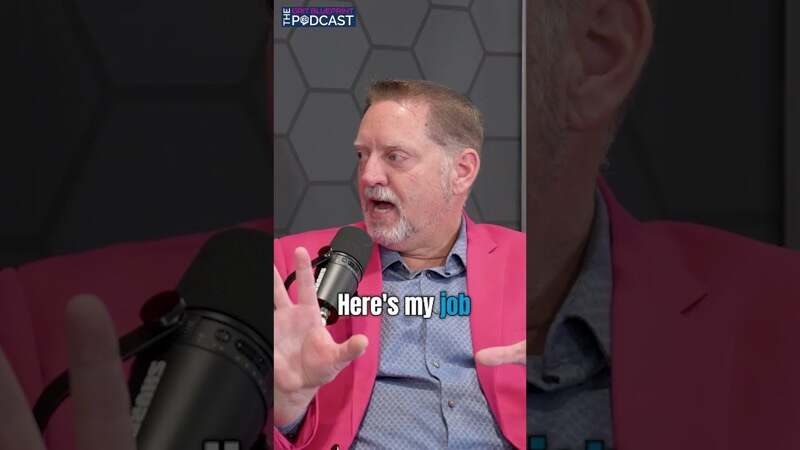
Unisex Safety Gear Is Built for Men. Here Is What to Ask For.
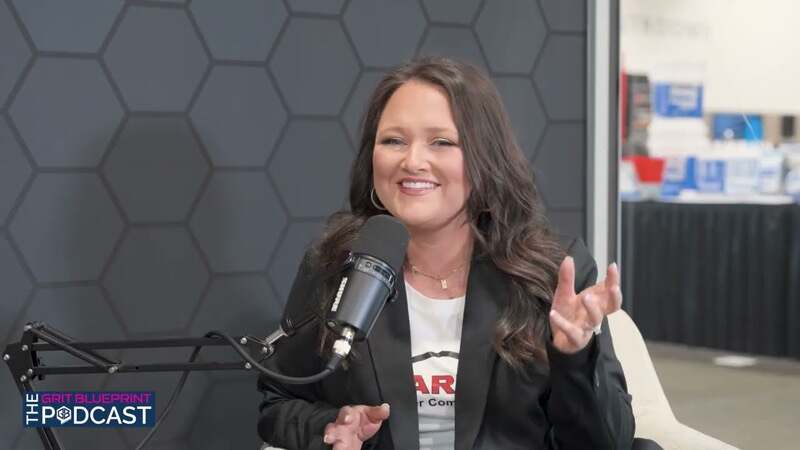
Amy Roosa has been a safety professional for 20 years and is the founder of The Safety Rack. She explains why women end up in gear that doesn’t fit. She also shares how employers can get the right gear before the first day.
For educational purposes only: general information, not legal, tax, financial or safety advice. Check your local codes and talk to a qualified professional before you act. Disclaimer

Most PPE sold as unisex is designed to fit men. That is why many women on jobsites, in yards and in shops work in gear that does not fit. Amy Roosa has been a safety professional for 20 years and is the founder of The Safety Rack. She makes the point with two vests. “In fact, if I hold up a unisex safety vest to a men’s, it’s almost identical,” she said on the Grit Blueprint Podcast (4:35). The fix she describes is simple to say: find the gear that exists, and push your supplier to stock it.
PPE stands for personal protective equipment. That is the gear a worker wears to stay safe. It covers hard hats, safety vests, gloves, boots, eye protection and flame-resistant (FR) clothing.
Who is Amy Roosa?
Roosa started the way she says many people start in safety: somebody handed her the safety committee book. Twenty years later she has worked in manufacturing and government. As of the interview, she worked in national risk control with a lot of construction background. She co-founded the Midwest Women in Safety Conference, a day of professional development. She says 115 women attend it year after year. She founded The Safety Rack about two years before the interview, which was published in December 2024. The Safety Rack’s goal is to educate and advocate for proper PPE for women.
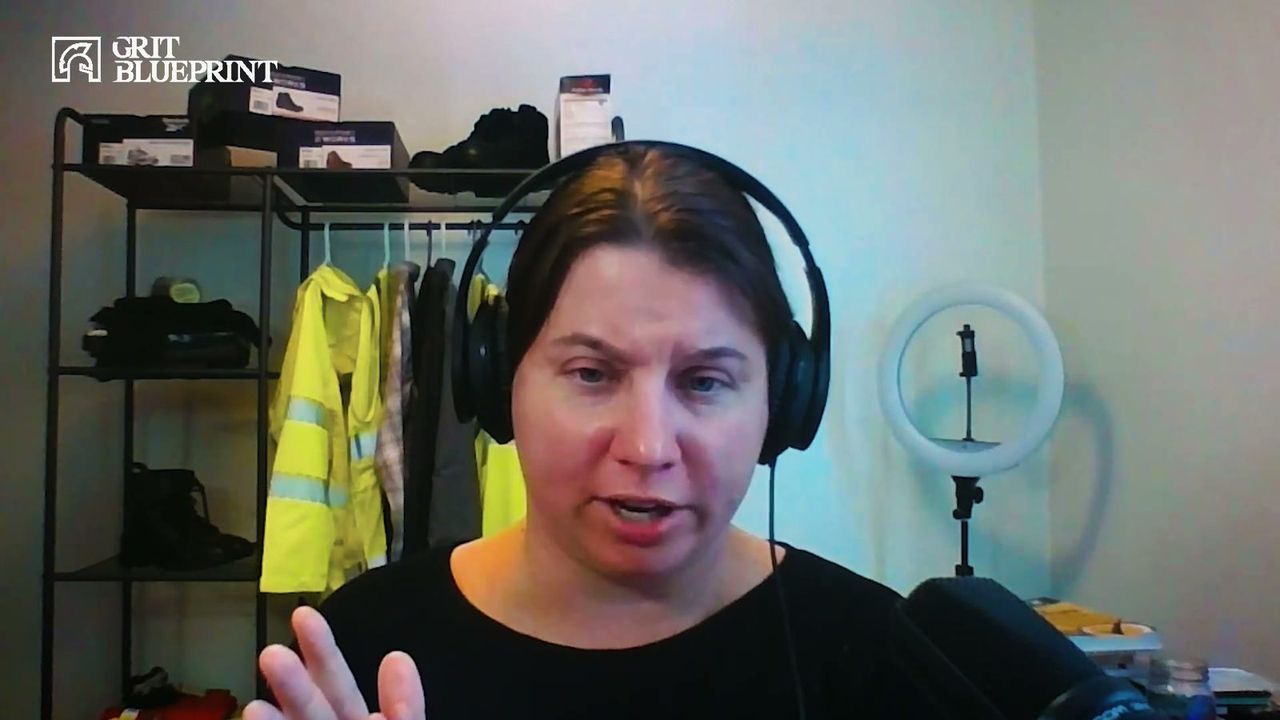
“I don’t sell anything, I don’t make money off of this,” she said (5:39). She buys gear and tests it on herself. On the video she sits in front of a rack of it: “right behind me is proof that I can find almost anything” (9:53).
Why doesn’t unisex PPE fit women?
Because it is still a men’s design. The industry is mostly men, Roosa says, so manufacturers design for men first. When women could not fit into men’s sizes, the answer was unisex. “But unisex is still designed to predominantly fit men,” she said (4:03).
“Women are not small men,” she said (4:35). The differences she checks when she tests gear:
- Shoulders. Usually narrower, which changes how a vest or jacket sits.
- Hands. Length, width and circumference all differ, so a small men’s glove is still the wrong shape.
- Feet. A smaller boot is not enough. She points to differences in heel strike when walking and in arch support.
Women also differ from one another. A vest will fit her differently than it fits a friend of hers who is five foot two, she said.
For years the industry’s answer was to make it smaller or make it pink. “They shrunk it, they pinked it,” she said (6:41). As a safety professional she knows she has a duty to protect workers. For a long time, she accepted that whatever was on the market was all there was. About six years before the interview she changed her mind: “we don’t have to make do and we shouldn’t be making do with what’s given to us” (6:41).
This is not only a construction problem, she said. Women in the military, firefighting, manufacturing and medical work deal with it too.
If the gear exists, why can’t crews get it?
Because buyers do not know it exists and suppliers do not stock it. Roosa says she has found companies that make women’s PPE and cannot sell it. Meanwhile, she says, employers are told there is nothing else. She sees her work as closing that gap by showing people the brands.
The pushback often comes from the supply side. An employer asks and hears that only one line is available. “You may also still get pushback by your distributor of, well, we only offer XYZ,” she said (9:53). Sometimes the distributor simply does not carry the line yet, and she says it will not, until employers push.
Her suggested answer for the employer, in her words: “Yeah, I may have one female right now, but I’m hoping that a year from now I’m gonna have 20” (10:17). She adds that the distributor needs to be ready to support your business and the women in it.
That matters for dealers and distributors too. If you sell PPE to contractors, the customer asking for women’s sizes is telling you where the demand is going.
Stop playing safety cop
Roosa’s other lesson is about the person in charge of safety. Twenty years ago, she said, “everybody kind of played the safety cop”: someone had an accident or broke a rule, and the safety person wrote them up. She calls that the wrong way to go. “You are there in part of a partnership as a leader,” she said (13:59).
She got the idea from her father when she took her first leadership job. The idea: the employees do not work for you, “you work for the employees” (13:59). The people doing the work tell you what they need to be safe, she said, and your job is to go get it for them. Gear that fits is the most literal version of that.

Have her gear ready before she has to ask
Set the standard before anyone needs it. Gear that fits is a standard you can set before the first day. Hiring a woman for the yard, the shop or the crew? Order her vest, hard hat, gloves and boots in her size before she starts, the same way you would make sure a new man has his.
Stefanie Couch hosted this episode. She put it plainly to the owners listening: research the brands, ask Roosa which ones are best, and have the gear waiting. It may cost a little more. A new hire who feels thought of is more likely to stay. “They shouldn’t have to ask,” she said (9:34). Roosa’s answer: unfortunately, right now, they do. Hiring well starts before the first shift; see how to get a new counter hire ready in two weeks.
What to do next
- Ask the women already on your crew, yard or shop floor what PPE does not fit them. Write down each item and size.
- Look up The Safety Rack’s product reviews on YouTube or Instagram before you reorder.
- When a supplier says it only has men’s or unisex, tell it how many women you employ now and how many you plan to hire.
- Add women’s sizes to your new-hire gear list, so it is ordered before the start date.
- If you sell PPE, ask your suppliers which women’s lines they can bring in. Then tell your contractor customers you can get them.
More on getting people started right: your first 30 days at a building materials dealer and own the outcome: leadership lessons from Extreme Ownership.
Questions people ask
What is PPE?
PPE stands for personal protective equipment: the gear a worker wears to stay safe on the job, such as a hard hat, safety vest, gloves, safety boots, eye protection and flame-resistant clothing.
Is unisex PPE made to fit women?
Usually not, according to safety professional Amy Roosa. She says unisex gear is still designed mainly to fit men, and that a unisex safety vest held up to a men’s vest is almost identical.
What should I do if my supplier says it only carries men’s and unisex sizes?
Push back, Roosa says. Tell the distributor that you are hiring women and plan to hire more, and that you need it ready to support them. Some distributors simply do not carry the lines yet, and she says they will not stock them until employers ask.
Where can I find safety gear that fits women?
Roosa reviews women’s PPE on The Safety Rack’s YouTube channel and Instagram, and on the episode she named makers by category, from boots to flame-resistant base layers to work jeans. She says she does not sell anything and buys the gear she tests.
Is badly fitting PPE only a construction problem?
No. Roosa says women in the military, firefighting and medical work deal with the same problem, as do women in manufacturing.
Watch the full interview
Building A Safer Construction Industry, with Amy Roosa, founder of The Safety Rack. Time stamps are from the podcast audio.
Amy Roosa, founder of The Safety Rack, explains why safety gear built on men's specs does not fit women, and what an employer can say to a distributor who claims nothing else exists.
A Grit Guide original. This piece is built from our own interview.