
About This Video
Faour Glass Technologies in Tampa, Florida builds SLIMPACT, a hurricane line of large glass facades with no visible vertical or horizontal framing. The piece the team calls the jumbo is a 10 by 20 module: four plies of half-inch glass, 5,000 pounds per panel. The technology can go up to 40 feet, but 10 by 20 is the biggest available for the hurricane zone. Window walls run from 10 to 20 feet.
The shop also shows a pivot door with a closer that handles 700 pounds of glass. Its thinnest makeup is triple laminated, and the frame is only a quarter inch. One team member describes a Sarasota Bay project 24 feet wide and 11 feet tall, where standing in the bedroom feels like being on the bay. The line began about eight years ago, when a client who wanted hurricane safety without the usual bulk inspired a project-specific installation that became a commercial product.
Big glass built for hurricane country
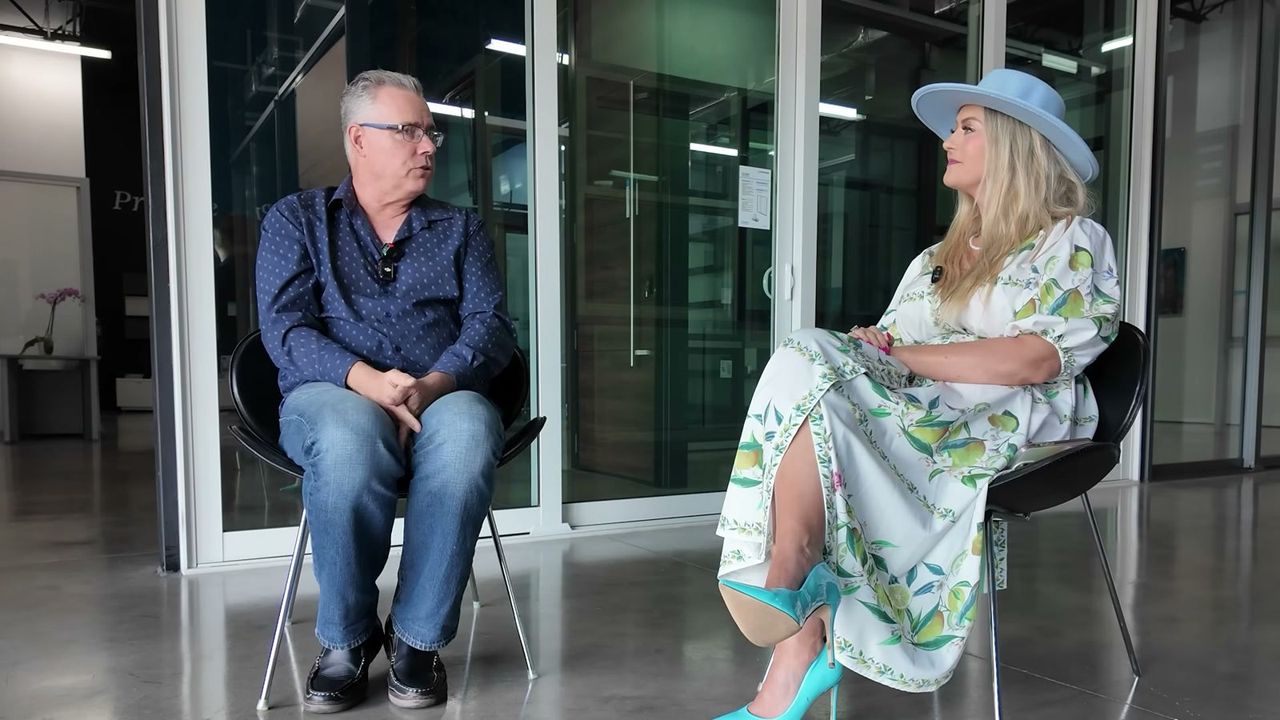
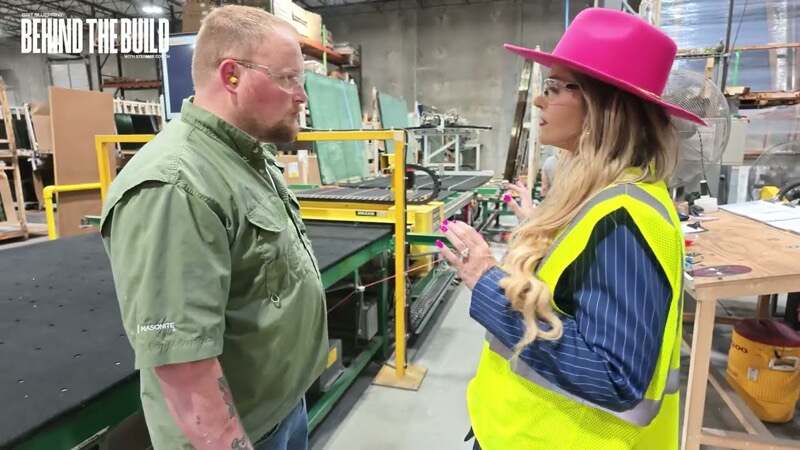
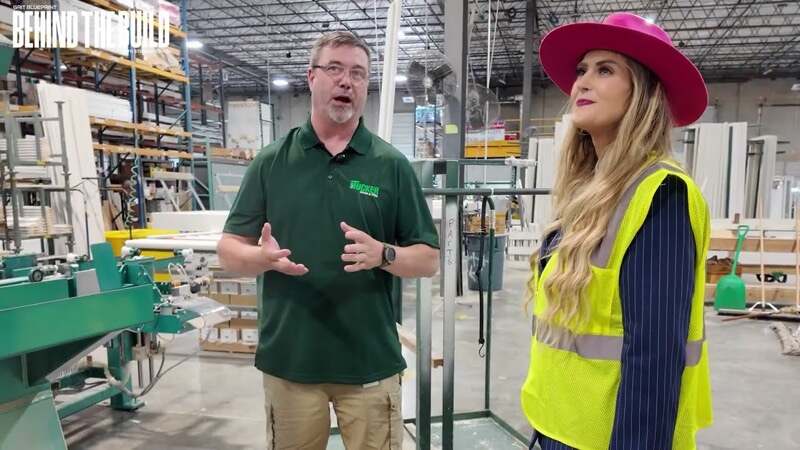
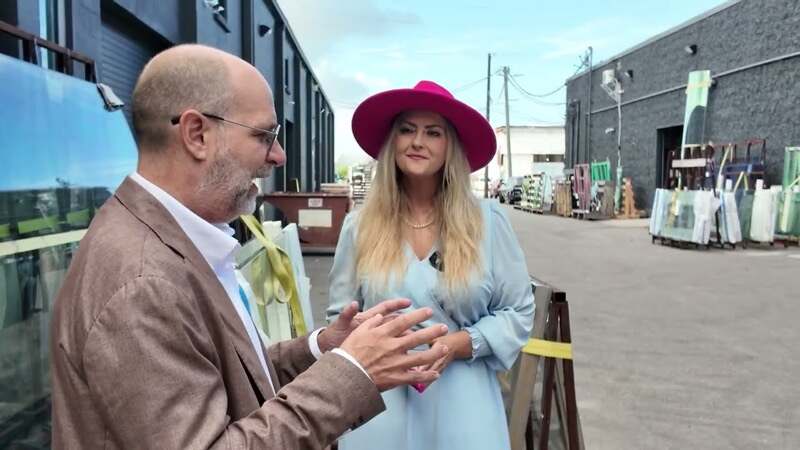
The video opens at the Faour Glass Technologies shop in Tampa, Florida, just after a tour of the floor. Panels of glass 20 feet tall stand outside. This is the team behind SLIMPACT, a hurricane glass system for large glass walls.
A few terms help here. A facade is the outside face of a building. Impact rated glass has passed lab tests where objects are fired at it to copy flying debris in a storm. The hurricane zone is the coastal area this glass is made for. The team says most hurricane products get their strength from heavy frames and many small panes. SLIMPACT goes the other way. Its glass walls show no visible framing, up and down or side to side.
The jumbo panel
The team calls its largest piece the jumbo. It measures 10 by 20. It is built from four plies of glass, each half an inch thick. A ply is one sheet in a stack bonded together. One panel weighs 5,000 pounds.
The team says its technology can go as long as 40 feet. For the hurricane zone, though, 10 by 20 is the top size they offer. Their window walls run from 10 to 20 feet. A window wall is glass that spans from floor to ceiling, one story at a time.
A glass pivot door in a quarter inch frame
Next the team shows a pivot door they designed. A pivot door turns on pins at the top and bottom instead of hinges on one side. This one carries 700 pounds of glass, so it uses a door closer built for that weight. A closer is the device that pulls a door shut at a steady speed.
The thinnest version of the door glass is triple laminated with SGP. Laminated glass is sheets of glass bonded to a clear layer, so the glass holds together when it breaks. SGP is a stiff kind of that layer. The frame around the glass is only a quarter inch. The team compares it to an all-glass Herculite style door, like the ones at many store entrances. The team says this one is made to stand up to a hurricane.
Wind pressure and a wall on Sarasota Bay
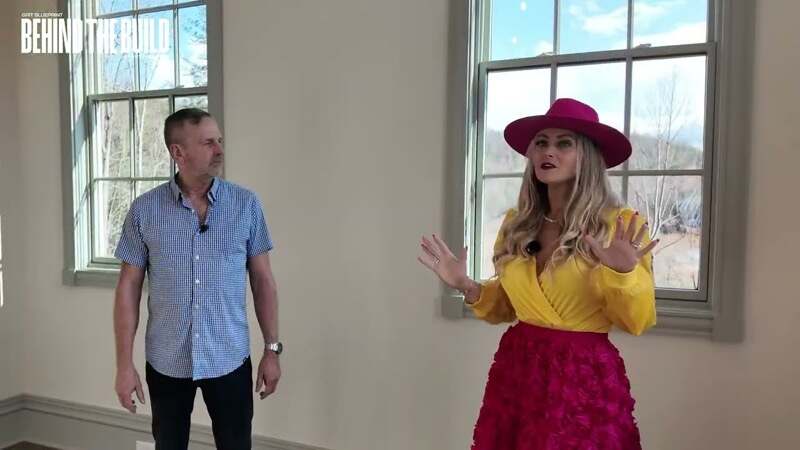
A team member describes a favorite job. It was a full glass wall on Sarasota Bay, 24 feet wide and 11 feet tall, in a bedroom. Standing in that room feels like being out on the water, while the glass behind it is product tested.
The team explains that in Florida there are wind pressures the glass has to meet. Wind pressure is the push and pull wind puts on a window. They say different site conditions call for stronger glass. The video also stops to introduce Cerrone, one of the people who builds these units.
How one client started a product line
The last part explains where SLIMPACT came from. The team listened to the market. Buyers wanted to be safe in a storm, but they did not like how bulky hurricane products looked. Those products often split the view into small panes with mullions about 4 inches wide. A mullion is the bar between two panes.
About eight years ago, one client pushed the team to build a single custom install. That job became the start of SLIMPACT as a product anyone can order. For anyone who sells glass, the lesson is in the order of events. One customer asked for something odd, the shop built it, and then the shop noticed other buyers wanted the same thing.
What To Do With This
Write Down What Customers Dislike
Faour Glass heard that clients wanted hurricane safety but did not love the bulk. This week, note the complaint you hear most about a product you sell.
Ask if a Custom Job Could Repeat
SLIMPACT began as one project-specific installation. When a one-off job solves a problem other customers have, raise it with your team as a possible product.
Ask About Wind Pressure First
The team says wind pressure comes first on a Florida hurricane job. Ask your glass supplier or local building department what your job needs.
Match Hardware to Glass Weight
The pivot door here uses a closer that can handle 700 pounds of glass. For your own job, follow the hardware maker’s instructions.
Plain English
- jumbo
- The team's name for its 10 by 20 module, made of four plies of half-inch glass and weighing 5,000 pounds per panel.
Questions this video answers
How big can hurricane rated glass panels get?
Faour Glass Technologies builds a 10 by 20 panel it calls the jumbo for the hurricane zone. It is four plies of half inch glass and weighs 5,000 pounds. The team says its technology can go up to 40 feet outside the hurricane zone.
Can a frameless glass door be hurricane rated?
Faour Glass shows a pivot door with a frame only a quarter inch wide. Its thinnest glass makeup is triple laminated with SGP, and a heavy duty closer handles 700 pounds of glass.
What decides how strong hurricane glass has to be?
The Faour Glass team says Florida has wind pressures the glass must meet. They say different conditions call for a stronger glass. Ask your glass supplier or local building department about your job.
How did SLIMPACT get started?
The team heard that buyers wanted hurricane safety without bulky frames and small panes. About eight years ago a client inspired a project specific install. That job grew into SLIMPACT as a commercial product.