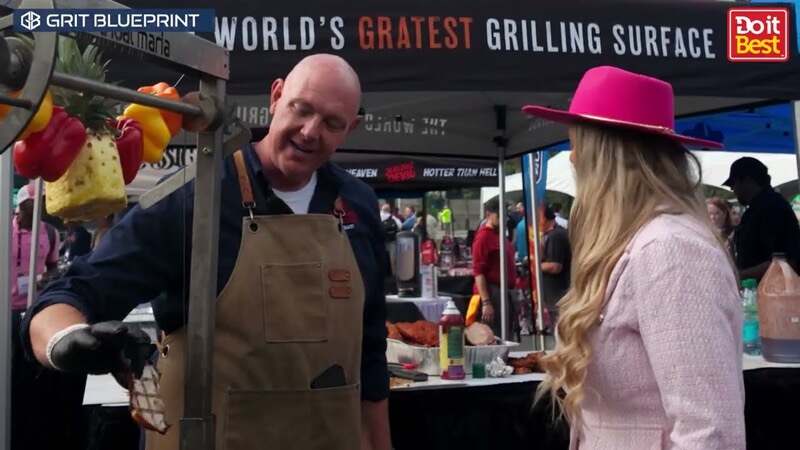
Click any timestamp to jump to that moment in the video.
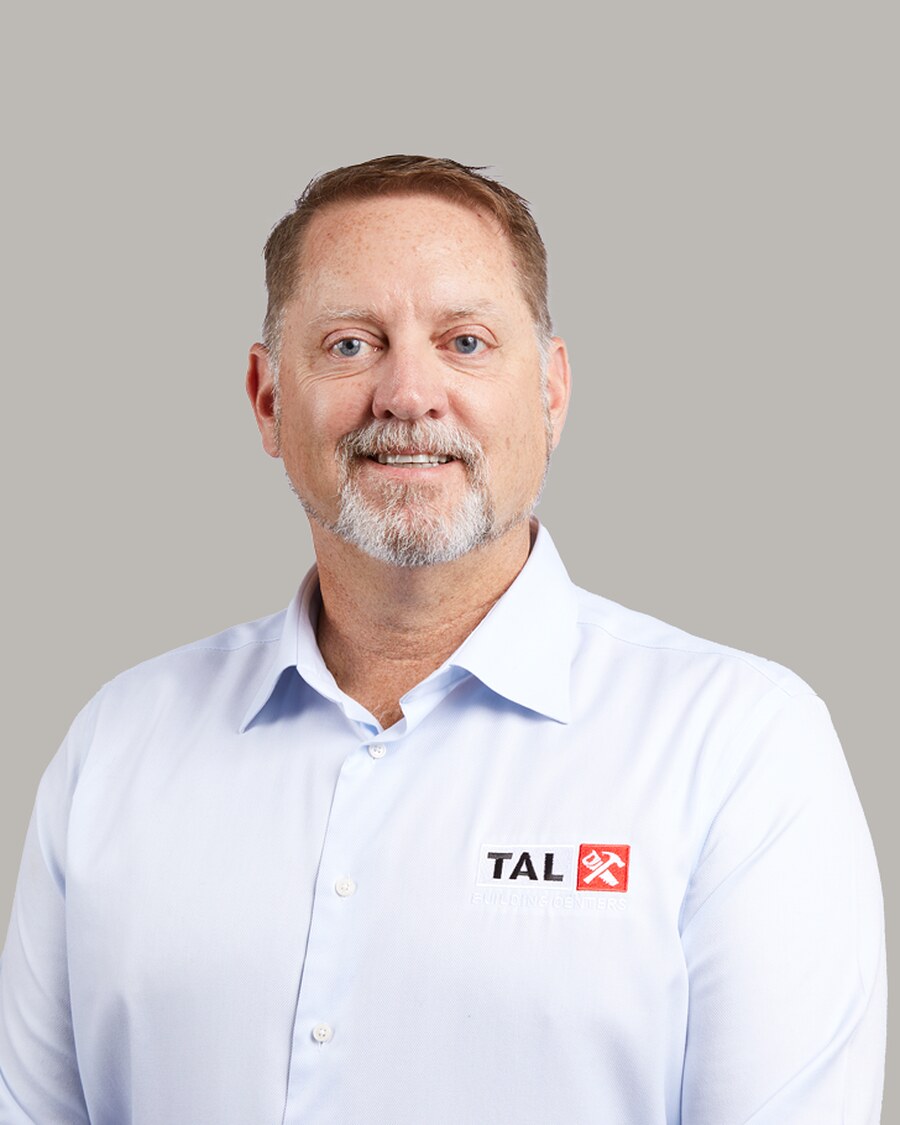
Meet Jason Blair, CEO of TAL Building Centers
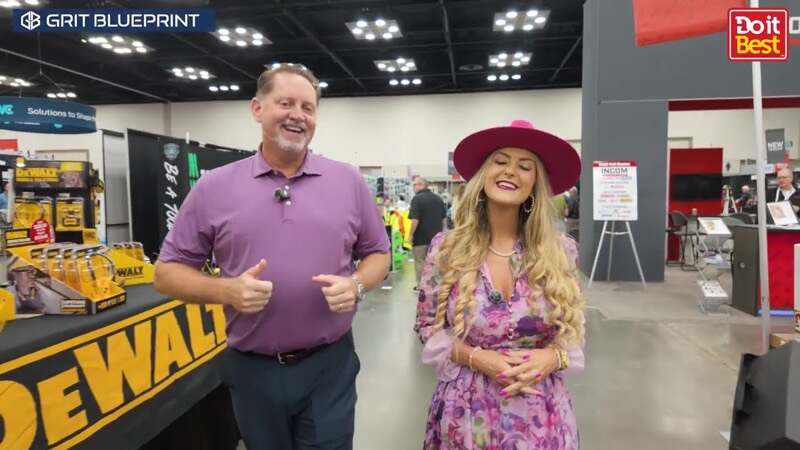
0:00 Transcript: We are here live on the LBM Market floor. Jason Blair, welcome to the show.
0:04 Transcript: Thank you. Thanks for having me. We're going to do a little walk and talk interview. Are you ready for this? I'm ready. I'm ready. I got my walking shoes on. I do. Mine are not as snazzy as yours. I did try to color coordinate a little bit. And you didn't know I was wearing purple, but you nailed it. So we're starting this off on the right foot. What is TAL? Where are you, and what do you do?
0:21 Transcript: So we have 29 locations in the Pacific Northwest. We are in Oregon, Washington,
0:26 Transcript: Idaho, and Montana. Okay. We're a family-owned company, 120 years old. So yeah, it's exciting.
0:32 Transcript: Wow. And you sell lumber and hardware. Lumber, building materials, hardware. Because of all the different markets,
0:39 Transcript: we have 29 different... I call, I call us a collection of stores, not a chain. So we're very different in every market. We're what the market needs for us to be.
0:46 Transcript: I love that. You are actually a big award winner this year.
0:51 Transcript: So I was actually in Orlando when you were awarded Top Gun. Yes. Thank you. Tell me, what is the Top Gun award? I mean, you know, sounds pretty cool.
1:00 Transcript: Yeah. I view it as sort of this lifetime industry award. I think it meant... I told my wife it meant I could retire. What did she say to that? She would have liked that to happen, but it's not going to happen. Yeah. I think it's just a recognition of 30-plus years in the industry and being a part of...
1:14 Transcript: I've been fortunate to be able to be a part of lots of different parts of the industry. And it was recognition for that. It was really special. It was very humbling.
From Stocking Shelves to CEO: A Career Across the Channel
1:22 Transcript: And you worked actually in multiple places in the industry throughout your career,
1:26 Transcript: including True Value. You've done lots of different regions. You've worked in Texas and
1:31 Transcript: Colorado and Arizona and all these places. What is one of your favorite things about your career?
1:37 Transcript: I think the variety of that. That I've... That I've had this really cool, unique experience
1:43 Transcript: to have started working stocking shelves in a lumberyard. Worked in lots and lots and lots
1:50 Transcript: of different positions. I always say that I did everything but drive a truck. Right. And I did do
1:55 Transcript: that occasionally. Probably not on the up and up, but sometimes you do what you got to do running a
2:01 Transcript: lumberyard. Yeah. And then I got to spend time on the wholesale side. I got to spend six years of
2:07 Transcript: my career at True Value. Very valuable part of my career, because I managed a team that managed the
2:13 Transcript: top 35 accounts for True Value. And I got to see hundreds of locations at that time, and it was
2:18 Transcript: absolutely, you know, it was a life-changing experience for me. And then to go back onto
2:23 Transcript: the... back to the retail side of the business, you could bring a lot of those best practices
2:27 Transcript: with you and pick all these cool things out of the... out of the experiences. And so it's been
2:32 Transcript: fun. We've been able to live in lots of different places in our lives and meet lots of different
2:37 Transcript: people. Our Venn diagram of humans is pretty big because of that. And I walk the show and
2:41 Transcript: I spend as much time talking with people I know as I do talking with vendors. It's really fun.
Why Independent Dealer Families Make the Market Special
2:47 Transcript: Yeah. And you and your wife Stephanie have done a lot of cool stuff in the industry, but also had some businesses on your own. So you have a very entrepreneurial spirit. There are so many amazing humans here at this show. That's my favorite part of the show,
2:58 Transcript: is meeting the families and the people that run these independent hardware and lumberyards.
3:04 Transcript: How do you get affected when you see these people and meet these people and think about all of these cool families that are running their own businesses? It is so special. And it's fun being on the board of Do it Best and knowing that you
3:15 Transcript: play two different roles in a facility. You know, you're here to represent your company,
3:20 Transcript: but you're also here to meet and greet and talk with and understand all of these independent
3:25 Transcript: owners out there that are doing it to, you know, to build a legacy for their family. And there's
3:30 Transcript: so many of those that are in this market. I love walking around and seeing that next generation.
3:36 Transcript: Yes. Getting the toys and the candy and all that good stuff. It's so much fun. The kids and the dogs. We saw puppies yesterday on the floor a while ago. It's just so much fun.
What Dealers Are Focused On in 2026
3:45 Transcript: When you think about what you hear, because you are on the board at Do it Best, and you do have,
3:50 Transcript: you know, a lot of people you talk to, what are people thinking about in their businesses? What's important to them today? Because it's kind of a tough time to be a business owner in 2026,
3:59 Transcript: and who knows what 2027 is going to be? What are they talking about and thinking about? Yeah, I think, you know, they're focused on... I hear people talking about being focused on the basics. Right. It's a time... a time to be really good at what you're really good at.
4:11 Transcript: And like we as an organization talk about that, like how... How do we continue to be efficient? How do we leverage new technology? How do we
4:19 Transcript: focus on that? There's plenty of change with the Do it Best and True Value combination. It's created plenty of work for people, and plenty of change in items and all the other components that come along with that. But I think just staying focused on what you can control and not getting caught up in things like interest rates and government policy and building, all those things.
4:30 Transcript: It's important. Important. But I think we all get caught up in some of the things that are happening, including you and I. We talk a lot about AI. We both, you know, love AI. Use it every single day. Every day. Yeah. I might not have used it the last couple days here, but I use it about every day. It's been one of the times, actually, recently that I've used it the least.
How to Stay Out of the AI Rabbit Hole
4:47 Transcript: So that's a good point. But I would say probably I'm addicted to AI, but it's been a big leverage point in my business, and I know it has been in yours. Yes. So how would you tell people that are working with AI to kind of stay out of the rabbit hole?
5:00 Transcript: I... I think it's a good question. Like, like things... If I were to... someone to say, hey,
5:04 Transcript: what are one of the things that keep you up at night as a CEO? And one of them is, is like, what AI tool do I hitch my wagon to? Yeah. I think that the way you stay out of the rabbit hole is we
5:12 Transcript: as an organization have continued to talk about what is our... like, at first we talked in terms
5:17 Transcript: of, like, what is our long-term strategy for AI. And we have continued to just say,
5:22 Transcript: I don't think you can think in terms of, like, what are you going to do in three years. Yeah, it's too long. We're talking about what are we doing three months from now. And then I believe that we're at this point where we have realized that at the end of the day, we're going to end up using a few tools
5:35 Transcript: that are going to enhance the all. And we'll have to be really thoughtful about cost associated with that. Not into this world, if we talk about a death by a thousand licenses.
5:42 Transcript: Okay, so let's talk about cost of that, because that's actually something that you kind of know more about than a lot of organizations, because you have a lot of locations, have a lot of humans in each location. So how are you addressing that,
Managing Software and AI License Costs Across 29 Locations
5:54 Transcript: of having to have all of these user licenses for each thing? Let's stop right here. We have had to be... Like my battery display, you match the battery. I know, that's why I wanted to stop here. I saw the pink bunny. We have learned that we have to be very disciplined about every single computer license. So whether we're a Microsoft company, so whether it's reviewing the level of Microsoft licensing and understanding what,
6:09 Transcript: what's out there, what do our people need, what are they actually using, what are they not using. Same for... we're on BisTrack. So same with BisTrack. Like, understanding,
6:16 Transcript: do we have the right number of licenses? And then we've added some other components along the way,
6:20 Transcript: whether it be financing software or analytics software, and then understanding what people are actually using, and then are they licensed properly. There's a lot of discipline around that.
6:29 Transcript: So you are going back and forth. So if someone's using more, you'll get them a higher license if they need it, and then vice versa. Drop them down. Yeah, okay.
6:36 Transcript: Yeah. So, like, Microsoft is a great example of the variability in pricing is pretty extreme,
6:41 Transcript: and we found that some of the people, you know, if we have somebody who doesn't need a desktop-based
6:47 Transcript: version of Excel but they could still use the web-based version, it's great. And I think AI
6:53 Transcript: will continue to morph that a little bit now. I'm curious to see where that goes. As a company,
6:58 Transcript: we manage AI licensing. It's been top of mind of... we want to make sure that if somebody
7:04 Transcript: raises their hand... We obviously, like we talked before, we wrote a policy, and we want to pay for it. Here's the settings. And so by default, as a company, we've decided that because we're a
7:13 Transcript: Microsoft customer, our default for the normal user would be Copilot. And it works fine for us,
7:17 Transcript: and it works fine for what they need it for. Like, I would call the power user group... Like I,
7:21 Transcript: you know, I use chat because it's what I'm comfortable with, and as a company we do that. And
7:26 Transcript: then I think about the other, you know, whether all the other tools, the Hardware IQ that Do it
7:32 Transcript: Best is developing and some of the other folks are developing out there, all really important pieces
7:37 Transcript: and understanding. Like, there's a component that's great for analytics, there's a component that's great for the front-end user. There's going to be components they're developing, developing, developing. You know, I've talked, I've built relationships with these leaders out there,
7:50 Transcript: these different companies, and I find it interesting that their Venn diagram of
7:55 Transcript: overlap is pretty small. Yeah, you know, you've got sort of this really retail-focused group and
8:00 Transcript: you have a pro-focused group, and they're in there. They're staying in their own lanes to some extent. And I like that they are, because then that allows us, like a company like us,
8:08 Transcript: where we have, you know, over 400 people, 29 locations, wildly different. I've got
8:12 Transcript: 5,000-square-foot stores and 50,000-square-foot stores. A 50,000-square-foot store, I might need something that's more focused for the, you know, the thousands of customers coming in, and the small store where we're dealing with the contractor, some of the contractor tools that are
8:25 Transcript: being developed are just more functional. So we'll end up with this tool belt, so to speak, that has
8:31 Transcript: the right AI tools for the right opportunity, and then how we're going to manage and understand...
8:37 Transcript: We still got to figure that part out. I've been really pushy with my team, and they pushed back
8:42 Transcript: recently in a good way. And I asked them the question... Well, I think I made the statement,
8:47 Transcript: I don't think we're moving fast enough. And they pushed back and said, we're moving as fast as we
8:51 Transcript: can absorb as a company. And it was good for me to hear that. So I would say, like, back to that very
8:56 Transcript: original question, is like, not getting in the rabbit hole also, I think, means that you need
9:02 Transcript: to be thoughtful and patient about the pace that you're using the tools, and know that different
9:07 Transcript: people in your organization are going to absorb it in very different ways. A very different pace.
9:12 Transcript: Yeah, I mean, it's, it's really hard to know what's going to happen, like you said, in a
9:16 Transcript: year. So I would just say that three-month goal is a pretty good... I think it's a great place to put
9:21 Transcript: a flag in the ground, and to re-evaluate every month or two about those user licenses. That's
9:28 Transcript: a great tip. So I'm glad you said that. If you let it go for six months, that could be thousands and
What's Next for 2026 and 2027
9:33 Transcript: thousands of dollars you're not needing to use. So I think that's important. All right, last
9:37 Transcript: question for you, Jason. Yep. What is exciting you the most about the rest of 2026 into 2027?
9:44 Transcript: The rest of '26 into '27. For us out in the West, our busiest few weeks are in front of us. Like, we
9:50 Transcript: have a weirdly busy fall. I'm excited about that. I'm excited that the teams are very prepared to
9:57 Transcript: go into the wintertime more efficient, effective than we have for the last... I hope that we see
10:03 Transcript: just a little bit of momentum going into 2027. It's hard to be super excited that '27 is going
10:09 Transcript: to be wildly different than '26. And that's okay, that we know that, and we're going to be prepared
10:14 Transcript: for that as an organization. I'm super excited about the show. There's a lot of people here. Yeah, it's been so fun. It's been really busy. It's been a lot of fun. It's been really cool. And we still got another half day today and then half a day tomorrow,
10:25 Transcript: and the shareholders meeting tonight, which is always a really cool time. So, well, thank you so much for coming on the walk and talk with me. We did it successfully. We didn't hit anyone. Yeah, we didn't. We didn't run into anything.
10:37 Transcript: We did not. Next time, we'll have to spice it up. We'll... Maybe we'll, like, drive something, or...
10:42 Transcript: Oh, I like that. I've always wanted to do a Supermarket Sweep type thing in here. Okay. So maybe in spring we can talk some way into that with the buggies. I like it. I probably will wear pants for that, because I feel like I'm gonna need it. You got a pretty long stride there. I do. I do. I bet you I can win. I... Okay, game on. Let's... All right. Thank you.
11:01 Transcript: Thanks for having me. All right, we'll see you on our next interview. Sounds great. Bye.