Click any timestamp to jump to that moment in the video.
New Studio And Marriage Logistics
0:00 Stefanie Couch: What happens when your wife is your boss?
0:02 Ben Couch: Um, then you end up getting a studio and office space so that when needed, you can work apart from each other.
0:08 Stefanie Couch: So that you can still be married and not get divorced. We started this in September of 2022.
0:13 Ben Couch: It's been a long few years.
0:14 Stefanie Couch: Yeah, and we have been uh looking and thinking about possibly having an office, but we've been working from home most of the time. And we finally bit the bullet, and we have been working very hard, especially on your side painting, moving stuff in, and we finally got it here.
0:29 Ben Couch: Finally got it.
0:30 Stefanie Couch: Now that we're three and a half years in, what are your general thoughts on entrepreneurship?
0:35 Ben Couch: Uh it's great and awful all at the same time. There's a lot of good aspects about it. Um there is a freedom. It isn't what people think of when they think of freedom, because it's like freedom within your cage kind of deal, but there is freedom. You have to enter to your clients and your customers, but you don't have to enter to a boss, you're the boss. With that comes the responsibility of a boss.
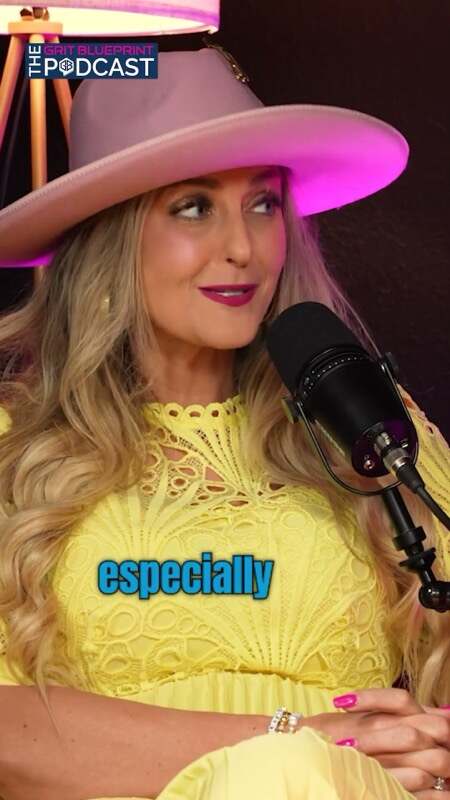
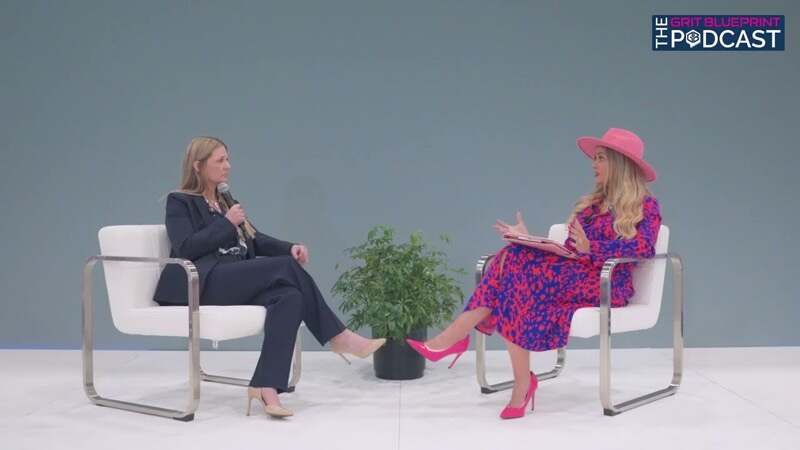
0:56 Stefanie Couch: Welcome to the Grit Blueprint Podcast. I'm your host, Stefanie Couch. This is a spot where leaders talk about the stories, strategies, and systems that win in the building industry. We unpack how leaders and brands build their reputations and become unmistakable. Welcome to the Grit Blueprint Podcast. I'm your host, Stefanie Couch, and today I'm here in Grit Studios in Clayton, Georgia, and I'm joined by my guest, Ben Couch, who happens to be my dearly beloved and also the co-founder of Grit Blueprint. We're here in the new studio, and this is actually our first podcast we've recorded together.
1:38 Stefanie Couch: So welcome to the show, Ben.
1:40 Ben Couch: Thank you for having me on the show. I'm usually on the other side of the camera. So I've remained a ghost hidden well.
1:46 Stefanie Couch: Welcome to the to the world of front of the camera.
1:49 Ben Couch: It's it's it's different. It's more terrifying. It's nice because I don't have to worry as much. Like I'm not worried about is it recording right? Is something working? Modern audio. So there's less to worry about, but it's more stressful.
Why A Physical Space Matters
2:03 Stefanie Couch: This is the first episode we recorded together here, and we are going to talk a little bit today about the process of opening the studio. Uh I want to hear how you're feeling about things and just a little bit about kind of our business and like where we are. We started this in September of 2022.
2:16 Ben Couch: It's been it's been a long few years.
2:18 Stefanie Couch: Yeah, it's felt like about 30 years, but it's been three and a half years. And we have been uh looking and thinking about possibly having an office, but we've been working from home most of the time. We've had a co-working space that we worked out of a little bit, and we finally bit the bullet in December, found a place, got the keys January 5th, and we have been working very hard, especially on your side, painting, cleaning, moving stuff in. Yep, and we finally got it here.
2:46 Ben Couch: Finally got it. It's uh it's been a journey. I feel like if I was not a painter in a previous life, I should have been. I'm getting quite good at it between the studio and we've also moved several times, and I've painted and painting's one of those things where you think about somebody else doing it until you get the estimate, and then you're like, Yeah, but I can paint. Yeah. And then you find yourself taping the trim and getting paint.
3:13 Stefanie Couch: Yeah, you've done a great job. Your shoulders are not thinking you for you.
3:16 Ben Couch: I haven't been to the gym in like three weeks, and I knew better because I knew if I worked out, my shoulders, I have bad shoulders and I knew they would hurt. So I'm like, I just gotta give it up for a month or two because I need my my shoulders for the paint.
3:28 Stefanie Couch: So well, one question I have for you is what is the most exciting part about having an in-person office, about having a a studio?
3:36 Ben Couch: Um, well, there's a few. I think for me, one of the big ones is having that separation. So um we live here in town and up until now our offices have been in our home. Um, so is our home. And that can get difficult just because there isn't a separation. And for me, it's actually beneficial because I kind of change modes. And so uh on the way to the office, that physical act of going to an office, I kind of flip that switch and I'm like, oh, I'm in work mode, and I can typically be uh more efficient and get more work done.
4:10 Ben Couch: And whereas at home, it's like there's always a distraction, and it's like the dog needs to go out, or somebody rings a doorbell, or somebody walks down the street, or like whatever, like there's distractions, and here it's not so much. So I can come here and work, and now granted, what I've been doing lately is physical labor, so like you know, I know I'm gonna come here and paint or whatever, but still it's uh I like that kind of stuff, and so it's you know, I like that part of it.
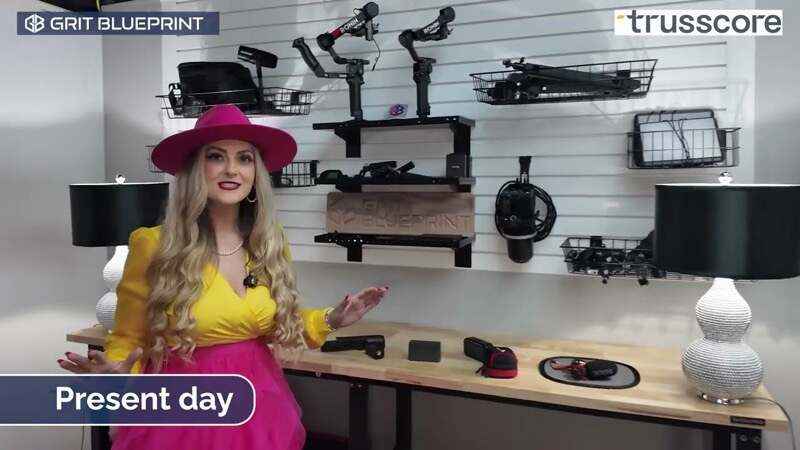
4:34 Ben Couch: The others just having a place for our things because with shooting media, like we have so much camera equipment and tripods and lighting, and like we had a big show last year, and I had a big plastic bin that we took that had a bunch of my equipment in it, and that thing sat in the corner of our living room for like four months, and it's just we didn't have anywhere to put it and we couldn't take it somewhere because we were gonna need it, and so having a place for our things and to store equipment and to have equipment, and then when we do the podcast or we do media, it's easier to set it up.
5:05 Ben Couch: We have room to set it up, we have you know, we have space. It's not organized right now because we've just kind of thrown everything in here because we've had some clients come, you know, quick after we got it open, and so um it's kind of disorganized now, but the idea is we'll get it organized well, and then it'll be easier to set things up and and get recordings going and shooting photos or we're actually rolling into week three, and we've already had um four different sets of clients.
Clayton, GA As A Client Destination
5:33 Stefanie Couch: One of them was a a group of consultants that had two guys, so we've had four client meetings here in two weeks, and it's just been really nice to have you know a place to have a strategy meeting, a place to do photo shoots, a place to do videos, a place to do a podcast, and it's all literally within this 2,000 square feet, and we don't have to rent it, we don't have to make sure we're done by a certain time. It's just really nice. And so I'm excited about what's to come.
5:57 Stefanie Couch: I'm also excited to have a place that, you know, people in the building industry know they can come and shoot media. We know the industry, we know the lingo, and we're here doing this live every day. I'm excited about having a place to shoot our media.
6:12 Ben Couch: Yeah, and you know, talking about location, one of the things me and Stefanie discussed when we were thinking about a studio or office, we always knew we were gonna have both. Like we could we're gonna use it as a workspace, but we also are gonna shoot content there was location. We live about two hours north on a good day, two hours, two hours north of Atlanta, and we don't want to live anywhere else. But like we had the discussion of well, would a studio work up here?
6:38 Ben Couch: And I think what we settled on was we needed a place to work regardless. And so even if nobody ever wanted to come, which obviously isn't true because they already have, we at least had a space to work. Yeah, um, so that was like check that box primarily number one. But also, this area we're in, it's Clayton, Georgia. It's a small town, but uh it's a tourist town. Like people love coming here. The lakes here are nice. There's the outdoor activities, especially in the the summer and the fall, are fantastic.
7:05 Ben Couch: Um, there's some people, uh, Nick Saban has a house here on one of the lakes. It's a very popular area. Really nice restaurants, uh, really like no chain, not many chain restaurants, only chain restaurants here really are uh fast food. So good, cool restaurants, a small little town, you know, with some shops and stuff, and a really nice hotel. And so we started thinking about it. And it's like, yes, we could bring clients into Atlanta or have them come 30 minutes north of Atlanta, and it would be more convenient.
7:34 Ben Couch: But the clients we work with, at least I feel like, and I think you feel like, I don't feel like they would mind driving a little bit further to have like a little bit of serenity, a nicer place to stay, nicer restaurants. They don't have to drive through traffic and worry about hopefully their car getting broken into or whatever. Like it's it's a nice area. And so I'm sure there's some people that are gonna look at it and say, I'm not gonna drive two hours after I get to Atlanta, or um, we're also close to Greenville and not too far from Charlotte, about four hours.
8:04 Ben Couch: They're gonna say, I don't want to drive that distance, and that's fine. We totally understand that. But I think a lot of people are gonna look at it and say, you know what? I can go and like kind of just like me, get into the mindset of work, going to the office, like getting into the mindset, coming up here that like they have a nice room to stay in, they can walk to the nice restaurants. The drive from that hotel, if you wanted to drive from the hotel here, is like three minutes.
Defining Media And Gear Choices
8:28 Ben Couch: Um, you could walk it, probably wouldn't suggest that, but it's there's sidewalks the whole way. But you know, it's a whole thing, it's a whole escape. They could bring their family, like you know, the family could go to the shops, or if it's during the summer or fall, could go to see some of the stuff we have around here while they're here strategizing and shooting content.
8:46 Stefanie Couch: Well, it is close enough for driving distance within, like you said, Atlanta, Greenville, Charlotte, Chattanooga, Knoxville, even really Nashville, Savannah. There's a lot of major Charleston major markets within three to five hours of here. So that was one thing we thought about is you know, you just get in your car and hop around. There's a ton of construction. I like to call this the Charlanna, uh, you know, Charlanta corridor here. So if you're in that Charlanna area, it's pretty convenient. There's really nothing like this. So I'm excited about it.
9:16 Stefanie Couch: I mean, you and I have talked a lot about this, and we love the media side of the business. Uh, you love the media side of the business. So tell me about your background. Why do you love the media side of the business? And what exactly does that mean when you say media?
9:33 Ben Couch: Well, for me, media is the photography, the videography. Um that's that's where I kind of hold the media. And you know, it could go further, like ad creation and stuff like that, but that's not what I think of. When I think of media, it's the photography and videography.
9:48 Stefanie Couch: Podcast, yeah.
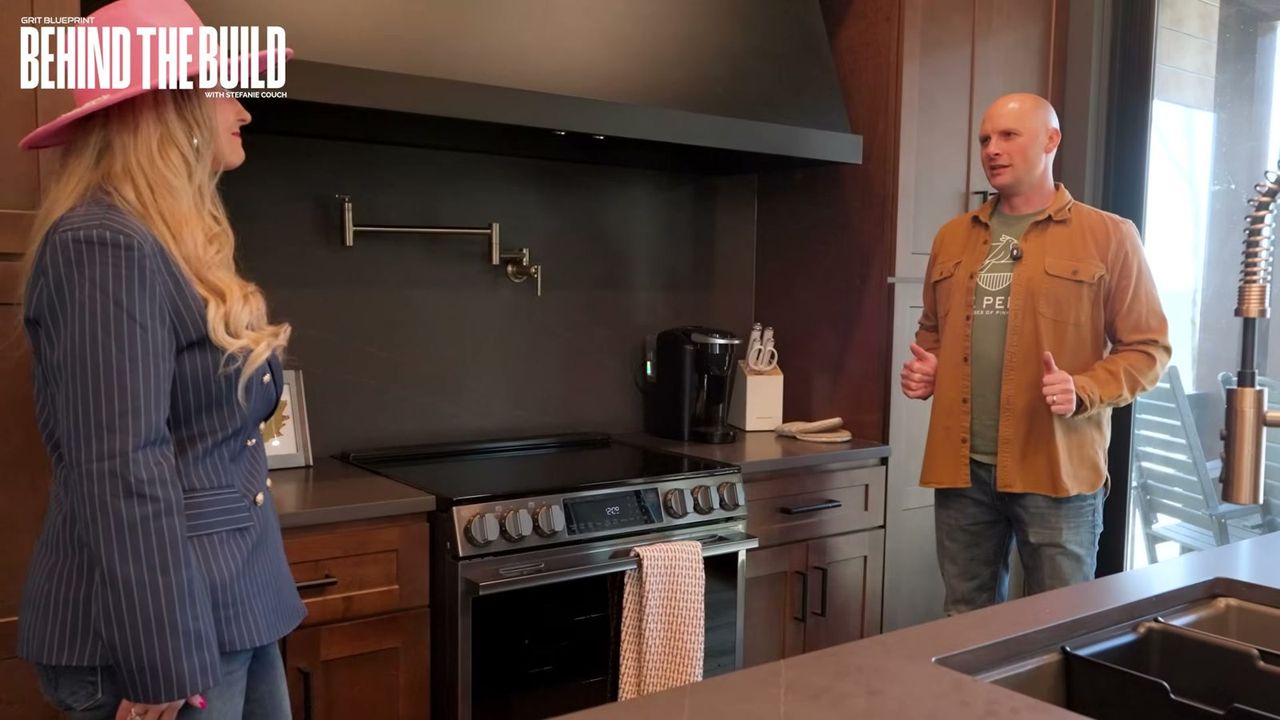
9:49 Ben Couch: Now that could be a podcast, or that could be doing a behind the build or whatever. Um I'm self-taught on all of it, except the photography. I did learn some of that in a previous job, but um the videography and even with the photography, it was an extension of what I already knew, but more commercialized.
10:08 Stefanie Couch: Um tell people, because it's interesting, where did you learn photography?
10:13 Ben Couch: Um, so I was a crime scene specialist with the state of Georgia for a few years, and I was a special agent before that. And part of crime scene work, obviously, is photographs, a big part of it. So that's where I was taught photography initially. And when I was taught it, I realized I enjoyed it. And so I ended up getting a little camera at the time that I could use on my own. And um, because the job photography, like it wasn't pleasant, obviously. So like I had a chance to use what I'd learned, but use it in different ways, you know, doing more um artistic photography or nature or whatever.
10:48 Ben Couch: Um, so that's where I learned it. And then I always kind of did it, but I was never once I I left law enforcement or left crime scene, really, I didn't have a need for it professionally. And I tried to keep doing it, but it's hard when you have work and you have life and you have other stuff. And so getting into this business and being able to use that thing that you know I really enjoy doing, and now I can actually do it for clients and do it for part of the business.
Crime Scene Roots To Commercial Cameras
11:14 Ben Couch: I mean, I love it. And if I could do it every day, I'd be happy. It's it's more physical to me. I'm not I still have a hard time sitting at a computer all day or you know, just typing on a keyboard. And so this gives me that physical outlet of like physically doing things, moving things, positioning things, recording, and then um video editing. I'm not the best at. I can I can get along just basic stuff, but photography and the photo editing, I'm you know, I'm self-taught there too.
11:40 Ben Couch: And the photo the photography will always be my love. Like I handle videography, I can do it, I'm learning, but photography is what I enjoy the most.
11:49 Stefanie Couch: Yeah, we have a media team, so we have an editor. Yeah, we actually have more than one editor, and uh so we have that, and you know, but the photography and the videography you can't really do from anywhere else, you gotta have somebody here. So it's nice to have you and I be able to go to a job site. Um, tell me a little bit about how you've been working with clients because I know there's a lot of cool stuff we've been able to shoot over the last few years.
12:10 Stefanie Couch: Like, what's some of your favorite things we've done?
12:12 Ben Couch: Um, my favorite things are the shows. So, and whether that's the do it best show or IBS, those are my favorite because um the pressures on. Do it best was a little different because we had a podcast booth.
12:25 Stefanie Couch: And so the Do It Best was like uh was like this what do you call it when it's Navy SIL SIL Frog Camp or whatever? It was like buds for for media for you. Um it was literally four days, and we had I don't know what do we record, like 30 things in four days, and it was crazy.
12:43 Ben Couch: And like I don't remember if it was by design or if we forgot, but like we didn't schedule bathroom breaks or anything, and so it was just like nine to ten is this podcast, ten to eleven is this podcast, and we had to fit them in.
12:56 Stefanie Couch: So I did have to change outfits, and I was like run into the bathroom, and it was crazy.
13:01 Ben Couch: And then our hotel was like two blocks away, and I had all this equipment we had to get there, and the convention center was huge, and they were not very, I guess, accommodating for folks like bringing stuff in in cars, and so I was like, it's just is what it is. But the crazy one was with all the equipment was lugging it back that last day because it was where we were in uh Indianapolis, it was a Colts football game, and so like I'm walking down this little narrow sidewalk, it was like cobblestone break or something, it wasn't like pavement, and there's like these flood of people, and I'm walking against against them, and I met I had to make like four trips, and I'm lugging this giant like plastic tote or whatever, a wagon.
13:44 Ben Couch: I had a wagon full of stuff, and like trying to weave through all these fans, and I think that was when we were we got sick too, and so I was we had the flu or covet or something.
13:55 Stefanie Couch: I was getting there.
13:56 Ben Couch: Steph was a couple days before me on that, but I was it was but those are my favorite, and I like the pressure of that, and I feel like the pressure drives me for like the the attention to detail and making sure things are right, and also the shows are cool because you get to meet a lot of people in a very short amount of time, but you also don't really know what you're gonna see.
14:17 Stefanie Couch: That's my favorite thing about it is you know, like you may go to a booth and see something super cool and be like, hey, can we film here or talk to somebody? Um, one of the things that happened this time at Do It Best was I got invited to a dinner. We went to the dinner, I sat next to someone who happened to be the former CEO and president of Do It Best. He and I had a great conversation. I said, Do you want to record a podcast tomorrow?
14:39 Stefanie Couch: He comes in, we have a podcast, and it turned out really great. It was completely unscripted, completely unplanned. We kind of rehad some of the conversations we had at dinner, but that would have never happened had I not just sat down next to him at dinner and had that conversation. So you just don't know who you're gonna meet at these events. It's it's so fun.
14:55 Ben Couch: Yeah, well, and the the atmosphere's fun. It's I and I'll admit this, and and Stefanie knows this, as much as I like to shoot media, it's still kind of weird for me shooting media out in public.
15:08 Stefanie Couch: Um you mean like unplanned, you're just have a camera at a grocery store or something like that.
15:13 Ben Couch: Grocery store, restaurant. That's like that is contrary to my personality, and so it's still really awkward for me to do that. Well, at these shows, it's commonplace and people expect it. So for me, there's like this sense of freedom where I'm like, I can just shoot content all day, walk around with my cameras and all that, and I feel more comfortable doing it because it's more acceptable there. It's not like I'm at some restaurant pulling out a you know camera, and it's I still feel weird about that.
Trade Shows, Pressure, And Serendipity
15:38 Stefanie Couch: Well, and we've talked a lot, you know, there are a lot of shows in our industry. We we've really stayed in the building products and building materials shows, some industry like co-op shows, that type of thing. And then we've done a lot of National Glass Association stuff. But there's world of concrete, there's roofing shows, there's all kinds of stuff. So I'm hoping that now that we kind of have this studio and we're we're getting everything ready, that we can start planning a show every you know, few months, go get it done.
16:05 Stefanie Couch: And just even if we record content for ourselves, you know, but we do have clients at shows that ask us to come and film at their booths. I've done some podcasts at a lot of different shows where we just record live. It's that's really fun. That's my favorite thing.
16:20 Ben Couch: And people like they stop and listen or watch. I mean, when we were at Doabest, we were in a glass cube. So like it was they could come see like my roadcaster that I do the audio on was right there. They can see that, they can see the cameras and they can like listen to it coming live, and then you know, a month or weeks or however long it takes us to get it out, then they can watch the episode that they saw happening.
16:42 Stefanie Couch: One thing that's interesting to me is people really love your camera equipment. Can you tell us about that a little bit?
16:47 Ben Couch: Uh yeah, well, I mean, I think people are just interested in it. And you know, so much of the content you see nowadays is shot on an iPhone or a cell phone, and there's nothing wrong with that. And I encourage people, and there's some settings you can use to make it, you know, even more. We use iPhones, yeah, for sure. But I think there's this interest in like the the real stuff, the real camera, and you know, and people will say sometimes to me, like, well, is it really much that much better than an iPhone?
17:14 Ben Couch: And my answer is yeah, and especially in editing, um, but also like zoom in, like that's where like you can really start to see the difference in the photography, is like it looks good at like the little the little sample on your phone, but start zooming in and you can start seeing a difference, and just the editing definitely with pictures too.
17:32 Stefanie Couch: Yeah, oh yeah, you start to put pictures on a website or something like that, and you do iPhone photos versus a true camera photo, it's night and day.
17:40 Ben Couch: And like I shoot raw photography and tell people what that means. Raw's just with photography, raw's just um it it keeps more of the the data in the image, if you will. Like the opposite of raw would be some kind of format that crops the image. So that basically just means you shoot this image and it compresses it down a little bit to make it a little bit easier to manage file size-wise. Raw just keeps all that original data and it it'll save you because if you if something isn't just right, I tell people the only thing I really can't correct in Photoshop is out of focus.
18:14 Ben Couch: Like if it's severely out of focus, nothing I can do there. But outside of that, you can correct most everything, especially with raw. You can still do a lot with JPEG and PNG files, but raw just gives you more uh leeway, and so I shoot raw, and then with video, it's S log3 with Sony, Sony's S log, and it's just a very similar thing, it just gives you more flexibility in the range so you can post production, you can adjust things a little bit better. Um, but yeah, so that alone, and you can shoot raw photos on an iPhone, you can do ProRes on an iPhone for movies.
18:46 Ben Couch: So there's there's some comparable things. And look, um, I think it was 28, is it 28 years later or whatever, that zombie movie that came out recently. They shot a lot of those scenes with iPhones. And if you haven't, like I'm not super into that, those kind of movies, but if you go look, there's a shot, a photo that they took behind the scenes where they have this like U-shaped tray, and there's like 50 iPhones on it, and they're all connected together. And um, I need to go watch the movie just to see what that shot turned out to look like, but uh they use iPhones for that, so certainly you know, you don't have to go out and get the cameras like we're looking at here to shoot content.
19:20 Ben Couch: Um, but as you shoot more and more, you start to understand the flexibility it'll give you and and some of that.
19:27 Stefanie Couch: Well, and we're doing this professionally, like this is what we do for a window.
19:30 Ben Couch: If somebody pays us to come shoot content and we show it with an iPhone, like understandably, they'd be like, Really?
19:35 Stefanie Couch: Yeah. And the cool part about it is there are some in-between things. So we have some little cameras that we use that are DJI cameras and some mics and things like that that aren't where you if you can't take this big shirts. A lot of this is heavy and it takes a lot to travel.
iPhone Vs Pro Cameras And RAW
19:50 Ben Couch: Traveling with this, like it's a big is a big deal.
19:53 Stefanie Couch: Yeah. So tell me a little bit about how you feel, or three and a half years into this business. You did you ever think you were gonna be a business owner?
20:04 Ben Couch: No, no, not really. I mean, my mother was a business owner, is a business owner, she's an entrepreneur, and so um I had it in my family, but it never crossed my mind. I mean, I always thought I wanted to be in law enforcement, which I was for you know several years, but um ultimately I I fell out of love with that. And so I really didn't have a chance to reflect on it because I up until you know my late twenties, I kind of knew or early 30s, I kind of knew what I was gonna do.
20:32 Ben Couch: Um, so no, I guess I I never really considered it.
20:35 Stefanie Couch: So now that we're three and a half years in, what are your general thoughts on entrepreneurship?
20:40 Ben Couch: Uh it's great and awful. It's great and awful all at the same time. Um there's a lot of good aspects about it. Um there is a freedom. It isn't what people think of when they think of freedom because it's it's like freedom within your cage kind of deal. But there is freedom. There's the ability to you don't you have to answer to your clients and your customers, but you don't have to answer to a boss, you are the boss. With that comes a responsibility of a boss.
21:07 Stefanie Couch: What happens when your wife is your boss?
21:10 Ben Couch: Um, then you end up getting a studio and office space so that when needed, you can work apart from each other.
21:16 Stefanie Couch: So that you can still be married and not get divorced.
21:19 Ben Couch: I mean, we really it I feel like you well with us at least, it becomes so not heavy. Heavy isn't the right word, but there's just so much. It is it is a lot, and so you get to this point where like we're married, but like with the business, we don't get really mad at each other with the business. We don't know.
21:40 Stefanie Couch: We've never really had arguments a lot anyway.
21:43 Ben Couch: We don't, but especially not over the business, because it's almost just like there's problems and we have to come up with solutions, and there's no sense arguing. Or the few times that we do argue, it's like we will be arguing and stop, and immediately I'm like, Okay, what do you want to get for dinner? Like it's it's not an emotional or personal. Personal thing. It's just it's business. Business. Yeah.
22:03 Stefanie Couch: Well, and my dad and I grew up obviously working together. And so we would people people would always think we were yelling at each other because we're both pretty loud people. And uh or like, oh, we were just talking, like, y'all okay and everything okay? And like, yeah, we were just talking about what we're gonna eat for lunch, like where we're gonna get Subway or McDonald's or whatever. But yeah, it's it's interesting. Now that we have a studio, we have an in-person office, we've started building a team remote anyway, and now we actually have an internship program we're running with my local alumni association, which is close, and we're gonna be bringing more people in, but we do have a team of people, and that's been pretty cool.
22:39 Stefanie Couch: Also, it's hard when you have employees and there's pressure that comes with that. But tell me a little bit about where we're going and what excites you about that, and what also scares you about that.
22:48 Ben Couch: Well, first, shout out to Perry, who is uh here, he's this is his first uh day here coming to the studio. He's uh from that same university, and he's here running some cameras for us today. He's already doing better than me.
23:00 Stefanie Couch: So and shout out to Piedmont University for uh they have a media program, a mass com program, and they have uh we've got some marketing students working for us already, some computer science people we're working on. So really cool to think about taking the college I went to and being able to bring talent in from there.
Three Years In: Entrepreneurship Truths
23:18 Ben Couch: Yeah. Um so the team thing's easy. It's it's hard to find good people, but once you find good people, it is a force multiplier and it takes your business to the next level.
23:28 Stefanie Couch: Sometimes I almost cry just thinking about how much they help me and how much I care, like how great they are.
23:35 Ben Couch: For you, there's no way that you you could handle the amount of things you handle without it. And for me, there's no way I could do things like setting up the studio without it. And so it's a total game changer. It's hard. You you get a lot of bad people, you get a lot of okay people, and you get every once in a while, you get a diamond in it.
23:54 Stefanie Couch: Yeah, and by bad people, we don't mean like morally corrupt.
23:56 Ben Couch: No, no.
23:57 Stefanie Couch: That well, yeah, sometimes sometimes you could get that.
24:00 Ben Couch: We luckily haven't. Nobody we've ever had hired has been, but I just mean bad isn't it? Just ain't the right fit. And what I found is most of the time it's just they're not in the right role.
24:09 Stefanie Couch: Yeah.
24:09 Ben Couch: If you if we had the ability to put them in a role that we knew they would be perfect at, they would be great. Yeah, but we're so small that a lot of times you you don't have you don't have that option. And a lot of times, you know, people nothing against them, but people want to work for you, they want to do what you ask them to do. And um, sometimes it just turns out they're not in the right role.
24:30 Stefanie Couch: We've had to have generalists. We're starting to get to the point a little bit where we can specialize people, but when you're like a two or three employee company and you hire that fourth person, they've got to figure it out. Figuring it out is kind of one of our core values. Uh, we usually add the F word in there, figure it the F out. Um, but we have definitely had to do that as owners and founders of figuring out like what in the heck are we doing?
24:55 Stefanie Couch: Right. Pretty much that's every day. But we need people that can do that. So talk a little bit about that core, the core values and kind of how we what our culture is like and what we want it to be like.
25:05 Ben Couch: Right. Well, culturally, like you said, it's a we try to breed a figure it out culture. And it we're small, we're we have a lot going on, and as much as I would love to be able to invest in people and get them to the level we need them to be at, sometimes that's just not possible. Um, but so figure it figuring it out is one of them. Um taking and I I like Jocko, I read his books and and like his podcast. Jocko will ink um extreme ownership is so I've taken some of the stuff from him that I've learned and some other folks, like the extreme ownership, um, taking responsibility for the things that you have.
Building A Team And Internship Pipeline
25:41 Ben Couch: Um I'll give you a good example. It's there's been a couple times where we've shot a podcast and it's like right after we're done, and I'm going through the the content and I've I screwed it up. I just screwed it up. Uh something didn't record, a setting was wrong, something was just awful, and I'm like, I I screwed it up. There's no I there's no like blah blah blah blah blah. It's just like I effed this up and sorry, we'll we'll make do with what we got.
26:08 Stefanie Couch: Yeah.
26:08 Ben Couch: Um, and that's what I want because the problem is the time and energy you take trying to explain why or blame something or blame somebody or go through the whole, I don't care.
26:18 Stefanie Couch: Well, and you really only need to know why based on how to fix it.
26:21 Ben Couch: Only to not do it again, but like you don't have to just as long as I understand that you understand why it messed up or whatever, that's all I need to know. You messed it up, fix it. Don't worry about it.
26:30 Stefanie Couch: Well, and the milk spilled, so like just clean it up and let's not spill it again.
26:34 Ben Couch: Ask for help if you need help cleaning it up, if you need help figuring it out, whatever. So um that's a big part of it. Um you know it I think it's just core values are important, but if you find the right people in your organization, they're probably gonna have the a similar type of values to you um as as you train them and as they become part of your your team.
26:57 Stefanie Couch: I feel like as founders, we have really high standards, and so I you know, I I try to hold myself to that. Obviously, totally not perfect in any way. I screw up every single day, still trying to figure out what the heck I'm doing a lot of times, but it feels like if you can find someone who they're more disappointed than you ever could be when something goes wrong, or they're more upset when you know their product isn't good enough or fast enough, that that remedies a ton of the problems.
27:25 Ben Couch: Yeah, and I never thought we would find somebody that cared as much about our business as we do. And maybe they don't a hundred percent, but most of our people do. Like I've been amazed at how much they care about something that they're a part of, but they don't own.
27:41 Stefanie Couch: Yeah.
27:41 Ben Couch: But they've blown me away with how much they care.
27:44 Stefanie Couch: I understand that though, because I felt that way when I worked for the company I worked for for 10 years. Like, I don't know if it's because I came from an entrepreneurship background with my dad's business where my name really was on the door, but I literally just transferred that to the company, and I felt that way every day when I woke up, like I was getting up and going to my job at my company, and it was my company in my mind for 10 years.
28:05 Ben Couch: Coming from working for the government, I didn't have that warm and fuzzy feeling. I felt like a cog and a wheel, and that was about the extent of it. Yeah, good people. I work with good people, but I knew like they'd they they'll flush me and replace me in a day if they need to.
28:17 Stefanie Couch: So I think one of the things about government work and in general, like just that type of job, is there really isn't a lot of winning that can be done there. Like your best day as a crime scene specialist or as a special agent was when you didn't get a new murder case or you didn't get a new, you know, whatever. Um, and so I I think that also is really hard to want to own something that you can't win.
28:39 Ben Couch: It is, I mean, I think for me at least it was a camaraderie and the people I worked with that made it better, more pleasurable, and like knowing you got each other's backs and you're a team, that kind of thing. That offset like the negative negativity of the work, but um but you can't own like there's not a lot of ownership in that, I guess.
28:57 Stefanie Couch: For me, is like the winning and the competitive part and the incentive part of it to me is how you make people believe and how they buy in. I feel like incentives are so big. And when I say that, I don't always mean money. I mean, I am definitely incentivized by money. I was a salesperson, I I like that model. And obviously, now as an entrepreneur, I mean, I think if you're not good at sales, you probably shouldn't start your own business uh by yourself, at least.
Culture, Extreme Ownership, Fit
29:22 Stefanie Couch: I mean, sales is it is the business, it's the lifeblood of every business.
29:26 Ben Couch: You don't have revenue, you don't have a business. That's right.
29:28 Stefanie Couch: And so if you can't figure out how to make people want the product or service and buy the product or service in a way that hopefully they're repeatable, you're in trouble. But winning to me is sales, but it's also other things. And a lot of our team, I mean, yeah, they're incentivized by money, but listen, we're a startup and it's not the most, you know, stable environment because things are changing and like that's just the nature of a startup. And it's fun for some people and terrifying for others.
29:57 Stefanie Couch: But at the end of the day, I just again, I can't say enough about the team. Sometimes I literally just lay in bed at night and think, like, I can't believe that these people are working for us and that, like you said, they care about our business. I feel like just as much they're waking up in the middle of the night having ideas, and they'll tell us on our team meetings, like, my dream self solved this problem last night.
30:19 Ben Couch: John's dreams.
30:19 Stefanie Couch: Yeah, John's dreams, he comes up with. I mean, lots of our team have dreams about stuff or wake up in the middle of the night and say, I solved this, and then the next morning tell us. So I I just am so grateful. And I'm more excited about what's going to happen with the team going forward because as we expand, even if we don't have a hundred person team, which who knows, maybe one day we will, but we're able to think about how do they thrive the most and use their strengths.
30:44 Stefanie Couch: Like we have one person on our team that's really good at training and she loves it. She also happens to be great at planning events, and we haven't really said a whole lot about this, but this studio has a spot where basically we can do 30 to 40, 40 person trainings. We're working on some bigger trainings, we're gonna do a big training for millwork, but do it best this April. So it's just like the the lane is being paved, and the people that we need and should have on the team are just right there, and it's it's fun.
31:12 Ben Couch: They can really drive the direction of your business too, because if you think about it, like think about with us the editing. Um, for those of you who have never tried, finding good video editors is very difficult. Yeah, we have a good one, and we found a good one.
31:28 Stefanie Couch: We have two or three contractors as well that we like.
31:31 Ben Couch: But think about the direction our business could have taken had we not found that, because like we couldn't have like we could have, I guess, but like my it would have taken everything I had to learn how to do those edits. We got a good editor that drove us more toward the media, and so you know, you start to wonder the people you bring on your team if they really do kind of show the direction or the path or adjust the path of the business based off of their strengths and what they like kind of unlock for the business.
31:57 Stefanie Couch: Yeah, definitely. I've never thought that talent would be as important as early as it was in our business, but I think that you know, we could only do so much. I mean, we've invested in a lot in people, and maybe that wasn't the best idea from a revenue perspective of profit, but I didn't feel like we could scale without doing it. And I also wasn't sure if we could we were gonna just drive off a cliff.
32:23 Ben Couch: So um well, it it's rough too, though, because one of the hardest things for me is letting people go and firing people, and like I said that it would be easier if they were like morally bankrupt, guys, easy to fire, you know. The ones that are harder, the people that are good, good people, uh but you know they can do good work if in the right position, yeah, but they're not, and we don't have that position, and so you gotta let them go. And like in my mind, I start looking for like any excuse or any reason not to let them go.
32:51 Ben Couch: And ultimately, like you gotta think of the business because it if the business fails, they're not gonna have a job anyway. And so like you have to do those things, and that was rough. Like, it's been rough. I mean, we've but you can't keep them, like you can't.
33:04 Stefanie Couch: Well, and a lot of times we know like pretty much immediately within the first 30 days that it's not a good fit for the role. And uh we do a lot of a lot of contract work with people to try things first because that way we can kind of test out do they fit and do they work and do they like working for us too and working with us, you know, that's pretty important for them as well.
Incentives, Sales, And Winning
33:24 Ben Couch: Yeah, sometimes they do a good job, but they just don't fit fit with the team.
33:28 Stefanie Couch: Yeah. Well, I'm excited for what's coming, and I think that this studio is obviously gonna be a nice reprieve, like you said, to be able to maybe have home be home a little bit. I still have an office and still work at home a lot, but it is really cool. And uh we've already got some great podcasts, and you're on a podcast now, so maybe we'll make this a regular feature.
33:51 Ben Couch: The the Ben As long as it gets edited and released, I don't know.
33:54 Stefanie Couch: The Ben and Steph show. Well, we've got somebody that can handle that now.
33:57 Ben Couch: Yeah. I'll tell you one of my um one of the best things about the studio what is all the lunches, the catered lunches we buy when um when clients are here and I get to take all the leftovers home. Yeah. So uh it's been fantastic. I got a fridge full of barbecue and I think some Italian and we had sushi the other day. I'm eating better than I ever have, which I you know, not going to the gym, I need to kind of let one one go because it's both together, eating well and not going to the gym isn't a good thing.
34:27 Stefanie Couch: You might have to get you some dumbbells to go in here.
34:29 Ben Couch: Yeah.
34:30 Stefanie Couch: Well, I think it's cool because um, you know, when you have clients in, you get that catering going, and then like you said, you don't have to make dinner, you don't have to do dishes, so home's getting more more fun for me every day. Home's more like home. Yeah, for sure. Well, I want to finish out with one last question. If you had to say one thing that you're looking most for to that you know about based on where we're at in our business or the studio or whatever, what is it?
35:01 Ben Couch: Um it's it's clients coming here, you know, and we know they're going to because they already have, but it's like the anticipation, like I just love the idea of people coming here and like being in our studio, all of my equipment being here, you know, controlling everything in here in terms of the light and the set and all that, and just more people coming. Yeah, like it's gonna, it's just it's just it's fun to me. So I know it has to be for them too. Um and just more and more and more people coming and and hanging out here with us and working on the strategy and doing a little bit of video and some photos.
35:35 Stefanie Couch: Yeah, and getting the studio exactly like we want it. I mean, we're we're about to do some stuff with this set here.
35:40 Ben Couch: I'm literally about to hop off this podcast and um change my boots and start painting a wall back there.
35:46 Stefanie Couch: So well, thank you for all your hard work and thank you for putting up with me as uh both your wife and your co-founder.
35:56 Ben Couch: Well, you've put up with a lot to yourself, so it's mutual.
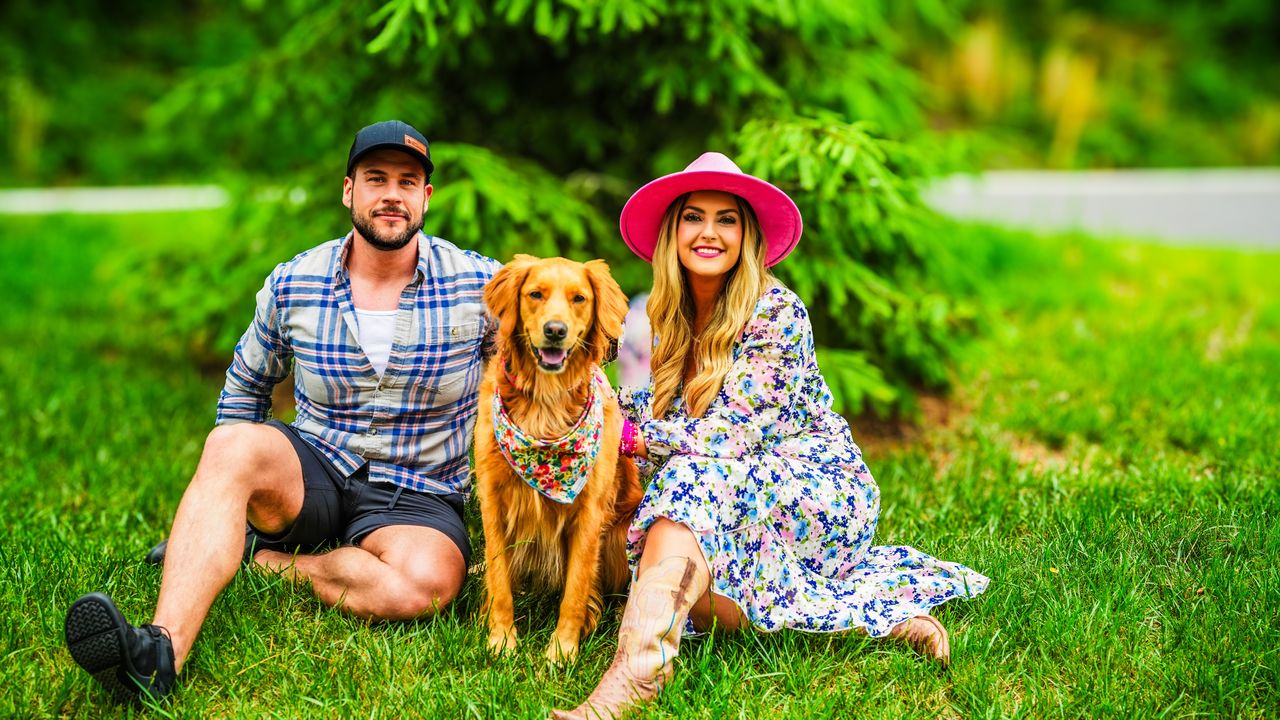
36:01 Stefanie Couch: Well, and we both have the Heidi Pearl as our boss, so we're really we really just report to the golden retriever. She's in charge. Another real great thing about the studio is that she gets to come with us and she loves it here. Um, she has specific studio toys that she only can play with here.
36:18 Ben Couch: A lot of take home.
36:19 Stefanie Couch: Yeah, the like one of the first first things we purchased was a bark box subscription for her here at the studio. So, I mean, I felt like that was pretty we got the keys, we got the bark box, it's pretty important. Right. Yeah. Well, thank you for joining me on the Grit Blueprint podcast, and I will see you on the next episode, hopefully soon. Thank you for listening to the Grit Blueprint podcast. If this episode helped you think a little differently about how to show up, share it with someone in your building world who needs it.
36:49 Stefanie Couch: If you're ready to turn visibility into growth, then head to gritblueprint.com to learn more and book a call to talk to us about your remote food strategy. Until next time, stay unmistakable.