How to Work a Room at Your Next Market or Trade Show
Walk in with a short list, start the conversation, know when to move on and follow up before the week is out.
You’ll finish with A short list of people to meet, notes on each good conversation written the same day, and a follow-up sent to each of them before the week is out.

Download the PDFPDF, 819 KB, 10 pagesDownload the slidesPDF, 476 KB, 17 slides
In this guide7 steps
You’ll finish with A short list of people to meet, notes on each good conversation written the same day, and a follow-up sent to each of them before the week is out.
- Step 01Decide who you need to meet, and look them up
- Step 02Know what the other side is looking for
- Step 03Put your phone away, then walk up
- Step 04Open with “tell me about,” then follow the answer
- Step 05Wrap it up before they do
- Step 06Write it down before the next conversation
- Step 07Follow up that week. Don’t wait for them.
From the episodeThe Powerful Secret to Career Growth: Embrace The Messy Middle with Sarah Lee of Blish Mize Co.
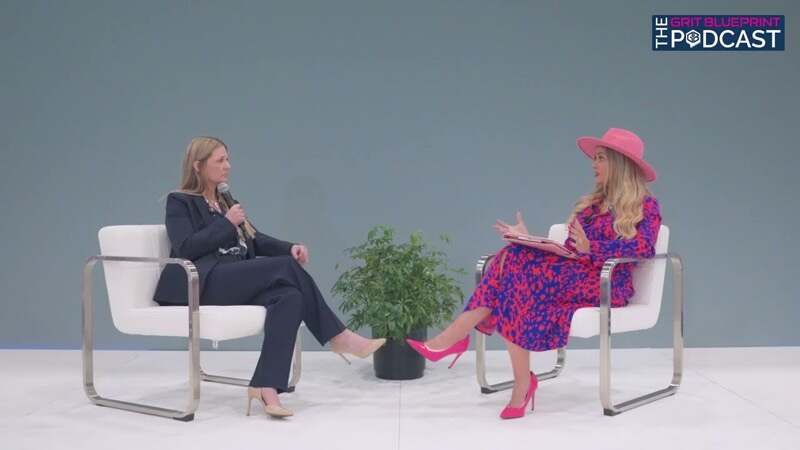
Walk in with a short list, start the conversation, know when to move on and follow up before the week is out.
Sarah Lee was walking a show floor when a vendor stepped out and stopped her. “I’m walking by a booth, and a vendor pulls me out of the aisle,” she said on the Grit Blueprint Podcast (14:08). “He recognized my name and my company and said, I’ve been trying to get a hold of you.”
Lee is VP of Purchasing at Blish-Mize Co., a two-step distributor. It buys from manufacturers and sells to independent retailers. She helps decide what goes into the warehouse. Until that moment, the vendor had been one email among many in her inbox. Face to face, with his product in front of her, he had a real chance: “had he and I not been face to face, and I hadn’t seen his product, that opportunity might not exist” (14:08).
He did three things right. He knew who she was and what her company did. He started the conversation. And he had a reason for it. This guide turns that into seven steps. It is for salespeople, buyers, managers and owners at any kind of company. Use it when you head to a buying market, a trade show or an association meeting.
Words to know
The whole glossary- Buying market
- A show run by a co-op or distributor where member stores see new products, meet vendors and place orders.
- Booth
- The space a company rents on a show floor to show its products and meet people.
- Two-step distributor
- A wholesaler that buys from manufacturers and sells to dealers and retailers, who sell to contractors and homeowners.
- Follow-up
- The next contact after a first conversation: a call, an email, a sample or a handwritten note.
- The list of exhibitors and speakers, and the attendee list if the organizer shares one
- Business cards, and a pen to write on the back of the ones you get
- Your calendar for the week after the show, with time blocked for follow-up
- One sentence about what you do, in words a stranger understands
- If you are exhibiting: who works the booth, and when
Step 1: Decide who you need to meet, and look them up
Before you go, write a short list of the people or companies you most want to talk to. Note why each one matters. Look each of them up: their role, their company and something they have posted or said lately. Ask the organizer how the event runs and who will be there. Then you can decide if it is worth your time at all.
Sarah Krey is a merchandise manager at Do it Best with 25 years in home improvement. She plans each market well ahead so she does not waste anyone’s time. Her rule of thumb: “It takes more time to plan and organize all of that than it does to do the actual work” (8:20).
Step 2: Know what the other side is looking for
Everyone on a show floor is filtering. Know their filter before you walk up.
Lee gave hers plainly: “If it can stop me, and I’ve seen countless amounts of product at retail, that’s the first filter: does it get my attention? Second: can my stores be successful with this product?” (10:49). After that come the business questions. Is there room for her company and its dealers to make money? Does it fit the customers they already serve?
If you are exhibiting, build the booth and your opening line around those questions. If you are walking the show, ask the people in the booths what they are looking for this year.
Step 3: Put your phone away, then walk up
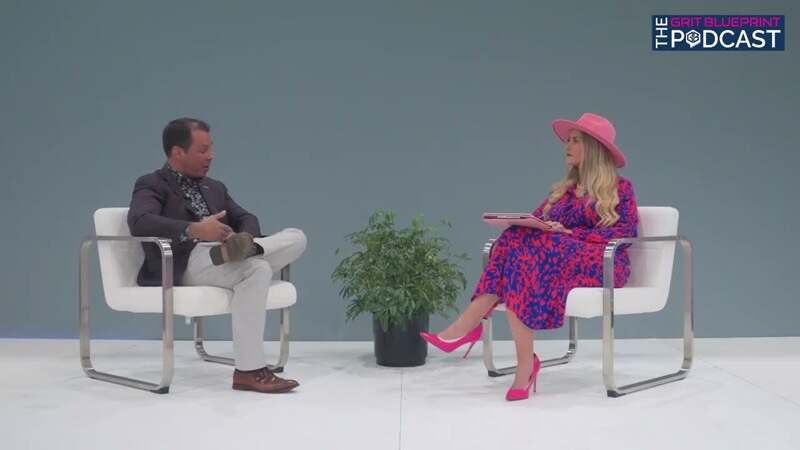
Start by looking approachable. Make eye contact and smile. When you stand with a group, leave a gap. That shapes the circle like a C so someone new can step in. Keep your phone in your pocket. Stefanie Couch and Ben Couch of Grit Blueprint went through these habits in an episode on networking.
Then walk up. Marion Pulse was then Member Services and Engagement Manager at the National Fenestration Rating Council (NFRC). She did just that at her first NFRC meeting, during lunch: “And so I would just walk up to every table” (27:14). If you know nobody in the room, look for the person who seems as uncomfortable as you feel. Start there.
Step 4: Open with “tell me about,” then follow the answer
Ask open questions that let the other person choose where to go. Stefanie Couch’s habit: “I start a lot of my questions with tell me about because that allows people to take it where they want” (6:04). Tell me about your store. Tell me how the show is going for you.
Then listen for something to follow. Michael Tull, the door rep who runs Tull Sales, does this with every new customer: “When I have a new customer, I try to find out what their interest might be. Hunting, fishing, sports, whatever” (5:25). The follow-up question is where the conversation starts to mean something.
If you have a business reason to be there, say it once, plainly, after you have listened. If they bring up a problem you solve, offer to help.
Step 5: Wrap it up before they do
Watch for the moment the other person wants to move on: eyes drifting, body turned away, short answers. Be the one to close it. Shake hands, look at them and say something like “It was so good to talk with you. I hope I see you again soon.” If you can, introduce them to someone they should meet on your way out.
If the talk went well and there is a real reason to keep it going, act before you part. Ask for a way to follow up: a card, an email address or a LinkedIn connection. Do not end on “we should grab lunch sometime.” That lunch almost never gets scheduled.
Step 6: Write it down before the next conversation
Right after each good conversation, write on the back of their card or in your phone. Note where you met, what they told you and what you promised to send. The detail you will want later is often the personal one. Think of their dog’s name, the job they are worried about or the product they stopped to look at.
Do it before the next conversation starts. By the end of a show day the faces and names run together.
Step 7: Follow up that week. Don’t wait for them.
Do not wait for them to reach out. Busy people, and especially people who run companies, will not. Within the week, send each person what you promised and one line that shows you listened.
The follow-up also pays off at the next show. Eric Knox, director of LBM sales at Do it Best, started connecting with people on LinkedIn between markets. He saw the difference on the floor: “People that would have typically been strangers walking up to you in the booth. There’s now this rapport and relationship you have” (8:32).
If they say no, keep the door open. Krey treats it the way she treats any no in sales: “when they say no, I just take it as not now” (2:52). Put a reminder on your calendar and check in when you have something useful to share.
Finish line
You should now have: A short list of people to meet, notes on each good conversation written the same day, and a follow-up sent to each of them before the week is out.

Most of a trade show happens before and after it
Companies that say a show did nothing for them often did only part of the work. They paid for a booth and put out a tablecloth and a few products. They talked to whoever stopped by and never called anyone afterward. The business comes from the planning before and the calls after.
The rest is about people. Krey calls the relationships the “hidden secret sauce” of every market she works (4:28). In any room, Stefanie Couch keeps the conversation on the other person, so they leave feeling noticed. That is also how they remember your name when your email arrives.
Two scripts
Use it when: you walk up to someone on your list.
“Hi, I’m [name] with [company]. I saw [something real: their booth, their post, their talk]. Tell me about [what they are working on / how the show is going for you].”
Use it when: you follow up after the show.
“[Name], it was good to meet you at [show] on [day]. You mentioned [what they told you]. Here is [the sample, the spec sheet or the introduction you promised]. Could we talk for [a few minutes] on [day]?”
Pulse tells it between 27:02 and 28:12 in the episode transcript.
Your show-week checklist
Tick these off the week of the show. Any box you can’t tick is the step to go back to.
0 of 8 ticked
You’re done when
- Every good conversation has a note with what they told you and what you promised.
- Every promise is kept, in writing, within a week of the show.
- Each person on your list has heard from you or has a reminder with a date on it.
What to do next
Meeting a builder for the first time after the show? Use How to Prepare for a First Builder Meeting. For more follow-up wording, the Customer Follow-Up Scripts give you messages to copy. Want to understand who runs the shows you go to? Read What a Trade Association Does for Your Business and What a Co-op Does for an Independent Dealer.
Disclosure: Marion Pulse is now Client Success Director at Grit Blueprint, which publishes Grit Guide. Her words here come from her 2024 Grit Blueprint Podcast interview, recorded while she was at NFRC.
Questions people ask
How do you start a conversation at a trade show?
Walk up, say your name and company, mention something real about the other person and ask an open question that starts with “tell me about.” Then ask a follow-up about whatever they choose to talk about.
How do you leave a conversation politely at a networking event?
Watch for signs the other person wants to move on, then close it yourself with a handshake and a short thank-you. Introducing them to someone else on your way out is a kind way to end it.
How soon should you follow up after a trade show?
The same week, while they still remember the conversation. Send what you promised and one detail from what they told you. Do not wait for them to contact you first.
Are trade shows worth it for a small company?
They can be, if you plan who to meet and follow up afterward. Sarah Lee of Blish-Mize Co. says meeting face to face at a show has opened doors that cold emails did not, and she has seen deals closed right on the show floor.
What should you bring to a trade show?
Business cards, a pen to note each conversation on the back of the cards you get, your short list of people to meet and a calendar with time blocked the week after for follow-up.
Episodes in this piece
- Marion Pulse on Confidence, Patience and Finding Your Place in Fenestration
With Marion Pulse
- The Relationship Rule That Changes Everything in Sales: Sarah Krey, Merchandise Manager, Do it Best
With Sarah Krey
- The Powerful Secret to Career Growth: Embrace The Messy Middle with Sarah Lee of Blish Mize Co.
With Sarah Lee
- Building a Million Dollar Network: How to Make Better First Impressions With Confidence
With Ben Couch and Stefanie Couch
- The Real Reason Customers Buy Again
With Michael Tull
- The Power of Metrics, Drive & Team Culture in LBM Sales: Eric Knox | Sponsored by Do it Best
With Eric Knox
Take it to your team
The whole guide as a PDF to print or keep, and slides to walk your team through it, one step at a time.
Download the PDFPDF, 819 KB, 10 pagesDownload the slidesPDF, 476 KB, 17 slides
Sources
- The Powerful Secret to Career Growth: Embrace The Messy Middle (Grit Blueprint Podcast, Sarah Lee with host Stefanie Couch) Grit Guide
- The Relationship Rule That Changes Everything in Sales (Grit Blueprint Podcast, Sarah Krey with host Stefanie Couch) Grit Guide
- Marion Pulse on Confidence, Patience and Finding Your Place in Fenestration (Grit Blueprint Podcast, with host Stefanie Couch) (December 2024) Grit Guide
- The Real Reason Customers Buy Again (Grit Blueprint Podcast, Michael Tull with host Stefanie Couch) Grit Guide
- The Power of Metrics, Drive & Team Culture in LBM Sales (Grit Blueprint Podcast, Eric Knox with host Stefanie Couch) Grit Guide
- Building a Million Dollar Network: How to Make Better First Impressions With Confidence (Grit Blueprint Podcast, Stefanie Couch and Ben Couch) Grit Guide
Sponsorship The interviews with Sarah Krey and Eric Knox were recorded for episodes sponsored by Do it Best Group. Grit Blueprint, the company of Grit Guide host Stefanie Couch, has worked with Do it Best’s team on LinkedIn.