Click any timestamp to jump to that moment in the video.
Welcome and Introduction
0:00 Stefanie Couch: Welcome to the Grit Blueprint Podcast. I'm your host, Stefanie Couch. This podcast is about branding, building, and business. It also highlights the grit that it takes to be successful in business and in life. Let's get started. Welcome to the Grit Blueprint Podcast with Stefanie Couch. I am really enthused today to talk to an amazing superhero who is a sales leader in the building and home construction industry. We actually have been friends on LinkedIn for a while and we we didn't meet each other at IBS, but we were both at IBS this year wearing beautiful colors.
0:24 Stefanie Couch: Corey Charles, welcome to the podcast.
0:26 Cory Charles: Thank you so much. You say that so nicely that we're friends on LinkedIn. I was stalking you, and finally, finally we have connected and become real friends.
0:36 Stefanie Couch: You stalked the right way because you didn't get blocked. So that's saying something, buddy. Like there's a lot of stalkers that are legit stalkers. You were just a dude that's out there doing your thing, and I was loving it. So I'm glad we obviously connected. And I'm excited to talk today because sales is probably one of my first loves. Um, I grew up selling Girl Scout cookies, hustling to the grandmas in my neighborhood, and I have loved it ever since. It's like once someone handed me one dollar for something that I was selling them, I was like, oh my gosh, this is my game.
1:09 Stefanie Couch: And business has been my sport ever since, but excess, especially in that sales and marketing realm, I love it. And you do too. So tell me a little bit about who you are, your background. I want to know your story and and just where you got to how you are today.
From Graphic Design to Selling Cars
1:22 Cory Charles: I appreciate it. You know, it's funny how you said that sales has its way of like getting its claws in you. And I totally was, you know, it my life is a really interesting journey. Obviously, I talk a lot about superheroes, and I've really lived the superhero life. And when I was younger, if you asked my mom or my dad, they would tell you that, oh, yeah, this guy's made for sales. Uh, but then through circumstances, you know, life gets in the way and people kind of sometimes beat us down a little bit.
1:47 Cory Charles: I was the opposite of that. So you would have guessed, you know, if you met me in my early teen years, you'd say, Oh, this guy needs to be nowhere near sales. Uh, but you know, it's funny, it goes full circle. And I was actually a graphic design major when I got my little taste of sales, and I was just absolutely hooked. I remember vividly going to my internship and sitting at my cubicle that stared at the wall, uh, doing my, you know, building a website or whatever the heck I was doing back in that time and doing my little graphic design work.
2:19 Cory Charles: And then on the weekends, I was selling cars and talking to people and meeting new people. And for those few hours a day, I was just like on fire. I was like, I love that it made me nervous, but I loved it so much. That's
2:31 Stefanie Couch: all.
2:31 Cory Charles: And it made me, I was like, I can't imagine sitting at a desk and just staring at this wall for the rest of my life. No offense to anyone that does that.
2:39 Stefanie Couch: Sure.
2:39 Cory Charles: That just wasn't for me. It wasn't for me. So it kind of goes full circle because that's how I look at sales, is I understand that I kind of came into it accidentally.
2:48 Stefanie Couch: And
2:48 Cory Charles: we come across a lot of people that aren't the sales blueprint, right? And they just kind of find their way in this crazy world that we love so much. Um, and I always try to be the person that I needed when I was so young in the game. I was only 19 when I started selling for the first time. And I again, not the person with that natural talent. So I needed a lot of help, a lot of guidance.
3:09 Stefanie Couch: I
3:09 Cory Charles: needed to stalk amazing people. Uh, I'm glad it's been working since then. So that's really my journey is really kind of the back door into sales, but also making sure that I've always been a student and always, you know, they say success leaf clues. So I always have followed the ones that are doing amazing things and the people that I want to emulate, not copy, but emulate and kind of, oh, I love a little bit of what you're doing. How can I make that mine and how can I make that my own?
3:33 Cory Charles: Uh, and more and more importantly, how I've transitioned to this new, uh, we'll call it this new chapter of my life. Um, it's really been about how can I be that person that I needed when I was 19 and I was new in the game and uh didn't know, you know, my I was gonna say a crude analogy, but I didn't know what I was doing. Let's just say that.
3:53 Stefanie Couch: I'm with you. And hey, this is my podcast. You can say whatever you want.
3:57 Cory Charles: Awesome.
Any Personality Can Succeed in Sales
3:58 Stefanie Couch: So I want to go back to a few key points you made because I think it's so important for people to hear. First of all, is some of the best salespeople I know are not bubbly extroverts who could sell ice to an Eskimo from the day they were born. Um they're just not, they're not those people, and that's not that's a stereotypical thing we tell ourselves that like a salespeople person needs to be a certain thing. But I really learned when I started doing Gallup Clifton Strengths coaching, uh, the beauty and the absolute superpower of having someone that is different than you being in the same role, it still can work, it just looks different.
4:38 Stefanie Couch: And so, like, I lead there's four leading domains in Clifton Strengths. Influencing is the rarest one. I lead with that. And then, and that's what probably you would think of as a typical sales charisma personality, and then executing, so get it done, people, strategic thinking, more data-driven people, and then relationship building. So, all four of those people can be really exceptional salespeople.
5:02 Cory Charles: Absolutely.
5:03 Stefanie Couch: It's just about knowing how you need to approach the situation, also knowing your customer. And I know we're gonna talk a lot more about that, but I just want people to hear me say that. Like, if you're hearing this podcast and you're thinking, oh my god, the word sales, it gives me like hives just to hear it, thinking about asking someone for money. Like when I said if someone gives me a dollar, it excites me. They're like, Whoa, we can't ask anyone for something, you know, I don't want to do that.
5:29 Stefanie Couch: You're not asking for the sale or not asking for what you want in general in your life, it is holding you back from everything you want in life. It doesn't matter if you're selling a product, a service, or just asking for something from anyone in your life, you've got to be able to do that. So I want to talk more about that. Tell me about the superhero mindset, what you're doing today, and talk a little bit more about your background in the home building uh and new home sales industry because you have a really rich background in this industry doing training development, and you're really uh you have pedigree in this.
6:02 Stefanie Couch: So talk about that a little bit more.
6:04 Cory Charles: Well, that's the first time I've been described as having a pedigree, and I will absolutely take that. I'm so excited that I've reached that mountaintop. Um, yeah, you know, it's really interesting. Uh again, I I always live in this space where I want to be really clear, and I'm glad that you talked about it, is that you absolutely can come from any background, have any personality type, you can have any, you know, powers, superpowers, any pluses, any minuses, and you can be a phenomenal salesperson. And one of the challenges that I see with sales leaders is a lot of times sales leaders think because I was successful formerly as this type of personality, that's what it takes to be successful.
6:40 Cory Charles: And I see a lot of amazing salespeople that get pushed to the side. I was one of them that get pushed to the side, that don't get the attention, that you know, people don't believe in them, and they really just need some help and some guidance. And those will turn out to be your superstars. Oh, and by the way, they're super consistent once they figure out how to just be themselves in their sales process.
6:59 Stefanie Couch: I call it the unicorn formula because you lean into who you are, and once I stopped trying to be all those other dudes in management vests, I mean, I wasn't wearing a management vest anyway, thank God. But once I stopped mentally thinking I needed to be like them, it was literally next level hockey stick growth for me personally, because I saw that, oh, well, you can just be Stefanie, you can just be Corey, and you can make it work that way. You can get to the top of the mountain that way.
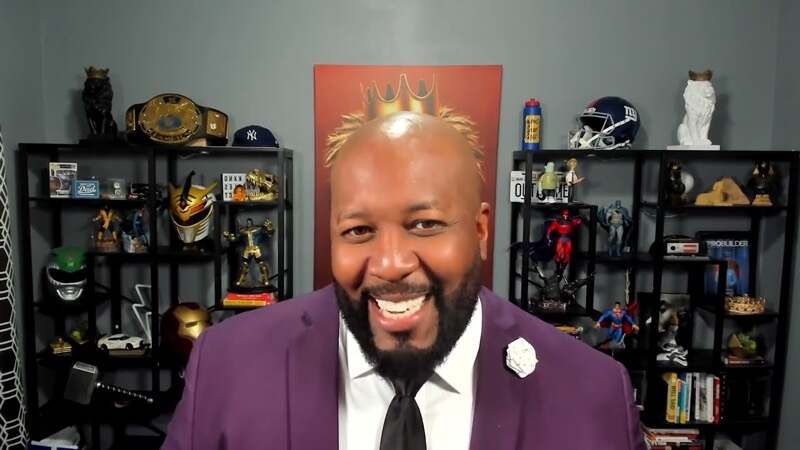
7:30 Cory Charles: Absolutely. It's funny, uh, you know, I'm a as you can see with my championship belt, I'm a big wrestling fan, and my favorite wrestler is always always The Rock.
7:38 Stefanie Couch: Okay, which you just came back, um, by the way.
7:41 Cory Charles: So I know a little
7:42 Stefanie Couch: bit about wrestling. Sometimes my husband watches it and my golden retriever really loves it. Um and Louis moves for the dog next door. She does some like jumping off table stuff out in our yarn.
7:51 Cory Charles: That's hilarious. But he did a he did an interview a long time ago when I was still young, and he said, you know, the the rock personality, what you see that people love and they get so excited about, it's not that far removed from me. It is just me cranked up to 11. And I that's always lived in my head long before I was in sales. I was just like, that's a such such a cool idea that it's just me, but it's cranking the dial all the way up.
8:16 Cory Charles: That's very much what I feel is my sweet spot, whether I'm in sales, whether I'm in training, no matter what I'm doing, you're just getting me just cranked up to 11. Now I need a recovery day, just like an athlete.
8:26 Stefanie Couch: But
New Home Sales and the Move to Training
8:27 Cory Charles: I agree with my you know, my journey in sales, you know, I I told you I started in automotive, which was, you know, I guess that's kind of the place you start. But I knew I wanted to get in real estate. I didn't know what that looked like and how to make it happen. And I'm fortunate enough that someone gave me a chance because I was just a kid that while I was successful in car sales, I had no idea what I was doing in real estate.
8:47 Cory Charles: And, you know, uh, you know, I I I come from a tiny two-bedroom apartment in Brooklyn with three brothers. And, you know, what do I know about real estate? Right. So uh it was really eye-opening for me to jump into the new home sales industry and and jump into real estate in general. Uh, I I sold for some of the best builders, some of the top builders out there. I I jumped in with a really big builder right off the bat, which was amazing. And
9:12 Stefanie Couch: you were selling in a new home community that was probably in what price range? I'm just curious, just for those listening.
9:19 Cory Charles: So you're you're gonna die. I did the gamut in like my first year. So my first community was, I want to say it was like about 300,000.
9:27 Stefanie Couch: Okay.
9:27 Cory Charles: And by the end of the year, I was selling over a million.
9:30 Stefanie Couch: But back then it was like a really nice house.
9:32 Cory Charles: 300,000 is like, you know, here we have a garage for you. Um
9:36 Stefanie Couch: with no door.
9:37 Cory Charles: With no door, exactly. Um, and by the end of that year, I was selling million-dollar homes, which you know, which in today's money is you know two, two point five, something like that.
9:47 Stefanie Couch: So
9:47 Cory Charles: uh it was a quite a big shift. But for me, it was it was always about even when I was new in new home sales, I I had the training bug. I knew that's where I was eventually gonna be. And I knew that to be the best trainer that I could be, I needed to learn as much as possible in a short amount of time. So I always raise my hand, hey, put me in that community, the tough communities, the far communities, the the challenging communities that we can't figure out.
10:13 Cory Charles: I'm like, I I want to go. I I even if I am gonna be eating ramen noodles this year, I want to go and figure out that community because that's gonna be things that I can put in my back pocket in my next career as a trainer. So I was fortunate enough to get the opportunity. I have an amazing mentor in in uh a friend of ours, Abby Murata. And she gave me the opportunity to be a trainer, and that was absolutely where I needed to be.
10:36 Cory Charles: So now in my new world with the superhero mindset, I still live very close to sales training, leadership coaching. That's of course my home base. I'll never let go of the home building industry. So I spend most of my time there. Uh, and I do, you know, spend a lot of time gracing the stage. So I spend a good amount of time just talking to teams and and corporations and helping them understand what having a superhero mindset's all about and making sure that we're all living up to our full potential in whatever we're doing, but especially in that leadership role and in sales roles.
11:24 Stefanie Couch: Well, your story obviously is just getting started because what you're doing is so awesome. And I like that you were a graphic design major because I can kind of see that now. And you're um now that I know your branding, I'm like, oh, well, you obviously have a creative eye. So and a lot of salespeople don't necessarily have that. So it makes sense. So that was kind of your first I'm a
11:41 Cory Charles: walking contradiction, I'll tell you.
11:43 Stefanie Couch: Absolutely. Um and I am too, because like I'll I'll do stuff on camera and I have a very clear vision. I design websites and do stuff like that for clients. Um, sometimes I'm outsourcing a lot of that, obviously, when I can, but I can do it and I enjoy it. So it's kind of an anomaly for sure. But one thing I did want to touch on because you ask, uh, we ask about what you're doing, you're doing sales training, you're doing all these things. Speaking is the number one fear of any human in the United States, and I think the world, uh, public speaking, being on stage.
12:14 Stefanie Couch: I talk a lot about personal branding, which is like a little mini version of being on stage because you're putting it online or whatever, it may not be in person. How was your perception of that? Because you said you weren't a natural salesperson. Were you a natural speaker? Um, did you run to every microphone you saw from H1? Um, I don't know anyone like that um in the whole world. Uh, but you know, I've just always been a singer. So for me to go speak on stage is not a very big difference in singing opera on stage.
12:45 Stefanie Couch: But for some people, they are amazing at what they do, and so many people need their message, but they can't get over their fear of speaking. So I'm curious what your journey was through that. And then depending on your answer, I'll probably have some follow-up questions.
Stage Fright, Failure and the Inner Voice
12:59 Cory Charles: I love it. So, again, in the theme of me being a walking contradiction, the answer is both, right? So, like most people, I do have an incredibly um strong spirit of fear of speaking. Uh, it is it is surprisingly, surprisingly strong in me. I think people get get just flabbergasted that right before I speak, I don't eat and I'm like sweating bullets and I'm like not.
13:23 Stefanie Couch: Like world-class speakers. I mean, that's why I don't eat for $50,000. They're in the room barfing like right before they go on.
13:30 Cory Charles: It's always funny. I was having a talk recently, and it was like one o'clock in the afternoon, and they're like, Are you gonna eat lunch? Mind you, I hadn't eaten breakfast, and they're
13:38 Stefanie Couch: like,
13:38 Cory Charles: Are you gonna eat lunch? And I'm like, I can't eat before I speak. But also at this point, Stefanie, I'm getting like lightheaded because I hadn't eaten all day, but I just can't. Yeah, exactly. I gotta figure out a method there. But the reason why I say both is because if you got in your DeLorean and went and went back in time and talked to ages zero to like six-year-old Corey, absolutely couldn't keep me out of the spotlight. Thought I knew everything, wanted to talk to everybody, was always in the adult conversations,
14:07 Stefanie Couch: right?
14:07 Cory Charles: Was always the one front and center. I was in a play once, I was Peter Pan, if you can picture
14:12 Stefanie Couch: that.
14:13 Cory Charles: Um, that was me. Um, but again, circumstances, I had a lot of teachers tell me, stop talking, you talk too much, sit down, be quiet. You know, all the things that we hear. And I was always getting in trouble in school, smart kid always getting in trouble in school. So it it kind of forced me to be this new version of me just to get by. Uh, and this is before, you know, like they're handing out uh ADHD diagnoses like candy bars, right? This is before those days.
14:42 Cory Charles: So it was just like this kid talks so much, he's got too much energy, he needs to stop talking and be quiet. So it kind of molded me into this new person just to get by. Uh, so it took a lot of work to reconnect with that kind of older version, me, like that 1.0 version.
14:57 Stefanie Couch: Even though I'm the
14:59 Cory Charles: real, right? The real me. Even though I'm like in a 3.0 version, it took a lot of work to connect it with that 1.0 version because that is where a lot of the real exciting stuff is. So I've found a way to channel that me when I'm on stage. The challenge is right before I'm on stage, I'm just like everybody else. I'm sweating bullets, I'm nauseous, I think I'm gonna die. It feels like the world's coming, you know, crashing down on my head.
15:22 Stefanie Couch: But
15:23 Cory Charles: when I'm on stage and when it's showtime, it is, you know, it we're we're we're we're Peter Pan again and we're in green tights and we're entertaining the world. So uh it's works for it works for me. And you know, I know that uh no matter how scared or nervous or uncomfortable I feel in the moment, uh, I know I have a message to deliver and I know that uh my purpose is to give impact and to help others that have been in the same situation that I'm in.
15:47 Cory Charles: So I know I have to just fight through this feeling. It's temporary because just like you know, Stefanie, once you get off stage, you're like, oh, that was amazing.
15:55 Stefanie Couch: Yeah.
15:55 Cory Charles: But I just have to fight through that feeling. And it's you know, it's still a work in progress, but it's a lesson to other the other folks out there that are nervous or scared or think they can't do it. You certainly can. You just have
16:05 Stefanie Couch: to
16:06 Cory Charles: make a choice.
16:07 Stefanie Couch: That's such a great story and the frame around that. It's like the world-class people are amazing at this, still are nervous, they still mess up, they still do whatever, but you don't realize that and you don't care because you just get the impact from what they're saying or what they've done. And so remember that when you're listening to this, thinking, like, yeah, I I I hear him, I hear her, but I'm not gonna do that. Um, if you really have something, a message, and I feel like everyone does, but I feel like some people really do.
16:37 Stefanie Couch: You have something that's so important that's burning in your soul that you have to share or give to the world. Don't hold that back because you feel like you're gonna throw up before you walk on stage. Throw up and then go walk on stage.
16:50 Cory Charles: And
16:50 Stefanie Couch: that's easier said than done from someone that already is doing this, but I know that there's a lot of times where like you just don't know if it's worth it or not. But you gotta think about the other people that are gonna get something from it. Like maybe that person in the audience is literally like that's exactly what they need to change their life. And because you did that 30-minute keynote, that happened for them, or they've been trying to solve this problem that now you've given them an answer to go actionably change something in their business or their their career.
17:19 Stefanie Couch: That's what you can do for people. And same thing with social media, post the post. Like, no one cares if it's terrible because they're not gonna see it anyway. If it's terrible, you can always delete it if the worst possible thing happened, but you don't even need to do that. Just post and then post again and keep going. And that message it resonates so deeply because we all get kind of caught up in our own heads of like, what if this isn't good enough? Or it won't be.
17:45 Stefanie Couch: Like the first time you do a speech, it will suck. I mean, it just will um the first time you post a post, it will suck. The first time you do a sales training, it's probably gonna suck.
17:55 Cory Charles: Oh man. The
17:56 Stefanie Couch: first time you try to sell someone, it's probably gonna suck. But what if in 10, 20, 100 times your world class? What if in a thousand times you're world class? What are you willing to pay now to build the life and the skills that you want later? That will be long-term benefits. And if you're not willing to pay much now, then you will not reap much later. And that is business, life, relationships. It doesn't matter what we're talking about. And that's why I like this this podcast, why I named it the grit blueprint, because that first few times, that first few years, that first few chances you take, you better be ready with the grit.
18:36 Stefanie Couch: And then from there, you can start to build those skills. But you've got to be ready to fail miserably or just feel so awkward. Well, you you know,
18:44 Cory Charles: you have to be you have to be willing to lean into the failure and know that, okay, this stings. I don't like this feeling, but there is growth on the other side of this failure, whatever the failure is. And most people just stop at the failure and then retreat back to their old life, their old programs, what they did before, and not fight through the storm of okay, this hurts, that stings, I don't like it, this sucks, but on the other side, I will be better for it.
19:08 Cory Charles: And that's always been the mantra is just one percent better than you were yesterday. That's it, whether no matter what you're doing. And side note of synergy, I love that I have your logo right behind me, just like excitement. I know
19:20 Stefanie Couch: it's it's really interesting. Like we have a lot, and uh I love the line statue behind it. Um, we we have a lot in common. So, and we also I used to live in Orlando, you live in Orlando, very close to each other, uh, where we it's the same area. So we just like we were passing ships in the night for sure, and finally they collided somehow uh through LinkedIn. So I'm excited about that.
19:41 Cory Charles: You
19:41 Stefanie Couch: talk a little bit more about your your program that you have and really how you help people take that from I'm not a salesperson, I'm not good at sales, to being this empowered sales leader with superpowers.
19:53 Cory Charles: So it's it's really interesting, and I get that question a lot. I get more more the comment, right? I I hear a lot of people that say, Oh, I can't do it. I and you and I both know sometimes we meet people who are like, oh my gosh, why are you doing it?
20:07 Stefanie Couch: Yeah, well, it will just take 20,000 hours to get you there, and you would be so much better to go do something else. Like, that's just the truth.
20:15 Cory Charles: And then on the flip side of that, right? We meet people that are like, Oh my gosh, you would you you should be in sales, you should be doing and I think the truth lies somewhere in the middle. And uh, you know, I think depending on the day you meet me, you may think, oh, this guy has no business being in sales. And then if you meet me on a day like today where I'm in a purple suit, you'd be like, Oh, this is like right, this is the person.
20:35 Cory Charles: So I think there's a lot of gray area in between there, but I think more importantly, it's understanding what your mission is.
20:41 Stefanie Couch: And I'm
20:41 Cory Charles: gonna combine this question with something that you said earlier, because I think they're related. And for me, I wouldn't have envisioned myself being a salesperson at 15, 16, 17. I was just trying to get by at that point, but forget about being a salesperson. Uh, even even at 18 and 19, even 19 when I was a salesperson, I couldn't imagine myself being a salesperson. Uh, but for me, this whole journey started pretty selfishly. Um, I can say that because it's very non-selfish now. But for me, it was about fighting those inner demons and the those that inner voice that was telling you, you can't do this, you can't do that.
21:16 Cory Charles: You're, you know, the imposter syndrome that a lot of us go through, fighting through the ADHD and not letting that be a leash and uh that feeling of not being good enough. I had a post a couple weeks ago that said, uh, I think you said I can say this. So, but it says, My inner voice is an asshole. Yeah. And that's the truth. Sometimes my inner voice is my worst enemy.
21:35 Stefanie Couch: Everyone's is, I think. Um I did a program about a year ago called Positive Intelligence, and it's a coaching program. I don't know if you've ever heard of it, but the research is all around our own saboteurs, and like we are ruthless to ourselves. I mean, we're ruthless to other people sometimes too, but it all stems back for our own problems that we have with how we feel and view about ourselves. And if you if you haven't read that or listened to that book, it's called Positive Intelligence.
22:05 Stefanie Couch: And it is pretty eye-opening to unwind those little demons inside, basically, that come out and say, you really suck. Like, God, you're terrible.
Knowing Why You Sell, Then Learning to Lead
22:18 Cory Charles: But and I think it's really important to first understand if we're in sales and we're getting into sales for the first time, or we've thought about it, or we don't know if we could be successful about it. It's really understanding that number one, understand why you're getting into it in the first place and have a real good feel of why it's important for you to do this thing. Um, for me, it was it meeting people, helping people solve problems. That's something that makes me excited. Uh, but having a really good feel for that, and then also uh understanding where you fit in that ecosystem.
22:48 Cory Charles: And on the flip side, as leaders, understanding that your new role, because we have a lot of leaders that were former salespeople, and the challenge is and I say this and I say this with ton respect, but the sales profession is typically very me-centered. It's about my goals, my sales, my commission. It's about me. It's not a negative, it's just a reality. But then when you transition to leadership, it is a we thing almost overnight. And that's sometimes a hard transition for people to make.
23:19 Stefanie Couch: is
23:20 Cory Charles: it's not about me anymore. It's not about me looking good as the leader. It's about building the people that I have on my team. It's about helping people grow and become the best version of them. It's about duplicating myself. It's there's so many other things to it outside of just me. And that's a tough uh lesson to learn. Sometimes we learn that the hard way, unfortunately.
23:40 Stefanie Couch: I definitely did. I think the hardest thing I've ever done is going from a very, very successful individual contributor to trying to lead a team and then figuring out that's where the Gallup Clifton Strengths thing uh wish I'd have found in about two years before I got certified, because I thought I was gonna make a little army of many me's and they were gonna go out and close, you know, $500 million with the business, and we were gonna be rolling in it, and I was gonna be the best manager ever because I was gonna have my army of Stephanis um doing the Stefanie way, right?
24:14 Stefanie Couch: Yeah, that didn't work so well. Um, unbury the lead there for you. But the truth is that it doesn't need to be everybody because a customer may really dislike the way you do something, vice versa, your personality, whatever. And then this other person walks in totally opposite, and they're like, there's my person. They're more like me, they talk like me, they think like me. You know, I'm going back to the data part, like if you try to sell another person that leads with influencing, with influencing, they're all in, right?
24:43 Stefanie Couch: Like they're they're like, of course I'm gonna buy this. Those are those
24:46 Cory Charles: easy sales, right?
24:47 Stefanie Couch: You talk to me about this, right? But then if you have a data-driven statistic, analytical person that's also like a slow close, which you know, if you've read like Way of the Wolf or whatever, you can talk about that. Like it just takes them longer to get there. If you try to sell them with some influencing, like sham wild stuff, they're gonna be like, I'm out of here. This person's a salesperson, I'm out, don't want any part of that. But if you bring them some metrics and start talking their love language, whew, you're in.
25:15 Stefanie Couch: So you gotta be able to have all of that, right?
25:17 Cory Charles: Yep. Well, that was my lesson for for myself is once I tapped into that younger version of me and I got the we call it game, right? And once I got the game in me and I was like, oh, I'm like a slick talker, I tried to beat everyone into submission with with just game and and charisma.
25:35 Cory Charles: Yeah, and I would just try to like you know, zhuzhu into a sale. And of course, for our people, the people that are like that, the people that like to function like that, that's an easy sale. And I would always say, Oh, that person was awesome. No, it's because I was just speaking their language, they're me. Really, I'm just saying I'm awesome.
25:53 Stefanie Couch: Yeah, but
25:54 Cory Charles: understanding that, hey, I can still have my unique sales process, it can still be me, it can still be super authentic, but I just figure out where to put the dial, depending on who I'm talking to, because that data analytical person doesn't need me at 11. That's too
26:11 Stefanie Couch: they hate you at 11. They don't want it, yeah. Like my husband is that other person. And it's funny because we're married, so obviously I guess sometimes he can handle me at 11. But like if he walks in and somebody has that energy, he's he's like, I'm out. Like he wants them to be positive, but like if they're like all up on it, like the rock salesman basically, like, you know, he's uh I'm like baited breath waiting, like, what are they gonna say next? Like, I can't wait to hear their pitch, you know.
26:37 Stefanie Couch: Like it's well,
26:38 Cory Charles: I've got an eight-year-old for him to meet that he'll love.
26:42 Stefanie Couch: Yeah, I mean, there, but there's someone for and a style for everyone.
26:45 Cory Charles: Yes. Um, but
Nudging Instead of Pushing
26:46 Stefanie Couch: there are also blocking and tackling like true sales skills that I do not believe change based on personality, whether it's of the client or the salesperson. There are some skills that I think are universally needed to be able to know your product, to know what you're doing, to have a certain cadence of like pushing, pulling. The best salespeople don't push too hard. You never try to close someone that you don't know you can close because then you ruin it. Like it's it's done. So wait, book another meeting from a meeting.
27:17 Stefanie Couch: You're good, right? Like, don't try to close that day. Keep that relationship. And I think I see a lot of people in our industry, they try to close too fast on something that is a very large decision, and then the people just come back in the next day and rip the contract up. So it's like, did you really win? Or did you just get a signature today and lose it tomorrow and forever instead of waiting six weeks and getting a sign that actually closes?
27:44 Cory Charles: A solid one that you don't have to worry about, right?
27:46 Stefanie Couch: That's right.
27:47 Cory Charles: I always tell people it is the it's a subtle change, but it is the difference between pushing and nudging.
27:53 Stefanie Couch: You
27:53 Cory Charles: want to nudge, I'd like to nudge you in the right direction. I do not want to push you, especially today. This was true five years ago. It is 10 times more true now,
28:02 Stefanie Couch: you
28:02 Cory Charles: know, post-COVID, post-all the things that we've gone through in the last couple of years. People absolutely don't want to be pushed. That's the last way that they want to buy. Um, so we have to just be able to nudge them down the road uh and lead them to the destination that we think is best suited for them. But at the end of the day, they have to make decisions, and pushing them there is not going to get them there. Or it's it's to your point, it'll get them there in a short time.
28:26 Cory Charles: And then I have another headache, I gotta deal with it.
28:28 Stefanie Couch: Right?
28:29 Cory Charles: Exactly. Every house
28:30 Stefanie Couch: you buy has a seven-day, even if you put an offer in an escrow with a house that's already built, you have time to think on that. And if they're not really served with like they truly have objections still that you haven't covered and you push too hard, seven days is enough time for them to lay in bed and they're gonna rip that shit up in two seconds and they'll be out the door. And then they're never gonna go back because they
28:51 Cory Charles: realistically, they know if it's not right when they get home. If they've been pushed into it, they know when they get home, they know on the in the car ride home they're like something doesn't feel right.
28:59 Stefanie Couch: They
28:59 Cory Charles: may not outwardly know exactly what it is, but they know something's off.
29:03 Stefanie Couch: Yeah,
29:03 Cory Charles: and you're just a ticking time bomb at that point. Uh, and we've all listened I I would I would lie if I had said we didn't all have those sales where I'm like, oh, that is not solid. Where it's like, oh, I I put a little bit too much game on that one,
29:16 Stefanie Couch: yeah,
29:16 Cory Charles: and I don't think that's solid. But the idea is to learn from that and make sure that that doesn't happen anymore and make sure that, hey, I'd rather wait to your point, I'd rather wait this out and get a deal that makes sense for you, where you're the one asking me what do I need to do next versus me trying to force you into this contract because that does no one any service.
When Two People Make the Decision
29:35 Stefanie Couch: One thing I want to bring up, because I didn't even think about this until you said this, but um, in a you're already selling something very expensive, right? Home, it's a major life decision. You're probably dealing with two people who probably are polar opposites. Now, I don't know for sure, but like with me and my husband, I'm influencing and executing. I'm probably extrovert, you know, I'm easy to sell from a fact that like I really know what I need and I know what I want. I'm very decisive.
30:03 Stefanie Couch: So once I say like this is it, I'm I'm in. He is the opposite of that. He's analytical, he he is a trained interrogator. So like he reads body language, he does all these crazy things, and we'll get out of something. I'm like, oh my God, that was awesome. He's like, they were lying. I'm like, what? And he's like, while you were over there doing your germing blah blah blah, trying to sell the salesperson, I was watching them and they literally told you, like, this was a lie.
30:28 Stefanie Couch: This was, I'm like, man, you know. So that's another contingency you have to think about. So talk to me about how you handled that. Number one, high ticket item, big major life decision. Number two, you have two people that are buyers, whether it's a husband and wife, whether it's, you know, uh sisters buying a house together, whether whatever it is, business partners, probably more than one personality. How do you handle that? Because that is really challenging.
30:55 Cory Charles: Well, that's where most salespeople struggle, if we're being honest. First of all, how brave of you to marry an interrogator. That is that is amazing. That's like a foodie marrying a food creator. It's
31:04 Stefanie Couch: really hard to tell when someone you love lies because you're it's your nose blind to it. So it's I'm good.
31:10 Cory Charles: We'll edit that one out. Um, but but that is
31:13 Stefanie Couch: the podcast, so I'm screwing your way.
31:16 Cory Charles: Okay, so we'll leave that one in. Um
31:19 Stefanie Couch: love you, Ben.
31:20 Cory Charles: I never lie
31:21 Stefanie Couch: to you ever about anything, especially what line shoes.
31:24 Cory Charles: That's amazing. This gotta stay in. Um, but yeah, that's where I think most salespeople do struggle, is exactly what you just said. We're gonna find in in that situation where there's two people, there's and reality is most cases there's two people making a decision, sometimes a lot more than two people, right? And we're always not always, but most of the time, we're gonna find the personality that we vibe with, and we're gonna sell that person.
31:48 Stefanie Couch: Yep.
31:49 Cory Charles: Which is great if that person steers the conversation at home. Yeah,
31:52 Stefanie Couch: if there is
31:55 Cory Charles: absolutely and again, without putting out, we don't know who that is. So I mean we can assume all we want, and there may be the person that looks like the decision maker when we're in the office,
32:04 Stefanie Couch: yeah,
32:04 Cory Charles: and it's the other the other person when they get back home, right?
32:07 Stefanie Couch: It might be the family member that's gonna help them with the down payment that's not even there, and you don't for
32:12 Cory Charles: sure,
32:13 Stefanie Couch: yeah,
32:13 Cory Charles: for sure. So, you know, a lot of times we get so excited because we sold the one,
32:18 Stefanie Couch: yeah.
32:18 Cory Charles: Uh, and a lot of times the one we sold is very easy to sell, and and we sold that one, and then there's a whole heap of conversations going on behind the scenes that we have no control over, we're not a part of those conversations. I always say the conversation that we're not a part of is our biggest compet competition. That's the thing that's gonna bite you the most, is the conversation that you have no part of. So I want to make sure that I engage all parties, especially the one that is standing there, like your husband, that is, you know, looking at my body language.
32:47 Cory Charles: I want to get him involved instead of you know like breaking me down. I want
32:51 Stefanie Couch: him so he can't read your micro expressions.
32:53 Cory Charles: You're scaring me, sir. Um, but I want to get that person involved, engaged in the conversation. I want to get them to be a really good part of the process because there has to be a collaboration. And more important than anything else, I can't stress this enough. I can't make it about selling the product. And again, I know that sounds really silly because we sell product.
33:13 Stefanie Couch: Uh,
33:13 Cory Charles: I can't make it about selling the product. I have to divorce myself from that outcome of selling the home. I gotta leave that alone. It's not about selling the home, it's about helping them make a decision. And through the process, I'm helping them make a series of decisions that make sense for them and their family and their situation. If at the end of our time together, whether that's a day, a week, a month, an hour, if at the end of our time together the decision to move forward makes sense, and part of that's on my ability to tell stories.
33:42 Cory Charles: If the decision makes sense for them and their situation, then there's no roadblock, there's no outside influence, there's no situation that's gonna take them off of that mission. It's just gonna be a thing they have to figure out.
33:55 Stefanie Couch: We've
33:55 Cory Charles: all heard those stories where you sell someone and then they go home and the refrigerator broke and Susie needs braces,
34:01 Stefanie Couch: and
34:02 Cory Charles: you know, all of a sudden now it's not a good time. That's because it was never a good time in their gut, if that makes sense.
34:09 Stefanie Couch: You didn't handle those objections that you didn't know they had. And one thing I do want to touch on objections a little bit because as a salesperson, you know, you get that 20, 10, 20. They're easy closes, they're just like you. They already want the product. I mean, they pretty much would have bought it with online sales if you could sell something that high ticket. They would have clicked through the funnel, like and given your report. Let's take those out of the equation. Those are anomalies, they do happen, they're great.
34:37 Stefanie Couch: Celebrate them, go in the bathroom and say yes to yourself in the mirror. Don't expect it. Talk to me about those other people that are in that middle that kind of want what you have, think they might be interested, but then it isn't a good time. The refrigerator has just broken. They're not sure if they want their kids to move school districts, uh, they don't know if you know, make the monthly payment they can afford, but like they're not sure, you know, whatever it is, the objections are miles long.
35:05 Stefanie Couch: Usually the objection is not truly the objection, which I'm gonna talk about. That's question number one. How do you get to the real problem? And number two, what is your opinion on people who maybe really can't afford that thing? And how do you have relationship building skills to then bring them back? So if they get that $20,000 saved up and can get to 20% down or can get to whatever, then they come back to you. So, first question is how do you handle objections in general to get to the real objection?
35:37 Stefanie Couch: And then second question is how do you keep people in the ecosystem without losing them when you can't close them?
The Triggering Event Behind Every Visit
35:44 Cory Charles: I I love that question. So both those questions because they are connected. And for me, I love the conversation that we're having just about building genuine relationships because I get pushback on this sometimes, and folks tell me, like, I don't like, I don't want to like make new friends, or I don't want to have like, I don't mean like we have to be the friends to the level where we're going to brunch.
36:05 Stefanie Couch: Yeah.
36:05 Cory Charles: But I have to really care about your situation and really understand what it is that brought you to my door today, especially when I'm talking new home sales or really any sales, but what brought you to me today? What was the thing? And I live and die by this idea that there's always a triggering event that led to us having this conversation right now.
36:26 Stefanie Couch: Pain point.
36:26 Cory Charles: A pain point, right? So if if your home is too small, if someone says, Hey, my home's too small, I know that you didn't wake up too morning this this morning and go, Holy shit, this home is too small. Like that didn't
36:38 Stefanie Couch: have an epic blowout in the shared family bathroom, and now you are at the at the new home sales center with your wife because you cannot do this any longer.
36:47 Cory Charles: Exactly. There's a moment, and let's figure out what that moment is and let's have that dialogue, let's have that discussion.
36:54 Stefanie Couch: So
36:54 Cory Charles: now I'm connected to something real versus oh, we're thinking about a bigger house. That can mean a lot of things. You know, I'm I'm six, six, one and some change, and someone could walk in that's five foot. Bigger means very different things to us. So a bigger house is that's just words, it's word salad. I need to know why that is a thing that got you to me today. Especially most people know when they go to talk to a salesperson, I'm gonna ask you to buy something.
37:18 Cory Charles: So you wouldn't do that unless you're trying to get down that that that path. So that leads me to the idea that most people, and I say most, and I really mean almost all, but most people want to make their lives better. They want to improve their lives. So my job is to figure out what it is that will do that. What is the part of the mystery that will improve your life? And if I can figure out what that is, now I have something that we can have a dialogue about.
37:43 Cory Charles: All right. And if we think about what that is that's gonna improve your life, then I can go beyond what's happening in the moment. Uh, well, yes, I understand that Susie needs braces. That's a true thing. And I understand that the refrigerator is broke. That's that's a true thing. And I won't don't want to discredit those things. But at the end of the day, there's this big mountain that you're dealing with, which is to your point, Stefanie, the two kids just had World War III in the shared bathroom, and we got to figure out that because that is priority number one.
38:12 Cory Charles: So I always stay connected to my buyer's mission and what it is they're trying to accomplish and why they're trying to accomplish it. And then we just work through what are the other things that has to come from empathy. So when they feel, if we can go backwards to go forward, when they feel that I'm truly divorced from the idea that I'm trying to sell you a home, that that my my mission here is to understand you on a deeper level and understand what your challenges are
38:38 Stefanie Couch: and
38:39 Cory Charles: if we have a solution or not, then they start to break down those walls and let me really be a part of that discussion of what does improving my my my life actually look like?
38:49 Stefanie Couch: Do
38:49 Cory Charles: we have a fit for it here? If we do, how do we work through those logistics? Because that's what happens is if I understand them on a deep level and I really know what their issues are, I know how to improve their lives and we have a solution. The things that come up that used to be objections are now just things we gotta handle. Now they're just challenges.
39:07 Stefanie Couch: They're I
39:08 Cory Charles: mean
39:08 Stefanie Couch: we can work through. And he calls them knocking down zombies. So
39:14 Cory Charles: I love it.
39:15 Stefanie Couch: Kick one out, kick the other one out, kick the other one out. They're gonna keep coming for a while, and then eventually all the zombies are dead, and you can do your thing. But I do want to make a point, and I think this is important for especially people who maybe aren't as experienced in sales, but also I think a lot of very experienced salespeople struggle with this. Two things. Number one is you cannot sell someone on a solution to their problem if they do not know they have the problem.
39:43 Cory Charles: So I
39:43 Stefanie Couch: want to say that again. If they don't know they have the problem, and I'm gonna use a very simple uh analogy. If they don't know they have high blood pressure, they're feeling no effects from it, and they have zero reason to take blood pressure medicine, you could give them all the prescriptions in the world for blood pressure medicine. And if they don't believe they have a blood pressure problem, they will never fill the prescription. So do not try to sell people on problem solutions that they don't have.
40:16 Stefanie Couch: And somebody would be like, Well, I know they have it, I know they have high blood pressure. I can look at how red their face is. Doesn't matter. If they don't know they have the problem, they don't have the problem. So here's the answer to that. If you know they have the problem, you know it in your heart, whatever. They've said something that really has been that problem, it's just hidden under another problem. Your job is to figure out how to get them to see that they have the problem by solving the problem that they think they have.
40:45 Stefanie Couch: And if you cannot do that, then do not sell them because they're not your customer. That's point number two, and this is really important. Your customer is not everyone. It may not be them today, it may not be them tomorrow, but it might be the third day. Maybe it's never they're your customer. But at the end of the day, if they come in and they're not the right thing for you to close this on, do not try to sell people because they're a warm body that probably has a dot a dollar in their account to give you because you will feel pain.
41:18 Cory Charles: Yes,
41:19 Stefanie Couch: one way or
41:20 Cory Charles: another.
41:21 Stefanie Couch: Pain. And it might, and I know that there are people out there that's like, look, I'm selling a $39 product. That's that that's one thing. I get it, sell it to them. They're gonna put it in their closet with everything else that they bought, they don't need whatever. But when you're selling something really important to someone, like a car, a home, uh, whatever it is, the last thing you want to be is the person that manipulated someone into doing something they didn't want to do. Because guess what?
41:46 Stefanie Couch: When they need another house, they're not coming to you. And also, I like to sleep at night. So I only people do need nudges, like you said, and they do need to be told how to do things and what what the next steps are. That is sales, that that's signposting. People need that, which is really weird that our human brains need that. But they literally need an arrow pointing, saying, Go this way next, you know. But do not make people do things just because you think you can close it to get some money.
42:14 Stefanie Couch: That is shit. Sales. Be better than that, just don't do it. So I've been asked before, well, how do I sell someone something that doesn't want my product product? Like the sell this pen analogy. You don't.
42:29 Cory Charles: The answer is do you need a pen? Let's start there.
42:32 Stefanie Couch: Someone who wants a pen, and it'll be much easier to sell the pen to them than someone who has 75 pens or doesn't write. And that's the thing that people need to reframe is if you don't need that thing, they don't, they truly don't want it, then you're you're you have two options either don't sell them or make them actually want it. And that's where marketing and all those things come in. But if you know they don't want it right now, don't try to close them, just don't be that person.
Following Up When the Timing Is Wrong
42:56 Cory Charles: Absolutely. And and I think that leads that leads directly such a great segue into the second question is you know, if if it's a question of they want it, but the circumstances just aren't right, that's different than I just it's not for me.
43:10 Stefanie Couch: Yes,
43:10 Cory Charles: the the the it's not for me. Great to meet you, we can be friends. If I see you in the bar, I'll wave at you. Just joking, Stefanie, I don't go to bars, but if I see you out in public, yeah, I'll wave at you, we can be friends, great. We'll we'll part as as friends and and more than changers. Uh, but if it's a situational thing, if it's I can't afford it
43:28 Stefanie Couch: or
43:29 Cory Charles: whatever the situation is, then you know that's where it ties back to them understanding my mission is to to understand them and help them. So they don't feel that that moment when a salesperson knows they don't get the sale and they disconnect. Ah, whatever. They don't feel that because we've gone on this journey together. That's how you get people that come back to you. I mean, I can't tell you how many of my sales were folks that was that I talked to six months prior, a year prior, uh, because the situation just didn't work.
44:00 Cory Charles: They figured it out and they didn't know where to start. They started with the guy that helped them out. You know, even if they don't remember my home, they remember that I helped them out and that I was probably wearing like a pink suit at the time.
44:10 Stefanie Couch: So
44:10 Cory Charles: they went back and started with that person. So that's what I mean about creating those connections.
44:15 Stefanie Couch: Two main takeaways there. Number one, because I can't help but say this, they probably do remember you because you helped them and you were wearing a pink suit.
44:24 Cory Charles: Amen.
44:25 Stefanie Couch: So I'll just say from a branding perspective, you do want to make yourself be memorable in some way. Um, personality, what you're wearing, how you show up, body language, all those things combined, that's your brand. How you help people, part of your brand. Think about that. When especially if you're in a sales position, I I guarantee you, no one's gonna be forgetting some dude that was trying to sell them a new house in a pink suit. And if they go back in and you're wearing a live green suit, the next time they're like, there's my guy.
44:51 Cory Charles: Sick guy,
44:53 Stefanie Couch: stand out, right? And then number two, point of that is if you think about the average salesperson, and we've seen statistics around this. I I don't know on new home sales specifically, but most salespeople they might follow up once or twice. The average close on a normal sale is seven to eight times. Only eight percent of people ever get past five follow-ups.
45:20 Stefanie Couch: So if you followed up eight times, and it was someone who really was genuinely interested, not that person that was like, I hate this, I'm never buying this, but someone that was like, I really need to go raise 60 grand for a down payment, I'll be back. And you follow up with them when they're at six grand, and then when they're at 12 grand, and then they're at 20 grand, and they're like, I'm getting close, you know. And then you you're there's no way they're going somewhere else.
45:47 Stefanie Couch: If you have what they need and there was just something in between a barrier, and you followed up with them for the last 12 months, every month, like happy birthday, good, you know, we're having a sell. If you're interested, stop by. We're having hot dogs that this new community we've opened, stop by with your family, like, no, you know, whatever. They're coming back to you. So, really, to be world class, like the only thing that's between you and world class is literally following up. Like, that's it.
46:17 Cory Charles: It's funny because we talk about storytelling, right? And the ability to tell stories. I think that's amazing. But what you're talking about is that higher level, it's be making yourself a part of the story.
46:27 Stefanie Couch: Yeah,
46:27 Cory Charles: now they know I'm on this journey with them. I love that. Hey, I'm checking in and you're at 10,000. All right, I'm rooting for you. We we can do this.
46:34 Stefanie Couch: Now
46:34 Cory Charles: they're at 20,000. It's like you're almost there, we can do this, right? Now I'm part of the story just like they are. And it's it's really go speaking to that collaboration of trying to see people win and help people do great things. And once you're in the story, it's really easy to start with you. And again, with with the idea that I have the right solution. If if I have the right solution, then starting with me really just makes sense because I've been a part of that journey from the beginning.
46:59 Cory Charles: And sometimes, like you said, it is just the hey, uh, hope you're doing well. It may not have anything to do with sales, it just may be hey, checking on you guys, hope you guys are doing well, uh, and staying in that top of mind and being the one that they know because this person really cares on a on an outside of the numbers perspective, they actually care.
47:18 Stefanie Couch: Yeah, and if you're not genuine in that, if you don't actually care and you're just doing that as an act, unless you're like an actual psychopath where you don't, you know, like really truly don't care about anything.
47:30 Cory Charles: Get your husband in here. Let's figure it out.
47:32 Stefanie Couch: See through that, right? I mean, people are gonna know that you're like just doing this for X, Y, and Z, but they're already expecting to be sold because they walked into a sales center. So find a balance between that. Like it's okay to ask for the sale, but make sure that you know that they're at a place where they can do it and they want the product, and then you'll probably close the deal. And so I think there's a it is sales is like such a balance as a C SOL.
47:56 Stefanie Couch: And like it is kind of feeling it out, looping back, feeling it out some more, asking more questions. Open-ended questions are your number one weapon of choice as a salesperson. Like, you have to be great at that. And I think it is about you know, conversations that aren't just leading to that one endpoint that get you places that they wouldn't have told you things. You know, you're talking about the kid's birthday party on Saturday, and then some stuff comes out about, well, we could be doing this with a job and like grandma's coming in, and you know, she's not doing too great, and we might need some extra space for her in a mother-in-law suite.
48:30 Stefanie Couch: Oh, do you guys actually have anything that would work for that in your plans? You know, these types of conversations that come from literally like, what are you guys doing this weekend? Oh, we're gonna
48:40 Cory Charles: do that.
48:40 Stefanie Couch: Outside of a
48:41 Cory Charles: sales conversation.
48:42 Stefanie Couch: So that's it. Like, people people miss that because they're trying to get to this end goal, and especially with a long sales cycle, which you know, home sales can be, but like what I was doing is really longer sales because you're repeat customers.
48:56 Cory Charles: I'm
48:56 Stefanie Couch: selling building materials to building materials dealers that are selling doors every single day or lumber every single day for years, and you need those relationships. You also need to have great products, service, all these things, but you're building something longer than just a walk in the door, get the money, walk out the door, never see them again. So it depends on your sales cycle and what you're what you're selling, obviously. But those processes, they work no matter if you're selling someone a piece of gum at the store for you know, pack of gum for $1.19, or if you're selling a million dollar gum.
The Problem With Scripted Sales Processes
49:28 Cory Charles: This is where I get on my soapbox about overly scripted sales processes because I create sales processes and I train on sales processes. And I've seen so many of them. And I know being as a person that wasn't, you know, that naturally talented salesperson, I struggled with these hyper ultra scripted sales processes that may have sounded like the person that wrote them, but doesn't sound like me. Uh, I struggled those every single day that I had to use those. And that's why I focus so much on hey, let's let's find your voice within a sales process.
49:59 Cory Charles: We want to make sure you have a process, but it has to be your sales process. I'm gonna give you the the uh I'll give you the blueprint, right? I'll give you to to use one of our analogies, I'll give you the blueprint, but you gotta put up the walls and decorate this bad boy by yourself. It's gotta be you. And what happens is when a when a sales process is overly scripted or overly complicated, we go to default and we don't use it. But if it feels like this is just part of my normal conversation and I'm trying to lead uh my customer, my prospect down this road so I can gather more information.
50:30 Cory Charles: I don't have to think about that. And when I'm not thinking about my sales process, I'm investing more time in listening to what you're saying and hearing your story. And that's how I can make those two things live in the same world. And now I'm again I'm present in the moment of this conversation versus 15 steps down the road because I gotta say 37 more things and ask 86 questions
50:53 Stefanie Couch: before
50:53 Cory Charles: I finish
50:53 Stefanie Couch: it. And I think that there's like, I mean, I have kind of an interesting view on that because I think with some products, scripts work, some products they don't. Obviously, with people that don't know anything about sales, like probably they need to figure out
51:05 Cory Charles: I'm gonna hand feed you for sure.
51:06 Stefanie Couch: Yeah, but but you do need to add your own flair to that and continue to iterate that to where, yeah, this is kind of what it is, but this person I'm gonna take over here a little bit more, or you know, you're digging in. It is sort of a conversation that's it's kind of an interview, right? And you're and you're gonna go where they take you to a certain extent, but then you're gonna loop back to the thing you need to be back on to get to that what is the real problem here.
51:31 Stefanie Couch: Um, because people will like go down rabbit holes that you're like, why are we talking about this for 30 minutes?
51:40 Cory Charles: Um,
51:40 Stefanie Couch: those are my favorite sales when you leave and you're like, Oh my god, please don't come back, please don't come back, and they turn around and walk back from the carter. That happened to me a lot in my dad's lumber yard, you know, where it's like a homeowner comes in, um, they have a $500 budget for like a steel front door, and they would like you to price 76 options that costs five thousand dollars enough. And you're like, but you said your budget was five hundred dollars and you can buy a nine-light fixed steel door for that.
52:13 Stefanie Couch: This is like ten grand. Are you really sure you need a price on it? Yeah, I want to just run it just in case so I'll just spend the next 17 hours pricing these doors.
52:23 Cory Charles: Let me clear my calendar real quick
52:25 Stefanie Couch: on fire because that's good. Okay, that wasn't my young sell Stefanie. Uh that dad's longer. There are certain subdivisions that when people came in from them, I was like, oh no, you know, because that's always what happened. But uh beer, beer budget champagne taste for sure, which sometimes happens to me um when I go shopping.
52:45 Cory Charles: I think we've all lived there once or twice.
52:48 Stefanie Couch: Yeah, especially in like the jewelry store or something. Um that
52:51 Cory Charles: that's me on Zillow three times a week.
52:53 Stefanie Couch: Exactly. Well, I definitely do know on Zillow. Like, I can afford this 4.5 million dollar seven acre farm with this giant house on it. I I'm pretty sure if I just saw one more client.
53:04 Cory Charles: 10,000 square feet, perfect. Exactly what I need.
53:07 Stefanie Couch: 100%. Like, I won't be able to afford anyone to clean it, and I certainly can't clean it. So um, it'll be awesome. It'll be like hoarders in six months straight. Um, well, this this talk about getting off topic, there I go. Um, but this has really been such a good conversation. Obviously, we both are very passionate about sales and bright colors um and all the things. So the last question that I really want to wrap up with, and this is something I ask everyone, this is called the grit blueprint.
53:36 Stefanie Couch: And like I said before, kind of named it that because I think being able to sustain and do things for a long time that are tough is what makes ultra successful people. And I am curious your perception on grit and especially how it has related to your life and success in sales and in everything else. Talk to me about what grit means to you.
What Grit Means to Cory
53:57 Cory Charles: Oh, wow, what a what a doozy to end on, but what a great question.
54:00 Stefanie Couch: Uh,
54:00 Cory Charles: grit is an amazing word, and I think it's an amazing um compass and an amazing North Star. Uh for me, grit means a lot of things, uh, and I'll tie it even to my brand, the superhero mindset. Uh, the conversation I had a long time ago when I first started the brand was uh this idea that heroes and villains, you know, whatever form of media you prefer, typically have the same origin story. They just make very different choices and they take, you know, whatever their origin is and they use it for good or they use it for evil.
54:27 Stefanie Couch: Uh
54:28 Cory Charles: and for me, that is part of grit. That is part of understanding that life is not always gonna be sunshine and rainbows, to quote Rocky. It's gonna be tough. And there are gonna be things that knock you down. And if you're like me, you're gonna get knocked down more than you stand up. But the question is, what do you do when you get knocked down? Are you gonna be, you know, a professional professional at laying on the ground, or are you gonna get up and and do something about it?
54:51 Cory Charles: And I have a lot of conversation with folks, even within my inner circle, that say, you know, I'm this way because of X. You know, this is why I make decisions I make because my, you know, my parents didn't love me, or you know, I was poor when I grew up, or
55:08 Stefanie Couch: you
55:08 Cory Charles: know, I had ADHD. And I'm like, I okay, I had all those things, all right? But except for the parents' part, my parents do love me. But, you know, those challenges are just part of your story. The real question is what choices will you make within those challenges? And I think grit is a real big part of that because it is going to be messy, it is going to be sticky, it's going to be ugly at times. If you want to do anything that is of importance, that is of value, that is of impact, it is going to take some work.
55:36 Cory Charles: It is not going to come for free. And the ones that succeed in anything are the ones that are able to weather those storms. That's where the grit comes into play. How can I make it through this time that is very uncomfortable? It doesn't feel good. I don't like this right now. That is the conversation that you have with yourself before you take stage, right? That is, you know, the time of transition. Maybe you're starting a new business. You've lived this before.
55:59 Stefanie Couch: Yeah.
55:59 Cory Charles: And it is being able to have this conversation of, all right, well, well, you know, we were having steak and lobster last month and we're doing ramen noodles this month, right? But we're gonna be okay.
56:13 Stefanie Couch: And then after you do that for a while, some days you, like you said, you get to go to the mountaintop and then you usually tumble down and get kicked in the face again the next day. But I love it, and I wouldn't trade it for like anything in the world. So that probably makes me like a completely crazy person. And I think entrepreneurs have to be a little bit insane to do what we're doing because it's it is really hard. And the support system that you have is just different.
56:36 Stefanie Couch: Um, that's why I think it's so important to build network with people like us that you know we're doing something similar, and it is really hard. So it's nice to have someone to bounce, hey man, like I really got punched in the face today.
56:48 Cory Charles: That one hurt a little bit more than normal.
56:51 Stefanie Couch: Have you had this happen? And do you have any like ice packs that you could give me to help me not have this hurt so bad next time? And so network is important, but I think it does take that level of grit. And I love that definition and that story, and also talking about not allowing yourself to be labeled by things. Um, I think that's really important. Well, I can't do this because I had this thing happen. Um, most of the good things that have happened to me have been because of the bad things that have happened, and they've actually taught me some like weird lesson that I needed for the next stage that I just thought was like something I I was just getting this happened to me.
57:27 Stefanie Couch: But at this point, I kind of see that. But man, it still doesn't mean when it happens, you're all like, shut.
57:32 Cory Charles: I I I've I've I've taken the time to catalog this because uh I was just fascinated once once I went down this rabbit hole. And all of the best things that have happened in my life have come on the back of some of the worst things. Uh, but it's just okay, what happens when I go through it? Now I go back and think, man, if I would have had that same attitude or grit for some of the other bad things, where would I be? Right.
57:53 Stefanie Couch: So
57:53 Cory Charles: it just changes your perspective on when something bad happens. It's not about uh this is gonna destroy me or this is gonna kill me or this is gonna put me, you know, in this certain place that I don't want to be. It's not about that. It's okay, what's the lesson here? What can I learn and how can I use this to make the next chapter of my story even better, even more epic? And to your point, I think that's why people like us, when we see kindred spirits and we see folks that not only love bright colors, but we see people that have the same energy and are on the same wavelength.
58:22 Cory Charles: That's why we kind of attach ourselves to them. That's why I was like, I'm gonna get into, I think the first message I sent you was I'm gonna get into your ecosystem one way or another. Don't know how yet, but I'm gonna figure it out.
58:33 Stefanie Couch: Well, like we've already said, you close me pretty easy because we're the same person. So it's like, well, okay, whatever. Like I'll live on. Um, but the cool thing I will say is, and I I the day that I got fired, I said this to my husband uh from a job I really hated. So it was like the biggest blessing of my life. And I actually knew it like in that actual moment, but it was still really scary. Um, but I went home, the Navy SEALs have this Jocko Willink is one of our favorite people.
58:57 Stefanie Couch: He talks about extreme ownership and he's a Navy SEAL and he has Echelon front. So we had been, we'd listened to him for a long time. And so I get fired and I go home and I said, honey, number one, we're burning the boats. We had already started some LLCs, like we're gonna light the boats on fire so we can't go back. And number two is we're gonna get the full benefit of this. And so the Navy SEALs, when something happens, it's like really screwed up or really bad.
59:20 Stefanie Couch: They say they just say full benefit. And I think they actually say full F and benefit, which I like even better because I really love the F word. But they say that, and that is what I said to him: full benefit. We will get the full benefit of this lesson, of this hardship, of this storm that we're in. And then when we come out of it, the benefits of that moment will be the things that we will build the foundation of what we're gonna do next on.
59:44 Stefanie Couch: Because we need this challenge for whatever's coming next. If you can live your life with that mindset of full benefit, it does not mean it will not suck. It will hurt, it will sting, it will bring tears, it will bring anger. But if you can get the benefit of the lesson and know that, then you will be able to be more powerful on the other side of it. So I'm gonna close with that. You are a rock star. I
1:00:07 Cory Charles: got goosebumps.
1:00:08 Stefanie Couch: Cannot wait until we get on stage together because it's happening. Don't know exactly when, but it is. And we will be fabulous in our super colorful outfits, and I'll probably bring you a hat because I need a
1:00:21 Cory Charles: hat. I
1:00:21 Stefanie Couch: feel like that's what I'm missing
1:00:25 Cory Charles: in my game.
1:00:25 Stefanie Couch: I'm so grateful that we had this conversation and that we met and that you stalked me on LinkedIn. It's been it's worked out really well for me.
1:00:32 Cory Charles: The one time in history stalking has worked out. You're amazing.
1:00:36 Stefanie Couch: And for those of you on LinkedIn that are listening to this, I am not inviting other stalkers unless please do not
1:00:42 Cory Charles: follow my my uh link.
1:00:43 Stefanie Couch: Unless you're as cool as Corey, and then we can talk. But you you got a high bar there. So I really appreciate your time. If you want to check Corey out, he is on LinkedIn, he has an amazing website, and he is helping people in sales build their superhero mindset. Thank you, Corey, and we will talk to you all next time on the Grip Blueprint Podcast.