Why Some Salespeople Never Ask for the Order
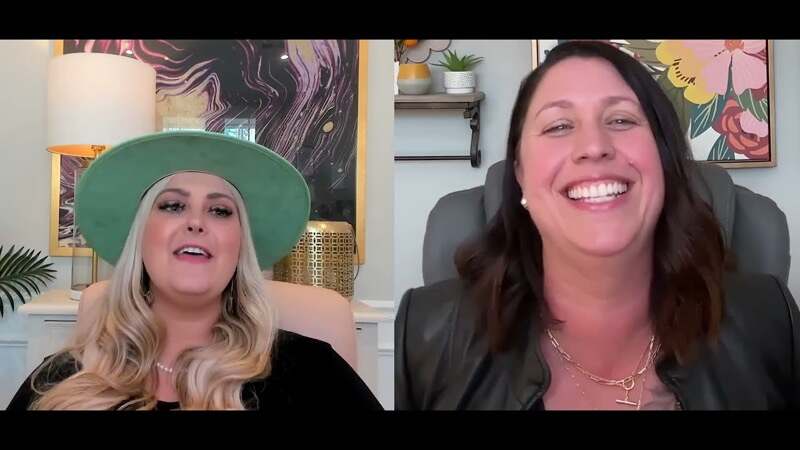
Tina Breen is VP of sales and marketing at Manufacturers Reserve Supply. She talks about the two traits behind asking for the order. She also explains how to coach the sellers who lack them.

The salesperson who never asks for the order is often good at the relationship. That seller is often worried that a no will hurt it. Tina Breen is VP of sales and marketing at Manufacturers Reserve Supply. She ties the ask to two personality traits, ego drive and ego strength. She says a manager who understands them can teach the skill to the people who lack them. The fix that works for every seller: no conversation ends without a next step and a date.
Breen runs sales and marketing for Manufacturers Reserve Supply, a two-step distributor of outdoor building materials based in New Jersey. Two-step means it buys from manufacturers and sells to the dealers and lumberyards that sell to contractors. See one-step vs two-step distribution. When she joined, she said, she did not know what decking was. She came from the wholesale auto business. While working, she studied industrial and organizational psychology, the use of psychology in the workplace.
Why don't some salespeople ask for the order?
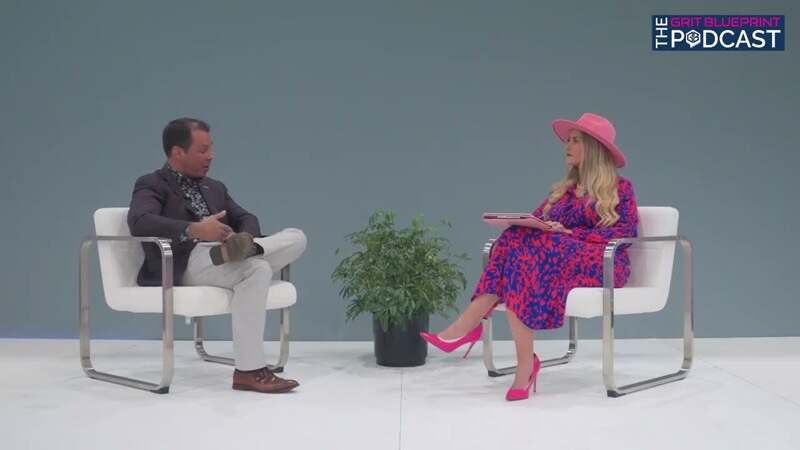
Because the ask is uncomfortable and nothing forces it. A seller has a great lunch with a buyer and talks about everything. That seller never asks for the PO, the purchase order number that makes it a sale. Stefanie Couch, who hosted the conversation, described the gap from her side. She said the seller assumes the buyer would hand over the PO if they wanted to. The buyer, she said, assumes the seller would ask if they wanted it. Her version of the ask is blunt: “Just give me the PO number. It’s a few digits.” (52:30).
Breen did not see the problem at first, because asking comes naturally to her.
In sales, you have to ask for the order.
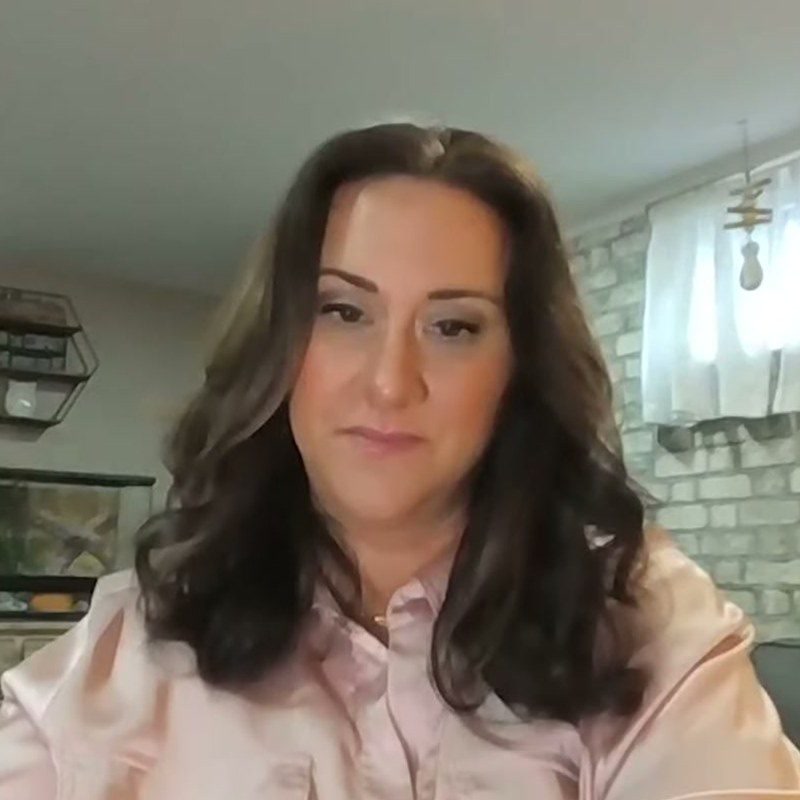 Tina BreenVP of Sales and Marketing, Manufacturers Reserve Supply (52:12)
Then she added the warning: “If you’re not comfortable with the ask, then you probably will be struggling in sales.” (52:15).
Hunters and account managers are different sellers
Breen sorts the sellers who skip the ask into a different group. They are not hunters, she said: “Those are not people that are smelling blood in the water.” (53:07). They are account management personalities, strong at keeping a customer and weaker at the close. Both kinds of seller are useful. The mistake is expecting an account manager to close like a hunter without help.
What are ego drive and ego strength?
They are the two traits Breen uses to explain who asks easily. She learned them in her psychology studies. She said they are why she is a big believer in understanding personality: “People have different personality traits at different levels and have different motivators.” (53:35).
Ego drive is the satisfaction a person gets from winning a negotiation. Sellers with a lot of it enjoy the ask.
Ego strength is what happens after a no. Breen put it this way.
Ego strength is when you get knocked down. Can you pick yourself back up? Can you go knock on the next door?
Tina BreenVP of Sales and Marketing, Manufacturers Reserve Supply (54:13)A seller low on ego strength may take a no personally, Breen said, and stop asking. Breen’s point for managers is that the trait explains the behavior, and the behavior can still be taught. Once you know why someone is uncomfortable, “you can help to teach skill sets to compensate for that.” (54:44).
How do you handle a no?
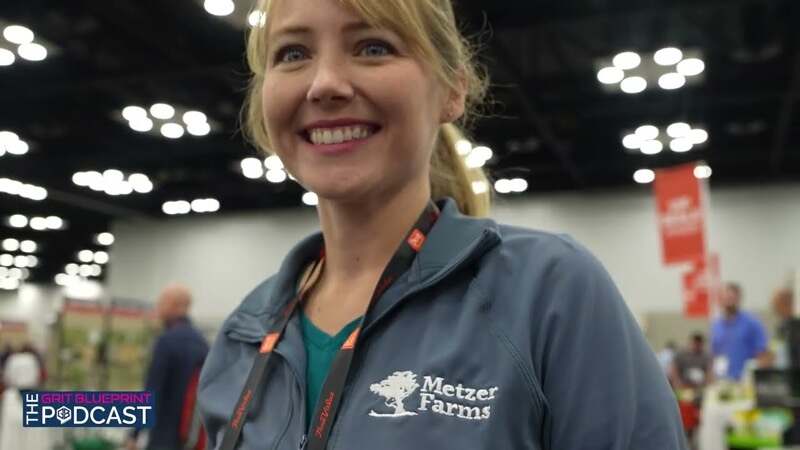
Treat most of them as not yet. Sarah Krey is merchandise manager at Do it Best. She has spent most of her career selling and staying in front of vendors who do not yet know what the co-op can do for them. Her rule is short: “And when they say no, I just take it as not now.” (2:52). She comes back later.
She also explained how she tells the difference. She gets to know her customers well enough to ask herself whether it is a hard no, or, in her words, “is this a really hard no, or are they just having a bad day and don’t want to hear the pitch or see the demo right now?” (6:21). She calls herself super competitive but team focused, and she looks for the angle where she can help.

Put a date on every follow-up, and let your closer ask
A seller who skips the ask usually leaves the table assuming the buyer will call because they called before. So before anyone leaves, agree on when you talk again. If the builder needs a week to get a window bid back, do not call tomorrow or Wednesday. Say you will call on Monday, then call on Monday. Sometimes you will choose to let a deal ride for a while. Make that a decision with a date on it.
Then look at who is doing the asking. Something that comes easily to one person may be the thing another person struggles with most. Say someone on your team is careful by nature and not wired to chase open quotes. Do not try to rewire them.
Put that care where it catches mistakes, and give the follow-up calls to the person who enjoys the ask. Train everyone in the basics, using practice like the prompt for practicing a price objection. Use the follow-up scripts so nobody has to invent the words.
What to do next
- Listen to one of your sellers on a call or at the counter. Count how many conversations end with a specific ask or a date.
- Teach one closing line that fits your business, such as asking for the PO, the deposit or the delivery date.
- Sort your team by who enjoys the ask and who avoids it. Give open quotes and follow-up calls to the people who enjoy it.
- Coach the others on one skill at a time, such as asking for the next meeting before they hang up.
- Keep a list of every not now with the date you agreed to come back, and call on that date.
Questions people ask
What does asking for the order mean in sales?
It means asking the customer to buy now: the PO number, the deposit, the signed quote or the next scheduled step. Tina Breen of Manufacturers Reserve Supply says a seller who is not comfortable with that ask will probably struggle in sales.
What are ego drive and ego strength?
They are the two personality traits Breen ties to asking. Ego drive is the satisfaction a person gets from winning a negotiation. Ego strength is how well a person gets back up after a no and goes on to the next door.
Why do relationship-minded salespeople avoid the ask?
A no can feel like a risk to the relationship they spent years building. Breen calls these sellers account managers rather than hunters. Knowing why someone is uncomfortable lets a manager teach the skill that makes up for it.
How do you tell a hard no from a not now?
Sarah Krey of Do it Best treats most noes as not now and comes back later. She tells the difference by knowing the customer well enough to see whether it is a real no or just a bad day to hear the pitch.

Watch the full interviews
Crafting High-Performing Sales Teams, with Tina Breen (May 2024) and The Relationship Rule That Changes Everything in Sales, with Sarah Krey (July 2026). For sales coaching on a lumberyard counter, see how a lumberyard makes sales training stick.
Tina Breen, vice president of sales and marketing at Manufacturers Reserve Supply, explains how a two-step distributor carries a manufacturer's marketing into local markets, how to recruit by selling your culture, and how to ask for a raise with proof of your value.
A Grit Guide original. This piece is built from our own interview.
Episodes in this piece
Sources
- Crafting High-Performing Sales Teams: Tina Breen, Manufacturers Reserve Supply (interview with Tina Breen, VP of Sales and Marketing; quotes at 52:12, 52:15, 53:07, 53:35, 54:13 and 54:44) (May 2024) Grit Guide, Grit Blueprint Podcast
- The Relationship Rule That Changes Everything in Sales (interview with Sarah Krey, Merchandise Manager, Do it Best; quotes at 2:52 and 6:21) Grit Guide, Grit Blueprint Podcast
Sponsorship The Sarah Krey interview was recorded for an episode sponsored by Do it Best Group.