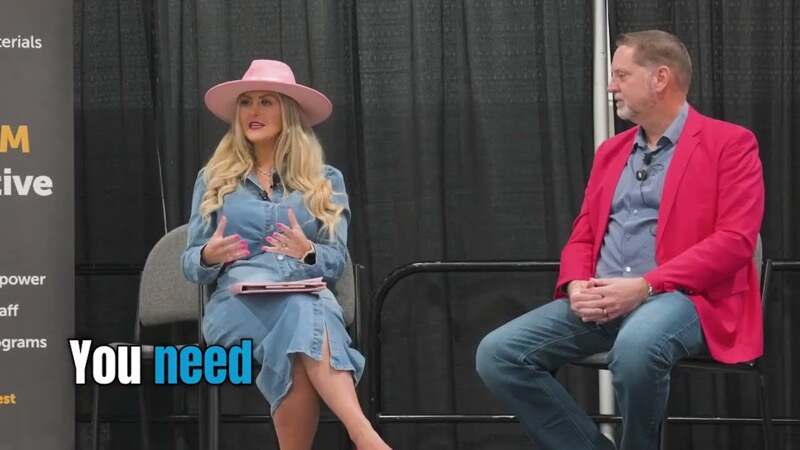
Click any timestamp to jump to that moment in the video.
Use AI for Everything Except Human Relationships
0:00 Transcript: This is not coming. This is here. No matter what happens in this world with AI,
0:05 Transcript: human relationships, especially in our industry, are always gonna be the number one thing. So
0:11 Transcript: use AI to do everything else and spend as much time as you can doing that one thing.
Welcome to the Intelligent Branding Session
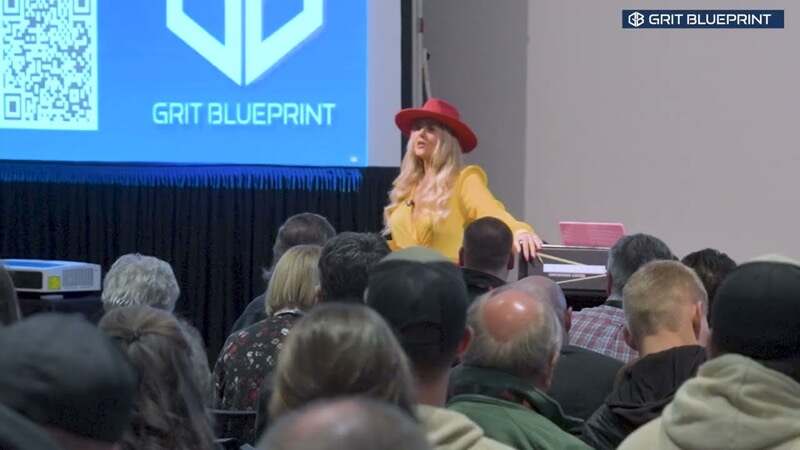
0:19 Transcript: Without further ado, let's welcome Stefanie Couch. She's gonna cover a great session today about intelligent branding, where AI meets strategy. So we're so happy to have her. Help me give her a warm welcome.
How Stefanie Grew Up in a Family Lumberyard
0:35 Transcript: I'm gonna just give you a quick little snippet of my background so you know who I am. I was actually
0:40 Transcript: born into a family lumberyard in Atlanta, Georgia. My granddad opened it in the sixties, and then my
0:46 Transcript: dad and his two brothers continued it throughout the nineties. When I was about five, we moved up
0:51 Transcript: and started another location in North Georgia, which is where I live now. After about 10 years
0:57 Transcript: of working there, helping my dad manage that, when I graduated from high school, I actually went to a
1:02 Transcript: large two step distributor and helped them scale their building materials business in the door
1:08 Transcript: division from one location to ten. We started at around 4 million a year, and when I left we were
1:14 Transcript: at around 200 million a year. So I love building businesses. One thing I've found throughout my
Why Being Unmistakable Beats Competing on Price
1:20 Transcript: career is that the more you can be unmistakable, that no one would ever think you are someone else
1:26 Transcript: because you stand out in your market, the better off you are. The more profit you can make and
1:31 Transcript: the less you have to compete on price. Who in here likes to compete on price? Anybody? Who here likes
1:37 Transcript: to make a lot of money? Anybody? Okay, awesome. Well, today we're gonna talk about two things that
1:44 Transcript: I think can help you drive profit to your bottom line. That is AI and using tools, and branding, so
1:52 Transcript: standing out. One of my hypotheses is that in the next few years, as AI becomes more prevalent, it's
1:59 Transcript: actually gonna be more and more important that you have a brand, because anyone can copy things that
2:05 Transcript: used to be pretty difficult. AI makes it easy to write social media posts. It makes it easy
Why AI Makes Intelligent Branding More Important
2:11 Transcript: to update things like blogs and your website. But what they cannot replicate with AI is your story.
2:19 Transcript: So story and telling that unique perspective is gonna become more and more important. That's what
2:25 Transcript: we're gonna talk about today. If you will get out your phones, if everyone wants to scan this QR
How Are You Currently Using AI in Your Hardware Store
2:31 Transcript: code, we're gonna have several of these little popups throughout where we can just get some
2:37 Transcript: information. I like to scan the audience to see who I'm talking to and kind of what you guys are
2:43 Transcript: doing day to day. Throughout this presentation, I absolutely love to answer questions on the fly.
2:51 Transcript: It's one of my favorite things. So there is a microphone right here in the middle. If someone
3:00 Transcript: raises their hand, if you have a question, interrupt me and just raise your hand and we
3:05 Transcript: will bring you the mic throughout. I wanna answer these as we're going instead of waiting until the
3:09 Transcript: very end. So the question here is, how are you currently using AI in your business? It looks
3:24 Transcript: like 33 of you are using it every day. That's amazing. So someone that's using this every day,
3:32 Transcript: kind of just throw out a quick, what are you using, what platform or what are you using it for?
3:39 Transcript: Chat. ChatGPT. Okay. What are you using it for? Email. Posts. Okay. Who said Gemini? Gemini. Are you using Notebook LM or just regular Gemini?
3:51 Transcript: Just regular Gemini. Okay. What are you using it for? A lot of gems. A lot of specialty tools within there. Love that. Social media posts, somebody said? Yeah. What are you writing social media posts
4:02 Transcript: on ChatGPT? Okay, very cool. All right, 26 of you said weekly, 23 said tried a few times,
4:12 Transcript: and 26 said curious. So pretty equal numbers. That's pretty cool. One thing that's interesting
Why Claude Is Now the Best AI Tool for Writing
4:45 Transcript: that's happened to me in the last few months is I was a thorough ChatGPT evangelist,
4:51 Transcript: and I still am. But in the last three to four months, I have started using Claude for almost
4:57 Transcript: every single thing I do that involves writing. I have found that it is a way more sophisticated
5:02 Transcript: tool and I have to do a lot less editing to get it to sound like me if you program it right. If
5:11 Transcript: you've heard me speak at these other conferences in September, I did not mention Claude really,
5:17 Transcript: but now I am a Claude enthusiast. It's made by a company called Anthropic,
5:21 Transcript: and claude.com is the website. So it looks like ChatGPT is still far and away winning this game,
5:29 Transcript: but a little bit of Claude, a little bit of Gemini, a little bit of Copilot, and then other AI tools. What is the biggest problem you wanna solve with AI? Is it admin work, like writing emails,
The Biggest Problems Dealers Want to Solve With AI
5:41 Transcript: responding to things, maybe Google reviews? Maybe you're using it to stand out in your business
5:46 Transcript: with marketing and visibility. Operational tasks. Maybe you're doing things like inventory with it.
5:52 Transcript: You're trying to figure out your financial data. You're doing sales and customer service
5:57 Transcript: work with it. Some people might be using it for things like video editing. All right, a lot of
6:06 Transcript: people care about visibility and marketing in here, which is good. You got a question? Legal is not there. Legal is, I guess we'd put that under the other category. But I love that. So tell me how you're using it, Fernando, for legal. Everything. Upload everything and get recommendations as to what to do with everything.
6:26 Transcript: You're not the only one, because this girl can't afford a lawyer yet. So I ChatGPT it. I love that
6:32 Transcript: if you're using it for legal. Obviously I'm not a lawyer, so this kind of looks like an
6:37 Transcript: episode of Legally Blonde, but it isn't. I do not give legal advice, and ChatGPT does say,
6:43 Transcript: hey, I technically can't give legal advice, but it could get you 90% of the way there. So a real
6:47 Transcript: lawyer only charges you for like one hour instead of 10. That's great advice. What is stopping
7:04 Transcript: you from really using AI? Knowledge of how to execute it. That's usually what most people say.
Why Prompting Is the Key Skill for Using AI
7:19 Transcript: One of the best things I love about AI is that AI will teach you how to use AI. It will also
7:32 Transcript: help you write what we call prompts, which is probably the most important part of utilizing
7:37 Transcript: AI correctly and really getting it optimized. It's telling it directions. How many of you have
7:45 Transcript: a significant other or kids that you try to get to do things? If I use my husband, he's in the back,
7:53 Transcript: so I'm gonna pick on him a little bit. If I give Ben instructions like, hey, can you go
7:58 Transcript: get something for dinner, and that's all I say, if he comes back with something that is really
8:04 Transcript: not what I was craving, I can't really get too upset with him, because I didn't give him a really
8:08 Transcript: good prompt. But if I ask him to go to the store and get a filet mignon with a baked potato, with
8:14 Transcript: sour cream and chives and the whole thing, and a Caesar salad, and he comes home without that,
8:20 Transcript: I could be a little disappointed. AI is the exact same way. The more detail you give AI,
8:27 Transcript: the better outcomes you're gonna get. One way that I do that is actually by talking to it.
How to Get Better AI Results by Talking Instead of Typing
8:34 Transcript: Maybe you've already noticed, I like to talk. Talking to your AI is much like how you would
8:41 Transcript: actually communicate with another human. Typing to something, you're usually way less detailed,
8:48 Transcript: even if you're a really great typer and you type really fast. You just talk so much quicker. So
8:53 Transcript: there is a tool that I use. It's a free Chrome extension and it's called Voice In. V-O-I-C-E-I-N.
9:03 Transcript: It's totally free and you can download it on your computer. A lot of these platforms actually have
9:09 Transcript: a dictate option right in the platform. But what I love about Voice In is it actually shows you
9:15 Transcript: what you're saying as you're saying it. You don't have to wait till the very end of a two
9:21 Transcript: minute prompt to see what it said. All right, last question. This one's a free text. What do you hope
9:32 Transcript: to take away from this session today? Different ways to use AI, ideas, learning new strategies,
9:47 Transcript: better idea on how it works, how others are using it. During our question and answer time, I would
9:52 Transcript: be so excited to show you guys some actual live ChatGPT or Claude. I wanna start with a quote from
Jeff Bezos on Focusing on What Will Not Change
10:02 Transcript: Jeff Bezos. This is something that I heard him say the other day in answer to a question. There
10:10 Transcript: are so many things out there and so much noise in the market, different platforms coming out,
10:19 Transcript: different things you could do, and we all have limited time and resources. What he said that I
10:25 Transcript: thought was really big was: what are the things in your business that you know no matter what
10:32 Transcript: happens, people are still gonna need and want? People are always going to want great products.
10:40 Transcript: Do you guys agree with that? They're always going to expect great service from you. No matter how
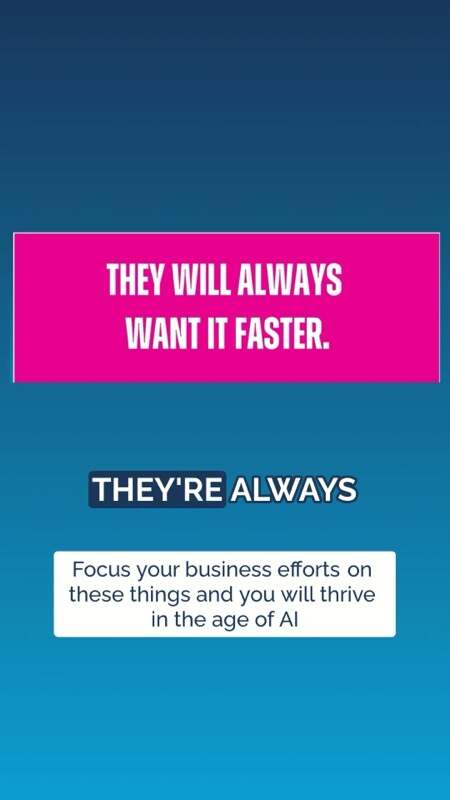
10:47 Transcript: much AI takes over the world, they're still gonna want great service. They're always going to want
10:53 Transcript: things faster. Now, sometimes that's not true if the job site's not ready, but most of the time,
10:59 Transcript: if they're ready for it, they want it immediately. If Amazon has proven anything, it's that next day
11:04 Transcript: is a big deal. They will always want it at a fair price. So you maybe don't have to be the cheapest,
11:11 Transcript: especially in a high margin category. I love to sell doors and windows, and if they're really
11:16 Transcript: complicated, sometimes it doesn't matter how much you price them. If someone wants them, they're gonna buy them. What I want you to be thinking about is, in your business, what are the things
11:29 Transcript: that you know for sure will not change? And then how can you use AI to get better at those? Because
11:38 Transcript: you're not taking a gamble there. If you're faster at responding to customers because you use AI,
11:46 Transcript: they're gonna be happy about it. If you can be more competitive on price because you use AI
11:54 Transcript: maybe for pricing to measure the market, customers are gonna love that. What in your business could
12:03 Transcript: you take away tomorrow? I want you to try to think about just one thing, because I'm gonna talk about
12:08 Transcript: a lot of stuff today, but I want you to hear one thing and write it down. When you go back to your
Knowledge Plus Attention Equals Money
12:13 Transcript: office on Monday, you're gonna implement this, because I've sat in a lot of workshops and a
12:18 Transcript: lot of speaking events like this. And if you do nothing, you've wasted your time and so have I.
12:23 Transcript: So I want you to go crush it Monday with whatever you decide to take away. What I wanna talk about
12:29 Transcript: is how knowledge plus attention equals money. I believe that attention is the new currency,
12:39 Transcript: because like I said, AI is making it easier to do a lot of other things. If you don't have a brand
12:44 Transcript: that people pay attention to, nobody's gonna hear you. They're gonna be indifferent. I used to run
12:50 Transcript: a local hardware and lumberyard, so I can actually speak from experience that you have to do a lot of
12:55 Transcript: things. How many of you wear about 50 hats every day? You're the marketing person. You're probably
13:02 Transcript: a salesperson. You probably order inventory. You might even drive a truck or a forklift.
13:08 Transcript: But you need to be good at the technical, at the personal relationship part, and you've gotta know
13:14 Transcript: your local market. AI can help you do that. This is really a strength and a challenge of being a
13:21 Transcript: small business in a local market. You don't have the span of someone like Home Depot or Lowe's,
13:27 Transcript: but you also know your customers' faces when they walk in the door, which is a huge advantage. Some
Five Biggest Challenges Facing Independent Dealers Today
13:34 Transcript: of the challenges I think you can solve with AI: when new products hit your shelf, your team sells
13:45 Transcript: what they already know that's already been there, and they don't sell the new stuff. Anybody have
13:49 Transcript: that problem? So you come to the show, you buy something you're really pumped up about.
13:55 Transcript: You're like, I'm gonna make so much off this, the customers are gonna love it, and your team doesn't ever sell it. I think you can help train your team with AI. Your employees don't know the answer to
14:06 Transcript: technical details and questions for customers. How many of you are hiring talent that's never worked
14:11 Transcript: in a store like yours before? They're coming in maybe green off the street, maybe an 18 year old
14:16 Transcript: straight out of high school that doesn't know anything about anything. AI can help you train
14:23 Transcript: them on how the technical details should be done. I'm gonna show you a voice agent in a minute that can help with that. Another challenge is that you're competing against competitors that
14:32 Transcript: have millions or maybe even billions of dollars to spend on marketing. They have more locations
14:38 Transcript: and dedicated teams to market. But AI can be your marketing expert without you having to
14:43 Transcript: pay it more than that 20 dollars per month for ChatGPT. Finally, you get a good counter person,
14:50 Transcript: they're trained, and then they quit. Anybody have that happen? All that beautiful knowledge that
14:57 Transcript: was in their brain walks out the door and you don't have it anywhere on standard operating.
15:02 Transcript: That can be solved easily with AI. Customers come in for the same thing every time because no one
15:09 Transcript: showed them there's a better option. You don't upsell and you leave lots of money on the table.
15:18 Transcript: Which one of those things hit you in the gut? Keeping good employees and training new ones
Live Demo: Building a Paint Training Program With AI
15:30 Transcript: looks like it's gonna be the winner. Somebody call out to me what you might want to train an
15:38 Transcript: employee on. Just give me something kind of simple that would be pretty easy to have an SOP for.
15:47 Transcript: Paint. Paint. Okay. What paint line? Limitless. Okay. All right. We're gonna go do a live demo and we're gonna see what happens. This is live.
15:59 Transcript: So it's kind of like playing with explosives, you never know what's gonna happen. So I have
16:04 Transcript: a hardware store in Georgia named Steph's Hardware. I need to train my new employees on paint and they know nothing. You see how I made some typos there? Not even gonna correct that.
16:14 Transcript: Chat's gonna fix that for me. We're gonna say a one week training program, two hours a day. So
16:23 Transcript: I did not give that enough information to really make this great. What I really wanna do is go find
16:29 Transcript: the link to the actual profile from the website of Limitless Paint. I would put that in to make sure
16:36 Transcript: it's pulling the right stuff. But for this demo, I'm just gonna show you how quickly it can show
16:41 Transcript: you. One week paint training program, two hours a day. We're gonna structure this as 20 minutes of a
16:48 Transcript: short lesson, 40 minutes of product walkthrough and demos, and 40 minutes of hands on practice.
16:54 Transcript: We're gonna let them use the paint mixer, sell some paint, and then role play with customers. So
16:59 Transcript: that's gonna be maybe somebody else on your team. Day one, paint basics. We're gonna start with a
17:07 Transcript: lesson on pigment, binder, what makes it stick, solvent, whether it's oil based or water based,
17:14 Transcript: and then additives for performance. Does that look like where you would start if someone knew
17:18 Transcript: nothing about paint? I want to make this better. I would like to make this detailed to show exactly
17:55 Transcript: what I'm gonna say and show. On the sheens, give me definitions of the difference between sheens.
18:03 Transcript: Then help me know when a customer might need one sheen versus another, and how to upsell people
18:09 Transcript: to a better type of paint based on their needs. However, we don't want to be pushy. We always
18:15 Transcript: want to be a consultative salesperson who gives the customer what they need. See how much faster
18:22 Transcript: that was to just talk into it? I got so much more detail. Most paint departments fail because
18:32 Transcript: employees are told what products are and not how to talk to customers. The real skill is this. So
18:41 Transcript: now it's giving me some actual pictures here you could use to show paint. You probably have these
18:48 Transcript: from your actual manufacturer on a swatch in the store, but if you didn't, here it is. Whenever
How to Add Sales Incentives and Scoreboards With AI
20:40 Transcript: you're done with this, one of the things I see that people miss is they make these big plans,
20:48 Transcript: but then they don't check in. They don't do any kind of checkup or tests. So we're gonna ask Chat:
20:59 Transcript: what should we do? I think one of the negatives of training programs is we spend a week talking
21:07 Transcript: about this and there's no check ins, there's no scoreboard. How could I make sure that my
21:13 Transcript: team is actually doing this, and how can I incentivize them to sell more paint?
21:22 Transcript: Now we're moving out of a training role and into some sort of managerial sales incentive role.
21:29 Transcript: Anybody in here have sales incentive plans in your store for your salespeople? Any kind of contest?
21:36 Transcript: If you get the right person that's competitive and you want to figure out how to sell more in
21:41 Transcript: your store, put some little promo together for a 50 dollar gift card and say whoever sells the
21:47 Transcript: most paint this week wins this and gets bragging rights. When I worked at two step distribution,
21:53 Transcript: I started when I was 25, and one of the first things that happened was they said, hey, we're
21:58 Transcript: gonna run a promo on flush glazed doors, because everybody was buying those cheap insert doors and
22:04 Transcript: Therma-Tru wanted to sell more flush glazed. They said whoever of the five of y'all sells the most
22:10 Transcript: flush glazed doors in this three month period wins a thousand bucks and a trophy. I was more excited
22:16 Transcript: about the trophy than the thousand bucks, but I sold 700 flush glazed doors in that three month
22:25 Transcript: period and whooped everybody else, because I was like, I will not lose this. If you can find a way
22:47 Transcript: to incentivize them, they will play the game and they will try to win. That's just a tip. It's not
22:52 Transcript: about branding, it's just about making more money. Find a way to get your team engaged and to care
22:58 Transcript: about what you're doing. Now I'm seeing the real problem. Training alone does almost nothing.
23:04 Transcript: People sit through it, nod their head. What works is this. We're gonna track the behavior,
23:10 Transcript: track the sales, and reward the wins. Create a paint scoreboard. How many gallons they sold,
23:19 Transcript: what the revenue was, how many add ons they got, because we're trying to incentivize them for upselling, and what the average ticket was. Is this something you could do with the systems
23:29 Transcript: you have pretty easily? Track the right behaviors, not just selling, but asking about the project,
23:38 Transcript: recommending the right tools to go with it. Maybe they need the paintbrush to go with the paint. Track all of that. Mystery shopper, that's in there. So you find somebody to go in and test
24:00 Transcript: them to see how good their customer service is, and then you can give them incentives. One thing
Why You Must Tell AI to Think Objectively
24:38 Transcript: I do wanna show you is you've been seeing that ChatGPT is like my biggest fan, biggest
24:43 Transcript: cheerleader. That's not really that great. It feels good to your ego, but it's not objectively
24:49 Transcript: thinking. So you want to tell your AI, and if you remember nothing from this but this one thing,
24:56 Transcript: tell it to think objectively and don't just agree with you. You've been agreeing with me a lot. I
25:10 Transcript: want you to audit this plan objectively. Do not just agree with me. Think like the best trainer
25:18 Transcript: and salesperson in the world. Tell me what I'm getting right, what I'm getting wrong, and what
25:23 Transcript: I'm missing. Now it's gonna be honest with me and tell me there's a few gaps. I'm getting right that
25:38 Transcript: I'm training with real conversations. I'm using cases instead of specs. I'm focusing on upselling
25:49 Transcript: through value, not just trying to be pushy, and I'm keeping score. What are you getting wrong?
25:57 Transcript: The training is still too theoretical. It's very lecture heavy. Two hours a day is too long. It's
26:03 Transcript: like, girl, you're crazy. What are you thinking? Two hours a day on paint is like watching paint
26:08 Transcript: dry. So it's telling you, hey, this is the better format here. You can still do two hours, but let
26:16 Transcript: them practice in the department for an hour. You're not teaching the most important skill,
26:21 Transcript: how to diagnose a project quickly. So then it's gonna give me this framework of here's the five
26:26 Transcript: questions to ask to make sure your team knows exactly what they need. These five questions
26:33 Transcript: you could take back right now and go put this in. You're not teaching color confidence. I don't know
26:41 Transcript: what that is, but it sounds cool. Warm colors versus cool, the lighting. Think about that. If
26:47 Transcript: you give someone a color and they're gonna try it in a space with natural light, it's very different
26:52 Transcript: than if you're in a man cave in the basement. So you've gotta be thinking about those things. So
26:57 Transcript: it's telling you what you maybe missed. I'm gonna say, great, rewrite this plan with that in mind.
27:12 Transcript: Now this is the exact same plan I asked for before, but now it's got an advisory system with questions, which you could print out and
27:21 Transcript: give to your team. It's redone all of these days with different times.
27:36 Transcript: Steph, if you wanted to put this within a video, more than a document, which AI are you using?
Using Loom Videos for AI Training in Retail
28:47 Transcript: Great question. I would use Loom. L-O-O-M. Let me just show you. Loom is a tool that
28:59 Transcript: actually has a free version as well. I think the free version is limited to
29:04 Transcript: five minute videos or less, and you might be limited on some of the AI features,
29:08 Transcript: but it's a great tool. So I have it in my computer already. It's up here as a Chrome extension.
29:16 Transcript: The first time you use this, you'll have to go to loom.com, download the Chrome extension,
29:20 Transcript: and then you can roll from there. If I wanted my camera to show, because sometimes when you're
29:26 Transcript: looking at people, you can talk to them. Hey guys, I'm here doing a training video.
29:30 Transcript: So we're gonna make sure we're sharing the right screen if you had more than one screen.
29:42 Transcript: Hi everyone. It's Stefanie Couch and I'm here today filming this amazing paint training
29:47 Transcript: video for you. I'm so excited because this is a great promotion that we're running where you
29:51 Transcript: can actually win 500 dollars if you sell the most paint in the month of April. The first thing we're
30:00 Transcript: gonna do is implement the Paint Advisor system. The first question you're gonna ask customers is,
30:07 Transcript: what are you painting? Are you painting a wall? Are you painting a room? Is it a bathroom? We need
30:12 Transcript: to know all those details. Where is it located? What condition is the surface in? Is this brand
30:17 Transcript: new construction? Is it old paint? Now what I'm gonna do is hit stop sharing. This video,
30:27 Transcript: obviously, could have been as long as I wanted it to be. I just did the 39 second video,
30:40 Transcript: but it would have been longer if I had had more details. This is what your team's gonna see when
30:48 Transcript: you send that. The captions you can edit. So if there's something like my name was misspelled,
31:08 Transcript: you can edit the captions on here. And my favorite part of this: if you have the upgraded version,
31:25 Transcript: you can go get the transcript from this and actually create a standard operating
31:30 Transcript: procedure for this process right here in Loom. This is why this is one of my favorite AI tools.
31:41 Transcript: But if you didn't want to be in the video yourself? Just don't turn your camera on. Or is there something that's going to take all that AI information?
31:50 Transcript: You could do it that way, but you're gonna waste more time trying to do that than doing what I just did. At the end of the day, if you don't want to show your face,
31:59 Transcript: I get that. Just turn the camera off. But you narrating as you show your screen is gonna show
32:07 Transcript: them exactly what you want them to do. The coolest part is look at this SOP. Based on me hitting one
32:15 Transcript: button and hitting generate, it has now given me a step by step guide to what I want them to do,
32:22 Transcript: with screenshots of each. The next question after ask about the project is inquire:
32:29 Transcript: what are you painting? What type of surface? All the things I said. If I wanted to put that
32:36 Transcript: PDF with it, you've got a video for people who are auditory learners or maybe visual learners,
32:44 Transcript: the PDF for people that like to read. Three different mediums of learning. You can put that
32:50 Transcript: bad boy in a notebook and say, here's the video, here's all the things. Creating instructions for
33:18 Transcript: a prompt for Claude, this is a video I made that was six minutes long. My team loves these videos.
33:26 Transcript: I sent Marion a 22 minute video a few weeks ago on how to create an engaging blog for one of our
33:31 Transcript: customers, and it has a step by step guide of exactly what to do. Has that worked, Marion?
How to Respond to Leads in Five Minutes
33:40 Transcript: Yeah, absolutely. I am now the blog writing connoisseur. She's not lying. It helps when you have someone who's really smart and can figure things out too.
33:53 Transcript: If I were you, I would go ahead and make the program and I would find a way to hit as many
33:58 Transcript: learning styles as you can. These are the top three things I personally think you could start
34:10 Transcript: tomorrow and really kill it. Customer experience: responding quickly. This is a statistic I love. If
34:21 Transcript: you answer your phone and respond to a lead within five minutes or less, you are 22 times more likely
34:28 Transcript: to convert that lead. 22 times more likely. It doesn't have to be a human answering the phone.
34:35 Transcript: It could be AI, it could be a voice agent. But if you could respond to an email, even just saying,
34:41 Transcript: hey, we know you exist, we're gonna handle this, we'll be back with you, it lets people know,
34:45 Transcript: hey, I shouldn't go call the next person because this person's gonna get back with me.
34:49 Transcript: I also think it can help with knowledge capture, like we talked about, so your team is better and
34:54 Transcript: they can give better customer experience. Training and operations, consistency and speed. Faster
AI for Operations and Standard Operating Procedures
34:59 Transcript: onboarding, being able to search things quicker. You can make knowledge bases about your products
35:05 Transcript: so they can go search it in AI, and you can streamline your operations. Anybody in here sell
35:12 Transcript: lumber and building materials? How many of you would love to have a standard operating procedure
35:18 Transcript: for pre trip for your trucks? Anybody do pre trip? Check your straps, do you have flags in the car,
35:27 Transcript: do you have windshield wiper fluid? Nobody does a pre trip every time on the truck. If you do,
35:33 Transcript: homework for you. At the beginning of the day, here's the list. Your guys and gals
35:38 Transcript: should check it on your trucks. That can be AI, super easy. And then sales, marketing,
35:44 Transcript: visibility, and social media. Are y'all ready for something mind blowing? This is a voice
Live Demo: AI Voice Agent Selling a Fiberglass Door
35:57 Transcript: agent that we built to sell doors. Ben, my husband, built this and he's actually the
36:02 Transcript: one talking to it. This is completely AI, and we did not prompt this on what to say.
36:08 Transcript: We just built it with some information about some product, and then we let him call it and test it.
36:17 Transcript: Hi, thank you for calling. I'm Krista with Grit Doors. How can I help you?
36:21 Transcript: Yes, I was interested in replacing my front door. That sounds like a great project. Are you replacing it as part of a remodel, or is it just time for an upgrade? I think it's time for an upgrade. The weather's kind of got to it and it's starting to warp and crack a little bit.
36:40 Transcript: Oh, I see. That definitely sounds like it's time for a fresh start. A new door can make such a
36:45 Transcript: difference, both in looks and durability. Do you have a specific style or material in mind? For
36:50 Transcript: example, fiberglass is a great option for weather resistance and energy efficiency.
36:57 Transcript: I'm open to suggestions. I don't really know where to start. I just want something that looks good, but is also strong and can stand up to weather.
37:05 Transcript: Got it. For something strong and weather resistant, I'd recommend a fiberglass door.
37:10 Transcript: It's durable, low maintenance, and can handle humidity and temperature changes really well. Perfect for our climate here in the southeast. Plus, fiberglass doors come in
37:19 Transcript: smooth or wood grain finishes, so you can get the look of wood without the upkeep. Do you
37:24 Transcript: know if you'd like a single door, or maybe one with sidelights or a transom for extra light?
37:30 Transcript: Wait a second. You said fiberglass is the strongest. I figured steel doors would be the strongest. That's a great question. Steel doors are definitely strong and affordable, but they can dent if they take a hard hit and might need a bit more care to keep them looking good over time. Fiberglass, on the other hand, is super durable and resists warping and cracking. It's also better at insulating,
37:52 Transcript: which can help with energy efficiency. It really depends on what's most important to you: strength,
37:57 Transcript: maintenance, or energy performance. Would you like me to help you compare the two further?
38:03 Transcript: No, I'm fine with fiberglass if that's what you think's the best option. I did have a
38:08 Transcript: question though. I think my current door is like a three oh by six eight,
38:12 Transcript: and I wanted to put a bigger one in. There's a transom above it now, so I didn't know if I
38:17 Transcript: could just put like an eight oh door in there and take the transom out, or what the case is.
38:24 Transcript: That's a great idea, and it can really modernize the look of your entryway. If you're thinking about replacing the transom with a taller door, it's definitely possible,
38:32 Transcript: but it depends on the structure of your home. An eight foot door would require modifying the
38:36 Transcript: framing above your current opening. This might involve removing the transom and adjusting the
38:42 Transcript: header, which is the structural support above the door. It's a bit of a bigger project,
38:46 Transcript: but it can be done with the right planning. Do you happen to know the rough opening size of
38:51 Transcript: your current door, or would you like someone to help you figure that out?
38:55 Transcript: Yeah, I don't even know what a rough opening is. No problem at all. The rough opening is the framed space in the wall where the door unit fits. It's
39:04 Transcript: usually a little larger than the door itself to allow for adjustments during installation.
39:08 Transcript: For example, if your current door is a three zero by six eight, the rough opening might be
39:14 Transcript: about 38 inches wide and 82 and a half inches tall. If you're going for an eight foot door,
39:20 Transcript: the rough opening would need to be taller to fit the new height. Would you like me to have someone follow up with you to go over the details and help you plan for the change? I can also take down your contact info to make sure we stay in touch.
39:33 Transcript: Yeah, that would be great. Perfect. Let's start with your name. Could you share your first and last name please?
39:40 Transcript: Yeah, my first name is Ben. Thanks, Ben. And what's your last name? That is obviously very, very detailed. Has anyone in here ever seen anything like that before
39:51 Transcript: or heard anything like that with AI? This can actually make outbound calls too, which is even
39:56 Transcript: scarier. The biggest thing is it does not have to do all that stuff. It could just answer the phone
40:04 Transcript: on the weekends or after hours when you can't answer, or maybe after the fifth ring when your
40:09 Transcript: team just can't get to the phone, and say, hey, we can't come to the phone right now, can I get your
40:14 Transcript: name, email address, and phone number and we'll call you back? It could be that simple. How many
40:24 Transcript: of you have salespeople working for you that could not do what that just did? I know a lot of them.
40:33 Transcript: What I see is maybe you hate AI talking to your customers and you're never gonna put that in
40:39 Transcript: front of your customers. You can let your team train with it. You could have a training bot or
40:47 Transcript: training agent that they could run test calls with. You could train it to ask your customer
40:54 Transcript: service person questions and then let them answer. If they don't know the answer, you could say,
40:59 Transcript: what should I say? And it would say, oh yeah, if you're gonna take the transom out, you would need a rough opening of 95 and a half. All of that can be programmed. I really just
The Real Cost of Missed Phone Calls in Small Business
41:14 Transcript: want you to know this is not coming, this is here. It's 2026, and every day when I wake up,
41:22 Transcript: I read AI news, and every day there's something huge exponential that changes. In two to three
41:31 Transcript: years, I really believe that almost every single customer service agent in most industries will
41:36 Transcript: have this type of component in some way. If you call Delta Airlines right now, it's already 100%
41:42 Transcript: AI. A lot of doctors' offices I call have this. A lot of different trades. If you're out on the
41:50 Transcript: truck measuring windows and you can't get to the phone, the statistic around the missed call is
41:57 Transcript: that 68% of small business calls go unanswered. 68%. And of those 68%, 80% of those people never
42:07 Transcript: call back to your store if you don't answer. If it's their first time trying to call you. As much
42:14 Transcript: as you would love a human to answer, the truth is they aren't answering all the time. So unless you
42:19 Transcript: feel really confident that you're always getting the phone, this is a great option as a backup.
How Much an AI Voice Agent Costs to Build and Run
42:24 Transcript: So let's say we want it to pick up on the fifth ring or on the weekends. What is the program we're using? We actually build these. We built this one, but there's a lot of different programs you
42:34 Transcript: could actually build this yourself. There's a program called Retell. There's a lot of
42:40 Transcript: different programs that offer just this service. But a lot of the programming is a little bit
42:46 Transcript: tricky. It's not impossible, but if you're not really technically savvy, it'd be easier just
42:51 Transcript: to pay someone to do it. The cost per month is pretty nominal to keep it. If something breaks,
42:57 Transcript: when you test it and it's like, hey, this said this thing, and I don't want it to ever say that,
43:02 Transcript: we just go in and program it and say, never say this thing, say this instead.
43:08 Transcript: You don't have to go through Grit Blueprint, but there are plenty of people doing it. This is called an AI voice agent. You can have this same exact thing on your website with a typing agent
43:21 Transcript: that uses the same database. If we set this up for you, I would build it so that if you wanted both,
43:28 Transcript: it's just one knowledge base. When we change it in one place, it changes in both.
43:41 Transcript: So this is a product that you guys manufacture and sell? Yeah, we build these for people. What is the cost of it? Depends on how complicated you want it. For setups, somewhere around three grand usually
43:57 Transcript: for a relatively simple one. Then usually around 500 dollars a month is the cost for the ongoing.
44:05 Transcript: If you have 30 stores, that obviously is not gonna be the same, because your usage is gonna
44:09 Transcript: be different. I would say for around 3,000 dollars up front and 500 dollars a month,
44:14 Transcript: you could get this to answer your phone all year. We have one client in Idaho that has 12
44:20 Transcript: stores and they have a lot of phone calls. We had to do 12 different lines, and they really wanted
44:26 Transcript: every question that could ever be known to man on this thing. I do not recommend that. Here's why.
44:33 Transcript: If you want speed, which is what you want when people answer your phone, thank you
44:38 Transcript: for calling Stefanie's hardware, how may I help you, you don't wanna have to wait for that person
44:42 Transcript: to shuffle through a hundred questions. That's what your AI agent is gonna do before answering
44:47 Transcript: questions. The more stuff you put in there, the longer it has to basically find it. It's latency.
44:54 Transcript: So I would keep it simple. You want it to say, hey, do you sell doors? Yes, we sell doors, we
44:59 Transcript: sell Therma-Tru and Plastpro. Something small like that, super simple. But if you start to do what I
45:05 Transcript: just showed you right there, you have to put so much in there. It's longer time for the person
45:09 Transcript: to wait. I would start simple. My seventh grade science teacher taught me KISS: keep it simple,
45:16 Transcript: stupid. He said that to me a lot. I'm still pretty upset about it, but that's what I like to do with
45:23 Transcript: these. Keep it simple, see how it works for you, then you can always add complications later.
How AI Voice Agents Hand Off Leads to Real People
45:32 Transcript: So this is the initial interaction with your customer. From that stage,
45:37 Transcript: how does it go to an actual person? Great question. The call comes in and it comes to you via email, and you can get it via text
45:49 Transcript: as a summary. You could get a, hey, Stefanie Couch just called, she wants to talk to you about paint,
45:54 Transcript: she's looking to paint her house. Or it could be the actual transcript where it
45:59 Transcript: says every single word that person said. Your preference. We set it up either way. From there,
46:05 Transcript: once you set that up, it will come to you in your email to one person, or you could have it
46:11 Transcript: go to a lot of different people. You can also have it go to a CRM. If you have a CRM system,
46:17 Transcript: or we have something we can make into sort of a CRM where you could go in and look at
46:22 Transcript: all your leads. You could say, hey, we got 10 calls today that we haven't responded to,
46:26 Transcript: they're all in this column, I'm gonna give two to you, two to you, two to you,
46:31 Transcript: and y'all are going to knock those calls out right now. It's all automated. It can basically go into
46:38 Transcript: any system you want. Something as simple as Google Sheets, something as complicated as Salesforce.
46:47 Transcript: So do you let the customers know they're talking to AI? That's your choice. My husband likes to tell them it's AI. I don't know if it matters because so
Should You Tell Customers They Are Talking to AI
46:58 Transcript: many people now that you call are using this. It's pretty darn good. You can change the voice. If you
47:04 Transcript: wanna make her a sweet southern girl like me, you can make her southern. If you wanna make it a guy,
47:09 Transcript: you can make it a guy. If you wanna make him from up north, you can. You could make it British. You could do anything with the voices. If you wanna make a jolly old chap answer your phone,
47:19 Transcript: you can do it. A lot of people do wanna say, hey, thank you for calling Stefanie's hardware,
47:27 Transcript: our team members are currently helping customers in the store, I'm the AI agent,
47:31 Transcript: Sarah, could I help you, and we'll get right back with you. If you feel more
47:36 Transcript: comfortable that way, we can definitely do it. If you have more than one store, you could test it. I always like to do those little experiments to see,
47:44 Transcript: is it making people mad because you're not telling them, or do they even notice?
How to Build an Internal AI Assistant for Employees
47:51 Transcript: I would like to create an agent for my employees. Where would be a good
47:56 Transcript: place to start? We get calls over the radio: what do we sell, this,
48:02 Transcript: that. So they can type in, and I can load it and teach it with product.
48:07 Transcript: Absolutely. Here's what I would do. I would start with something like Loom to get the
48:15 Transcript: documents right. You gotta have the information to put into this thing. Take your 15 or 20 most
48:21 Transcript: frequently asked things that you hear. If someone asks this question on the radio one more time,
48:26 Transcript: I'm just done. Make a Loom video about it. Take that SOP and then put it into what I
48:33 Transcript: call a knowledge base. There's a lot of different ones. Retell is one, and there's also one that's
48:41 Transcript: customgpt.ai. You can build like anything with that. It's kind of insane. These all cost money.
48:50 Transcript: Free is not gonna work here. But we're trying to solve a problem that costs you a lot. Who cares if
48:55 Transcript: it's 100 bucks a month? Just like anything else, you're not gonna have everything in there all at
49:01 Transcript: once. Take your Pareto principle of what are the 20 things you're getting asked 80% of the time,
49:08 Transcript: and what's costing you the most money. What's your highest margin category?
49:14 Transcript: Plumbing. Plumbing. Tell me one question that you would like to answer about plumbing that you'd wanna put into the knowledge base.
49:24 Transcript: What toilets you carry. Okay. What's the best toilet for the money? What should I buy? I'm some homeowner that doesn't
49:32 Transcript: know anything. You're gonna give a good, better, best. Is that how you would do it? So Stefanie, we
49:40 Transcript: know you like pink, and Kohler has this 749 dollar pink toilet, and I want it real bad. In real life,
49:45 Transcript: this is not roleplay. You're like, whew, yeah, I got this one. That pink toilet has been sitting
49:54 Transcript: over there waiting for me to walk in the door with my husband's credit card, and here I am.
49:59 Transcript: So this would be the best option. Better is what, American Standard upgrade toilet? I'm making a,
50:06 Transcript: I don't have brand loyalty, please don't get mad if this is not what you sell. Then the next one is
50:11 Transcript: this 129 dollar one. You need this to work for a rental house for six months and you're good.
50:17 Transcript: That's what you would train into it. You might wanna say, here's how you upsell: pinky up here
50:23 Transcript: for 800 dollars. You're gonna pop all of that into that knowledge base, and then they can practice
50:30 Transcript: with it. All of those things they can do with you making that one video. What you have to do is say,
50:38 Transcript: go check the AI tool, it's in there. Or if it's not in there, you have to tell them, hey,
50:43 Transcript: come to me and I'm gonna keep a running list of these are the next things we're gonna knock out.
50:48 Transcript: One idea that just sprung to mind is let your team get involved with making these videos.
50:53 Transcript: If you have one person that's really good at plumbing that loves to share their knowledge, some person that's been working there forever, just get someone to record them on their cell
51:01 Transcript: phone talking about plumbing. Put it into ChatGPT, get the lessons from it, then share the video and
51:08 Transcript: it'll go into that AI tool. Really good idea. I personally think training is the biggest problem
51:15 Transcript: in our industry, because it costs us in so many different areas: operations, admin, sales. So many
51:22 Transcript: things can go wrong because we don't train people well, and we have a whole generation that's about
51:27 Transcript: to be gone from our industry. The only way I can think of that we can actually solve that problem
51:33 Transcript: is to take some of the beauty out of their brain and put it into something that we can keep it.
51:39 Transcript: You mentioned a knowledge database. I have a young cashier up front that doesn't know
51:47 Transcript: where things are at. Would it be easy to go in and just say, hey, I'm looking for,
51:58 Transcript: even something really specific, so she could tap into it pretty quickly and say,
52:03 Transcript: yeah, that's gonna be on aisle nine and somebody will meet you back there. Yes, absolutely. The front work is always gonna be the hardest part of why that won't work. The
The Plaud AI Recorder for Capturing Store Knowledge
52:11 Transcript: AI will do it. It's just whether you have the right information in it for it to pull.
52:16 Transcript: Let me give y'all another amazing tool I use. It's called Plaud. P-L-A-U-D. It's the size of
52:28 Transcript: a credit card and it's a little AI recorder. You don't wanna be toting your laptop around recording
52:35 Transcript: stuff in ChatGPT. They're about 150 dollars and the subscription is about five bucks a month
52:42 Transcript: or something for the recording. You could walk around your store with this Plaud and be like,
52:47 Transcript: aisle nine: plumbing, tees, CPVC, PVC, shark bites, putty, tees, whatever you wanna say.
52:58 Transcript: Once you get all that, take that transcript and pop it into that little thing you're gonna make,
53:05 Transcript: and then it's there. If you did one aisle a day, how many aisles you got in your store?
53:11 Transcript: 35. 35 days. In a month and a little change, you got that bad boy working. If you
53:17 Transcript: get other people to help, you might even be able to do it in two weeks. Right now, I've already got it all in an Excel spreadsheet. It's just a little cumbersome for them to flip through. Even better. Put that into a knowledge base. Use customgpt.ai and just put all that in. Tell it
Vibe Coding With Lovable to Build Custom Apps
53:38 Transcript: what you want it to do. There's also another thing called vibe coding. Anybody else heard
53:44 Transcript: of vibe coding? It basically lets you code like an actual software programmer without knowing
53:51 Transcript: crap about crap. If you don't know anything about anything, you can go in there and build an app.
53:58 Transcript: It's insane. You could literally go into Lovable and build what you just said as an app. But
54:06 Transcript: everything hinges on the right data. What starts screwed up stays screwed up. You gotta make sure
54:13 Transcript: you're giving it the right knowledge up front and telling it exactly what you want it to do.
How to Deal With AI Hallucinations and Wrong Answers
54:20 Transcript: How do you deal with hallucinations? And the second question is, how easy is it to update and maintain all these documents and procedures? Good question. On hallucinations, that is a great point. All AI will make things up.
54:33 Transcript: Perplexity has the lowest number of made up things. If you look at the numbers,
54:37 Transcript: Perplexity is one I use sometimes for research. I always tell my AI,
54:42 Transcript: if it's something I need factual, like statistics I'm throwing out, I always
54:49 Transcript: say cite the sources. Do not make shit up. That's what I tell my AI. Sometimes it listens.
54:59 Transcript: Do not hallucinate. Yeah, do not hallucinate. I just say don't make shit up. It's the same thing but you're a lot nicer about it.
55:07 Transcript: You were talking about building the knowledge database. Are you saying to use Lovable to build that? Lovable is a way to build an app, because he mentioned it's hard for them to look through
55:17 Transcript: a lot of documents. That's just one tool, and you can build a branded app for yourself in Lovable.
55:25 Transcript: The knowledge base will be in another place. You can store it. Lovable has different places you can
55:31 Transcript: reach out to. GitHub is one of them. If you're a first time AI user, this is like doctorate level
55:39 Transcript: over here. Don't freak out like, holy crap, what is she talking about. But I wanna answer
55:44 Transcript: their questions. GitHub is a knowledge base, and you could also use a Google Doc knowledge base
Knowledge Is Power Inside, Attention Is Power Outside
55:50 Transcript: as well. If you have further questions about this very specific stuff, get with us. I'll give you my
55:56 Transcript: contact info. If you're interested in us helping you do some of this, we can do that too. I'm gonna
58:15 Transcript: skip through some of this because we're covering lots of stuff. I do wanna hit on this really
58:21 Transcript: quickly. Knowledge is power inside your company. We've been talking a ton about that. Attention is
58:26 Transcript: power outside of it. Attention is the magnet that brings people into your doors. Rings your phone.
How Often Should Your Hardware Store Post on Social Media
58:34 Transcript: Brings people back. You need to be posting a lot more than you think you do. How many times a week
58:40 Transcript: do you guys post on social media? Anybody post more than one time a week? Who posts more than
58:46 Transcript: three times a week? Keep your hand up every day. Woo. Y'all are crushing it. Every time you post,
58:55 Transcript: only 5% of your people that are following you see it. That's people following you on a lot of the
59:01 Transcript: platforms. So just because you post doesn't mean people see it. The best people in the world who
59:07 Transcript: are really getting a lot of attention on these platforms, they're posting a ridiculous amount
59:11 Transcript: of times to be seen. Just know that you need to post a lot. I talked about be seen. Attention is
Prompting Tips: Give AI a Title and a Job
59:20 Transcript: the new currency, and AI is gonna help you do a lot more than you could before. Who in here
59:25 Transcript: is really bad at marketing? You're not anymore. This can help you be really great at marketing.
59:33 Transcript: When you start to prompt your ChatGPT or your Claude, tell it who you want it to be. This is
59:39 Transcript: really important. I would write this down. Give it a title and give it a job. You are a world
59:47 Transcript: class marketer. If you like a certain marketer, sometimes I'll tell it to write copy like Donald
59:53 Transcript: Miller. He wrote the book StoryBrand. He's a great copywriter. I'll tell it to be Donald Miller,
59:59 Transcript: and then it's gonna give you more content like what you want. The second thing, after you're
Be Known: Build Brand With Small Business Storytelling
1:00:06 Transcript: seen, so you get the attention, somebody sees you, then you need to make them actually remember
1:00:10 Transcript: you. You gotta be known. You wanna build a brand with stories. Facts are searchable,
1:00:17 Transcript: and sometimes they matter, but stories are shareable, and they're also remembered a lot more.
1:00:24 Transcript: How many of you remember the plot to the Lion King? Everybody. How many years has it been since
1:00:36 Transcript: you've seen Lion King? Long time. How many of you remember that fact I just talked about, how much
1:00:43 Transcript: more likely you are to close a call if you answer within five minutes? Anybody remember that? 22.
1:00:51 Transcript: You think you'll remember that in two years, when I ask do you think you'll remember the plot of the
1:00:55 Transcript: Lion King? Yes. See what I'm saying? The last step is to be chosen, because you want to consistently
Be Chosen: Make Customers Raving Fans
1:01:03 Transcript: be the only one that comes to mind first. You do that by being seen. You do that by being known
1:01:11 Transcript: and trusted, and then people will choose you. You want to make your customers raving fans,
1:01:17 Transcript: tell their stories, let them see themselves in your stories. This is the biggest thing,
The Four Step Story Framework: Problem, Tension, Solution, Win
1:01:24 Transcript: and I'm gonna close with this and then go to questions. I want you to remember that you do
1:01:30 Transcript: not have to be perfect. You just tell a story. This is a framework. All these slides, because I
1:01:38 Transcript: didn't go through a lot of slides, I wanted to answer y'all's questions, they're all in your app. There's a lot of details in there, specific stuff to do. But there is a certain framework to
1:01:48 Transcript: storytelling, and this is it. You identify a problem, you create tension in the situation,
1:01:54 Transcript: you give a solution, and then you show the win. It's called the hero's journey. Make your customer
1:02:00 Transcript: the hero and make you the guide. My bathroom flooded, stuff was everywhere. I didn't know what
1:02:09 Transcript: to do, so I called my local hardware store and I talked to Taylor. She didn't answer the phone,
1:02:14 Transcript: but her AI agent did. It told me they had everything I needed to come on in, and they
1:02:21 Transcript: would help me get this fixed. It even recommended, if I really needed help, a local plumber that they
1:02:26 Transcript: know and trust that could help, if it was too bad for my DIY skills. And that customer came
1:02:33 Transcript: in and got a deck remodel the next week because I had been so helpful. There it is. Just told a
1:02:39 Transcript: story. Post what you're doing. You don't have to make anything up. You're already doing cool
1:02:45 Transcript: stuff every day. You're solving problems every day. You're selling amazing products every day.
1:02:50 Transcript: Your people are doing stuff every day in your store that people wanna watch. Just show that.
1:02:59 Transcript: This is a framework for building your brand, totally free. If you put in your name and email,
1:03:05 Transcript: it'll email your PDF to you. If it didn't, let me know. I've got five or six more minutes if
1:03:16 Transcript: anybody has more questions about building a brand, social media, sales, marketing, AI,
1:03:21 Transcript: anything I feel like I like to talk about, golden retrievers, whatever you guys wanna talk about.
How to Come Up With Video Ideas for TikTok and Instagram
1:03:29 Transcript: How do you come up with the concepts to make videos? We make videos all the
1:03:35 Transcript: time on TikTok. I think I've got three cultures that do really well. I give
1:03:43 Transcript: them ideas that I've seen on others and they do really well with that.
1:03:48 Transcript: That's the best way. There's a book called Steal Like an Artist. It's basically saying Picasso
1:03:56 Transcript: didn't come up with everything he did on his own. He just stole it from somebody else. Beethoven
1:04:01 Transcript: took it from Bach and then he iterated it. Just be Beethoven, man. Write your own symphony,
1:04:06 Transcript: but with a little bit of Bach in there. Find the stuff that's already trending,
1:04:11 Transcript: that's already doing well, that are outlier videos doing better than the other stuff,
1:04:16 Transcript: and make something that's your version of that. There's some hilarious landscaping videos I send Marion all the time that are close enough to where you could do something like that, but not exactly
1:04:26 Transcript: like that. You have to put a little spin on it. I have seen the most boring construction stuff
1:04:35 Transcript: go viral because people love it. Hey, I'm framing up a wall and I'm gonna show you the jack stud and
1:04:41 Transcript: the king stud, and then I'm gonna take an eight inch timber lock and with my Milwaukee drill and go. 80,000 views. It's like, what? But that works. Just research. I keep a spreadsheet for my clients
1:04:56 Transcript: in Google Sheets, just something really simple, and put the product category. Hey, this is a
1:05:03 Transcript: construction job site video. Take the link from Instagram and just put it in there so they can
1:05:08 Transcript: go back and watch it. Just keep a spreadsheet of running things. There are some tools you can buy,
1:05:16 Transcript: VidIQ is one, that will show you what's trending, what's outlier videos, but honestly I think that's
1:05:22 Transcript: more sophisticated than you need. Just go see what's already doing well and copy it, then do
1:05:27 Transcript: your own versions. Great question and kudos for the TikTok. Let me know so we can follow you.
1:05:35 Transcript: All right, what's your favorite version for Excel to work? Well, Excel is a Microsoft product, and I really hate them. Google Sheets,
Best AI Tool for Excel and Spreadsheets
1:05:47 Transcript: my friend. That's my favorite. But if you have to use Excel, I would use Claude, because Claude
1:05:54 Transcript: does really well with spreadsheets, better than ChatGPT. I've fought with ChatGPT a lot to try to
1:05:59 Transcript: get it, it'll do weird stuff. It's not real. You really have to check your data. I would
1:06:04 Transcript: use Claude. Claude Cowork is what I would use, actually. You can download that on your computer
1:06:09 Transcript: and it does a lot of great stuff with that type of thing. Or I would just use Google Sheets. It
1:06:14 Transcript: has integrated AI. Copilot has integrated AI, but truthfully, I've never used Copilot, so I
1:06:21 Transcript: can't speak from a place of education there, and I hate Microsoft. If you don't get these slides and
1:06:28 Transcript: you want them, my email is Stefanie spelled with an S-T-E-F-A-N-I-E, at gritblueprint.com. If you
1:06:36 Transcript: email me and ask me for the slides, or if you have questions, we'll send you the slides immediately.
The One Thing Every Dealer Should Do Tomorrow
1:06:45 Transcript: I think you mentioned at the end of this presentation to at least have one idea to take away for this industry. Obviously embrace AI, but what do you think everyone needs to do?
1:06:55 Transcript: The number one thing I would do is post organic content. That's what I would do. I would be seen.
1:07:03 Transcript: That's the number one thing. I don't think people tell their story. I wouldn't try to do paid ads.
1:07:08 Transcript: I wouldn't do SEO. I mean, yes, do all of that, if you have the money and the time, do all of it. But if you could only do one thing right now today, I would get that phone of yours out and buy
1:07:17 Transcript: a little mic like this one. It's about a hundred bucks on Amazon. It plugs right into your phone,
1:07:22 Transcript: it'll record what you say on the phone. Just go through your store and start filming,
1:07:26 Transcript: and start posting every single time you can. Don't do a bunch of editing. Don't worry about if it's
1:07:32 Transcript: perfect. Just post and figure it out later. That is what I would do to build your brand. It is
1:07:37 Transcript: more important than anything else. Use AI to get ideas. Use other people's content to get ideas.
1:07:44 Transcript: AI can write the captions for you super easy. But use your beautiful store stories and your
1:07:51 Transcript: brain to make content that AI can't replicate. My actual best advice is do what AI can't do,
1:07:59 Transcript: which is tell your story. That's the only thing AI can't do. I'm telling you, it's scary. It really is. It can write better than you. It can code better than you.
1:08:08 Transcript: It can do everything better than you, but it cannot tell stories better than you, and it can't connect with real humans. You can still do that. You always will be able
1:08:17 Transcript: to. No matter what happens in this world with AI, human relationships, especially in our industry,
1:08:23 Transcript: are always gonna be the number one thing. So use AI to do everything else, and spend as much time
1:08:30 Transcript: as you can in that one thing with humans. Great question. Thanks for bringing me home, girl.