AI Tools for Contractors and Dealers: Where to Start
A chat assistant for one daily job, rules that keep company data safe, and what an AI receptionist does.

The AI tools that help contractors and dealers most are plain ones. One is a chat assistant for writing and thinking. The other is an AI receptionist that answers the phone when nobody can. Start with one small job, like an email or a summary. Then check what the tool gives back. Jason Blair, CEO of Tal Building Centers, tells owners to pay for the tool and turn off data sharing. He also tells them to start with everyday writing (28:07).
What is an AI tool, in plain words?
Generative AI is software that reads and writes in plain language. You type or say what you need, and it answers. The tools named most often on our shows are ChatGPT, Claude, Gemini, and Copilot. An AI assistant is one of these tools helping a person with daily work. An AI agent goes further and does a task on its own, like answering a call.
Where should a dealer or contractor start with AI?
With one job you already do every day. Bryan Scott, store manager at Southern Tool Supply, uses ChatGPT daily. One of his first jobs for it is a long message that needs a short answer:
Tell it, I need this summarized in 10 bullet points, and it’ll do that for you
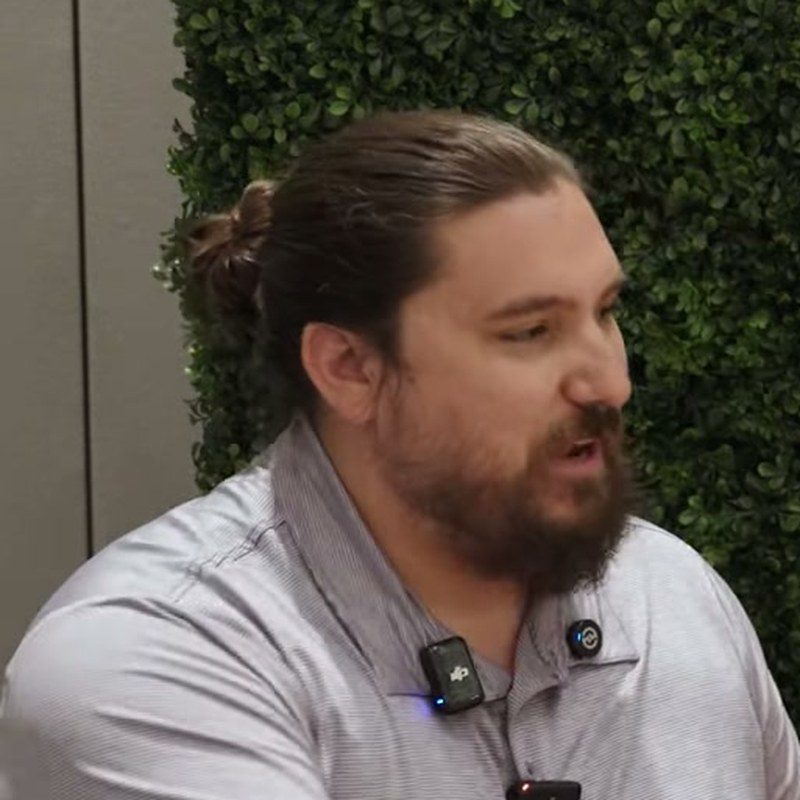 Bryan ScottStore Manager, Southern Tool SupplyFrom our interview, 17:25
Then he tells it what he wants to say back. It writes the email for him to check and send (17:25). Blair’s advice for day one is the same idea:
Then I would start off simply, just asking it to help you with writing emails or tackling some everyday problems.
 Jason BlairCEO, Tal Building CentersFrom our interview, 28:07
Tal Building Centers is a family-owned lumber, building materials, and hardware company with 28 locations. Blair uses AI himself for monthly financial summaries and a weekly update to his board (3:35).
How do you keep company information safe?
Set rules before anyone pastes in private numbers. Tal formed an AI committee. Its first job was governance, which means the rules for who uses which tool and for what. Blair’s rule:
Our rule is that if we’re going to use it for sensitive information in the company, we pay for it.
Jason BlairCEO, Tal Building CentersFrom our interview, 15:00A paid account lets you set it up so your information does not go out, he said (15:00). A single store can do the same with three or four people, Blair says (16:50).
At Stillwater Building Center in Stillwater, Oklahoma, managers meet every two weeks. They share what they have seen and how to prompt without giving away private information (29:57, in the episode with Kale Gaden). A prompt is what you type to tell the AI what you want. Start an AI committee, even if you run one store shows how.
What does an AI receptionist do?
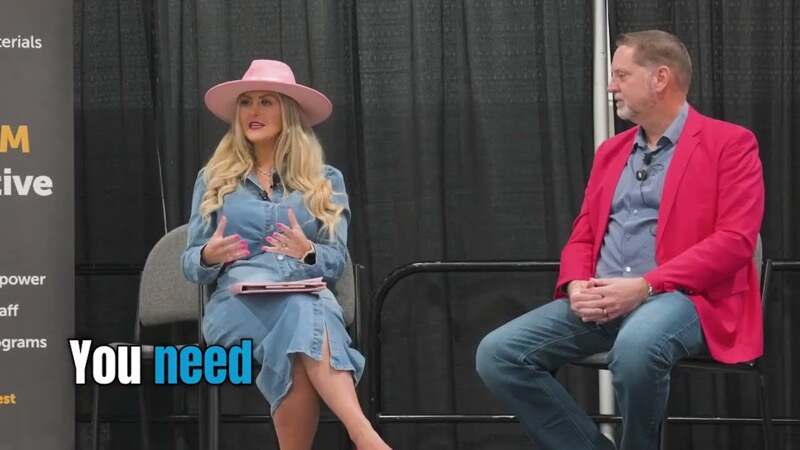
An AI receptionist answers your business phone, talks with the caller in a natural voice, and writes down what they need. It is also called an AI phone agent or a voice AI agent. Stefanie Couch is Grit Guide’s host. She showed one at work in live sessions for dealers (Do it Best Market, 2025, 29:19). It can:
- Answer only when you cannot, for example after closing time and on weekends.
- Get the caller’s name, phone number, and what they want.
- Send you an email or text right after the call, with a short summary or every word that was said.
- Add the caller to your CRM, the system where you track customers.
- Book a time for a person to call back.
The same thing can run as a chatbot on your website, typed instead of spoken. That works for owners who do not want a voice on the line (33:22).
Why would a store let AI answer the phone?
Because the phone rings when everyone is busy. Jos Zamzow is fourth generation at Zamzow’s, a 12-store farm, garden, and pet chain around Boise, Idaho. In garden season he gave his staff a clear rule:
If you have three people standing in front of you in store, don’t you answer that phone.
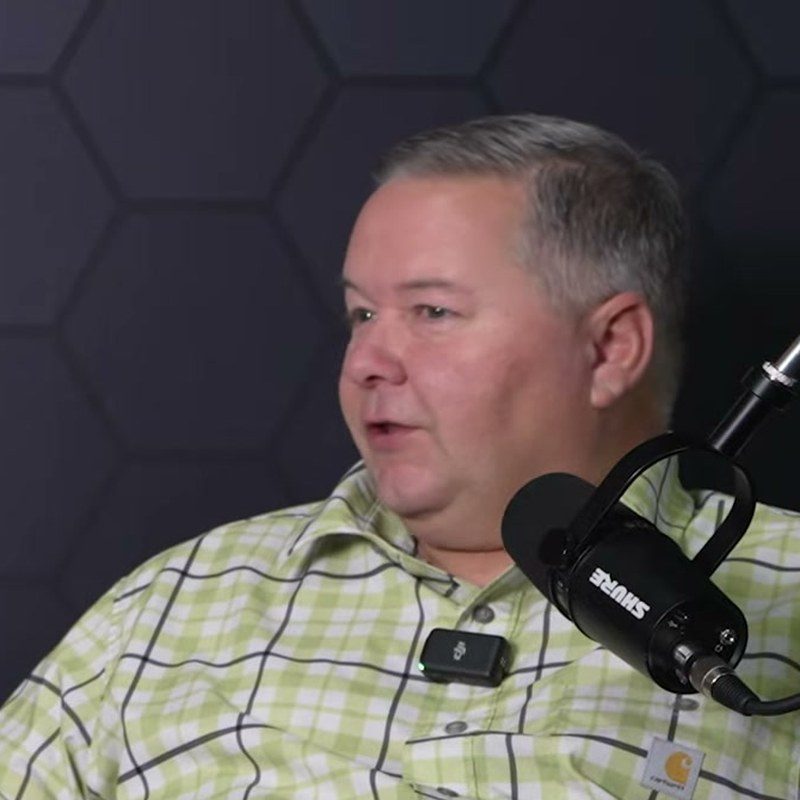 Jos ZamzowFourth generation, Zamzow’sFrom our interview, 18:04
But the people calling were customers too (18:04). So Zamzow’s built a phone agent that answers from information the company chose. Grit Blueprint, which publishes Grit Guide, built it with them. The full story is in Before AI answers your phone, give it your store’s answers.
How much should an AI receptionist know?
Less than you think, at first. The more you load into it, the longer it takes to find an answer while the caller waits (44:47). Couch’s advice from a live session:
Keep it simple, see how it works for you, then you can always add complications later.
 Stefanie CouchHost, Grit GuideFrom a live session, 45:23
Start with plain facts: what you sell, your hours, and where you are. Read the call records and fix what it got wrong. Whether you tell callers they are talking to AI is your choice (46:47).

Our take: one job, then check the work
Grit Guide’s view: the owners who get the most from AI do not start with the biggest project. They pick one job that eats time every day and hand it to the tool. Then they read every answer before a customer sees it.
When that job runs well, they pick the next one. Watch out for AI busy work: making things nobody needed because the tool makes them easy. And teach the tool about your company the way you would train a new hire. The 85/15 rule covers the checking.
What to do next
- Pick one daily task: a long email, a meeting summary, or a quote follow-up.
- Use a paid account for anything with company or customer information. Turn off data sharing in the settings.
- Count the calls you miss in your busiest month. That number tells you whether an AI receptionist is worth a look.
- If you try one, start with after-hours calls and a short list of plain facts.
- Name one or two people to share what works, every two weeks.
- Read every AI answer before a customer sees it.
More on AI: the AI section of Run the business and the AI prompts and workflows you can copy.
Who wrote this: Grit Guide, from its own interviews and live sessions. Grit Guide is published by Grit Blueprint, a marketing agency for the building industry. Grit Blueprint builds AI phone agents, including the one at Zamzow’s.
Questions people ask
What is an AI receptionist?
Software that answers your business phone, talks with the caller, and sends you their name, number, and what they need. It can answer every call or only after hours.
Will an AI receptionist replace my counter staff?
The stores on our shows use AI for calls nobody could pick up, in the busiest season or after closing. Moore Lumber and Hardware says its paint-order agent saves a person time, and that it is not replacing that person.
Which AI tool should a small dealer or contractor start with?
A paid chat assistant such as ChatGPT, used for one daily job like writing emails. Jason Blair of Tal Building Centers says to turn off data sharing in the settings first.
Is it safe to put company information into AI?
Set rules first. Tal Building Centers uses only paid tools for sensitive company information, because a paid account lets you keep your information from going out.
Watch the full interviews
How To Start Using AI In Your Business with Jason Blair, Embracing AI in Small Business: Southern Tool Supply, and Loyal Fans, Lasting Success: Zamzow’s.
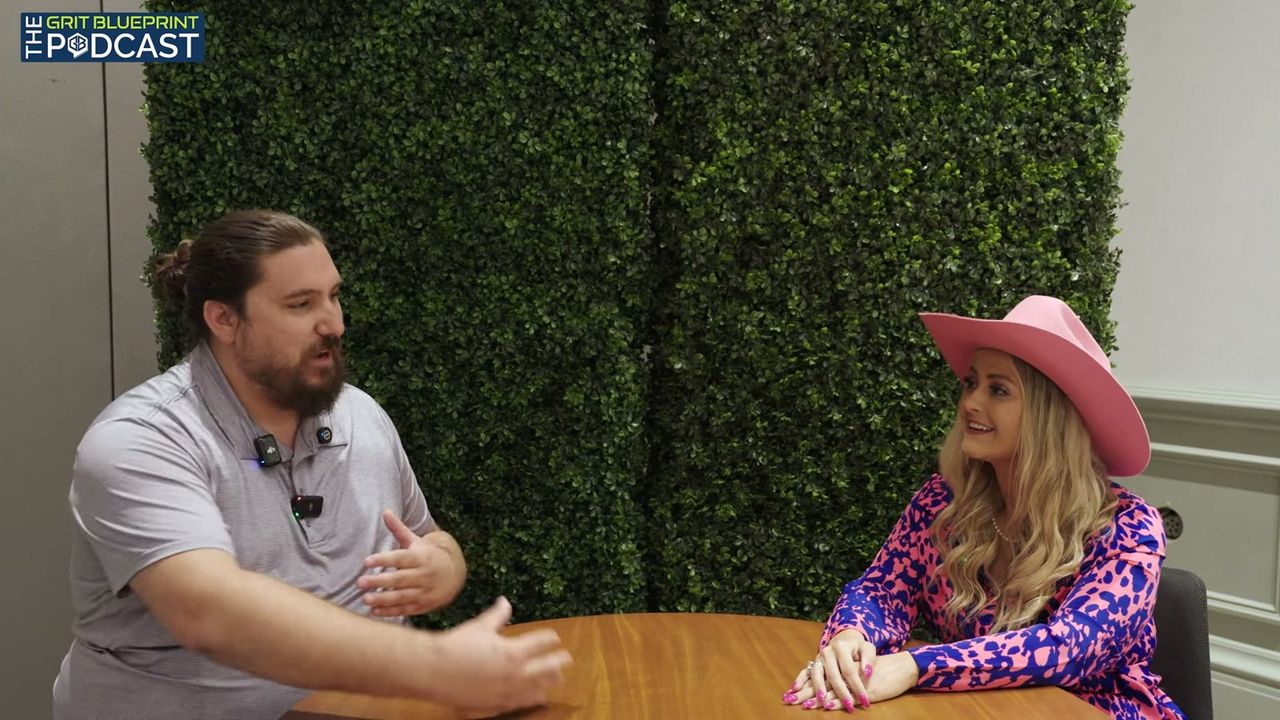
Jason Blair, CEO of Tal Building Centers, explains how his 28-location company set up an AI committee, wrote rules for sensitive data, and uses AI for board updates, purchase order checks and training, with people still checking the work.
A Grit Guide original. This piece is built from our own interview.
Episodes in this piece
- How One Independent Lumber Yard Trains a Confident Sales Team | Stillwater Building Center
With Kale Gaden
- Practical Ways That Independent Businesses Can Use AI To Compete With Big Box Giants | Live Session
- Loyal Fans, Lasting Success: Zamzow's Inc | Sponsored by Do it Best
With Jos Zamzow
- Embracing AI in Small Business: Southern Tool Supply | Sponsored by Do it Best
With Bryan Scott
- The AI Blueprint For The Building Industry: 2025 Do It Best Market Orlando, FL
Sources
- How To Start Using AI In Your Business: Proven AI Tips That Help Businesses Grow Grit Guide
- Embracing AI in Small Business: Southern Tool Supply Grit Guide
- Loyal Fans, Lasting Success: Zamzow's Inc Grit Guide
- The AI Blueprint For The Building Industry: 2025 Do It Best Market Orlando, FL Grit Guide
- Practical Ways That Independent Businesses Can Use AI To Compete With Big Box Giants (Live Session) Grit Guide
- How One Independent Lumber Yard Trains a Confident Sales Team Grit Guide