
Michael Tull started in the door business at 17. He is 72 now, he represents six manufacturers, and he still walks job sites with a laser level. Fifty‑five years in, his answer to why customers come back has nothing to do with price.
He was on a job the day before we recorded, teaching three builders how to hang a 12‑foot-wide door. His whole coaching note was to slow down. That instinct, doing it right instead of doing it fast, is the same instinct that has kept his customers buying from him for decades.
The Short Answer
Know your product well enough to stand in front of a homeowner or a contractor, tell them what is actually wrong, and show them how to fix it. That is it. You become valuable to them, and valuable people get the next order. In Michael’s words: then they are gonna buy from you again.
What A Manufacturer's Rep Actually Does
Michael represents six independent companies, and he keeps every one of them related to doors on purpose. Weather strip, sweeps, panels, hardware. Different manufacturers, different specialties, one customer base. That discipline is why he can walk into a distributor and be useful about everything in the truck.
He sells into two‑step distribution. The distributor buys by the truckload, brings the slab into its shop, machines it for the lock, preps the hinges, and hangs it in a frame to make a door unit. From there it either goes to a dealer who adds a window package for a builder, or straight to a production builder buying units by the truckload.
Why be a rep instead of a company man? He did not dress it up. “Let’s be real honest. It’s about income.” Then the part that matters: a rep is up earlier and stays later, because without sales there is no revenue.
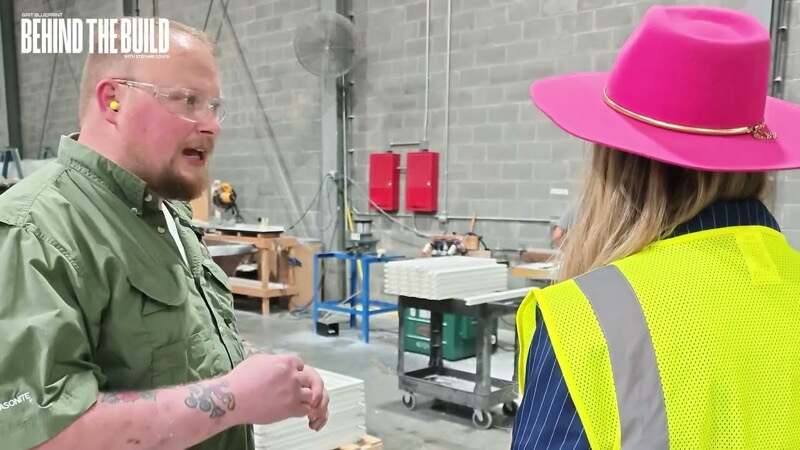
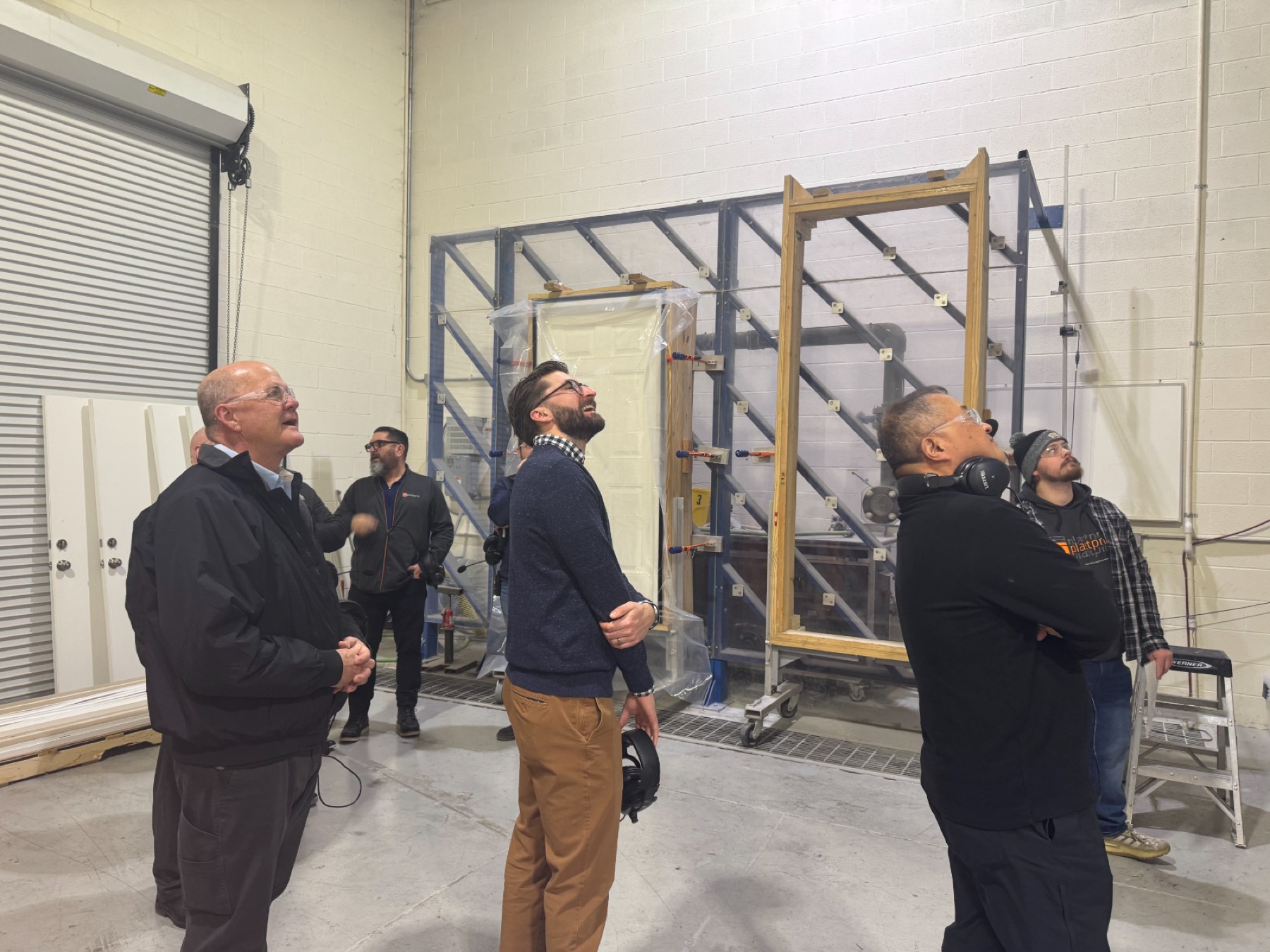
The Plant Behind The Product. A fiberglass door plant in Ashtabula County, Ohio, one of the country’s hotbeds for fiberglass production. Built automated on purpose, because labor keeps getting harder to find.
- 20secA door off the fastest line
- 1M+Doors a year
- 125People on site
- 50%Now eight foot tall
Relationships Still Win. He Has A Method.
Everybody in this industry says it is a relationship business. Michael actually has a method. With a new customer he goes looking for what they care about, hunting, fishing, ball games, and he engages with it even when he does not share it. The goal is not rapport for its own sake. The goal is that his customers become his friends.
The smarter half of that answer is what he does when the fit is wrong. He hands the account to someone on his team who clicks with them. No ego, no forcing it. The relationship still closes the deal. It just does not have to be his relationship.
Is It The Door, Or Is It The Opening?
Here is the most useful ten minutes of the episode for anyone who sells or installs millwork. When a door will not work, the manufacturer takes the blame first. Almost every time, the problem is upstream of the product.
| Blamed On The Door | What It Usually Is |
|---|---|
| My door will not open. | The floor or slab is not level. |
| My door will not lock. | The wall is not plumb. |
| My door will not close properly. | The frame went in racked out of square. |
| I have got air leaking around my door. | Installed with no shims, and with finish nails. |
| The slab must be warped. | Sagging that two‑and‑a‑half‑inch screws in the top hinge would pull back up. |
Michael’s newest sales tool is a laser level. Contractors see him walk up with it and ask what it is. That is the moment the conversation changes from arguing about a claim to checking the wall together.
“If your wall is plumb and my door is hung properly, we’re not gonna have a problem.”
For Non‑Door Nerds
- Plumb
- Straight up and down. A wall or a door jamb that is truly vertical.
- Level
- Flat side to side, like a floor with no humps in it. If the floor is not level, the door will not close.
- Square
- Corners at a true 90 degrees. A frame that goes in racked out of square will bind no matter how good the door is.
The cost of getting it wrong is not theoretical. Stefanie walked a claim on a twelve‑million‑dollar home where a 12/0 x 8/0 door would not close. The slab was not level when it went in. The fix came after sheetrock, after paint, after the family moved in: pull the whole door, grind the concrete flat, reinstall.
How To Tell If It Is The Install
This is the part worth printing and handing to a new rep. Work it in order, because each step rules out the one before it, and stop as soon as something fails. Every one of these checks came out of the conversation, and every one of them is faster than filing a claim.
Check the floor before you touch the door
Level means flat, side to side, with no humps in it. If the slab is out, the door will bind no matter how well it was built. On a twelve‑million‑dollar house it meant pulling a finished 12/0 x 8/0 unit back out, grinding the concrete, and reinstalling after the family had moved in.
Put a laser level on the wall
Plumb is straight up and down. Michael carries a laser level for exactly this moment, because it turns an argument about a warranty claim into two people looking at the same reading. If the wall is plumb and the door was hung properly, you do not have a problem.
Check the frame for square
Corners at a true ninety degrees. A frame that went in racked will never operate right, and on an oversized unit you have to assemble it lying down and get two panels in before it stands up, or the weight pulls it out of square on the way up.
Look for shims and the right fasteners
No shims is an install failure. So is hanging a unit with 18‑penny finish nails. If you find either one, you have found your answer before anyone opens a claim.
Try the top hinge before you blame the slab
A sagging door is often just that: sagging. Two‑and‑a‑half‑inch screws in the top hinge bite into the framing and pull it back up. It is the cheapest fix on this list and it solves a surprising share of callbacks.
Only then look at the product
Doors do fail. But if the opening is level, plumb, square, shimmed, and fastened right, and it still will not operate, now you have a real product conversation and the evidence to have it.
What to carry: a laser level, a handful of shims, and a box of two‑and‑a‑half‑inch screws. What to document: photographs of the opening before anybody touches it. The rep who shows up with the tools and the photos is the one who gets believed, and the one who gets the next order.
Where The Margin Is Hiding
Two answers, both underused. The first is prefinish. A door finished in the field needs a prime coat and two top coats, so one door means three trips to the job. The factory does all three in one pass, and it comes with a five‑year finish warranty. In eight-degree weather nobody is painting anything, and plenty of doors never get finished at all, which is how warranty claims start. Finish all six sides, immediately.
Finished On The Job
3 trips to the job,
for one door
- A prime coat
- First top coat
- Second top coat
- Stalls when it is too cold to paint, and no finish warranty
Factory Prefinished
1 pass through
the plant
- Prime and both top coats, done in the factory
- Any color, matched to a sample you approve first
- Five‑year warranty on the finish
- Ships ready to install, so the contractor keeps the margin
That gap is the whole prefinish argument. Same door, one trip instead of three, and a warranty the homeowner can hold you to.
The second is category choice. Interior doors are usually a commodity sold on price, though high‑end custom interiors are their own game. Exterior doors run the whole spectrum, and a high-end home can carry eight or ten of them at ten to twenty thousand dollars each, against a national average closer to three per house. Windows and doors are hard, and hard is exactly where the margin and the loyalty live.
"Your Price Is Too High" Is A Question
Michael’s answer to the oldest objection in building materials is two words long: against what? Sometimes the price really is high. Often you are being compared to an orange while you are selling an apple. You cannot answer until you know which one it is.
How He Trains A New Rep
Michael has hired plenty of good salespeople. He still refuses to train any of them in a conference room. Every new rep goes to a job site first, because product knowledge that has never been to a real jobsite and seen it in real life does not survive a conversation with a contractor.
Take Them To A House Under Construction
Walk the whole build and talk through everything that has to happen before a door shows up. Product knowledge without jobsite context does not survive a real conversation.
Start At The Rough Opening
Get the opening right, then get the unit installed right, and you never get a callback. Every warranty argument traces back to this step.
Know The Detail Better Than The Contractor
The contractor carries the whole house, from the foundation to closing. You carry one thing. Be the expert on it and you become the person they call first.
What Is Coming To The Show Floor
Doors keep getting taller and wider. The line that was built for six‑foot‑eight now runs about half its volume at eight foot, ten foot is available, and pivot doors are showing up wider than three feet. Every inch of that makes installation knowledge more valuable, not less.

On the product side, he brought two things to IBS in Orlando: a third‑generation mini blind between the glass that raises and lowers on solar power and smart‑home control, and glass that switches from clear to frosted on command. Same door, new expectations.
If you sell doors, windows, or anything else people are scared to get wrong, the play has not changed. Learn the product inside and out, go see it in person, and tell the truth about what you find.
Be seen. Be known. Be chosen. Become unmistakable.
Mentioned In This Episode
Everything Michael and Stefanie referenced, in one place.
People & Companies
- Michael Tull, Tull SalesGrit Guide Expert · Manufacturer’s rep, Cleveland, Georgia
- PlastproFiberglass doors, Ashtabula County, Ohio
- Neuma DoorsAnother line Michael represents
- Grit StudiosWhere the episode was recorded, Clayton, Georgia
- NAHB International Builders' ShowOrlando, where the new products debut
Questions this video answers
What does a manufacturer's rep do in the building industry?
A manufacturer's rep sells for manufacturers in a territory rather than working for one company directly. Some reps carry a single line, others carry many, and it depends entirely on the rep. Who they sell to varies too: often two‑step distribution, sometimes one‑step or dealers, and occasionally direct to the end user, though that is rare. Michael Tull represents six companies, all related to the door business on purpose, so weather strip, sweeps, panels, and hardware can go to the same customer base.
What is two‑step distribution in doors and windows?
The distributor buys by the truckload from the manufacturer, brings the product into its shop and adds value: machining for the lock, preparing the hinges, and hanging the slab in a frame to make a door unit. That unit goes to a dealer, who may add a window package and sell to a builder, or straight to a production builder buying truckloads.
My door will not close properly. Is it the door or the installation?
It is usually the installation. The manufacturer gets blamed first for doors that will not open, lock, or close, or that leak air, but the cause is normally a floor that is not level, a wall that is not plumb, a frame racked out of square, or an install with no shims. A sagging door is often fixed with two‑and‑a‑half‑inch screws in the top hinge.
How do I tell if a door problem is the install or the product?
Work in order: check that the floor is level, put a laser level on the wall to confirm it is plumb, check the frame for square, look for shims and the right fasteners rather than finish nails, then try two‑and‑a‑half‑inch screws in the top hinge to pull up a sagging door. If the opening is level, plumb, square, shimmed, and fastened correctly and the door still will not operate, then you have a product issue and the evidence to prove it.
Are prefinished doors worth the extra cost?
Finishing a door on site usually takes three coats and can stretch across multiple days, and cold or wet weather stops the job entirely. A factory prefinish does all of it in one pass, comes with a five‑year warranty on the finish, and ships ready to install. For dealers and distributors it is one of the clearest margin opportunities in doors, and the homeowner never has to chase a painter.
Why do customers keep buying from the same rep?
Because the rep was useful on the job, not because they were cheapest. Michael Tull’s answer is to understand your product well enough to walk a jobsite, tell a homeowner or contractor what you actually see that is wrong, and show them how to fix it. Do that and you become valuable to them, and valuable people get the next order.
How should I answer “your price is too high”?
Ask what you are being compared to. Sometimes the price really is high, and often you are being compared to a different product entirely. Until you know which one it is you cannot answer, so find out what you are selling against, then show what is different about yours before you touch the number.
What does it mean to keep an account sold?
It is the work after the order. Do what you said you would do, and tell the customer things before they have to ask. If the plant is behind, you call them first. If you have a week of open capacity, you call and tell them to take advantage of it. Michael calls this keeping it sold, and during COVID, when lead times went from four weeks to fourteen, staying close was the whole job.