Teach Before You Talk Price: One Challenger Idea for the Builder Conversation
When a builder says “you’re higher,” teach one true thing about the job before you talk about the number.


When a builder says “you’re higher,” teach one true thing about the job before you talk about the number.
Source: one idea from The Challenger Sale by Matthew Dixon and Brent Adamson: teach before you present, and hold the price talk until the problem is clear. We worked from a summary of the book and Challenger’s public coaching guide, not from the book itself. The application to dealers, distributors and manufacturers is ours.
The idea
The book says to lead to your solution, not with it. Start with what you are seeing at companies like the customer’s. Connect it to a problem that is costing them money. Describe what a fix would need. Only then bring up what you sell.
When price comes up too soon, the advice is simple. Politely steer back to the problem. Ask permission to return to price in a few minutes. Challenger’s coaching guide adds a caution: do not agree to a request, such as “match it,” before you ask why they are asking.
Don’t defend the company or fold on price
A price objection is the customer’s reason for not buying yet, and “you’re higher” is one every salesperson hears. It pulls you toward two bad moves. One is defending: listing everything that is good about your company. The other is folding: asking what number you have to hit.
Both skip the real question, which is whether the two quotes are for the same thing and whether the difference buys the builder anything they care about. A quote is a written price for a job. You usually know something about that question. You have seen where window and door orders go wrong. You have seen what a second delivery costs a crew. You have seen which details get left off a low quote. That knowledge is what you teach.
First, find out what you are being compared to
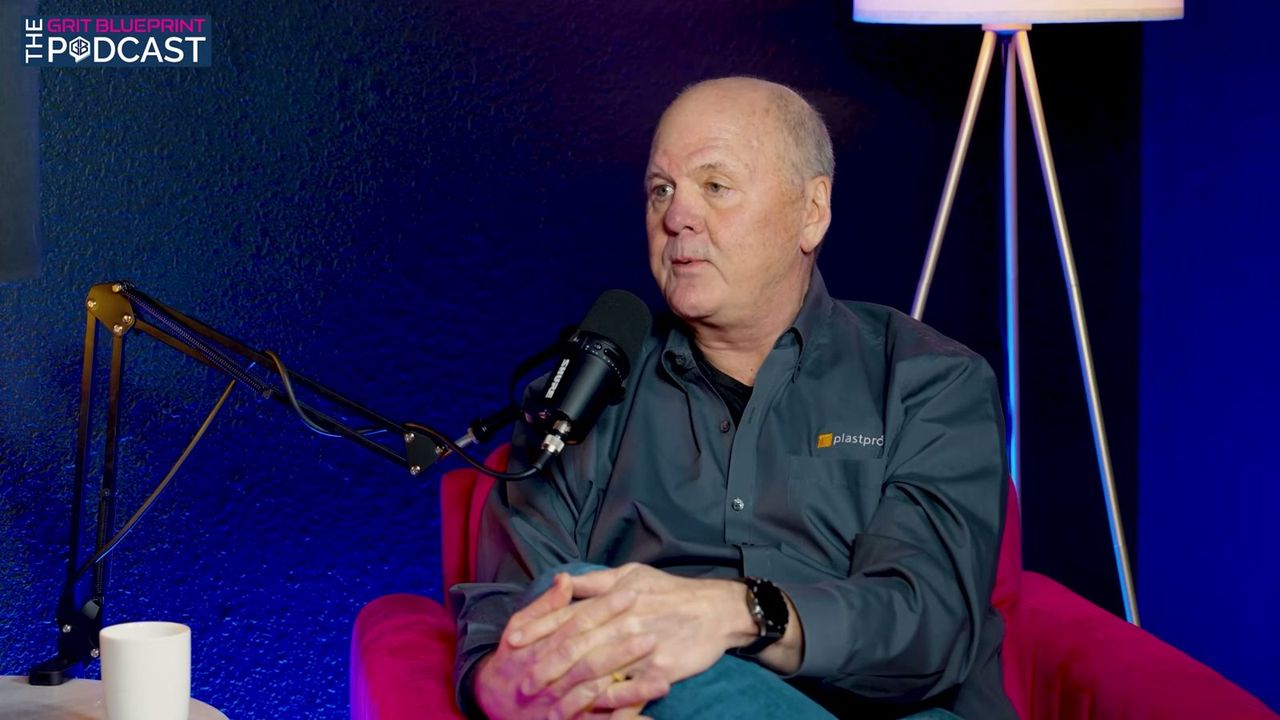
This part is not from the book. It comes from Michael Tull, a manufacturer’s rep (a salesperson who represents manufacturers in a territory). He has sold doors for more than fifty years. Asked on the Grit Blueprint Podcast how to handle the price objection, he said: “So when someone says your price is too high, against what? I’d like to see what I’m selling against, so I understand: is my price really too high, or am I talking about an apple versus an orange?”
Stefanie Couch, the host, added the honest half: “Sometimes your price is too high, but a lot of times it’s not the exact same thing.”
Checklist: compare the two quotes line by line
Tick these off as you go. Any box you can’t tick is the step to go back to.
0 of 7 ticked
This comparison list is Grit Guide’s own. If you have not seen the other quote, you cannot say what it is missing.
Build the pitch from the end
The book builds the pitch from the end. The first two steps below follow it. The third is Grit Guide’s addition.
- Write what makes you different. One sentence. It can be two or three things together. It has to connect to something the builder gains.
- Ask why builders do not value it enough. What do they not know? That missing piece is the thing to teach.
- Write the question that tests it. One question that lets the builder tell you it does not apply to them.
Two terms in that example: an inside salesperson quotes and handles orders from the store. A window and door package is all the windows and exterior doors for one house.
Where it fits and where it does not
- This is guidance from a sales method. It does not promise the order.
- It is for a sale with many steps and many people. If someone needs twelve studs and a price, give them the price.
- Asking to hold price for a few minutes only works if you come back to it. Come back to it.
- If your insight turns out to be wrong for this customer, drop it. Show what you can show. Do not try to win an argument.
- Never guess at what the other quote leaves out. Ask to see it.
- Sometimes the lower quote is the right choice for that job. Make the differences clear, then respect what the builder decides.
One thing to do
Before your next quote goes out, write the three lines above for that buyer. Cover what makes you different, what they may not know and the question that tests it. Keep them next to the quote. When price comes up, start there.
Checklist: before the price conversation
Go down this list before the price conversation. Any box you can’t tick is the step to go back to.
0 of 6 ticked
What to do next
Practice it before the real call. Use A Prompt for Practicing a Price Objection Before the Real Call. It builds a one-page practice sheet from the facts of your own deal. Then it plays the customer. For the wider method, go back to the main lessons of The Challenger Sale.
Episodes in this piece
Sources
- The Challenger Sale, by Matthew Dixon and Brent Adamson
- Summary of The Challenger Sale Growth Summary
- Coaching guide: reinforcing Challenger skills Challenger
- The Real Reason Customers Buy Again (Grit Blueprint Podcast, Michael Tull with host Stefanie Couch) Grit Guide
Educational notice This lesson applies one idea from The Challenger Sale in our own words. It was written from a summary of the book and Challenger’s public coaching guide, not from the book itself. Grit Guide is not affiliated with Challenger and is not an authorized Challenger training provider.