Click any timestamp to jump to that moment in the video.
How to Build Relationships and Trust in Sales
0:00 Stefanie Couch: How do you start building a relationship?
0:02 Sarah Krey: Just by being honest. I've had people say, there's no way I could do sales, you have to lie to your customers. I have never lied to my customers. And the other thing is not to bash your competitors, because you just never know. You may end up working for another company, or that company buys you out. Look at us here with the True Value acquisition and merger. They were a great competitor, but I wasn't going to bash them when I was working with my vendor community, and now they're part of Do it Best Group.
0:31 Stefanie Couch: Every time you say your competitor's name, you're saying their name to your customer. It's free advertising. People ask that a lot: how do I keep tabs on what my competitors are doing? Sometimes you need to know what's out there. But the more you focus on them, the less you're focusing on you and your business. That's great advice. Stay in your lane as much as possible.
Welcome to the Grit Blueprint Podcast
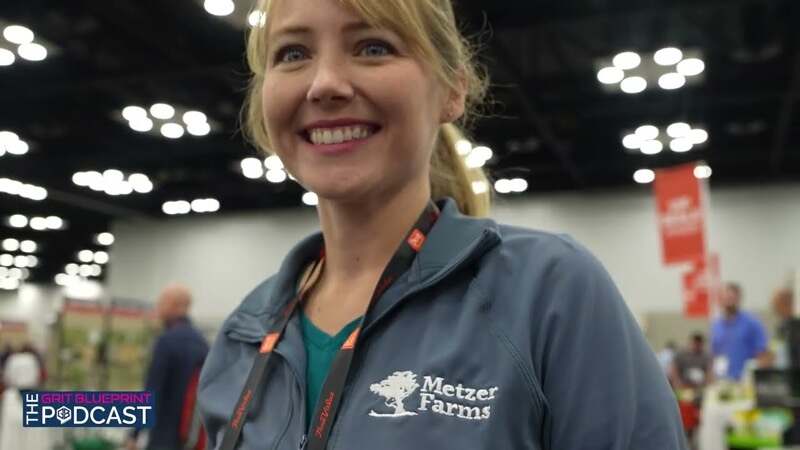
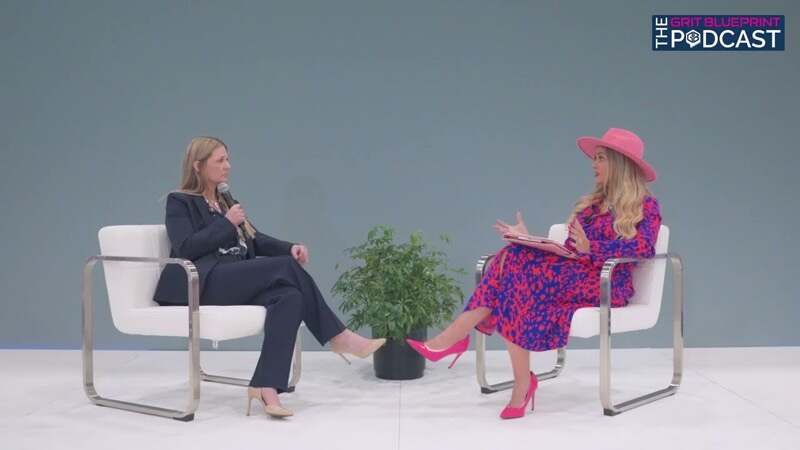
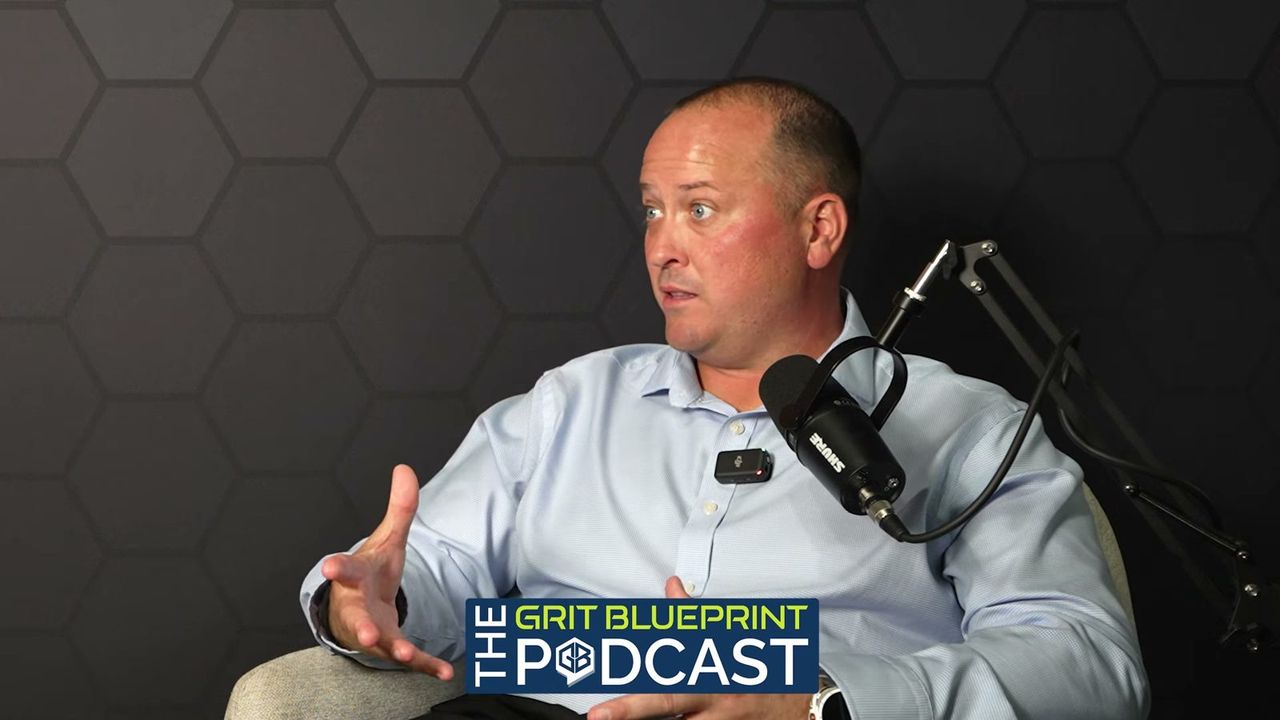
0:52 Stefanie Couch: Welcome to the Grit Blueprint Podcast. I'm your host, Stefanie Couch. This is a spot where leaders talk about the stories, strategies, and systems that win in the building industry. We unpack how leaders and brands build their reputations and become unmistakable. I'm coming to you from the last day of the Denver market this spring at Do it Best True Value, and I have Sarah Krey from Do it Best. Welcome to the show.
Introducing Sarah Krey of Do it Best
1:26 Sarah Krey: Thanks for having me, Stefanie. It's been a blast. I'm starting to lose my voice. I've talked to so many vendor partners, a little bit of karaoke included, and I'm just hoping to make it through the rest of the day.
1:40 Stefanie Couch: What's your karaoke song of choice?
1:43 Sarah Krey: Oh, I don't go up there. I just cheer everybody on from the sidelines.
1:47 Stefanie Couch: I love that.
Sarah Krey's 25 Years in the Hardware Industry
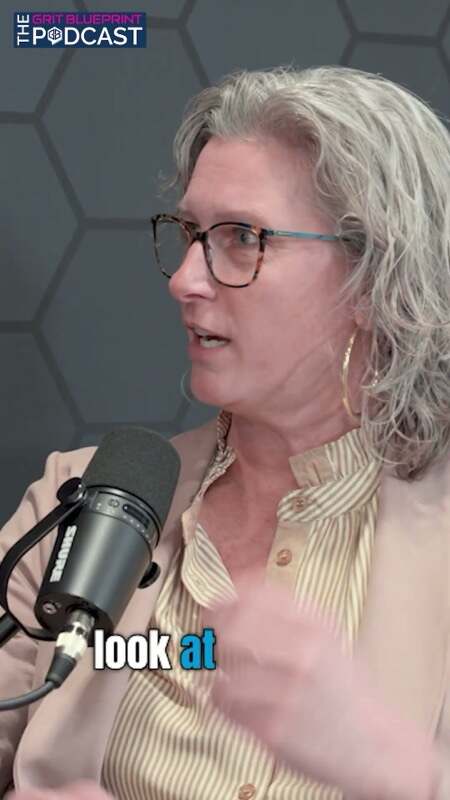
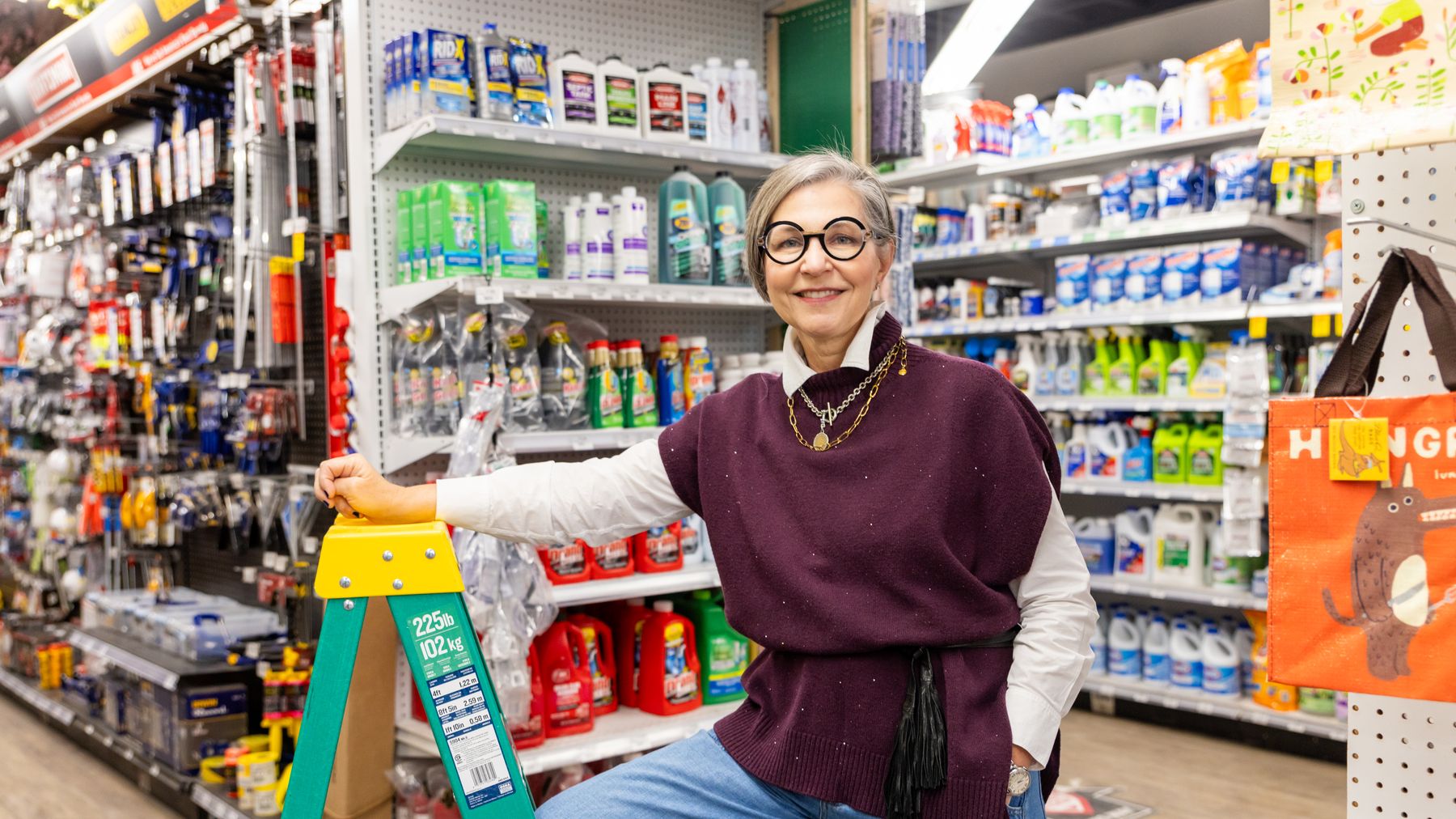
1:50 Stefanie Couch: I want to read your bio. You are an amazing asset to the hardware industry. You've been in it 25 years in the home improvement space, 14 of those at Do it Best, and you've won a lot of awards. You've been an HBSDealer Top Women honoree and a Rising Star in 2023, and you've spent over a decade as a merchandise manager. Your resume is great, but what I really love about you is that tenacity. You love sales, and you know sales means you're going to hear a lot of no, but you go right through the objection. I love your relentless competitiveness. So today I want to talk about some things that will help others who are thinking, how do I do what she's done? Welcome to the show.
Why Tenacity Wins in Sales
2:35 Sarah Krey: Thanks for the accolades. My kids will say I've been in this industry since last century. That's how long I've been doing this.
2:50 Stefanie Couch: I know, they're wonderful.
2:52 Sarah Krey: It's just having the tenacity to always stay in front of the vendor community. A lot of them don't know what our capabilities are at Do it Best, and it's constantly evolving. So I stay in front of the vendor partners so they can make good business decisions for themselves. And when they say no, I just take it as not now. Okay, I'll come back and talk to you later, but just know that we're always here to help you grow, too.
How a Co-op Helps Independent Vendors and Dealers Grow
3:19 Stefanie Couch: For people who don't know about co-ops, it's a really interesting world, because you all allow independent businesses, whether they're vendors or dealers that buy from you, to show up on a scale that's huge. This market is giant. I've seen a lot of smaller independent vendors here with booths that maybe have no presence on social media. They may not even have a real website. But here they are, selling to amazing people who buy it and put it in their stores all over the US. It's a great independent business event, and I love coming to these.
3:57 Sarah Krey: Absolutely. And the small startup vendors, that's where we can help them out too. We can say, here are some success stories we've had with other vendors. And if they're not ready to take that next step, at least they know we can help them when they're ready.
The Hidden Secret Sauce of Every Buying Market
4:16 Stefanie Couch: You've been coming to these markets for a long time. I need some behind-the-scenes scoop, Sarah. Is there something that happens at every one of these markets that maybe somebody wouldn't believe? Something that happens behind the scenes?
4:28 Sarah Krey: It's all the relationship building. I came in and hit the lawn and garden department first, and I couldn't get out of there. I know everybody, and everybody wants to talk. When you've been at a company for almost 15 years, you build these really great relationships, whether it's with the vendor community or the members. It's giving everybody hugs and catching up on families. That's the great part of this show. The layout looks great and everybody's booths look fantastic, but that relationship is the hidden secret sauce to why this is such a great market.
Why the Building Industry Has the Best People
5:19 Stefanie Couch: There are a lot of people I've seen every time. I've been coming for three years now, to every market, and I'm making friends and talking to people. A vendor walked up to me today, Chuck, wearing pink, and he said, hey, I'm wearing your color today. It's cool how connected this industry is. The best people in the world. I'll argue with anybody that our industry has the best people, and I love it. I'm glad to be a part of it, and I know you are too.
5:46 Sarah Krey: I'm meeting up with Chuck later today.
5:48 Stefanie Couch: I love Chuck. He just told me he's going to do a podcast in September, so he's on the docket now. No pressure.
How to Handle Rejection in Sales
5:56 Stefanie Couch: You came up through sales, so you heard no a lot. Most humans do not like to hear the word no and be rejected. If you were brand new to sales, what would you tell someone? How do you handle that rejection? How do you know when people really mean no, and when it's just a not yet?
6:21 Sarah Krey: For me, it's a lot of, how would I want someone to react if I was in their situation? So again, building that trust and that relationship, so you learn: is this a really hard no, or are they just having a bad day and don't want to hear the pitch or see the demo right now? It's getting to know your customers as well as you can. I'm a super competitive person, but I'm team focused. So I always look for an angle of, how can I help you? I'm not really trying to sell you anything. I just want to help, whether it's grow your brand, grow your sales in your store, or get planograms placed. It's just looking for the whole team to win.
Why You Should Follow Up Until You Win
7:25 Stefanie Couch: When you have that kind of symbiotic relationship, it may really not be a good time for them. Sometimes people are in the middle of a project, or changing computer systems, or building a new manufacturing warehouse, and it really is a bad time. They do just mean, call me in six months. So as a salesperson, you have to remember to follow up till you die. That's one of my favorite sayings. Even if it's not hounding them every time, just stay connected with people constantly.
7:57 Sarah Krey: That's great.
How to Thrive in High Pressure Sales Seasons
7:59 Stefanie Couch: The next question is about high-pressure seasons. Market is a high-pressure season. We've been here since Wednesday or Thursday, and there are lots of events and lots of things going on. But you really thrive in that pressure. You talk about being competitive. What is it about that high-pressure environment that makes you key up?
8:20 Sarah Krey: It's the excitement and everything leading up to the market, or when you've got assortment reviews. To me, I find it thrilling and exciting. It goes back to, I can't wait to see everybody when I get to the market. But it's making sure we're organized and have everything planned out as much as possible, because I don't want to waste anybody's time. If we're going to grow sales, we've got to get it in front of as many people as possible. And you can't do that without proper planning. It takes more time to plan and organize all of that than it does to do the actual work.
9:16 Stefanie Couch: I've been seeing you run around the floor everywhere. Last night I saw you at the concert, and I know you probably had dinners after. It definitely is a trying weekend as far as not getting too tired. I'm hoping to sleep on the plane a little bit tomorrow.
Women Rising in the Hardware Industry
9:33 Stefanie Couch: I want to shift topics. We're both women in the industry, and we've been in it a long time. Our industry has actually shifted a lot toward women, and in the last five to ten years things have really changed in our favor. It's still pretty predominantly male dominated. You've described yourself as the big sister in the room. How does that change your perception, and what does that mean to you?
9:59 Sarah Krey: Let me go back a little bit. When I started at Do it Best, there were only two women merchandise managers, and now over half of the departments are led by women. Seeing that shift, I believe Do it Best has been really great at enabling women. Fifteen years is a long time, but it's not. And knowing some of the mentors I've had, and some of the challenges, like, well, if you're going to keep your job, you're not married, but we're not going to take away a paycheck from a man who has to support a family. When I hear stories like that, I don't want to go in reverse. So I'm going to keep being a champion, and then ask, what's the next step we can take so the next generation, or my daughter, doesn't need to go through the same struggles? A lot of it has been because I've had some really great mentors and friends who helped me along the way. And even some of my mentors are men. It's just getting different angles from different people, which gives it a new perspective. Then I pick and choose: okay, this works for me, or this could help a team member who's struggling with something.
How Mentorship Helps You Show Up Authentically
11:34 Stefanie Couch: More of my mentors have been men than women, because there just haven't been very many women around to be mentors. So I'm so grateful for those people. I think you have to give yourself the opportunity to show up the way you want to show up. We were talking earlier about being who you are and what you're comfortable in. It's hard when you're younger to know what that is. You have to know yourself a little bit more. I think it's about helping other women, and men honestly, figure out who they are and what they want to be known for, and then helping them show up that way every day. The biggest thing I take away, that I wish I'd known when I was 20 or 25, is: you're who you are. Some people are going to love that, some people are going to hate that, and I'm okay either way. It's hard to get to that point.
Why Standing Out Beats Fitting In
12:26 Sarah Krey: Some days I'm still not there. But to go back to that big sister comment: I don't want to fit in with everybody else. I don't want to think and dress and look and react the same way. I bring a different skill set, a different perspective. Part of that is because I'm a woman in a room full of men, and it just gives it a different angle.
12:57 Stefanie Couch: What is it about you that makes you want to embrace not being the same? Standing out is sometimes pretty scary for people. What makes you say, nope, I'm going to be different?
The Make Yourself Big Sales Mindset
13:08 Sarah Krey: I love the limelight. I don't like to shy away. Early in my career, I had a boss who said, make yourself big. That was kind of our motto. It's not to brag or say, I'm number one, I did this and this. It's more like, hey, how did you help that store manager? How did you help your friend or family member? Always in a work situation, where it's, okay, we updated this assortment, we did this and that. I really embraced it, because I've had a big personality ever since college. I played college basketball. I was quite shy before, and our team was loud and obnoxious, and I thought, all right, for me to survive, I have to fit in here. But it has helped me in my career.
What Team Sports Teach You About Sales
14:12 Stefanie Couch: I think so many amazing things happen with sports, team sports especially. You can take a lot of great cues from that in sales. I've seen a lot of wonderful salespeople come from team sports. What position did you play in basketball?
14:28 Sarah Krey: Power forward. But I'm little for basketball. Everyone says, oh, you're so tall. No, I'm used to basketball tall, and I'm not. It was fun. I like to push people around. I was more of a defensive player, the dirty player, I guess. The sneaky one.
Sponsor: Do it Best Group
14:56 Stefanie Couch: That's great.
14:56 Stefanie Couch: This episode of the Grit Blueprint Podcast was sponsored by Do it Best Group. Do it Best Group is the largest co-op in the world, and they help independent hardware and lumber yards all over North America win. Do it Best offers services, products, and people that can help you win long term. They are the champion of independence.
How to Build Trust With Customers Through Honesty
15:22 Stefanie Couch: We're talking a lot about trust and relationships. We all know that people buy trust. We build these relationships here, but how do you tactically do that? If you had to give one or two tips to someone who's 20 years old in this industry and has never done anything like that before, how do you start building a relationship?
15:41 Sarah Krey: Just by being honest. I've had people say, there's no way I could do sales, you have to lie to your customers. I have never lied to my customers. You'll have some difficult conversations, but the other thing is not to bash your competitors. We're going to build trust by being honest and open and keeping it fair, because you just never know. You may end up working for another company, or that company buys you out. Look at us here with the True Value acquisition and merger. They were a great competitor, but I wasn't going to bash them when I was working with my vendor community, and now they're part of Do it Best Group. I've built some really great relationships with the Chicago team.
Why Smart Sellers Stay in Their Own Lane
16:37 Stefanie Couch: With the competitor thing, I think it's such a great point. Every time you say your competitor's name, you're saying their name to your customer. You're literally putting their name in your customer's mouth. People ask that a lot: how do I keep tabs on what my competitors are doing? Sometimes you need to know what's out there, but the more you focus on them, the less you're focusing on you and your business. That's great advice, to just keep it in your lane as much as possible. So be honest, build trust with relationships, and really focus on you and keeping it above board.
17:13 Sarah Krey: Right.
How to Stay Curious and Keep Learning
17:14 Stefanie Couch: Let's talk about learning, because our industry has a lot of older people who are going to be retiring soon. We can all continue to learn throughout our careers, but there are a lot of people coming in who need to be trained. What keeps you in that learning mode, where you can learn new products, new ways, things like AI? How do you do that when you've already proven you know what you're doing, but you have to stay hungry?
17:37 Sarah Krey: I've always been curious. That drive keeps me very curious. Whether it's a new product or some new technology, it's, okay, how can I use this? How can I make it better for me, or for whatever project we're working on? I think it's always asking questions and not being afraid to ask. It feels like every couple of years I'm in a different role here. Someone who's been in the industry a while may refer to something, and I'll say, hold on, what does that mean? Maybe it's an acronym for something, and we do love our acronyms.
18:27 Stefanie Couch: Yes, holy moly, there's an acronym for everything. How do you make yourself knowledgeable about something you may have no idea about?
18:39 Sarah Krey: That helps me down the road. Maybe for a short period I'm getting up to speed, but in the long term it helps you build that solid foundation, so you can continue to grow in that category and talk about the product in a knowledgeable way.
19:02 Stefanie Couch: Absolutely. I want to go to a little more fun, quick questions. This is my favorite part. You ready? What is the best piece of career advice you've ever gotten?
The Best Career Advice You'll Ever Get
19:17 Sarah Krey: My first manager here was Kevin Day, who retired a couple of years ago. He said, at Do it Best you can take as much initiative as you want. No one is ever going to tell you you're doing too much. I took that to heart, because I thought, oh, I can run with this. We would start talking and I'd come up with an idea that was outrageous and out of the box, and then we'd bring it back down into something we could actually use, or give to the members to grow their business. That's probably one of my favorite pieces of advice I've ever received.
The Worst Career Advice: Shrinking Yourself
20:08 Stefanie Couch: That's awesome. I'm going to flip the switch. What's the worst career advice you've ever heard? It doesn't have to be something someone said to you.
20:16 Sarah Krey: When someone has asked me to shrink my personality. I don't know if it's advice, but this is why people want to work with me. They want to feel that relationship, or get that hug, or hear about my kids. For me, it's not always about work, work, work. And I'm never, ever going to shrink myself for anybody.
20:47 Stefanie Couch: Good for you. And for those out there watching, don't make yourself something you're not just to make other people feel comfortable. Be who you are. Some people are going to love you, some people are going to hate you, and that's okay. As Taylor Swift says, shake it off.
Competitiveness, Basketball, and a WNBA Tryout
21:03 Stefanie Couch: This one goes back to your competitive nature. I'm also very competitive. We probably should never play board games together, or maybe we should. What is the most competitive thing you've done outside of work?
21:16 Sarah Krey: Probably going back to college basketball. Back in the day, I loved basketball. I probably should have focused on school more, but it was being part of the team, being a leader, and having a role. I've taken that into my career, because not everybody can be the point guard or the leading scorer. You need everybody to know their roles and show up every day. It was fun. I got burnt out a little bit. In high school we never lost a conference game all four years. Then you get to college and we lose one, and it's like, what is going on? So you dig down, but it was a different team.
22:16 Stefanie Couch: I'd love to know what it was like to be on a really great team. I played softball, and it was a lot of sad bus rides home.
22:26 Sarah Krey: I don't lose, Stefanie.
22:29 Stefanie Couch: Well, I do, evidently, when we're playing softball, your pitcher walks 38 people, and you're in the outfield picking dandelions. That was my high school softball experience, Sarah.
22:39 Sarah Krey: It was so competitive. I actually was invited to try out for the Indiana Fever. It was the second year of the WNBA.
22:48 Stefanie Couch: That's super cool.
22:49 Sarah Krey: I decided to turn it down and take my first job in the hardware industry instead.
22:55 Stefanie Couch: You could have been Caitlin Clark. It could have been you, Sarah.
22:59 Sarah Krey: You still had to work a real job if you wanted to play basketball, and I just wasn't into it anymore.
Knowing When a Season of Life Is Over
23:07 Stefanie Couch: I get it. That's another great point. Sometimes in your life, things are for a season, and it's okay to let that go and move on to something else. How do you know when it's time to do that?
23:17 Sarah Krey: You just have to listen to yourself and not worry about what other people are thinking. Being authentic to yourself, staying true. You're going to make mistakes. My kids are all in their young 20s right now, and one of them had a really hard time once he got done with school. He started to work full time, went back for his master's full time, and said, I have to have this done by the time I'm 26. He stressed himself out, and I said, hey, you can have your own timeline, whatever works for you. So being able to listen to yourself, and be gracious with yourself, because if you make a mistake, you can always recover from it.
Why Most Business Decisions Are Reversible
24:11 Stefanie Couch: That's such a great point. There are very few things in life and in business that are irreversible. I love a quote, I think it's Bezos, about making decisions quickly as long as they're reversible. If they're not, then think them through really well. But if it's something you could turn back the hands of time on, pull the trigger, because you've got to move forward. You can't think about things too long.
What Grit Means to Sarah Kre
24:43 Stefanie Couch: Last question, fill in the blank. What does grit mean to you? Grit is blank.
24:43 Sarah Krey: Grit is never giving up, coming back every single day, no matter how hard you get knocked down.
24:52 Stefanie Couch: I love it. We're going to end on that. Thank you so much for joining me. You're an amazing woman. I love getting to know you, and I love seeing you do your thing around the floor. I will not be playing you in basketball, that's not my vibe. But if you want to go do some karaoke, I'd probably be in for that.
25:07 Sarah Krey: All right. And maybe a game of Monopoly next market.
25:10 Stefanie Couch: Yes. Scattergories is my favorite, and I like Taboo because it has a buzzer. It's super fun. We've almost gotten divorced several times over it, so it gets a little competitive. But we're usually teamed up, so that's the problem. You can't let me down, because I don't like to lose either. Two women who don't like to lose, here at Do it Best Market. If you're listening and you want more tips on how you can grow your business with Do it Best, hit Sarah up, and we'll see you on the next episode. Thank you for listening to the Grit Blueprint Podcast. If this episode helped you think a little differently about how to show up, share it with someone in your building world who needs it. If you're ready to turn visibility into growth, head to gritblueprint.com to learn more and book a call to talk to us about your growth strategy. Until next time, stay unmistakable.