Click any timestamp to jump to that moment in the video.
Independents Vs Big Box
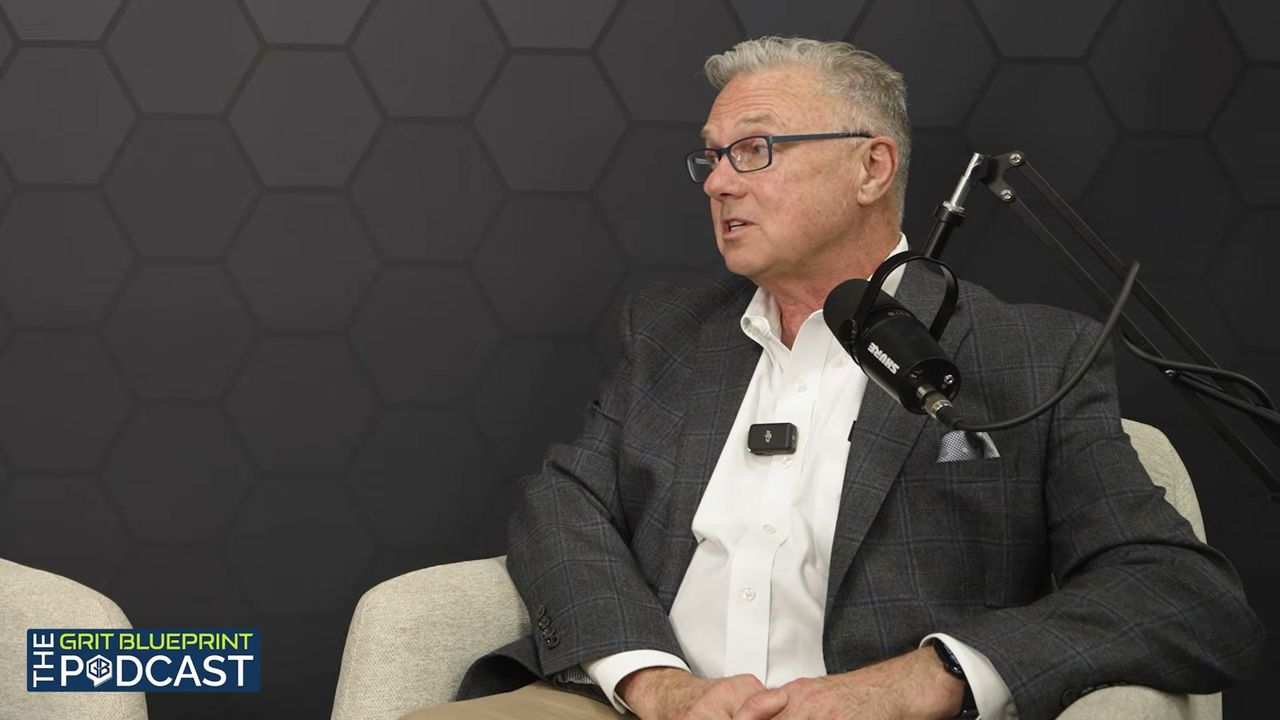
0:00 Jim Powell: As big as the boxes have become, they've kind of lost their focus on not necessarily quality, but how do you take care of your customer, right? When they come in the door where the independence, they know it's their livelihood. You've got to just maintain those relationships where the boxes just, I don't think they cater to that relationship and build on that.
0:18 Stefanie Couch: I think it's exceptional that you have taken a hard stand at Culpeper saying, well, we're gonna leave that money on the table. There is always gonna be opportunity left on the table. No matter what you choose in life, you have to make choices, right? Who do you want to sell? What products do you want to be known for? What do you want to be known for not doing? The things you don't want to be known for are just as important as the things you do want to be known for.
0:41 Stefanie Couch: And I think niching down is something I see independents doing really well.
0:45 Jim Powell: The independent dealer can pick whatever they want based on their customers' needs. I think that's where they can pivot and really take advantage of gaining the market share. I think that the independent dealer will continue to grow and just continue to strive.
Welcome And Guest Introduction
0:59 Stefanie Couch: Welcome to the Grit Blueprint Podcast, the playbook for building unmistakable brands that grow, lead, and last in the built world. I'm Stefanie Couch, the founder of Grit Blueprint, and I'm a lifelong building industry insider. I was raised here, built my career here, and now my team and I help others win here. The truth is, you can be the best option in your space and still lose to someone else who simply shows up better and more consistently. Each week on the Grit Blueprint, I'm going to show you how to stand out, earn trust, and turn your brand into a competitive advantage that lasts.
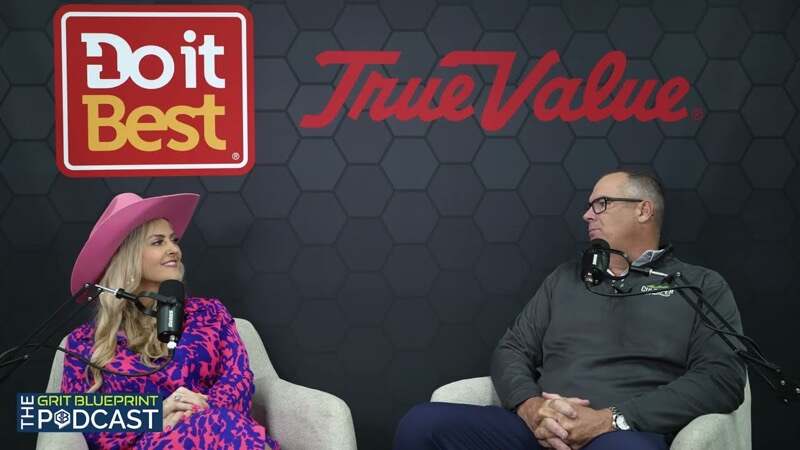
1:42 Stefanie Couch: If you're ready to be seen, known, chosen, and become unmistakable, you're in the right place. Let's get started. Welcome to the Grit Blueprint Podcast. I'm your host, Stefanie Couch, and today I am here with Jim Powell from Culpeper Wood Preservers. Welcome to the show, Jim.
2:00 Jim Powell: Thanks for having me.
2:01 Stefanie Couch: I'm pumped to be here, and you guys are rocking and rolling in real life in Indianapolis, which happens to be your hometown. I was gonna say, are you a Colts fan, but you beat me to it?
2:12 Jim Powell: Yes.
2:12 Stefanie Couch: Okay, well, it's been a big day already, but we're Saturday of the show. And you are one of the LBM gold sponsors this year. You guys have been a long term partner of Do It Best at Culpeper. I want to talk a little bit about you and the team at Culpeper. So you guys have 18 locations east of the Mississippi, Maine to Florida, and you are specializing in pressure-treated lumber, fencing, you have premium products, you have plate material, you have all the things. Tell me a little about you.
Culpepper’s Growth And Product Evolution
2:41 Stefanie Couch: What do you do at Culpeper? And tell me about Culpeper.
2:43 Jim Powell: Yeah, so I'm a regional sales manager, been with the company a long time, 27 years. In fact, um we started very small. We had four locations and then just kept growing the business and with good people and great customers, and then just continue to look for ways to grow within the industry and and in different uh ways to just keep things going.
3:04 Stefanie Couch: Yeah, that's really cool. And you guys started in 1976, and so you've been around a long time. You've seen a lot of changes.
3:11 Jim Powell: We have.
Pressure Treatment Changes And Safety
3:12 Stefanie Couch: How many times has the pressure-treated formula changed in that many years?
3:15 Jim Powell: Uh it's been three, just in my short career. So it's been, I think, four overall. You know, we did uh Creoso forever and then CCA, uh ACQ, MCA, CCA.
3:27 Stefanie Couch: I remember when they changed and people were just outraged by it. Uh, I think it was in maybe the early 2000s, and everybody was so upset about it. And it's just it's like the industry changes, things keep getting better.
3:39 Jim Powell: They do. The government got involved, and and we had to make some changes along with some other industries as well. But it's for a good thing. The chemicals we're using now are very, very safe.
3:48 Stefanie Couch: Yeah, makes a big difference.
Product Range And Quality Differentiation
3:49 Jim Powell: Oh, yeah.
3:49 Stefanie Couch: Well, tell me a little bit about what you guys actually manufacture because you have products just pressure-treated lumber, you have fencing. Tell me a little bit more about the product line.
3:58 Jim Powell: Yeah, so the product line is very diverse. We have everything from just your standard construction grade products to very high-end products like clear grades, KDAT, columns, really, whatever the dealer wants, we can probably come up with it. And what we've noticed and kind of sets ourselves apart from our competition is just the quality of what we we put out in the marketplace.
4:17 Stefanie Couch: Yeah.
4:17 Jim Powell: Yeah. And our and our people too.
No Big Box Strategy And Relationships
4:20 Stefanie Couch: Well, and a big differentiator, which I think is really cool, is you actually do not sell to big box.
4:25 Jim Powell: Correct.
4:25 Stefanie Couch: So talk to me about that.
4:27 Jim Powell: Yeah, so what we've done as a company as a whole, and we've really stood by this, is our company is based on relationships. And the boxes want to put the independent dealers out of business. And we don't want any part of that. It's just, you know, we would rather do business with families. You know, Call Pepper's a family-run business. Joe and Josh Daniel are the original founders. Joe was the dad. Josh, the son, and uh, we build a great team and we're all family. And family comes first with us, the our company, and the dealers that we we deal with, you know, do it best, especially.
4:59 Jim Powell: Great partner. Uh, you know, you're walking around the show floor, you see a lot of kids, you know, moms, dads. It's a family atmosphere.
5:07 Stefanie Couch: I saw a minute ago riding by a really cute little blonde-headed girl on a pink and blue suitcase that she was riding, and I was just wondering where I can go to get one of those. Yeah. Um, it was pretty cool. And I used to go to hardware shows and lumber shows when I was a little girl with my dad. He had a lumber yard in Georgia, and we had a hardware store, and it was literally the event to look for I looked forward to them my entire year.
5:30 Stefanie Couch: That was the thing. It was a lot of free candy, Jim, and that was a pretty big highlight. But I also got to meet people, see cool products, do all the things. It's a great time. And do it best is such a great company. Uh, you talked a lot about the independent spirit, and do it best talks a lot about independent businesses. You know, there's a big war out there with big box, like you said. It's the clash of the Titans, and they are going at each other trying to get more market share, buying up more people.
5:58 Stefanie Couch: There's been a lot of consolidation. What are your thoughts on that? I mean, how does the independence survive in the future? And what really is the independence advantage? Because I think there's a lot of advantages, but what do you think is going to happen in the future with independent business?
6:13 Jim Powell: I think it'll continue to grow. I think as as big as the the boxes have become, they've they've kind of lost their focus on I think not necessarily quality, but how do you take care of your customer, right? When they come in the door where the independents, they know it's their livelihood. Um, again, coming back to the family business, you you've got to just maintain those relationships in the small towns that these in a lot of these, or even the big towns, um, where the boxes just I don't think they cater to that relationship and build on that.
Nostalgia And The Independent Spirit
6:44 Jim Powell: Yeah. So I think that the independent dealer will continue to grow um and just continue to strive.
6:51 Stefanie Couch: I'm excited, and I think it's exceptional that you have taken a hard stand at Culpeper saying, well, we're just not we're gonna leave that money on the table. One of the lessons I think I've learned the most, I've started my business about three years ago, but like I said, I grew up in my dad's lumber yard, then I went to a large company, Fortune 500 just distribution partner for a few years, 10 years. And there is always gonna be opportunity left on the table. No matter what you choose in life, you have to make choices, right?
7:19 Stefanie Couch: Who do you want to sell? What products do you want to be known for? What do you want to be known for not doing? You know, that a lot of times the things you don't want to be known for are just as important as the as the things you do want to be known for. And I think niching down is something I see independence doing really well. Uh, there are some people here that do amazing high-end, you know, decks or outdoor living spaces. I'm sure you guys sell like a lot of KDAT products to those people in certain markets.
7:46 Stefanie Couch: Where do you see dealers winning in the markets? Like, what are some of the things that people are doing that are just crushing it that you would share with other dealers?
7:54 Jim Powell: Uh, they've they've raised grades, they've made themselves different than the boxes. You know, the big boxes don't matter if you go to California or Florida, they they pretty much carry the same product mix and same product lines where the independent dealer can pick whatever they want based on their customers' needs. And I think that's where they can pivot and really take the advantage of gaining the market share. Is no one is is the same. Um, you know, walking around here. It's the Gilman Home Centers and the Benders that carry, you know, a number one in straight and lamp in Columbus, Ohio.
How Independents Compete And Win
8:24 Jim Powell: You know, they carry a lot of select products.
8:25 Stefanie Couch: Yeah.
8:26 Jim Powell: And that's just that's really what sets them apart from from you know the boxes and other dealers as well. There's just so many different product lines that they can pivot and switch. If a customer comes in and wants something specific, a special order, they can do it. Yeah, yeah. The boxes can't.
8:43 Stefanie Couch: That's great. And they know the products too. And a lot of these people that work in these local stores, the independents, they've built the decks, they've built the fences, they've done it themselves. They maybe came from the contracting world, or they've just been there for 40 years or 20 years selling lumber and they know what to tell people. So it's a competitive advantage for sure. Everyone wants to go somewhere and find a person that is an expert that can help them. And I believe the independent lumber yard is the place that that happens the most.
9:10 Jim Powell: Oh, I agree. I mean, you come through the front door, somebody will greet you, right? Um, and again, I keep I keep saying it family, family, family. And it it is. I mean, the majority of the independent dealers, it's it's a family business. It is, they're just not a store manager, they're just not, you know, a guy bringing in the carts at night. It's from soup to nuts, it's everything.
9:29 Stefanie Couch: Yeah. This episode of the Grit Blueprint Podcast was sponsored by Do It Best Group. Do It Best Group is the largest co-op in the world, and they help independent hardware and lumber yards all over North America win. Do It Best offers services, products, and people that can help you win long term. They are the champion of independence.
9:55 Stefanie Couch: Talking about that, because I do get to uh talk to a lot of people in the industry, especially at these shows, there are a lot of third generation, I'm third generation, uh, fourth generation, fifth generation that I get to interview and talk to. That's one of my favorite parts of this. What do you see in the next generation of our leadership, whether their legacy or not, that excites you in our industry?
10:16 Jim Powell: I think we're seeing more and more younger people looking at our industry. Um, tech is super, super aggressive on getting the younger people. Uh, and once they get in it, I think they want to look outside of it. Just for me personally, I hired my daughter, Avery Powell. She was in tech sales for a few years. Okay. She grew up in this. Um, this is all she's ever known me for. She's 26. Okay. And she she looks around, she sees the relationship building, and she's like, I want in.
Next Gen Talent And Outdoor Living
10:45 Stefanie Couch: What's she doing for you?
10:46 Jim Powell: She's outside sales.
10:47 Stefanie Couch: Oh, so exciting. Does she love it?
10:49 Jim Powell: She does.
10:50 Stefanie Couch: I bet she crushes it too.
10:51 Jim Powell: She's she's doing great. We also, yeah, we've we've done a really nice job as a company getting the next gen excited about the building material industry. And I think that's that's a big focus. And not only that, but the outdoor living space. That's it's just another thing that I think that is coming around. You know, outdoor, all of it, pavers, composite decking, treated, yeah, hardscapes, all of it.
Training, Branding, And Attracting Talent
11:14 Stefanie Couch: The training is really important for the next generation to be successful, making sure that they have the knowledge, not only on the products, but on the sales side, on the communication side. And I think the more that we can do that for people, the better. And I believe do it best does a really great job of that. There's a lot happening at the booth, a lot of trainings this weekend. Good. From everything from AI to lumber futures to social media and operations. We we kind of are trying to run the gamut.
11:40 Stefanie Couch: So I think that's how we win the next generation is show them that we care, show them the opportunity that's out there in this industry. And if you weren't raised in the business, you might not think about it. We got to get their attention. So, how do you brand yourself as a company so that someone pays attention? And where are those people already looking? I think about that a lot.
11:59 Jim Powell: I do too.
12:00 Stefanie Couch: Well, I'm excited to hear how you think the partnership with do it best. If someone doesn't know how to work with Culpeper, what are the best ways with do it best members and true value members to work with you and your team?
How To Work With Culpepper
12:12 Jim Powell: Yeah, the best way is just to reach out to us. Uh, we have outside sales reps covering all the states you mentioned earlier. Um, we have people in the do it best locations, um, usually on a quarterly basis, some a little more, some a little less. Yeah. And just trying to build those relationships again, you know, just one-on-ones. Um, and just continue to forge the strong partnership we have with do it best. We have a fantastic relationship that goes back many, many, many years.
12:38 Stefanie Couch: Yeah.
12:39 Jim Powell: Yeah.
12:39 Stefanie Couch: Great company. Well, thank you so much for joining me today. And if you are here and you you want to work with Culpeper and the team, Jim will be here all weekend. And if not, reach out. You guys are selling amazing products. It sounds like you've got customers all over the East Coast.
12:55 Jim Powell: We have a lot of fun.
12:56 Stefanie Couch: I love it.
12:57 Jim Powell: Yeah. And again, like last night, we took a group of uh 90 people out to dinner at uh commission row looking over the uh basketball arena. That's and how to hoot. I mean, it was uh it was a lot of fun. It was three hours of just uh a lot of fun. So that's that's what our company is about.
Relationships, Fun, And Trust In Business
13:12 Stefanie Couch: Well, that's the thing is who's not gonna want to go have a good time with people that you like working with. The business doesn't have to be so serious all the time. I think that's a really great point. And most of the time, the relationships that are formed at an event like that, which is mostly fun and very little business a lot of times, those are the relationships you think of that make you want to call that person back and do the order that you want to do with them.
13:36 Stefanie Couch: Or when you have a problem, you know that person and you have that built already, and you can just call and say, Hey, we need to get this worked out, and they can do that for you.
13:43 Jim Powell: Yeah. And the good thing about call pepper is we we're not a big corporate entity. We it is we're still grassroots. And we part of the reason why we don't sell the big boxes. We want to continue that that legacy.
13:55 Stefanie Couch: I think a lot of the people that are here that are running independent businesses, they appreciate that more than you'll ever know. So I like the way you're growing and I love the heart of the business and that you have such a drive for independence and helping them thrive.
Grassroots Values And Closing
14:08 Jim Powell: Yeah, appreciate that.
14:09 Stefanie Couch: Well, thank you for joining me on this episode. And we will see you soon. Have a great market.
14:14 Jim Powell: Appreciate it.
14:15 Stefanie Couch: See you on the next episode of the Grit Blueprint Podcast. Thank you for listening to the Grit Blueprint Podcast. If this episode helped you think a little differently about how to show up, share it with someone in your building world who needs it. If you're ready to turn visibility into growth, then head to gritblueprint.com to learn more and book a call to talk to us about your growth strategy. Until next time, stay unmistakable.