Treated Lumber and the Fasteners That Go With It
The end tag says where the wood was treated to go. Ask the maker which nails, screws and hangers go with it.

In this lesson7 sections
- What does a treated lumber end tag tell you?
- What do UC1 through UC4C mean?
- KDAT, field cuts and grades
- Treated wood and metal fasteners
- Read the tag on every load
- What to ask before you quote treated lumber
- What to do next
From the episodeWhy Choosing NOT To Sell To Big Box Can GROW Your Business: Jim Powell, Culpeper Wood
The end tag says where the wood was treated to go. Ask the maker which nails, screws and hangers go with it.
A treated lumber end tag, a plastic tag on the end of the board or an ink stamp, says what the wood was treated for: the use category, the preservative, how much of it is in the wood and who checked it. Read that tag before you sell the wood. For fasteners and hangers, follow the maker’s instructions or ask your dealer.
This lesson goes past the glossary entry for treated lumber. It also goes past the treated-wood note in Decking 101. It covers the tag, the use categories and the metal that touches the wood.
Word to know
The whole glossary- Pressure treated
- Wood that has had a preservative forced into it under pressure in a closed cylinder. The Southern Forest Products Association (SFPA) explains that waterborne preservatives use water to carry the preservative deep into the wood’s fiber.
What does a treated lumber end tag tell you?
A treated lumber end tag tells you where the wood is meant to go and who stands behind the treatment. SFPA’s guide, Pressure-Treated Southern Pine, shows a typical tag and numbers its parts. Its specification page lists what each piece should carry: “the name of the inspection agency, end use application, use exposure, preservative used, retention level, treating company, and year of treatment.”
- Use category: the AWPA use category, such as UC3B or UC4A, with words like “Above Ground, Exposed” or “Ground Contact.”
- Preservative: the chemical system, by name or code.
- Retention: how much preservative is in the wood, in pounds per cubic foot (pcf).
- Standard or evaluation report: the AWPA standard, or an ICC-ES evaluation report number (ESR) for preservatives evaluated that way.
- Treating company and inspection agency: who treated it and the accredited third-party agency that checks the treater.
- Optional: a trade name, and the size, length, grade and species.
Simpson Strong-Tie, the connector maker, asks for the same facts before it will talk about corrosion: the treated-wood supplier “should provide all of the pertinent information about the treated wood product,” including “the AWPA Use Category Designation, wood species group, wood treatment chemical, and chemical retention.” If the hardware maker needs the tag, so does your quote.
What do UC1 through UC4C mean?
The use categories run from the driest, safest spot to the harshest. This is how SFPA’s Table 2 groups them, with a few of its example uses.
| Category | Service condition | Examples SFPA lists |
|---|---|---|
| UC1 | Interior, dry | Interior framing, millwork and trim, roof trusses not in contact with foundations |
| UC2 | Interior, damp | Sill plates, roof trusses, subflooring |
| UC3A | Above ground, exterior, protected by a coating with rapid water runoff | Painted fascia, trim, siding |
| UC3B | Above ground, exterior, exposed | Decking, deck joists and beams not subject to frequent wetting, railing, fencing |
| UC4A | Ground contact or fresh water, general use | Fence and deck posts, deck joists and beams in ground contact, stair stringers, agricultural stakes |
| UC4B | Ground contact, heavy duty | Building supports, Permanent Wood Foundations, salt water splash above ground |
| UC4C | Ground contact, extreme duty | Foundation piles, critical structural posts |
SFPA’s summary of the AWPA Use Category System. UC5 (marine) is left out here. The project, the code and the treater’s literature decide the category for a real job.
Above ground and ground contact
SFPA puts it plainly: “higher retention levels are typically required for Ground Contact (UC4A) as compared to Above Ground (UC3B).”
Which category a job needs is a question for the treater, the plans or your dealer.
KDAT, field cuts and grades
Most treated Southern Pine is delivered wet from treating. SFPA notes that dimension lumber can come out of the treating cylinder above 50% moisture, and that drying after treatment can be specified: “either KDAT (kiln dried after treatment) or ADAT (air dried after treatment).” SFPA recommends it where tight fit and stable size matter, such as decking, porch flooring and siding.
For cut ends, follow the treater’s instructions.
We have everything from just your standard construction grade products to very high-end products like clear grades, KDAT, columns, really, whatever the dealer wants, we can probably come up with it.
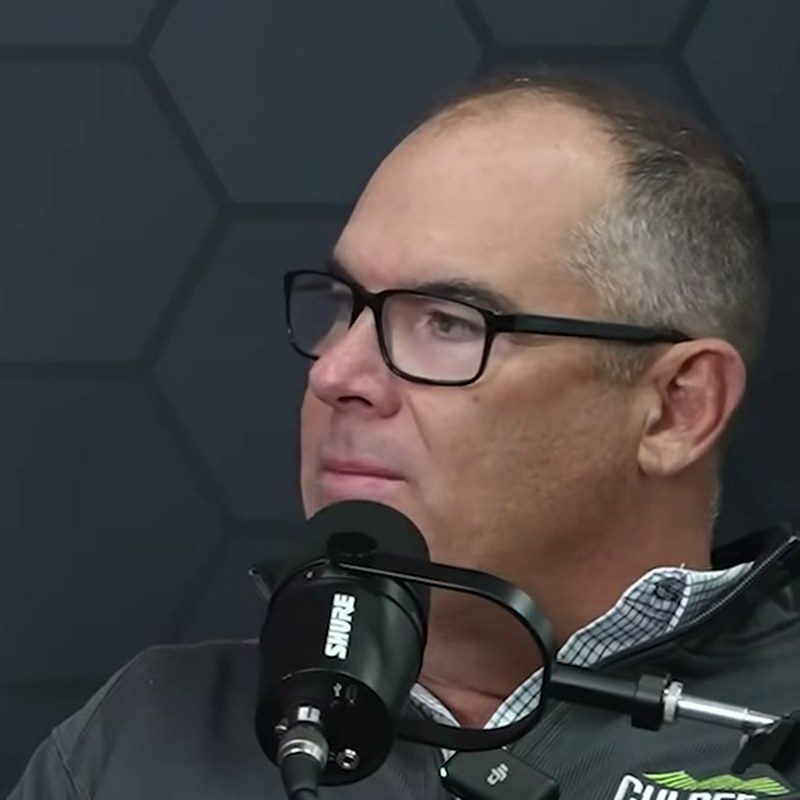 Jim PowellRegional sales manager, Culpeper WoodFrom our interview, at 3:58
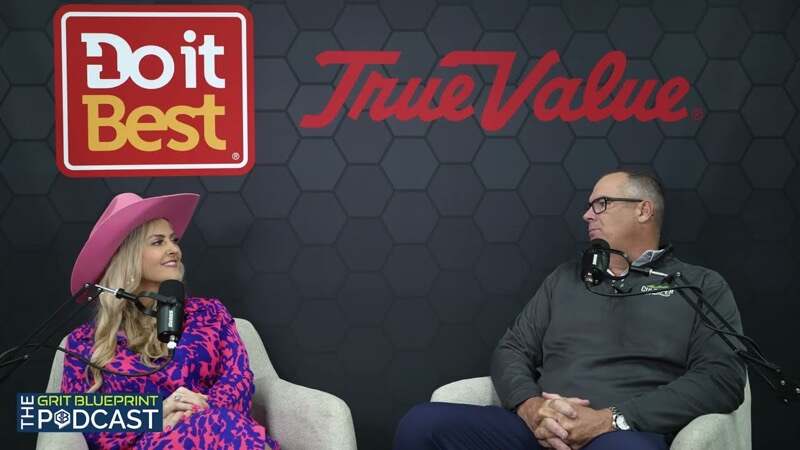
Culpeper Wood treats lumber at locations from Maine to Florida. Jim Powell has been with the company 27 years. His point for the counter: treated is a family of products with grades, drying and treatment levels of its own. The tag is how you tell them apart.
Treated wood and metal fasteners
Some wood preservatives can corrode metal. The treater and the hardware maker each say which fasteners and hangers go with their product. Follow the maker’s instructions, or ask your dealer.
Word to know
The whole glossary- Connector
- A metal part that joins or supports framing, such as a joist hanger, strap, post base or truss plate. Its nails or screws are part of it: the connector maker says which fasteners, how many and where.
Read the tag on every load
Treated wood has changed under the counter more than once. Asked how many times the treating formula has changed, Jim Powell said, “it’s been three, just in my short career” (3:15). Stefanie Couch remembers one of those changes, in the early 2000s, and how upset people were. She said on the show, “it’s like the industry changes, things keep getting better” (3:27).
Treated wood is a good example of one product choice changing the rest of the order. The answer for the last load may not fit this one, so the tag beats memory. A counter person who reads the tag and asks where the wood is going is the person a deck builder keeps calling.
What to ask before you quote treated lumber
“Where is this going: inside, outside above ground, touching the ground, near water? How close to the ground will the joists be? Anything that keeps it wet, like a hot tub or an AC unit? Does it need to be dry when it arrives? What is touching it: hangers, nails, screws, flashing? Are you near salt water?”
Checklist: before a treated lumber quote goes out
Go down this list before a treated lumber quote goes out. Any box you can’t tick is the step to go back to.
0 of 7 ticked
What to do next
Read three end tags in your yard today. Make them one above ground, one ground contact and one KDAT if you stock it. Write down the use category, preservative and retention on each. Then find the corrosion page in your connector supplier’s catalog. Look up what it says about that preservative.
Next: Engineered Wood: LVL, LSL, I-Joists and Glulam. Back to basics: Lumber Sizes, Grades and Stamps.
Questions people ask
What is the difference between above ground and ground contact treated lumber?
They are different use categories in the American Wood Protection Association (AWPA) system. In SFPA’s guide, Above Ground Exposed is UC3B and Ground Contact General Use is UC4A, and ground contact “typically” needs a higher retention of preservative.
Can I use regular nails in treated lumber?
Some treatments can corrode plain steel. Follow the treater’s and the hardware maker’s instructions for the exact product.
What does KDAT mean on treated lumber?
Kiln dried after treatment. SFPA explains that most treated Southern Pine is delivered without being re-dried, and that drying after treatment, KDAT or ADAT (air dried), can be specified when dimensional stability matters, for example on decking or siding.
Episodes in this piece
Sources
- Pressure-Treated Southern Pine, 2019 Edition: quality marks (p. 3), Table 2 Simplified Specification Guide and Ground Contact tip (p. 8), Fasteners and Connectors, Dried After Treatment (p. 16) Southern Forest Products Association
- Specification Guidelines: Preservative Treatment Southern Forest Products Association
- Corrosion Information for all Simpson Strong-Tie Product Lines Simpson Strong-Tie
- Prescriptive Residential Wood Deck Construction Guide (DCA 6, based on the 2015 IRC): Minimum Requirements, item 11 (p. 3) American Wood Council
- Why Choosing NOT To Sell To Big Box Can GROW Your Business: Jim Powell, Culpeper Wood Grit Guide