Where Independent Dealers Can Still Grow
Craig Webb tracks which dealers open, close and get bought. He says the room for independents is in custom work, specialty lines and installed sales.

Independent lumber dealers can still grow in what analyst Craig Webb, president of Webb Analytics, calls the sweet middle: custom homes, a specialty product area and installed sales, work the biggest retailers do not want. In his early 2026 numbers, the few dealers moving ahead had mostly bought another dealer. The ones growing without a deal were in hot housing markets, had added installed sales, had a specialty or had learned to sell online.
Craig Webb counts what most dealers have no time to count. He is also a journalist who used to run ProSales magazine. He keeps track of which building material dealers open, close and get bought. Dealers, he says, are “so concentrated on what’s happening in their own county” that they cannot watch the rest of the country too. So he watches it for them.
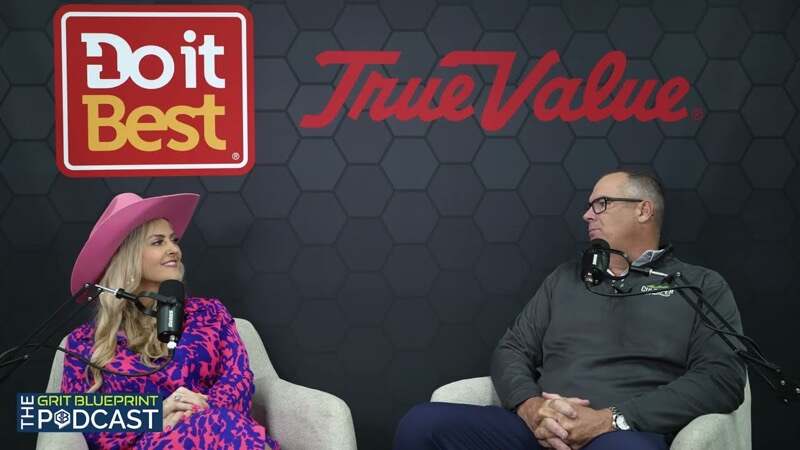
In an interview published in April 2026, recorded on the floor of the Do it Best and True Value market in Denver, he was asked if an independent dealer can still grow while the largest companies keep buying. “Oh, yeah, I think they can,” he told the Grit Blueprint Podcast. Then he said where.
Three terms first. A dealer is a business that sells building materials to builders, contractors and homeowners. A pro dealer is one that sells mostly to professional builders and contractors. Consolidation means larger companies buying smaller ones, so that fewer owners run more locations. If these company types are new to you, read How the Building Industry Works.
What is the sweet middle for independent dealers?
Three kinds of work the largest retailers would rather leave alone. Webb calls the opening “a sort of sweet middle.”
- Custom homes. One house, built to one customer’s design.
- A specialty. One product area the dealer knows deeply.
- Installed sales. The dealer sells the product and installs it too.
Put together, he said, these are opportunities “the Home Depot really doesn’t want to get involved in,” and work that retail-only stores are less suited to.
Installed sales is the one he comes back to most. Windows and doors are where a home builder’s warranty problems tend to start, he says. A dealer who takes on the installation takes that worry off the builder.
It’s so much better for a dealer to walk in and say, I’ll sell you the 40 windows and I’ll install them for you at the same time. That takes care of your warranty problem. Thank you for the money.
 Craig WebbPresident, Webb Analytics
He made the same case a year earlier, in an interview published in April 2025. A builder offered installation will want to “jump on that opportunity,” he said. The window manufacturer is happier too, because there are fewer callbacks (return trips to a finished job to fix a problem).
One market is really several
Part of the room comes from how the business is built. “One of the great things about the supply channel in the United States is that it’s not one supply channel,” Webb said in 2025. Big builders, custom builders, house flippers, remodelers and homeowners all need different things. So, he said, “it’s possible to have several different types of building material dealers in the same market.”
He went further. “This country is full of needs, of people who need a lumber yard in their county,” he said. A year later he was asked if he still believed it. He did, and he added three words: “Sell what sells.” He described a store in Iceland that sells lumber and fasteners and, a few feet away, yarn. People there love to knit, so the store stocks it.
Which independent lumber dealers are growing?
Mostly the ones that bought another dealer. Growth was hard to find in his numbers. In the April 2026 interview, Webb was collecting figures for the next edition of his Construction Supply 150. That report tracks the revenue of about 150 construction supply companies. Among the first 50 or so dealers to answer, he said, revenue was down 4% on average. Much of that was tied to lumber. Those were early figures from a partial count.
He had seen it coming. With no rising prices to lift everyone, he said in 2025, “it’s like being on a paddle board.” Then: “the only way you get forward is to do your own paddling.”
Asked in 2026 where growth was showing up anyway, he named four groups.
- Dealers in hot housing markets. He named the Carolinas, Florida, Texas and California.
- Dealers adding installed sales.
- Dealers with a specialty. His example was a lumber dealer in Wichita, Kansas, with a side business selling what he called “disaster rooms.”
- Dealers who got good at selling online. They found customers they had never sold to before.
The online group did not begin with a web store. Webb said they “started small and then worked their way up.” First they put bills and payments online. Then came e-commerce, which is selling through a website. Now some use AI to suggest add-on products and to study their own sales data. The dealers who win at this, he said, tend to be the ones who “have hired somebody to worry about IT.”
A supplier sees it too
Jim Powell watches the same thing from the other side of the order. He is a regional sales manager at Culpeper Wood Preservers, which makes pressure-treated lumber (wood treated with preservatives so it lasts outdoors). In an interview published in January 2026, he said the dealers gaining ground have “raised grades,” meaning they stock higher quality levels of lumber, and they take special orders. “The independent dealer can pick whatever they want based on their customers’ needs,” he said.
Culpeper has made its own choice about who it serves. Powell says the company does not sell to big-box stores, the large national home-improvement chains, because “our company is based on relationships.”
Which two numbers should a dealer track?
On time in full, and cost to serve. He was asked for the one number every dealer should track. He chose an old one: on time in full. That is the share of orders delivered when promised, with everything on them. In 2025 he said, “On time in full probably means more than it ever did.”
The second number is cost to serve: the full cost of serving one customer, set against what that customer buys. Few dealers work it out, he said. Those who do “are sometimes getting very surprising results as to whether their best customers actually are their best customers.”
He is blunt about why this matters. The dealers getting ahead, he said, understand “that you can’t make a living with a 3% net profit.” Net profit is what is left after every cost is paid.

Pick two or three categories and own them
Webb’s sweet middle fits BLEND. That is the five-part checklist Stefanie Couch uses for independents: brand, leverage, experience, niche and digital. A specialty is the niche. Installed sales is experience, one less thing for the builder to chase. Leverage is buying through a partner bigger than you, which is what a co-op does for an independent dealer. And builders have to find you first, which is the brand and the digital part.
The hard part is choosing. When she laid out BLEND on the Grit Blueprint Podcast episode Building Materials Clash of the Titans, recorded at the Paradigm conference with Todd Tomalak, she put the niche this way: “I don’t think they can win on every category, but they can probably win on two or three big categories that they really want to live and die by” (15:14). Pick your two or three. Then count what growth will take before you chase it. More sales can mean more people, trucks, space and time before the new volume pays.
What to do next
- Name your middle. Write down which of the three you already do well: custom work, one specialty or installed sales. Pick one to build this year.
- Ask two builders where their warranty calls come from. If the answer is windows and doors, price an installed option for them.
- Track on time in full every week. Webb says it is the easiest way to start a conversation in your store about meeting the customer’s number one expectation.
- Work out cost to serve for your ten largest accounts. Expect a surprise.
- Put bills and payments online before you build a web store. Give one person the job of owning it.
Questions people ask
Can independent lumber dealers still compete with the big chains?
Craig Webb of Webb Analytics says they can, in custom homes, a specialty product area and installed sales. He calls that the sweet middle: work the largest home improvement retailers do not want and retail-only stores are less suited to.
What is installed sales for a dealer?
The dealer sells the product and installs it too. Webb says windows and doors are where a builder’s warranty problems tend to start, so a dealer who installs them takes that worry off the builder, and the window maker gets fewer callbacks.
What does on time in full mean?
The share of orders delivered when promised, with everything on them. Webb picks it as the one number every dealer should track, and says it is an easy way to start a conversation in the store about meeting the customer’s number one expectation.
What is cost to serve?
The full cost of serving one customer, set against what that customer buys. Webb says few dealers work it out, and the ones who do are sometimes surprised to learn which of their customers are really the best.

Watch the full interviews
Where Building Materials Growth Is Actually Happening with Craig Webb (April 2026), The Future of Building Materials with Craig Webb (April 2025) and Why Choosing NOT To Sell To Big Box Can GROW Your Business with Jim Powell (January 2026).
Craig Webb, president of Webb Analytics, reads the 2025 deal numbers and says independent dealers can still win in custom, single specialty and installed sales. He also names where growth is showing up and which technology is paying off.
A Grit Guide original. This piece is built from our own interview.
Episodes in this piece
Sources
- Where Building Materials Growth Is Actually Happening with Craig Webb, President of Webb Analytics (interview published April 7, 2026) Grit Blueprint Podcast on Grit Guide. Quoted at 3:46, 5:23, 8:09, 9:09, 12:13, 13:12, 16:29, 19:52, 21:12.
- The Future of Building Materials: with Craig Webb (interview published April 29, 2025) Grit Blueprint Podcast on Grit Guide. Quoted at 2:05, 6:03, 6:33, 29:24, 29:52, 35:11, 38:47.
- Why Choosing NOT To Sell To Big Box Can GROW Your Business: Jim Powell, Culpeper Wood (interview published January 27, 2026) Grit Blueprint Podcast on Grit Guide. Quoted at 4:27, 7:54.
- Building Materials Clash of The Titans | Todd Tomalak on Paradigm Industry Insiders (Grit Blueprint Podcast, published 2025-10-15; Stefanie Couch lays out BLEND at 14:14 to 15:30; quoted at 15:14) Grit Guide, Grit Blueprint Podcast
Sponsorship The April 2026 Craig Webb interview and the Jim Powell interview were recorded for episodes sponsored by Do it Best Group.