Click any timestamp to jump to that moment in the video.
Cold Open and Introduction
0:00 Judy Haney: My best advice is to find individuals who will give you the hard, cold facts, but also be that critique person who says, Well, I know you think you did really well in that particular instance, but I think you could have done it this way. I think we don't get enough of that is women.
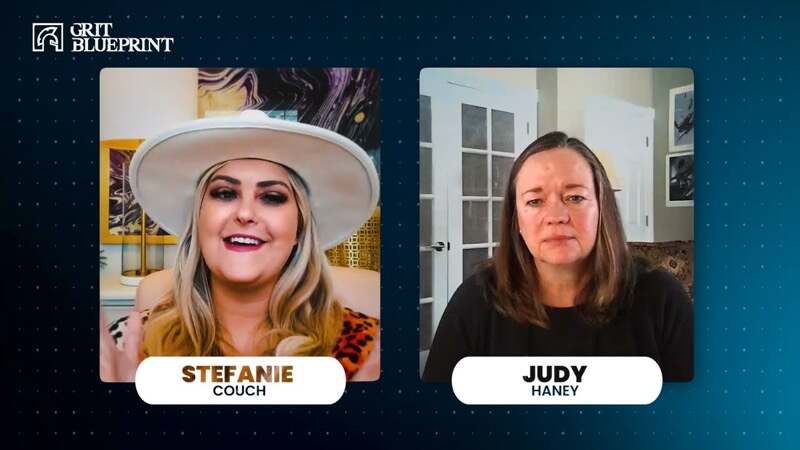
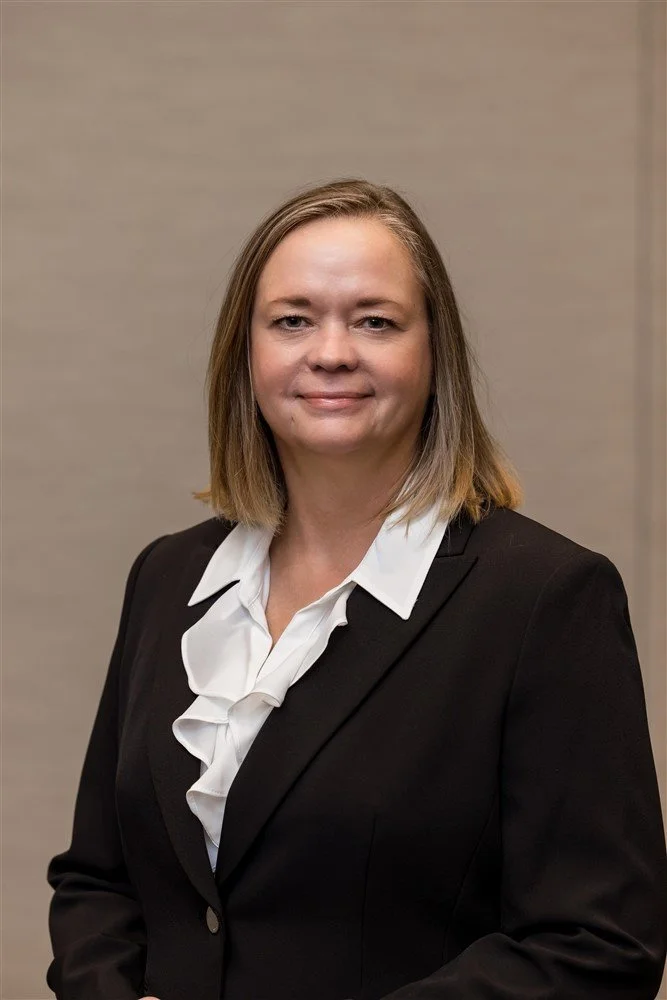
0:03 Speaker 1: Judy Haney is a seasoned procurement expert at Boise Cascade. With over 27 years of industry experience and a forestry background, she's currently responsible for sourcing materials, developing new products, and overseeing procurement teams. Beyond her professional roles, Judy is passionate about community and environmental conservation. She enjoys spending time with family, hiking, gardening, and pursuing artistic hobbies.
0:32 Judy Haney: I've been always striving to be a better individual. You know, who am I? What am I what do I bring to the table? And I think that it would be something I would say to somebody coming into the industry. Find out what are your strengths.
0:49 Stefanie Couch: Welcome to the Grit Blueprint Podcast. I'm your host, Stefanie Couch. This podcast is about branding, building, and business. It also highlights the grit that it takes to be successful in business and in life. Let's get started. Hi, and welcome to the Grit Blueprint Podcast with Stefanie Couch. I'm excited today to have a friend and guest, Judy Haney from Boise Cascade. Thank you for joining me, Judy.
1:17 Judy Haney: Thank you for having me.
1:19 Stefanie Couch: Excited to talk here. We've actually known each other for a while. We met uh while both working at the same company, actually at the airport. Um, oddly enough, we were both traveling different places, didn't live in the same city, and we've known each other for a while now. And she is an amazing woman in the LBM industry and has a great history with lots of different things, which we're gonna get into. So I'm excited to talk to you about your background and kind of let the world know about you because you're so amazing.
1:47 Stefanie Couch: The first thing I want to talk about is your background. So tell me a little bit about your story. How did you get into the construction industry? What kind of work have you done while you've been here? And what are you doing today?
From Forestry School to Paper Mills
1:59 Judy Haney: Goodness. Uh, so I have a quite securitous route um getting here. Um, you know, I was a student older than average when I finally decided to go to college. I knew I wanted to go to college, just didn't have the support nor the knowledge. Nobody in my family had ever gone to college or gotten a degree. So uh I was in my late 20s. I finally um decided I needed to go get a four-year degree, and I'd been working uh part-time, uh going to classes at night and stuff.
2:29 Judy Haney: So finally said, I gotta pull the band-aid off, get it done. So I went back to school and went to forestry school. Um one of my one of my family members, my aunt, my beloved and betty, uh worked as the College of Dean, uh, the assistant to the College of Dean at Stephen F. Austin State University. And she's like, you should come check it out. You're an outdoors person. I was doing I did a lot of hiking and canoeing and camping stuff. So I went to forestry school.
3:00 Judy Haney: So got out of forestry school, got an undergraduate, and I thought, well, while I'm here, I might as well get a master's and so you know everybody. And so I did. I went and got a master's. So I have an undergraduate in forest uh management, and I have a master's in um forest um uh economics. They're both science degrees, both um bachelor's of science. So I went to work for a paper company, you know, back in the day. Um lots of paper companies. So I worked in uh Eastern Carolina region, which was North Carolina for Champion.
3:35 Judy Haney: Uh lots of consolidation over the years. So so went through a lot of um I have a lot of names in my resume, but they're not all my choice, right? Um it just happened that another name was printed on the front of the building. So uh so did forestry. I did all sorts of forestry. I did uh land management, actually managing forest. I did a lot of procurement. That's that's kind of where I stuck to, did some uh analytics for a region, and then um, yeah, so paper mill, sawmills, uh, yeah, pretty much everything uh on that.
The Phone Call That Led to Boise
4:14 Judy Haney: And then uh the you know, fate uh intervened and about uh 2010 um I got a phone call. I was working for a paper mill. I was a region, I was a procurement manager for a paper mill in Roanoke Rapids, North Carolina, and I got a phone call from a headhunter. It wasn't even to me, I had the phone number for the previous person who was a friend of mine, and and so she called me, and so she goes, Hey, where's Bill? And you know, because Bill had been looking.
4:42 Judy Haney: And anyway, long story short, uh, I interviewed and uh came to work for Boise Inc., which was you know part of Boise Cascade. Had the paper company, they had all the paper mills in the packaging. Uh Boise Inc. and Boise Cascade had services agreement, so uh came out to Boise in 2010, which was almost not not quite the bottom of the market, but it was it was pretty close.
5:07 Stefanie Couch: Yeah, it's a rough time to be changing jobs.
5:10 Judy Haney: Rough time, but it was it was a it was a strategic fiber resources strategy job. Uh they had come out of the um the downturn. Um they were in they had been in equity anyway, came out of equity, and so anyway, so I started that and um
5:26 Stefanie Couch: how cool that you got this because of a phone call to someone else, like the universe giving you something that you know was meant for you in a really weird, cool way.
5:35 Judy Haney: And and very thoughtful that she had the four wherewithal to go, oh well, well, what are you doing? Are you interested? Uh so it was pretty, pretty, pretty interesting. So, yes, absolutely. Uh, that was the phone call that kind of changed the direction. And so came out here to Boise and then uh worked there for 2010 till around 2014, and just and and uh Boise Inc. uh was purchased by Packaging Corporation of America, and they they didn't have my position uh at a corporate level, and so I just um I'd been thinking about trying my job, my hand at at sales and something different.
Plywood Sales, Then Distribution
6:16 Judy Haney: We were really enjoying living here in Boise, and so there was a plywood sales job that opened up and I got it, and then a year later I was a plywood sales manager. Now that was a huge, huge job for Boise Cascade. Um sales is not a lot different in procurement, it's a lot about relationships. Um, and so um, you know, supplier, vendor. I still I still will say supplier sometimes, you know, or vendor or supplier or customer, you know, it's so funny because those relationships are all very similar.
6:48 Judy Haney: So fast forward, I've been working for uh Boise Cascade since 2014. And um then about three years ago, uh I decided to hang my hat up in the wood products and mill sales and came over to distribution and have really enjoyed the different um, it's very different, you know. It's you know, we're a sales organization, uh, 100%. And uh how can I support that from a division perspective? I was doing Southern Yelpine Lumber, and now I'm doing a lot of home center business, um, which is uh very interesting.
7:24 Judy Haney: Um, all a lot of supply chain. How can you get that material the best way for the cheapest, most inexpensive way, and uh get it there on time and um make sure they have enough inventory. So it's
7:37 Stefanie Couch: and that's a giant business too. So it's a whole nother, yeah. You've had so much experience. Plywood buying is something that uh for people that maybe don't know, it's a commodity product and it goes up and down, like the stock market or you know, whatever you want to say. And it's a very interesting thing to manage and then try to win at because there's not a whole lot you can do if the market crashes. Like you just kind of got to write it out, write it up, write it down, which is one reason why I never had the tolerance for that type of uh up and down.
8:11 Stefanie Couch: But that takes a special person. I always say it's literally like playing the slot sometimes when you go in the plowwood market, you know, you don't know what it's gonna do, but that's a really cool job. So for people that don't know much about plowwood trading or lumber trading, that's one of the things about it that's really interesting uh to me at least. I love that. So you're a woman in a very mill-dominated started out in forestry, went, you know, paper mills, all these things. I'm assuming that was pretty male dominated also.
8:38 Stefanie Couch: And now at a large distribution company, uh, which we both are very familiar with, there's there are women there, but in the time where you probably started, there were probably very few women around you. What would you give a young woman coming into this industry as a piece of advice of how to thrive in the industry as a woman in a in a place that maybe isn't built for them?
Mentors Who Give You the Hard Facts
9:18 Judy Haney: Yeah, I've been I've been thinking a lot about this, and I I've said this in in a couple of other uh spaces as well is use use them use mentors, find a mentor, have a mentor. Um allies are great as well. Um use networks, but but I really my my best advice is find individuals who will give you the hard, cold facts, the truth. Give you advice, give you good advice uh in in a way that's that's helpful, uh, but also be that that critique person who says, Well, I know you think you did really well in that particular instance, but I I think you could have done it this way.
10:02 Judy Haney: And I I think we don't get enough of that as women. I don't think uh me personally, I don't accept criticism. I have to really work it taking that well. Um I I'm a lot more resilient today than I was even four years ago. Um but but but I think having an advocate, uh an ally that's truthful, that's that's the first thing. Be prepared to be your own advocate as well. You know, you got you gotta speak up. Um and I think one of the other uh things, there's two two other things.
10:38 Judy Haney: You really have to be prepared to find a different space. If the if the space you're in is not conducive to your whole self, then I think uh sometimes we get caught up in that inertia. Well, it's complacency too, like with safety, right? How do you how do you break out of that and be willing to to say no, this isn't working for me, it's not working for my family or whatever that is, and be willing to make that change. And you've you've done that. It's it's
11:10 Stefanie Couch: it's very difficult. Especially when you when you do love a lot of things about what you're doing or the place you are, the people you're working with. Um, but it maybe it's just not the right fit for where you are or where you want to go. Um, like you said, with the family, could be something like that. But there's it doesn't always have to be a hundred percent wrong for it to not be the right place. And I think that's a big thing that women uh they seem to have a problem with that because of the loyalty standards too, like, well, but they've been this or they've done this for me.
11:45 Stefanie Couch: Um, and I often think about this way. If you had cuts coming at your company, would your company not cut you because you've been loyal to them? And the truth, unfortunately, is that it's business. It doesn't matter what company you're at. And so you have to do the same thing. You have to run it like it's your business and your career is your business. And whether you're an entrepreneur or not, I think that that applies. So that's how I I like to tell women to reframe that is what do you think would be the best decision if you weren't involved?
12:19 Stefanie Couch: If it was a person you were giving advice to instead of your own self, and then what would you tell them to do? That's probably what you should do, and it's probably definitely not what your first instinct is that you're gonna go choose because it's hard to make those tough decisions. So I love that that advice is really solid to be able to make the hard choice and go do something different.
12:40 Judy Haney: Yeah. Um the only the last last little uh learning thing was um learning something new is also difficult. And um, I was listening to a podcast, it was Bill Gates, and he was talking about learning a new language, and he said it very well, which is when you're learning something, you're terrible at it. You're terrible at it for a little while, right? You're you're terrible at it, and and then you start to learn, and then you become more confident. And with anything like that, you really have to practice and do it.
13:14 Judy Haney: And it's you have to be willing to go through that um, you know, uncomfortableness of not being able to be perfect right off the bat or and or contribute. And so I think you have to give we have to give ourselves as women grace on that. I do.
13:28 Stefanie Couch: Absolutely, and I think that's a great point because we we like to be good at stuff. I mean, I spent a lot of time in my life and my career avoiding things that I didn't think I would be good at just because I wanted to be good at everything I did. And I believe I wasted about five years of my career that I could have probably been doing something differently if I had been less risk-adverse based on failure. And I learned that lesson once I got into entrepreneurship pretty hard because entrepreneurship is literally failure every day.
13:58 Stefanie Couch: That's how you get good at whatever you're doing, is you try it, you're like, I don't know how to do this, but I'm gonna go try. And then, you know, after a hundred times, maybe you get it. But it's it's tough in a corporate setting sometimes to see that because you do get in that little um kind of lane. And then when someone says, Well, what about this other job you could apply for? What about this other company you could go work at? You almost talk yourself out of it because you're so good at what you've been doing and you've got that clout built up where people are like, but Judy is world class at X, you know, and you're not sure if you'd be world class at Y or Z.
14:33 Stefanie Couch: So are you willing to take that chance? And that always is a risk. Maybe you aren't as good at that, maybe you don't like it as much, but what if you're better? You know, what if you can do way better twice, three times as as much in that new role? So I love that. I think it's important for women, especially to hear this and be able to sit down and think about where they're at and how are they looking at things? Are they framing it from that perspective?
14:56 Stefanie Couch: Or are they kind of stuck in that comfort zone? I guess would be a good way to put it.
15:00 Judy Haney: Comfort zone complacent, absolutely.
15:03 Stefanie Couch: Yeah. Well, you have a lot of industry knowledge, which we've already talked about from years of doing things. What industry trends do you see that you are excited by in not even just in the guise of women, but things that are happening in the industry that you think are really cool or you think are going to be a big deal in the future? I'm just curious your perspective from someone who's in manufacturing and sales now.
Technology and Price Discovery
15:27 Judy Haney: Uh you know, I I think the big bogey in the room is technology. It's you know, it's going to be disruptive in change. And it I mean, what is it? Like um, you know, a company that was going to build everything off site. Now they build, you know, so again, those are failures, right? Those are things that are going to happen eventually. They're we're going to find out how technology can help us build things quicker, better, and that kind of thing. Um, and and you know, AI.
16:00 Judy Haney: Um technology is going to change commodity. I mean, we've got some we've got some um platforms out there now that I think that have been tried before. They were tried, you know, uh a company was called Forest Express back in, oh my gosh, the 90s, late 90s, early 2000s. And um it was it's doing kind of the similar thing that that some of the the the these new, you know, I don't want to say them, but these platforms, they're out there. And is that gonna change how uh a mill goes to market or how um a small independent um yard is gonna get their product and and really commodities.
16:44 Judy Haney: So again, we're talking about lumber, plywood, osb, you know, the commodity types, the the the general line things that are more programmed is that that won't that won't be impacted. But
16:56 Stefanie Couch: tell me what what do you mean by that for the audience to kind of understand like what would that technology do if I'm buying plywood for my lumber yard? What does it do for me or for you as a person selling it to me?
17:07 Judy Haney: Um I think it makes price discovery extremely different. Okay, price discovery. If I'm if I'm buying uh a commodity, if I'm buying a truck of three-quarter plywood, where do I go get that? Where do I go get prices? How do I know what because it's a commodity, because pricing is volatile depending on lots of different things, uh, seasonality, weather, uh mill production, um all those kinds of things. So, you know, how do I go get that information? And I think it's going to put some technology and some resources in some hands of the people who are buying it at smaller places potentially to be able to be able to get that price discovery and get the best deal possible rather than relying on the person that they call every week and hey, what's the price doing?
17:59 Judy Haney: Well, it's this. You know, it's gonna be a little bit
18:02 Stefanie Couch: it takes the guesswork and also some of the relationship work out of it, too, which is really interesting because I think there are a lot of people that have those really tight relationships, or you know, those buyers are calling them and giving them a heads up of things. That kind of takes that out of it, not all the way, but at least a little bit, because anybody sort of have has access to that now. That's really interesting, actually. I think you're right, spot on on that technology is coming, and our industry has been very hesitant and almost completely adverse to you know everything from internet when it first started.
18:35 Stefanie Couch: I mean, we still have people using fax machines. That's a real thing in 2024, um, which people don't believe when I say that if I'm not in, you know, an industry place, they're like, what? But it is coming for AI. I'm doing a keynote in March at the Building Envelope Conference on AI. And I think it's gonna be really intriguing for some people that maybe haven't even seen Chat GPT to go in and see what it can do, you know, to watch how fast it is, to watch how much information it can give you.
19:04 Stefanie Couch: That's really like a Google search on steroids with hours of research in like 30 seconds. And so that's huge just to think about the what that could do. And then that's not even talking about the technology that's going to be built for this, just for this industry. So I I think you're right, and I am really interested to see what happens in the next two years.
Green Building and Labor
19:23 Judy Haney: I, you know, a couple things. Green building is also, you know, I think that's always been around. Um, and I think that will continue to grow as the climate issue uh becomes more prevalent. And, you know, how do you keep a house cool um you know, in 110 degree weather, or how do you keep it warm? It's that I think I think that's gonna be the other thing I think too is labor. I don't know how labor is gonna get solved. Maybe maybe that's the technology piece.
19:52 Judy Haney: Um
19:54 Stefanie Couch: I don't know because that's uh to do technology, some of the building off-site and things like that. Maybe you know, I've seen these automated trust plants and all that, they have all these amazing technologies, but they still have people. They still have people standing next to the machines, even you know, like the LVL plant uh that we've we have been through, they have people there. You know, it is automated, but yeah, it's an interesting thought about that. And I think that for the labor source, you got to get people that are different in in this industry, people that are younger, people that are you know diverse, women, all different people coming in that want to actually work and then will stay there.
20:30 Stefanie Couch: That's the hardest part is once you get them, how do you develop them and give them opportunity to stay where they actually want to work here?
20:38 Judy Haney: Yeah, I that is, and and we have significant amount of a turnover in our in our branches and our distribution centers. And um, I don't think that's gonna slow. I I think we have to be more agile in our onboarding and more uh flexible. And um, you know, I just think we have to work harder at that. And and uh, but it's it in some places it's um not good. It's really difficult.
21:06 Stefanie Couch: And there's only so many people you can pull from, right? I mean, if you're in a small town, a lot of these mill towns are even places
21:12 Judy Haney: that
21:12 Stefanie Couch: put people have branches. I mean, there might be a few thousand people, and then you know, you got people that are older and retiring. How do you replace those people if there's not a good group moving in or being born there? It it's one of the reasons why, like, we're working on construct you and having a platform for industry companies not to have to build everything from scratch for training, that millennials and Gen Z that are coming in, they want training and development programs that are very well thought out, that have a trajectory for their career.
21:43 Stefanie Couch: And I believe it's one of the biggest problems in the industry that can be solved because if you can have a great program that then any company can send their people to and they can do it in their branch and their location without having to go in person, like a college class, but for lumber or for millwork or For sales in the industry, it will solve a lot of issues. But the thing is, it takes time to do that, it takes money for companies to do it.
22:09 Stefanie Couch: And then it just gets thrown under the busy column of everything else that we have going on. A customer's on the phone and they need something right now, that takes precedent over a program for training for two years from now. So how do we solve that? We're working on it and we're excited about it, but it's still always going to be one of those things. It's it's going to be a demand in the industry.
22:31 Judy Haney: Yeah, I I I think it's I think it's here to stay.
22:36 Stefanie Couch: Yeah, for sure. Well, as you think about your career and what success looks like to you, I think each person in the world has to define what success really looks like? What does that mean to you? What does success in your personal journey mean? How do you define that?
Redefining Success
22:54 Judy Haney: Uh my my my success definition has changed in the last four or five years. I I think um for me, uh I'm of the generation where I identify my identity was uh it still is, you know, definitely tied into what I'm doing, you know. Um and uh I've worked really hard and am still continuing to work real hard to separate those uh because it's not uh about that for me anymore. Uh it's about um, you know, am I there for the people who don't have a voice?
23:31 Judy Haney: Am I, you know, am I helping represent um, you know, women uh in an industry that's really male dominated? Uh so my my role is more I I define success now more uh about who who am I, what what what can I bring to the table, what what can I help with? What can I who can I make space for? Um, you know, and and I, you know, right now I just got into a new role, so that's taken up a lot of my time. So a lot of this, you know, the things I really want to do are are a little bit on the back burner, uh, but I'm still getting to use a little bit of that.
24:11 Judy Haney: But so for me, success is about, you know, how can I help others uh have a voice at the table? Um and um, yeah, just really kind of be an advocate for people. Um that's more success for me and for a career.
24:30 Stefanie Couch: It's so needed too, because if you don't have someone that you can look around and say, hey, that person is is like me or similar to me, and she or he is going to make space for me to be here and open that, especially for that next generation we just talked about, because they have not been uh grown up in the industry where they understand kind of the ropes. And then for them to come in sometimes and see how it actually is, it's still tough. I mean, for a lot of people that are different.
25:02 Stefanie Couch: And so for you to fight for that, I think that's awesome. And to want to have that impact is a it's really the ultimate gift. For me, it's impact and freedom. It's being able to choose what I do and who I do it with, and then also how I can impact the world, hopefully in a in a really large way. Um, I would love to see 2020, 2030 is my goal of you know, six years from now to have 30% women in the construction industry. It's around 14% right now, so it's about double in six years.
25:31 Stefanie Couch: But there's also a lot of people that are going to be retiring in the next few years, and so there's gonna be a lot of gaps. There already are. So I'm hoping that we can find a way to help women grow and thrive in this industry and want to stay and want to be here. And that's my goal too. And I know it's yours, um, like you just said, to have space for people that want to be here and be able to make it a place that they love.
25:52 Judy Haney: Right.
25:54 Stefanie Couch: Yeah. Well, we are doing a series for How Women Rise, a book that I read when I was a manager and changed my entire career really. It actually inspired me to start helping other women and to coaching people, probably a lot of why I'm doing what I'm doing now with build women. And this book is 12 habits that women have, that we keep ourselves from being successful with those habits. It's not about what men do to us, it's not about what other women do or our company does.
26:25 Stefanie Couch: It's things that we have as kind of those harnesses that are holding us from flying. So I want to talk a little bit about those. And there's three that we're gonna cover today. And I think this first one is really big. I struggled this a lot, is waiting for people to notice your contributions at work. It's not speaking your work, it's thinking that they just know what you're doing and also appreciate what you're doing without you saying. How do you feel about that? Have you ever experienced that?
26:56 Stefanie Couch: And if you have, how do you think that you can get over waiting until your work speaks for itself to get credit for it?
Waiting for Your Work to Be Noticed
27:05 Judy Haney: Yes, yeah. It's this is a really big one for me. I uh I have always thought I'll just I'll just work hard. I mean, the assumption is, and I think people I have that reputation, you know, oh yeah, Judy works hard, right? Um what what I don't didn't hear, well, and I didn't know this until a little too late, but that you know, who is the advocate in there? Yes, she's working on these things here. This is what she's doing. Look at this relationship she's built with this and all that.
27:34 Judy Haney: So so it's really important, and I think as women, it's it's double-edged, it's tough. I have an example. So I was getting feedback about um, you know, all sorts of things. And one of the things was, you know, um I thought I wasn't I I wasn't managing up very well, right? So so I use we all the time. It's my it's my go-to. When I when I talk about what I'm doing, it's really what we're doing. And I'm not saying, yeah, I did it. I purposely during after some feedback started to say I.
28:20 Judy Haney: Well, I did it because I wanted that individual to understand what I had contributed to that project or whatever. Do you know what the feedback was?
28:31 Stefanie Couch: That you said I too much. It's almost it's not funny, but I'm laughing because it hurts because it's so close to home.
28:39 Judy Haney: And I was like, Are you kidding me? So you're darned if you do and darned if you don't. So
28:46 Stefanie Couch: yeah, it's very hard. It is a really delicate balance. I I see that a lot with people, even like on social media, you know, once you start to get out there and share your story, people will be like, well, you're just all about yourself, or you just want to be in the spotlight, or whatever it is. And the truth is that attention is it's really a valuable thing, and people that use it well can change the world. And they can do it for good or they can do it for bad.
29:15 Stefanie Couch: That part is up to you and your message and how you choose to use the attention. But at the end of the day, if you're sharing a story that no one would know unless you're sharing it on social media, I don't think that that's a selfish thing if you're doing it to help other people. But there will always be people that have opinions about that. And it's tough when that opinion is the person you report to or that has a say over your career. That's where it gets, it's easy to swipe off that person on Instagram that you don't know and don't care about.
29:41 Stefanie Couch: But when it's your boss or when it's someone that's giving you your raise or you know, keeping you in a spot, that's a really tough thing. And I don't know that I have a great piece of advice for women other than keep advocating for yourself. Because if you really struggle with that, maybe it's not the right place for you, like you said earlier. If you're really fighting and you're hitting that brick wall over and over and over, and you're speaking your work and you're talking about what you're doing, and you're taking credit for things you're actually doing that matter to the business, then if they don't appreciate that, then it might be time to say, see you later and go find something else.
30:17 Judy Haney: I think I think that's where that advocate, you you have to know, and you you know, it's tough. It's tough to ask, you know, what are you saying about me? Are you you're in these meetings? What what what is that conversation like? What are you saying? Sure. And and you're right, to the extent that you can uh give examples, you know, here's the things that I've been involved with, this is my contribution. When those things are being, you know, you know, somebody's gatekeeping, somebody is not being an advocate for you, you have to know that, and you have to ask people.
30:50 Judy Haney: And you know, I most people will tell you. Um uh, but if if but if there are eight people in the room, you're not one of them, and there's not one person who is your advocate, you kind of have to know that. You you kind of have to know that, and I don't know how you change that. So,
31:09 Stefanie Couch: yeah, I mean, it's very tough. It's um one of those like chicken or the egg situations, right? How do you get someone to advocate for you without bragging, but then don't seem braggy? It's not bragging, but it feels like it a lot of times, especially for women that are taught to be humble, to be quiet, to ask for permission. And that's unfortunately something that's been ingrained in most women through school and all these other traditions and cultural things. But it's time, I think, for women to stand up.
31:39 Stefanie Couch: And I do think that millennials and Gen Z are a little bit louder. Um, we are sort of one of those Taylor Swift generation, like you know, walk around thinking about, hey, shake it off, don't care about what people think. But it's still really hard not to care about what people think, especially when they have a say over you in your career, and something that you value a lot. It's that's a tough one. And I think most women probably struggle with this habit. Um, of all the habits, this one and perfectionism are the two that I feel like almost everyone has to say, like they've felt this, they've they've lived this.
32:11 Stefanie Couch: So
32:12 Judy Haney: I I just assume that I just assume that some of my work was being thought of as thought well of. Yeah and and and I'm sure there was, but but then sometimes all you hear is the negative, and you know, that's not very good leadership either, too. So
32:29 Stefanie Couch: one of the things I actually think companies could do as a company to make this less likely to happen is to not wait until the end of the year to do one yearly review, or not wait until someone's doing an interview for an a new job that is like, okay, that's your time to brag. Because it's almost impossible to remember everything you've done over the year. It's also a one hour sit it sit down with that person that there's like a lot of things you're covering and you're thinking about next year, too.
33:00 Stefanie Couch: So you don't want to spend 59 minutes of that hour talking about what you did last year and rattle off a thousand things. If you could do a monthly or a weekly, just a quick little check-in, like, hey, just letting you know what I'm working on, I do think it helps. That has to be something that your manager is willing to do also. And so I think as a culture at a workplace to have that yearly review become more spaced out, even quarterly, where people have a way to kind of report back and talk about that openly, it will help.
33:32 Stefanie Couch: Because then I don't think most managers have ill rapport towards people. They don't want bad things to happen to you all the time. It's not that they're meaning to not talk about what you're doing. Sometimes that is the case. But I do believe that most managers are just busy. I mean, half of the managers have like 26 direct reports. So you really think they have time to know what you're doing at three o'clock on a Wednesday and the other 25 people exactly are doing? They're big picture thinkers because that's how they have to be.
34:03 Stefanie Couch: So having less direct reports than an organization for each person, most management leadership experts say four to seven is like the most. And I know there's a lot of people that have a lot more than that in this industry. And so, how do we fix that part and then have those check-ins? I think that's a big, big win for us if we could get that, because managers will see from men and women more of what they're doing and also how they can help support where we're failing.
34:29 Stefanie Couch: Because when you fail at something, because we're not all great at everything, maybe sometimes I was failing at something for six months, nine months, 12 months, and then I could have gotten it fixed in three months if I'd have had that review. So I think that could have been a really big helpful thing in my career. Um, that would be my advice, you know, to anyone. If you can do that, try to check in quicker.
34:50 Judy Haney: Right.
34:50 Stefanie Couch: So
34:50 Judy Haney: I totally agree.
34:52 Stefanie Couch: All right. The next one is failing to enlist allies from the first day. So you start a new job at a new place. Maybe you're in a new department, maybe you're in a whole different, you know, section of the country, you've you don't know anyone, and you decide that you're just gonna keep your head down and kind of get the lay of the land. That's what I hear people say a lot, before you try to get in the game and like enlist allies and get people to be on your side or your team.
35:20 Stefanie Couch: Is that a challenge to kind of ask for help, um, especially when you're starting a new job, because you don't want to be the burden that's always asking for help or always wanting someone to be on your side?
The First 90 Days: Ask What You Do Not Know
35:30 Judy Haney: Yeah, I I I think that again is one of those things where you know, the 90 days, the first 90 days, I think there's a book on that. And I I read it, and you know, there's a lot to be said for for for working through and seeing how you can do and have impact in 90 days. Um I I think it's also an opportune time to to ask, right? I mean, you get a you I I I know it depends on the position, right? I mean, if you're you know, if you're a huge uh if you're a salesperson and you just got hired because of all your contacts and you're gonna go build this business, that's one thing.
36:07 Judy Haney: But if you're in a management role and um I think you have to go in and use the opportunity to ask, what are the questions? What you know what what do I not know? You know, that's that's some of you know what I what don't I know, you know? And I I will send emails to this day, you know, to my new team going, okay, what do I not uh here's here's what I did, what don't I know? You know, help me out.
36:36 Stefanie Couch: That's a great question. What am I missing there? Yeah, I love that. That's a really good question for people to ask. Because you're giving people permission basically to correct you and tell you like you're ignorant, but you know you're ignorant on certain things because you just don't know what you don't know. And so that's a really good way to give people permission so they don't feel like they're out of bounds, especially if you're their um superior above them in the rank. You're managing them. They don't want to be the know it all that comes in and corrects their boss day one.
37:03 Stefanie Couch: But if you give them permission, like, hey, please help me. Don't let me, don't let me die out here without knowing, you know, what to do. That's a big deal. So that's great advice. I love that actually. Um, thank you for that one. All right, next one being too much. This is an interesting one. I'm curious to hear your thoughts on this. Being emotional is known as something that's a woman's type characteristic. You know, women cry more than men usually, maybe they get mad, maybe. I mean, you know, it just depends on the emotion.
37:35 Stefanie Couch: But it is something that I've struggled with because you don't want to take the emotion out of being a woman. You don't want to be a complete robot or an ice queen, as you might get called, without emotions. We've heard that one, I'm sure people have. And you want to be kind of in between that. So, how do you deal with being a woman, also having emotions, but being in a very corporate environment where that's almost not welcomed? Um, and how do you convey your feelings and still get your point across without being overly emotional?
Emotion at Work
38:07 Judy Haney: Yeah, that's a that that, you know, it's just so loaded. Um I I think I I think emotional intelligence, you know, I I've had to do uh my own work on that area, you know. Um I was I was uh um answering some questions for the uh D A DEI workshop I'm going to tomorrow. Uh and um when it talks about emotional intelligence, I know what emotional intelligence is. I know how I'm supposed to operate, you know, and by that I mean, you know, look at the emotion.
38:46 Judy Haney: Why am I having this emotion? You know, I you know, I get all of that. Um I I think putting that into practice is I I I think it's just more difficult for more more people who who have, I'm gonna say uh I'm not emotional, but I can be. And um I just yeah, you're kind of darn you're kind of
39:11 Stefanie Couch: that empathy, right? When you feel something for someone else, also I've reacted a lot more for other people than for myself sometimes than I should. Like someone else has something happen, and then I go crazy on like I can't believe they just did this to her or him or whatever. And then you get involved with something that I mean it's like, should you? It's that's very hard because sometimes you should get involved. Um, you know, that's what advocacy is about, right? But that's a tough one.
39:41 Stefanie Couch: And I've I've gotten so upset sometimes in meetings where I've just like, you know what? I'm gonna cry right now because I'm real pissed off. If I don't cry, like I'm gonna explode and I just it is just is what it is. Um, it's not like a great thing that I was super excited about, but it's I think later in my career I was just kind of like, you know what? Screw it.
40:08 Stefanie Couch: You know, it just was what it was. But I also think it is a hard balance, and especially when you start to get a reputation for being the emotional one. And then sometimes I will say, to our detriment, people, especially men, do not give us feedback because they don't want to deal with that shit. And so we're talking about getting this feedback and getting all these things. I mean, in their defense, sometimes if they know you're gonna be really, really upset, it's easier to just not tell you than to tell you and have you be very upset.
40:41 Stefanie Couch: And then they have to deal with the emotions of that. I don't think there's a right or wrong there, but I do think that that's that comes up a lot.
40:47 Judy Haney: Well, and their ability, their emotional intelligence, you know, uh impacts that as well, right? Are they are they an individual who runs away from confrontation or are they willing to to to do the work and do the hard stuff alone? I I think I think for me, just having my thoughts and my emotions just recognized is is it 50, 75 percent of it? Right? I'm loving
41:18 Stefanie Couch: I understand how you feel.
41:19 Judy Haney: Yeah, I I've been told, I was told once or twice uh after having excruciatingly been bullied, uh finally came had enough courage to to to confront that in a an appropriate way, but then just get so upset that I cry, which makes me so upset, which makes me so angry, and then was told, yeah, there's no there's no crying here. Um yeah.
41:55 Stefanie Couch: Then you're like, oh yeah, it's then the rage comes and you're like, well, now I'm I'm angry crying already, and now I'm just you know, yeah, it's not good. It's it's really hard to balance that. But you know, I think the more we let that be something that is just part of being a human, because men get upset too. It's not just a woman thing, and you know, I think men could also approach that from a little different angle where maybe they should be more emotional.
42:24 Stefanie Couch: Maybe so I think a lot of the things that make women really good at business is having that intense intuitive instinct of feeling things differently. And they might feel that little emotion difference in someone else they pick up on where the other person steamrolls through and they don't pick up on it. And you're like, did you sense that? Like something was off with them. And then you find out, yeah, something was off. You just lost the business because you didn't pick up on that thing, or you didn't ask the right question because they were hesitant and you didn't see it.
42:53 Stefanie Couch: And so I do think it makes women exceptional in a lot of cases. So it is kind of a catch-22. It's all about balance. I think the biggest thing for women is we have amazing strengths as women that do make us really good at things that a lot of times men can't do as well. It also is sometimes the things that they're Achilles' heels for us. So if you can find a balance between being emotional and not, or speaking your work and not, and somewhere in the middle of that is where you should be, and then also find the place that is the right place for you.
43:30 Stefanie Couch: I have had allies and people that have spoken up for me that have advocated for me that make me feel like I can be truly and wholly myself. And then I've had the exact opposite of that where I feel like I should just go and crawl in a hole somewhere and never come out. So if you can find that place where you feel like you can be yourself, then I do think it takes care of a lot of those issues. It won't be perfect because nothing ever is, but it'll be a place you can be thriving by yourself as yourself.
43:58 Stefanie Couch: And I think that's a really positive thing for women, men. Everything, you know, it doesn't matter. Gen, that's not a gender issue. That's about finding the right fit, which is hard to do.
44:08 Judy Haney: Yeah. Yeah. I
44:09 Stefanie Couch: and knowing that what was a fit now might not be a fit in five years.
44:13 Judy Haney: Absolutely. Absolutely.
44:15 Stefanie Couch: Yeah.
44:16 Judy Haney: Yeah.
44:16 Stefanie Couch: That's
44:17 Judy Haney: I think women
44:18 Stefanie Couch: get
44:19 Judy Haney: way too much. I think they get uh um slated as too emotional uh when in fact they're just they have feelings and uh you know we're just potentially more expressive and um
44:32 Stefanie Couch: yeah
44:32 Judy Haney: yeah it's tough.
44:34 Stefanie Couch: Especially outspoken women. I think we get even more labeled because you know, we're we're talking about it more and talking about how we feel. And there's some times where I should have probably just kept my mouth shut. It would have been a hell of a lot easier for me. You know, looking back on it, sometimes I'm like, probably should have probably should have not chosen to die on that hill.
44:56 Stefanie Couch: And then sometimes I'm like, yeah, it was worth the fight, you know, but it just depends on the time. And I think that the older you get and the more in emotional intelligence and self-awareness you get, the more you're like, okay, this is a battle I'm gonna pick. I will die on this hill. And there's sometimes where it's just you just let it slide, you know, that you can't pick every battle as a woman. And that's one thing that I think I will explain easier now that I'm in my own entrepreneurship journey, is like sometimes shit happens and it's really not intentional and it's not somebody's fault per se.
45:28 Stefanie Couch: And it just happens and you just gotta roll with it. And then sometimes things are intentional and it's you know, it it's not cool. But there are a lot of times that things happen and it's it's an oversight or it's just life, you know. So you gotta roll with the punches a little bit.
45:43 Judy Haney: Yeah. I
45:44 Stefanie Couch: I love it.
45:44 Judy Haney: I I do think, I I do think uh I know as the older I've gotten, the more the more willing. I I I I I was super risk averse. I mean, you know, I I lived and worked in a space for three years that that probably took years off my life. I mean, honestly, the stress of that. Um, you know, not gonna do that again. Um,
46:07 Stefanie Couch: yeah.
46:07 Judy Haney: I refuse. I I won't do it. Um, so
46:10 Stefanie Couch: yeah, it's not worth it. And and the thing is that they don't get the best of you and you don't get the best of yourself at home. It's not just a work thing. I think we give so much we put so much of our identity in our titles, in the company we work for, in the the way we're working, who we work with, all those things. And if we could unwrap ourselves from that a little bit, James Clear talks about that in Atomic Habits. He talks about how, you know, how wrapped up we get.
46:40 Stefanie Couch: It's like a tangled web that we're longer we're in, the spider web just gets more and more on top of us that we can't untangle it. We feel like we can't. But if we can find a way to stand alone as a person without that title, and you said this earlier that you had a lot of what you were doing was what defined you, it's very easy to do that, especially when you're a high achiever that wants to win. It's to say, like, well, I can get to this place and then next I'm gonna go to this place, and then after I mean, I had written lists of like, here's the trajectory, and I'm gonna freaking get there.
47:14 Stefanie Couch: And it, you know, it's happening. Like, this is the path. And there was only one path, and I had one objective to get to the path. And I think that's not a bad thing in some areas of your life, but when the path is like not your path and you're trying to bust open doors, yeah, you better watch out because you're not gonna be happy when you get even if you get through the doors, you will not like where it is when you're there.
47:36 Judy Haney: And who you have to be, who you end up being in that space is uh may may not be very uh comfortable, and or then you're then you start to go, oh this was great.
47:51 Stefanie Couch: Yeah, and you're not using your strengths either. I think that's a lot of times when I found myself in a place where I was really miserable, I was looking at what I was doing and how I was acting, and I was like, yeah, this is I'm trying to be like going back to Gallup. Like I was trying to do a lot of relationship building, strategic thinking, whatever, and not doing my other stuff that influencing and executing is really where I thrive. And having that kind of skill, I need to be using those skills or I'm gonna be miserable.
48:18 Stefanie Couch: I don't need to be looking at spreadsheets all day. That's never gonna be who I am, you know. So if you have that type of role where you're doing that and you're not really in your strength zone, you're probably not gonna like it. No, even if the people around you are awesome, you know, that's a big deal for me to think about people knowing what their strengths are and what success feels like for them, just like we talked about earlier.
Know Your Strengths, and What Grit Means
48:38 Judy Haney: Yeah, yeah. I I I think that is also, you know, we talk about advice, you know, uh understanding yourself is is uh of the utmost importance, whether that's disc, whether that's you know, strengths, um whatever that is, uh, you know, I've been always striving to be a better individual. You know, who am I? What am I what do I bring to the table? And I think that it would be something I would say to somebody coming into the industry, find out what are your strengths. Find out what your which which you also find out what your weaknesses are, and then how how you need to flex that style and or what whatever that is to deal with other people, and then understand when that flexing is too much.
49:26 Judy Haney: That and I think that's part of how you find out whether you're in the right space or not is if you're if you're 100% flexing, can you do that for 20 years?
49:36 Stefanie Couch: Yeah, that's that's a great point. It's you're always gonna be able to go out of the edge a little bit, and no job is ever gonna be 100% your strength zone. That doesn't happen. That'd be great if it did. But if it, like you said, what's the margin there? And that's really important. Well, closing question for you this podcast is called The Grit Blueprint, and I love grit as a word because it means strength and resolve. And I think you have to have a lot of grit to be in this industry as a woman.
50:03 Stefanie Couch: And I think that you have a lot of grit. Tell me what grit means to you. What does that word mean and how have you seen it evolve in yourself in your career?
50:13 Judy Haney: Yeah, I mean, grit when I think about grit, uh, I think about hard work, I think about, you know, getting in there and doing it. But but as I've gotten a little bit older, I think grit also means resiliency and you know, being able to pick yourself up and okay, you know, like you said, you have you have to be able to fail, go through the uncomfortable part of whatever you're trying to learn or do, and and and go through that. And resilience for me, grit is also as I've gotten older, much more about resiliency.
50:44 Judy Haney: Um,
50:45 Stefanie Couch: yeah,
50:46 Judy Haney: yeah. It's
50:47 Stefanie Couch: I I think so too. And you know, it's interesting because grit is like sandpaper, and you know, there's different grits of sandpaper that they sand things down quicker or more fine-tuning. And I think that's important to think about grit is like you have that 40 grit sandpaper that's gonna like wipe something down quick, and then you have that 220 grit, and like it just does a little bit, and that's what resilience is as you get older, is like you fine-tune that, you know, and going up in the in the grits there, and you're thinking about that from the guys of where do you really want to be?
51:19 Stefanie Couch: And maybe it's just a little tweak, or maybe it's going all the way somewhere else, and having the resolve and the resilience to be able to do that. I think that's what true grit is about. And I love that you've been able to do that in your career to go from one thing to the next and really learn and say, I'm not gonna be scared by a challenge, even you know, when you've already been doing something for a long time successfully, that you've been able to go at that.
51:42 Stefanie Couch: So I'm so glad to call you a friend and I'm glad we did this together. Thank you so much. You're an amazing woman in the lumber industry. And anybody that doesn't know Judy, please connect with her on LinkedIn. She is an amazing ally for so many people and she is a good person to know. She's also a member of NALA. So if you're at the NALA conference, she will be there. So check her out there. Thank you so much, Judy.
52:06 Judy Haney: Thank you very much, Stefanie. It's been great. It's good to see you. Thank you so much.
52:10 Stefanie Couch: Yes, good to see you too. I appreciate it. Thanks for joining us on the Grit
52:15 Speaker 2: Blueprint. If you're a woman who's ready to build your brand, lead with impact, and make your mark on the world, visit buildwomen.com to learn more about how we can help you build your personal brand. See you next time on the Grit Blueprint.