How to Get Taken Seriously When You Are New to the Industry
Walk up to a booth at 22 and you may get looked past. Four people from our interviews on what gets you past it.
When you are new to the building industry, people take you seriously faster if you do these things. Come prepared with your questions. Ask experienced people how they got where they are. Find at least one person who will tell you the hard truth. Keep going after a cold first reaction.
That is the advice of Katy Devlin of the National Glass Association and Judy Haney of Boise Cascade. Both started young in male-dominated businesses. Rick Schumacher, a trade magazine publisher, and Nick Pesl of Kolbe add what employers want from someone starting out.
Why is it hard to be taken seriously at first?
Because people size you up before you speak. Devlin was a 21-year-old journalism major when she answered a small ad for an internship at Glass Magazine. She expected six months. “And 20 years later, I like to say I’m the longest running intern in the glass industry,” she says (1:08). She is now the association’s content director.
Early on, her job meant walking up to companies’ booths at trade shows, cold, to ask questions. “I think it is so easy for women to be discounted, especially young women,” she says (10:51). For her, “it was tough to be taken seriously.” She was asked what she would tell young women. Her answer works for anyone who is the youngest person in the room.
What should you do before you walk up?
Do your homework. Devlin’s advice to her 22-year-old self has three parts: “be prepared, know your questions,” and “know it’s not really about you” (11:35). People already have a picture of you when you walk up, she says, and “you can prove them wrong.” The fix for the cold reaction is the next good question, and the one after that.
How do you find a mentor in the building industry?
Ask people about their work. “I think find folks who you admire and who you want to work with,” Devlin says (7:48). She has been surprised by how often people say yes. Her starter questions: “can you tell me what your day-to-day is like? What’s your job like? How did you get here?” Someone who knows you are curious, she says, becomes an ally.
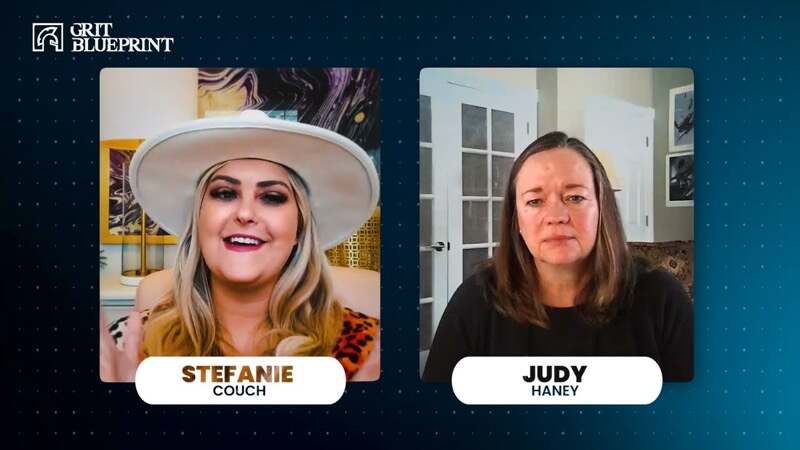
Haney adds a test for who to keep. She trained as a forester, worked in procurement for paper mills, and took a plywood sales job. A year later she was plywood sales manager. Her best advice is to “find individuals who will give you the hard, cold facts, the truth” (9:35). Encouragement feels good. The person who tells you how you could have handled that meeting better is the one who makes you better.
Find individuals who will give you the hard, cold facts, the truth.
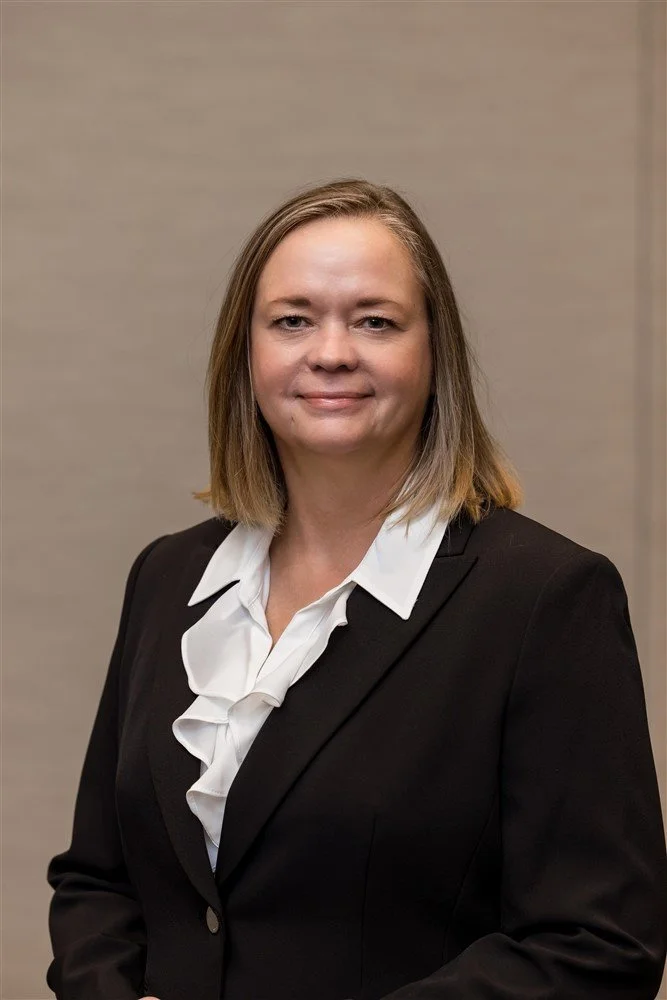 Judy HaneyDivision Product Manager, Boise CascadeFrom our interview, at 9:35
What if you do not know enough yet?
Nobody does at first. Haney took a line from a Bill Gates interview she heard: “when you’re learning something, you’re terrible at it. You’re terrible at it for a little while, right?” (12:57). Practice gets you through it. Devlin says the same about becoming a manager: “I wasn’t a manager until I was” (36:49).
Employers know this too. Nick Pesl started on the shop floor at Kolbe Windows & Doors in 2000. He now hires salespeople as a regional sales manager. His view: “the product can be taught” (11:42). What he cannot teach is drive. He looks for self-starters who are “hungry to prove themselves” (10:57). Devlin hires too. She says: “I am much more interested in someone who loves to problem solve” than in someone who has done the job a while (39:40).
So apply. “It’s okay to take a job that your resume doesn’t match 100%,” Devlin says (41:32). Then “write a cover letter that says why”: the experience you have that fits the job you want.
Speak up for your own work
Nobody will track your wins for you. “Be prepared to be your own advocate as well,” Haney says (10:19). Keep a list of what you did and what it changed. Our lesson How to Keep a Wins List shows how. For the conversation itself, see how to get credit for your work before review time. And if a place never fits, Haney says, “You really have to be prepared to find a different space” (10:55).
Is there a future here for someone starting out?
Yes, says Schumacher, who has covered lumberyards since 1990. He says “the people who run lumber yards for the most part are just really, really good people” (28:19), and the work pays: “you can start off working there in high school, you know, and then end up just running the company someday or opening your own.”

One bad first call is one data point
People wait to feel ready. Then they let one cold reaction at a booth or one bad first call become a verdict on whether they belong. It is one data point. Ask the next question. Make the next call.
When Devlin and Stefanie Couch talked about young people who doubt they are qualified, Stefanie answered: “the answer is you probably aren’t qualified, and neither were we” (40:48).
What to do next
- Before your next show, market or ride-along, write three questions for each person you want to meet. Start with Devlin’s: what is your day-to-day like, and how did you get here?
- Pick two people you admire, one inside your company and one outside, and ask each for 20 minutes.
- Find the one person who will tell you the hard truth. After your next big meeting, ask them what you could have done better.
- Start a wins list this week and add to it every Friday.
- Apply for the next job you want even if your resume is not a full match. Include a cover letter that says why. If you are brand new, read Your First 30 Days at a Building Materials Dealer first.
Questions people ask
How do I get taken seriously when I am young and new?
Katy Devlin of the National Glass Association says to be prepared and know your questions before you walk up, remember a cold first reaction is not really about you, and keep going until you prove people wrong.
How do I find a mentor in the building industry?
Devlin's way is to find people you admire and ask them about their day-to-day and how they got there. Judy Haney of Boise Cascade adds one test: look for people who will give you the hard, cold facts, not only encouragement.
Should I apply for a job if my resume does not match every requirement?
Devlin, who hires, says yes: it is okay to apply when your resume does not match 100%, as long as you write a cover letter that says why you could do the job.
What do building industry employers look for in new people?
Nick Pesl of Kolbe Windows & Doors says the product can be taught, so he looks for self-starters who are hungry to prove themselves. Devlin says she is more interested in someone who loves to solve problems than in someone who has simply done the job a while.
Can you build a career starting at a lumberyard?
Rick Schumacher says yes: you can start at a lumberyard in high school and end up running the company someday or opening your own, and earn a really good living.
Watch the full interviews
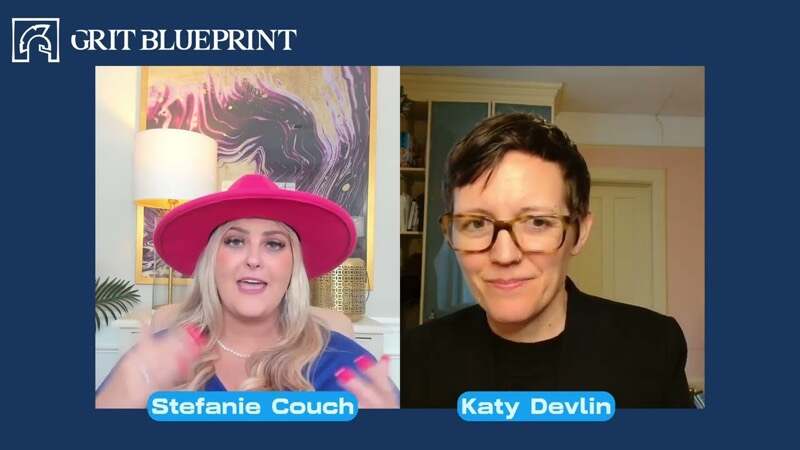
Katy Devlin of the National Glass Association (June 2024), Judy Haney of Boise Cascade (December 2024), Rick Schumacher (October 2025) and Nick Pesl of Kolbe Windows & Doors (August 2025).
Katy Devlin, content director for the National Glass Association, explains where the glass industry stands on automation and labor, why safer handling opens jobs to more people, and how a newcomer finds mentors and gets taken seriously.
A Grit Guide original. This piece is built from our own interview.
Episodes in this piece
- How To Build A Resilient Independent Business In Changing Markets | Rick Schumacher, LBM Journal
With Rick Schumacher
- The Future of Building Products: AI, Innovation, and Market Evolution with Nick Pesl
With Nick Pesl
- Connecting People In The Wood Products Industry: Judy Haney, Boise Cascade
With Judy Haney
Sources
- Leading In The Fenestration Industry: Katy Devlin, Content Director at National Glass Association (published June 25, 2024); quotes at 1:08, 7:48, 10:51, 11:35, 36:49, 39:40, 40:48 and 41:32 Grit Blueprint Podcast
- Connecting People In The Wood Products Industry: Judy Haney, Boise Cascade (published December 3, 2024); quotes at 9:35, 10:19, 10:55 and 12:57 Grit Blueprint Podcast
- How To Build A Resilient Independent Business In Changing Markets: Rick Schumacher (published October 3, 2025); quotes at 28:19 Grit Blueprint Podcast
- The Future of Building Products with Nick Pesl, Kolbe Windows & Doors (published August 5, 2025); quotes at 10:57 and 11:42 Grit Blueprint Podcast