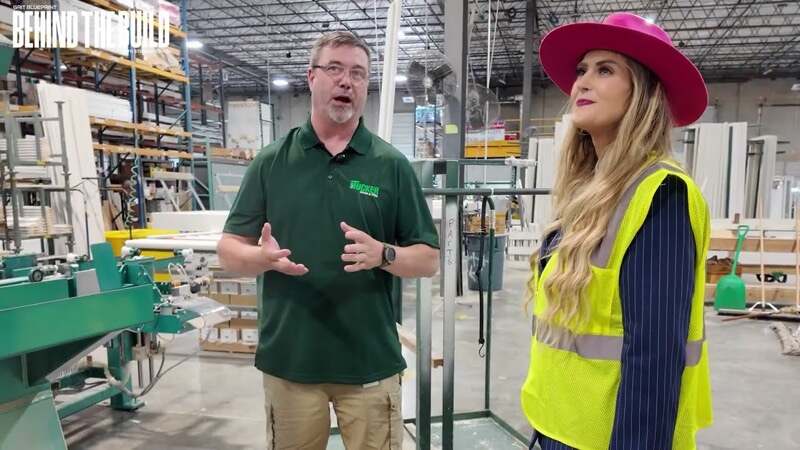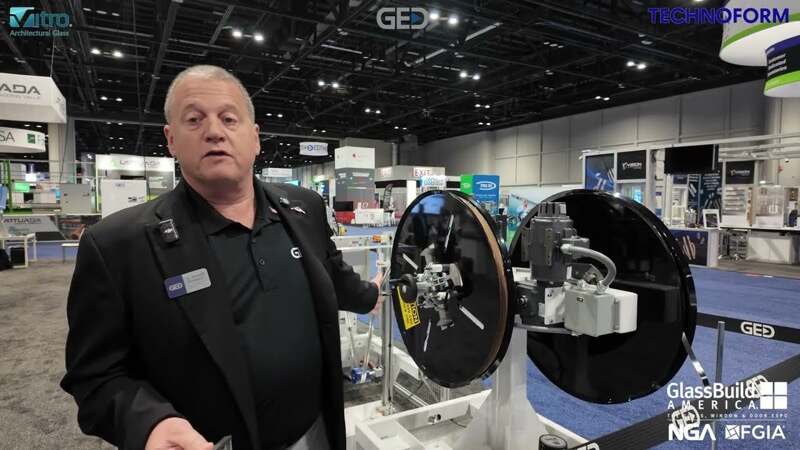

About This Video
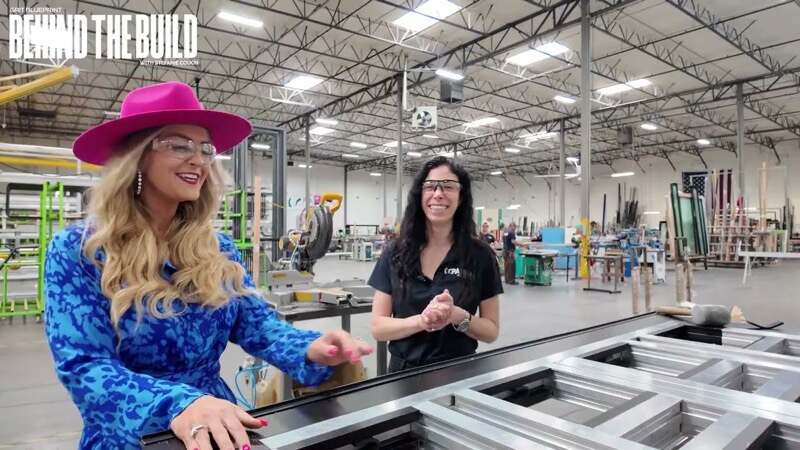
GED introduced Intercept Extreme at GlassBuild 2025 in Orlando, the newest version of the Intercept spacer system the company first brought out in 1991. Joe Shaheen of GED tells Stefanie Couch it was built with two partners. Bill Davis of Vitro Architectural Glass explains the design: the familiar U-shaped spacer, now with stainless steel sidewalls and a polymer bridge base that decouples heat transfer. Helen Sanders of Technoform North America says her company brought precision plastic extrusion, and that the aim is to meet Energy Star 7 requirements without giving up line speed or durability.
Joe then walks the machine. Flat coil feeds into a punch press, a roll former shapes it into the U channel, and a cutoff station cuts each spacer to the window size sent from the office software, with punches where grids click in. He says one operator can make up to 2,800 spacers in an 8-hour shift.
The rest is practical. The system is aimed at vinyl residential window fabricators in North America. Seven operators can build over 2,500 insulating glass units in a shift, and shops that need less can run fewer people. Lead time is 4 to 6 months.
Why a spacer matters in a window
A double pane window has two sheets of glass with a gap between them. The spacer is the strip that runs around the edge and holds that gap open. It also carries the seal that keeps moisture out. Because it touches both panes, heat can sneak through it. That makes the spacer a weak spot for energy loss and for condensation, the water that beads up on cold glass.
At GlassBuild 2025 in Orlando, GED ran its spacer line live on the show floor. The booth was showing Intercept Extreme, a new spacer with better thermal performance. Thermal performance is how well a window slows heat moving in or out. The video opens on a problem many window shops share: there are not enough people to hire. A line that turns out more windows with a small crew speaks to that.
Three companies, one spacer
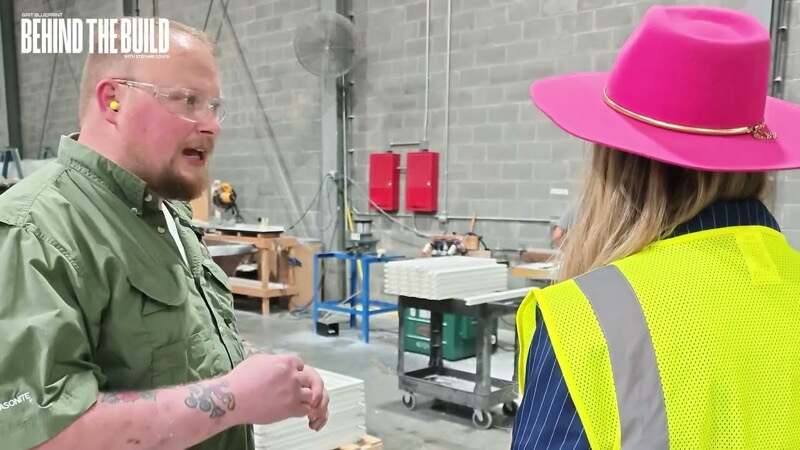
Joe Shaheen of GED explains that the company first brought out Intercept in 1991. It has kept changing the machines and the metal since. The line at the booth is the Intercept 2.5, the fourth generation, first released in 2014. For the past ten years it has run tin plated steel and stainless steel.
Bill Davis of Vitro Architectural Glass says Vitro and GED have worked together for over 30 years. He lists past steps forward, like thin plate spacer metals and the i3 machine platform. The new spacer adds a third partner, Technoform. Helen Sanders, general manager of Technoform North America, says her company brings precision plastic extrusion. Extrusion means pushing material through a shaped opening to make a long, even profile. Technoform can also run steel and plastic together in one profile.
Watching the line run
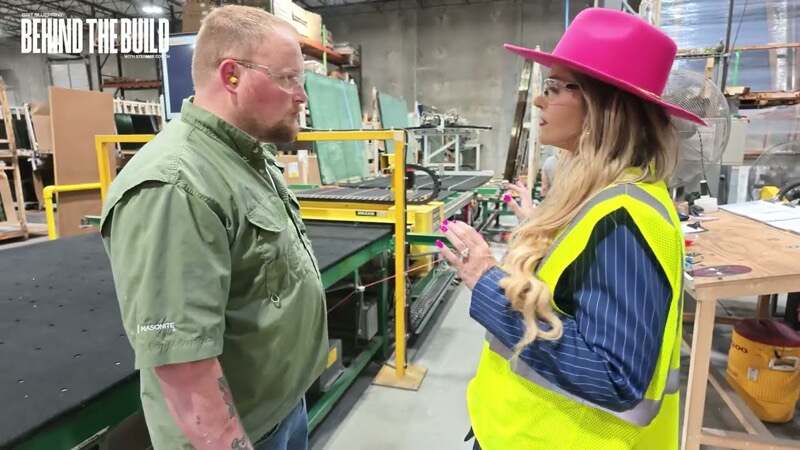
Joe walks the line from start to finish. The machine holds several coils of metal, and the crew can switch between them fast.
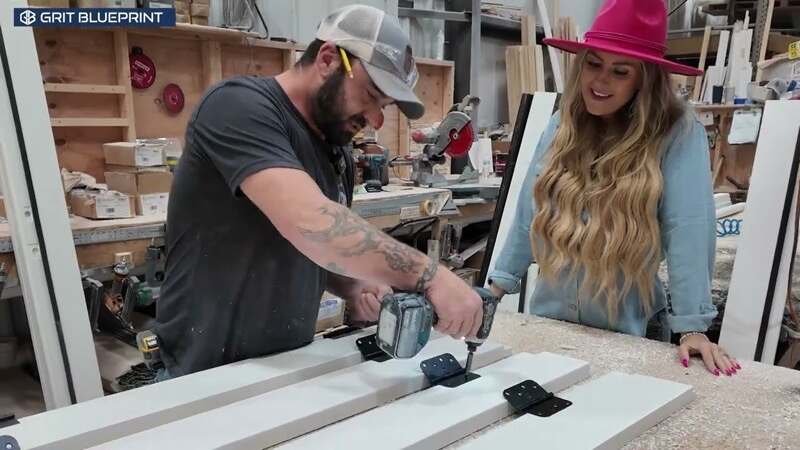
When the line starts, the pounding is the punch press. It punches the corners and marks the size of each spacer. Loop control keeps the metal feeding at an even pace between stations. Next, the roll former bends the flat strip into a U shape. Then the cutoff station cuts each piece loose. This is the first point where a single spacer exists, sized for one window.
The sizes come straight from the shop’s office software, so no one keys them in at the machine. The last station adds sealant and a desiccant matrix. Desiccant is a drying material that soaks up moisture inside the sealed glass. That station was not at the booth, so the spacers came out bare.
Which window shops it fits
Joe says GED builds for vinyl residential window makers across North America. Some of those shops passed on Intercept in the past because it could not reach their thermal targets. He says the new spacer may let some of them skip triple pane glass or an extra low-e coating. Low-e is a thin coating on the glass that reflects heat.
The crew size is flexible. Joe says GED can train a shop to run fewer operators for a smaller daily count, starting around 500 or 600 units. The company starts by asking what the shop is trying to do.
Buying, setup, and floor space
Joe gives the plain facts on buying one. During the pandemic, lead times ran past a year. Now they are back near normal. A couple of operators can help with setup and finish in about a week and a half to two weeks.
The machine itself is about 65 feet long. The assembly side holds a washer, an oven, and assembly conveyors, and runs another 60 to 70 feet. A shop that wants to free its people for work that cannot be automated should start by measuring the floor.
What To Do With This
Learn the stations in order
Watch the machine run and name each step: coil, punch press, roll former, cutoff, then sealant and desiccant matrix. Knowing the order helps you follow any conversation about how insulating glass is built.
Start from your real shift volume
Write down how many insulating glass units your shop needs per shift before you talk equipment. GED says it sizes the crew and the system to that number, from 500 or 600 units up to more than 2,500.
Measure the floor first
Mark out about 30 feet by 75 feet. That is the space Joe Shaheen says the full system needs, counting the washer, oven, and assembly conveyors on the assembly side.
Plan the purchase months ahead
Count back from the date you need the capacity. Lead time is 4 to 6 months, and setup takes two to three man-weeks after the machine arrives.
Plain English
- Intercept spacer
- A U-shaped metal channel made from flat coil, cut to the size of the window, then folded up to make the insulating glass unit.
- IG unit
- Short for insulating glass unit, the glass assembly a window fabricator builds around the spacer.
- roll former
- The station that takes flat coil and shapes it into the U-shaped channel.
- grid punches
- Punches made in the spacer so a grid snaps in with a click you can see and hear, straight and consistent.
- thermal break
- In this spacer, the polymer base between the stainless steel sidewalls that decouples heat transfer.
Questions this video answers
What is a window spacer?
It is the strip around the edge of an insulating glass unit that holds the two panes apart and carries the seal. Intercept spacers start as flat metal coil and are bent into a U-shaped channel. The channel is then folded around the glass to make the unit.
What is different about Intercept Extreme?
Bill Davis of Vitro says it keeps the U shape of other Intercept spacers. It adds stainless steel sidewalls and a polymer base that cuts the path heat takes through the metal. GED calls it the highest thermal performing spacer system in North America.
How many people does it take to run an Intercept line?
Joe Shaheen says seven operators can build over 2500 insulating glass units in an 8 hour shift. Shops that need fewer units can run fewer people. GED is working toward 3 to 4 operators making 1,000 units.
Can a better spacer help a window meet Energy Star 7?
Helen Sanders of Technoform says the new spacer is meant to help window makers meet Energy Star 7 without giving up line speed or durability. Joe Shaheen adds that it may let some shops avoid triple pane glass or an extra low-e coating.
How much floor space does the system need?
Joe Shaheen says to plan on about 30 feet wide by 75 feet long. That covers the spacer machine plus the assembly side with the washer, oven, and conveyors.