Learn Every Job in the Yard Before You Lead It
Katie Cofer Irvine can run a forklift, the shipping office and the register at her family’s 1919 lumberyard. Her father, Chip, never asks anyone to do a job he has not done. Here is how the fourth generation at Cofer Brothers is learning the business.
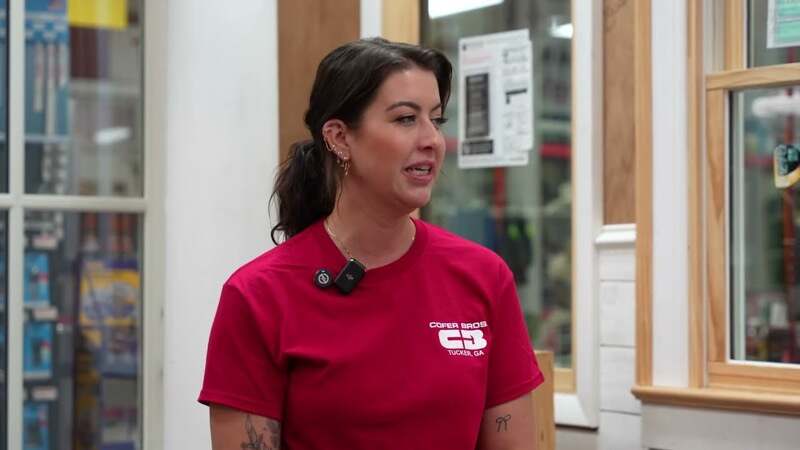
If you are joining the family business, learn every job before you try to lead any of them. At Cofer Brothers, a family lumberyard in Tucker, Georgia, that is how the fourth generation is getting ready. Katie Cofer Irvine can run a forklift and the shipping office. She can also direct trucks in and out of the yard and work the register. Her father, owner Chip Cofer, says he never asks anyone to do a job he has not done or would not do.
Cofer Brothers started in 1919 with Chip’s grandfather and great-uncle, selling dry goods and groceries. Chip’s father moved it into building materials after the Second World War, against his own father’s wishes. Today it is one location in downtown Tucker with a lumberyard, a hardware store open to the public and a door shop. Katie works there full time, and three of her cousins work there too. Her husband was about to join when we talked.
Should you work somewhere else before joining the family business?
Try the other path first if you are not sure. Katie planned to be a veterinarian. Her mother told her to “go work at a vet clinic at least for a year before you commit to that” (3:54). She did, and it was not for her.
So during the recession, at 19 or 20, she asked her father for a job, just to figure out what she wanted to do. “Never be able to thank him enough for giving me a job during that time,” she says (3:54). She fell in love with it: the people, the projects from the first stage of construction to the last, and helping someone find what they need to finish a job.
What jobs should the next generation learn first?
All of them, starting with the plain ones. Katie’s first job at the yard, as a kid, was driving a golf cart around with her brother to pick up the risers left on the ground.
As an adult she learned the rest. “My dad’s always been like doesn’t matter if you’re a girl or boy, you need to learn everything,” she says (0:00). That means the forklift, the shipping office, directing trucks through the yard and the register. Her day starts by counting how many trucks are waiting in the lot to be loaded or unloaded.
Chip grew up the same way. He rode his bicycle to the yard after school and on Saturdays, drove anything with an engine, and rode along on the trucks to help the drivers unload.
How does the owner’s kid earn respect from people with 40 years on the floor?
By doing the work first. Chip’s rule is the one his people repeat about him. “I don’t ever ask anybody to do something that I either haven’t done or won’t do,” he says (7:50). Katie says everybody in the yard knows that about him. She wants the same reputation: nobody should get a request from her for a job she could not do herself.
Some of the people on the Cofer floor have sold these products for 40 years. Katie sees that as the reason to come in now, while they are still there: “we can just absorb and learn from them” (9:49). The yard even keeps a list in the shipping office of “Chipisms”, the sayings everyone knows came straight from Chip.
How do two generations agree on what to change?
Both sides give a little. Chip says the family spends as much time as it can showing the next generation “how we do things, why we do things” (5:24), much of it handed down from his grandfather to his father to him. He takes on new technology and social media and wants to keep the roots, too.
I have to bend a little bit, and they have to bend a little bit, and that’s how we get through it.
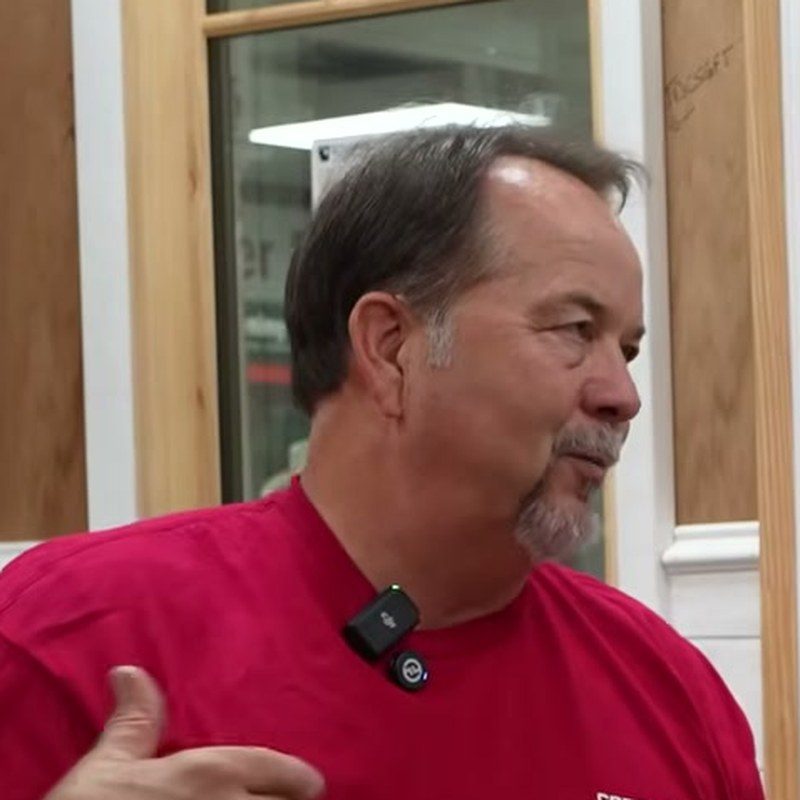 Chip CoferOwner, Cofer Brothers (5:52)
He has already shown the next generation what a hard year looks like. The worst years Cofer Brothers saw this century were 2009 and 2010. In those years, Chip did not want to be the generation that laid people off. He says the company has never laid anyone off for slow business. He cut hours and used furlough days, which he calls circling the wagons. The company also found new work supplying materials to film studios building sets around Atlanta.
For Katie, carrying all of that is a lot. Asked what a business more than 100 years old means to her, she says: “It’s a little bit of pressure, just a little tiny bit of pressure” (5:22). Her goal is to hand it to a fifth generation.

Pair every newcomer with a 40-year veteran
The know-how that matters most in a yard takes years to pick up. That is mostly because nobody has made it easy to teach. Product names are the easy part. What a new person needs is the question that changes the order, the reason a load goes out in a certain sequence, the habit that saves a customer a second trip.
Cofer Brothers has what most yards would love. It has people with 40 years on the floor and a next generation that wants to learn from them. Do not leave that to chance. Pair each next-gen family member with a veteran. Have the veteran explain the why while doing the job, and write down what you learn. Then give the next generation a real decision to make, so the learning has somewhere to go.
What to do next
- Write a list of every job in your yard, store and shop. Next-gen family members check off each one they can do alone, from picking up the yard to running the register.
- Not sure the family business is for you? Do what Katie did with veterinary work and spend a year in the other job first.
- Shadow one veteran each month. Ask why they do it that way, and write the answer down. One day the veterans will start asking you; Brookelyn McClellan describes that moment in When the People Who Trained You Start Asking You Questions.
- Owners: explain the why behind one habit each week, out loud, on the floor.
- Plan the timeline, too: read Why a Family Business Handoff Takes Five Years.
Questions people ask
Should I work somewhere else before joining my family’s business?
Katie Cofer Irvine spent a year at a veterinary clinic on her mother’s advice before she joined Cofer Brothers. Testing the other path first helped her know the lumberyard was what she wanted.
What should the next generation learn first in a family lumberyard?
At Cofer Brothers the answer is everything: the forklift, the shipping office, directing trucks in the yard and the register. Chip Cofer says it does not matter whether you are a girl or a boy.
How does the owner’s child earn respect from long-time employees?
Chip Cofer never asks anyone to do something he has not done or would not do, and his daughter follows the same rule. Doing the jobs yourself and learning from the veterans earns it.
How do family generations agree on changes?
Chip Cofer says he has to bend a little and the next generation has to bend a little. The family explains why things are done a certain way, then mixes the old and the new.
Watch the full interviews
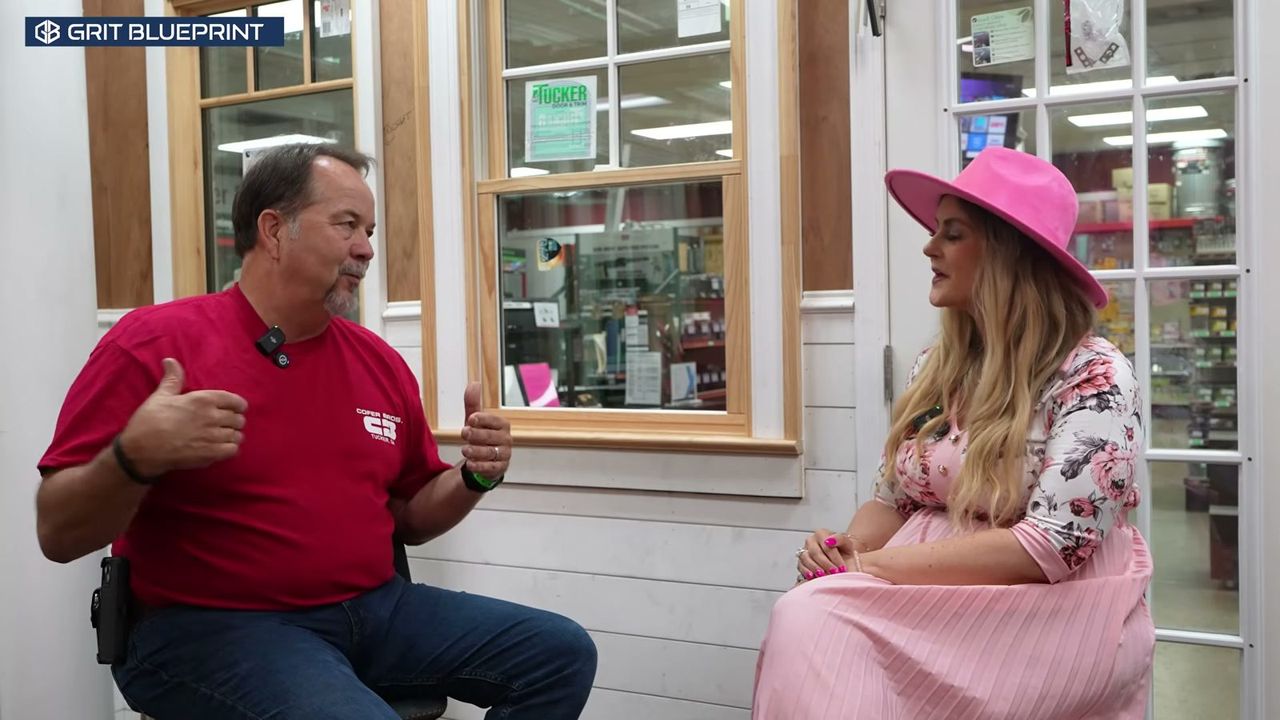
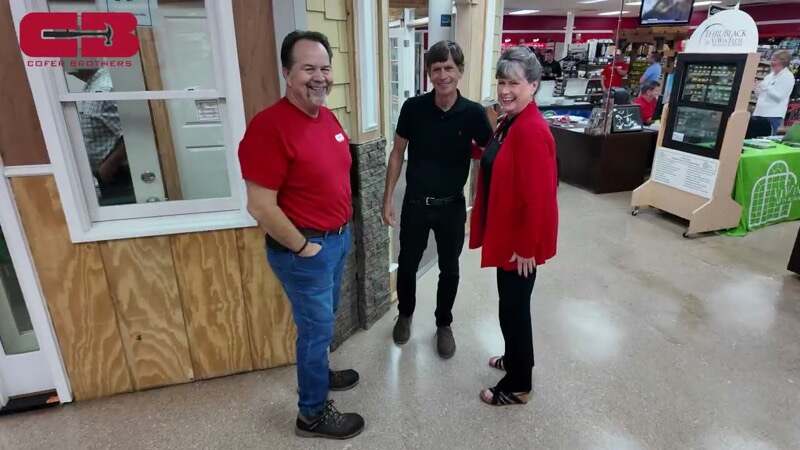
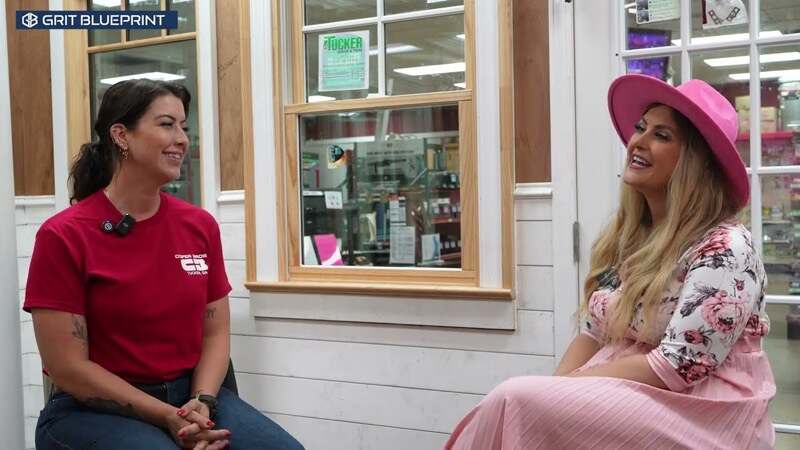
Katie Cofer Irvine of Cofer Brothers and Chip Cofer of Cofer Brothers. For a look around the yard, see Inside Cofer Brothers.
Katie Cofer Irvine is fourth generation at Cofer Brothers, a 105-year-old family lumberyard in Tucker, Georgia. She explains how she learned every job in the yard. She also explains what it means to carry a family business to the next generation.
A Grit Guide original. This piece is built from our own interview.
Episodes in this piece
Sources
- Beyond Lumber: 100 Years of Family Business at Cofer Brothers with Katie Cofer Irvine (August 2025) Grit Guide
- Building Legacy: A Century of Lumber and Leadership with Chip Cofer of Cofer Brothers (August 2025) Grit Guide
- Inside Cofer Brothers: A Century of Family, Legacy & Lumber | Tucker, GA Grit Guide