Family Business Succession: Why the Handoff Takes Five Years
Will Lummus’s father planned to call him in six months before retiring. A next gen program taught the family to plan on five to six years. Two more people from our interviews show what that time is for.
Client: Lummus Supply is a Grit Blueprint client.

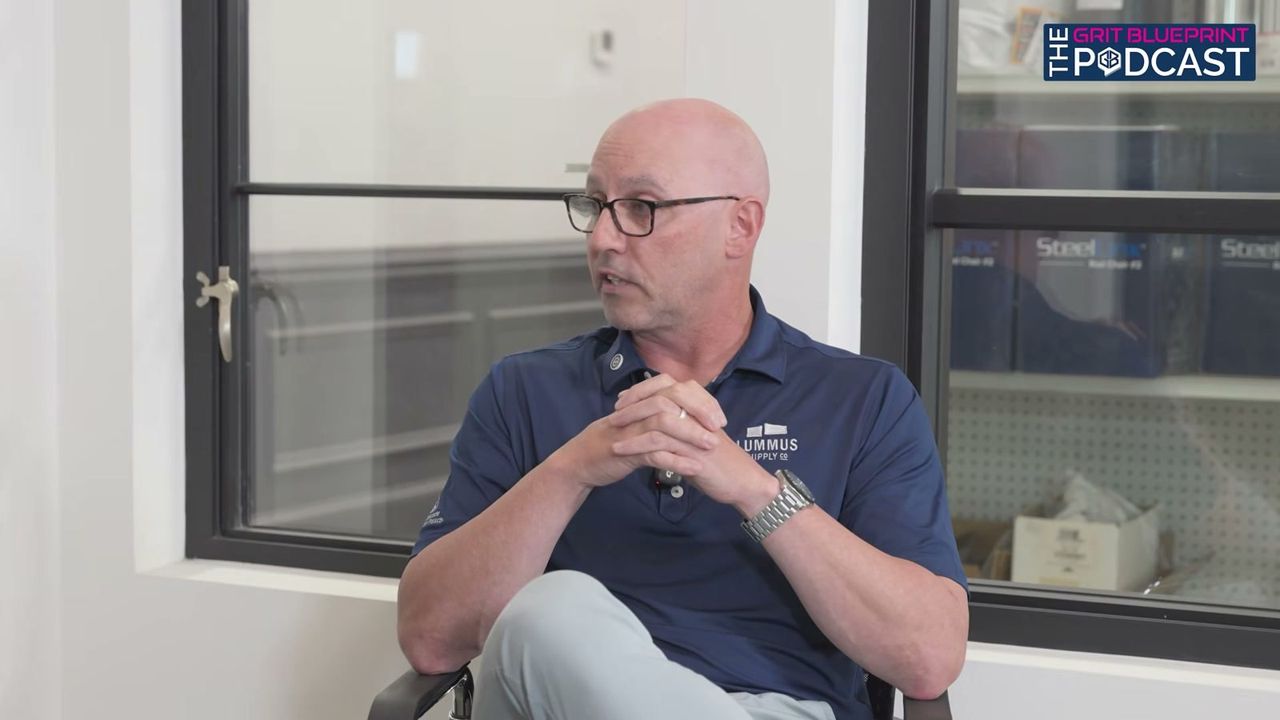
A family business handoff takes five years or more. The next leader needs that long before the title changes hands. That time goes to being mentored, building a network outside the family and taking over real decisions. Will Lummus, the fifth-generation owner of Lummus Supply, says a next gen program taught his family to plan family business succession over five to six years, not the six months his father expected.
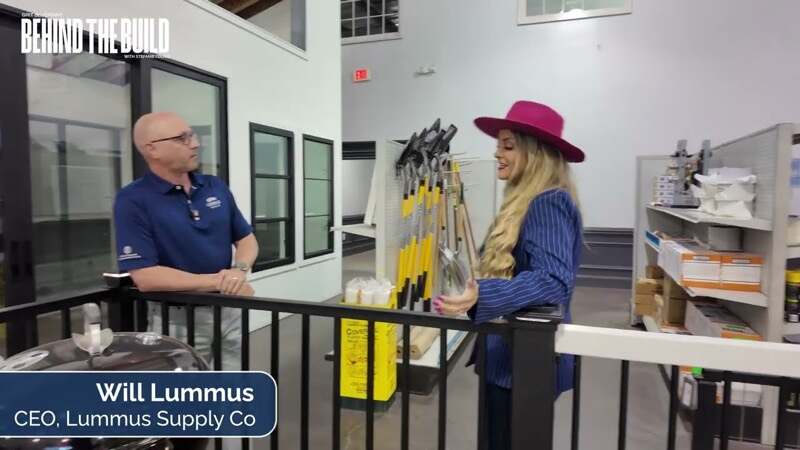
Lummus Supply is a building materials dealer in the Atlanta area. A dealer sells lumber, doors, windows and other materials to builders and homeowners. The company is more than 100 years old. It has five locations and 90 employees.
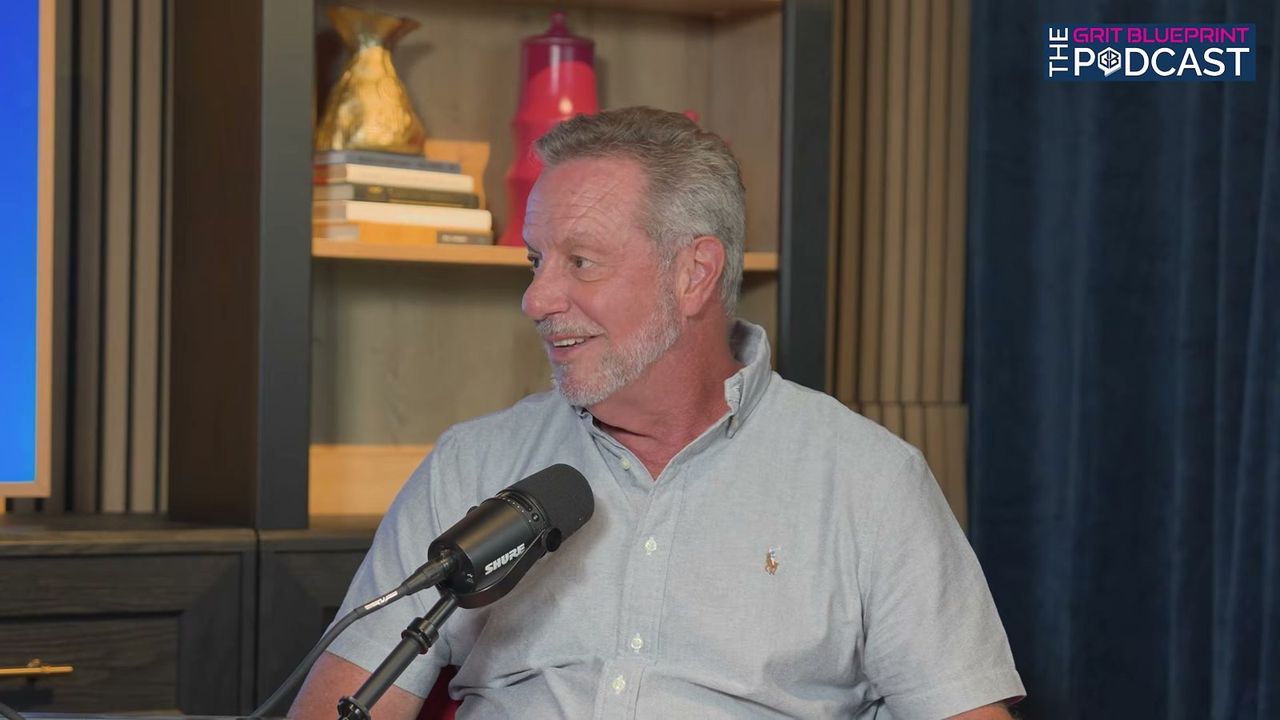
Ask how he took over from his father and he starts with what his father expected. Lummus says his dad “looked at us like, hey, six months before I retire, I’ll call you to come in, we’ll do the transition” (9:05).
A training program changed the plan. What it taught the family, he says, is that “it’s not a six-month, it’s more like a five-to-six-year plan.”
Succession planning means deciding who will own and run a business next, and getting them ready. We interviewed three people who have lived it from three sides. One is an owner who got the long runway. One is a daughter whose family sold before she was ready. The third is a founder who is finding out how much work it is.
How long does family business succession take?
Plan on five to six years, Lummus says. Lummus credits the next gen group run by the Construction Suppliers Association, known as CSA. He describes a three-year course that meets twice a year with future leaders from other independent companies. He went through it. So did his brother and his son, and his daughter is about to start.
He names two things he took from it. The first is a network of people his own age who are coming up in their own family companies. “So you get to share some stories with them, where it might be a little easier to ask them than it is to go ask your mom or dad,” he says (12:21).
The second is straight talk from leaders who have been through it. In his words, the message is “hey, this isn’t going to be easy, we’re going to prep you for it” (12:41).
When he finished the course, he sat down with his father. His father told him it was time to move to the corporate office. There he would be mentored and listen in on more of the business.
Lummus still uses the peer group. Just before the interview, he emailed a question to his roundtable. That is a small group of independent dealers who compare notes. He had answers within minutes.
Nobody had to join
Lummus says he was upfront with both of his children. College came first, and nobody had to join. “I only want you to come into the business if you’re as passionate as I am,” he says he told them (11:05).
His son and his daughter now work at the company in different lanes. His son is an operations manager at the millwork distribution facility. He likes to be out on the floor. Millwork is the doors, windows, trim and mouldings a dealer sells. His daughter prefers desk work. “They’re going to complement one another,” Lummus says (18:37).
He and his brother divide things the same way. Lummus calls himself the quiet one who likes his reports.
What happens when the next generation is not ready?
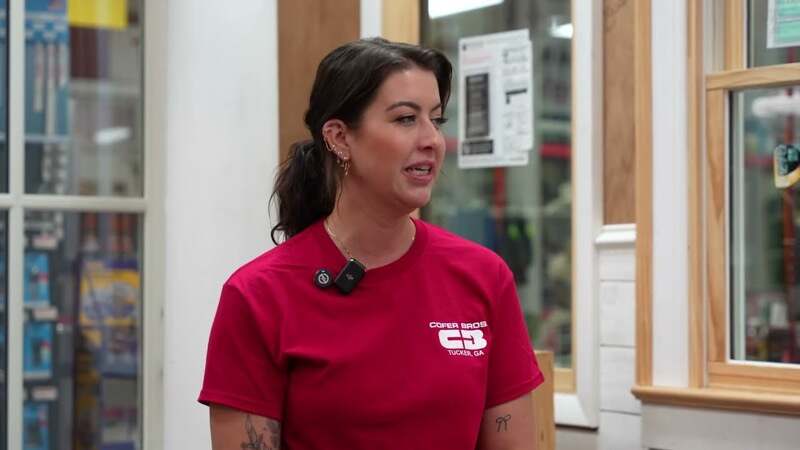
Sometimes the family sells. Kelley Scott grew up in her family’s hardwood moulding mill and trim store in Canada. Moulding is the shaped wood trim that goes around doors, windows and floors. In 2012 the family sold the business to Alexandria. Alexandria is now part of Specialty Building Products.
The reason, she says, is that “it just was a lack of succession” (8:25). She says she was relatively young and not in a position to take over. Neither was anyone else in her generation, she adds.
Scott calls the sale heartbreaking for her personally and positive for the employees and the family. She does not claim she should have been handed the keys. “But would I have done it well? I don’t know,” she says (11:50).
Her preparation came afterward. Today she is a branch manager for Alexandria in Washington state. Her site has distribution, trucks and drivers, sales, purchasing, finance and a small manufacturing operation. She says leading small teams and then larger ones is what developed her as a leader. The hardest part, she says, is the decisions that affect people.
“It doesn’t matter how good you are, it doesn’t matter what you’re doing. You have to make hard decisions,” she says (12:50). Her lesson is to build trust with the team before those days come.
A founder finds out how hard it is
Greg Rowland started GR Exteriors in 1997. It is an Atlanta contractor that installs siding, roofing and windows. He later added SAM LLC, which makes exterior parts such as gable vents, brackets and columns, and HarLand Windows & Doors with a business partner. His wife keeps the books and his son works with him.
He is working on what he calls “a legacy plan, or an exit plan” (14:38). It has surprised him. “That’s been a lot more difficult than I thought. I thought once I got the thing up and running, I could just pass it on and go on,” he says (14:46).
Planning to hand the companies over changed how he runs them. For years, he says, he took care of the customers he had and did not go looking for more. “But now that I’m trying to send it to the next generation, I felt like I needed to do more,” he says (16:34).
The way to do more, he says, is to get more sales (17:01). He tells a story against himself. While talking with his banker, he turned to his wife, who keeps the books. He asked her what they had spent on marketing the year before. Her answer was $345.
What the three have in common
This part is Grit Guide’s read of the three interviews.
- The handoff has a start date. Lummus got years of mentoring before he got the title. Scott’s family reached the sale before her generation had that time.
- The next generation needs somewhere outside the family to learn. A next gen program, a roundtable or a job leading teams at another company all count.
- The business may need work before it can be passed on. Rowland’s list started with sales.

Five years only works if they make real decisions
Five years is only long enough if the next leader spends it deciding things. A title and an office at headquarters teach less than owning one real decision and living with the result. So start small and real: a department budget, a vendor change, a hire. Write down who owns the outcome and what they can decide without asking. Also write down the standard you will judge it by. Then let them make the call.
The owner’s hardest job in those years is to stop being the answer to every question. When a customer or employee goes around the next leader to reach you, send them back.
Build the lanes around strengths, too. On the Lummus episode, Stefanie Couch, host of the Grit Blueprint Podcast, said it matters “especially in a family business, for each person to have their thing, their strengths” (18:56). A son who loves the floor and a daughter who loves the reports are two halves of one leadership team.
What to do next
- Write down the year the current owner wants to step back. Count back five to six years. If that date has already passed, the plan starts this month.
- Call your state or regional dealer association. Ask whether it runs a next gen program or a roundtable. Lummus went through CSA’s.
- Have the talk Lummus had with his children. Nobody has to join. Anyone who joins has to want it.
- Give each family member a lane that fits how they like to work. Write the lanes down.
- Owners, list what the business needs before it can run without you. Share the list with the person who will take it on.
To find a next gen program near you, start with What a Trade Association Does for Your Business. For another way to hand a business on, read How One Hardware Owner Sold Her Stores to Her Employees. For the employee’s side of growing into a bigger job, read From Receptionist to VP.
The interview with Kelley Scott was recorded for an episode sponsored by Do it Best Group.
Questions people ask
How long does family business succession take?
Plan on five to six years. Will Lummus of Lummus Supply says his father first expected a six-month transition, and a next gen program taught the family to plan on years of mentoring before the handoff.
What is a next gen program?
It is a course or group for future leaders of family companies, usually run by an industry association. Lummus went through a three-year program from the Construction Suppliers Association that meets twice a year, and still uses the peers he met there.
Should children be expected to join the family business?
Lummus told his children that college came first and nobody had to join. He only wanted them in the business if they were as passionate about it as he is. Both now work there, in different roles that suit them.
What happens if nobody in the next generation is ready?
The family may sell. Kelley Scott says her family’s moulding mill and trim store was sold in 2012 for lack of succession, when she was too young to take over. She later grew into a branch manager role at the company that bought it.
Where should an owner start a succession plan?
Write down the year you want to step back and count back five to six years. Then list what the business needs before it can run without you, and give the next leader real decisions to own along with the title.
Watch the full interviews
Will Lummus of Lummus Supply, Kelley Scott of Alexandria and Greg Rowland of GR Exteriors.
Will Lummus, fifth-generation CEO of Lummus Supply, explains how an independent dealer keeps builders by selling on service, why he built full-size window and door displays, and why handing off a family business takes years.
A Grit Guide original. This piece is built from our own interview.
Episodes in this piece
Sources
- AI, Consumer Trends, And Succession Planning: How A 100 Year Old Family Business Adapts To Change (Grit Blueprint Podcast interview with Will Lummus, fifth-generation CEO, Lummus Supply; quotes at 9:05, 11:05, 12:21, 12:41 and 18:37 on the transcript clock) Grit Guide
- Family Mill To Specialty Powerhouse: Lessons In Leadership - Kelley Scott (Grit Blueprint Podcast interview with Kelley Scott, branch manager, Alexandria (Specialty Building Products); quotes at 8:25, 11:50 and 12:50 on the transcript clock) Grit Guide
- Lasting Lessons From Three Decades in Construction (Grit Blueprint Podcast interview with Greg Rowland, owner, GR Exteriors and SAM LLC; co-owner, HarLand Windows & Doors; quotes at 14:38, 14:46 and 16:34 on the transcript clock) Grit Guide