Give AI Your Store’s Knowledge, One Job at a Time
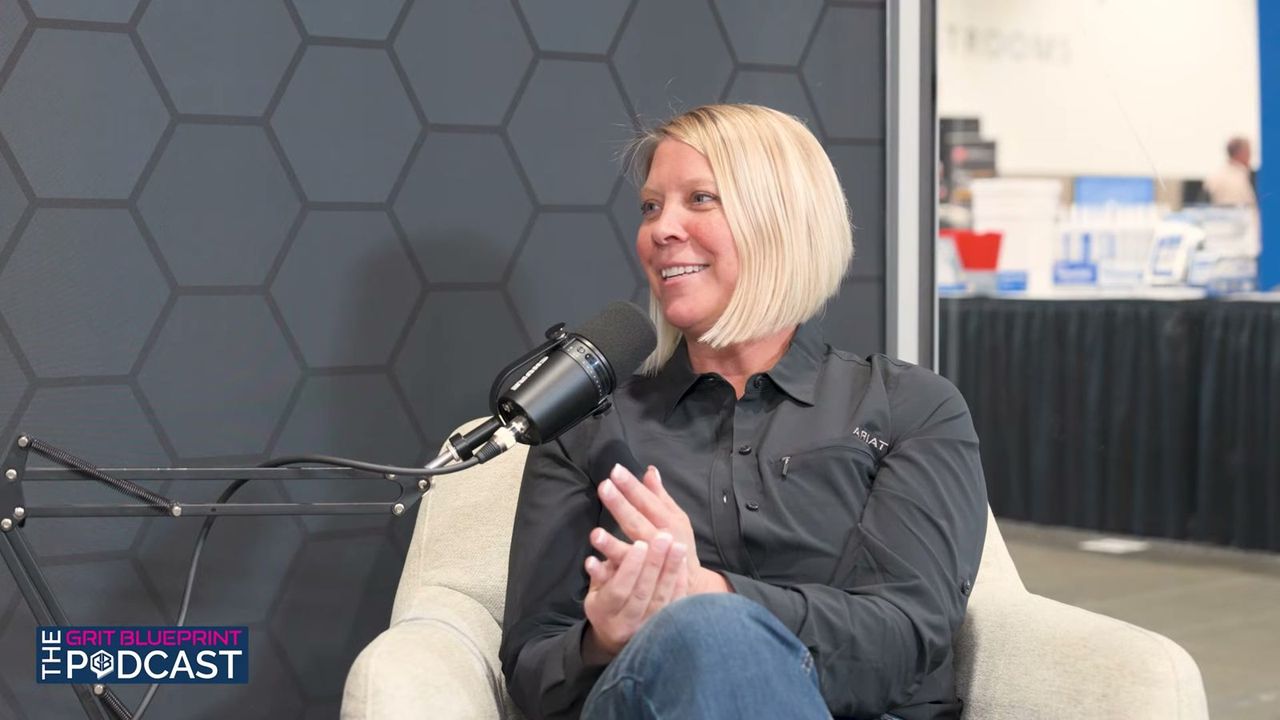
Meg Walbridge of Taylor’s Do it Centers and Mark Blickenstaff of Moore Lumber talk about setting up AI. They do it one job at a time. They also discuss the knowledge that walks out at retirement.

A custom GPT for your business is a version of ChatGPT you set up once. You give it your own instructions and documents, so it answers like your company. Meg Walbridge, fourth generation at a 21-store hardware company in Virginia, wants hers split up: one for each job. Moore Lumber and Hardware in Colorado keeps what it calls separate brains for the same reason.
Both are working toward the bigger job behind it. That job is getting what experienced people know into a place where AI, and the next hire, can use it.
What is a custom GPT?
In ChatGPT, a custom GPT is a saved assistant with its own instructions and files. You tell it who you are, who you sell to, how to write and what to stick to. You add documents, and it keeps that setup every time you open it. Other AI tools have their own versions, often called projects, which is the word Moore uses.
Meg Walbridge works in her family’s business, Taylor’s Do it Centers in coastal Virginia and Pleasants Hardware in Richmond. That is 21 locations in all, with five family members in the fourth generation. She came back in 2017 to move the stores’ marketing toward social and digital media. More recently she took on HR as well. The family uses ChatGPT for marketing and for compliance, including making safety certifications for employees (8:37). In the office, she said, “it works from everything from inventory management to IT” (9:46).
She had been typing whatever she needed into one chat each day. After Stefanie Couch’s AI session at the Do it Best Market in Indianapolis, she wanted to set up separate GPTs. “But segmenting them I thought was really cool,” she said (7:47).
Why give each job its own custom GPT for your business?
Because instructions and documents for one job get in the way of another. Walbridge writes to employees and to customers, and the messages are different (8:37). Couch’s advice to her in that interview was the same. One GPT loaded with too many documents gets messy, so keep the HR one apart from the social media one.
Moore separates its AI work with different logins. “We try to keep the brains a little bit separate,” said Mark Blickenstaff, Moore’s Divisional Director of Revenue, Growth and Marketing (34:35). Marketing does not see the financials.
Moore’s marketing project holds the company’s vision, mission and values statements and its history. “So it knows everything about us,” he said (34:09). Each month the team tells it the campaign push. One example is deck planning season with Moore’s deck specialists and the decking and framing lines it wants to highlight. Then the team asks for a social media plan, a LinkedIn plan or a direct mailer. He holds it to Moore’s 85/15 rule: the draft gets most of the way, and a person finishes it.
What goes into a store’s custom GPT?
In her AI sessions for dealers, Couch walks through setting one up. From her session at the Do it Best Market in Orlando, here is what she tells stores to put in (16:02 to 21:19):
- Who you are, where you are and who you sell to. For example, a lumberyard and hardware store selling to builders in one area.
- What this GPT is for, such as social posts that tell customer stories, or work emails.
- The lines you carry and the ones it should never bring up. A store that sells one fiberglass door line can tell it to talk only about that line.
- How to write: friendly and professional, at about a third grade reading level, so a contractor can read it fast.
- Ten emails or posts you wrote that sound like you, as samples.
- A separate GPT for each store or product category when they differ.
Her rule underneath all of it: what you tell the tool decides what you get back. A vague one-line request gets a vague answer.
How do you keep what your veterans know?
Start with the people who carry it. Blickenstaff has a salesman with 51 years in the industry, who went into it straight out of high school. Moore brought him onto ChatGPT slowly. Now he uses it for the newer products he does not know by heart.
Hold on a second and it gives him every technical document he could possibly need, summarizes it and he can give the customer response so much faster.
 Mark BlickenstaffDivisional Director of Revenue, Growth and Marketing, Moore Lumber and Hardware (22:16)
The bigger risk is the knowledge that leaves. “Mentorship is not a strong suit within our industry. It never really has been,” Blickenstaff said (44:30). “We lose a ton of knowledge to retirement and phase out and burn out and everything else.”
Couch’s answer, in the same conversation, was to record those people at work: “So what if you took the knowledge of those people that have been working for you for 30 years and you recorded it?” (42:55). Record them talking to customers. Pull out the small things a new person would not know about decks, windows or hardware. Then put that into a knowledge base the GPT can draw on.

Write down what your veterans know before they retire
Knowledge that lives in one experienced person’s head takes years for the next person to learn. That is mostly because nobody has made it easy to teach. AI does not fix that on its own. Somebody has to capture the answers first. Record the conversation with permission, turn it into questions and answers, and have the veteran correct them. Then the checked answers go into the GPT for that job, and into your training for new hires.
Be choosy about what goes in. Keep sensitive conversations out, and keep HR knowledge apart from sales knowledge. Take customer names out of anything you keep for training. A smaller GPT with answers you trust beats a big one full of everything.
Walbridge’s reason is the right one: “it makes you spend less time behind the computer and more with your employees and your customers” (13:19).
What to do next
- List the jobs you already use AI for. Give each one its own custom GPT or project.
- Write each one’s instructions with the checklist above, and paste in ten samples of your own writing.
- Pick one veteran and one topic. With their permission, record them answering the ten questions new hires ask most about it.
- Turn the recording into questions and answers, and have the veteran correct it. Add it to that job’s GPT and to your new counter hire training.
- Keep HR, finance and customer-facing knowledge in separate places. Check your tool’s privacy settings before you upload anything. The same answers can feed a phone agent later; see how Zamzow’s built one.
The Meg Walbridge interview was recorded for an episode sponsored by Do it Best.
Questions people ask
What is a custom GPT?
It is a saved version of ChatGPT with its own instructions and files. You tell it who you are, who you sell to, how to write and what to stick to, and it keeps that setup every time you open it. Other AI tools have similar features, often called projects.
Should a store use one GPT or several?
Several, one per job. Meg Walbridge of Taylor’s Do it Centers and Pleasants Hardware wants hers split by job, and Moore Lumber keeps its marketing and financial work in separate places. Instructions and documents for one job tend to get in the way of another.
How do I capture what employees know before they retire?
Record them answering the questions new hires ask, with their permission. Turn the recording into written questions and answers, have the veteran correct them, and add the checked answers to the GPT for that job and to your training.
What should I keep out of a store's custom GPT?
Anything that does not belong to that job: HR files in a sales GPT, financials in a marketing one, sensitive conversations and customer names. Keep separate knowledge in separate places, and check your tool’s privacy settings before you upload anything.
Watch the full interviews
Building a Modern Brand With Community and AI with Meg Walbridge and Mark Blickenstaff of Moore Lumber on AI at an independent lumberyard.
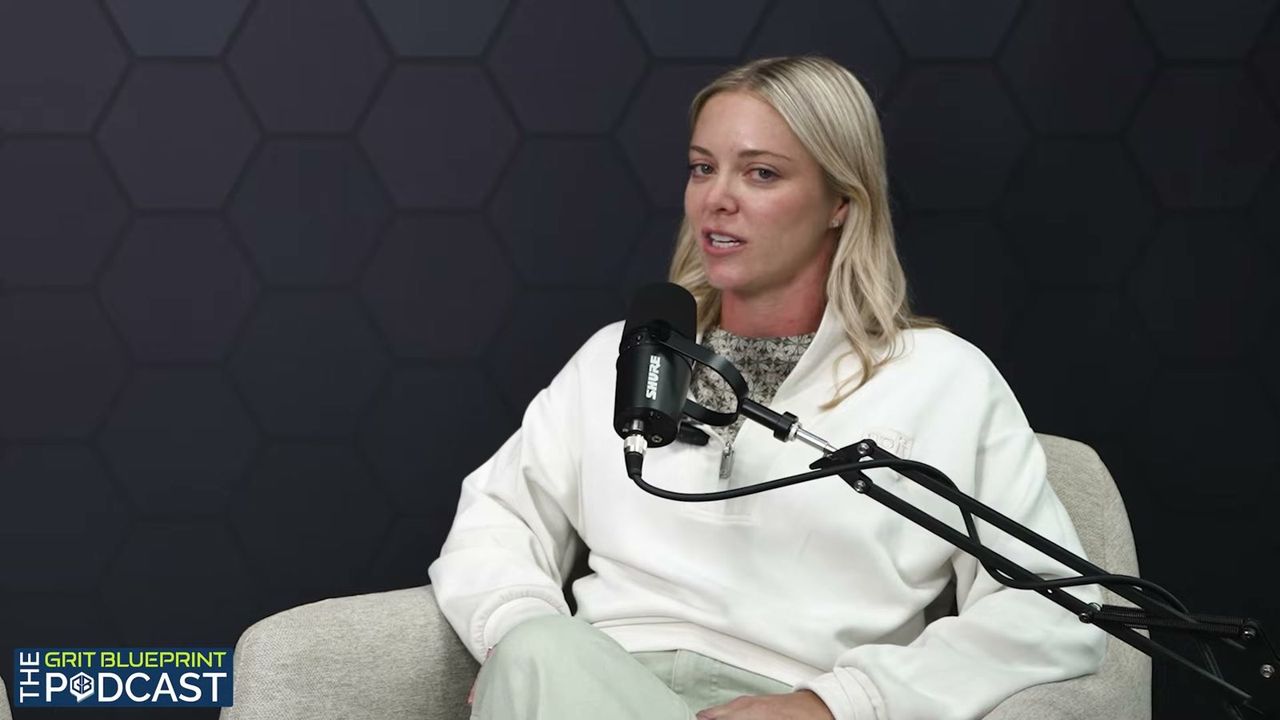
Meg Walbridge, a fourth-generation retailer with Taylor's Do it Center in Virginia, shares how her family's 21 stores use community events, digital media and ChatGPT to spend less time behind the computer and more with employees and customers.
A Grit Guide original. This piece is built from our own interview.
Episodes in this piece
Sources
- Building a Modern Brand With Community and AI: Meg Walbridge | Sponsored by Do it Best Grit Guide
- Building Legacy with Innovation: The Future of Independent Lumber Yards with Mark Blickenstaff (May 2025) Grit Guide
- The AI Blueprint For The Building Industry: 2025 Do It Best Market Orlando, FL Grit Guide