When the People Who Trained You Start Asking You Questions
For Brookelyn McClellan, leadership arrived when the people who taught her started bringing her questions. For Megan Menzer, it came when she began passing on the mentoring she got at hardware shows. What both did next.

For a young leader in a family business, the moment you become a leader may not come with a title. Brookelyn McClellan is a fourth-generation leader at Hardware Sales in Bellingham, Washington. For her, that moment came “when people I’ve learned from start asking me questions” (3:36). Megan Menzer is the fourth-generation owner of Newton’s True Value in Cherryvale, Kansas. For her, that moment came when she started passing on the mentoring she had been given. Both followed the same path: learn from the people ahead of you, bring something new, then start teaching.
What does stepping up look like for a young leader in a family business?
It feels like a new kind of responsibility. McClellan grew up in a store her family says started in 1962 by selling dynamite off picnic tables to loggers and miners. It was called Powder Sales. When it moved across the street and got deeper into hardware, it became Hardware Sales.
The first thing she learned there, from her dad and her grandpa, was “how to talk to people. How to greet customers” (2:54). The later shift came when the people who taught her began coming to her. “It’s very cool, but it’s also very scary at the same time. It’s a new sense of responsibility,” she says (3:36).
Winning the North American Hardware and Paint Association’s Young Retailer of the Year award for 2025 hit her the same way. “It was kind of a wake-up call. I felt very much like an adult,” she says (10:26).
How does a young leader bring in new ideas?
Bring the thing you know, and make room for other people’s ideas. McClellan took on the store’s social media, which most of the team did not know. “They kind of just put up with me and the weird things I ask of them, but they do great,” she says (4:07).
Her best-known project started with the managers. They always joked that Hardware Sales sells everything except beer. There are breweries on every corner around the store. One manager mentioned the joke to the owners of Stemma, a local brewery, and it became The Hazy Contractor, a co-branded hazy IPA. Other beers and wines followed, and a cider was on the way.
Her habit is to test small. AltaMax is the store’s private label line, products sold under the store’s own brand. It began with tarps, cones and delineators to see how they sold. Her rule for ideas: “If I have a weird idea that seems insane, I usually try to figure out how to make it happen” (12:41).
Where do young owners find mentors?
At the shows, among owners a generation ahead. Menzer’s great-grandparents started the business in 1924 as a contracting company. Her great-grandfather worked the jobs. Her great-grandmother ran the store and handled sales, so Menzer never thought of hardware as a man’s business.
After college she went to the True Value shows. Many of the owners there had daughters who had not gone into their businesses. “They just embraced me. I mean, they were so excited to see me and they mentored me,” she says (3:12). She still gets cards, emails and calls from them, and she names one mentor in particular, Linda Johnson.
She still goes for the same reason. At one show she had tea with a past member of the retail hardware association board she had served on. The two spent 45 minutes comparing notes on their businesses. Her favorite part of these events is the networking and “knowing that you’re not in it alone” (15:59).
It’s my turn now to give back.
 Megan MenzerFourth-generation owner, Newton’s True Value (4:49)
How do you mentor the people coming in after you?
Start with the basics nobody taught them. Menzer’s store runs its own mentorship program, and her employees help. Many young people who come in, she says, have never been taught basic life skills. So the store teaches them “how to have a conversation with a person” (5:24), face to face.
She is upfront that it is hard. “We know that this is different, we know this is difficult,” she tells them (6:15). Once she took a young employee to the post office to buy a stamp. The girl had no idea you could put a stamp on an envelope and send it anywhere in the country.
The payoff comes later, when people reach back years afterward to thank her. And it runs both ways. When Menzer tells her manager about something she wants the store to accomplish, “before I know it, she’s brought it to me,” she says (8:15).

Give them a budget and a decision of their own
McClellan describes the scary part: the day the people who trained you start bringing you their questions. Nobody feels ready for that. You step up anyway.
Owners can speed it up. Give the next generation a real decision, with a budget, a limit and a date to look at the results. It could be the social accounts, a co-branded product or a private label test. A decision they own teaches more than a title.
And respect what worked while you do it. McClellan kept the customer service her dad and grandpa taught her. She added social media, a private label and a beer. Menzer kept the mentoring she was given and turned it into a program at her store.
What to do next
- Owners: hand your next-gen leader one real decision this quarter, with a budget and a review date.
- Next gen: write down the questions people bring to you. That list shows you where your lane is.
- At your next buying group market or association event, book one coffee with an owner a generation ahead of you.
- Start a small mentoring habit for first-job hires: a practice conversation at the counter, a phone call to a customer, a letter mailed at the post office.
- For a structured start at the counter, use How to Get a New Counter Hire Ready in Two Weeks.
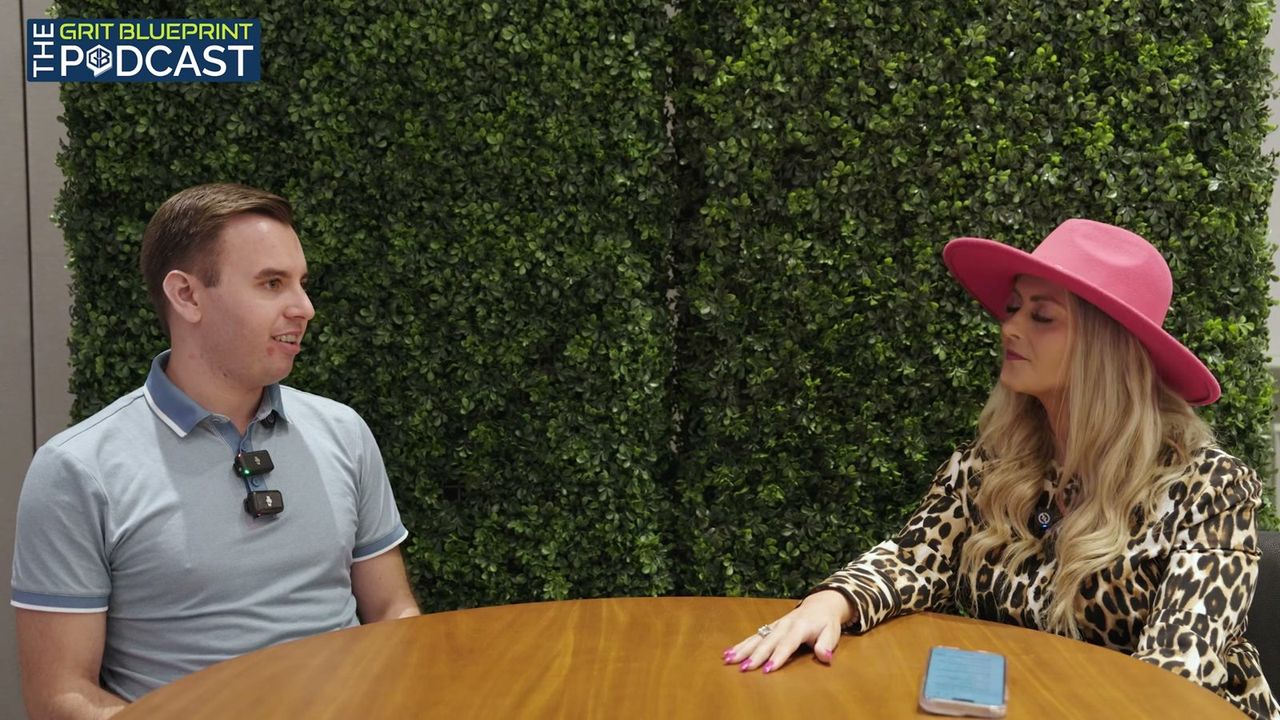
The interview with Megan Menzer was recorded for an episode sponsored by Do it Best.
Questions people ask
How do you become a leader in your family’s business?
For Brookelyn McClellan of Hardware Sales it happened gradually, as the people who trained her began asking her questions. She brought a skill the team lacked, social media, and made room for her managers’ ideas.
Where can young hardware store owners find mentors?
Megan Menzer of Newton’s True Value found hers at buying group shows, among owners a generation ahead. She still keeps in touch with them and still goes to events to network.
How do you train young employees who have never had a job?
Menzer starts with basics, such as how to have a face-to-face conversation. She tells new people up front that it will be different and difficult, and her employees help teach.
How should a young leader introduce new ideas?
Test small and listen to the team. McClellan started her store’s private label line with a few products, and a manager’s joke became the store’s best-selling co-branded beer.
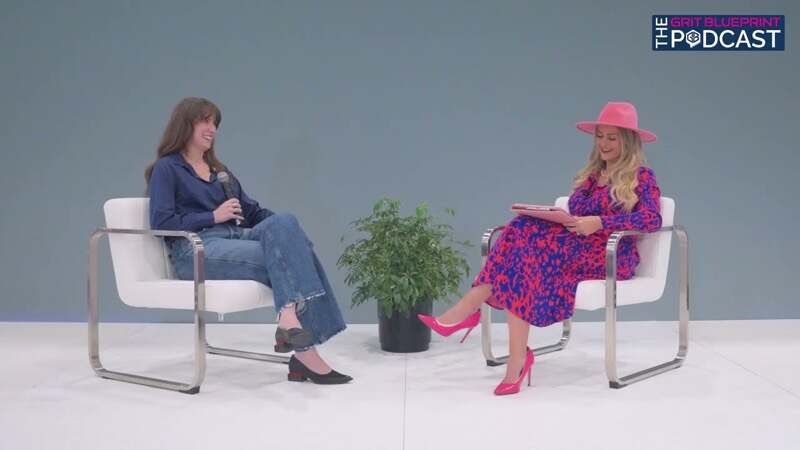
Watch the full interviews
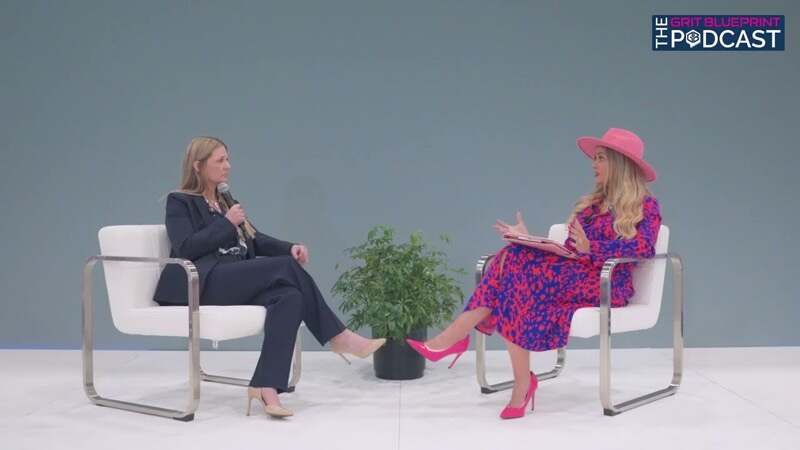
Brookelyn McClellan of Hardware Sales and Megan Menzer of Newton’s True Value. For the jobs to learn first in a family lumberyard, read Learn Every Job in the Yard Before You Lead It.
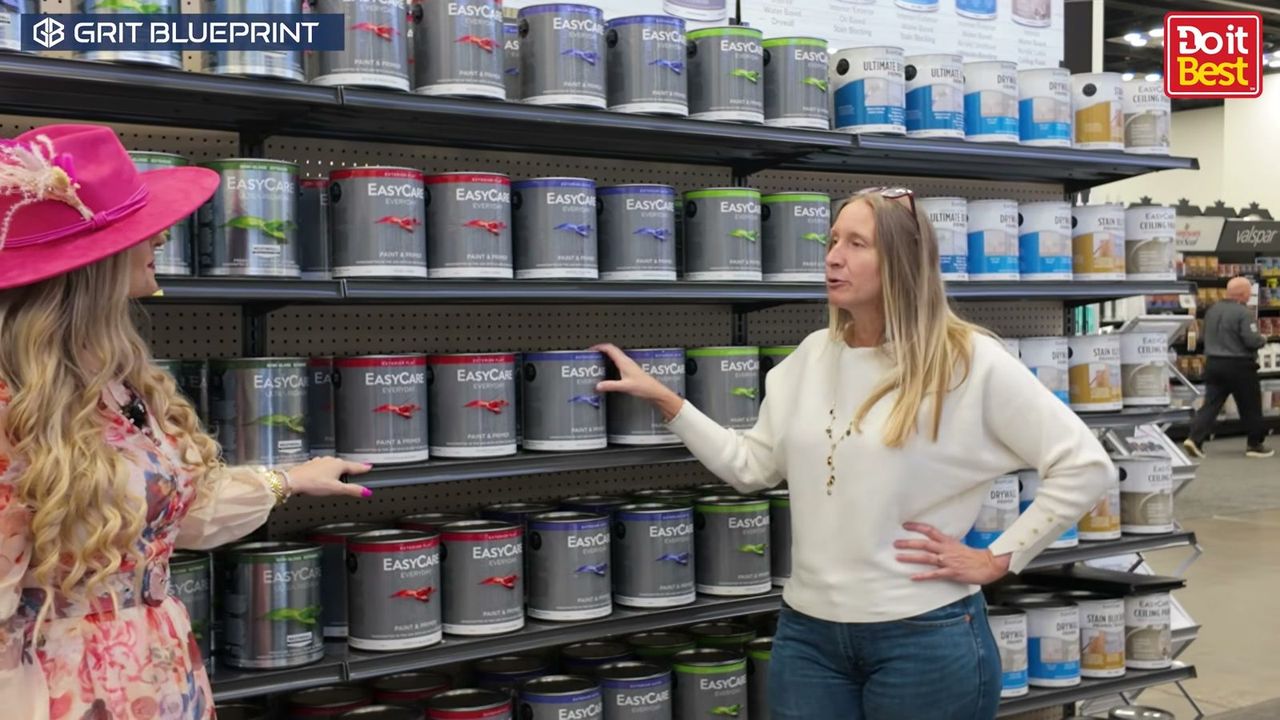
Brookelyn McClellan, a fourth-generation leader at Hardware Sales in Bellingham, Washington, explains how her family's store picks private label products, teams up with local breweries and runs a separate business selling on Amazon.
A Grit Guide original. This piece is built from our own interview.