Click any timestamp to jump to that moment in the video.
Finding Sales You Didn't Know You Were Missing
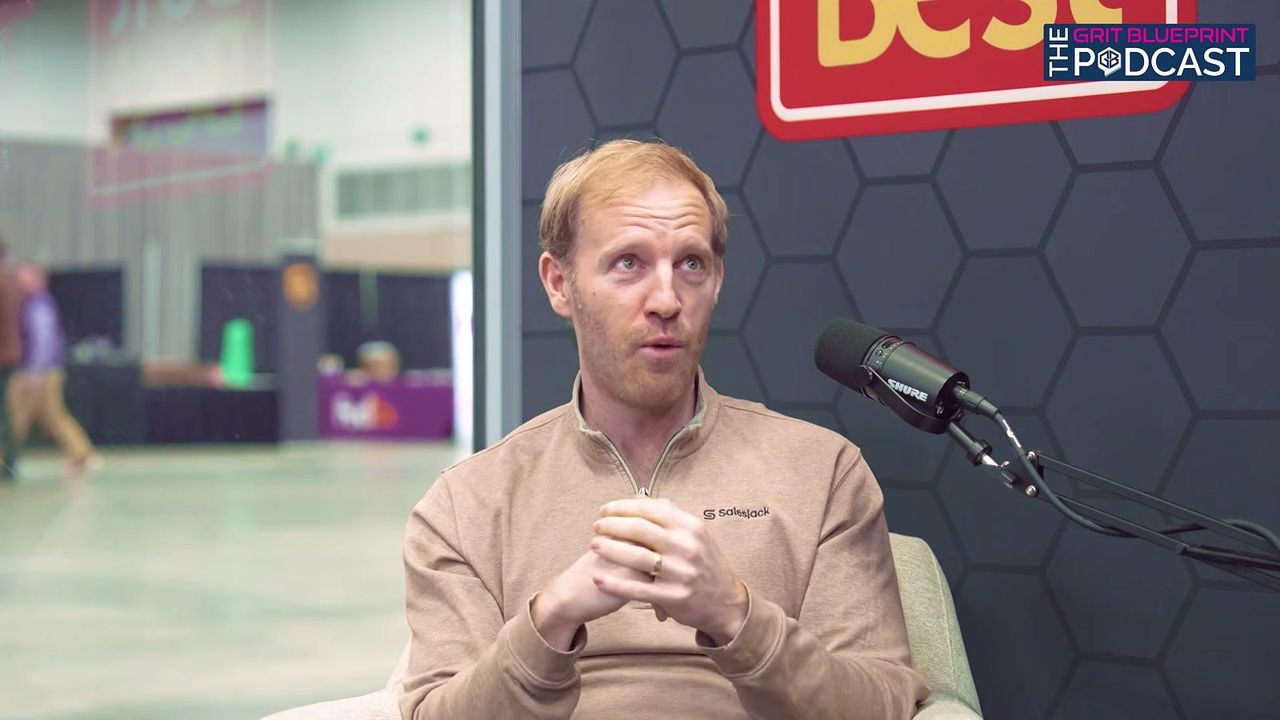
0:01 Ryan Dempsey: Within two days, he had reached out to one. Hey, there's actually, like, three projects we didn't even realize existed. Two weeks later, we showed back to him he'd won an extra 250,000 in sales just from that. So, again, just, like, one phone call. And I say it's really been trying to help dealers grow in a few simple ways. One is finding new builders in your market that you aren't selling to already. Second piece is for the people you're already selling to. A lot of times you might be selling some of their jobs, but there might be some jobs you're not getting access to. And then the third is more, I'd say, even the jobs that you are selling, are you getting all the categories you could be selling?
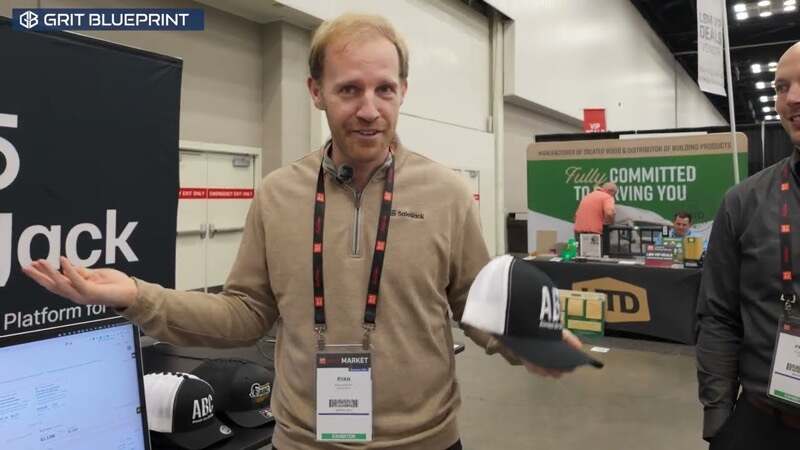
0:32 Stefanie Couch: Yeah. And it's really fun to think about the fact that most people always think about new leads walking in the door, like, hey, we got to get totally new business. But really the easiest way, I think, to grow your business is with existing customers in new categories, or like you said, you're just not getting the whole wallet share. Welcome to the Grit Blueprint Podcast. I'm your host, Stefanie Couch, and today I'm here at the Do it Best True Value Market, and I'm on the floor live with Ryan Dempsey from SalesJack.
1:00 Ryan Dempsey: Thanks for having me.
Three Ways Dealers Can Grow Sales With SalesJack
1:02 Stefanie Couch: We are super excited to be talking about all the crazy cool stuff y'all got coming out, and it's a good time because you just released some new stuff. But I want to talk a little bit about the technology in our industry today, and I hear a lot. So I grew up in a lumberyard. I have spent a lot of time in the sales and marketing realm. But also we do a lot with distributors and dealers. And I hear, you know, I already know. I already entered that information into my ERP. I don't want to have to double enter it. My salespeople definitely won't use this software. You know, all the things. We're paying for something, but we don't really use it. It's creating more work. So today we're going to really talk about some of those hard questions that we hear, and how you and I know that people can win big with simple tech that works but isn't more work. So you are the CEO of SalesJack. I want you to tell me just a little bit more about what is SalesJack, and who are you, and how did you get started in this industry?
1:56 Ryan Dempsey: Absolutely. As you said, our company is called SalesJack. We think ourselves a sales platform. We focus just on this industry, so working with building suppliers, whether that's hardware stores, lumberyards, window design centers. And I say it's really about trying to help dealers grow in a few simple ways. I say there's really three ways that we think about it. One is finding new builders in your market that you aren't selling to already.
2:18 Stefanie Couch: Yeah.
2:18 Ryan Dempsey: And we can talk through how we do that. Second piece is for the people you're already selling to. A lot of times you might be selling some of their jobs, but there may be some jobs you're not getting access to. So helping you identify what are those jobs and get your team after those. And then the third is more, I'd say, even the jobs that you are selling, are you getting all the categories you could be selling? So maybe you're getting the lumber, but you're not getting the doors, the windows, the flooring, whichever categories you're selling. So helping them with that. And a lot of times even there might be multiple people in the team working on that. So how do you get everybody working together and selling all the categories you could?
2:49 Stefanie Couch: Yeah. And it's really fun to think about the fact that most people always think about new leads walking in the door, like, hey, we gotta get totally new business. But really the easiest way, I think, to grow your business is with existing customers in new categories. Or like you said, you're just not getting the whole wallet share. So how is this tool, when people come in and they say, hey, how do we use this to actually help us sell more? How would you tell a lumberyard dealer customer that walks in the door looking for this tool that this is gonna help them in their business?
How Dealers Use Building Permit Data to Find Active Builders
3:19 Ryan Dempsey: Yeah, I mean, there's a few ways, but I'd say one way that we see work for a lot of people is really getting to use the permit data in a way that's more useful for their business in a simple way. So we're bringing all the building permit data for their local region. We're filtering through that. So we're saying, we'll talk to them, find out what construction types are interesting for you, what zip codes are you active in?
3:43 Stefanie Couch: Yeah.
3:44 Ryan Dempsey: And then also comparing that to your ERP. So, okay, we can see here's all the people building your market, but which ones are you already selling to?
3:50 Stefanie Couch: Yeah.
3:51 Ryan Dempsey: And then from there we can get down to that list of, hey, here's the largest builders your market that fit your sweet spot that you aren't selling to. And then helping you get those to your sales reps with as much information as possible, so they can go sell to them.
4:01 Stefanie Couch: I love that. And when people start to think about permit data, a lot of times, sometimes I hear that said, hey, that's a lagging indicator. Those permits are already spoken for, estimated, whatever, after we get them. So what do you say to people that might say that it's...
4:16 Ryan Dempsey: Yeah, we've definitely heard that one before. And it's a fair, fair feedback. I think you'll see it's a mixed bag. Some, it really depends on the city or county. Some places it's two weeks delays. You're probably getting in front of it in time. But there are definitely some towns where it is up to six to eight weeks delayed, and then you're probably not gonna get to that exact address. Yeah, but where we see permit data being the most valuable is actually identifying which builders are most active in your markets. You don't necessarily have to win that exact job, but if you know this contractor has worked five, has built five new homes in the last six months, well, that's a very active contractor in your market. They've probably got another one going, even if you don't see the permit yet. So it's helping you identify which builders to reach out to, build a relationship with, so the next time they have a job, you're winning that one.
How SalesJack Filters Permit Leads and Matches Them to Your ERP
4:56 Stefanie Couch: And you at SalesJack are doing some extra stuff to that data before it goes into the sales platform. What work are you doing to kind of scrub that? Because when you get permit data, anybody that's ever seen it, it is a lot of information, and it might be a lot of stuff that you or your business don't really care about. So then you're sifting through so many things.
5:16 Ryan Dempsey: Yeah. So, I mean, I think, like, what we see with a lot of dealers, a lot of are actually already getting the permit data. But yeah, as you said, it comes in a spreadsheet or a PDF you're emailing out to the team. They're, like, weeding through it. Some of those leads are interesting. They're for a new builder. Some are for, like, oh, we're installing a swimming pool, which for most dealers, they're not doing that.
5:32 Stefanie Couch: Right.
5:33 Ryan Dempsey: Beyond that, yeah, you have a mixed bag. Some of those are probably people you already sell to, and it could be confusing, right? One of the sales reps might not even realize that's someone they... that another sales rep's already working with, and they're reaching out, and that could create confusion and frustration. So we're really weeding through that first. Yeah, you tell us what construction types are interesting. We'll only show you those types of leads. We'll look through what regions are interesting, and then we're matching it with your ERP. So by company, if we see a permit come in for an existing company and you haven't sold to that job site yet, we're going to flag it to the sales rep that already works with that company and say, hey, this builder has a new project, you haven't sold to it yet. It's worth reaching out to them and seeing if there's an opportunity. And then if it's a builder that you haven't worked with so far, then it's usually going to route to a sales manager so they can route that to one of the sales reps and see if they can win more business.
How to Stop Double Entry Between Your ERP and Sales Software
6:21 Stefanie Couch: But I love that you're linking it to the ERP. So I want to talk a little bit about that. So I've done a lot of order entry in my day. You know, the quoting in one system and then having to reorder it in another system, that's terrible. But then also going in, having to say, okay, does this match? Did this person go into a list somewhere? And then now it's in the ERP, and trying to track that. You guys have solved that problem. So tell me a little bit about how you help people get out of that double entry nightmare.
6:50 Ryan Dempsey: Yeah, totally. And we know, like, if you have a platform where sales reps need to enter something they've already entered before, they're not going to use that system for very long. And so we knew that, like, when we started this company, that was something we needed to solve from, like, day one. So few things that we do. One, as mentioned, we'll integrate with the ERPs. We're constantly kind of bringing in those quotes, orders. So those in our system first. When a quote comes in, it's getting out to us automatically. As that quote moves to being accepted or invoiced, we're updating that automatically on our platform. We're also integrating with the other systems. So we see a lot of dealers, if you're selling other categories, that you're not building the quote in the ERP. So windows as an example, a lot of the dealers that we talk to are using an Andersen Windows or Marvin Windows, and they're building those orders in their own order management systems. Yes, we can pull in orders from those systems as well.
How to Find Missing Categories on Every Job
7:35 Stefanie Couch: Okay.
7:36 Ryan Dempsey: And one thing we think we find is quite valuable is we actually pull all those orders together by address, so by project. You're getting kind of the full view of everything that happened in that project. What are all the quotes? What categories have we quoted versus not? So it makes it really easy, by jobs, to be like, oh, I've sold the lumber, I've sold the doors in this one, but there's no windows. I can see this. This is a full home pack, but we haven't actually got the windows yet, so maybe we should go reach out and see if there's an opportunity.
8:01 Stefanie Couch: Yeah, that's such a great opportunity, like you said, to find little pieces that you're just missing. I think it's really, really hard for a person to remember all that when you have multiple jobs going in multiple territories. And especially for a sales leader, like a manager or a sales leader, to be able to look at all of that for their entire team, see who maybe is crushing it in one category, and share that knowledge of, like, hey, Ryan, you're selling so many windows and you're not selling very many doors. Let's partner you with this person who also is really selling a lot of both, and let you help them. It's a great way to share knowledge.
8:35 Ryan Dempsey: Absolutely. Or, yeah, there's training opportunities. Yeah. If you see one of the sales reps, and we see this in some of the dealers we work with, where, oh, one sales rep is not selling a lot of millwork, but you have an expert on that, or especially this industry, there's also great workshops. We're here at the Do it Best show. There's a ton of great workshops for this. So you can pull in your reps, help them learn those new skills, and start selling more categories as well.
Why Traditional CRMs Feel Like Babysitting Tools
8:54 Stefanie Couch: Absolutely. So one negative thing that I hear about traditional CRMs is that they are babysitting tools. So, you know, you're wanting a rep to spend a lot of time that they probably don't think they have to log things that they don't want to log. So how are you guys using technology in a way to make it easy for people to utilize this, to put their entries and their data into it about what's happening in the field?
9:17 Ryan Dempsey: Absolutely. So, I mean, like we were talking about with the double entry and kind of on the order side, we're trying to make it so anything that you're entering anywhere else, we're pulling it automatically. So whether that's integrating with the ERP, making sure all that information's already in there, existing quotes are already in, all the lead data we're pulling through. So we're really trying to limit what a sales rep really has to do in the system for the most part. One, without them having to do anything, they should be able to come to the system and just get useful information.
9:43 Stefanie Couch: Yeah.
9:44 Ryan Dempsey: So that's one thing we really work on, is that when they come in the system, day one, we have an AI chat now where it's like all your data is already in here. You have a quick question on a customer you want to ask. Hey, one of my customers are down the most the last three months. I'm trying to sell more windows. Which of my customers are not buying that yet? You can just ask that to our chat. It's already got all your data. You can get quick answers on things. So we find that really helps. If you can have immediate information, immediate value to sales reps without them having to do any work, that really helps them immediately see value. And then from there, the next step is really, hey, now we have a bunch of leads in here. Can I now go after those? Reach out to those? And again, they're already in the system. There's not much they have to do to update the system. It's more about taking those leads and going to generate revenue from it.
10:25 Stefanie Couch: And I want to just key in on the fact that it's not you going in and looking through a lot of data and figuring out what you want to ask. It is just talking to it like you would talk to a human. Like, I would say, hey, Ryan, can you get me this figure or this number, or what do you think about this idea? That's how people can talk to this tool.
10:44 Ryan Dempsey: Yeah, absolutely. And it's both on our web platform, but we also have a mobile app, because we know, like, a lot of reps, they're out in the field visiting customers, on the road. So, yeah, you can just pull up the app. It's right there. Yeah. As you said, just, like, just type out the quick question, or even use the voice if you're driving, and you can get quick answers on things.
11:01 Stefanie Couch: Yeah. One thing that I really like about that is you've thought about how the salesperson or the manager actually is working and using this in real life. I do think a lot of times platforms make the mistake of trying to get people to do it the way they want to, or that's easiest for them to do it, and not the way they're already working, and it's just never going to happen.
11:16 Ryan Dempsey: Absolutely.
11:17 Stefanie Couch: You can teach an old dog new tricks, but not that many new tricks, probably.
What SalesJack Radar Does With Your Sales Data
11:20 Ryan Dempsey: Absolutely.
11:21 Stefanie Couch: You have a lot of data in the industry, and I know that everyone has a lot of data. Data has never really been the problem, of having it or not having it.
11:29 Ryan Dempsey: Yeah.
11:30 Stefanie Couch: For a long time there was two words that kind of reigned supreme in the data world of how do you actually get these reports, and that was pivot tables. I know when I was back at my two-step distribution job, I had a manager that used to spend hundreds of hours a year just making spreadsheets and figuring out. And he was brilliant, and he could do all of that stuff, but a lot of people didn't know how to do that. You've taken that work out with something called Radar AI, which is your new AI tool. And tell me a little bit about Radar. What does it do?
12:00 Ryan Dempsey: Yeah, a couple pieces on that. So one, yeah, it's pulling all the data we have in that system. So yeah, across the ERP, the order data, we're pulling the permit data, and make it super easy to ask quick questions, whether, yeah, whether that question is, show me the biggest leads out there in my local city. Which customers are buying windows but not doors? Hey, I have a meeting coming up with this customer. What should I know? Even just a general question like that, it's going to give you quick answers on that. So that's one thing. We have a chat. We also have more of, like, we call an agent. And agent can sound like a scary word, but really all it's doing is you kind of... We will work with a customer and ask them, hey, what are the things that are important for you? So if you say, you know what, actually we're trying to sell a lot more, let's use windows as an example, help us just identify where, like, where there are any window opportunities. We'll kind of start building out rules that say, okay, what are the situations where there might be more of an opportunity, where you can see this customer has bought at least $10,000 worth of lumber. They've bought doors. All the indicators show that this customer should buy windows, but we just haven't got yet.
13:04 Stefanie Couch: Sure.
13:05 Ryan Dempsey: And then now it's like when your sales rep just signs on, without needing to go anywhere, just right at the top, it's like, hey, here's your top three window opportunities.
13:11 Stefanie Couch: I love that.
13:11 Ryan Dempsey: And making it as easy as possible.
13:13 Stefanie Couch: Yeah. Simple and fast, and just give it to them up front without them having to dig. I think that's the biggest thing, that even with me and my day-to-day work, you know, now some of the AI platforms have the plugins where, like, my email pops up and says, hey, do reply to this thing. And it's just right there. So it's like, oh, yeah, I do need to do that. Just click right there.
13:33 Ryan Dempsey: Yeah.
13:33 Stefanie Couch: If you can do that with your AI, with your sales tool, it is huge. How have you seen some success in the industry? So you're working with a lot of dealers, a lot of people already throughout. So talk to me a little bit about some of those stories of what you've seen people really win and make more sales with this tool.
How an Indiana Dealer Won an Extra $250,000 in Sales
13:47 Ryan Dempsey: Absolutely, yeah. So I think the one we talked about a little bit there on permits and identifying, for your existing customers, what jobs you've won versus not. That's always an interesting, surprising one, because when we talk to a lot of sales reps, a lot of times they think they know, for every customer, whether they've won all the jobs versus not. Sometimes there's some surprise we've seen there, where there probably is, like, your top 10, 20 customers where you have a really good view. But a lot of times we found with some customers you'll identify that they actually do have a job. So you do. So I can think about one dealer that we work with in Indiana. One of the sales reps we worked with there, worked with him to, like, kind of build out his list, and he could see for each customer, hey, here's all the jobs that you sold to them, but then here's the jobs that you haven't, that are active projects. And so he started calling through those, and within two days he had reached out to one, found out, hey, there's actually, like, three projects we didn't even realize existed.
14:37 Stefanie Couch: Wow.
14:38 Ryan Dempsey: There was a supplier that they were working with in a different market, but he got the opportunity to quote. Two weeks later we showed back to him he'd won an extra 250,000 in sales just from that. That's, again, just, like, one phone call in a couple of weeks, and a huge, huge area growth for him and his...
14:53 Stefanie Couch: Yeah, maybe your new tagline should be, you think you know, but do you really? Yeah, because I think all of us, we, we have a lot of information, and we always think we know our customers and what's happening and all of those things.
How Long It Takes to Set Up SalesJack
15:05 Ryan Dempsey: Yeah.
15:06 Stefanie Couch: But a lot of times you can't know that unless you see the data. So I love that you're giving them that. One of the things with implementations with software is the timing and the expense and the people cost of having your team and things shut down. And setting these things up can be pretty tough.
15:22 Ryan Dempsey: Yeah.
15:23 Stefanie Couch: Is it tough with SalesJack?
15:25 Ryan Dempsey: We try to make it as easy as possible. I'd say it's a pretty short, seamless process. So I'd say setup with us is about four weeks, and that first four weeks is really us just integrating with all your different data systems and getting feedback from that dealer on what's important to you, how do you want to view your data, how do you want your sales reps to view your data? And we can have a different view depending on the level of person and what data they should be seeing. So the first bit is really us just getting feedback and setting up the system. Not much a dealer has to do during that, other than just give us feedback on what they want to see. After four weeks, we come in person, we do an in-person training with that dealer. We show the team the system and walk them through that, get everybody kind of logged in, and then they're kind of going. And then from there we will kind of have ongoing meetings up front, really. But, like, I'd say the system's quite self-explanatory, but it is a new muscle to kind of learn a system. So we make sure we have regular check-ins, and we're also there kind of through the entire process. But yeah, we try to make it seamless. We're really... there's not much they have to do from integration process. It's really just about explaining to your team and really starting to build that muscle to go out there and go try to win those new leads, or try to win more business with your existing customers.
How to Get Started With SalesJack
16:30 Stefanie Couch: Yeah. And from that last story you just gave, if in four weeks you could get an extra 250 grand in your sales bucket and you're doing most of the heavy lifting, it's probably worth it for most businesses. So four weeks is not that long, especially when it comes to software. So if someone is interested in talking to SalesJack, getting started, they're ready to go make more sales in their market and use this tool, what do they do next?
16:52 Ryan Dempsey: Pretty easy. Our website, salesjack.com. Sounds like it sounds, like sales and then the name Jack. From there, if you want, you can book a demo with us. We're happy to set up a call, walk you through the system, and we make it pretty simple from there.
17:04 Stefanie Couch: Awesome. Well, thank you so much for joining me on the Grit Blueprint Podcast. And if you are looking for a great sales tool in the LBM industry to help make your business better, you gotta go check out Ryan and SalesJack. So salesjack.com, and we will see you on our next episode of the Grit Blueprint. Thanks, Ryan.
17:21 Ryan Dempsey: Thanks, Stefanie.
17:22 Stefanie Couch: Thank you for listening to the Grit Blueprint Podcast. If this episode helped you think a little differently about how to show up, share it with someone in your building world who needs it. If you're ready to turn visibility into growth, then head to gritblueprint.com to learn more and book a call to talk to us about your growth strategy. Until next time, stay unmistakable.