How to Qualify a Builder Before You Write the Quote
Before you price a builder’s job, find out what he is trying to solve. Find out whether he can pay for the answer and how he will decide. Sales trainer Jim Wilcox calls it professional sort, amateur sell.

To qualify a customer, find out three things before you price the job. What problem is the builder trying to solve? Is he willing and able to pay for your answer? How will he make the decision? Jim Wilcox is CEO of Wilcox & Associates, a Sandler sales training organization. He sums up the habit in four words: “professional sort amateur sell.” A friendly conversation is not one of the three.
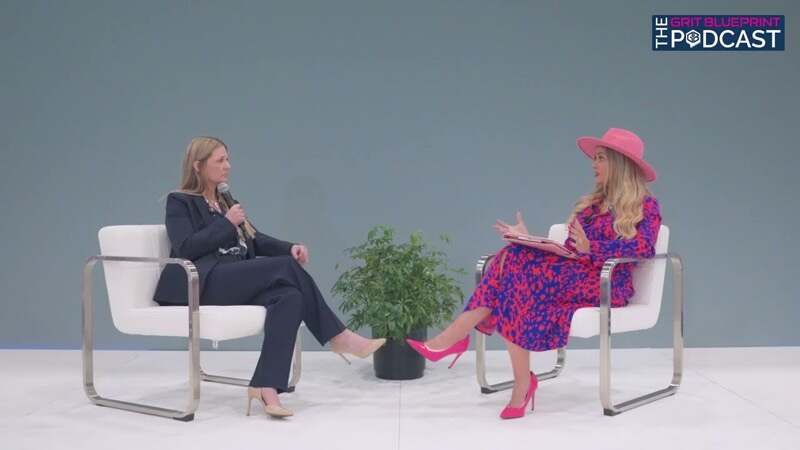
To qualify a customer means checking whether they are a good fit. You do it before you spend hours and a sharp price on them. Wilcox trains salespeople and sales managers for a living. The interview took place at the Do it Best Spring Market in Orlando. It put a plain case to Wilcox from a lumber dealer: a builder comes in. How does the dealer know he is a good, qualified customer?
Professional sort, amateur sell
Wilcox answered with a phrase he says he uses all the time (7:05). The amateur starts selling the minute a builder walks in. The professional starts sorting.
And so, as a professional, I’m trying to sort through. In the moment I have to know the game I’m playing at a couple of different levels.
 Jim WilcoxCEO, Wilcox & AssociatesFrom our interview, 7:05
Some sales really are simple: you supply lumber, he needs lumber. But if you want that builder to come back time and time again, Wilcox says, you need to understand what he is trying to do (7:30).
Which game is this builder playing?
Wilcox describes two builders who can look the same at the counter (7:30). The first is “trying to crank out as many homes as he can and he’s looking for the best way to maximize his margins.” Margin is the share of the selling price he keeps after his costs. Wilcox’s job with that builder: “Let me figure out how I can help him solve for that.”
The second is “trying to grow a scalable business, something bigger than who he is as one individual.” If the dealer can help with that, Wilcox says, “then we have a much different relationship.”
Both may buy the same lumber from you. What each one needs from his dealer is different, and you only find out which builder you have by asking.
Why isn’t a good conversation enough to qualify a lead?
Because liking each other says nothing about fit. Wilcox asks sales reps how they know an opportunity is qualified. Most, he says, describe a great talk: “it was a great conversation and that’s how they feel like it’s qualified” (5:27). A lead is a person or company that may be a good fit. The conversation is where you find out whether they are.
He also takes some pressure off rapport. Building rapport is the first step in the Sandler process, he says, but “You don’t even have to like me necessarily to buy from me” (4:59). You need enough common ground for an honest business conversation, and then the questions.
What three questions qualify a customer?
The problem, the money and the decision. Wilcox lays them out at 13:38:
- The problem. “It’s what are the problems, issues or challenges you’re trying to solve”. Where is the builder today, and where does he want to be tomorrow? Wilcox calls that gap pain.
- The investment. “Are you willing and able to make the investment in my product or service?” Willing and able are two questions. A builder can want the better window and lack the budget, or have the budget and see no reason to spend it.
- The decision. “And then how are you going to make the decision?” Who else has a say: the homeowner, a partner, a designer? What will they compare, and by when?
At a lumber counter those can be plain questions. What are you trying to fix on your jobs right now? What did your last supplier get wrong? Who signs off on the window package? When do you need numbers, and what will you compare them against?
Ask them before you build the quote, the written price for a specific list of products, and not after you lose it. For questions about the job itself, Grit Guide’s lesson How to Stop Quoting Blind has seven.
What if the only thing he values is price?
Then he may not be your customer. In the interview, Stefanie Couch brings up someone she knows who lost a siding job for 50 cents. If price truly is all a customer values, she says, “maybe it isn’t the right qualified customer for you” (11:29). Wilcox agrees.
Finding that out on the first visit costs less than finding it out after three rounds of pricing. For the conversation where price keeps coming back, see What to Say When Two Products Look the Same and Yours Costs More.
Sort the accounts you already have with CARE
Qualifying is for current accounts too. Wilcox teaches every client a way to sort them (23:50):
we train every single client on a client segmentation strategy called CARE, which stands for clients that I want to keep, attain, recapture and expand.
Jim WilcoxCEO, Wilcox & AssociatesFrom our interview, 23:50There are three steps. First, identify the accounts in each group and describe what they look like. When you get specific about the clients you want to keep and attain, Wilcox says, you end up with an ideal client profile. That is a description of the customer you want more of.
Second, decide how each group is treated, because a keep account and a recapture account need different attention (25:02). Third, write a plan for the next 90 days, and then the 90 after that.
The sort also turns up something uncomfortable. Some accounts you keep are not ideal clients, Wilcox says (24:33), and CARE gives you a reason to look at them again.
For the attain column, building permits are one way to find builders you do not sell yet: see How to Use Building Permits to Find Builders You Don’t Sell To. For the keep column, read How to Keep an Account Sold After the Order.
Go where nobody knows you
CARE also keeps a rep honest about where the hours go. Wilcox had about 15 years in sales before he started training salespeople (28:00), and he admits the pull (26:00):
The easiest place for me to go is to play clients that already like me, or if I know that I’ve got a relationship and somebody will welcome me in. That’s easy, but that’s not always or necessarily what sales is about. I’ve got to go out and disrupt relationships.
Jim WilcoxCEO, Wilcox & AssociatesFrom our interview, 26:00His example is walking onto a lumberyard where nobody knows him, or where it has been a while, and being bold enough to start a conversation. Sorting tells you which of those visits is worth the nerve.

Say what you do well before you quote
Sorting needs a clear picture of what a good fit looks like for your business. Plenty of dealers treat every builder who walks in as equally valuable. They treat every objection as something to beat. Start by asking what the builder is trying to get done. Ask what went wrong on his last few jobs and what would make the decision easier for him.
Then be plain about fit. Tell him what you do well and what you do not. Work with people who want to work with you as much as you want to work with them. A builder who only wants this week’s lowest number can leave for a lower one just as fast. Every hour spent chasing him comes out of your keep and expand columns.
What to do next
- Write the three qualifying questions on a card by the phone and at the counter. They are the problem, willing and able, and how they decide.
- Take the next three builders you are about to quote. Ask all three questions before you price anything.
- List your top 30 accounts and put each in a CARE column: keep, attain, recapture or expand. Note what the keep accounts have in common.
- Write one 90-day action for each column and log it in your CRM, the software where you track customers, calls and quotes.
- Book one visit a week to a builder or yard where nobody knows you yet.
Before the first sit-down with a builder you have sorted, read How to Prepare for a First Builder Meeting.
Questions people ask
What does it mean to qualify a customer?
It means checking whether a person or company is a good fit before you spend time and a sharp price on them. Sales trainer Jim Wilcox asks about three things: the problem they are trying to solve, whether they are willing and able to invest, and how they will decide.
What does professional sort, amateur sell mean?
It is Jim Wilcox’s phrase for sorting before selling. A professional first learns what the builder is trying to do, such as building as many homes as possible at the best margin or growing a business bigger than himself, then decides how to help.
Is a good first conversation a sign of a qualified lead?
Not on its own. Wilcox says most reps judge an opportunity by how the conversation felt. Fit comes from the answers about the problem, the budget and the way the decision gets made.
What is the CARE method for sorting accounts?
CARE stands for the clients you want to keep, attain, recapture and expand. Wilcox’s three steps are to identify the accounts in each group, decide how each group is treated, and write a plan for the next 90 days and the 90 after.
Should a dealer walk away from a customer who only cares about price?
If price is truly all the customer values and your business is not set up to win that way, the customer may not be a qualified fit. It costs less to learn that before several rounds of pricing.

Watch the full interview
Mastering Sales Beyond Price with Jim Wilcox. Times in parentheses mark where each quote sits in the audio episode.
Jim Wilcox, CEO of Wilcox & Associates and a Sandler trainer, explains why price only matters in the absence of value, how to qualify a builder before you sell, and how to sort clients with a framework called CARE.
A Grit Guide original. This piece is built from our own interview.
Sources
Disclosure Jim Wilcox and Grit Guide host Stefanie Couch both work with Do it Best as consultants, as they say at the start of the interview.