CRM for Contractors and Dealers: Pick One Your Team Will Use
Learn what a CRM does that your ERP does not. See why salespeople call it a babysitter and how to get a team to use one.
CRM is short for customer relationship management. A CRM is software that keeps every customer, lead, call, quote, and next step in one place. For a contractor or a dealer, the best CRM is the one your team will fill in. Keep it simple and pull in what your other systems already know. And make it give the salesperson something back.
What does a CRM do that your ERP does not?
Your ERP is the business system where you run quotes, orders, and invoices. It knows what a customer bought. A CRM knows the rest: who you called, what they asked for, which builder is close to a yes, and when to follow up. A lead is a person or company that might buy from you but has not yet.
Why does an owner need a CRM?
So the customer stays when a salesperson goes. Jim Wilcox is CEO of Wilcox & Associates and a sales trainer. He says he used to type his notes in late, at the last minute. As an owner, he sees the risk:
Or worse, you leave, I don’t have data and now you’re taking all your clients with you. I’m super at risk.
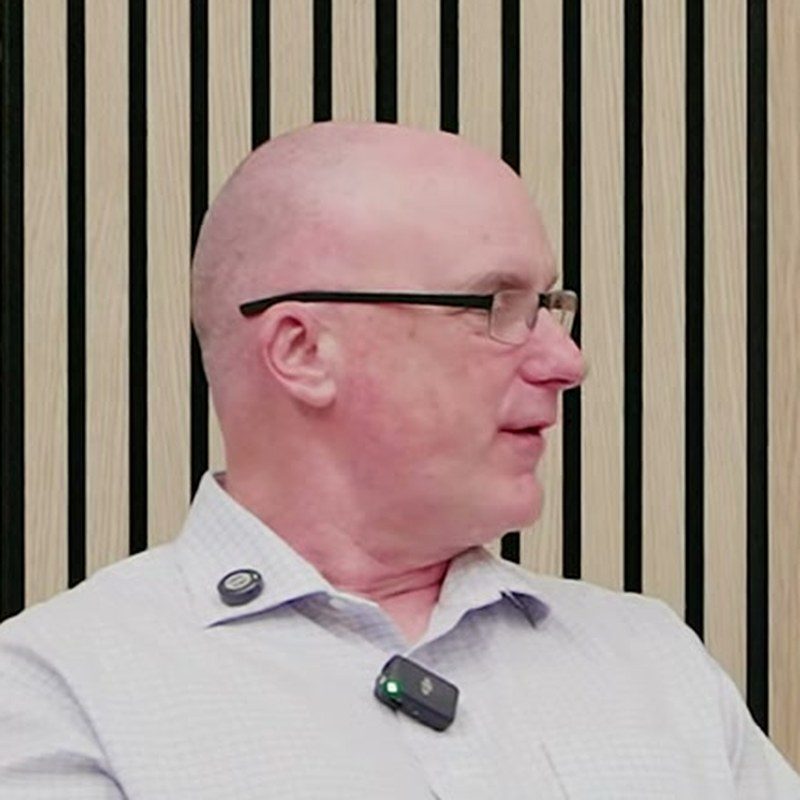 Jim WilcoxCEO, Wilcox & AssociatesFrom our interview, 21:06
He also uses it to plan. His team looks at the stages of the pipeline in the CRM (21:06). A pipeline is the list of deals in progress, from first call to signed order. Each stage needs clear rules for getting in and getting out, he says, so the owner can trust the numbers.
Why do salespeople call the CRM a babysitter?
Because it feels like extra work that helps the boss. Wilcox has heard the word his reps use:
They look at it as oh, my CRM is my babysitter or it’s another task I have to do, but there’s a lot of importance in collecting that data.
Jim WilcoxCEO, Wilcox & AssociatesFrom our interview, 21:38Stefanie Couch, Grit Guide’s host, described the scene from sales teams she has led. A rep finishes with a customer. Then the rep sits in the car in the customer’s yard for 15 minutes typing notes (22:47).
How do you get a team to use it?
Make it simple, and make it solve a problem the team already has. Adam Gunnett is VP of business intelligence and strategy at Busy Beaver Building Centers. Before any new tool, he asks what problem it solves, then gets the team on board:
So it’s very important that you’re solving the actual problem to get that adoption.
 Adam GunnettVP of Business Intelligence and Strategy, Busy Beaver Building CentersFrom our interview, 3:59
Adoption means people actually using the tool. Couch put the warning plainly in that interview: “Implementation is harder, but adoption is almost impossible when it’s super complicated” (3:29).
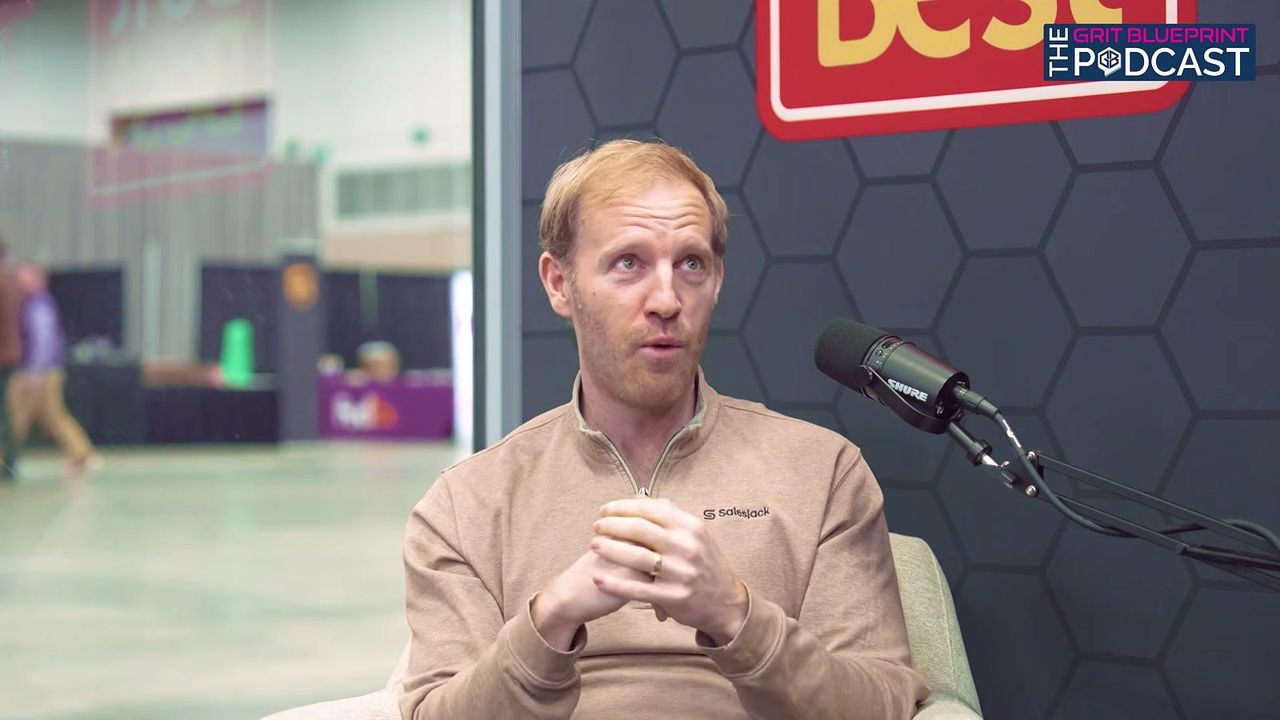
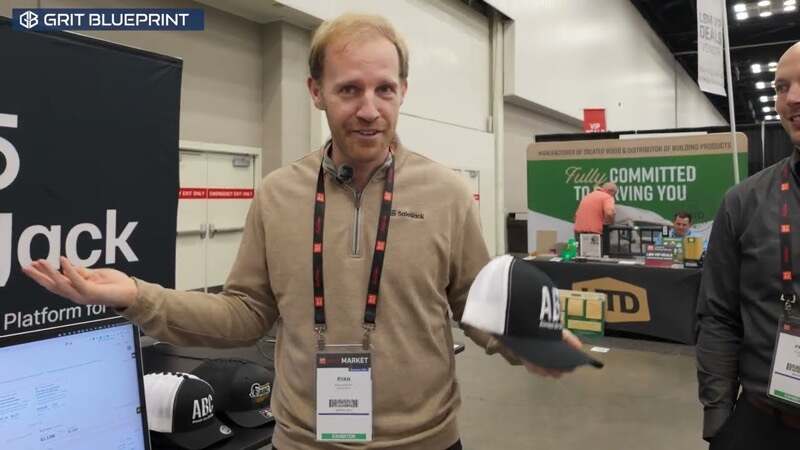
The other answer is less typing. Ryan Dempsey, founder and CEO of SalesJack, builds sales software for dealers. His approach pulls quotes, orders, and lead data in from the ERP. That way reps do not enter anything twice (9:17).
If you can have immediate information, immediate value to sales reps without them having to do any work, that really helps them immediately see value.
 Ryan DempseyFounder & CEO, SalesJackFrom our interview, 9:44
SalesJack sponsored that episode. You can test the idea with any CRM: connect it to the systems you already use before you ask anyone to type.
What should a small business track first?
Where each lead came from, and when to follow up. Gina Schaefer built a 13-store hardware chain, then became a professional speaker. When she set up a CRM for her speaking business, she named the two things it had to do:
Making sure that I was again methodically tracking where my leads were coming from, who I could follow up with next year that might not have worked this year.
 Gina SchaeferFounder of a 13-store hardware chain; professional speakerFrom our interview, 9:19
That second part fits this business. A builder who says no this year may need you next year. A CRM remembers when you forget.
AI can fill some of it in for you. An AI receptionist can add each caller to the CRM. AI can also draft the follow-up after a site visit. See Let AI send the follow-up while your reps are in the field and AI tools for contractors and dealers.

Our take: the CRM has to pay the rep back first
Grit Guide’s view: a CRM fails when it makes people work the way the software wants. It works when it fits how they already work: on the phone, in the truck, between stops.
Start with the few fields you will really use. Those are who, where the lead came from, what they need, and the next step with a date. Give reps something back on day one, like a list of builders to call. You can teach an old dog new tricks, just not too many at once.
What to do next
- Write down where customer information lives today: notebooks, phones, spreadsheets, and the ERP.
- Ask your reps what they hate typing. Cut it, or pull it in from another system.
- Track four things for every lead: who, where they came from, what they need, and the next step with a date.
- Name the stages of your pipeline, and write one rule for moving a deal into each stage.
- Try it with one rep first, then the whole team.
- If two tools do the same job, pick one.
More on sales: the Sales section of Run the business and construction sales for dealers and outside reps.
Who wrote this: Grit Guide, from its own interviews. Grit Guide is published by Grit Blueprint, a marketing agency for the building industry. No CRM company paid for this guide.
Questions people ask
What is a CRM in the building industry?
Customer relationship management software. It keeps customers, leads, calls, quotes, and next steps in one place, so a builder’s history does not leave with one salesperson.
What is the difference between a CRM and an ERP?
The ERP runs quotes, orders, and invoices. The CRM tracks the relationship: calls, leads, and follow-ups. Many dealers have an ERP and no CRM.
Why won't my salespeople use the CRM?
Many see it as extra typing that helps the boss and not them. Keep it simple, pull data in from your other systems, and make it give reps useful answers back.
What should a contractor track in a CRM first?
Who the lead is, where they came from, what they need, and the next step with a date. Gina Schaefer tracked where her leads came from and who to call again the next year.
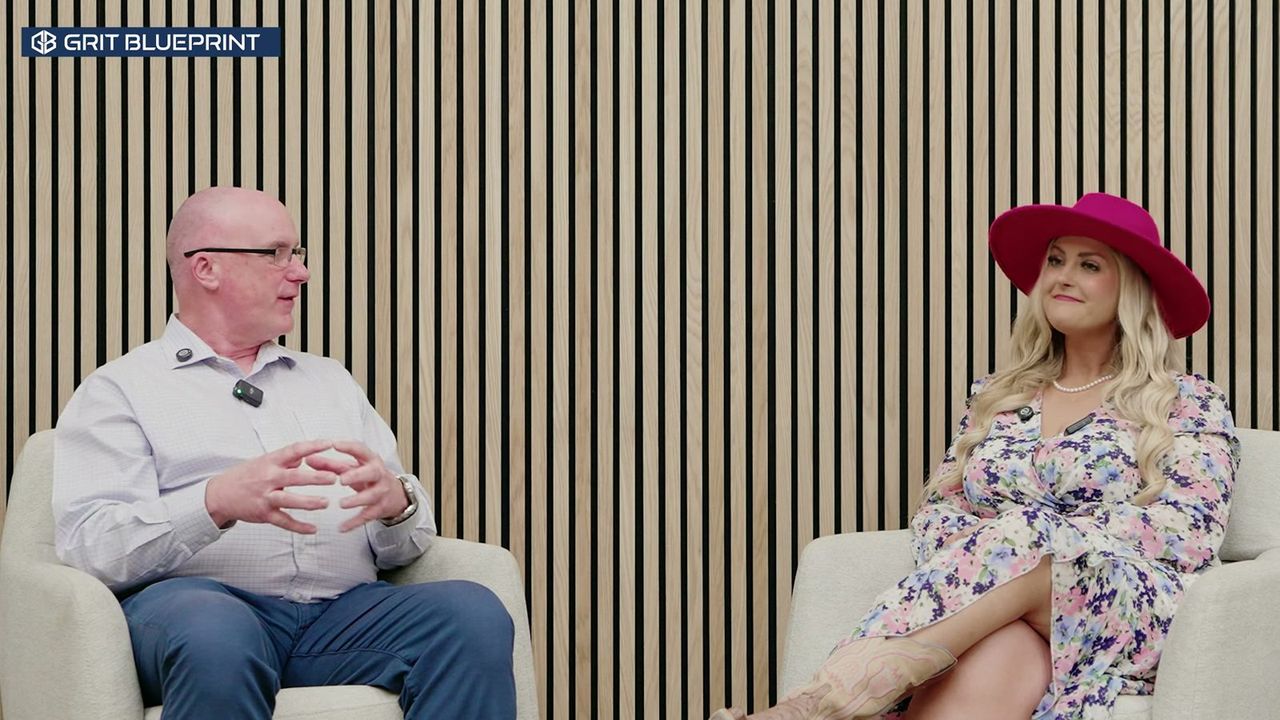
Watch the full interviews
Mastering Sales Beyond Price with Jim Wilcox, Proven Technology Strategies with Adam Gunnett, and Defying Expectations with Gina Schaefer.
Jim Wilcox, CEO of Wilcox & Associates and a Sandler trainer, explains why price only matters in the absence of value, how to qualify a builder before you sell, and how to sort clients with a framework called CARE.
A Grit Guide original. This piece is built from our own interview.
Episodes in this piece
- How Lumberyards Find Missed Sales With Building Permit Data | Ryan Dempsey, Founder & CEO, SalesJack
With Ryan Dempsey
- Proven Technology Strategies That All Independent Retailers Should Follow | Adam Gunnett
With Adam Gunnett
- Defying Expectations: Building Resilience in Male-Dominated Industries with Gina Schaefer
With Gina Schaefer
Sources
- Mastering Sales Beyond Price: Jim Wilcox, CEO of Wilcox & Associates (July 2025) Grit Guide
- Proven Technology Strategies That All Independent Retailers Should Follow | Adam Gunnett Grit Guide
- How Lumberyards Find Missed Sales With Building Permit Data (sponsored by SalesJack) Grit Guide
- Defying Expectations: Building Resilience in Male-Dominated Industries with Gina Schaefer (June 2025) Grit Guide