How to Use Building Permits to Find Builders You Don’t Sell To
Match local building permits against your own orders and you get a call list: busy builders you do not sell, jobs you missed and categories left off.
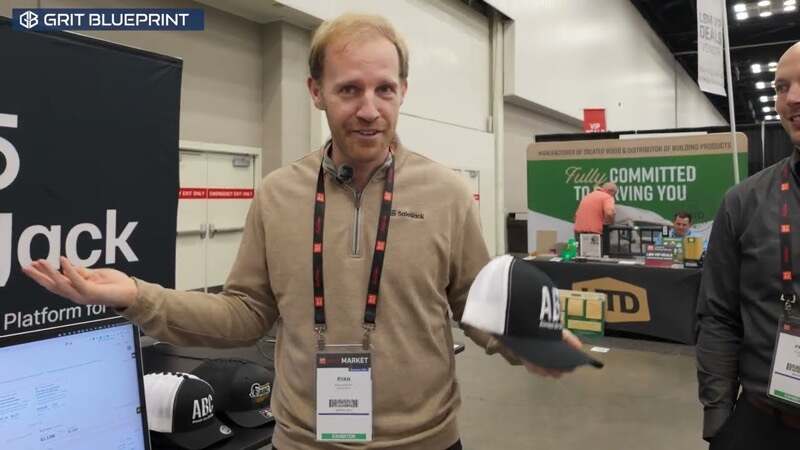
To find builders you do not sell to, match local building permit data against your own customer list. Ryan Dempsey, founder and CEO of SalesJack, says what is left is a call list in three parts. First are the most active builders in your market who are not your customers. Next are jobs you are missing from builders you already sell. Last are categories missing from jobs you do supply.
A sales rep at a dealer in Indiana thought he knew which jobs his customers had going. Then he looked at two lists for each customer, side by side. One showed the jobs he had sold. The other showed the active projects he had not.
Dempsey told the story on the Grit Blueprint Podcast. SalesJack is a sales platform for building suppliers such as lumberyards and hardware stores. Dempsey says the rep started calling through the second list, and “within two days he had reached out to one, found out, hey, there’s actually, like, three projects we didn’t even realize existed” (13:46). The builder had been using a supplier in a different market. The rep got the chance to quote. Dempsey says that two weeks later the rep had won an extra $250,000 in sales from that one call. That is one rep at one dealer, as Dempsey tells it.
The second list came from building permits. A building permit is the approval a city or county gives before construction starts. Dempsey says a lot of dealers already get permit data. It arrives as a spreadsheet or a PDF and gets emailed to the team. Then people weed through it (5:15). Here is how he turns it into a call list.
Three places sales hide
Dempsey sorts a dealer’s growth into three kinds (2:17):
- Builders in your market you are not selling to.
- Jobs you are not getting from builders you already sell.
- Categories you are not getting on the jobs you do sell. His example: “maybe you’re getting the lumber, but you’re not getting the doors, the windows, the flooring.”
Most people think first about brand-new leads. A permit list helps with all three.
How do you turn building permit data into a call list?
Filter it, match it against your customers, then send each name to one rep. Raw permit data is long, and much of it is not yours. Dempsey’s example is a permit to install a swimming pool, which most dealers do not supply (5:15). So the first pass is two filters (3:18):
- Construction type. Keep the kinds of jobs you sell to. Drop the rest.
- Zip code. Keep the areas where you are active.
Match it against your own customer list
Next, compare what is left with your ERP. That is the business system a dealer runs quotes, orders and invoices in. This splits the builders on the permit list into two groups: people you already sell, and people you do not.
What comes out, Dempsey says, is a list of the largest builders in your market who fit your sweet spot and are not your customers yet (3:50). Those names go to your reps with as much information as you can attach.
Doesn’t permit data come too late to win the job?
Sometimes, and it depends on where you sell. Dealers push back on permit data. The complaint is that by the time a permit shows up, the job is already estimated and spoken for. Dempsey calls that fair. It depends on the city or county. In some places the delay is about two weeks, and you can still get in front of the job. In others it runs six to eight weeks, and that address is probably gone (4:15).
His answer is to stop reading the list one address at a time.
Where we see permit data being the most valuable is actually identifying which builders are most active in your markets.
 Ryan DempseyFounder & CEO, SalesJackFrom our interview, 4:15
Take a builder who has put up five new homes in the last six months. That is a very active builder, he says. “They’ve probably got another one going, even if you don’t see the permit yet.” The goal is to know that builder before the next job starts.
Send each lead to one person
A raw list emailed to the whole team causes trouble. Dempsey’s warning: one rep reaches out to a builder without knowing another rep already works with that company. And “that could create confusion and frustration” (5:32). His routing has two rules:
- A permit for a builder you already sell, at a job site you have not sold: it goes to the rep who has that account. The message is “this builder has a new project, you haven’t sold to it yet.”
- A permit for a builder you have never sold: it goes to the sales manager, who hands it to one rep.
Check every job for what is missing
The third kind of growth needs no permit at all. Group your quotes and orders by job address so the whole project sits in one place. Some categories are not written up in the ERP. Dempsey says many dealers build window orders in the window maker’s own ordering system (6:49). So bring those in too.
Then read down the job. Dempsey’s example (7:35): “I’ve sold the lumber, I’ve sold the doors in this one, but there’s no windows.” That gap is a phone call.
A sales manager can read the same view across the team. Say one rep sells very little millwork (doors, trim and mouldings) and another is strong in it. Dempsey calls that a training opportunity (8:34).
Count calls before you count dollars
A permit list is a prospecting tool, and prospecting pays slowly. Eric Knox is director of LBM sales at Do it Best, a co-op. That is a wholesaler owned by the independent stores and yards that buy through it. LBM is short for lumber and building materials. In a separate Grit Blueprint Podcast interview, Knox says that “with new business, you’ve got to measure activity first” (18:16).
The sales cycle, the time from a first call to a first order, can be long. So he starts with “number of prospecting calls, number of active leads” and looks at invoices later. He adds a caution. Chasing new builders does not help if you lose the customers you have while you do it.

Know which builder you’d clone before you work the list
A permit list tells you who is building. It cannot tell you who you should be selling. First ask: which builder would you clone 100 times if you could, and why?
Your biggest account, your favorite account and your most profitable account may be three different builders. Work out what makes the right one right. Look at the kind of job, how they buy, and what they value from you. Then use the permit data to find more builders who look like that one.
A match is a clue to check, not proof of a good fit. Maybe the real constraint is that the yard cannot deliver well on the work it already has. If so, more leads will not fix it.
A note on tools
SalesJack sells software that does this matching for a dealer, and Dempsey spent part of the interview on it. Our read: you can test the idea by hand before you buy anything. Take one month of permits and your customer list. See whether builders you do not sell show up more than once.
What to do next
- Find out who at your company already gets building permit data. If nobody does, ask your city or county office how to get it. Start with the last six months for the zip codes you serve.
- Cross out the construction types you do not supply. Count the permits for each builder and mark each builder “customer” or “not yet.”
- Give each “not yet” builder with several permits to one rep. Then look at each permit from a current customer, at an address you have not sold. Give it to the rep who has that account.
- Pick five jobs you sold this year. List the categories you sold on each one and call about the one that is missing.
- For the first month, track calls made and active leads, the way Knox does. Judge the list by sales after that.
When one of those builders agrees to sit down, How to Prepare for a First Builder Meeting covers the hour before you walk in.
Track the results with What to Measure on a Sales Team Besides Total Sales.
The Ryan Dempsey interview was recorded for an episode sponsored by SalesJack.
Questions people ask
What is building permit data?
A building permit is the approval a city or county gives before construction starts, and permit data is the list of those approvals. Ryan Dempsey of SalesJack says many dealers already receive it as a spreadsheet or PDF that gets emailed to the team and is rarely worked.
Is permit data too late to win a job?
It can be for a single address. Dempsey says the delay runs from about two weeks in some places to six or eight weeks in others. Its real value is showing which builders are most active, so you can reach them before their next job starts.
Who should get a lead from a permit list?
One person. Dempsey sends a new job from a current customer to the rep who has that account, and a builder you have never sold to the sales manager, who hands it to one rep. Two reps calling the same builder causes confusion.
How do you find what you are missing on jobs you already sell?
Group your quotes and orders by job address, including window orders built in a maker’s own system, and read down each job. If you sold the lumber and the doors but no windows, that gap is a phone call.
How should a sales manager measure prospecting from permits?
By activity first. Eric Knox of Do it Best counts prospecting calls and active leads before he judges new business by dollars, because the time from a first call to a first order is long.

Watch the full interviews
How Lumberyards Find Missed Sales With Building Permit Data with Ryan Dempsey, and How To Win in 2026: Sales Data, AI, And LinkedIn with Eric Knox. Times in parentheses mark where each quote sits in the audio episode.
Ryan Dempsey, Founder & CEO of SalesJack, explains how lumberyards and building suppliers can match building permit data against their ERP to find active builders they don't sell to, jobs they are missing, and categories left off each job.
A Grit Guide original. This piece is built from our own interview.
Episodes in this piece
Sources
- How Lumberyards Find Missed Sales With Building Permit Data (interview with Ryan Dempsey, Founder & CEO, SalesJack; quotes at 2:17, 4:15, 5:32, 7:35 and 13:46) Grit Guide, Grit Blueprint Podcast
- How To Win in 2026: Sales Data, AI, And LinkedIn (interview with Eric Knox, Director of LBM Sales, Do it Best; quotes at 18:16) Grit Guide, Grit Blueprint Podcast