How a First-Year Rep Earns Trust on the Jobsite
Casey Ritter, a sales rep for James Hardie, on the habits that turned the “you’re green” first impression into trust: get back to people, listen, and learn the product cold.

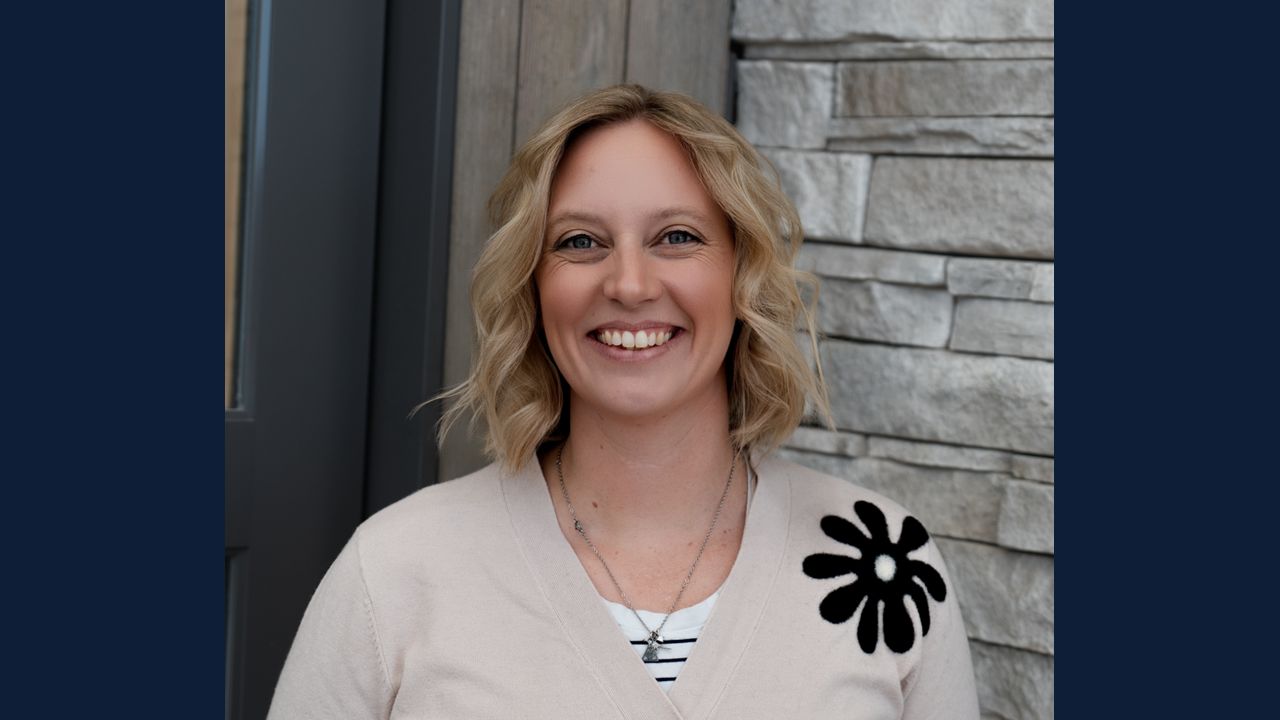
To build credibility as a new sales rep in building products, take the slow way. Learn the product cold. Get back to people every single time you say you will. Listen more than you talk. Casey Ritter is a sales rep for the siding manufacturer James Hardie. She spent her first year and a half doing exactly that. The rule her trainers drilled into her is the one to copy first: if you tell someone you will find out, find out and call them back.
Ritter calls on builders and jobsites from Savannah, Georgia. When we talked with her she was about two years into the job. Here is how she got there and what she does every week to build credibility as a new sales rep.
How did she end up selling siding?
By accident, she says. At 16 she started working at a gun club and stayed seven years. One of the members she met there was a man who is now, in her words, her boss’s boss’s boss. He told her to get some corporate experience after college and call him when she was ready.
She took an outside sales job in Boston selling chemicals. Outside sales means you go to the customer instead of waiting for them to call. The work did not stick. “Chemicals was not my jam,” she says (2:34).
She sent her old contact a message on LinkedIn. He had an opening, but it was in Savannah. She did not want to move there, so she did not answer. A week later he sent her a question mark. She took the interview anyway, figuring “at the very least, this will be great interview prep” (3:11). She studied for it, took the job and, as she puts it, got bit by the construction bug.
What does a new rep run into on a jobsite?
A first impression. Ritter says it is the one challenge she expects will always be there: she walks onto a site and the look says “you’re young, you’re green, you don’t know anything” (8:23). Then she adds, “and I still don’t know a lot.”
Her answer was knowledge. She spent most of her first year to year and a half working to know the product. She wanted to know it well enough that nobody could write her off. She is honest that the learning is not finished.
How to build credibility: get back to them, every time
The Georgia team at James Hardie trained her before she moved to the Florida team. She says the biggest thing they drove home was simple: “if you tell someone that you’re gonna find out and you’re gonna get back to them, get back to them because that is what your credibility is built on” (10:29).
Two small habits sit on top of that rule.
- Handwritten notes. She writes them to customers, by hand, for credibility.
- Notes in her phone. After the first, second and third meeting with someone, she writes down what they like. “If they tell me their birthday is next Saturday, I put it in my phone,” she says (11:26). The next year, on that Saturday, she shows up with a gift she knows they will like.
None of it costs much. What it shows a builder is that she heard them and did something about it. For more ways to stay in front of an account after the first order, see how to keep an account sold after the order and these follow-up scripts you can copy.
What should a new rep do on day one in a territory?
Stop talking and listen. That was Ritter’s first answer when she was asked for one tip for someone brand new in a territory. “Listen, just listen,” she says (13:35). Her reason: “it makes people feel really important to talk about themselves.”
She does not claim to have mastered it. A few days before the interview, she was on a call with her boss and a senior company executive. She said something she should have kept to herself, and her boss told her so afterward. She calls it a reminder to take her own advice.
Listening does not mean walking in with a script. She says her company teaches new reps to bring a list of questions and hold it loosely. “If you are adamant on getting every single question answered, it’s gonna feel like an interrogation,” she says (17:49). Ask the questions that matter, follow the answers, and save the rest for the next visit. (Want a structure for those questions? Read the four questions in SPIN Selling.)
Pick an employer that will train you
Ritter left her first company because of training. “I wanted somewhere that was gonna train me in sales and train me in the product I was selling to no end so that I was a product expert and could become that trusted advisor for my customers,” she says (21:32).
She describes how that works at James Hardie. Each rep sets goals and gets specific about them. That means naming which books they will read to reach them and which numbers will show they got there. Those goals are what makes a rep eligible for the next promotion.
She has also learned to go easier on herself. A week before the interview she made a mistake at work. It was the first time since college, she says, that her reaction was “this is okay” (44:51).

Being new gets fixed with reps
Ritter’s episode is titled around imposter syndrome. That is the feeling that you do not belong in the job and will be found out. Most of the time it is a different problem with a simpler fix. Stefanie Couch said it plainly as a guest on another show: “You don’t have imposter syndrome.” Then: “What you have is inexperience” (23:29).
Inexperience goes away with reps, so treat it that way. You do not need to feel confident before you start. You need enough courage to take the next useful step, and confidence grows from doing it. Tell the builder you do not know yet and you will find out. Then make the callback Ritter’s trainers insisted on. Followed through, that answer builds more credibility than pretending to know.
And do not try to learn it alone. Get people in your corner from day one: the rep who trained you, a customer who likes you, someone two years ahead of you. Ritter had a contact from the gun club who rallied for her and a team that trained her.
What to do next
- Start a note on your phone for every customer. After each visit, add one thing they told you about themselves.
- Keep a list of every “I’ll find out” you said this week. Close every one before Friday.
- Before your next jobsite visit, write three questions. Ask one, then listen.
- Pick one product you sell and learn it well enough to explain it without the brochure. Ask your manager or a senior rep what new reps usually miss.
- If your company has no development plan, write your own. Include two goals, the books or courses that support them, and the number that shows you got there. Take it to your manager.
New at a dealer instead of a manufacturer? Start with your first 30 days at a building materials dealer.
Questions people ask
Is imposter syndrome common for new sales reps in construction?
Casey Ritter, a James Hardie rep, says she faced doubt and imposter syndrome as a young woman in a male-dominated field. Grit Guide’s view is that most new reps are dealing with inexperience, which shrinks with time, product knowledge and follow-through.
How long does it take a new building products rep to build credibility?
There is no fixed number. Ritter spent most of her first year to year and a half learning the product and following up on every promise, and she still calls the learning unfinished two years in.
What should a new outside sales rep do in the first week?
Listen more than you talk, bring a short list of questions and do not force every one, and write down what each customer tells you. Then get back to people on everything you said you would check.
Is it OK to tell a contractor “I don’t know”?
Yes, if you follow it with “I’ll find out” and then call back. Ritter’s trainers taught her that getting back to people is what credibility is built on.
What should I look for in an employer as a new rep?
Ask how they train new people in sales and in the product, and how goals connect to promotion. Ritter left her first company because she wanted that training and chose James Hardie partly for it.
Watch the full interview
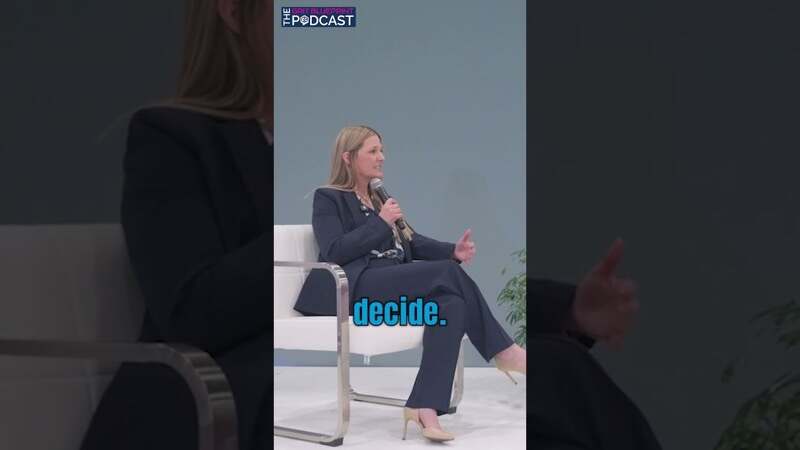
Casey Ritter of James Hardie on the Grit Blueprint Podcast.
Casey Ritter came to James Hardie from a gun club and a chemical sales job, new to construction. Two years in, she explains how a new sales rep earns credibility on a job site. Listen first, follow up, and write the note.
A Grit Guide original. This piece is built from our own interview.
Episodes in this piece
Sources
- Overcoming Imposter Syndrome In Male-Dominated Industries: Casey Ritter, James Hardie (Grit Blueprint Podcast interview with Casey Ritter, sales rep, James Hardie; quotes at 2:34, 3:11, 8:23, 10:29, 11:26, 13:35, 17:49, 21:32 and 44:51 on the transcript clock) (December 2024) Grit Guide
- How To Rise In Construction with Stefanie Couch (The Builder Upper Show guest episode; quote at 23:29 on the transcript clock) (March 2025) Grit Guide