From Receptionist to VP: How to Grow a Career Where You Are
Sarah Lee answered the phones at Blish-Mize in 2001. Today she runs purchasing. She and two other long-timers explain what moved them up without moving out.
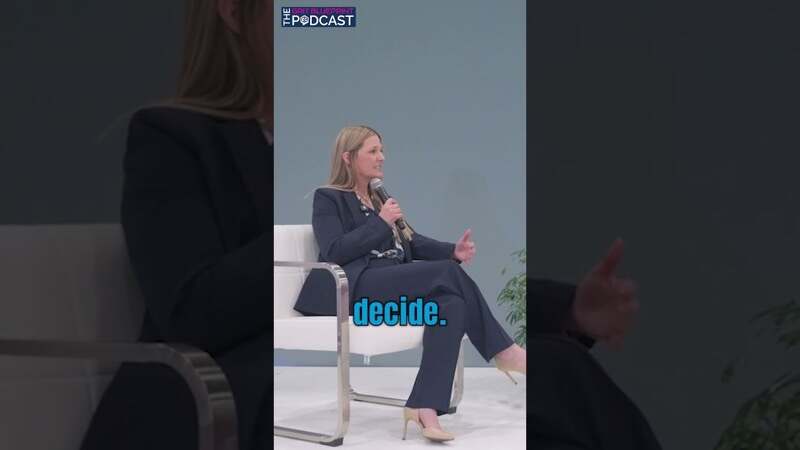
Career growth without leaving your company comes from three things. Learn something the next job needs at every stop. Put in for the job when it opens. Fix what frustrated you once you can. Sarah Lee went from receptionist to vice president of purchasing at Blish-Mize Co. that way. Kristy Labrecque and Amber Little of Nation’s Best add what to do when the company changes around you. They also say who to learn from.
Sarah Lee joined Blish-Mize Co. in 2001 as the receptionist. She is now its vice president of purchasing. That is the executive in charge of what the company buys and stocks. In between she worked in the catalog department, in advertising and as an assistant buyer. She never changed employers.
Blish-Mize is a family-owned wholesale distributor in Kansas. A wholesale distributor buys products from manufacturers and sells them to stores. In this case, those are independent hardware stores. The industry calls that two-step distribution because the product passes through a distributor and then a retailer on its way to the customer.
Plenty of people in this industry wonder, a few years in, whether they have to leave to move up. Lee’s path is one answer. So are two more from our interviews. Kristy Labrecque has spent 37 years at one building supply store in New Hampshire. Amber Little is chief human resources officer at Nation’s Best.
How does career growth happen inside one company?
One job at a time, with each one teaching something the next one needs. Lee describes each stop as exposure to something the next job needed. At the front desk she met the vendor reps, the salespeople who represent manufacturers. In the catalog department she learned the 50,000 products the company stocks. In advertising she learned the brands and how to help independent retailers promote their stores.
In 2012 a spot opened in purchasing, and she did not wait to be asked. “I put in for the promotion. I wanted this job,” she says (2:47).
She became the company’s first female merchandise manager. Then she spent two years as purchasing director, learning under the man she would replace. She took over in 2020.
The front desk did not feel like the start of all that. Looking back, she sees it differently. “It was a way to show my company I can communicate, I can engage, and I can learn in basically every step,” she says (5:58).
Asked why she stayed, she gives two reasons in one sentence. “I stayed because they were willing to invest in me, in time and growth opportunity, and we share core values of what a family business is,” she says (2:47).
Keep notes on what annoys you
The jobs Lee liked least turned out to be useful. The departments she once worked in now report to her.
“If something was a grievance, or made me pull my hair out every Monday, guess what? I now have the ability to make those changes, to work with my IT department and make it easier for the person in that role today,” she says (6:48).
She puts old habits to the same test at a company that has been operating since 1871. “Just because we did it that way 50 years ago and it worked then, let’s make sure it still works today,” she says (8:17).
Say yes, then decide on purpose
The long stretch between the first job and the top job is sometimes called the messy middle. By Lee’s count it has been “three-quarters of my career” (20:56). Two habits carried her through it.
The first was saying yes. “I committed to myself at some point in my company to continue saying yes,” she says. When she was approached for her first promotion, her thinking was short: “If it takes me somewhere in the future, great. If it doesn’t, I’m better off than the last step.”
The second was choosing. She says she had opportunities to leave and chose to stay. Her advice to anyone in the middle: “Weigh those options and decide for you.”
What should you do when your company is sold?
Ask where you fit, keep the team steady and say yes to the work the change creates. Kristy Labrecque started as a part-time cashier during her senior year of high school. She has now spent 37 years at the same store in Berlin, New Hampshire. She has worked in most corners of it. In 2017, she helped open its rental center from the ground up.
In 2021 the family that owned the store sold it to Nation’s Best, a company that acquires independent stores. Hers was number 20. Labrecque spent about three months on due diligence. That is the buyer’s review of a company’s records before a sale. Most of her coworkers did not know a sale was coming during that time.
Her own question was “where do I fit in?” (9:50). Around the team, she says, she “tried to be positive, even though I was in a world of uncertainty myself” (10:22).
Two things helped, by her account. The owner kept her informed and was honest with her. And people at Nation’s Best told her she could raise her hand if she needed something. They said they would find a spot for her.
The change opened a door. She began traveling with the team that converts other stores to the company’s ERP. That is short for enterprise resource planning, the software that runs inventory, sales and accounting. Her first trip was to New Mexico. “I had never been on a plane by myself,” she says (12:13).
Who can help you grow in this industry?
The experienced people around you, if you ask them. Amber Little worked in oil and gas, financial services and medical devices before she joined Nation’s Best. What would she tell herself at 25? She named two things: stay in touch with your mentors, and “ask more questions” (19:23).
At 25, she says, asking felt scary. Now she sees that “there’s so many great people that want to share” (19:23).
She sees it from the employer’s side too. Experienced people who are close to retirement want to pass on what they know. They are glad to be asked. Her approach is to tap one on the shoulder and ask for time with a newer employee. One example is a ride-along, a day spent riding with an experienced person to watch the work. “The people in this industry are amazing,” she says (12:52).
Lee had a mentor like that, and neither of them called it mentoring. “At the time, she and I didn’t know she was mentoring me,” Lee says (19:17). Her advice: “Ask all the questions. Don’t be afraid of no.”

Find your edge, make your move, build momentum
Lee’s path follows the three steps of Unmistakable, the method behind Stefanie Couch’s talk of the same name. The steps: Find Your Edge. Make Your Move. Build Momentum.
Your edge is Strength + Perspective + Value. Strength is what you consistently do well. Perspective is what your experience has taught you to notice. Value is who is better off because of it. The front desk gave Lee all three. To find yours, write down three times: when someone relied on you, when you noticed something others missed, and when your work made a real difference. Then make it specific. “I’m a good communicator” becomes “I help new hires learn the job by explaining the steps experienced people forget to explain.”
Making your move is putting in for the job, the way Lee did in 2012. Building momentum is checking what happened and choosing the next step. You do not need to feel confident first. You need enough courage to raise your hand.
What to do next
- List every job you have held at your company. Next to each, write one thing it taught you that a bigger job needs. Bring the list to your next review.
- Write down the task in your current job that frustrates you every week, and how you would fix it. Take the fix to your manager.
- The next time a job opens that you want, put in for it. Lee did in 2012.
- Pick one person with 20 more years in the business than you. Ask for a ride-along or 30 minutes of questions.
- If your company is being sold or reorganized, ask your manager where you fit. Volunteer for the work the change creates.
Just starting out? Read Your First 30 Days at a Building Materials Dealer. If you train new people, see How to Get a New Counter Hire Ready in Two Weeks. For the owner’s side of growing people into leaders, see Why a Family Business Handoff Takes Five Years.
Questions people ask
Do you have to leave your company to get promoted?
No. Sarah Lee of Blish-Mize Co. moved from receptionist to vice president of purchasing without changing employers. Each job taught her something the next one needed, and when a purchasing role opened she applied for it instead of waiting to be asked.
How do you ask for a promotion?
Put in for the job when it opens, and bring what you learned in each role that the new one needs. Listing your past jobs with one lesson from each gives your manager a clear picture of what you are ready for.
What is the messy middle of a career?
It is the long stretch between your first job and the top job. Lee says it has been about three-quarters of her career. Her two habits through it were saying yes to new opportunities and deciding on purpose whether to stay.
What should you do if your company is being sold?
Ask your manager where you fit and stay positive with your team while things are uncertain. Kristy Labrecque, a 37-year employee at a New Hampshire store bought by Nation’s Best, says honest updates from the owner helped, and the change opened new work for her.
How do you find a mentor in the building industry?
Ask questions of experienced people and ask for time, such as a ride-along. Amber Little of Nation’s Best says people close to retirement are glad to pass on what they know. Lee says she and her mentor did not even call it mentoring at the time.
Watch the full interviews
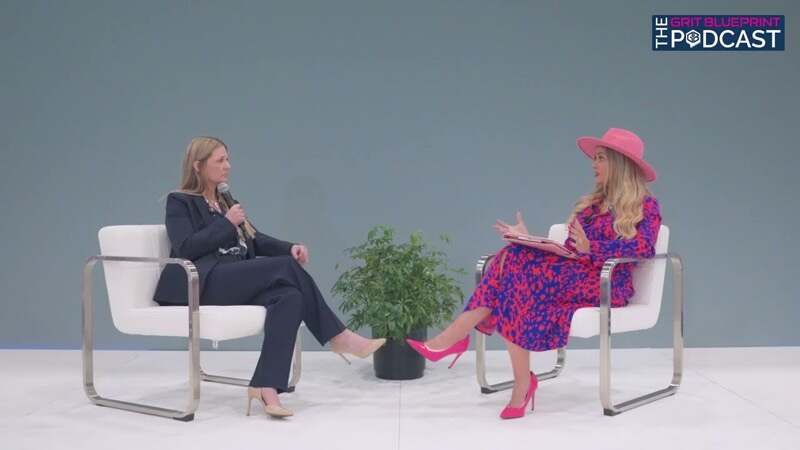
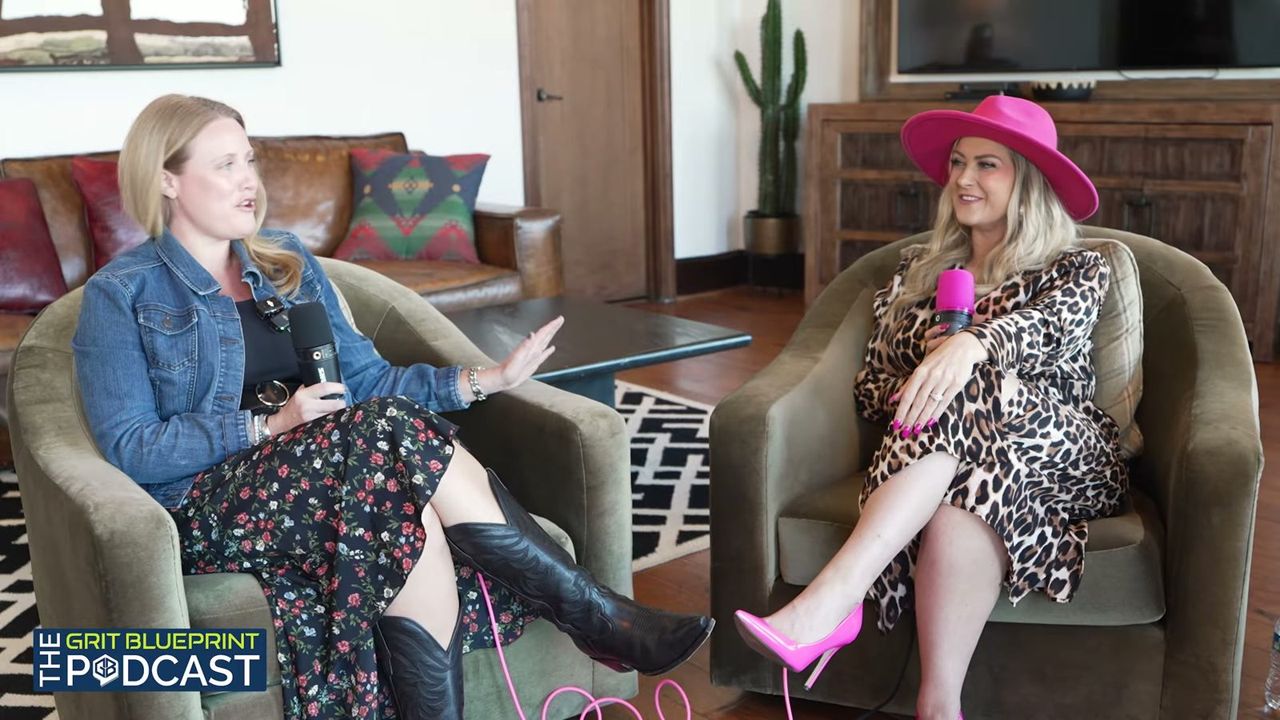
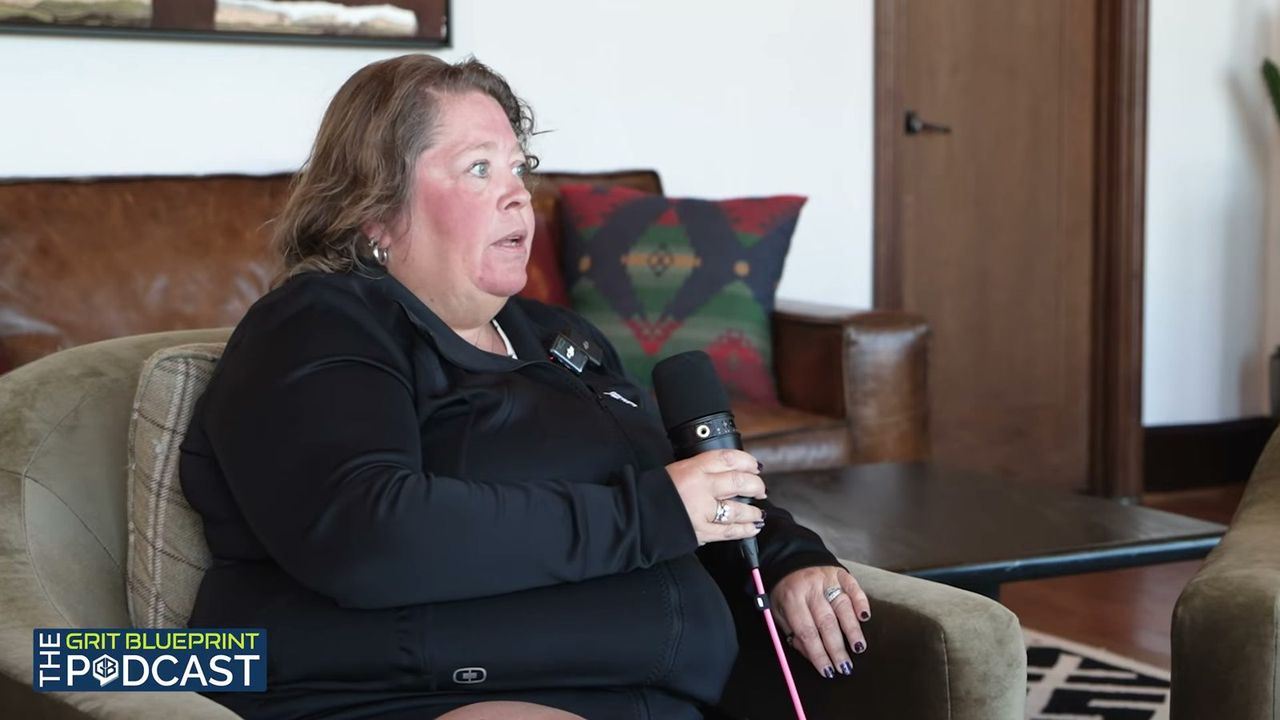
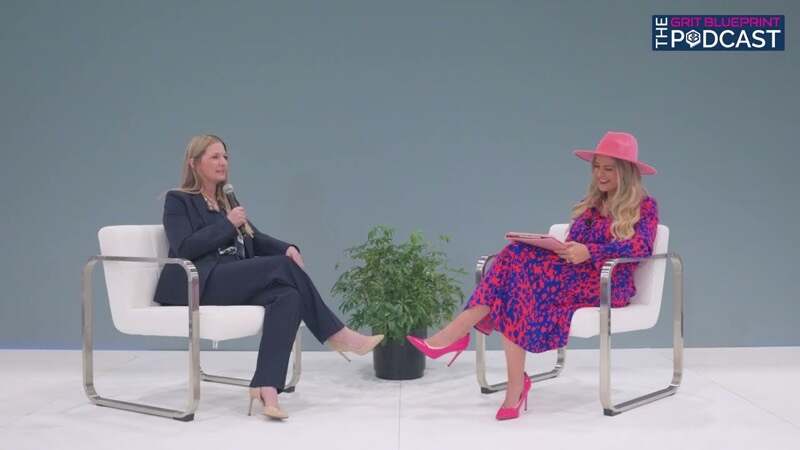
Sarah Lee of Blish-Mize Co., Kristy Labrecque of Nation’s Best and Amber Little of Nation’s Best.
Sarah Lee started at Blish-Mize as the receptionist in 2001 and is now its VP of Purchasing. She explains how she grew inside one company, how a two-step distributor chooses products, and how to get a buyer's attention at a trade show.
A Grit Guide original. This piece is built from our own interview.
Episodes in this piece
Sources
- The Powerful Secret to Career Growth: Embrace The Messy Middle with Sarah Lee of Blish Mize Co. (Grit Blueprint Podcast interview with Sarah Lee, vice president of purchasing, Blish-Mize Co.; quotes at 2:47, 5:58, 6:48, 8:17, 19:17 and 20:56 on the transcript clock) Grit Guide
- Build Trust, Lead Through Acquisition, And Keep Customers First: Kristy Labrecque (Grit Blueprint Podcast interview with Kristy Labrecque, 37 years at a Nation’s Best store in Berlin, New Hampshire; quotes at 9:50, 10:22 and 12:13 on the transcript clock) Grit Guide
- Turning Industry Wisdom Into The Next Gen’s Edge: Amber Little, Chief HR Officer at Nation's Best (Grit Blueprint Podcast interview with Amber Little, chief human resources officer, Nation’s Best; quotes at 12:52 and 19:23 on the transcript clock) Grit Guide