Regret Aversion: Why Your Customer Is Still Sitting on the Quote
Doing something and being wrong feels worse than doing nothing and being wrong. That is why special-order quotes sit. Here is the research, three companies that made the decision safe, and what a dealer can do on the next one.
Regret aversion is the pull to avoid a choice you might regret later. It is why a homeowner can sit on a window quote from spring to fall, why a contractor waits out lumber prices, and why a remodeler stays with a supplier he complains about. The fix is to make the decision safe to undo, or to show the buyer that waiting is a decision too.
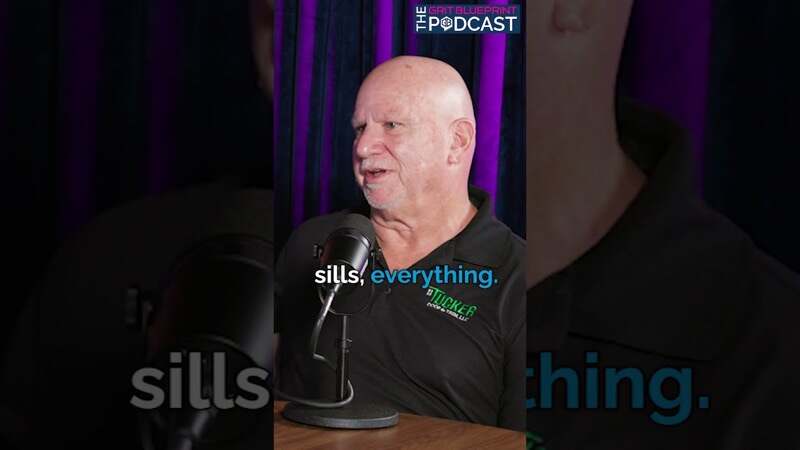
It bites hardest on special orders. Ron Herrin is VP of Sales at Tucker Door & Trim, a two-step distributor with three locations. He describes his side of the business plainly:
Everything is custom now. It’s all special order for the most part. Nobody stocks doors anymore.
 Ron HerrinVP of Sales, Tucker Door & TrimFrom our interview, 9:06
A special order is product bought for one customer’s job. When the buyer knows it cannot come back, every line on the quote feels permanent: the size, the color, the glass, the swing.
What is regret aversion?
It is choosing in a way that keeps future regret small, even when that costs you. Psychologists Daniel Kahneman and Amos Tversky showed how lopsided it is with two investors, in their 1982 Scientific American article “The Psychology of Preferences.”
Paul owns shares in company A. He thought about switching to company B and decided not to. He learns he would have been $1,200 better off if he had. George owned shares in company B and switched to company A. He learns he would have been $1,200 better off if he had stayed put.
Same loss. Asked who feels greater regret, 8% of respondents said Paul and 92% said George, the one who acted. That is how Kahneman tells it in Thinking, Fast and Slow.
Being wrong after you act hurts more than being wrong after you wait. So an unsure buyer waits, and your quote goes in a drawer.
Why does a window or door quote sit for months?
Here is how it can go, as a general example rather than one customer’s story. A homeowner gets a quote for replacement windows. Three regrets show up at once. One is picking the wrong color on a product that cannot be returned. Another is paying more than a neighbor did. The third is buying now when the price might drop. Doing nothing feels like the one choice with no regret attached.
Waiting has a regret too. It wins only when the buyer can picture it. During COVID, Russ Kathrein, vice president of LBM at Do it Best, saw yards holding windows for three, four and five months, because “everyone ordered stuff well in advance because they’re afraid they couldn’t get it” (4:40). Once buyers could see themselves stuck without windows, they ordered early.
Researchers Marcel Zeelenberg and Rik Pieters found the same pull in the Dutch Postcode Lottery (2004). There, a postcode is drawn and neighbors who skipped the ticket still learn their street won.
People expected more regret over not playing it than over skipping the State Lottery. With the State Lottery, nobody tells you what you missed. That expected regret shaped whether they played. Here is the lesson for a counter. The regret of waiting only works when the buyer will actually find out what waiting cost.
Three companies that took the regret away
Hyundai let buyers give the car back
In January 2009, with the economy falling, Hyundai launched Hyundai Assurance. If you bought a new Hyundai and lost your income within a year, you could return it.
That month Hyundai said its U.S. sales rose 14 percent, while the industry was on track for its fourth straight month of declines of 30 percent or more, according to the Associated Press. A year later, fewer than 100 buyers had used the return, NPR reported, in a year when Hyundai sold more than 435,000 vehicles.
Our take: almost nobody used the way out. They needed to know it was there.
Target promised the price would not drop on them
In 2021 Target introduced its Holiday Price Match Guarantee: buy an item between Oct. 10 and Dec. 24, and if Target lowers the price later in the season, you can ask for the difference. It was back for 2025, running Nov. 1 through Dec. 24. It takes away the fear of paying more than the person who held out. (Target stopped matching competitors’ prices in July 2025. The holiday promise covers Target’s own prices.)
Our take: a price hold on a lumber or window quote does the same job. But only if you say it out loud.
Lumberyards already take special orders back
Kathrein says the no-returns rule is mostly talk:
Everyone says there’s no return on special orders. And we all know that’s a crock of BS because we all take back special orders.
 Russ KathreinVP of LBM, Do it BestFrom our interview, 5:58
His way to do it has three parts. Give the customer whatever credit you decide on. Bring the product back into inventory at zero cost. Take the loss that day. He calls it rule number one in his book: “your first loss is your best loss” (5:58). Grit Guide covers the rest of his rules in Why Russ Kathrein Bills a Special Order the Day It Lands.
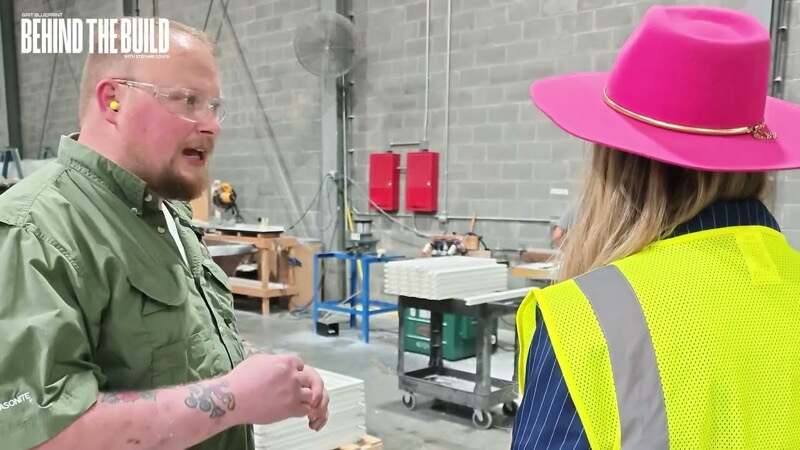
Stefanie Couch, Grit Guide’s host, learned the relationship side at her dad’s lumberyard. A customer said he never ordered a special-order bifold door. She wanted to make him take it. Her father had the yard absorb it. “It was a very big customer, and I was ready to burn the whole bridge for $88,” she says (8:51).
Our take: if you take special orders back anyway, say so before the order. That is when it can still win the sale.
Does a price hold or a return promise work every time?
No. Economists Felipe Araujo, Alex Imas and Alistair Wilson tested regret-based incentives in a 2024 working paper. For a one-time choice they beat ordinary incentives. For decisions people make again and again, the effect reversed. Small details of the setup also changed the result. A price hold that “ends Friday” every Friday teaches your builders to ignore Fridays.
Three moves for dealers, manufacturers and reps
- Let them take it back, in writing. Put your return and restocking fee terms on the quote, where the decision gets made. If you already take back special orders case by case, decide what you would offer up front, such as a waived restocking fee on a customer’s first special order within a set window, and print it.
- Kill the wait-and-see with a real date. A price hold with an end date (“this price is good through the 15th”) and the real lead time gives the buyer a reason to decide this week. Only show the cost of waiting with numbers you can back up. That means your own price history or a manufacturer’s announced increase.
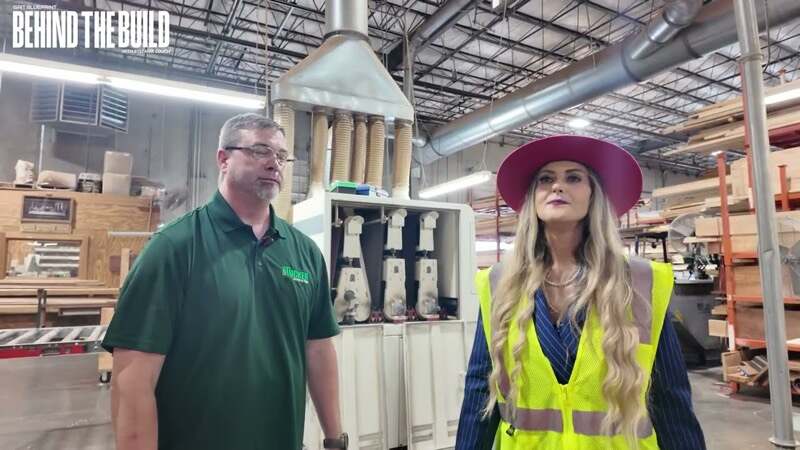
- Show them what waiting will cost, from your own records. The Postcode Lottery lesson: regret about waiting only moves people who will find out. Tell a homeowner what last spring’s lead times were on the window line she is looking at. Manufacturers can do what Tucker does in its design portal: Herrin says “we now have the ability to embed that finishing instruction and that warranty into the quote” (14:39). The safety net arrives with the price.

Our take: make the decision easier, then make it safe to undo
Buyers stall when the decision feels heavy and permanent. So ask what has gone wrong for them before and what would make the decision easier. Answer that fear on the quote itself: the return terms, the price hold, the warranty, the date the order goes in.
When an order does go wrong, weigh the order against the relationship. Sometimes the thing you are arguing about is much smaller than what you could lose by winning the argument.
What to do next
- Pull every open quote older than 30 days. Call each buyer and ask one question: what would make this decision easier?
- Write down what you already do when a special order comes back. Then decide which part of it you will promise up front.
- Add a price-hold end date and the current lead time to every window, door and millwork quote.
- Read the questions Tucker asks before a custom order goes in: At Tucker Door, Most Claims Start With an Unasked Question.
This is the first piece in Grit Guide’s series on why buyers do what they do. Next: social proof and choice overload.
Somewhere, a special-order bifold door is still waiting for someone to admit he ordered it.
Questions people ask
What is regret aversion?
It is the pull to avoid a choice you might regret later, even when waiting costs you. Kahneman and Tversky showed that people expect more regret after acting and being wrong than after doing nothing and being wrong, so unsure buyers tend to do nothing.
Why do special-order quotes stall?
A special order is bought for one customer’s job and usually cannot go back, so every choice on the quote feels permanent. A buyer who is unsure about the color, the size or the price next month can put the decision off for months.
Do lumberyards really take special orders back?
Russ Kathrein, VP of LBM at Do it Best, says they do, case by case, even though most say there is no return on special orders. His rule is to give the credit you decide on and bring the item back into inventory at zero cost so the loss is taken that day.
Does a price hold or a return promise work every time?
No. A 2024 study of regret-based incentives found they worked well for one-time choices but the effect reversed for repeated decisions. A deadline that resets every week stops meaning anything, so use real dates and real numbers.
Watch the full interviews
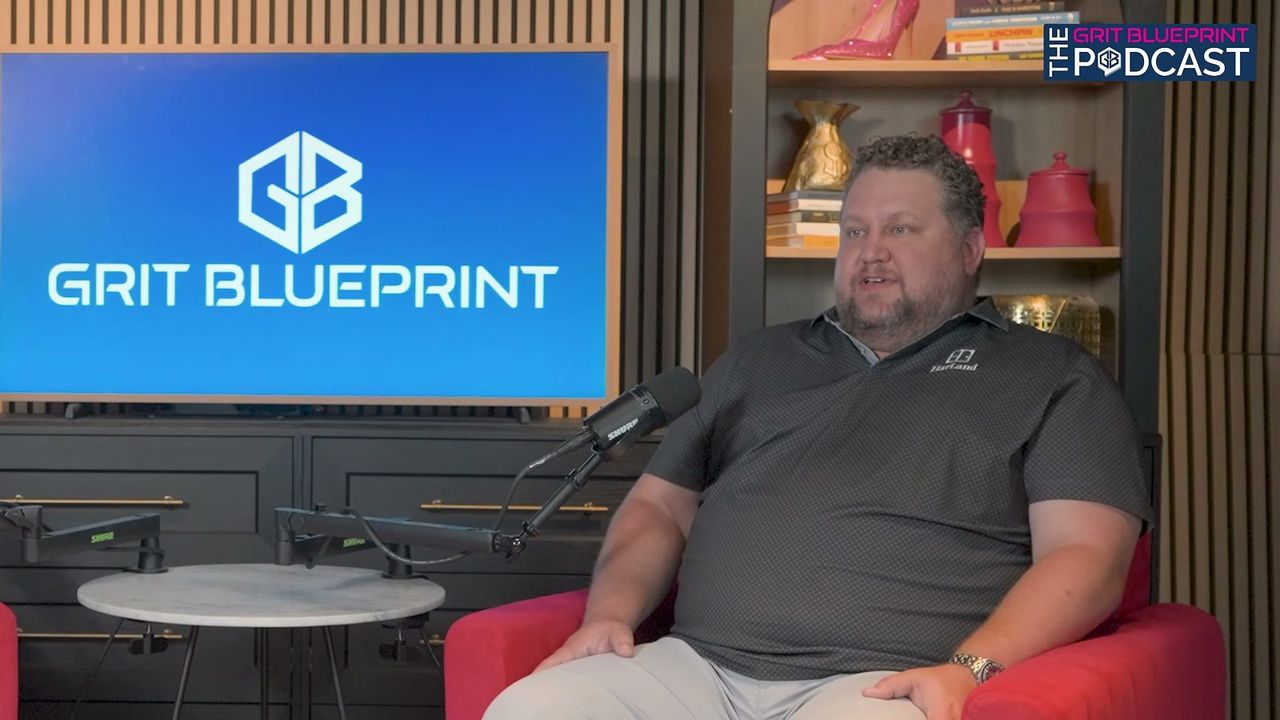
Simple Ways To Create Cashflow with Russ Kathrein, Sales Makes the Promise. Operations Keeps It. with Ron Herrin and Lee Allen, and How Great Companies Turn Mistakes Into Customer Loyalty with Jonathan Harvey. Times in parentheses mark where each quote sits in the audio episode.
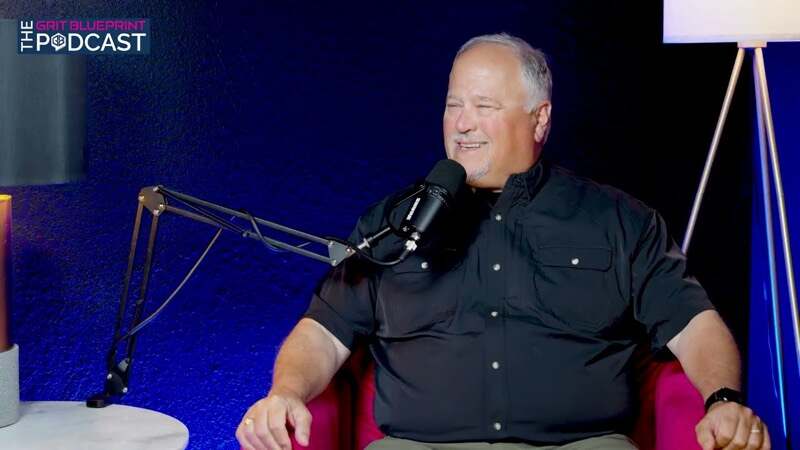
Russ Kathrein, VP of LBM at Do it Best, shares operating habits he learned running lumberyards. He bills special orders on receipt and cuts truck turnaround. He treats drivers as salespeople. He makes a friendly call five days after a bill is due.
A Grit Guide original. This piece is built from our own interview.
Episodes in this piece
Sources
- The Psychology of Preferences (Daniel Kahneman and Amos Tversky), Scientific American, January 1982 Scientific American
- Paul and George, as Kahneman tells it in Thinking, Fast and Slow (excerpt: $1,200; 8% say Paul, 92% say George) The Acquirer's Multiple, 2017-09-21
- Most carmakers' sales plunge; Hyundai, Subaru gain (Associated Press, February 3, 2009) The Daily Record
- A Year After Program, Under 100 Hyundais Returned (January 8, 2010) NPR
- Fewer Than 100 Vehicles Returned Under Hyundai Assurance (January 12, 2010; 435,000+ vehicles sold, citing NPR) The Truth About Cars
- Target introduces its Holiday Price Match Guarantee (press release, September 29, 2021) Target Corporation
- Holiday savings fact sheet: Holiday Price Match Guarantee Nov. 1 to Dec. 24 (October 30, 2025) Target Corporation
- Target ends price matching of competitors (July 28, 2025) Good Morning America
- Consequences of regret aversion in real life: The case of the Dutch postcode lottery (Marcel Zeelenberg and Rik Pieters), Organizational Behavior and Human Decision Processes 93(2), 155-168, 2004 Elsevier
- Limits on Regret as a Tool for Incentive Design (Felipe A. Araujo, Alex Imas, Alistair J. Wilson), working paper, July 2024 University of Pittsburgh
- Simple Ways To Create Cashflow In Your Business with Russ Kathrein, VP of LBM at Do it Best (Grit Blueprint Podcast; quotes at 4:40, 5:58, 5:58) Grit Guide, Grit Blueprint Podcast
- Sales Makes the Promise. Operations Keeps It. (Ron Herrin and Lee Allen, Tucker Door & Trim) (Grit Blueprint Podcast; quotes at 9:06, 14:39) Grit Guide, Grit Blueprint Podcast
- How Great Companies Turn Mistakes Into Customer Loyalty (Jonathan Harvey, HarLand Windows & Doors) (Grit Blueprint Podcast; quotes at 8:51) Grit Guide, Grit Blueprint Podcast