Start an AI Committee, Even If You Run One Store
Jason Blair, CEO of Tal Building Centers, on the committee, the two rules and the first jobs his company gave AI.
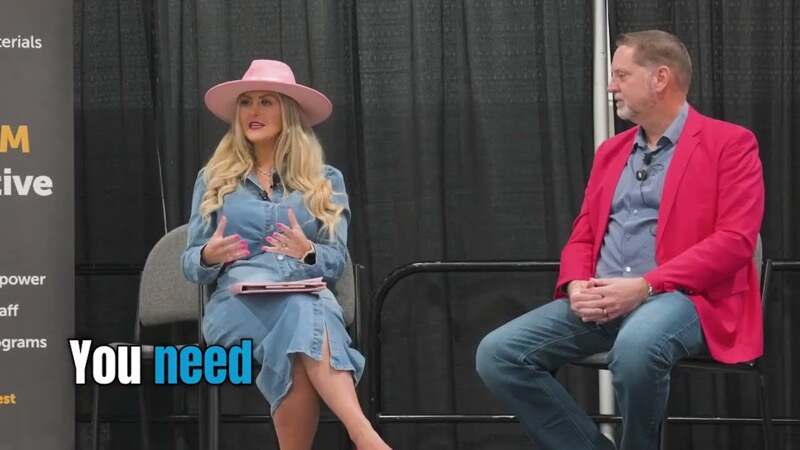
Here is how to start an AI committee, even with one store: pick three or four people from different departments and ages, build the group around the person who already uses AI, and have them write two rules before anyone experiments. One says what AI is for. The other says what happens with sensitive information. Then give AI one repeating writing job and one checking job, with a person reviewing both.
Jason Blair’s first move on AI was to put a few people on a committee. He could not yet say what the word meant.
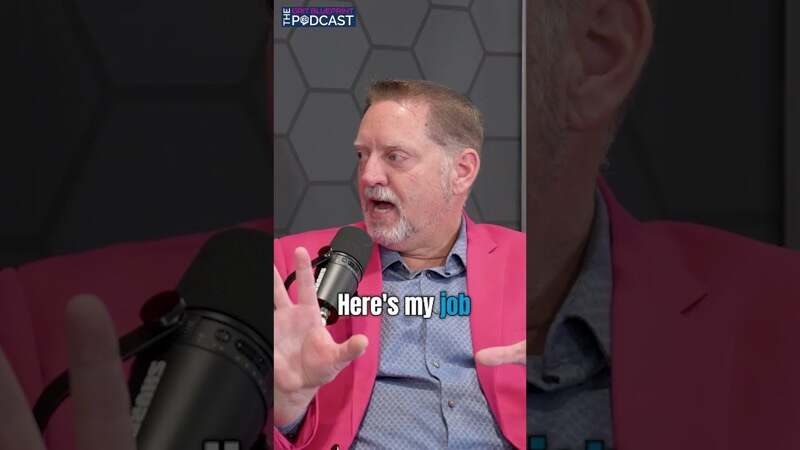
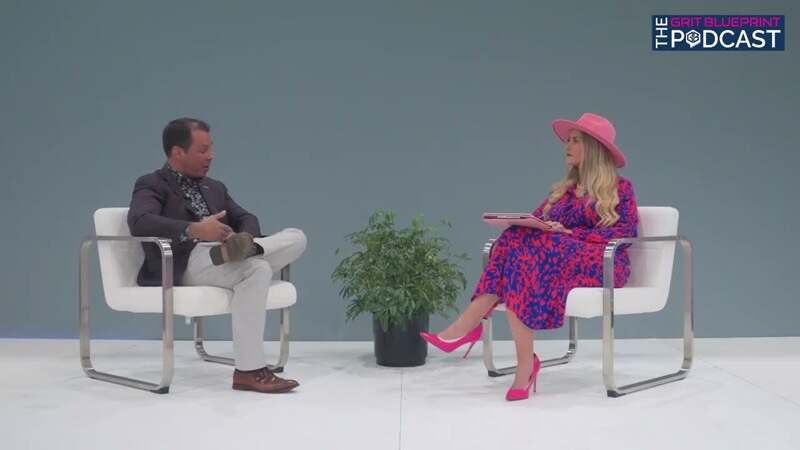
“I wasn’t sure what AI meant. It was confusing. It’s a hundred-mile-wide word and definition,” he said in a live session recorded for the Grit Blueprint Podcast (2:46).
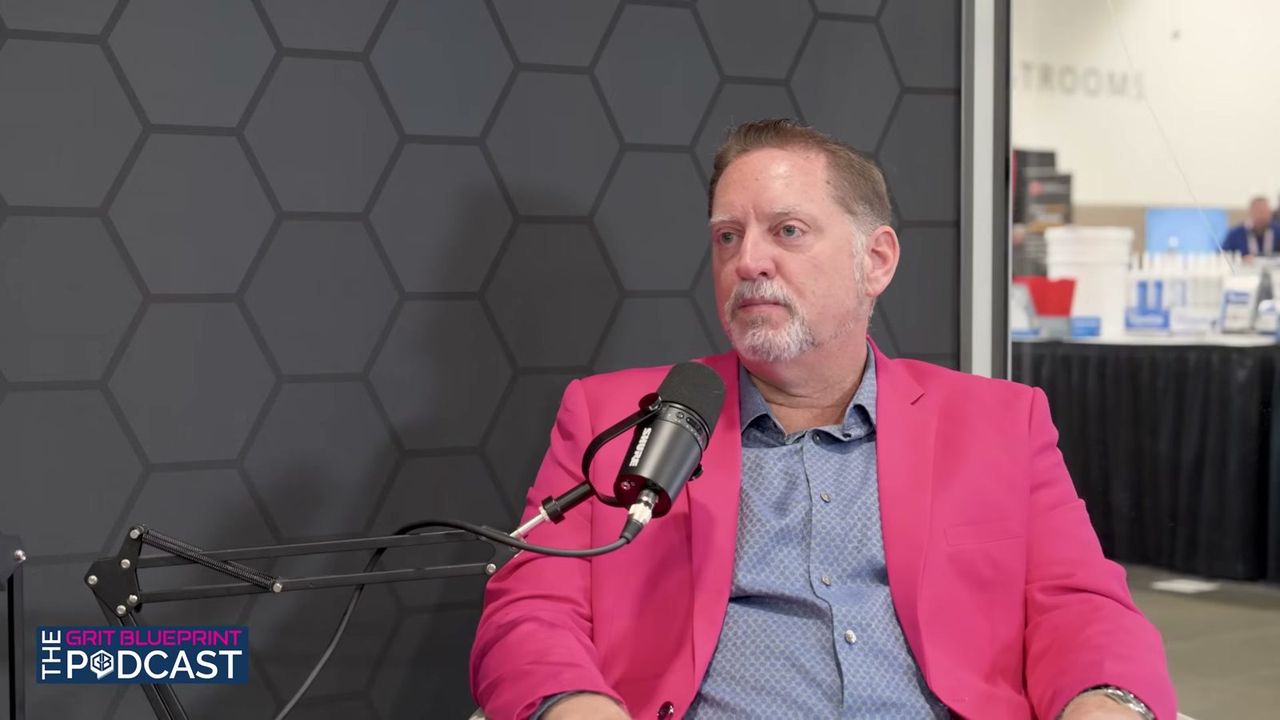
Blair is CEO of Tal Building Centers, a family-owned lumber, building materials and hardware company in Oregon, Washington, Idaho and Montana. It had 28 locations when that session came out in May 2026. It had 29 when he gave a second, shorter interview on a trade show floor that fall. About 15 months before the first session, he set up an AI committee inside the company.
How to start an AI committee with three or four people
Start with the person who already uses AI, then add people from other departments and age groups. Blair picked one employee who was already passionate about AI. That person had worked out how to use it with BisTrack, without Tal hiring a programmer. BisTrack is the company’s ERP (the business system a dealer runs orders, inventory and accounting on). Blair built the committee around him, then added the others. It has grown to about 10 people.
Age did not predict much. Some of Tal’s youngest people were the most afraid of AI. Some older ones took to it because it made their work easier.
A company with one store can do the same thing on a smaller scale. “Even if it’s three or four people, you can create that environment,” he said (16:50).
What rules should an AI committee write first?
Two rules come first: what AI is for, and what happens with private information. At Tal, the committee’s first job was governance, which means written rules for how the company uses AI. Blair wanted those rules in the employee handbook.
What AI is for. Here is the line Tal settled on.
It’s intended to be an augmentation tool to what we do, not a replacement for the people that we have in place today.
 Jason BlairCEO, Tal Building Centers (0:36)
In plain words: AI is there to help people do the jobs they already have.
What happens with private information. “Our rule is that if we’re going to use it for sensitive information in the company, we pay for it,” Blair said (15:00). His reason: on the paid version of the tool he uses, the company can change the security settings so its information is not shared back out. That is his description of his own setup. Check the settings in your own tool.
Which jobs should AI do first?
Start with work that repeats every week or month and that a person can check. Tal’s first jobs fit that test.
Two regular updates. Every month Blair summarizes the financials in an email to his team. He gives the AI the base information and asks for a summary that sounds like him. He said the drafts started out about 80 percent right and are about 95 percent right now. He still edits each one. He also sends his board an update every Friday, from a project folder he named Friday Board Update. “The base update that probably would have taken me an hour now takes about five minutes,” he said (3:53).
A problem he could not name. Three departments that reported to Blair kept running into friction, and nobody could say why. For about three weeks he wrote a note every time it happened. Then he took pictures of the three pages with his phone and gave them to ChatGPT with this request: “Help me understand what’s going on. Not what’s wrong. What’s going on.” (6:40). It asked him questions about what each department did. Then it pointed to a lack of clarity. Job titles did not match the work people really did, so requests in the company’s ticketing system were going to the wrong person. Blair called it Project Clarity. He said it took about two hours of back and forth, work he would otherwise have hired a consultant for.
Purchase order checks. A purchase order, or PO, is the order a dealer sends to a supplier. The supplier sends back a confirmation. One Tal employee uses AI to compare the two. When they match, there is less for accounts payable (AP, the people who pay the company’s bills) to sort out later. Blair said Tal’s AP department is two people.
Training. Staff use a screen recording tool called Loom. They record themselves doing a task in the ERP. The same tool turns the recording into written steps. Blair’s tip for a small company: have the one person who knows a year-end or quarterly process record it once. For new hires, see how to get a new counter hire ready in two weeks.
Where should a person still make the call?
On anything that takes knowing the market and the customer, such as price. Tal’s purchasing and sales teams use a little AI in their weekly meeting. They use it to compare prices they can find online. The decision still comes from the salespeople. They know the market, the customer and the competitive situation.
“There’s still heavy human involvement in what we’re doing, and that’s very intentional,” he said (26:37). He called this stage “inspect what we expect.” A person checks that each automated step is doing what it should.
Go at the speed your people can absorb
In the fall interview, Blair said one of the things that keeps him up at night as a CEO is “what AI tool do I hitch my wagon to?” (5:04 in that video). His answer so far is to stop planning three years out. Tal now asks what it will do in the next three months. He expects to end up with a few tools, each for a different job.
He also told his team he did not think they were moving fast enough. They pushed back, he said: “we’re moving as fast as we can absorb as a company” (8:51 in that video). Blair said it was good for him to hear. People in the same company pick this up at very different speeds.

Count the new jobs AI makes possible, too
Blair’s Friday board update is the time story: about an hour down to about five minutes. Project Clarity is the bigger story. Untangling three departments was consultant work, Blair said. With AI he did it in about two hours. So when your committee reports back, ask for both kinds of win. One is time saved. The other is things you can now do that you could not do before.
Two habits keep both honest. Start with a real task and give the tool the goal, the context and the limits. Then challenge the answer and check every claim. The tool adds to what your people can do; their judgment stays their own.
And when someone has to show a process twice, record it. Stefanie Couch, who hosted the session, said it plainly that day: “If we’re going to do it more than once, let’s make a repeatable video out of it” (24:32). Before you sign up for a new AI tool, read how to test store technology before you sign a contract.
What to do next
- Pick three or four people from different departments and different ages. Put the person who already uses AI in the middle. Meet on a set schedule.
- Write two lines for your handbook: what AI is for at your company, and your rule for sensitive information.
- Pay for the tool anyone uses with company information. Then find the setting that stops your data from being shared. Blair’s first step for a beginner is the 20 dollar a month ChatGPT plan, that setting, and help with emails (28:07).
- Choose one repeating writing job and one manual checking job. For a first writing job, try the prompt that turns site visit notes into a follow-up email. A weekly update and a check of POs against confirmations are two that Tal uses. Keep a person reviewing both.
- Plan three months ahead. Then look again.
The first interview was recorded for an episode sponsored by Do it Best Group. Jason Blair is a member of the Do it Best board.
Questions people ask
Does a one-store lumberyard need an AI committee?
Not a formal one. Jason Blair of Tal Building Centers says a small company can build the same thing with three or four people. Put the person who already uses AI in the middle, add people from other departments and ages, and give the group the job of writing the rules first.
Is it safe to put company information into ChatGPT?
Tal’s rule is that the company pays for any AI tool used with sensitive information. Blair says the paid version he uses lets the company change security settings so its information is not shared back out. That is his description of his own setup, so check the current settings and terms of your tool before anyone enters private data.
What should an AI policy for employees say?
Start with two lines: what AI is for at your company, and your rule for sensitive information. Tal put its rules in the employee handbook and defined AI as a tool that helps people do the jobs they already have. By fall 2026 it also had a written policy and one default tool for most employees.
What is a good first AI job at a lumber or hardware dealer?
Pick one writing job that repeats and one checking job a person can verify. Tal started with a monthly financial summary, a Friday board update and a check of purchase orders against supplier confirmations. Blair still edits every draft.
Will AI replace jobs at a lumberyard?
At Tal the stated goal is to make the people it has more efficient. Blair said it is not about reducing the workforce, and he expects to do more with the same team when the company grows again.
Watch the full interviews
How To Start Using AI In Your Business, with Jason Blair and Jason Blair on AI, Licenses, and Leading 29 Stores.
Jason Blair, CEO of Tal Building Centers, explains how his 28-location company set up an AI committee, wrote rules for sensitive data, and uses AI for board updates, purchase order checks and training, with people still checking the work.
A Grit Guide original. This piece is built from our own interview.