Listen First, Then Negotiate: Lessons from Never Split the Difference
Five habits from Never Split the Difference for the hard calls: late loads, price fights and upset customers.


Five habits from Never Split the Difference for the hard calls: late loads, price fights and upset customers.
Source: Never Split the Difference by Chris Voss. This lesson is built from a summary of the book. It was not written from the book itself, and it covers five of the book’s ideas, not all of them. Read the book for the rest.
The main idea
Chris Voss was a hostage negotiator for the FBI. A negotiation is any conversation where two sides want different things and have to reach an agreement. His argument is that people do not decide by logic alone. So a negotiation that ignores feelings goes nowhere.
His method starts with understanding. Listen until the other side feels understood. Then ask questions that get them working on your problem with you.
The title is his view of meeting in the middle. Splitting the difference feels fair and easy. It is not fair if the other side’s opening number was never based on anything.
Lesson 1: Listen until you understand
Voss calls listening the cheapest concession you can make. A concession is something you give up to move a deal along. Listening costs nothing and it lowers the other person’s guard.
The first job is to learn their position, their worries and how they see the situation. Understanding is not agreeing. You can see exactly why a contractor is angry about a late load and still not owe him what he is asking for.
Lesson 2: Say it back until you hear “that’s right”
Summarize what they told you, shorter, in your own words. Then stop talking.
Voss says the two best words you can hear are “that’s right.” They mean the other person feels understood. Most of us do the reverse. We argue until the other side gives up and says “you’re right,” which usually means “go away.”
Lesson 3: Name what you hear
Voss calls this labeling. You say out loud what the other person seems to be feeling. Labels start with “It seems like” or “It sounds like.”
“It sounds like the last supplier left you hanging.” “It seems like you are worried this will hold up your framing crew.”
A feeling that has been named calms down. You have not agreed to anything. You have shown that you heard it.
Lesson 4: Bring up the bad news first
Before a hard conversation, list the worst things the other side could say about you or your offer. Then say them yourself, at the start.
“Our lead time on this line is longer than the other quote.” Lead time is the wait between placing an order and getting it.
If you raise it, you have had time to prepare an honest answer. If they raise it, you are on your heels. If nobody raises it, it can quietly end the deal anyway.
Lesson 5: Ask “how” and “what”
An open question cannot be answered with yes or no. Voss starts his with “how” or “what.” He avoids “why,” because it can sound like an accusation.
Open questions let you disagree without saying no. His standard one is “How am I supposed to do that?” It hands your problem to the other person, and people stand behind answers they came up with themselves.
In our work that might be: “How would I hold that price if the manufacturer raises it before your job starts?” Or: “What happens on your side if delivery slips a week?”
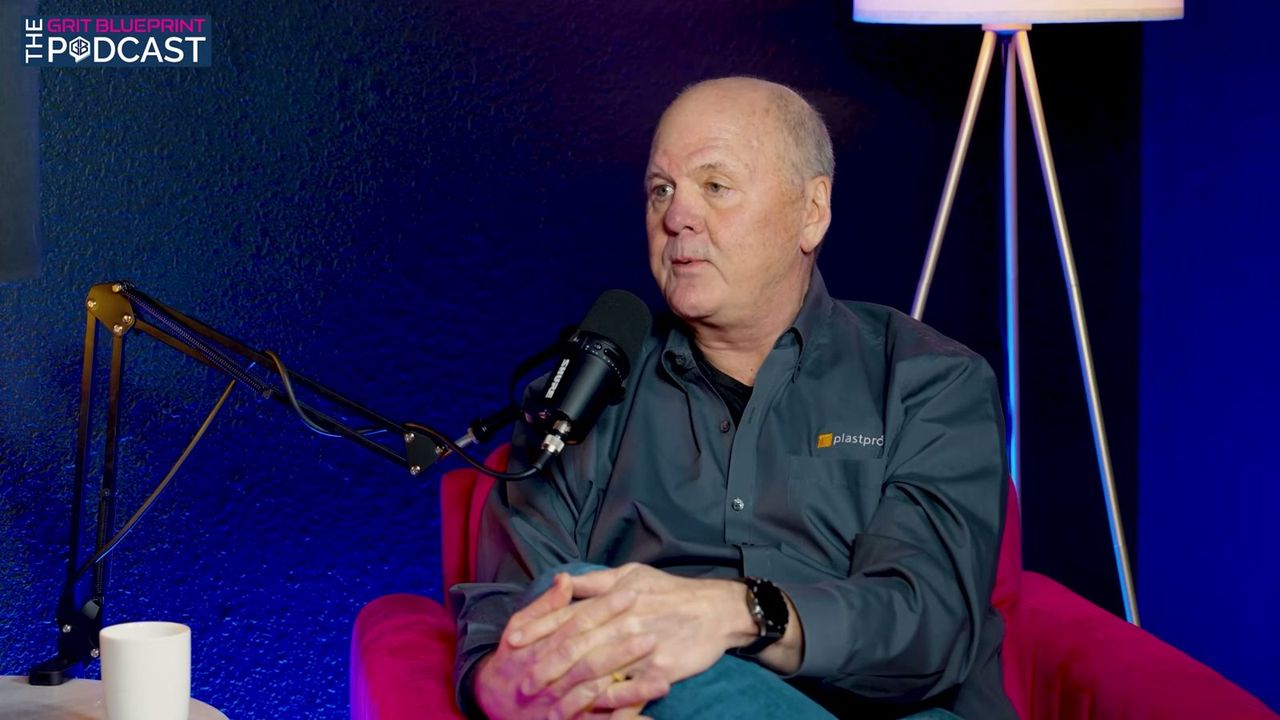
Michael Tull’s answer to “your price is too high” on the Grit Blueprint Podcast is an open question in two words: against what? Learn more from Michael Tull: The Real Reason Customers Buy Again
One more thing from the book: how you say it matters as much as the words. Voss recommends a slow, calm voice, like a late night radio host.
Stefanie Couch’s tip for any sales conversation is the same habit: give the speaker your full attention, ask questions to clear things up and sum up what they said. Learn more from Stefanie Couch, on Grit Blueprint: Stop Running Away From Sales. Start Getting What You Actually Want In Life!
Where it fits and where it does not
- Voss learned this in hostage cases, with people he would never deal with again. You will see your customers next week. We left out the book’s lessons on bargaining power, deadlines and low first offers. In a business built on repeat customers, a tactic that leaves someone feeling played can cost more than it wins.
- Labels and summaries work when you mean them. Used as a trick, customers hear it.
- An open question is not a way to dodge. If the answer is no, say no and say why.
- Know what you are allowed to decide before the call. If credits or price changes go through a manager, say so plainly.
- The book tells its lessons through real hostage cases. We left the stories and their ransom figures in the book.
Try it this week
Before your next hard call, write the three worst things the customer could say about your company on this job. Write one honest sentence in answer to each. Open the call with the biggest one.
Checklist: before a hard conversation
Go down this list before a hard conversation. Any box you can’t tick is the step to go back to.
0 of 6 ticked
What to do next
Put it to work on the most common hard conversation. Teach Before You Talk Price covers the moment a builder says you are higher. To rehearse first, the price objection practice prompt plays the customer so you can try your questions out loud.
Episodes in this piece
Sources
- Never Split the Difference, by Chris Voss
- Summary of Never Split the Difference Growth Summary
- The Real Reason Customers Buy Again (Grit Blueprint Podcast, Michael Tull with host Stefanie Couch) Grit Guide
- Stop Running Away From Sales. Start Getting What You Actually Want In Life! Stefanie Couch, Grit Blueprint
Educational notice This lesson explains selected ideas from Never Split the Difference in our own words. It was written from a summary of the book, not from the book itself. Grit Guide is not affiliated with Chris Voss or his company and is not an authorized provider of his training. Read the book for the full method.